
Cold Foam Iced Coffee
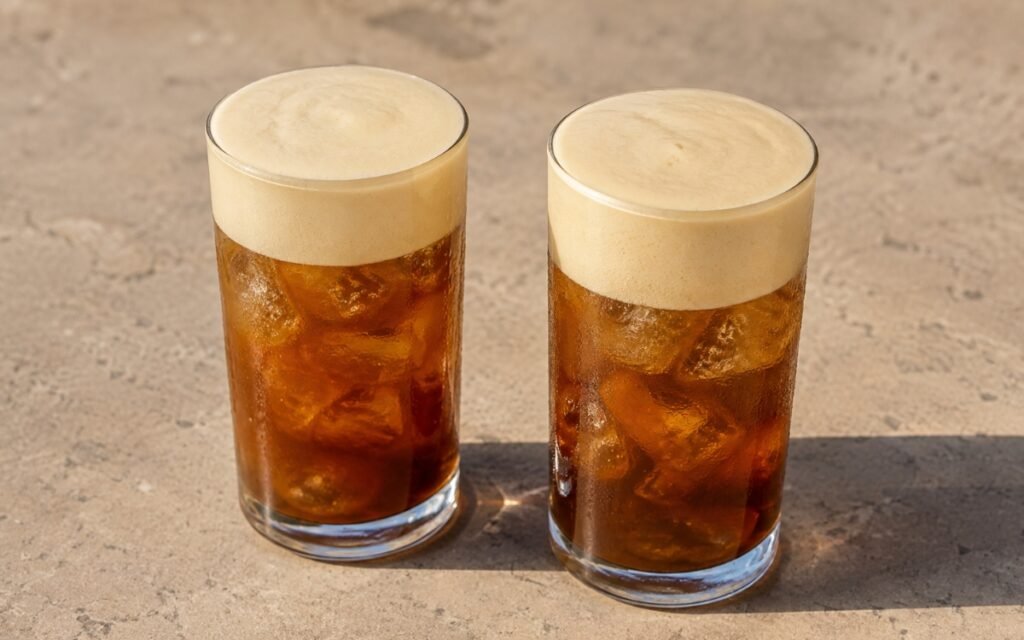
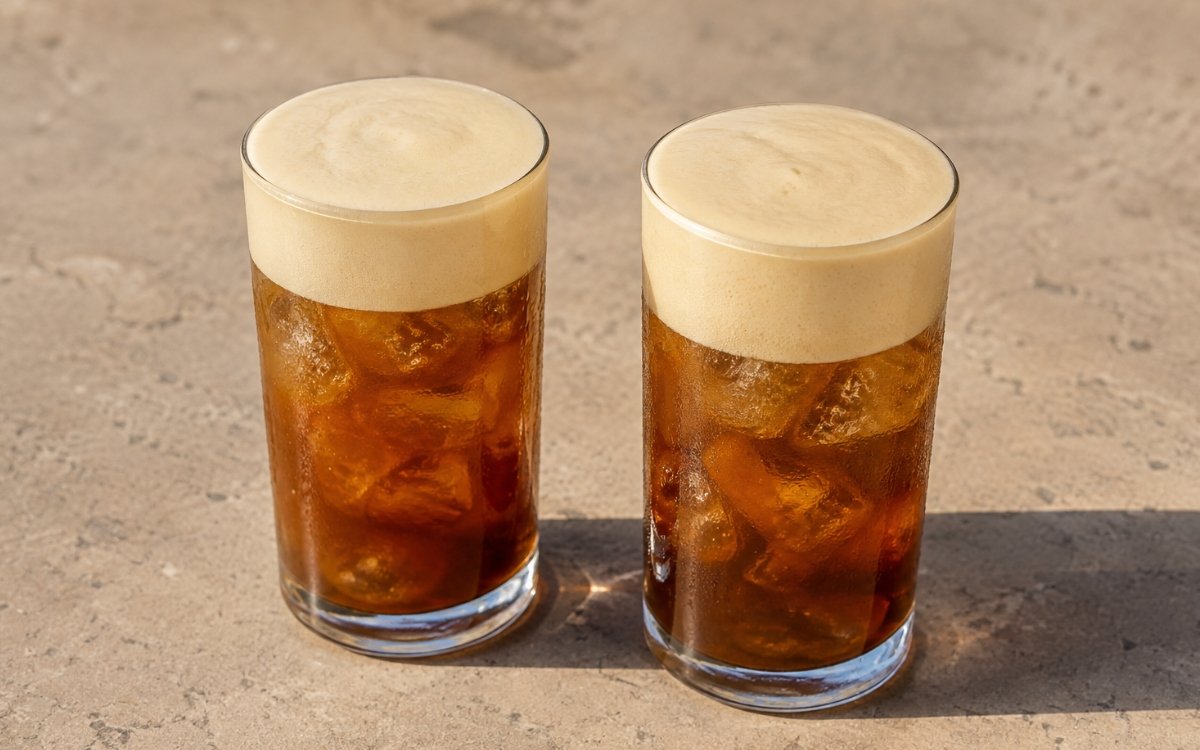
A classic cold foam iced coffee built with a very dark cold coffee base and a thick layer of dense white cold foam floating clearly on top. The coffee should stay nearly black and crisp beneath the foam, while the foam stays light, smooth, and cloud-like rather than melting instantly into the drink. Using genuinely cold, low-fat milk is the technique this whole foam depends on for its defining structure — low-fat milk froths into a considerably more stable, dense foam than higher-fat milk, which produces something softer and less capable of holding its own shape on top of the drink, the same cold-low-fat-milk principle used elsewhere in this collection whenever a foam needs real stability rather than a fleeting, thin froth. Making sure the coffee base is fully cold before the foam ever touches it is what keeps that foam from collapsing prematurely and sinking into the drink. Spooning the foam on gently rather than pouring it aggressively is what preserves the sharp, clean visual boundary between the near-black coffee and the bright white foam above it. The payoff is a drink with genuinely striking contrast — a dark, bold coffee base beneath a thick, cloud-like foam cap that stays clearly, visibly separate.
Prep Time : 8 min
Cook Time : 2 min
Servings : 2
8 min
2 min
2
Ingredients
For the Iced Coffee Base
• 360ml cold brew coffee, well chilled, or strong chilled iced Americano
• 8–10 ice cubes
For the Cold Foam
• 160ml very cold low-fat milk (2% or lower works best for a stable foam) — this one on Amazon
• 20ml simple syrup (optional but classical for a smoother café-style cold foam) — this one on Amazon
• ½ tsp vanilla extract, optional — this one on Amazon
This post may contain affiliate links. As an Amazon Associate I earn from qualifying purchases, at no additional cost to you.
Directions
- Prepare the Coffee Base
Make sure the cold brew or iced Americano is fully chilled before building the drinks. Fill 2 glasses generously with ice. Divide the cold coffee between the glasses, about 180ml per glass. The base should look very dark, almost near-black through the glass. If the coffee is weak or already diluted, the final visual contrast disappears and the drink tastes flat. The coffee must be fully cold before the foam goes on. If the base is too warm, the foam collapses faster and melts into the drink instead of sitting cleanly on top. A properly dark, undiluted coffee base is what makes the drink’s defining visual contrast possible in the first place — starting from a weak or already-watered-down coffee leaves nothing for the bright white foam to visually contrast against. - Make the Cold Foam
Add the very cold milk, simple syrup if using, and vanilla if using to a milk frother, handheld frothing cup, or French press. Froth until thick, dense, and expanded, about 30–60 seconds depending on the method. The foam should be smooth and spoonable, not stiff like whipped cream and not loose like bubbles on top of milk. The foam should hold its shape for a few seconds when spooned and look bright white and dense. If it is full of large bubbles, it needs a little more controlled frothing. If it turns too thin, the milk was too warm or too high in fat. Low-fat milk is the more classical move here. Whole milk tastes richer but produces a softer, less stable cold foam. Milk’s fat content works directly against foam stability at cold temperatures — fat coats and weakens the protein structures that trap air during frothing, which is exactly why low-fat milk, with less of that interference, produces a denser, more structurally sound cold foam than a richer, higher-fat milk would. - Top the Iced Coffee
Spoon or pour the cold foam gently over each glass of iced coffee, dividing it evenly. Let the foam sit clearly on top instead of stirring it in. The boundary between the white foam and the dark coffee should stay very visible. That clean contrast is one of the defining features of a proper cold foam iced coffee. Spooning the foam on gently, rather than pouring it with any real force, is what lets it settle and float as a genuinely distinct layer — an aggressive pour would drive the foam down into the coffee rather than letting it rest cleanly on the surface. - Serve
Serve immediately without garnish. The drink should be presented as a dark iced coffee base with a thick, glowing white foam cap above it. Cold foam is inherently temporary — its stability, however good, still degrades steadily from the moment it’s made, so serving without any delay is what preserves both the visual contrast and the foam’s own light, cloud-like texture.
*Notes :
- Milk fat’s specific interaction with foam stability at cold temperatures deserves real understanding, since it’s the mechanism behind this recipe’s insistence on low-fat milk. When milk is frothed, air becomes trapped within a structure built largely from its proteins; fat molecules tend to coat and weaken those same protein structures, making the resulting foam less stable overall. Low-fat milk, carrying less of that interfering fat, produces a foam that holds its structure considerably longer and more densely than whole milk would under identical frothing conditions.
- The requirement for a fully chilled coffee base before foam is ever added addresses a genuine, practical vulnerability in this drink’s presentation. Cold foam sitting on top of a base that’s even slightly warm begins losing its structure faster than it would on properly cold coffee — the temperature differential works against the foam’s stability from the moment it’s poured, which is why confirming the base is fully cold beforehand matters more than it might seem.
- The distinction drawn in this recipe between properly frothed cold foam and both whipped cream and standard steamed milk foam is worth taking seriously as three genuinely different textures, not interchangeable toppings. Cold foam sits in a specific middle ground — smooth and spoonable, but not stiff like whipped cream, and denser than the light, airy bubbles a warm steamed foam produces. Achieving that specific texture depends on the combination of cold, low-fat milk and controlled, not excessive, frothing time.
- The instruction against overloading with sweetener reflects the drink’s intended balance between its two distinct layers. The foam is meant to taste lightly creamy and softly sweet, existing as a textural and visual contrast to the coffee rather than competing with it in flavour. Oversweetening the foam risks tipping the whole drink toward tasting more like a dessert topping over coffee rather than the clean, bold coffee-and-cream contrast this style is built around.
Why This Recipe Works
This recipe works because the coffee base is confirmed fully cold and genuinely dark before the foam is ever added, protecting both the drink’s visual contrast and the foam’s stability once it’s poured on top.
Low-fat, very cold milk is specifically what allows the foam to froth into a dense, stable structure rather than a soft, quickly collapsing one, since fat content works directly against that stability.
Spooning the foam on gently, rather than pouring it forcefully, preserves it as a genuinely distinct top layer, and serving immediately protects the drink’s defining feature — a sharp, visible boundary between near-black coffee and bright white foam — before it has time to soften and blur together.
Ingredient Breakdown
Very Dark, Fully Chilled Cold Brew or Iced Americano
The coffee base — needs genuine strength and full chill both to provide visual contrast and to protect the foam’s stability once added.
Very Cold, Low-Fat Milk
The foam’s critical ingredient — its lower fat content is specifically what allows it to froth into a dense, stable structure rather than a soft, quickly-collapsing one.
Controlled Frothing Time (30–60 Seconds)
The technique — enough to build a thick, dense foam without introducing large, unstable bubbles from overworking it.
Gentle Spooning Technique
The topping method — settles the foam as a genuinely distinct layer rather than driving it down into the coffee with a forceful pour.
Restrained Sweetener
The flavour balance — kept light so the foam contrasts with the coffee rather than competing with or masking its boldness.
Flavor Structure Explained
This cold foam iced coffee follows a layered balance model:
- Bold dark foundation (very cold, concentrated coffee)
- Light creamy cap (dense cold milk foam)
- Cool refreshing structure (ice)
- Gentle optional sweetness (simple syrup, vanilla)
Very cold, deeply concentrated coffee provides the drink’s bold, dark foundation, its own strength preserved by staying properly chilled and undiluted. A dense, stable cold foam sits distinctly above it, contributing light, smooth creaminess without ever fully blending into the coffee beneath. Generous ice keeps the whole drink properly cold and refreshing. Optional simple syrup and vanilla add a gentle, restrained sweetness to the foam layer specifically, keeping the coffee itself bold and unsweetened beneath it.
Common Mistakes to Avoid
- Using Weak or Diluted Coffee for the Base – This loses the dark, near-black colour the drink’s contrast depends on. Always use a genuinely strong, well-chilled cold brew or Americano.
- Adding the Foam to a Warm Coffee Base – This causes the foam to collapse and melt into the drink faster. Always confirm the coffee base is fully cold first.
- Using Whole Milk Instead of Low-Fat – Higher fat content weakens the foam’s protein structure, producing something softer and less stable. Always use low-fat or 2% milk for the most stable cold foam.
- Pouring the Foam Aggressively – This drives it down into the coffee rather than letting it settle on top. Always spoon or pour gently.
- Oversweetening the Foam – This shifts the drink toward tasting like a dessert topping rather than a clean coffee-and-cream contrast. Always keep the sweetener restrained.
Variations
Vanilla Cold Foam Version
Include the optional vanilla extract for a rounder, more aromatic foam.
Extra-Dark Version
Use an especially concentrated cold brew for maximum contrast against the white foam.
Espresso Version
Substitute a strong, chilled shaken espresso for the cold brew base for a bolder, more intense coffee foundation.
Sweetened Coffee Version
Add a small amount of sweetener directly to the coffee base as well, for a more balanced overall sweetness if the classic unsweetened base feels too bold.
Storage & Make-Ahead
The cold brew or iced Americano base can be made ahead and refrigerated, keeping well for several days per its own storage guidance.
Cold foam should be made fresh right before serving; it does not hold or store well, losing its structure and texture within a short time even when refrigerated.
This drink is meant to be assembled and served immediately once the foam is ready, since both the foam’s texture and the drink’s visual contrast degrade quickly once it sits.
Frequently Asked Questions
Why does this recipe specifically call for low-fat milk instead of whole milk?
Fat molecules in milk tend to coat and weaken the protein structures that trap air during frothing, which is what allows foam to hold its shape. Low-fat milk, carrying less of that interfering fat, produces a denser, more stable cold foam than whole milk would under the same frothing conditions.
Why does the coffee base need to be fully cold before the foam is added?
Cold foam sitting on top of a coffee base that’s even slightly warm loses its structure faster than it would on properly chilled coffee. Confirming the base is fully cold beforehand protects the foam’s stability once it’s poured on.
Why spoon the foam on gently instead of just pouring it in?
A gentle, controlled application lets the foam settle and float as a genuinely distinct top layer. A more forceful pour would drive the foam down into the coffee rather than letting it rest cleanly on the surface, blurring the drink’s defining visual contrast.
Why shouldn’t the foam be sweetened heavily?
The foam is meant to provide light, creamy contrast to the bold, dark coffee beneath it, not compete with or mask that boldness. Oversweetening shifts the balance toward something closer to a dessert topping rather than the clean coffee-and-cream contrast this drink is built around.
Are there other cold foam or cold brew drinks worth trying?
Vanilla Sweet Cream Cold Brew, Chocolate Cream Cold Brew, Salted Caramel Cold Foam Cold Brew, and Pumpkin Cream Cold Brew all build on a related dark cold brew base topped with a distinct cream or foam layer, each bringing its own flavour direction worth exploring.
Nutrition Facts
( per serving )
Calories
~90 kcal
Protein
5 g
Fat
2 g
Carbs
12 g
Calories
~90 kcal
Protein
5 g
Fat
2 g
Carbs
12 g
Related Recipes
Related Recipes

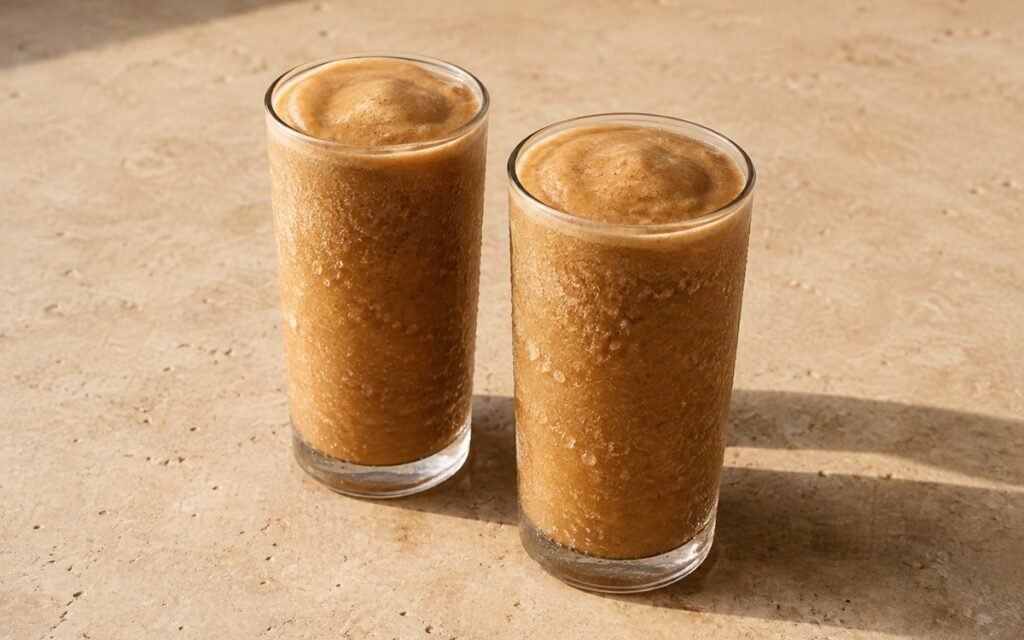
Frozen Coffee Slushie
Strong chilled coffee, simple syrup, a touch of milk, and plenty of ice blended in short pulses for a coarse, icy slushie.
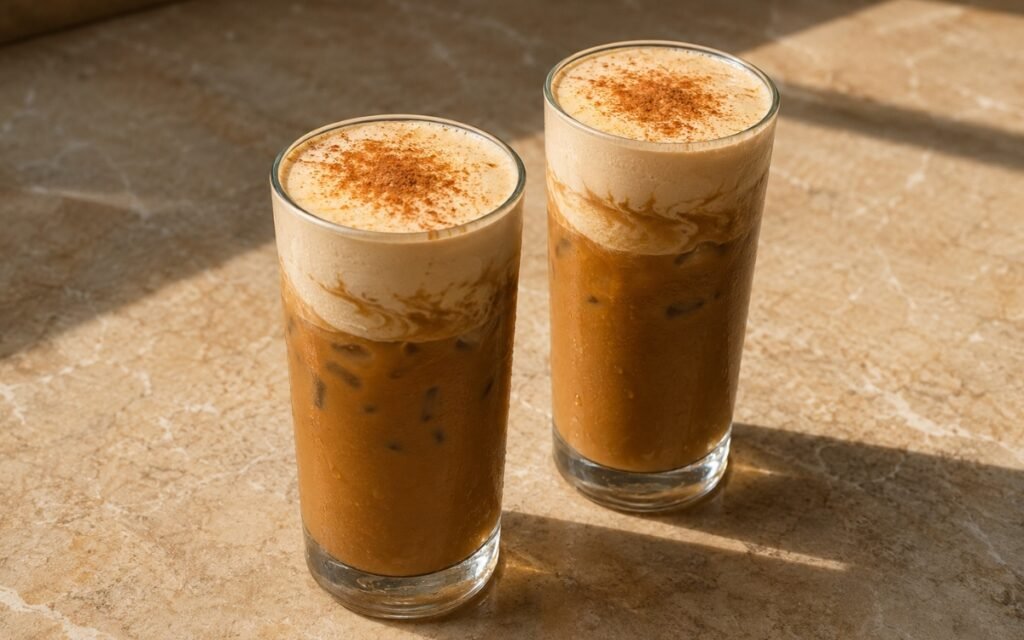
Mont Blanc Iced Coffee
Strong chilled coffee topped with soft whipped cream and a piped chestnut cream mountain, inspired by the classic Mont Blanc pastry.
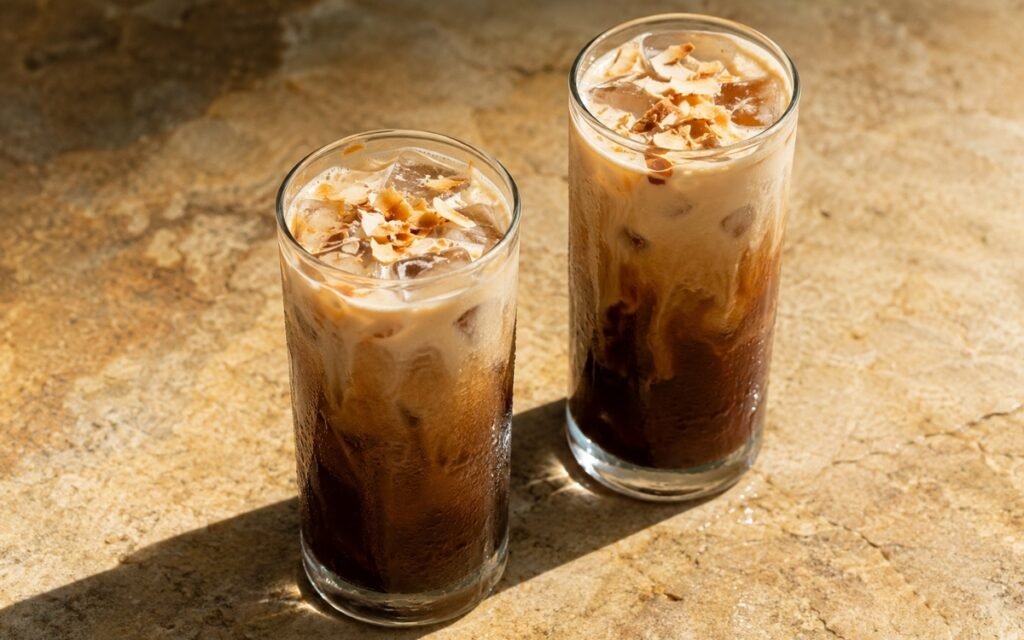
Toasted Coconut Cold Brew
Strong, chilled cold brew coffee sweetened with warm toasted coconut syrup and softened with a restrained splash of coconut milk.
You might also like
You might also like
Classic Deli Coleslaw
Finely shredded cabbage and carrot in a creamy, tangy mayonnaise-sour cream dressing, salted and rested for a coleslaw that stays crisp, not watery.
Kiwi Lime Infused Water
Thin peeled kiwi slices and fresh sliced lime infused cold for a very clean, light, bright, almost clear water.
Lychee Lemonade
Cold-extracted lemon zest and juice combined with blended, twice-strained lychee for a pale, delicate, floral lemonade.

Cold Foam Iced Coffee
Ingredients
Method
- Make sure the cold brew or iced Americano is fully chilled before building the drinks. Fill 2 glasses generously with ice. Divide the cold coffee between the glasses, about 180ml per glass. The base should look very dark, almost near-black through the glass. If the coffee is weak or already diluted, the final visual contrast disappears and the drink tastes flat. The coffee must be fully cold before the foam goes on. If the base is too warm, the foam collapses faster and melts into the drink instead of sitting cleanly on top. A properly dark, undiluted coffee base is what makes the drink’s defining visual contrast possible in the first place — starting from a weak or already-watered-down coffee leaves nothing for the bright white foam to visually contrast against.
- Add the very cold milk, simple syrup if using, and vanilla if using to a milk frother, handheld frothing cup, or French press. Froth until thick, dense, and expanded, about 30–60 seconds depending on the method. The foam should be smooth and spoonable, not stiff like whipped cream and not loose like bubbles on top of milk. The foam should hold its shape for a few seconds when spooned and look bright white and dense. If it is full of large bubbles, it needs a little more controlled frothing. If it turns too thin, the milk was too warm or too high in fat. Low-fat milk is the more classical move here. Whole milk tastes richer but produces a softer, less stable cold foam. Milk’s fat content works directly against foam stability at cold temperatures — fat coats and weakens the protein structures that trap air during frothing, which is exactly why low-fat milk, with less of that interference, produces a denser, more structurally sound cold foam than a richer, higher-fat milk would.
- Spoon or pour the cold foam gently over each glass of iced coffee, dividing it evenly. Let the foam sit clearly on top instead of stirring it in. The boundary between the white foam and the dark coffee should stay very visible. That clean contrast is one of the defining features of a proper cold foam iced coffee. Spooning the foam on gently, rather than pouring it with any real force, is what lets it settle and float as a genuinely distinct layer — an aggressive pour would drive the foam down into the coffee rather than letting it rest cleanly on the surface.
- Serve immediately without garnish. The drink should be presented as a dark iced coffee base with a thick, glowing white foam cap above it. Cold foam is inherently temporary — its stability, however good, still degrades steadily from the moment it’s made, so serving without any delay is what preserves both the visual contrast and the foam’s own light, cloud-like texture.