
Toasted Coconut Cold Brew
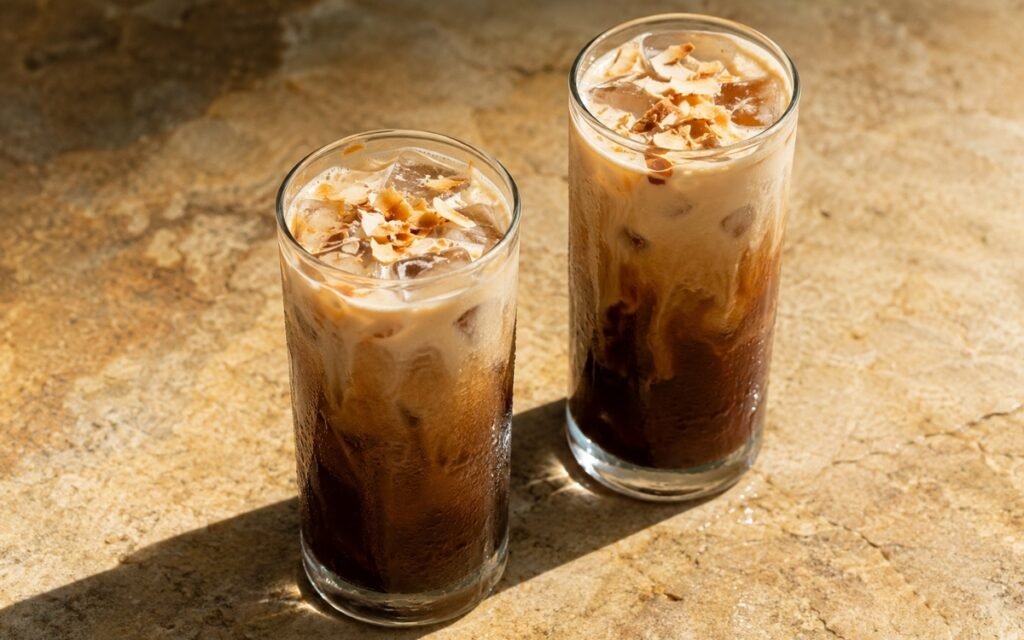
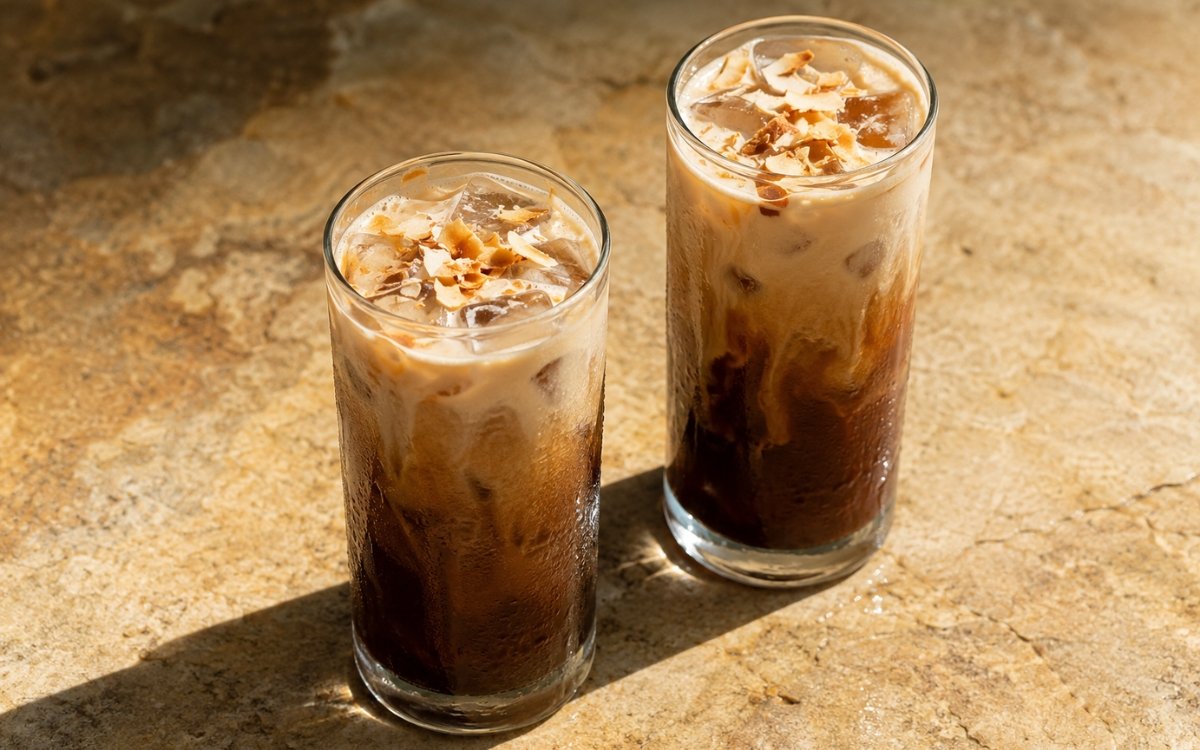
A classic toasted coconut cold brew made with strong chilled cold brew coffee, toasted coconut syrup, ice, and a small splash of coconut milk. The drink should stay dark and coffee-forward, with toasted coconut giving a warm nutty sweetness and the coconut milk softening the edges without turning it into a latte. Toasting the coconut flakes carefully before they ever meet the syrup is the technique this whole drink depends on for its defining flavour — raw coconut simply doesn’t carry the same warm, nutty depth that proper toasting develops, the same toast-before-infuse principle used elsewhere in this collection whenever a raw ingredient needs real colour and aroma development before it’s steeped into a liquid. Steeping that toasted coconut in the warm syrup, then straining and pressing gently, is what extracts real toasted flavour into the syrup rather than leaving it behind in the discarded flakes. Stirring the syrup fully into the coffee before the coconut milk is ever added is what keeps the drink evenly sweet and flavoured throughout, rather than uneven from top to bottom. The payoff is a drink that stays genuinely dark and coffee-forward, with warm, nutty toasted coconut sweetness and a restrained, softening splash of coconut milk — never tipping into a full coconut latte.
Prep Time : 10 min
Cook Time : 8 min
Servings : 2
10 min
8 min
2
Ingredients
For the Toasted Coconut Syrup
• 40g unsweetened coconut flakes — this one on Amazon
• 100g granulated sugar
• 100ml water
• 1 small pinch fine sea salt
• ¼ tsp vanilla extract, optional — this one on Amazon
• 1–2 drops coconut extract, optional, only if the coconut flavour is too weak
For the Toasted Coconut Cold Brew
• 360ml cold brew coffee, well chilled (180ml per serving)
• 80ml cold coconut milk (40ml per serving; use barista-style coconut milk or well-shaken light coconut milk) — this one on Amazon
• 30–40ml toasted coconut syrup (15–20ml per serving)
• 8–10 ice cubes
This post may contain affiliate links. As an Amazon Associate I earn from qualifying purchases, at no additional cost to you.
Directions
- Toast the Coconut
Place the coconut flakes in a dry pan over medium-low heat. Toast for 3–5 minutes, stirring often, until golden and fragrant. Do not walk away. Coconut goes from golden to burnt fast. The coconut should smell warm, nutty, and sweet, with an even golden colour. If it turns dark brown or smells bitter, start over. Burnt coconut will ruin the syrup. Coconut’s naturally high fat content and thin flake structure mean it moves from perfectly toasted to scorched within a genuinely narrow window — stirring often and staying at the pan throughout is what catches that golden point before it tips into bitterness. - Make the Toasted Coconut Syrup
Add the sugar, water, toasted coconut, and salt to a small saucepan. Bring to a gentle simmer, stirring until the sugar dissolves. Simmer for 2–3 minutes, then remove from the heat. Cover and let the coconut steep for 10 minutes. Strain through a fine sieve, pressing gently on the coconut to extract the syrup. Stir in vanilla if using. Add coconut extract only if needed. The syrup should be smooth, lightly golden, sweet, and clearly toasted-coconut scented. It should not taste like plain sugar syrup. Use unsweetened coconut flakes. Sweetened coconut makes the syrup too sugary and less clean. Covering the pan during the steep traps the aromatic steam that would otherwise escape, giving the toasted coconut’s flavour compounds more contained time to infuse fully into the syrup rather than dissipating into the air. - Build the Cold Brew Base
Add 15–20ml toasted coconut syrup to each glass. Pour in 180ml cold brew coffee per glass and stir well to combine. The syrup must be mixed into the coffee before the coconut milk goes in. If it stays at the bottom, the drink will taste bitter at first and overly sweet at the end. Combining and stirring the syrup into the plain coffee base at this early stage, before any other component is added, gives it the clearest, most direct opportunity to distribute evenly throughout the drink. - Add Ice
Fill each glass generously with ice. The cold brew needs to be properly chilled before serving. Warm or room-temperature coffee melts the ice too quickly and makes the coconut milk taste thin. A genuinely cold foundation at this stage is what keeps every component that follows — the coconut milk especially — reading as crisp and properly chilled rather than diluted. - Add the Coconut Milk
Pour 40ml cold coconut milk into each glass. Pour slowly over the ice so it creates pale coconut swirls through the dark cold brew before mixing. The drink should remain mostly dark, with soft creamy coconut movement through the glass. If it turns pale beige like a latte, you added too much coconut milk. Pouring slowly over the ice, rather than directly into the coffee, lets the ice slow and redirect the coconut milk’s fall — that controlled descent is what produces the soft, cloud-like swirling this drink’s presentation depends on. - Serve
Serve immediately. Stir before drinking if desired. The finished drink should taste like strong cold brew first, then toasted coconut, then a light creamy coconut finish. The coffee should still lead. This flavour ordering functions as a genuine check on the drink’s balance — if the coconut milk or syrup begins to dominate, that signals the proportions have tipped away from this drink’s intended coffee-forward character.
*Notes :
- Toasting the coconut flakes properly, rather than skipping straight to a plain coconut syrup, deserves to be understood as the step responsible for this drink’s actual identity. Raw coconut carries a much milder, simpler sweetness on its own; toasting develops genuinely different, warmer, nuttier compounds through the same browning reactions responsible for toasted nuts or grains generally. A syrup made from untoasted coconut would still taste of coconut, but it would lack the specific warm, roasted depth this recipe is built around.
- The covered steep after the syrup comes off the heat is a small step worth respecting despite its brevity. Removing the pan’s lid immediately would let much of the coconut’s newly toasted aroma escape into the air rather than staying contained and continuing to infuse into the syrup. That covered 10 minutes gives the toasted flavour real, uninterrupted contact time with the liquid before straining.
- Stirring the syrup fully into the plain coffee base before the coconut milk arrives follows the same logic used throughout this collection’s other cold brew drinks with a syrup component. Sweetness and flavour introduced only after every other element is already in the glass has to work its way around ice and coconut milk to distribute evenly — a considerably less reliable process than integrating it directly into the simple coffee base first.
- Keeping the coconut milk quantity genuinely restrained is worth treating as a defining boundary rather than a flexible suggestion, echoing the same principle laid out for this drink’s almond milk counterpart. The recipe’s own explicit distinction — a cold brew with coconut, not a coconut latte — signals that coffee is meant to remain the clearly dominant flavour and colour throughout, with the coconut milk contributing only a soft, supporting finish.
Why This Recipe Works
This recipe works because the coconut is properly toasted first, developing genuine warm, nutty depth that a plain, untoasted coconut syrup wouldn’t have. Covering the pan during the steep traps that aromatic flavour rather than letting it escape, and straining with a gentle press extracts it fully into the syrup.
Stirring that syrup into the plain coffee base before the coconut milk arrives ensures even sweetness throughout, and pouring the coconut milk slowly over the ice produces the drink’s signature soft swirling visual.
Keeping the coconut milk quantity genuinely restrained preserves the coffee’s clear dominance, the defining distinction between this drink and a full coconut latte.
Ingredient Breakdown
Properly Toasted Coconut Flakes
The syrup’s flavour foundation — develops warm, nutty depth that raw coconut simply doesn’t carry on its own.
Covered Syrup Steep
The critical technique — traps the toasted coconut’s aroma for fuller infusion rather than letting it escape into the air.
Strong, Fully Chilled Cold Brew
The drink’s base — needs genuine strength and chill to stay clearly dominant beneath the coconut components added afterward.
Syrup Stirred Into Coffee First
The sequencing technique — integrated before the coconut milk arrives, ensuring even sweetness throughout the drink.
Restrained Coconut Milk Ratio
The defining boundary — kept deliberately light so the drink stays a cold brew with coconut, not a coconut latte.
Flavor Structure Explained
This toasted coconut cold brew follows a layered balance model:
- Bold coffee foundation (strong, chilled cold brew)
- Warm nutty sweetness (toasted coconut syrup)
- Cool refreshing structure (ice)
- Light creamy softening (cold coconut milk)
Strong, fully chilled cold brew provides the drink’s essential bold coffee foundation, staying clearly present throughout. Toasted coconut syrup, made from properly browned coconut flakes, contributes warm, nutty sweetness distinct from a plain, flatter coconut flavour. Generous ice keeps the whole drink properly cold and refreshing. A restrained pour of cold coconut milk softens the coffee’s edges with light, creamy character, contributing gently rather than transforming the drink into a full coconut latte.
Common Mistakes to Avoid
- Walking Away While Toasting the Coconut – It burns quickly and turns bitter. Always stay at the pan, stirring often, until it reaches an even golden colour.
- Using Sweetened Coconut Flakes – This makes the syrup overly sugary and less clean-tasting. Always use unsweetened coconut flakes.
- Skipping the Covered Steep – This lets the toasted aroma escape rather than infusing into the syrup. Always cover the pan for the full 10 minutes.
- Not Stirring the Syrup Into the Coffee Before Adding Coconut Milk – Unmixed syrup produces an unevenly flavoured drink, bitter above and cloying below. Always combine it into the coffee base first.
- Using Too Much Coconut Milk – This turns the drink pale like a latte rather than staying coffee-forward. Always keep the coconut milk to the specified restrained amount.
Variations
Sweeter Café-Style Version
Use 20ml toasted coconut syrup per serving instead of 15ml for a more pronounced sweetness.
Extra-Coconut Version
Add the optional coconut extract for a more assertive coconut flavour throughout.
Toasted Coconut Whipped Version
Top with a small dollop of lightly whipped coconut cream instead of stirring in coconut milk, for a different presentation.
Extra-Strong Version
Use a doubled-strength cold brew concentrate for an even bolder coffee foundation against the coconut syrup and milk.
Storage & Make-Ahead
The toasted coconut syrup can be made ahead and refrigerated in a sealed jar for about 1 week.
The cold brew base can be made ahead according to standard cold brew storage guidance.
This drink is meant to be assembled and served fresh; it does not hold or store well once assembled, since the ice will melt and the coconut milk swirls will blend into the coffee over time.
Frequently Asked Questions
Why does the coconut need to be toasted before it’s made into syrup?
Raw coconut carries a much milder, simpler sweetness. Toasting develops genuinely different, warmer, nuttier flavour compounds through the same browning process responsible for toasted nuts or grains generally, giving this syrup its specific warm, roasted depth.
Why does the syrup need to steep covered rather than uncovered?
Removing the lid right away would let much of the coconut’s newly toasted aroma escape into the air rather than staying contained and infusing into the liquid. The covered 10-minute steep gives that flavour real, uninterrupted contact time with the syrup.
Why does the syrup need to be stirred into the coffee before the coconut milk is added?
Sweetness introduced only after every other component is already in the glass has to travel around ice and coconut milk to distribute evenly, which is far less reliable. Stirring it into the plain coffee base first ensures consistent flavour and sweetness throughout.
Why does the coconut milk need to stay so restrained?
This drink is meant to be a cold brew with coconut, not a coconut latte. Keeping the coconut milk to a small, deliberate amount preserves the coffee’s clear dominance — using too much shifts the drink’s whole character toward a different, milkier format.
Are there other coconut or dairy-alternative cold coffee drinks worth trying?
Coconut Iced Latte and Honey Almondmilk Cold Brew both build on a related dairy-alternative direction worth exploring. Cold Brew Coffee and Vanilla Sweet Cream Cold Brew are also worth trying for a different, either more classic or richer, cold coffee experience.
Nutrition Facts
( per serving )
Calories
~130 kcal
Protein
1 g
Fat
6 g
Carbs
20 g
Calories
~130 kcal
Protein
1 g
Fat
6 g
Carbs
20 g
Related Recipes
Related Recipes

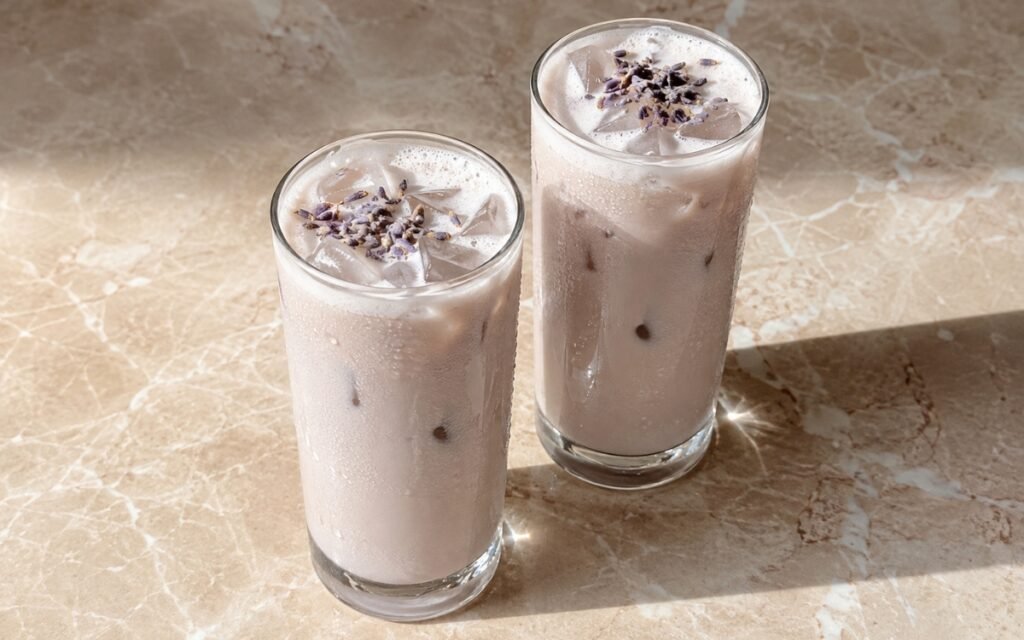
Lavender Iced Latte
Precisely steeped lavender syrup, cold milk, and ice topped with freshly brewed espresso, finished with a thin foam layer and lavender sprig.
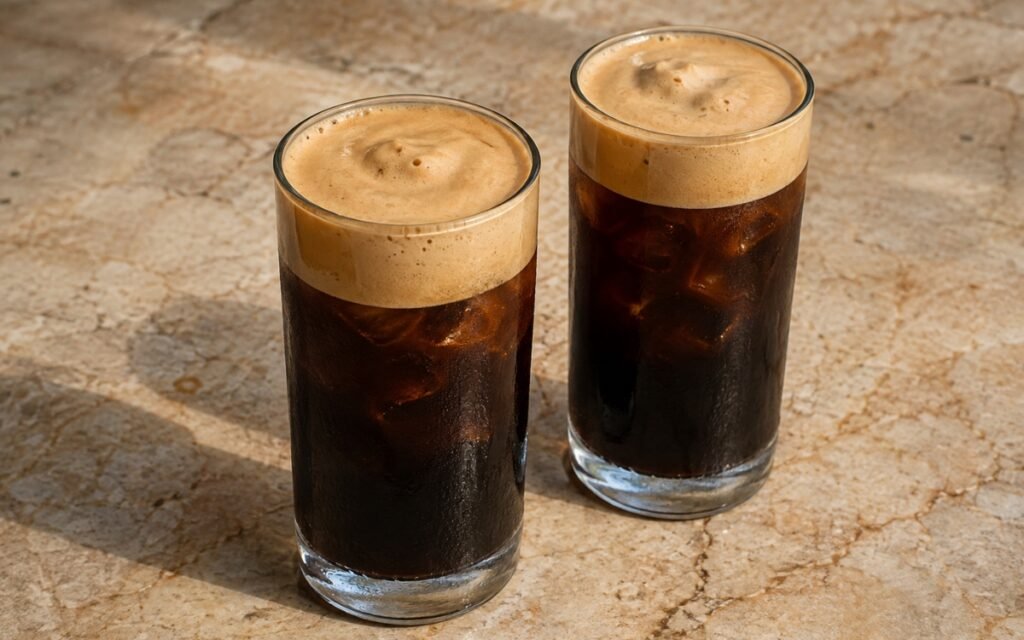
Freddo Espresso
Hot espresso shaken hard with ice until chilled, aerated, and capped with thick foam, then poured over fresh ice.
Espresso Tonic Mocktail
Cooled fresh espresso gently layered over chilled, fully sparkling tonic water for a crisp, bitter, minimal drink.

You might also like
You might also like
Pomegranate Orange Pitcher Drink
Pomegranate and orange juice combined with lightly bruised pomegranate arils, thin orange wheels, and a last-stage splash of sparkling water.
Cinnamon Dolce Iced Latte
Warm cinnamon-brown sugar syrup, cold milk, and ice topped with freshly brewed espresso, for a milk-forward, gently spiced latte.
Classic Cold Brew Iced Black Tea
Black tea cold brewed 6–12 hours in cold filtered water — honey loosened in warm water before adding, lemon peel infused cold 10–15 minutes. Ultra-smooth and mellow.



Toasted Coconut Cold Brew
Ingredients
Method
- Place the coconut flakes in a dry pan over medium-low heat. Toast for 3–5 minutes, stirring often, until golden and fragrant. Do not walk away. Coconut goes from golden to burnt fast. The coconut should smell warm, nutty, and sweet, with an even golden colour. If it turns dark brown or smells bitter, start over. Burnt coconut will ruin the syrup. Coconut’s naturally high fat content and thin flake structure mean it moves from perfectly toasted to scorched within a genuinely narrow window — stirring often and staying at the pan throughout is what catches that golden point before it tips into bitterness.
- Add the sugar, water, toasted coconut, and salt to a small saucepan. Bring to a gentle simmer, stirring until the sugar dissolves. Simmer for 2–3 minutes, then remove from the heat. Cover and let the coconut steep for 10 minutes. Strain through a fine sieve, pressing gently on the coconut to extract the syrup. Stir in vanilla if using. Add coconut extract only if needed. The syrup should be smooth, lightly golden, sweet, and clearly toasted-coconut scented. It should not taste like plain sugar syrup. Use unsweetened coconut flakes. Sweetened coconut makes the syrup too sugary and less clean. Covering the pan during the steep traps the aromatic steam that would otherwise escape, giving the toasted coconut’s flavour compounds more contained time to infuse fully into the syrup rather than dissipating into the air.
- Add 15–20ml toasted coconut syrup to each glass. Pour in 180ml cold brew coffee per glass and stir well to combine. The syrup must be mixed into the coffee before the coconut milk goes in. If it stays at the bottom, the drink will taste bitter at first and overly sweet at the end. Combining and stirring the syrup into the plain coffee base at this early stage, before any other component is added, gives it the clearest, most direct opportunity to distribute evenly throughout the drink.
- Fill each glass generously with ice. The cold brew needs to be properly chilled before serving. Warm or room-temperature coffee melts the ice too quickly and makes the coconut milk taste thin. A genuinely cold foundation at this stage is what keeps every component that follows — the coconut milk especially — reading as crisp and properly chilled rather than diluted.
- Pour 40ml cold coconut milk into each glass. Pour slowly over the ice so it creates pale coconut swirls through the dark cold brew before mixing. The drink should remain mostly dark, with soft creamy coconut movement through the glass. If it turns pale beige like a latte, you added too much coconut milk. Pouring slowly over the ice, rather than directly into the coffee, lets the ice slow and redirect the coconut milk’s fall — that controlled descent is what produces the soft, cloud-like swirling this drink’s presentation depends on.
- Serve immediately. Stir before drinking if desired. The finished drink should taste like strong cold brew first, then toasted coconut, then a light creamy coconut finish. The coffee should still lead. This flavour ordering functions as a genuine check on the drink’s balance — if the coconut milk or syrup begins to dominate, that signals the proportions have tipped away from this drink’s intended coffee-forward character.