
Coconut Iced Latte
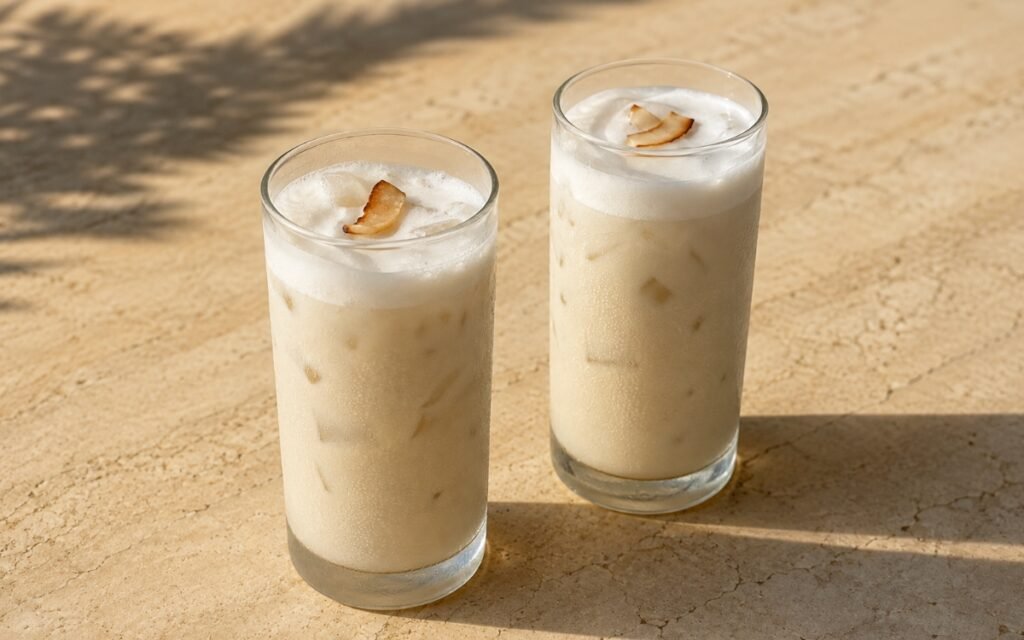
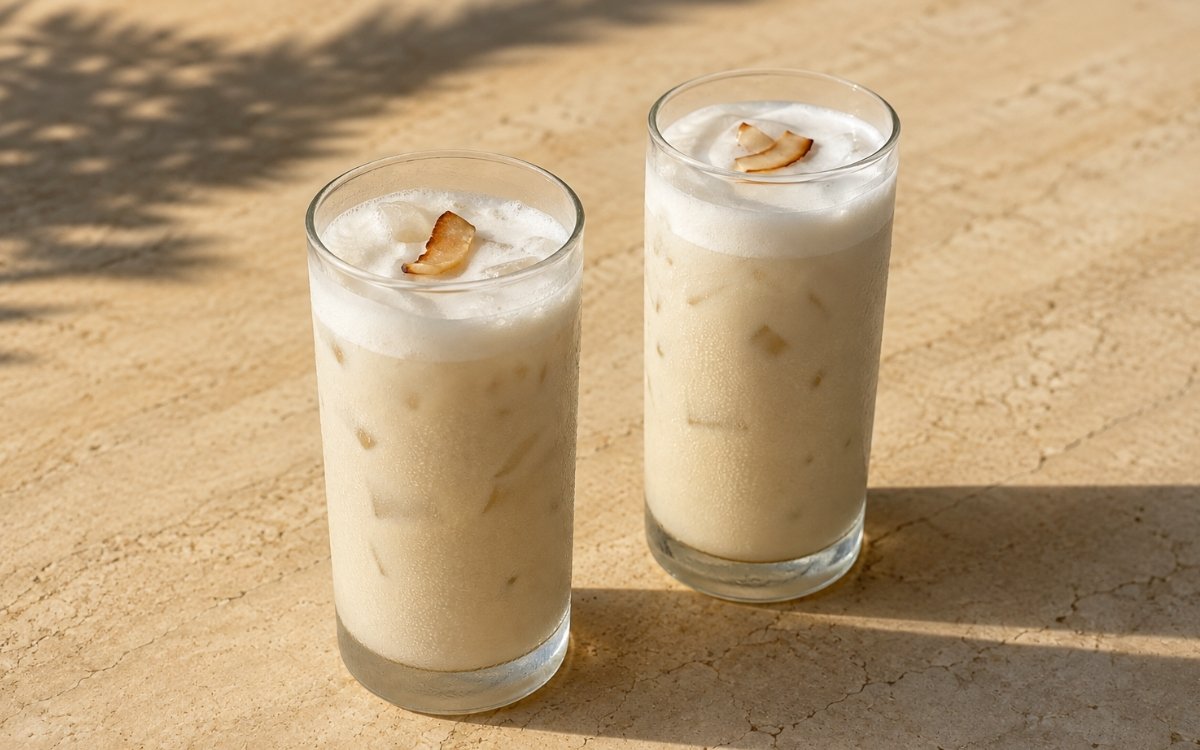
A clean café-style coconut iced latte made with freshly brewed espresso, chilled coconut milk, ice, and a light coconut cream finish. Very pale, smooth, and milk-forward, with coconut as a soft creamy note rather than an overpowering tropical flavour. The top gets a slightly thicker coconut cream layer for the classic pale white-cream finish. Using chilled coconut cream rather than warm for the top layer is the technique this whole finish depends on — warm coconut cream turns greasy and loses the clean separation this drink is known for, the same chilled-fat principle used elsewhere in this collection whenever a rich, fatty component needs to hold a distinct texture rather than melting into the drink beneath it. Loosening that coconut cream to a specific consistency, pourable or spoonable but never stiff like whipped cream, is what lets it sit as a soft, natural top layer instead of a heavy, dense cap. Using barista-style coconut milk as the drink’s liquid base, rather than canned full-fat coconut milk, matters just as much, since that formulation is considerably smoother and less aggressive as the drink’s main body. The payoff is a drink that stays genuinely pale and milk-forward, with coconut registering as a soft, supporting note rather than an overwhelming tropical flavour, finished with a natural, subtly whiter cream layer on top.
Prep Time : 8 min
Cook Time : 5 min
Servings : 2
8 min
5 min
2
Ingredients
For the Coconut Iced Latte
• 120ml espresso, freshly brewed (4 standard shots total, counting 1 shot = 30ml)
• 280ml chilled barista-style coconut milk — this one on Amazon
• 8–10 ice cubes
Optional Sweetener
• 20ml simple syrup (10ml per serving, optional but useful if you want a more café-style balance) — this one on Amazon
For the Coconut Cream Top
• 60g chilled coconut cream — this one on Amazon
• 20–30ml chilled coconut milk, as needed to loosen
For Finishing
• 2–4 thin toasted coconut flakes
This post may contain affiliate links. As an Amazon Associate I earn from qualifying purchases, at no additional cost to you.
Directions
- Brew the Espresso
Brew 120ml espresso total, equal to 4 standard 30ml shots. Let it stand for 30–60 seconds only if it is extremely hot, but do not let it sit long enough to flatten. The espresso should be fresh, dark, and aromatic. Coconut milk is delicate, so stale or harsh espresso stands out very quickly. Coconut’s gentle, subtle flavour has little capacity to mask or soften a flawed shot the way a bolder syrup might — genuinely fresh, clean espresso is what lets the coconut register as a soft supporting note rather than competing with a stale or bitter coffee base. - Prepare the Coconut Cream Top
In a small bowl, whisk the chilled coconut cream with 20–30ml chilled coconut milk until smooth and lightly loosened. It should be pourable or spoonable, but still slightly thicker and whiter than the drink itself. The coconut cream should not be stiff like whipped cream and should not be so loose that it disappears instantly into the drink. You want a soft top layer, not a heavy cap. Use chilled coconut cream. Warm coconut cream turns greasy and loses the clean top-layer effect. Coconut cream’s fat content is genuinely sensitive to temperature in a way that matters directly here — kept cold, that fat stays emulsified and holds a smooth, thick texture; warmed even slightly, it can separate and turn oily, losing both its texture and its ability to sit cleanly as a distinct layer. - Build the Base If
using sweetener, divide the simple syrup between 2 glasses, 10ml per glass. Fill each glass generously with ice. Pour 140ml chilled coconut milk into each glass. The glasses should already look very pale and almost white. This drink is lighter in colour than an oat or standard milk latte, and that pale base matters. Barista-style coconut milk’s naturally pale, smooth character is what sets the drink’s whole visual identity from this very early stage — building on that pale base is what allows the finished, stirred drink to stay genuinely light in colour rather than tanning toward a more standard iced latte shade. - Add the Espresso
Pour 60ml espresso into each glass over the coconut milk and ice. Let it swirl naturally for a moment, then stir briefly. Once stirred, the drink should become a very pale coconut-cream beige, not dark brown and not tan like a regular iced latte. Coconut milk should still visually dominate. This specific colour target functions as a genuinely useful check on the drink’s balance — if the finished colour tans too far toward a standard latte shade, the espresso-to-coconut-milk ratio has tipped away from the pale, coconut-forward character this drink is meant to have. - Finish the Drink
Spoon or gently pour the loosened coconut cream over the top of each drink. Scatter 1–2 thin toasted coconut flakes over each glass. Serve immediately. The top should show a slightly whiter coconut cream layer sitting lightly above the drink. It should look like a natural soft separation, not a thick whipped topping. Adding the coconut cream only at this final stage, after the espresso and coconut milk base are already combined, is what preserves it as a distinct, visible top layer rather than blending entirely into the drink beneath it.
*Notes :
- The temperature sensitivity of coconut cream is worth understanding as a genuine technical constraint rather than a minor preference. Its fat content behaves very differently depending on temperature — kept properly chilled, it holds a smooth, cohesive, slightly thick texture that sits well as a top layer. Warmed even modestly, that same fat can begin separating and turning visibly greasy, losing both the texture and the clean visual separation this drink’s finish depends on. Keeping the coconut cream cold right up until the moment it’s used is worth real attention.
- Choosing barista-style coconut milk over canned full-fat coconut milk as the drink’s main liquid base reflects a genuine formulation difference worth understanding. Canned coconut milk is considerably richer and more aggressively coconut-forward, which would push this drink toward tasting more like a tropical dessert than a proper café-style latte. Barista-formulated coconut milk is specifically designed with a smoother, more restrained profile that integrates cleanly as a milk substitute rather than dominating the drink’s flavour.
- The loosened coconut cream’s specific target consistency — thicker than the drink but stopping well short of whipped cream’s stiffness — deserves careful attention rather than being approximated loosely. Too stiff, and it sits as a heavy, dense cap that doesn’t naturally settle or spread; too loose, and it disappears into the drink immediately rather than holding as a visible, distinct layer. The narrow middle ground specified here is what produces the soft, natural-looking separation this drink’s presentation is built around.
- Keeping the garnish restrained — just a couple of thin toasted coconut flakes rather than a heavier scatter — reflects the same clean, minimal aesthetic that governs the whole drink’s design. Coconut here is meant to register as a soft, supporting flavour and a light visual accent, not as an overwhelming tropical statement; both the flavour balance and the garnish amount are calibrated toward that same restraint.
Why This Recipe Works
This recipe works because barista-style coconut milk provides a genuinely pale, smooth base that sets the drink’s light colour identity from the start, and genuinely fresh espresso is what lets the coconut’s gentle flavour register clearly rather than being overwhelmed by any flaws in a lesser shot.
The coconut cream topping is kept properly chilled to protect its texture from turning greasy, and loosened to a specific consistency that lets it sit as a soft, natural top layer rather than either disappearing or sitting as a heavy cap.
Landing in the drink’s specific pale coconut-cream-beige colour range confirms the espresso and coconut milk are properly balanced, and a restrained garnish keeps the whole presentation clean rather than cluttered.
Ingredient Breakdown
Barista-Style Coconut Milk
The drink’s main liquid base — smoother and more restrained than canned full-fat coconut milk, keeping the drink pale and café-appropriate rather than dessert-like.
Freshly Brewed, Clean Espresso
The coffee foundation — needs genuine freshness, since coconut’s subtle flavour has little capacity to mask a stale or flawed shot.
Chilled Coconut Cream
The topping’s key ingredient — its fat content stays smooth and cohesive only when properly cold, protecting it from turning greasy.
Loosened Coconut Cream (Specific Consistency)
The finishing technique — thinned just enough to sit softly on top without disappearing, neither too stiff nor too thin.
Restrained Toasted Coconut Garnish
The final touch — kept minimal to preserve the drink’s clean, uncluttered presentation.
Flavor Structure Explained
This coconut iced latte follows a layered balance model:
- Smooth pale foundation (barista coconut milk)
- Bold aromatic centre (freshly brewed espresso)
- Soft creamy finish (loosened coconut cream)
- Light toasted accent (toasted coconut flakes)
Barista-style coconut milk provides the drink’s smooth, pale foundation, staying genuinely milk-forward while contributing a soft, restrained coconut character. Freshly brewed espresso layers in bold, aromatic coffee flavour that tints the pale base without overpowering it. A finishing layer of loosened, chilled coconut cream adds soft, rich creaminess right at the top, distinct in both colour and texture from the drink beneath it. A light scatter of toasted coconut flakes finishes the presentation with a subtle textural and aromatic accent that echoes the drink’s core coconut character without adding heaviness.
Common Mistakes to Avoid
- Using Warm Coconut Cream for the Top – This turns greasy and loses its clean top-layer texture. Always keep it properly chilled right up until use.
- Using Canned Full-Fat Coconut Milk Instead of Barista-Style – This pushes the drink toward a heavier, more aggressively tropical flavour rather than a proper café-style latte. Always use a barista-formulated version.
- Using Stale or Harsh Espresso – Coconut’s subtle flavour can’t mask a flawed shot. Always use fresh, clean espresso.
- Making the Coconut Cream Too Stiff or Too Loose – Too stiff sits as a heavy cap; too loose disappears into the drink. Always loosen it to a specific pourable-but-thick consistency.
- Overloading the Garnish – Too many coconut flakes makes the top look messy rather than clean and minimal. Always keep it to just a couple of pieces.
Variations
Sweeter Version
Include the optional simple syrup for a more classic café-style sweetness, especially if using an unsweetened, lean coconut milk.
Extra-Strong Version
Increase to 3 shots of espresso per serving for a bolder coffee presence against the coconut base.
Vanilla Coconut Version
Add a few drops of vanilla extract to the coconut cream topping for a rounder, more aromatic finish.
Toasted Coconut Syrup Version
Substitute a toasted coconut syrup for the simple syrup for a deeper, more roasted coconut flavour throughout.
Storage & Make-Ahead
This drink is meant to be built and served fresh; it does not hold or store well once assembled, since the ice will melt and the coconut cream topping will lose its distinct layer over time.
Espresso can be brewed just before building the glasses, but should not be brewed far in advance, since its flavour and aroma fade noticeably as it sits.
Chilled coconut milk and coconut cream should both be kept refrigerated until the moment of use for the best texture and temperature contrast.
Frequently Asked Questions
Why does the coconut cream for the top need to stay chilled rather than at room temperature?
Coconut cream’s fat content is genuinely sensitive to temperature. Kept cold, it stays emulsified and holds a smooth, thick texture; warmed even slightly, it can separate and turn greasy, losing both its texture and its ability to sit cleanly as a distinct top layer.
Why use barista-style coconut milk instead of canned full-fat coconut milk as the base?
Canned coconut milk is considerably richer and more aggressively coconut-forward, pushing the drink toward tasting like a tropical dessert. Barista-formulated coconut milk has a smoother, more restrained profile designed specifically to integrate cleanly as a milk substitute in a café-style drink.
Why does the espresso need to be especially fresh for this particular drink?
Coconut’s flavour is inherently subtle and gentle, giving it little capacity to mask or compete with a stale or harsh shot. Fresh, clean espresso is what lets the coconut register clearly as a soft supporting note rather than being overwhelmed by a flawed base.
Why does the coconut cream topping need such a specific consistency?
Too stiff, it sits as a heavy, dense cap that doesn’t spread naturally. Too loose, it disappears into the drink immediately rather than holding as a visible layer. The specified pourable-but-thick consistency is what produces the soft, natural-looking separation this drink’s finish is built around.
Are there other coconut or dairy-alternative iced coffee drinks worth trying?
Toasted Coconut Cold Brew, Honey Almondmilk Cold Brew, Iced Oat Milk Cappuccino, and Classic Iced Latte all build on a related espresso-and-alternative-milk foundation, each taking a different flavour or technique direction worth exploring.
Nutrition Facts
( per serving )
Calories
~190 kcal
Protein
2 g
Fat
14 g
Carbs
14 g
Calories
~190 kcal
Protein
2 g
Fat
14 g
Carbs
14 g
Related Recipes
Related Recipes

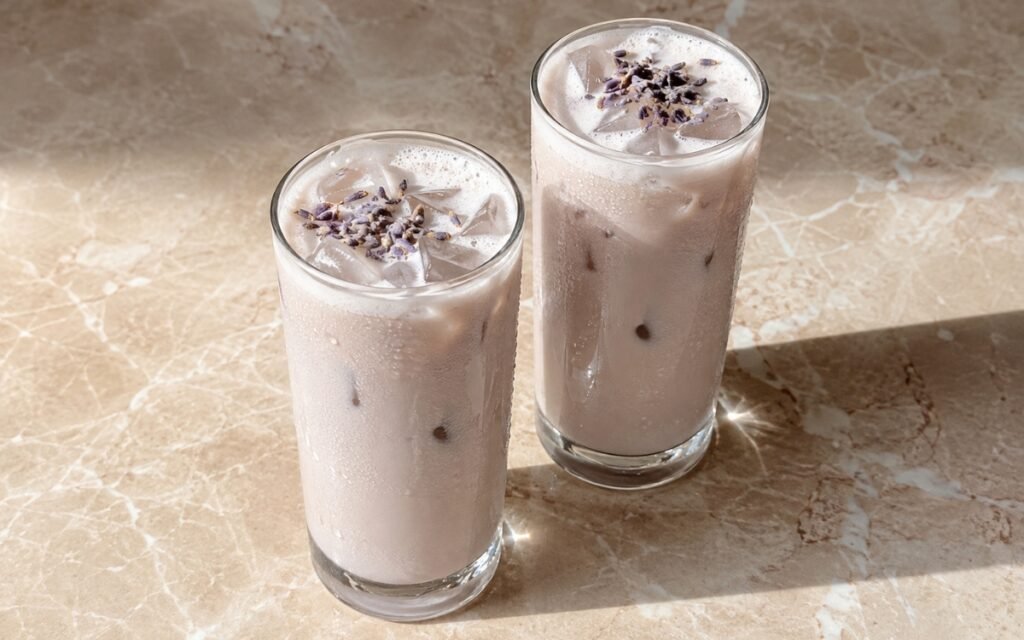
Lavender Iced Latte
Precisely steeped lavender syrup, cold milk, and ice topped with freshly brewed espresso, finished with a thin foam layer and lavender sprig.
Mont Blanc Iced Coffee
Strong chilled coffee topped with soft whipped cream and a piped chestnut cream mountain, inspired by the classic Mont Blanc pastry.
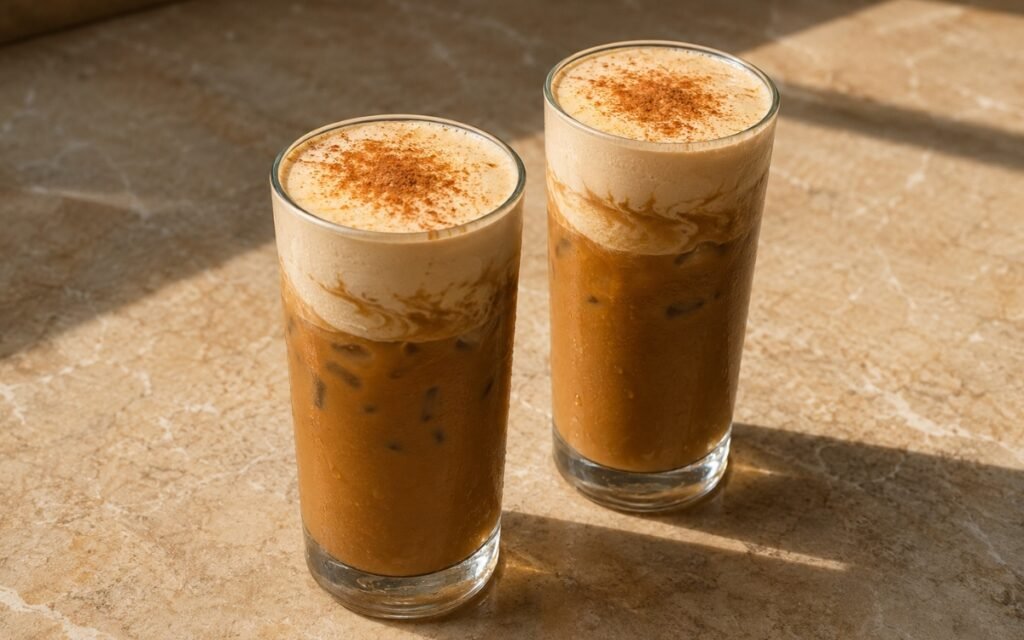
Cold Foam Iced Coffee
A very dark, fully chilled cold coffee base topped with a thick, dense cold foam layer that sits clearly, cloud-like, on top.

You might also like
You might also like
Cinnamon Dolce Iced Latte
Warm cinnamon-brown sugar syrup, cold milk, and ice topped with freshly brewed espresso, for a milk-forward, gently spiced latte.
Classic Cold Brew Iced Black Tea
Black tea cold brewed 6–12 hours in cold filtered water — honey loosened in warm water before adding, lemon peel infused cold 10–15 minutes. Ultra-smooth and mellow.
Cantaloupe Lemonade
Cold-extracted lemon zest and juice combined with blended ripe cantaloupe for a soft orange, smooth, melon-forward lemonade.



Coconut Iced Latte
Ingredients
Method
- Brew 120ml espresso total, equal to 4 standard 30ml shots. Let it stand for 30–60 seconds only if it is extremely hot, but do not let it sit long enough to flatten. The espresso should be fresh, dark, and aromatic. Coconut milk is delicate, so stale or harsh espresso stands out very quickly. Coconut’s gentle, subtle flavour has little capacity to mask or soften a flawed shot the way a bolder syrup might — genuinely fresh, clean espresso is what lets the coconut register as a soft supporting note rather than competing with a stale or bitter coffee base.
- In a small bowl, whisk the chilled coconut cream with 20–30ml chilled coconut milk until smooth and lightly loosened. It should be pourable or spoonable, but still slightly thicker and whiter than the drink itself. The coconut cream should not be stiff like whipped cream and should not be so loose that it disappears instantly into the drink. You want a soft top layer, not a heavy cap. Use chilled coconut cream. Warm coconut cream turns greasy and loses the clean top-layer effect. Coconut cream’s fat content is genuinely sensitive to temperature in a way that matters directly here — kept cold, that fat stays emulsified and holds a smooth, thick texture; warmed even slightly, it can separate and turn oily, losing both its texture and its ability to sit cleanly as a distinct layer.
- using sweetener, divide the simple syrup between 2 glasses, 10ml per glass. Fill each glass generously with ice. Pour 140ml chilled coconut milk into each glass. The glasses should already look very pale and almost white. This drink is lighter in colour than an oat or standard milk latte, and that pale base matters. Barista-style coconut milk’s naturally pale, smooth character is what sets the drink’s whole visual identity from this very early stage — building on that pale base is what allows the finished, stirred drink to stay genuinely light in colour rather than tanning toward a more standard iced latte shade.
- Pour 60ml espresso into each glass over the coconut milk and ice. Let it swirl naturally for a moment, then stir briefly. Once stirred, the drink should become a very pale coconut-cream beige, not dark brown and not tan like a regular iced latte. Coconut milk should still visually dominate. This specific colour target functions as a genuinely useful check on the drink’s balance — if the finished colour tans too far toward a standard latte shade, the espresso-to-coconut-milk ratio has tipped away from the pale, coconut-forward character this drink is meant to have.
- Spoon or gently pour the loosened coconut cream over the top of each drink. Scatter 1–2 thin toasted coconut flakes over each glass. Serve immediately. The top should show a slightly whiter coconut cream layer sitting lightly above the drink. It should look like a natural soft separation, not a thick whipped topping. Adding the coconut cream only at this final stage, after the espresso and coconut milk base are already combined, is what preserves it as a distinct, visible top layer rather than blending entirely into the drink beneath it.