
Iced Pistachio Latte
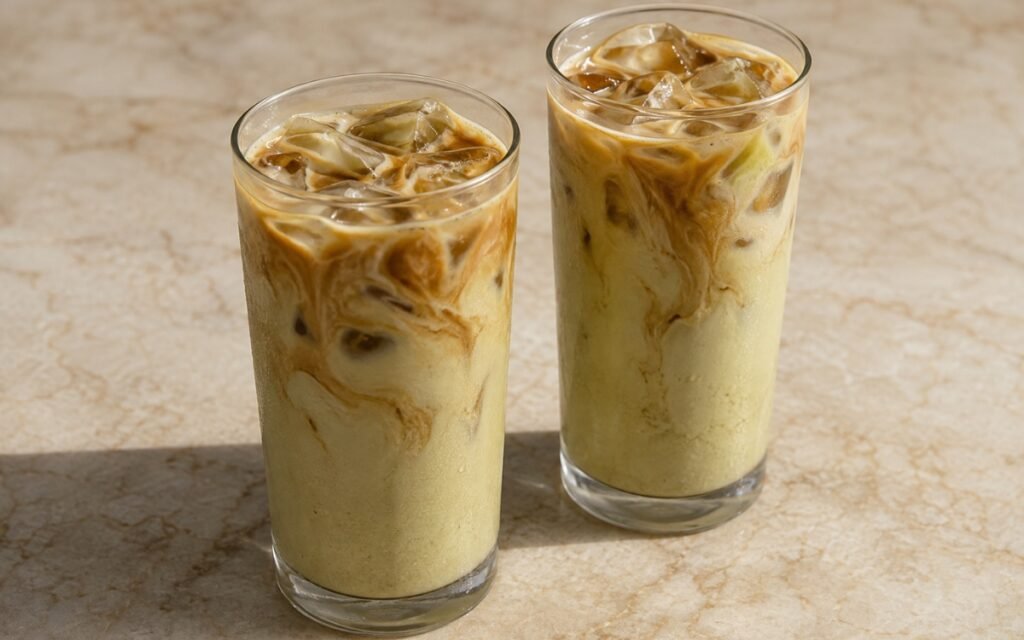
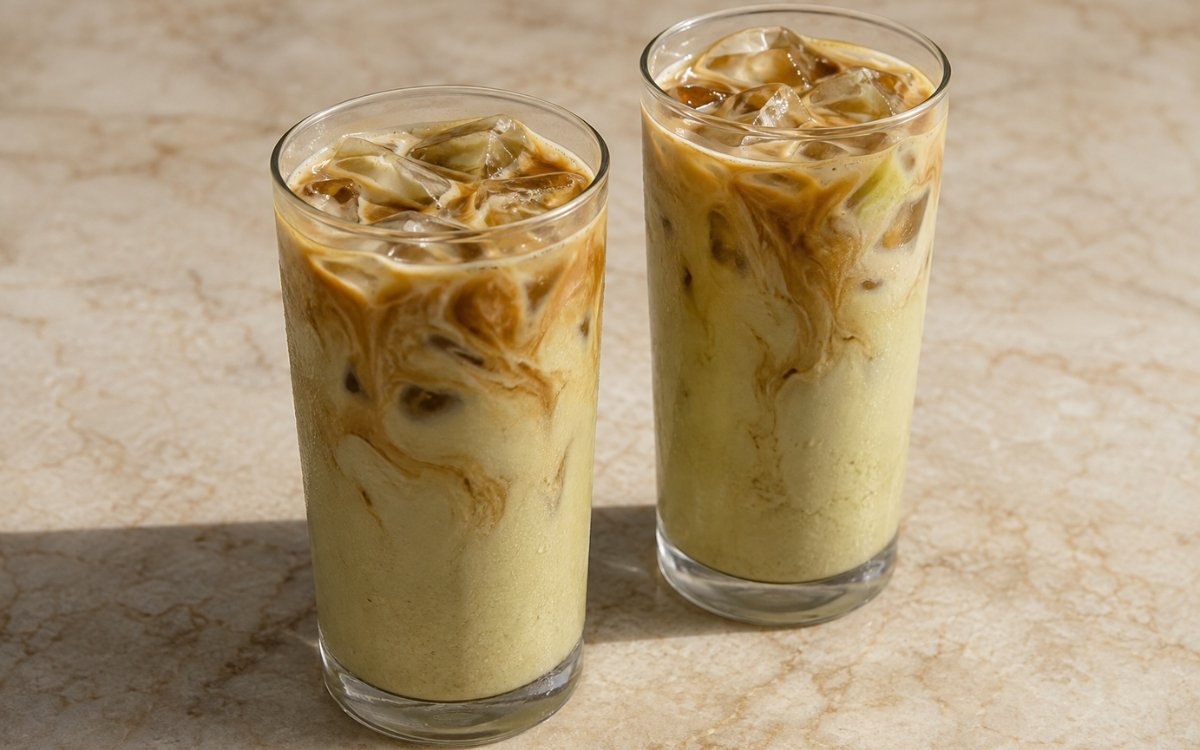
A classic iced pistachio latte made with pistachio syrup, cold milk, ice, and freshly brewed espresso. Smooth, milk-forward, lightly nutty, and café-style, with the pistachio flavour supporting the espresso rather than turning the drink into a dessert milkshake. Building the pistachio syrup into a genuinely smooth, pourable liquid — rather than using pistachio paste directly in the glass — is the technique this whole drink depends on for a clean, evenly distributed flavour, the same smooth-syrup-first principle used elsewhere in this collection whenever a nut-based flavouring needs to dissolve fully into a cold drink rather than clumping or separating. Loosening the syrup with a small splash of milk before the glass is fully built, rather than adding it directly to a full glass, is what prevents the syrup from settling unevenly at the bottom. Building the glass in the correct order — syrup, then loosening splash, then ice, then milk, then espresso poured over the top last — is what produces both even flavour and the classic swirling visual. The payoff is a drink that’s genuinely milk-forward and pale caramel-beige with a subtle, supporting pistachio tone, tasting like espresso, milk, and pistachio together rather than melted pistachio ice cream.
Prep Time : 5 min
Cook Time : 5 min
Servings : 2
5 min
5 min
2
Ingredients
For the Iced Pistachio Latte
• 120ml espresso, freshly brewed (4 standard shots total, counting 1 shot = 30ml; 2 shots per serving)
• 300ml cold whole milk — this one on Amazon
• 40ml pistachio syrup (20ml per serving)
• 8–10 ice cubes
For a Quick Homemade Pistachio Syrup
• 100g granulated sugar
• 100ml water
• 35g smooth pistachio paste — this one on Amazon
• Small pinch of fine sea salt
• 1–2 drops almond extract, optional but useful
This post may contain affiliate links. As an Amazon Associate I earn from qualifying purchases, at no additional cost to you.
Directions
- Make the Pistachio Syrup
Add the sugar and water to a small saucepan. Warm over medium heat, stirring until the sugar fully dissolves. Whisk in the pistachio paste and a small pinch of salt. Simmer gently for 1–2 minutes, then remove from the heat. Add almond extract only if using. Strain if the syrup is not smooth. The syrup should taste clearly pistachio-like, lightly sweet, and slightly salty. It should pour easily. If it is thick like nut butter, it will not mix cleanly into the cold latte. Use smooth pistachio paste, not chunky chopped pistachios. Chunky pistachio syrup sinks, clumps, and makes the drink gritty. Whisking the paste into the hot sugar syrup rather than adding it cold is what lets it fully incorporate into a genuinely smooth, pourable liquid — pistachio paste stirred directly into a cold drink instead would separate and clump rather than dissolving evenly. - Brew the Espresso
Brew 120ml espresso total, equal to 4 standard 30ml shots. Let it stand for 30–60 seconds if extremely hot, but do not let it sit until flat. The espresso should be fresh, dark, and aromatic. Pistachio is soft and buttery, so burnt espresso will dominate the drink fast. A subtle, buttery flavour like pistachio has little room to shine against espresso with any bitterness or roast defects — clean, fresh espresso is what lets the pistachio note register as a supporting flavour rather than getting overwhelmed or clashing with a flawed shot. - Build the Pistachio Base
Add 20ml pistachio syrup to each glass. Pour a small splash of cold milk into each glass and stir well to loosen the syrup before adding the rest of the ingredients. The syrup should dissolve into the milk base before the glass is filled. If it stays at the bottom, the first half of the drink will taste weak and the final sips will be overly sweet. This small loosening splash, stirred in before the glass is built any further, gives the syrup a chance to blend into a thin, evenly dispersed base while there’s still very little else in the glass to work around — attempting the same mixing once the glass is already full of ice and milk would be considerably less effective. - Add Ice and Milk
Fill each glass generously with ice. Pour 150ml cold whole milk into each glass. The drink should look pale and creamy before the espresso goes in. This is still a latte, so the milk is the dominant body of the drink. Building the ice and remaining milk on top of the already-loosened pistachio base keeps that base’s flavour distributed through the glass from the very start, rather than sitting as a separate, concentrated layer beneath everything else. - Pour in the Espresso
Pour 60ml espresso into each glass over the milk and ice. Let it swirl through the pistachio milk, then stir before drinking. The finished drink should become a pale caramel-beige colour with a subtle warm pistachio tone. It should look milk-forward, not dark like an iced coffee. Pouring the espresso last, over the fully built pistachio-milk base, produces the same visible swirling effect used throughout this collection’s classic iced espresso drinks — the hot espresso falling through the cold, already-flavoured milk in visible ribbons before the final stir combines everything. - Serve
Serve immediately while the drink is cold and the espresso is still fresh. The pistachio flavour and the espresso’s own freshness both fade the longer the finished drink sits, so serving promptly is what keeps the balance between the two intact.
*Notes :
- Using smooth pistachio paste rather than chunky chopped pistachios in the syrup is worth understanding as a genuine structural requirement rather than a texture preference. Chunky pistachio pieces don’t dissolve or suspend evenly in a cold, milk-based drink — they sink, clump at the bottom of the glass, and leave a gritty texture that works against the smooth, café-style drink this recipe is built around. Smooth paste, worked into the hot sugar syrup, is what allows the flavour to distribute evenly rather than settling unevenly.
- The loosening step — stirring a small splash of milk into the syrup before the rest of the glass is built — deserves real attention despite how minor it looks on paper. Syrup poured into a glass and left to sit at the bottom, waiting for the eventual stir at the end, tends to stay concentrated there through much of the drinking experience, producing a sip sequence that starts weak and ends cloyingly sweet. Loosening it early, while the glass is still mostly empty, prevents that uneven distribution from ever developing.
- Keeping the espresso itself genuinely clean and fresh matters more in this particular drink than it might in a bolder-flavoured one. Pistachio’s flavour profile is inherently soft, buttery, and relatively subtle, which means it has considerably less capacity to compete with or mask any bitterness or staleness in a flawed shot — a burnt or tired espresso would simply dominate the drink rather than working alongside the pistachio note as intended.
- The explicit instruction to keep the overall flavour restrained — tasting like espresso, milk, and pistachio together rather than melted pistachio ice cream — reflects a real, deliberate calibration in this recipe’s proportions. The specified 20ml syrup per serving is meant to support the espresso as a genuine café-style latte rather than overwhelm it into something closer to a dessert drink; adjusting that amount up or down changes the drink’s whole character rather than simply its sweetness level.
Why This Recipe Works
This recipe works because the pistachio syrup is built from smooth paste into a genuinely pourable, evenly dissolving liquid rather than left chunky or clumpy.
That syrup is then loosened with a small splash of milk before the rest of the glass is built, ensuring even distribution through every sip rather than concentrated sweetness at the bottom.
The glass is assembled in a deliberate order — syrup, loosening splash, ice, milk, espresso poured over the top last — which produces both consistent flavour and the classic swirling visual.
Clean, fresh espresso lets the pistachio’s subtle, buttery flavour register clearly as a supporting note rather than being overwhelmed, keeping the whole drink genuinely milk-forward and café-style.
Ingredient Breakdown
Smooth Pistachio Paste (Not Chunky)
The syrup’s critical ingredient — dissolves evenly into a pourable syrup rather than sinking, clumping, and turning the drink gritty.
Homemade Pistachio Syrup
The flavouring component — built into a genuinely smooth, pourable liquid so it distributes evenly through the drink.
Milk-Loosened Syrup Base
The critical technique — stirred with a small splash of milk before the glass is fully built, preventing uneven concentration at the bottom.
Freshly Brewed, Clean Espresso
The coffee foundation — needs to be genuinely fresh, since pistachio’s subtle flavour has little capacity to mask a flawed or bitter shot.
Correct Build Order (Syrup, Milk, Ice, Espresso)
The technique — this sequence produces both even flavour distribution and the classic visible swirl.
Flavor Structure Explained
This iced pistachio latte follows a layered balance model:
- Smooth milky foundation (cold whole milk)
- Bold aromatic centre (freshly brewed espresso)
- Subtle nutty warmth (pistachio syrup)
- Cool refreshing structure (ice)
Cold whole milk provides the smooth, mellow foundation that dominates the finished drink, staying genuinely milk-forward. Freshly brewed espresso layers in bold, aromatic coffee flavour that tints and flavours the milk without overpowering it. Pistachio syrup contributes a subtle, buttery, nutty warmth that supports the espresso rather than competing with it — restrained enough to stay a background note rather than turning the drink dessert-like. Generous ice keeps the whole drink cool and refreshing as all the components come together.
Common Mistakes to Avoid
- Using Chunky Pistachio Pieces Instead of Smooth Paste – This produces a gritty drink with pistachio settling unevenly at the bottom. Always work smooth paste into the syrup.
- Adding the Syrup Without Loosening It First – Unmixed syrup stays concentrated at the bottom, producing weak early sips and overly sweet final ones. Always stir in a small splash of milk to loosen it before building the rest of the glass.
- Using Stale or Burnt Espresso – Pistachio’s soft, buttery flavour has little room to shine against a flawed shot. Always use fresh, clean espresso.
- Overdoing the Pistachio Syrup – Too much pushes the drink toward a dessert milkshake rather than a proper latte. Always stick close to the specified 20ml per serving.
- Letting the Drink Sit Before Serving – Both the pistachio flavour and the espresso’s freshness fade over time. Always serve immediately.
Variations
Less Sweet Version
Use 15ml pistachio syrup per serving instead of 20ml for a more restrained, espresso-forward balance.
Sweeter Version
Use 25ml pistachio syrup per serving for a more pronounced, dessert-café-style sweetness.
Oat Milk Version
Substitute a barista-style oat milk for the dairy milk, following the identical build and syrup technique.
Extra-Strong Version
Increase to 3 shots of espresso per serving for a bolder, more coffee-forward drink while keeping the same pistachio balance.
Storage & Make-Ahead
The pistachio syrup can be made ahead and refrigerated in a sealed jar for up to 2 weeks; warm slightly or whisk before using if it thickens.
This drink is meant to be built and served fresh; it does not hold or store well once assembled, since the ice will continue melting and diluting the drink over time.
Espresso can be brewed just before building the glasses, but should not be brewed far in advance, since its flavour and aroma fade noticeably as it sits.
Frequently Asked Questions
Why does the pistachio syrup need to be made from smooth paste rather than chopped pistachios?
Chunky pistachio pieces don’t dissolve or suspend evenly in a cold, milk-based drink — they sink, clump at the bottom, and leave a gritty texture. Smooth paste, worked into the hot sugar syrup, distributes evenly through the finished drink instead.
Why does the syrup need to be loosened with milk before the rest of the glass is built?
Syrup left sitting at the bottom of a fully built glass tends to stay concentrated there, producing weak early sips followed by overly sweet final ones. Loosening it early, while the glass is still mostly empty, ensures even distribution throughout.
Why does the espresso need to be especially fresh and clean for this particular drink?
Pistachio’s flavour is inherently soft and buttery, giving it far less capacity to mask or compete with a bitter or stale shot than a bolder-flavoured syrup would have. Fresh, clean espresso is what lets the pistachio register as a proper supporting note.
Why does the recipe specifically warn against using too much pistachio syrup?
The intended balance is espresso, milk, and pistachio working together as a proper café-style latte, not a dessert drink dominated by nut flavour. Increasing the syrup significantly shifts the drink’s whole character away from that balance.
Are there other flavoured iced lattes worth trying?
Crème Brûlée Iced Latte, Tiramisu Iced Latte, Iced Rose Latte, and Iced Vanilla Latte all build on this same syrup-and-espresso technique, each bringing its own distinct flavour direction to the same classic milk-forward format.
Nutrition Facts
( per serving )
Calories
~230 kcal
Protein
8 g
Fat
9 g
Carbs
28 g
Calories
~230 kcal
Protein
8 g
Fat
9 g
Carbs
28 g
Related Recipes
Related Recipes

Mont Blanc Iced Coffee
Strong chilled coffee topped with soft whipped cream and a piped chestnut cream mountain, inspired by the classic Mont Blanc pastry.
Toasted Coconut Cold Brew
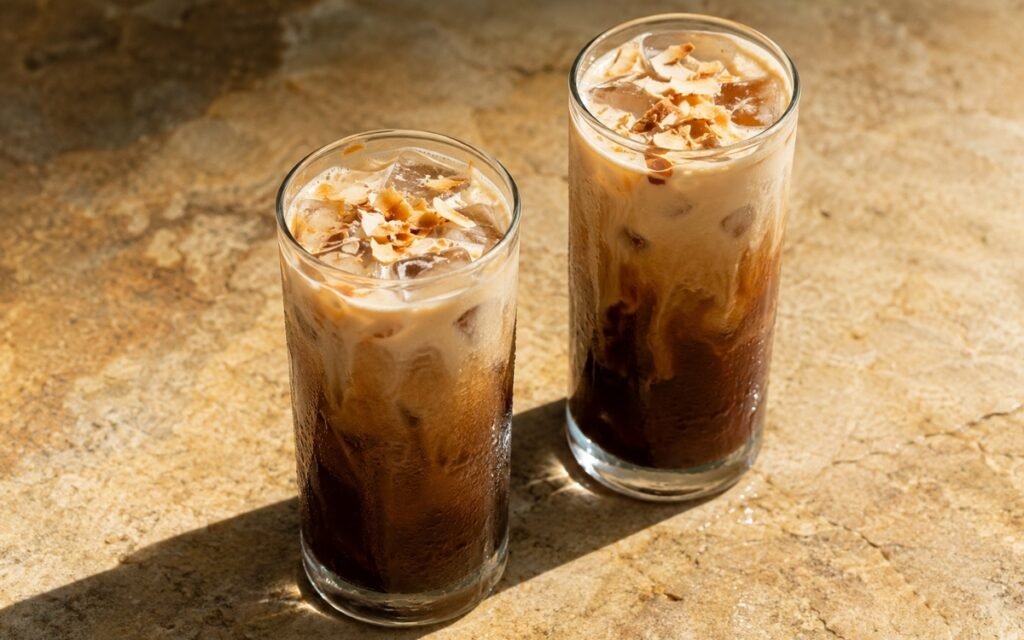
Strong, chilled cold brew coffee sweetened with warm toasted coconut syrup and softened with a restrained splash of coconut milk.
Pumpkin Spice Iced Latte
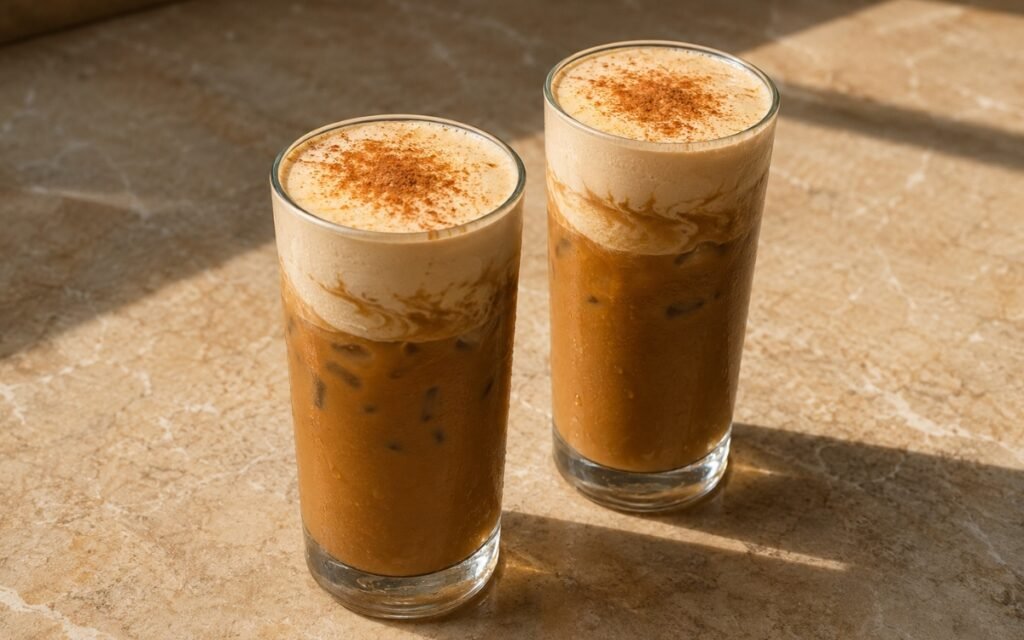
Pumpkin spice syrup left concentrated at the base, cold milk, and ice topped with freshly brewed espresso, finished with a light foam and spice dusting.
You might also like
You might also like
Passion Fruit Lime Pitcher Drink
Gently mashed passion fruit pulp combined with fresh lime juice and sliced limes for a bright golden, tropical, double-lime pitcher drink.
Lemon Peel Black Iced Tea (No Juice)
Black tea at 90–95°C for 2½–3 minutes, three strips lemon peel infused cold 4–5 minutes — honey and a pinch of salt, no juice, chilled. Crisp, aromatic, acid-free.
Garlic Butter Steak Bites
Large seared steak cubes with dark crust and juicy centers, tossed in glossy garlic butter with parsley, lemon, and black pepper.


Iced Pistachio Latte
Ingredients
Method
- Add the sugar and water to a small saucepan. Warm over medium heat, stirring until the sugar fully dissolves. Whisk in the pistachio paste and a small pinch of salt. Simmer gently for 1–2 minutes, then remove from the heat. Add almond extract only if using. Strain if the syrup is not smooth. The syrup should taste clearly pistachio-like, lightly sweet, and slightly salty. It should pour easily. If it is thick like nut butter, it will not mix cleanly into the cold latte. Use smooth pistachio paste, not chunky chopped pistachios. Chunky pistachio syrup sinks, clumps, and makes the drink gritty. Whisking the paste into the hot sugar syrup rather than adding it cold is what lets it fully incorporate into a genuinely smooth, pourable liquid — pistachio paste stirred directly into a cold drink instead would separate and clump rather than dissolving evenly.
- Brew 120ml espresso total, equal to 4 standard 30ml shots. Let it stand for 30–60 seconds if extremely hot, but do not let it sit until flat. The espresso should be fresh, dark, and aromatic. Pistachio is soft and buttery, so burnt espresso will dominate the drink fast. A subtle, buttery flavour like pistachio has little room to shine against espresso with any bitterness or roast defects — clean, fresh espresso is what lets the pistachio note register as a supporting flavour rather than getting overwhelmed or clashing with a flawed shot.
- Add 20ml pistachio syrup to each glass. Pour a small splash of cold milk into each glass and stir well to loosen the syrup before adding the rest of the ingredients. The syrup should dissolve into the milk base before the glass is filled. If it stays at the bottom, the first half of the drink will taste weak and the final sips will be overly sweet. This small loosening splash, stirred in before the glass is built any further, gives the syrup a chance to blend into a thin, evenly dispersed base while there’s still very little else in the glass to work around — attempting the same mixing once the glass is already full of ice and milk would be considerably less effective.
- Fill each glass generously with ice. Pour 150ml cold whole milk into each glass. The drink should look pale and creamy before the espresso goes in. This is still a latte, so the milk is the dominant body of the drink. Building the ice and remaining milk on top of the already-loosened pistachio base keeps that base’s flavour distributed through the glass from the very start, rather than sitting as a separate, concentrated layer beneath everything else.
- Pour 60ml espresso into each glass over the milk and ice. Let it swirl through the pistachio milk, then stir before drinking. The finished drink should become a pale caramel-beige colour with a subtle warm pistachio tone. It should look milk-forward, not dark like an iced coffee. Pouring the espresso last, over the fully built pistachio-milk base, produces the same visible swirling effect used throughout this collection’s classic iced espresso drinks — the hot espresso falling through the cold, already-flavoured milk in visible ribbons before the final stir combines everything.
- Serve immediately while the drink is cold and the espresso is still fresh. The pistachio flavour and the espresso’s own freshness both fade the longer the finished drink sits, so serving promptly is what keeps the balance between the two intact.