
Tiramisu Iced Latte
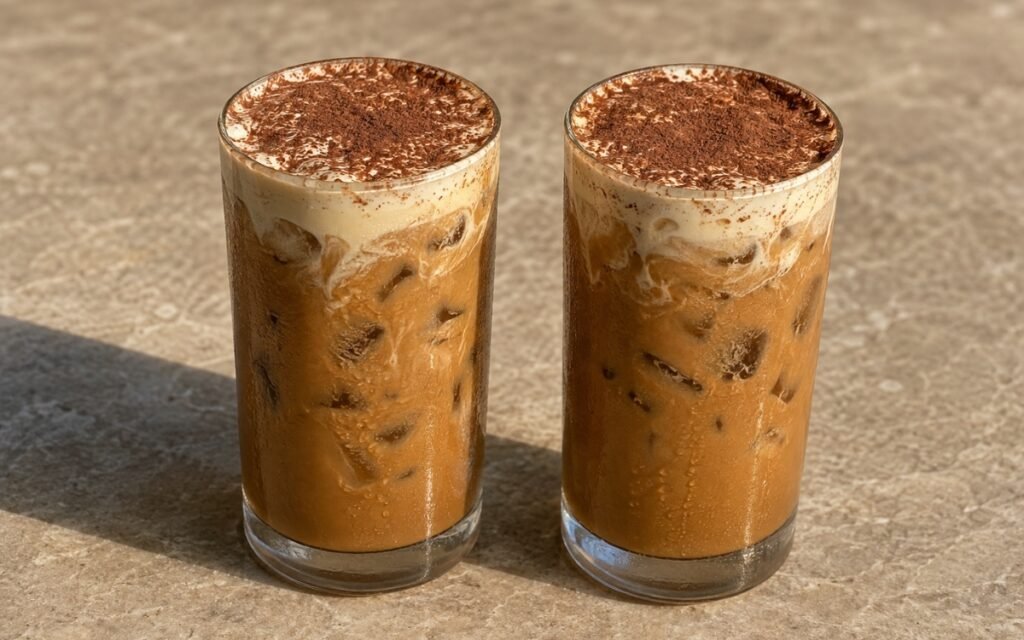
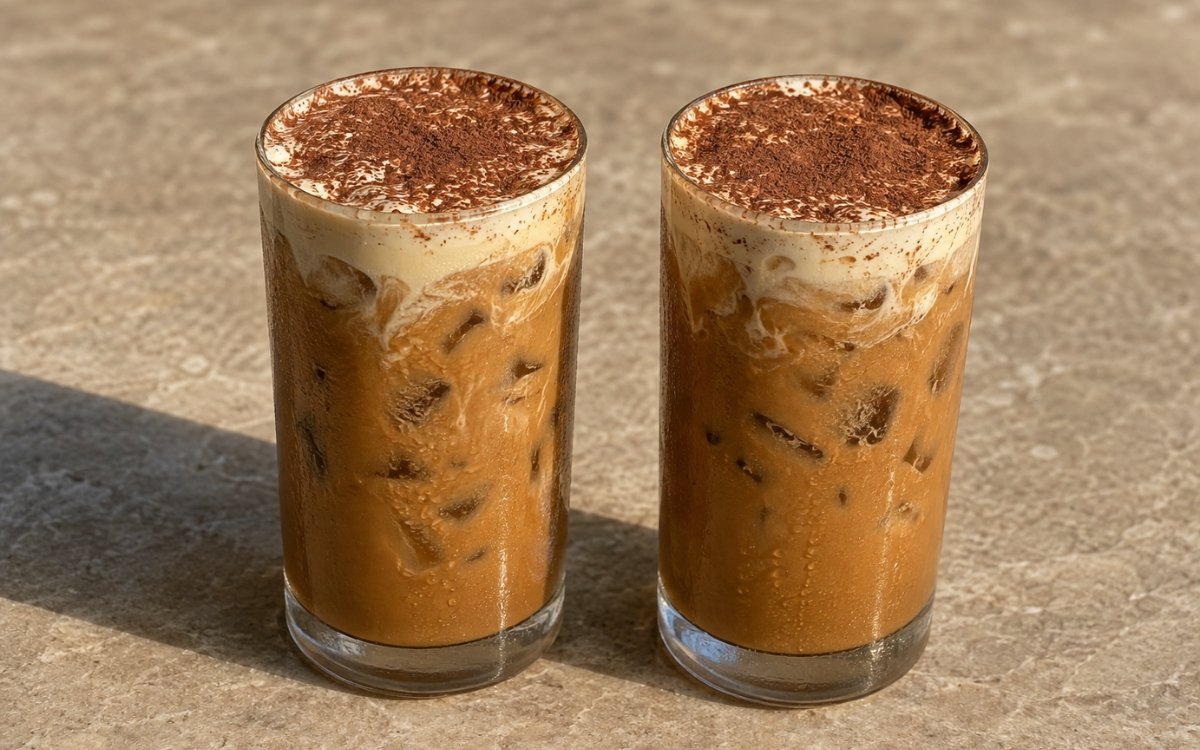
A classic tiramisu-style iced latte made with fresh espresso, cold milk, vanilla sweetness, a soft mascarpone cream cap, and a light cocoa dusting. The drink should taste like tiramisu in coffee form: strong espresso first, then cold milk, mascarpone cream, vanilla, cocoa, and a subtle dessert-like richness. Whisking the mascarpone smooth before any liquid is added is the technique this whole cream cap depends on — adding cold milk too quickly to lumpy mascarpone leaves the cream visibly grainy, the same smooth-base-first principle used elsewhere in this collection whenever a thick, potentially lumpy dairy component needs full smoothing before being loosened with additional liquid. Keeping that cream soft and flowing rather than stiff is what lets it sit floating on top of the latte while slowly melting into the drink, echoing how tiramisu’s own mascarpone layer behaves against the espresso-soaked base beneath it. Using genuine mascarpone rather than plain whipped cream is what actually gives this drink its tiramisu identity, since mascarpone’s specific tangy richness is the defining flavour a generic whipped topping simply doesn’t replicate. The payoff is a drink with real structural and flavour fidelity to the dessert it’s inspired by — strong espresso first, then cold milk, soft mascarpone cream, vanilla, and a clean cocoa finish.
Prep Time : 12 min
Cook Time : 5 min
Servings : 2
12 min
5 min
2
Ingredients
For the Iced Latte Base
• 120ml espresso, freshly brewed (4 standard shots total, counting 1 shot = 30ml)
• 240ml cold whole milk — this one on Amazon
• 20ml vanilla syrup (10ml per serving) — this one on Amazon
• 8–10 ice cubes
For the Mascarpone Cream Cap
• 80g mascarpone, cold but softened slightly — this one on Amazon
• 80ml heavy cream, very cold — this one on Amazon
• 40ml whole milk, very cold
• 20g powdered sugar
• ½ tsp vanilla extract — this one on Amazon
• 1 small pinch fine sea salt
Optional Classic Tiramisu Note
• 10ml Marsala wine, coffee liqueur, or dark rum (optional; use only if you want a more dessert-classic tiramisu profile)
For Finishing
• 1–2 tsp unsweetened cocoa powder, for dusting — this one on Amazon
This post may contain affiliate links. As an Amazon Associate I earn from qualifying purchases, at no additional cost to you.
Directions
- Make the Mascarpone Cream
Add the mascarpone, powdered sugar, vanilla, salt, and optional Marsala or coffee liqueur to a bowl. Whisk until smooth, then add the heavy cream and whole milk. Froth or whisk until the mixture becomes thick, smooth, and pourable. The cream should be soft and flowing, not stiff like whipped cream. It needs to sit on top of the latte but still slowly melt into the drink like tiramisu cream. The mascarpone must be smooth before the liquid goes in. If you add cold milk too fast to lumpy mascarpone, the cream can look grainy. Whisking the mascarpone with the sugar, vanilla, salt, and optional liqueur first — before either dairy liquid arrives — gives it a chance to smooth out fully while it’s still in a thick, easily worked state, rather than trying to break up lumps once diluted into a thinner mixture. - Brew the Espresso
Brew 120ml espresso total, equal to 4 standard 30ml shots. Let it stand for 30–60 seconds only if extremely hot. The espresso must be strong and fresh. Tiramisu depends on a bold coffee backbone, not a weak coffee-milk base. The classic dessert’s own identity rests heavily on genuinely strong, espresso-soaked ladyfingers — this drink needs that same bold coffee presence to read correctly as tiramisu rather than a generic sweetened latte. - Build the Latte Base
Add 10ml vanilla syrup to each glass. Fill each glass generously with ice. Pour 120ml cold whole milk into each glass. Pour 60ml espresso into each glass over the milk and ice, then stir briefly. The base should taste like a clean iced vanilla espresso latte, still coffee-forward. Do not make it too sweet yet, because the mascarpone cream adds more richness on top. Keeping this base only lightly sweetened is a deliberate calibration — the mascarpone cream’s own sugar and richness are layered on separately, and oversweetening the base now would push the finished, combined drink past the balance tiramisu’s flavour depends on. - Add the Mascarpone Cream Cap
Slowly spoon or pour the mascarpone cream over each iced latte. Let it sit as a pale cream layer on top. The cream should float visibly above the coffee-milk base. If it sinks immediately, it is too thin. If it sits like a heavy mound, it is over-whipped. This specific floating-then-slowly-melting behaviour is exactly how tiramisu’s mascarpone layer interacts with the espresso-soaked base beneath it in the original dessert — getting the cream’s consistency right is what lets the drink genuinely echo that same textural relationship. - Finish with Cocoa
Dust the top lightly with unsweetened cocoa powder. Serve immediately. The cocoa should create a fine tiramisu-style surface, not a thick dry layer. Too much cocoa makes the first sip bitter and dusty. A light, even dusting mirrors tiramisu’s own traditional cocoa-dusted finish, and keeping it restrained protects the first sip from an unpleasant concentration of dry, bitter cocoa before it’s had any chance to mix into the drink.
*Notes :
- Working the mascarpone smooth before either dairy liquid is introduced deserves real attention, since it’s the step most directly responsible for whether the finished cream cap looks clean or grainy. Mascarpone, even when softened, holds a thicker consistency than cream or milk and doesn’t dissolve into a liquid the way sugar or syrup would — building the smooth base first, while the mascarpone is still in its own thick, easily manageable state, avoids the lumps that would otherwise carry through once it’s diluted.
- The specific texture target for the finished cream — soft and flowing, explicitly not stiff like whipped cream — is worth understanding as a direct reference to how mascarpone behaves in a genuine tiramisu. In the original dessert, the mascarpone layer sits distinctly against the espresso-soaked ladyfingers without ever being whipped into something stiff and separate; recreating that same relationship in drink form depends on keeping this cream loose enough to slowly melt into the coffee below it, rather than sitting as a rigid, disconnected cap.
- Keeping the base latte only lightly sweetened, with the mascarpone cream’s own sugar layered on separately afterward, reflects a genuine structural decision about how this drink’s sweetness should build. Sweetening the base heavily in anticipation of the rich cream on top risks pushing the combined drink well past balanced once everything is stirred together — the lighter base gives the whole drink room to reach proper sweetness only once the cream is factored in.
- The explicit distinction this recipe draws against chocolate syrup — noting that classic tiramisu is coffee, mascarpone, cocoa, vanilla, and subtle sweetness, not mocha — is worth respecting as a real flavour boundary rather than an arbitrary restriction. Adding chocolate syrup would shift this drink’s identity toward a mocha-tiramisu hybrid, diluting the specific flavour profile this recipe is built to recreate.
Why This Recipe Works
This recipe works because the mascarpone is worked smooth before any liquid dilutes it, avoiding the grainy texture lumpy mascarpone would otherwise carry into the finished cream. That cream is kept soft and flowing rather than whipped stiff, echoing how mascarpone actually behaves in a genuine tiramisu — floating, then slowly melting into the coffee beneath it.
The latte base is kept only lightly sweetened, giving the whole drink room to reach proper balance once the richer mascarpone cream is added, and a strong, fresh espresso base gives the drink the bold coffee backbone real tiramisu depends on. A light, restrained cocoa dusting finishes the presentation without overwhelming the first sip.
Ingredient Breakdown
Smoothed Mascarpone Base
The critical pre-step — worked smooth with sugar, vanilla, and salt before dairy liquid is added, avoiding grainy lumps in the finished cream.
Genuine Mascarpone (Not Whipped Cream)
The defining ingredient — its specific tangy richness is what gives this drink an actual tiramisu identity rather than a generic dessert flavour.
Strong, Fresh Espresso
The coffee foundation — needs genuine boldness to match the strong coffee backbone real tiramisu is built around.
Only Lightly Sweetened Base
The technique — kept restrained so the whole drink reaches proper balance only once the richer mascarpone cream is factored in.
Soft, Flowing Cream Consistency
The signature texture — mirrors how mascarpone behaves in genuine tiramisu, floating and slowly melting rather than sitting stiff and separate.
Flavor Structure Explained
This tiramisu iced latte follows a layered balance model:
- Bold coffee foundation (strong, fresh espresso)
- Smooth milky body (cold whole milk, vanilla syrup)
- Rich tangy cream (mascarpone cream cap)
- Clean bitter finish (cocoa powder dusting)
Strong, fresh espresso provides the drink’s bold coffee foundation, echoing the espresso-soaked backbone of genuine tiramisu. Cold whole milk and a light touch of vanilla syrup build a smooth, restrained body beneath the richer components above. The mascarpone cream cap contributes genuine tangy richness and softness, kept loose enough to slowly melt into the coffee below. A light dusting of unsweetened cocoa powder finishes the drink with a clean, slightly bitter note that echoes tiramisu’s traditional cocoa-dusted top.
Common Mistakes to Avoid
- Adding Liquid to Lumpy Mascarpone Too Quickly – This produces a grainy, uneven cream. Always whisk the mascarpone smooth first, before either dairy liquid is added.
- Whipping the Cream Cap Stiff Instead of Keeping It Flowing – This loses the drink’s specific tiramisu-like texture, where the cream slowly melts into the coffee. Always keep it soft and pourable.
- Oversweetening the Base Latte – This pushes the finished, combined drink past balanced once the rich mascarpone cream is added. Always keep the base only lightly sweetened.
- Using Weak or Stale Espresso – Real tiramisu depends on a bold coffee backbone. Always use fresh, strong espresso.
- Adding Chocolate Syrup – This shifts the drink toward a mocha-tiramisu hybrid rather than the classic tiramisu profile. Always stick to coffee, mascarpone, cocoa, and vanilla.
Variations
Classic Alcohol Version
Include the optional Marsala wine or coffee liqueur in the mascarpone cream for a more traditional, dessert-classic tiramisu flavour.
Extra-Strong Version
Increase to 3 shots of espresso per serving for a bolder coffee presence beneath the rich cream cap.
Chocolate Shaving Version
Substitute finely grated dark chocolate for some of the cocoa dusting for a more textured finish.
Oat Milk Version
Substitute a barista-style oat milk for the whole milk in the latte base, keeping the mascarpone cream dairy-based.
Storage & Make-Ahead
The mascarpone cream can be made a few hours ahead and refrigerated in a covered container; re-whisk gently before using, as it may thicken slightly on standing.
This drink is meant to be built and served fresh; it does not hold or store well once assembled, since the ice will melt and the cream cap will lose its distinct floating layer over time.
Espresso can be brewed just before building the glasses, but should not be brewed far in advance, since its flavour and aroma fade noticeably as it sits.
Frequently Asked Questions
Why does the mascarpone need to be whisked smooth before the cream and milk are added?
Mascarpone holds a thicker consistency than cream or milk and doesn’t dissolve into a liquid the way sugar would. Working it smooth first, while it’s still in an easily manageable, thick state, avoids the lumps that would otherwise carry through once it’s diluted and produce a grainy finished cream.
Why does the mascarpone cream need to stay soft rather than being whipped stiff?
This soft, flowing texture mirrors how mascarpone actually behaves in a genuine tiramisu, sitting distinctly against the coffee base while slowly melting into it. Whipping it stiff loses that specific relationship and turns the cream into a rigid, disconnected cap instead.
Why is the latte base kept only lightly sweetened if the drink is meant to taste rich?
The mascarpone cream cap carries its own substantial sugar and richness, layered on separately. Sweetening the base heavily in advance risks pushing the whole combined drink past balanced once everything is stirred together — the lighter base leaves room for that later addition.
Why does this recipe specifically avoid chocolate syrup?
Classic tiramisu’s flavour profile is coffee, mascarpone, cocoa, vanilla, and subtle sweetness — not chocolate-forward. Adding chocolate syrup would shift the drink’s identity toward a mocha-tiramisu hybrid rather than staying true to the dessert it’s meant to recreate.
Are there other dessert-inspired or rich cream-topped iced coffee drinks worth trying?
Iced Mocha and White Chocolate Iced Mocha both build on a related chocolate-and-espresso combination in a different direction. Crème Brûlée Iced Latte and Mont Blanc Iced Coffee are also worth exploring for other dessert-inspired, richly topped coffee drinks.
Nutrition Facts
( per serving )
Calories
~340 kcal
Protein
8 g
Fat
24 g
Carbs
24 g
Calories
~340 kcal
Protein
8 g
Fat
24 g
Carbs
24 g
Related Recipes
Related Recipes

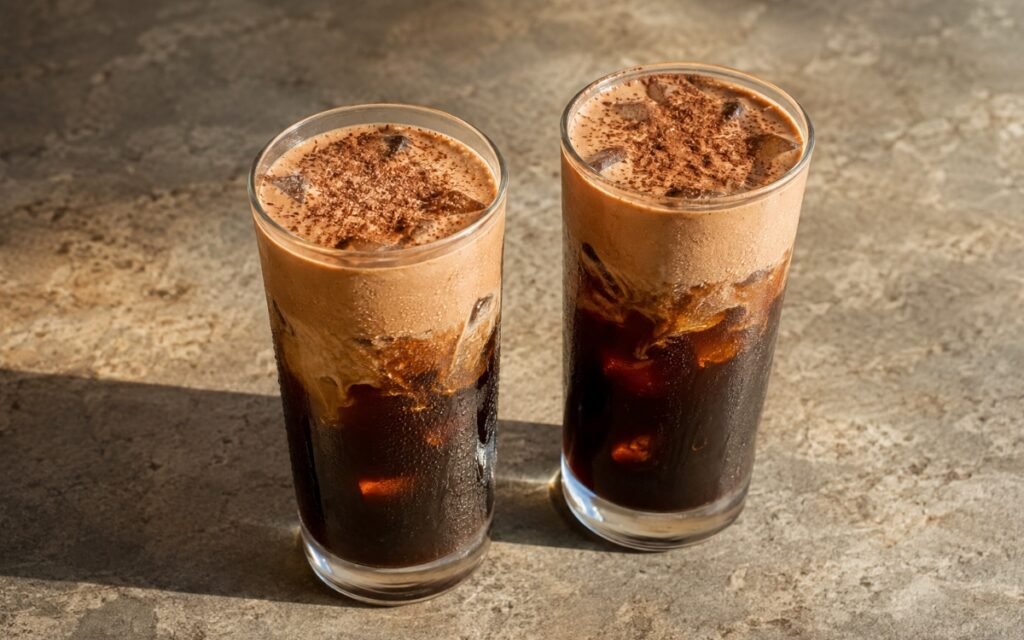
Chocolate Cream Cold Brew
Strong, chilled cold brew coffee topped with a thick, cleanly dissolved chocolate cream cold foam that slowly marbles into the coffee.
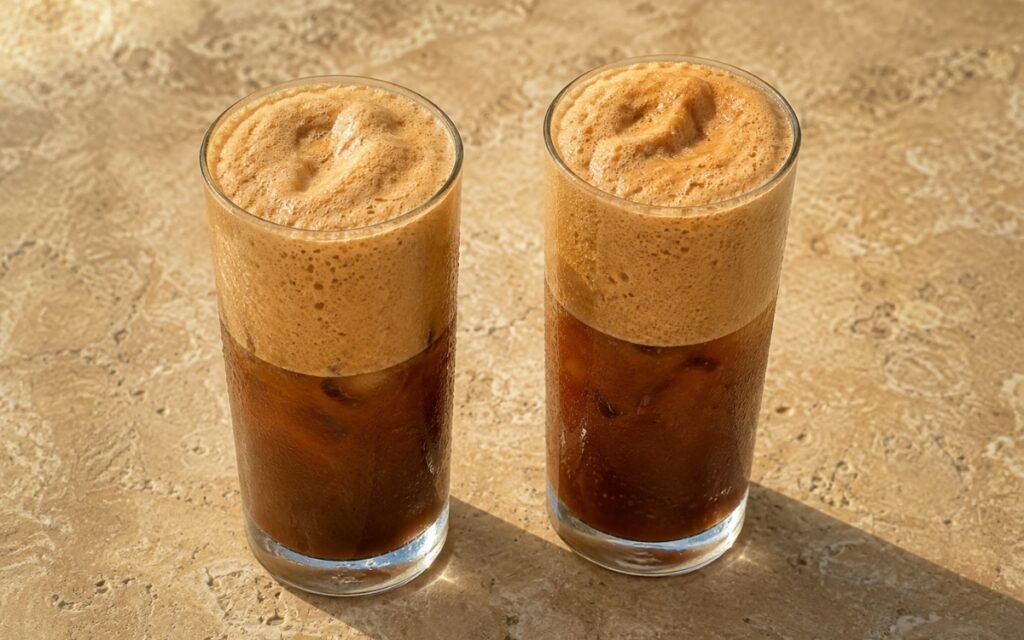
Greek Frappé
Instant coffee, sugar, and a small amount of water shaken hard into thick pale caramel foam, then topped with ice and cold water.
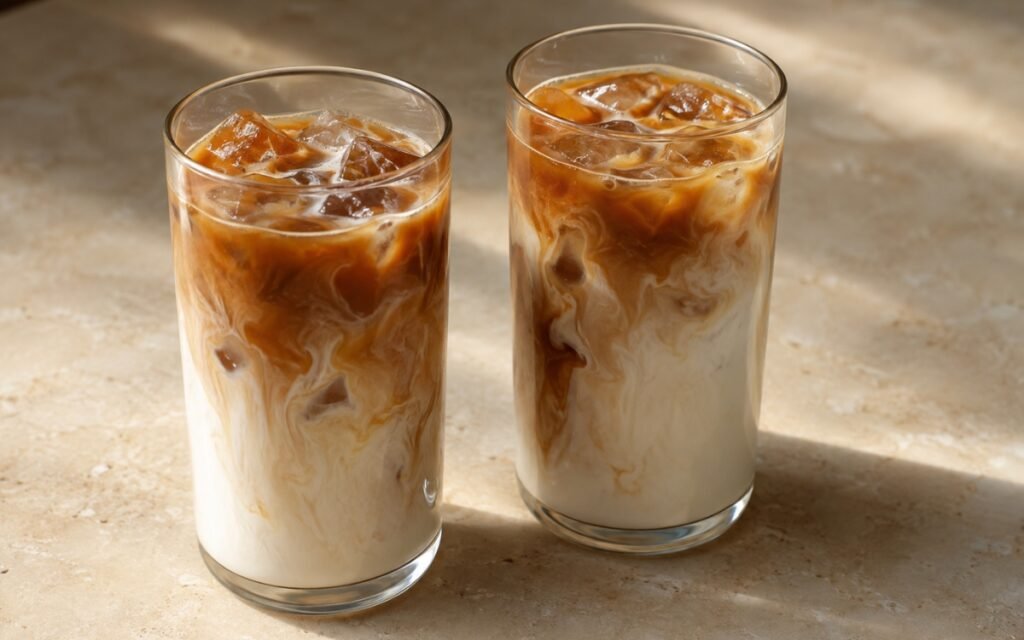
Iced Vanilla Latte
Vanilla syrup, cold milk, and ice topped with freshly brewed espresso poured slowly for the signature swirl, then stirred into a smooth iced vanilla latte.
You might also like
You might also like
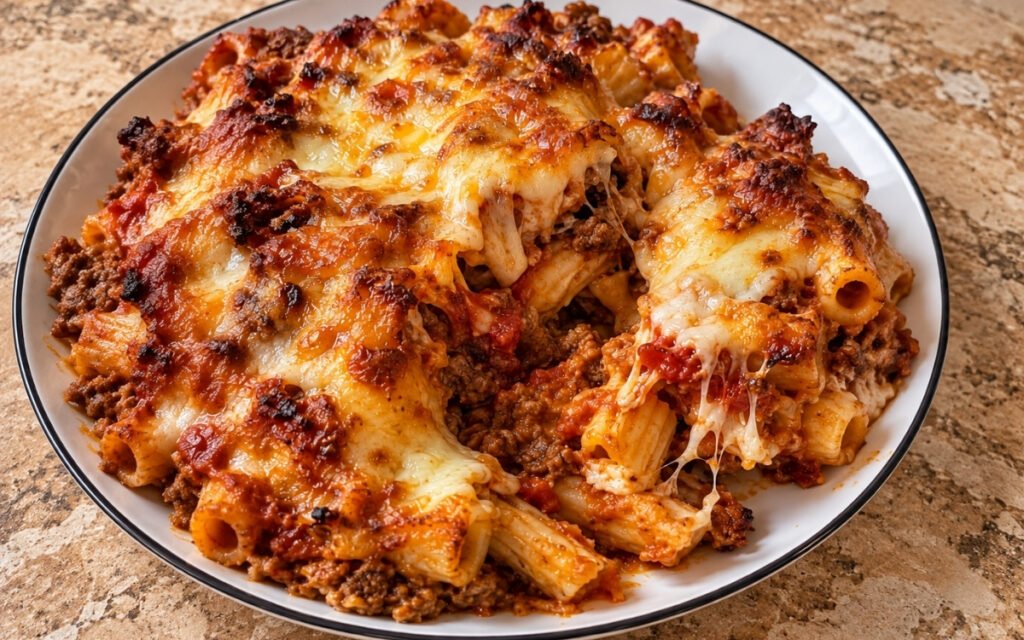
Pasta al Forno
Rigatoni or penne in a rich beef and pork tomato sauce with melted mozzarella and a browned cheesy top, baked until bubbling.
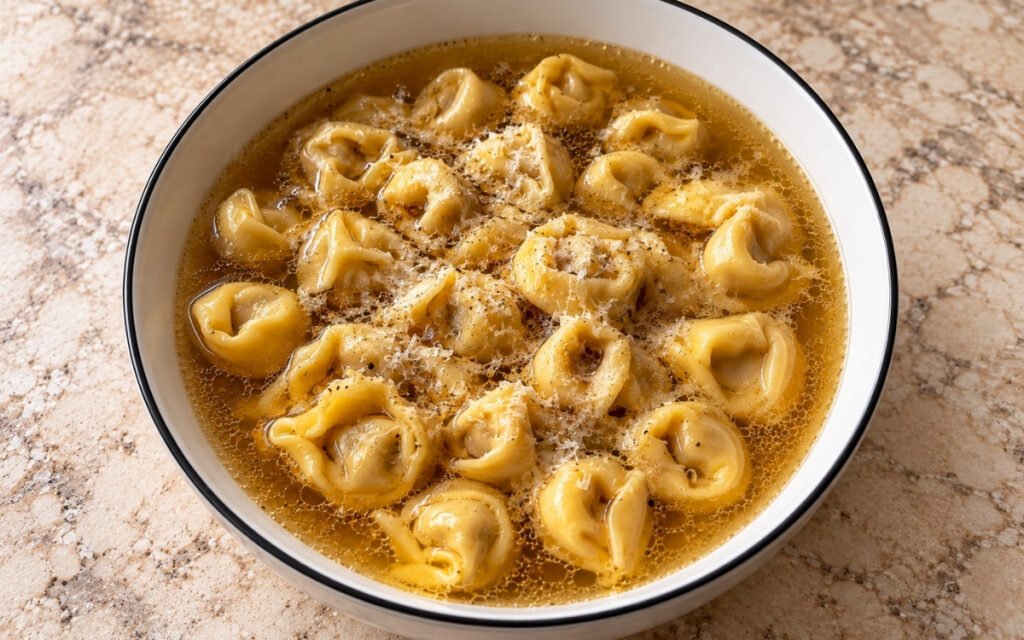
Tortellini in Brodo
Small meat tortellini in a clear, golden, deeply savory beef and chicken broth, finished simply with Parmigiano-Reggiano.
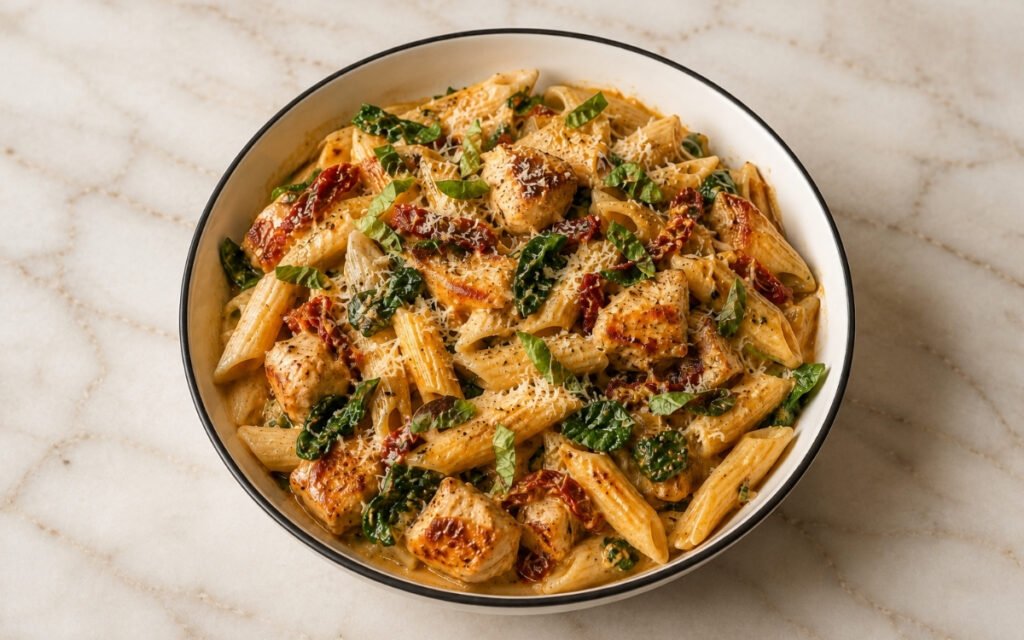
Tuscan Chicken Cream Pasta
Seared chicken, sun-dried tomatoes, spinach, and Parmigiano cream in one pan — finished with the tomato jar oil. 40 minutes.
Tiramisu Iced Latte
Ingredients
Method
- Add the mascarpone, powdered sugar, vanilla, salt, and optional Marsala or coffee liqueur to a bowl. Whisk until smooth, then add the heavy cream and whole milk. Froth or whisk until the mixture becomes thick, smooth, and pourable. The cream should be soft and flowing, not stiff like whipped cream. It needs to sit on top of the latte but still slowly melt into the drink like tiramisu cream. The mascarpone must be smooth before the liquid goes in. If you add cold milk too fast to lumpy mascarpone, the cream can look grainy. Whisking the mascarpone with the sugar, vanilla, salt, and optional liqueur first — before either dairy liquid arrives — gives it a chance to smooth out fully while it’s still in a thick, easily worked state, rather than trying to break up lumps once diluted into a thinner mixture.
- Brew 120ml espresso total, equal to 4 standard 30ml shots. Let it stand for 30–60 seconds only if extremely hot. The espresso must be strong and fresh. Tiramisu depends on a bold coffee backbone, not a weak coffee-milk base. The classic dessert’s own identity rests heavily on genuinely strong, espresso-soaked ladyfingers — this drink needs that same bold coffee presence to read correctly as tiramisu rather than a generic sweetened latte.
- Add 10ml vanilla syrup to each glass. Fill each glass generously with ice. Pour 120ml cold whole milk into each glass. Pour 60ml espresso into each glass over the milk and ice, then stir briefly. The base should taste like a clean iced vanilla espresso latte, still coffee-forward. Do not make it too sweet yet, because the mascarpone cream adds more richness on top. Keeping this base only lightly sweetened is a deliberate calibration — the mascarpone cream’s own sugar and richness are layered on separately, and oversweetening the base now would push the finished, combined drink past the balance tiramisu’s flavour depends on.
- Slowly spoon or pour the mascarpone cream over each iced latte. Let it sit as a pale cream layer on top. The cream should float visibly above the coffee-milk base. If it sinks immediately, it is too thin. If it sits like a heavy mound, it is over-whipped. This specific floating-then-slowly-melting behaviour is exactly how tiramisu’s mascarpone layer interacts with the espresso-soaked base beneath it in the original dessert — getting the cream’s consistency right is what lets the drink genuinely echo that same textural relationship.
- Dust the top lightly with unsweetened cocoa powder. Serve immediately. The cocoa should create a fine tiramisu-style surface, not a thick dry layer. Too much cocoa makes the first sip bitter and dusty. A light, even dusting mirrors tiramisu’s own traditional cocoa-dusted finish, and keeping it restrained protects the first sip from an unpleasant concentration of dry, bitter cocoa before it’s had any chance to mix into the drink.