
Hot Buffalo Wings
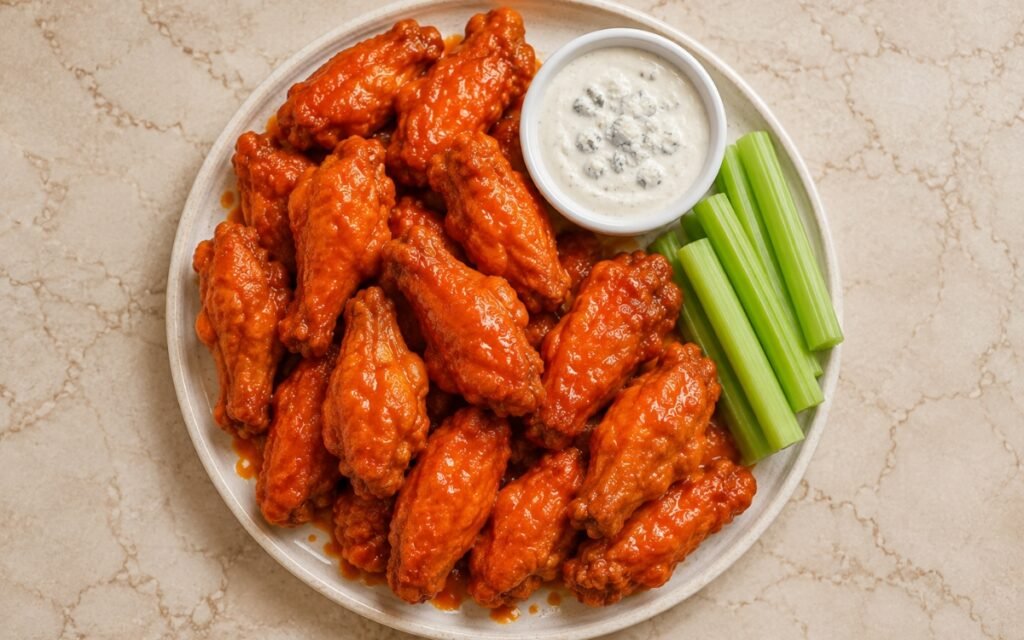
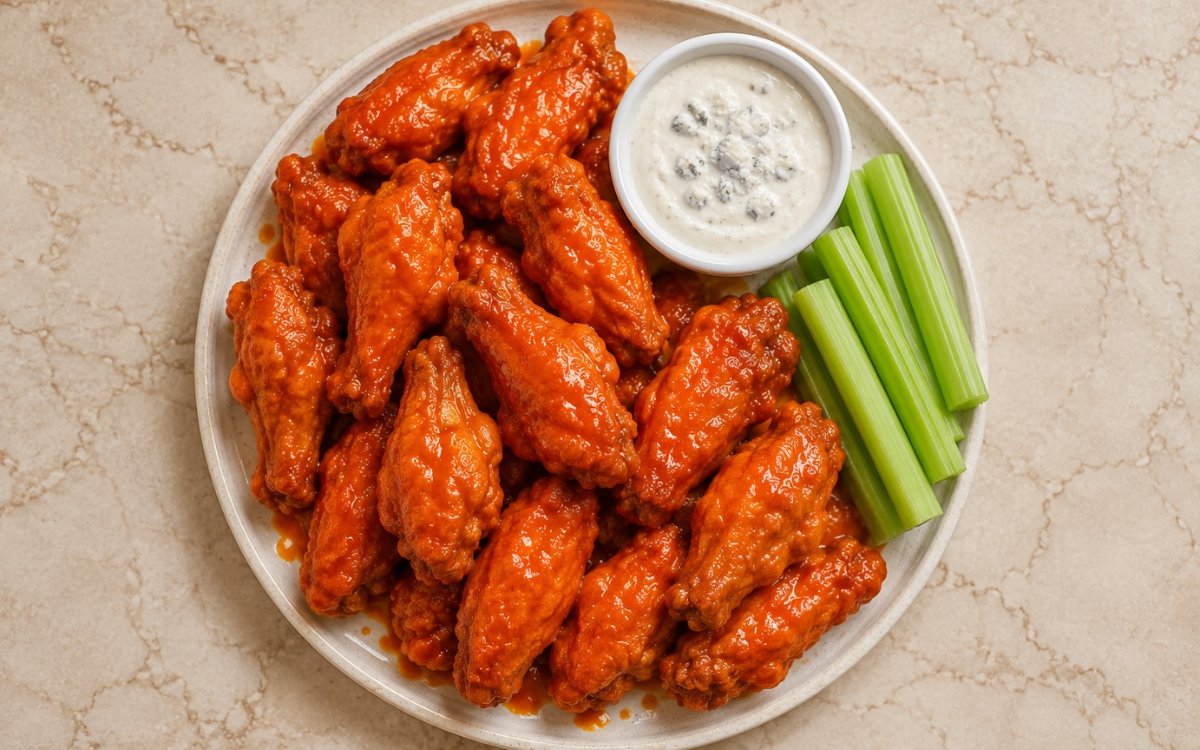
Classic double-fried chicken wings tossed while hot in a glossy Buffalo sauce made from butter and hot sauce, served with blue cheese dressing and celery sticks. Frying the wings twice, at two distinct temperatures, is the technique this whole recipe depends on — a cooler first fry cooks the wings through and sets the skin without deep colour, while a hotter second fry builds the genuinely crisp, crackly texture Buffalo wings are known for, the same two-stage frying principle used throughout this collection whenever a fried food needs to hold real crispness under a wet sauce. Drying the wings thoroughly before they ever touch oil matters just as much, since any lingering surface moisture works directly against both fries developing proper crust. Tossing the sauce with the wings while they’re still fully hot, straight from the second fry, is what lets it cling as a glossy, even coating rather than separating or pooling at the bottom of the bowl. The payoff is a wing with genuinely crisp, crackly skin underneath a vivid, buttery-tangy orange-red sauce, served alongside cool, rich blue cheese dressing and crisp celery.
Prep Time : 20 min
Cook Time : 30 min
Servings : 4
20 min
30 min
4
Ingredients
For the Wings
• 1kg chicken wings, separated into drums and flats, wing tips removed
• 8g fine sea salt
• 2g freshly ground black pepper
For Frying
• Neutral oil, as needed for deep-frying
For the Buffalo Sauce
• 120ml Frank’s RedHot or another vinegar-forward hot sauce — this one on Amazon
• 85g unsalted butter — this one on Amazon
• 8g light brown sugar
• 2g fine sea salt, or to taste
• 1 small pinch cayenne pepper, optional, for extra heat
For the Blue Cheese Dressing
• 80g mayonnaise
• 80g sour cream
• 30–45ml buttermilk or whole milk, as needed to loosen
• 75g blue cheese, crumbled — this one on Amazon
• 5ml lemon juice or white wine vinegar
• 1 small garlic clove, very finely grated or mashed to a paste
• Fine sea salt, to taste
• Freshly ground black pepper, to taste
For Serving
• 4–5 celery stalks, cut into sticks
This post may contain affiliate links. As an Amazon Associate I earn from qualifying purchases, at no additional cost to you.
Directions
- Prepare the Wings
Pat the wings very dry with paper towels. Season them lightly with the salt and black pepper and toss until evenly coated. The drier the wings are before frying, the better the skin fries and the more effectively the second fry crisps the surface. They should feel dry rather than damp when they go into the oil. Any residual surface moisture has to evaporate before the oil’s heat can start actually crisping the skin — a genuinely dry surface lets both fries go straight into building texture rather than fighting excess water first. - Make the Blue Cheese Dressing
In a bowl, combine the mayonnaise, sour cream, 30ml buttermilk or milk, blue cheese, lemon juice or vinegar, and garlic. Stir until combined, then season with salt and black pepper to taste. Add a little more buttermilk if needed until the dressing is thick but spoonable. The texture should be creamy and rich, not runny. Some larger blue cheese crumbles should remain visible for a more classic finish. Chill until needed. Stirring gently rather than mashing the blue cheese in fully preserves some distinct crumbles within the dressing, giving it real textural interest rather than a uniformly smooth, one-note consistency. - First Fry
Heat the oil to 160°C. Fry the wings in batches for 8–10 minutes, depending on size, until cooked through, lightly golden, and the skin has started to render but is not yet deeply crisp. Do not overcrowd the fryer or pot. The wings should come out pale golden and fully cooked, with the skin set but not yet deeply browned. Transfer to a rack or tray and let them rest for 8–10 minutes. This lower-temperature first fry is calibrated to cook the wing through and render the fat beneath the skin gently, without pushing the surface toward deep colour — that colour-building is deliberately saved for the second, hotter fry. - Second Fry
Increase the oil temperature to 190°C. Fry the wings a second time in batches for 2–4 minutes, until deeply golden, crisp, and audibly crackly at the surface. The second fry is what gives the wings their classic Buffalo texture. The skin should be crisp and rigid at the edges, not soft or leathery. Transfer immediately to a large bowl. This higher-heat second pass is what actually builds the wing’s signature crackling exterior — since the first fry has already cooked the meat through and rested the wings to firm up, this stage can move fast and focus entirely on crisping the surface. - Make the Buffalo Sauce
While the second fry is happening, combine the hot sauce, butter, brown sugar, and salt in a small saucepan over low heat. Stir until the butter is fully melted and the sauce is smooth and glossy. Do not boil. The sauce should look emulsified and shiny, with the butter fully incorporated into the hot sauce. Taste and adjust salt if needed. Keeping the heat low and stopping short of a boil is what preserves the emulsion between the butter and the vinegar-forward hot sauce — pushed too hard, that emulsion can break, leaving a separated, greasy sauce instead of a glossy, cohesive one. - Sauce the Wings
Pour the warm Buffalo sauce over the hot wings and toss thoroughly until every piece is evenly coated. This needs to happen while the wings are still hot so the sauce clings properly. The finished wings should be fully coated in a vivid orange-red glossy layer, not sitting in a puddle of separated butter at the bottom of the bowl. Tossing while the wings are still radiating heat from the second fry helps the sauce spread and cling evenly across every surface — wings that have cooled even slightly hold the sauce less effectively, and it tends to pool rather than coat. - Serve
Pile the wings onto a platter and serve immediately with the blue cheese dressing and celery sticks. The crackling skin beneath the sauce begins softening the moment it’s coated, so serving without delay is what preserves the contrast between the crisp fried skin and the glossy sauce over it.
*Notes :
- The double-fry technique deserves to be understood as two genuinely distinct jobs rather than the same process repeated twice. The first, cooler fry is entirely about cooking the wing through and rendering fat gently, with colour deliberately kept minimal. The second, hotter fry is where the actual crisp, crackly texture develops, building a surface strong enough to hold up under a wet, buttery sauce without going soggy within minutes. Skipping straight to a single fry at high heat tends to produce wings that are either underdone inside or browned on the outside before the fat has properly rendered.
- Keeping the Buffalo sauce at a gentle simmer, never a boil, protects the emulsion between the butter and the vinegar-forward hot sauce. Butter and a water-based, acidic sauce don’t naturally combine into a stable mixture — the low, controlled heat used here allows them to come together into something smooth and glossy, while aggressive boiling risks breaking that combination apart into a separated, greasy result that won’t cling to the wings the same way.
- The resting period between the first and second fry is worth taking seriously rather than treating as dead time. Letting the wings sit for 8–10 minutes after the first fry allows the surface to firm up and cool slightly, which is part of what lets the second, much hotter fry focus purely on building crisp colour rather than needing to also finish cooking the meat through — that division of labour between the two fries is what makes the whole technique work as efficiently as it does.
- Tossing the sauce with the wings the instant they come out of the second fry, rather than letting them rest first, is a timing detail that genuinely affects the final result. Wings at their hottest hold and spread sauce most evenly; even a short delay lets the skin begin cooling and firming in a way that makes the sauce less likely to cling uniformly, tending instead to pool unevenly or slide off entirely in spots.
Why This Recipe Works
This recipe works because the wings are dried thoroughly before frying and cooked in two genuinely distinct stages: a cooler first fry that cooks them through and renders fat gently, and a hotter second fry that builds real, crackling crispness.
The Buffalo sauce is built at low, controlled heat specifically to keep its butter-and-hot-sauce emulsion intact rather than breaking into something greasy and separated.
Tossing the sauce with the wings the instant they leave the fryer, while still fully hot, is what lets it cling as a vivid, glossy coating rather than pooling — and serving immediately preserves the contrast between crisp skin and sauce that defines a proper Buffalo wings.
Ingredient Breakdown
Thoroughly Dried Chicken Wings
The critical prep step — moisture-free skin is what allows both fries to build proper texture rather than fighting excess water.
Two-Stage Double Fry
The defining technique — a cooler first fry cooks through and renders fat, a hotter second fry builds crisp, crackly texture.
Gently Emulsified Buffalo Sauce
The sauce technique — butter and vinegar-forward hot sauce combined at low heat, never boiled, to stay smooth and glossy rather than breaking.
Immediate Post-Fry Tossing
The finishing technique — sauce added the instant the wings leave the fryer, letting it cling evenly rather than pooling.
Blue Cheese Dressing with Visible Crumbles
The accompanying dip — stirred gently to preserve texture, rich and thick rather than thin and runny.
Flavor Structure Explained
This Buffalo wings follow a layered balance model:
- Crisp savoury foundation (double-fried chicken skin)
- Sharp tangy heat (vinegar-forward hot sauce)
- Rich buttery body (melted butter in the sauce)
- Cool creamy contrast (blue cheese dressing)
- Fresh sharp finish (celery)
The double-fried chicken skin provides a genuinely crisp, savoury foundation beneath the sauce. The Buffalo sauce itself layers in sharp, vinegar-forward heat balanced by rich, buttery body, with a touch of brown sugar rounding the acidity without turning sweet. Blue cheese dressing, rich and studded with visible crumbles, cools and contrasts against the wings’ heat and buttery richness. Crisp celery sticks finish the plate with clean, fresh crunch that resets the palate between bites.
Common Mistakes to Avoid
- Not Drying the Wings Before Frying – Surface moisture prevents both fries from developing proper crispness. Always pat them thoroughly dry before seasoning and frying.
- Skipping the Double Fry – A single fry forces a trade-off between fully cooked meat and deeply crisp skin. Always fry twice, at two different temperatures.
- Boiling the Buffalo Sauce – This risks breaking the butter-and-hot-sauce emulsion into something greasy and separated. Always keep it at a gentle simmer, never a hard boil.
- Tossing the Sauce with Cooled Wings – Sauce clings less evenly once the wings have started cooling. Always toss immediately after the second fry, while still fully hot.
- Overmashing the Blue Cheese Dressing – This loses the distinct crumbles that give the dressing texture. Always stir gently to keep some larger pieces visible.
Variations
Extra-Spicy Version
Include the optional pinch of cayenne and consider a hotter hot sauce base for a sharper, more assertive heat throughout.
Milder Version
Reduce the hot sauce slightly and increase the butter proportionally for a gentler, richer sauce with less bite.
Ranch Instead of Blue Cheese
Substitute a homemade ranch dressing for the blue cheese for a milder, herb-forward dipping option.
Grilled Version
Season and dry-brine the wings, then grill over two-zone heat (indirect then direct) instead of double-frying for a smokier alternative.
Storage & Make-Ahead
Raw, seasoned wings can be refrigerated for a few hours before frying. The Buffalo sauce can be made ahead and refrigerated for up to 1 week; gently rewarm and whisk before tossing with freshly fried wings.
The blue cheese dressing can be refrigerated in a sealed container for up to 5 days. Fried, unsauced wings can be refrigerated for up to 2 days; reheat in a hot oven to restore crispness before saucing fresh.
Fully sauced wings are not suitable for storage — the skin softens under the sauce fairly quickly, so toss and serve only what will be eaten immediately.
Frequently Asked Questions
Why do the wings need to be fried twice instead of just once?
A single fry forces a trade-off between a fully cooked interior and deeply crisp skin — by the time the inside is done, the outside is often not yet crisp enough, or vice versa. The cooler first fry cooks the wing through and renders fat gently, while the hotter second fry builds the genuinely crisp, crackly texture without overcooking the meat.
Why can’t the Buffalo sauce be boiled to combine it faster?
Butter and a water-based, vinegar-forward hot sauce don’t naturally stay combined under aggressive heat. Boiling risks breaking that emulsion apart into a separated, greasy sauce, while gentle, controlled heat lets them come together smoothly and stay glossy.
Why toss the sauce with the wings immediately after the second fry rather than letting them rest first?
Wings at their hottest hold and spread sauce most evenly across every surface. Even a short delay lets the skin begin cooling and firming, which makes the sauce less likely to cling uniformly and more likely to pool or slide off in spots.
Why does the wing need to rest between the first and second fry?
This rest lets the surface firm up and cool slightly after the gentler first fry, which is part of what allows the much hotter second fry to focus purely on building crisp colour rather than needing to also finish cooking the meat through.
Are there other flavoured or classic wing recipes worth trying?
Buffalo Chicken Tenders applies a similar sauce to a larger, breaded tender format. Korean BBQ Wings and Elote-Style Chicken Wings both take the wing itself in a completely different flavour direction — one built around a sweet-savoury gochujang glaze, the other a creamy, cotija-topped Mexican street-corn style sauce.
Nutrition Facts
( per serving )
Calories
~680 kcal
Protein
36 g
Fat
54 g
Carbs
4 g
Calories
~680 kcal
Protein
36 g
Fat
54 g
Carbs
4 g
Related Recipes
Related Recipes

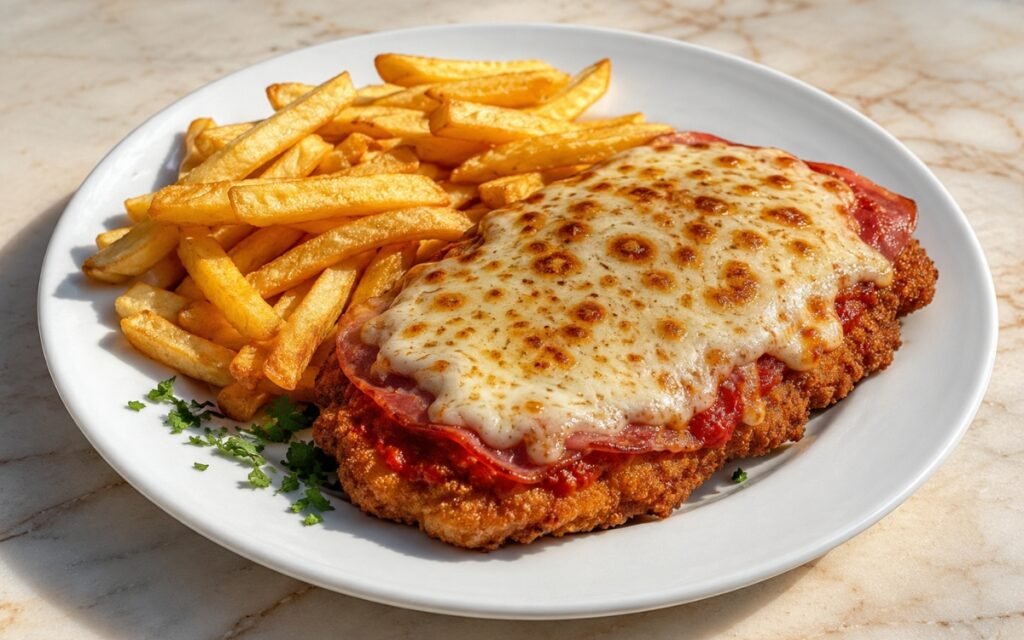
Argentine Milanesa Napolitana
Breaded, fried chicken cutlets topped with tomato sauce, smoked ham, and melted mozzarella, served with crispy double-fried fries.
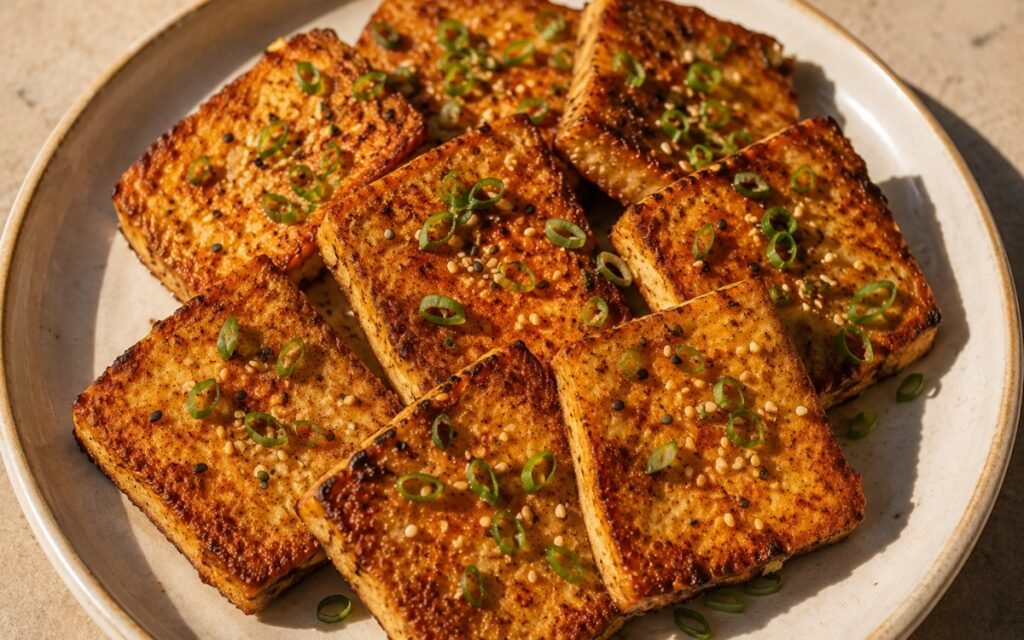
Crispy Tofu Steaks
Tofu pressed thoroughly, marinated in soy, sesame, garlic, ginger, coated in cornstarch, fried until golden. Crisp and umami-packed.
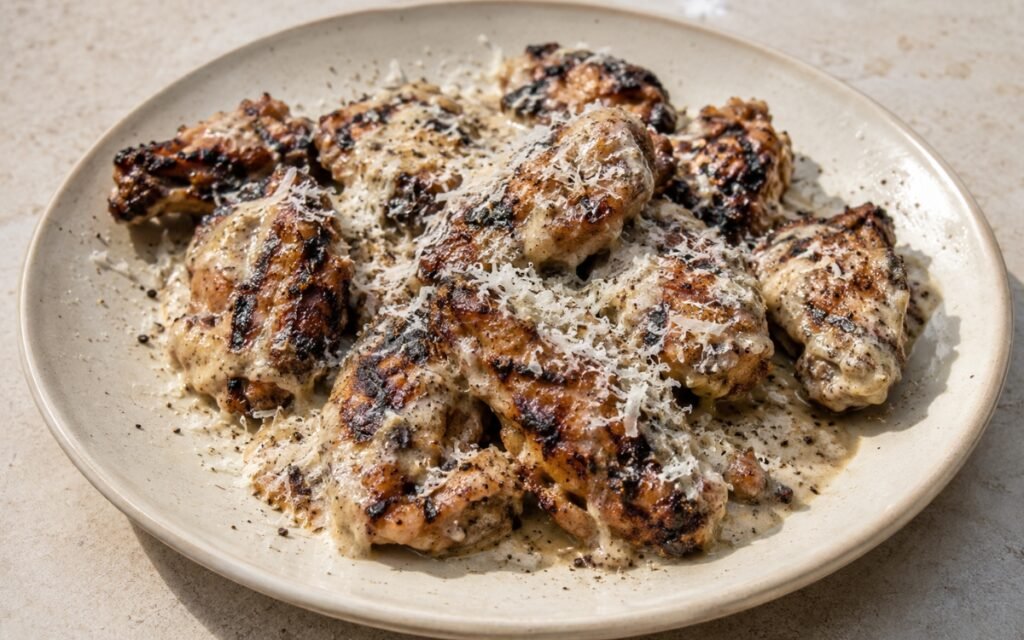
Grilled Cacio e Pepe Chicken Wings
Low-and-slow grilled chicken wings with crisp, rendered skin, tossed in a creamy off-heat Pecorino-Parmesan cacio e pepe sauce with black pepper.
You might also like
You might also like
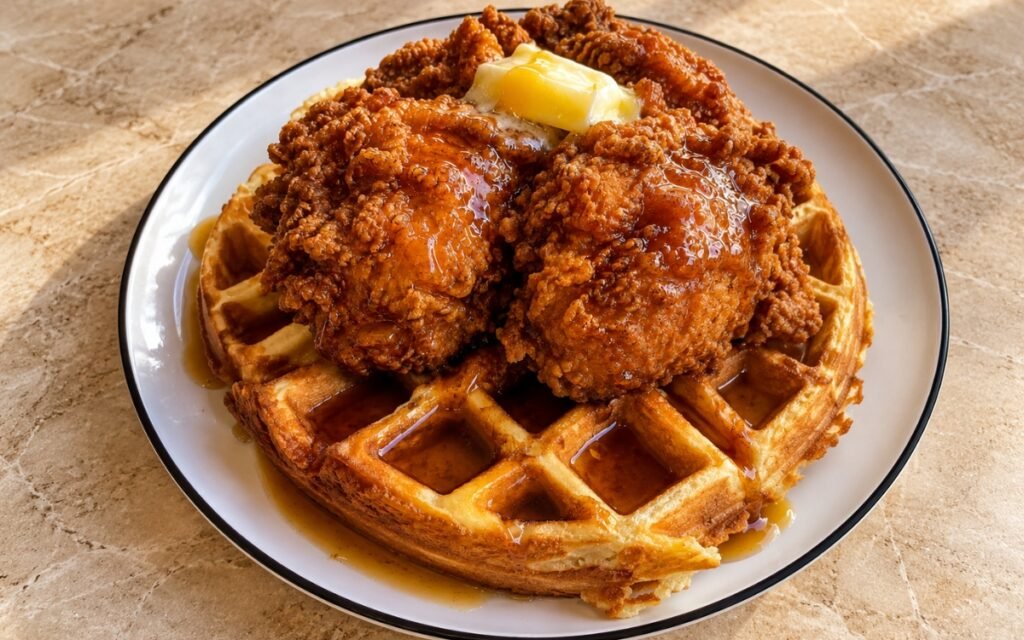
Chicken and Waffles
Golden crispy boneless fried chicken thighs served over thick Belgian-style waffles with butter and maple syrup.
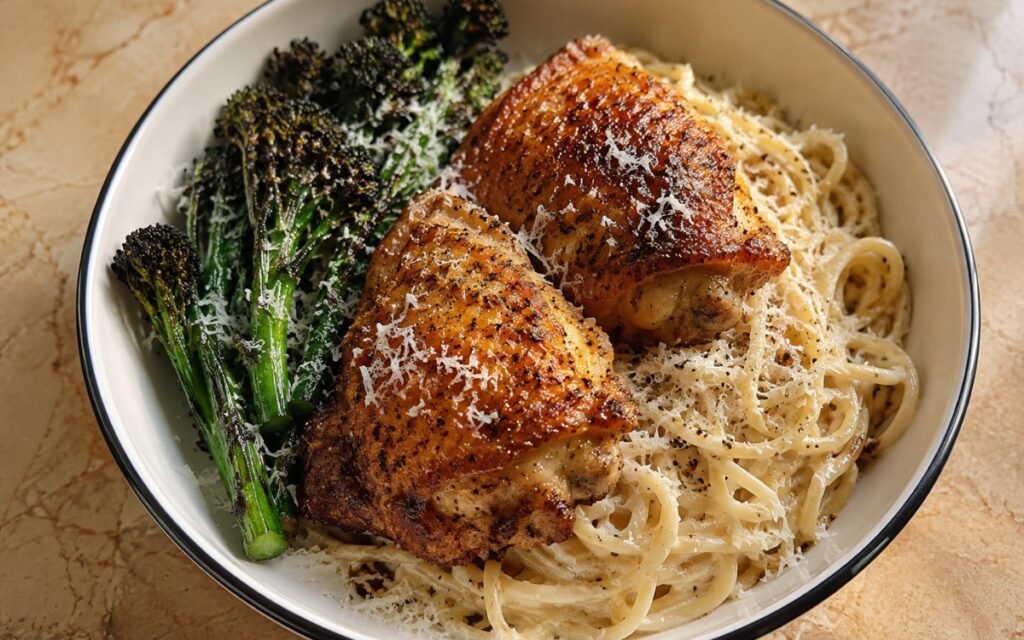
Baked Chicken Thighs with Cheesy Spaghetti
Smoked paprika crispy chicken thighs, cacio e pepe spaghetti with tempered cheese paste, and charred broccolini — one bowl, Parmesan over everything, 55 minutes.
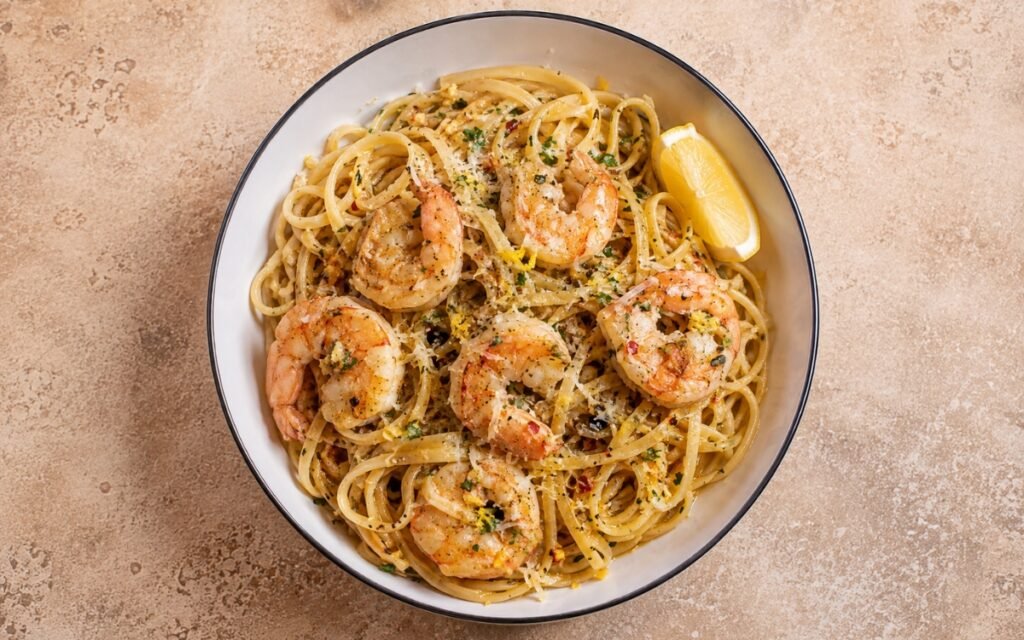
Shrimp Scampi Pasta
Linguine finished in a glossy garlic butter lemon sauce with tender shrimp, parsley, chili flakes, and Parmesan.
Hot Buffalo Wings
Ingredients
Method
- Pat the wings very dry with paper towels. Season them lightly with the salt and black pepper and toss until evenly coated. The drier the wings are before frying, the better the skin fries and the more effectively the second fry crisps the surface. They should feel dry rather than damp when they go into the oil. Any residual surface moisture has to evaporate before the oil’s heat can start actually crisping the skin — a genuinely dry surface lets both fries go straight into building texture rather than fighting excess water first.
- In a bowl, combine the mayonnaise, sour cream, 30ml buttermilk or milk, blue cheese, lemon juice or vinegar, and garlic. Stir until combined, then season with salt and black pepper to taste. Add a little more buttermilk if needed until the dressing is thick but spoonable. The texture should be creamy and rich, not runny. Some larger blue cheese crumbles should remain visible for a more classic finish. Chill until needed. Stirring gently rather than mashing the blue cheese in fully preserves some distinct crumbles within the dressing, giving it real textural interest rather than a uniformly smooth, one-note consistency.
- Heat the oil to 160°C. Fry the wings in batches for 8–10 minutes, depending on size, until cooked through, lightly golden, and the skin has started to render but is not yet deeply crisp. Do not overcrowd the fryer or pot. The wings should come out pale golden and fully cooked, with the skin set but not yet deeply browned. Transfer to a rack or tray and let them rest for 8–10 minutes. This lower-temperature first fry is calibrated to cook the wing through and render the fat beneath the skin gently, without pushing the surface toward deep colour — that colour-building is deliberately saved for the second, hotter fry.
- Increase the oil temperature to 190°C. Fry the wings a second time in batches for 2–4 minutes, until deeply golden, crisp, and audibly crackly at the surface. The second fry is what gives the wings their classic Buffalo texture. The skin should be crisp and rigid at the edges, not soft or leathery. Transfer immediately to a large bowl. This higher-heat second pass is what actually builds the wing’s signature crackling exterior — since the first fry has already cooked the meat through and rested the wings to firm up, this stage can move fast and focus entirely on crisping the surface.
- While the second fry is happening, combine the hot sauce, butter, brown sugar, and salt in a small saucepan over low heat. Stir until the butter is fully melted and the sauce is smooth and glossy. Do not boil. The sauce should look emulsified and shiny, with the butter fully incorporated into the hot sauce. Taste and adjust salt if needed. Keeping the heat low and stopping short of a boil is what preserves the emulsion between the butter and the vinegar-forward hot sauce — pushed too hard, that emulsion can break, leaving a separated, greasy sauce instead of a glossy, cohesive one.
- Pour the warm Buffalo sauce over the hot wings and toss thoroughly until every piece is evenly coated. This needs to happen while the wings are still hot so the sauce clings properly. The finished wings should be fully coated in a vivid orange-red glossy layer, not sitting in a puddle of separated butter at the bottom of the bowl. Tossing while the wings are still radiating heat from the second fry helps the sauce spread and cling evenly across every surface — wings that have cooled even slightly hold the sauce less effectively, and it tends to pool rather than coat.
- Pile the wings onto a platter and serve immediately with the blue cheese dressing and celery sticks. The crackling skin beneath the sauce begins softening the moment it’s coated, so serving without delay is what preserves the contrast between the crisp fried skin and the glossy sauce over it.