
Elote-Style Chicken Wings
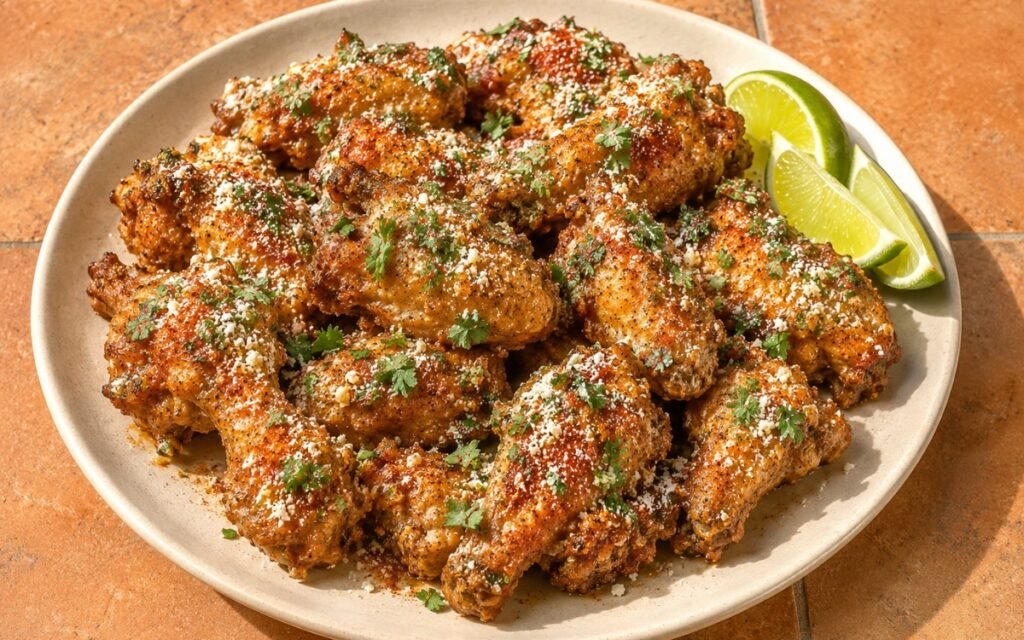
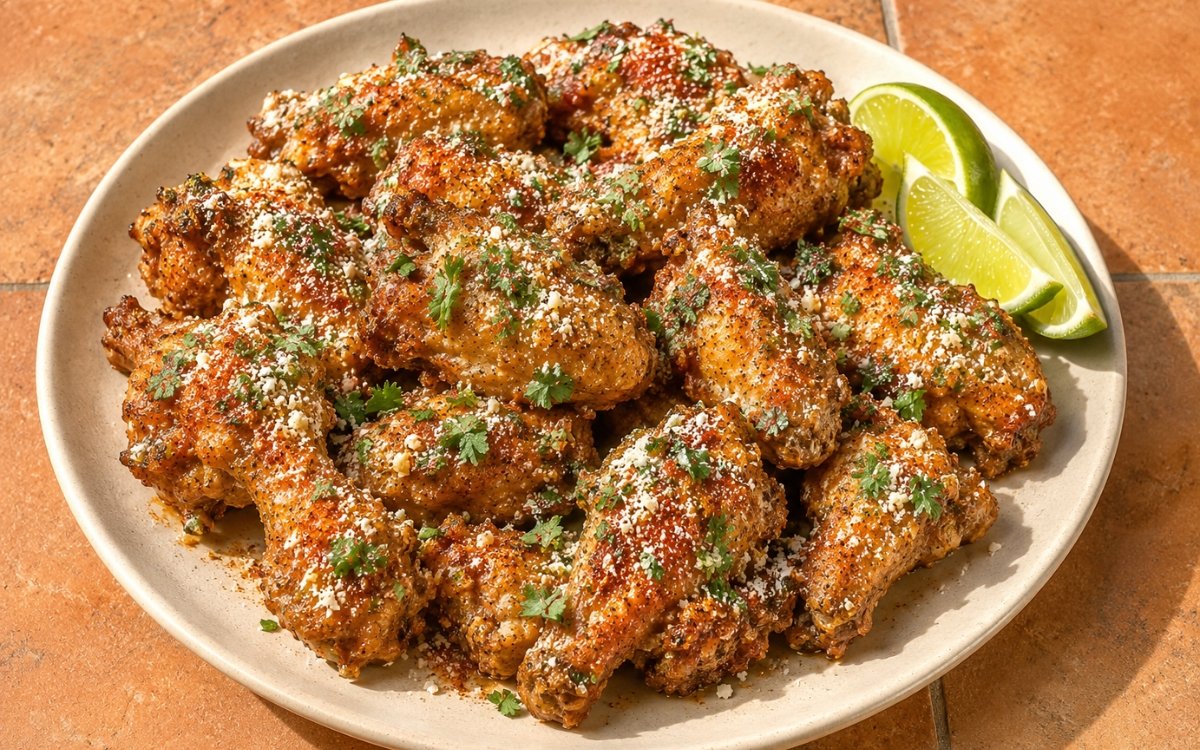
Crispy oven-baked chicken wings tossed immediately in a creamy elote-style sauce built on mayo and crema, then finished with a heavy shower of crumbled cotija, vivid red chili powder, chopped fresh cilantro, and lime wedges — rich, tangy, creamy, salty, and slightly smoky, like Mexican street corn turned into wings. Drying the wings uncovered before baking is the technique this whole recipe depends on — wet skin steams before it browns, and the oven spends its early time fighting that surface moisture instead of crisping, the same uncovered-dry principle used elsewhere in this collection whenever crackling skin is the goal. Baking low first to render the fat, then finishing hot to crisp, follows the same two-stage heat sequencing used throughout this collection whenever a fatty skin needs real time to render before colour develops. Scattering the cotija over the top only at the very end, rather than mixing it into the sauce, is what keeps it visible and texturally distinct rather than dissolving into the coating — the same finishing-layer principle used for the cotija and chilli dust on classic elotes. The payoff is a wing with genuinely crisp skin under a creamy, tangy coating, heavily dusted in cotija and chilli for that unmistakable street-corn look.
Prep Time : 15 min
Cook Time : 50–55 min
Servings : 4
15 min
50–55 min
4
Ingredients
For the Chicken Wings
• 1kg chicken wings, drums and flats separated
• 8g fine sea salt
• 4g garlic powder — this one on Amazon
• 4g onion powder — this one on Amazon
• 2g white pepper — this one on Amazon
• 10ml neutral oil
For the Elote-Style Sauce
• 80g mayonnaise
• 80g Mexican crema or sour cream
• 15ml fresh lime juice
• 4g lime zest
• 5g garlic, very finely grated or minced
• 2g fine sea salt, plus more to taste
• 1g white pepper or freshly cracked black pepper
• 2g chili powder, plus more to taste
For Finishing
• 80g cotija cheese, crumbled, plus extra if you want them heavily coated
• 10g fresh cilantro, roughly chopped, plus more for garnish
• 2–3g chili powder, for dusting over the finished wings — this one on Amazon
• 1–2 limes, cut into wedges
This post may contain affiliate links. As an Amazon Associate I earn from qualifying purchases, at no additional cost to you.
Directions
- Dry and Season the Wings
Pat the wings very dry with paper towels. Toss with the fine sea salt, garlic powder, onion powder, white pepper, and neutral oil until evenly coated. For the best texture, place the wings on a wire rack set over a tray and refrigerate uncovered for 1–12 hours. This helps dry out the skin so it crisps much more effectively in the oven. Leaving the wings uncovered on a rack lets air circulate on every side, drawing surface moisture away steadily over the resting window — that dry surface is what allows the oven’s heat to go directly into rendering and browning rather than evaporating water first. - Bake Low to Render the Fat
Preheat the oven to 160°C. Arrange the wings in a single layer on a wire rack set over a baking tray, leaving space between them. Bake for 35–40 minutes, turning once halfway through, until the wings are cooked through and the fat under the skin has rendered. This first stage is about drying and rendering, not browning. Genuine space between each wing matters here as much as the low temperature — crowded wings trap steam between each other, working directly against the dry, rendering environment this stage is meant to create. - Crisp the Wings
Increase the oven temperature to 230°C, or switch to broil if your oven browns evenly. Continue baking for 10–15 minutes, turning once if needed, until the wings are deeply golden, crisp, and browned at the edges. The wings should be at least 74°C internally, though wings usually eat best slightly beyond that once the connective tissue has softened. By this stage most of the fat has already rendered out during the low bake, leaving little moisture left to protect the skin from scorching — this is why the high-heat finish moves quickly and needs watching rather than being left unattended. - Make the Elote-Style Sauce
While the wings finish crisping, whisk together the mayonnaise, crema, lime juice, lime zest, garlic, salt, pepper, and chili powder in a large bowl until smooth. The sauce should taste creamy, tangy, lightly savory, and only gently limey. It should coat a spoon thickly, not run like a dressing. Combining lime zest with a modest amount of juice, rather than relying on juice alone, gives the sauce genuine citrus brightness without the extra acidity and liquid that a heavier hand with juice would add — too much juice thins the sauce and pushes it toward sour rather than the rounded tang elote is known for. - Toss the Wings
As soon as the wings come out of the oven, transfer them directly to the bowl with the sauce. Toss until evenly coated. Add the roughly chopped cilantro and toss again briefly so it clings to the sauce. Tossing the instant the wings leave the oven, while they’re still fully hot and crisp, lets the sauce cling as a thin, even coating — any delay gives it more time to pool and start softening the skin from beneath. - Finish and Serve
Transfer the coated wings to a serving plate. Scatter the crumbled cotija heavily over the top. Dust with more chili powder until the surface has that vivid orange-red elote look. Finish with more chopped cilantro and serve with lime wedges alongside. Serve immediately while the wings are hot, crisp-edged, and the sauce is still creamy. Scattering the cotija and chilli powder only at this final plating step, rather than mixing them into the sauce, keeps both visibly distinct against the creamy coating — mixed in, the cotija would lose its texture and the chilli’s vivid colour would mute into the sauce rather than standing out on top.
*Notes :
- The uncovered drying period is worth treating as the single highest-leverage step in this recipe, disproportionate to how passive it looks. Chicken skin naturally holds surface moisture, and that moisture directly opposes crisping — it has to evaporate before the oven’s heat can begin rendering fat and browning the skin at all. The extended, uncovered refrigerator time handles that evaporation in advance, so the actual bake time goes straight into crisping rather than fighting excess water first.
- The two-stage bake — low first to render, high second to crisp — exists specifically because of how much fat sits just beneath a wing’s thin skin. Starting at high heat would char the skin’s exterior before that fat has had any real time to melt away, leaving a wing that looks done outside while still carrying unrendered, chewy fat closer to the bone. The low, patient first stage gives the fat a genuine window to render, with the high-heat finish reserved purely for building colour once that rendering is essentially complete.
- Keeping the cotija and finishing chilli powder off the sauce entirely, added only as a final layer once the wings are plated, is a deliberate choice that mirrors the same finishing technique used for classic elotes and elote en vaso. Cotija folded directly into a wet sauce would soften and lose its crumbly, salty distinctness within minutes; left as a top layer, it stays visually and texturally separate, which is a core part of how this dish is meant to look and eat.
- Timing the sauce toss to the exact moment the wings leave the oven, rather than letting them rest first, protects the same balance every sauced-wing recipe in this collection depends on. Wings tossed while still fully hot and crisp let the sauce cling thin and even; any delay before tossing, or lingering afterward before serving, gives the sauce more time to pool and soften the skin underneath the pile.
Why This Recipe Works
This recipe works because the wings are dried thoroughly before baking, giving the oven a clean surface to render and crisp rather than fighting excess moisture. The two-stage bake produces genuinely crackling skin, and the elote-style sauce leans on lime zest alongside a modest amount of juice to stay creamy and tangy without turning thin or sour.
Tossing the wings the instant they leave the oven lets the sauce cling evenly, and reserving the cotija and chilli powder as a final top layer — never mixed into the sauce — keeps both visually and texturally distinct, mirroring the same finishing logic used for classic elotes.
Ingredient Breakdown
Uncovered, Dried Chicken Wings
The critical prep step — an extended, uncovered rest draws out surface moisture that would otherwise prevent proper crisping in the oven.
Low-Then-High Two-Stage Bake
The cooking technique — a gentle first bake renders fat fully, a hot finish builds colour and crisp without leaving unrendered fat behind.
Mayo-Crema Elote Sauce
The coating base — mayonnaise for body, crema for a silkier, tangier finish, balanced with lime zest for brightness without excess acidity.
Immediate Post-Bake Tossing
The finishing technique — sauce added the instant the wings are hot and crisp, letting it cling thin and even rather than pooling.
Top-Layered Cotija and Chilli
The final garnish — added only after tossing, never mixed into the sauce, so both stay visible and texturally distinct.
Flavor Structure Explained
This elote-style wings follow a layered balance model:
- Crisp savoury foundation (rendered, crackling chicken skin)
- Rich tangy centre (mayo-crema elote sauce)
- Salty sharp accent (cotija)
- Warm smoky spice (chili powder)
- Bright fresh finish (lime, cilantro)
The rendered, crisped chicken skin provides a savoury, crackling foundation beneath everything else. The mayo-crema sauce adds rich, tangy creaminess with a bright, gentle lime lift. Crumbled cotija layers in sharp, salty bite scattered across the top. Chili powder contributes warm, smoky spice visible against the pale sauce. A final scatter of fresh cilantro and a squeeze of lime finish the wings with clean, bright acidity that echoes the classic elote flavour profile.
Common Mistakes to Avoid
- Skipping the Uncovered Drying Step – Wet skin steams before it browns and never develops proper crispness. Always dry the wings uncovered in the refrigerator if time allows.
- Baking at High Heat From the Start – This chars the skin before the fat underneath has rendered. Always start low to render, then finish hot to crisp.
- Mixing the Cotija Into the Sauce – This softens and dissolves the cheese, losing its distinct texture and appearance. Always scatter it on top after tossing.
- Using Too Much Lime Juice Instead of Zest – This thins the sauce and pushes it toward sour rather than rounded tang. Always let zest carry most of the citrus character.
- Letting the Wings Sit Before or After Tossing – Sauce pooling under a pile of wings softens the skin quickly. Always toss immediately once hot and crisp, and serve without delay.
Variations
Spicier Version
Use a spicier chili powder or add a pinch of cayenne to the sauce for a sharper heat throughout.
Extra-Creamy Version
Use Mexican crema rather than sour cream for a looser, silkier coating closer to a traditional elote drizzle.
With Corn Kernels
Scatter a small handful of charred corn kernels over the finished wings alongside the cotija for an even more literal street-corn presentation.
Grilled Version
Follow the same low-then-high two-zone approach on a grill instead of an oven for a smokier variation on the same technique.
Storage & Make-Ahead
Raw, seasoned wings can be dried uncovered in the refrigerator for up to 12 hours as directed; do not extend significantly beyond this window.
Baked, unsauced wings can be refrigerated for up to 2 days; reheat in a hot oven to restore crispness before saucing. The elote-style sauce can be made a few hours ahead and refrigerated; whisk again before using.
Fully sauced wings are not suitable for storage — the skin softens under the sauce fairly quickly, so toss and serve only what will be eaten immediately.
Frequently Asked Questions
Why does drying the wings uncovered matter so much before baking?
Surface moisture has to evaporate before the oven’s heat can start rendering fat and browning the skin. The extended, uncovered dry handles that in advance, so the actual bake time goes straight into crisping rather than fighting excess water first.
Why bake the wings at a low temperature before finishing hot?
Wings carry meaningful fat just beneath their thin skin, and that fat needs real time to render out. Starting at high heat would char the exterior before that rendering happens, leaving chewy, unrendered fat beneath a browned surface.
Why isn’t the cotija mixed directly into the sauce?
Cotija folded into a wet sauce softens and loses its crumbly, salty texture within minutes. Scattered on top only after tossing, it stays visually and texturally distinct, which is central to how this dish is meant to look and eat.
Why use mostly lime zest instead of a larger amount of juice?
Zest carries the fruit’s aromatic citrus oils without the acidity juice brings. Leaning on zest keeps the sauce genuinely bright while staying thick and creamy — too much juice thins it out and pushes it toward sour.
Are there other flavoured wing recipes or classic elote dishes worth trying?
Cacio e Pepe Chicken Wings offers a completely different direction if you enjoy this style of sauced, crispy wing — a rich, creamy Pecorino-Parmesan black pepper sauce instead of the mayo-crema elote base here. And if you like these flavours enough to want the classic format, Mexican Street Corn Elotes and Elote en Vaso apply the same creamy, cotija-and-chilli combination to grilled corn on the cob and in a cup.
Nutrition Facts
( per serving )
Calories
~600 kcal
Protein
34 g
Fat
46 g
Carbs
6 g
Calories
~600 kcal
Protein
34 g
Fat
46 g
Carbs
6 g
Related Recipes
Related Recipes

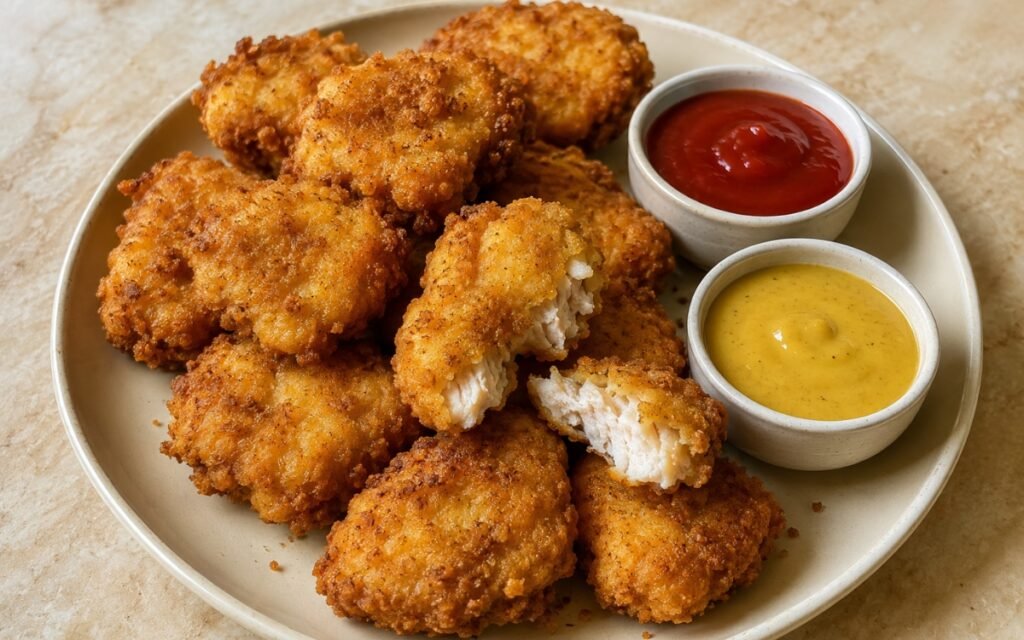
Homemade Chicken Nuggets
A juicy chicken-and-pork blend shaped into hand-formed nuggets, coated in a craggy panko-breadcrumb crust, and fried until deeply golden.
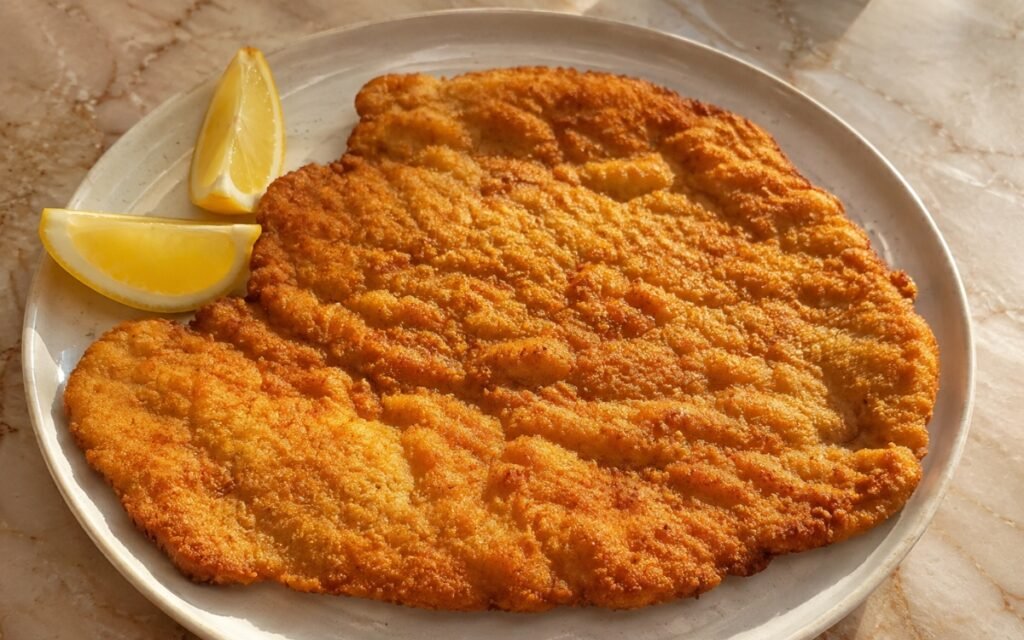
Austrian Pork Schnitzel
Pork loin pounded uniformly, breaded loosely for a wavy crust, fried in floating fat until golden — served immediately with lemon. Light and crispy.
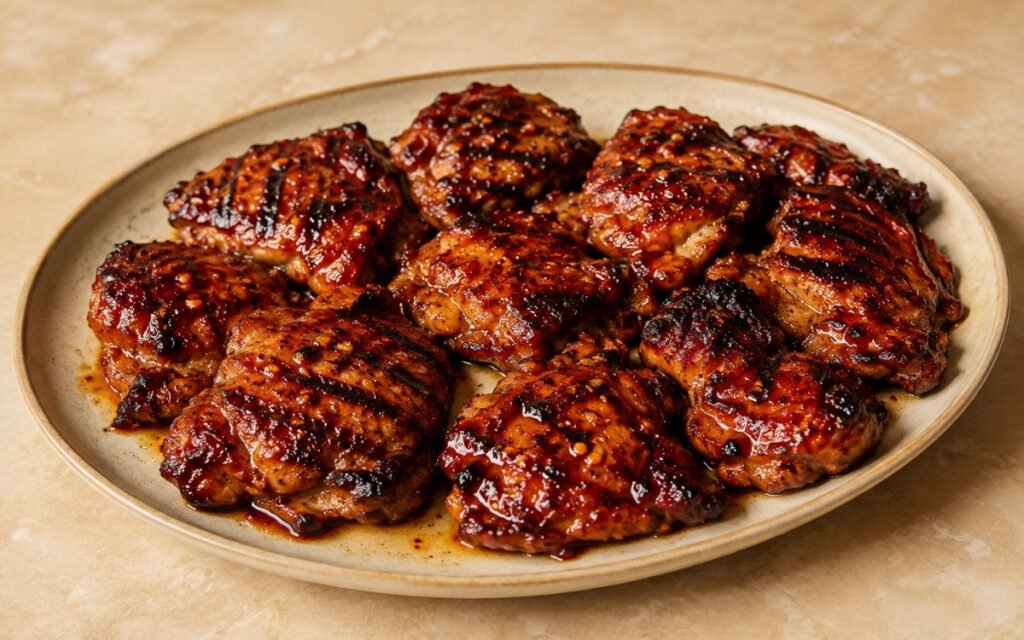
Grilled Hot Honey Chicken Thighs
Yogurt-marinated chicken thighs grilled to charred grill marks then glazed in progressive rounds with chili-infused hot honey — glossy, smoky, spicy, and caramelised in 35 minutes active time.
You might also like
You might also like
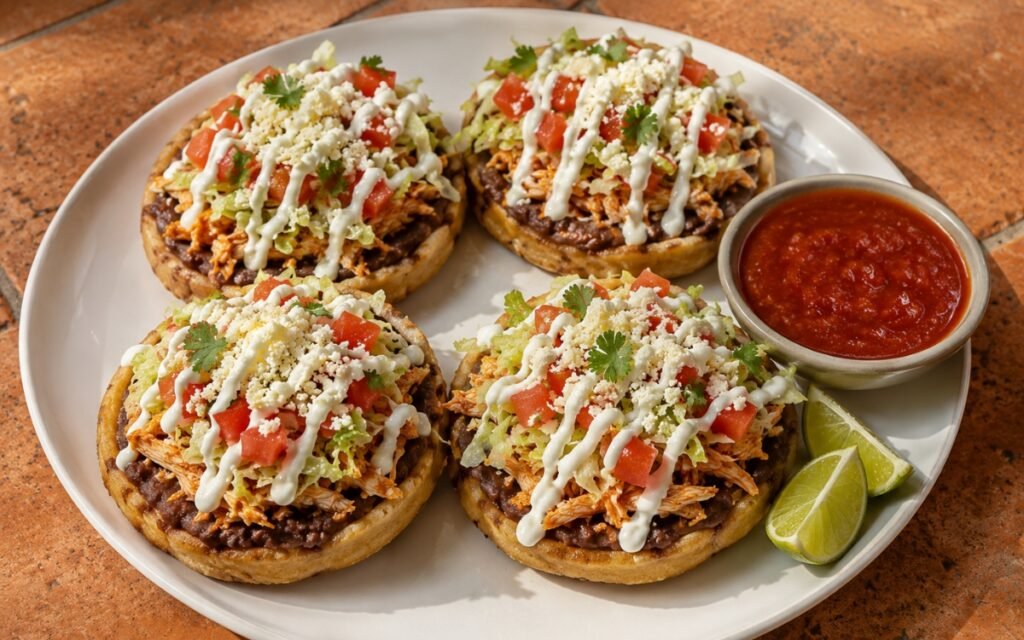
Pollo Sopes with Refried Beans
Thick masa sopes shaped with a raised rim, fried golden, and layered with refried black beans, adobo-simmered shredded chicken, lettuce, tomato, and crema.
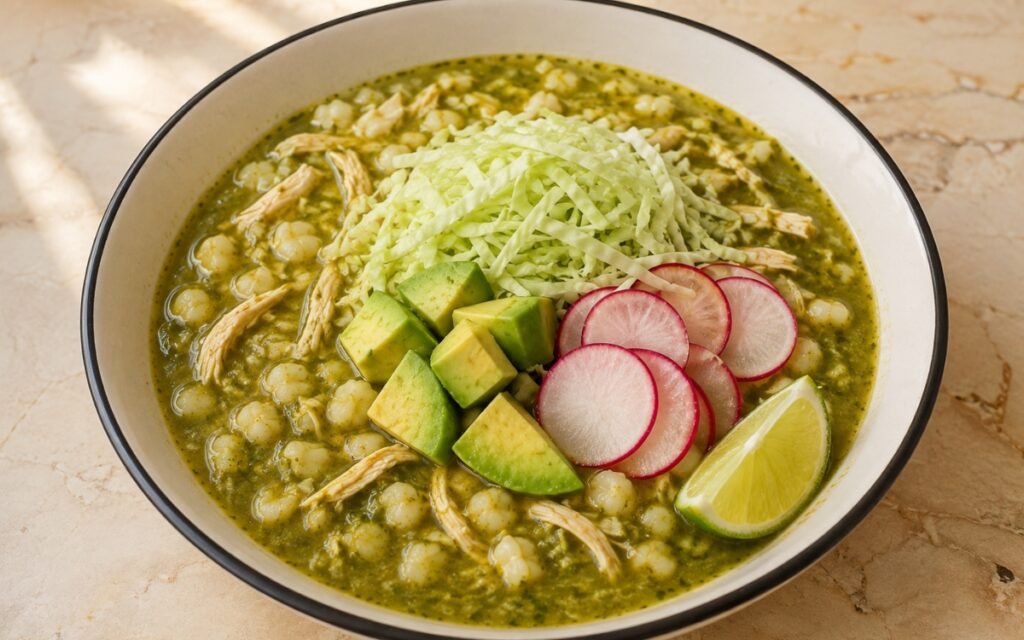
Pozole Verde
A vivid green Mexican pozole with savory chicken broth, roasted tomatillo-pumpkin seed base, hominy, and shredded chicken.
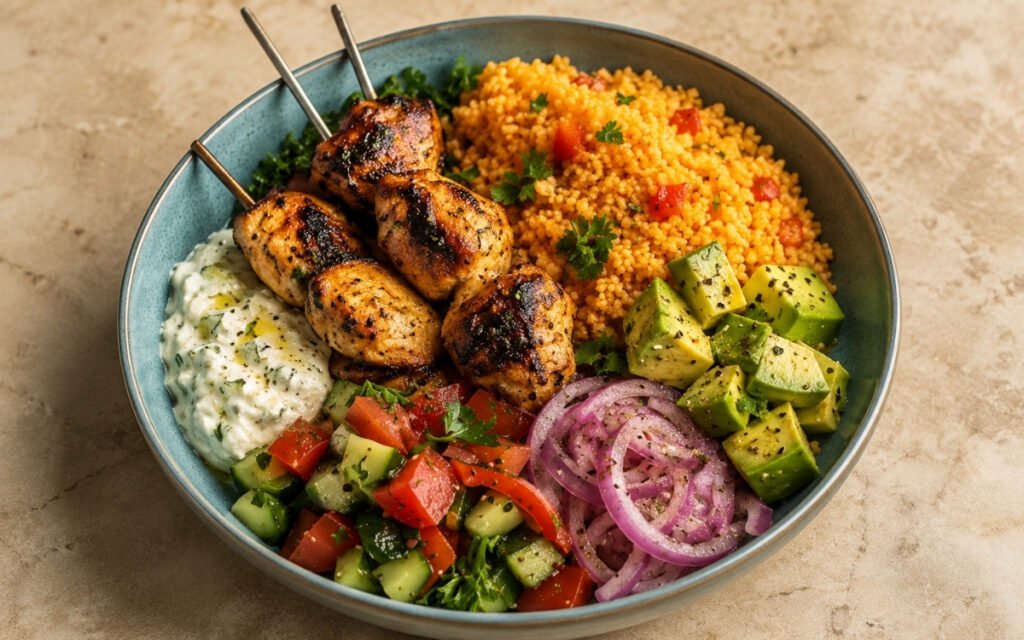
Greek Chicken Souvlaki Mediterranean Bowl
Charred souvlaki skewers, Moroccan spiced couscous, thick tzatziki, pickled red onion, and avocado — a complete, bold Mediterranean bowl in one dish.
Elote-Style Chicken Wings
Ingredients
Method
- Pat the wings very dry with paper towels. Toss with the fine sea salt, garlic powder, onion powder, white pepper, and neutral oil until evenly coated. For the best texture, place the wings on a wire rack set over a tray and refrigerate uncovered for 1–12 hours. This helps dry out the skin so it crisps much more effectively in the oven. Leaving the wings uncovered on a rack lets air circulate on every side, drawing surface moisture away steadily over the resting window — that dry surface is what allows the oven’s heat to go directly into rendering and browning rather than evaporating water first.
- Preheat the oven to 160°C. Arrange the wings in a single layer on a wire rack set over a baking tray, leaving space between them. Bake for 35–40 minutes, turning once halfway through, until the wings are cooked through and the fat under the skin has rendered. This first stage is about drying and rendering, not browning. Genuine space between each wing matters here as much as the low temperature — crowded wings trap steam between each other, working directly against the dry, rendering environment this stage is meant to create.
- Increase the oven temperature to 230°C, or switch to broil if your oven browns evenly. Continue baking for 10–15 minutes, turning once if needed, until the wings are deeply golden, crisp, and browned at the edges. The wings should be at least 74°C internally, though wings usually eat best slightly beyond that once the connective tissue has softened. By this stage most of the fat has already rendered out during the low bake, leaving little moisture left to protect the skin from scorching — this is why the high-heat finish moves quickly and needs watching rather than being left unattended.
- While the wings finish crisping, whisk together the mayonnaise, crema, lime juice, lime zest, garlic, salt, pepper, and chili powder in a large bowl until smooth. The sauce should taste creamy, tangy, lightly savory, and only gently limey. It should coat a spoon thickly, not run like a dressing. Combining lime zest with a modest amount of juice, rather than relying on juice alone, gives the sauce genuine citrus brightness without the extra acidity and liquid that a heavier hand with juice would add — too much juice thins the sauce and pushes it toward sour rather than the rounded tang elote is known for.
- As soon as the wings come out of the oven, transfer them directly to the bowl with the sauce. Toss until evenly coated. Add the roughly chopped cilantro and toss again briefly so it clings to the sauce. Tossing the instant the wings leave the oven, while they’re still fully hot and crisp, lets the sauce cling as a thin, even coating — any delay gives it more time to pool and start softening the skin from beneath.
- Transfer the coated wings to a serving plate. Scatter the crumbled cotija heavily over the top. Dust with more chili powder until the surface has that vivid orange-red elote look. Finish with more chopped cilantro and serve with lime wedges alongside. Serve immediately while the wings are hot, crisp-edged, and the sauce is still creamy. Scattering the cotija and chilli powder only at this final plating step, rather than mixing them into the sauce, keeps both visibly distinct against the creamy coating — mixed in, the cotija would lose its texture and the chilli’s vivid colour would mute into the sauce rather than standing out on top.