
Chicken Saltimbocca
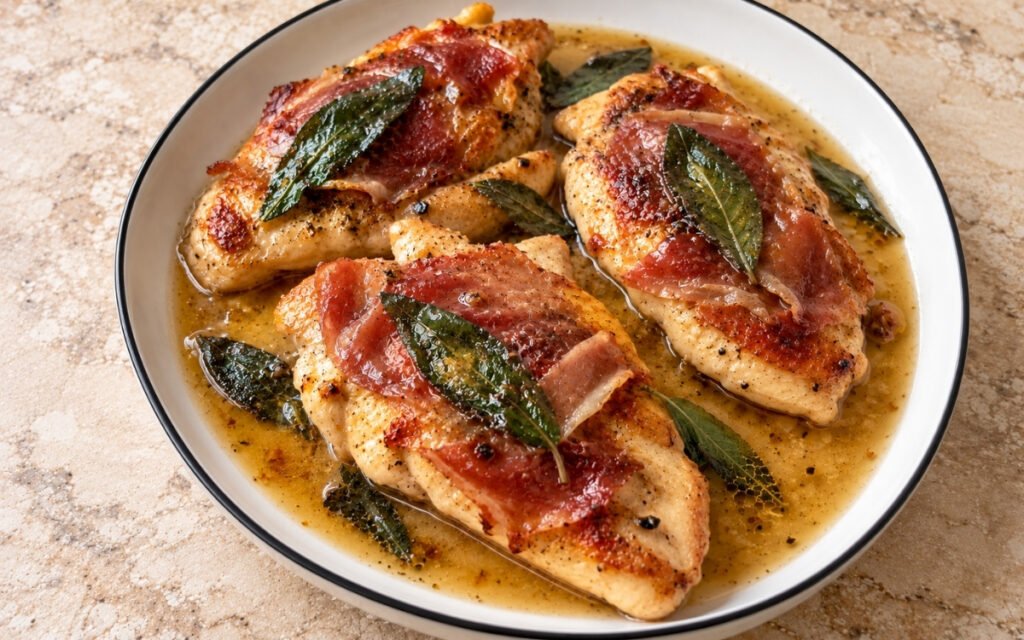
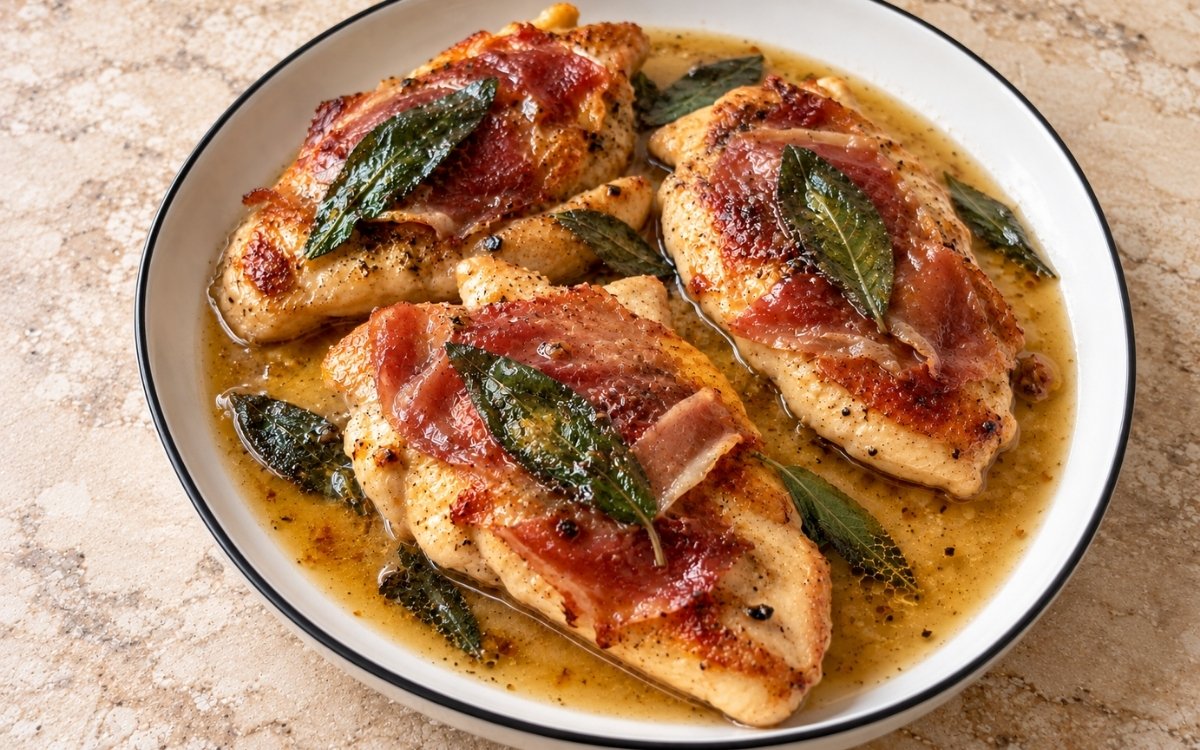
A chicken version of the Roman classic, made with thin seared chicken cutlets topped with prosciutto and sage, then finished in a glossy buttery white wine pan sauce, built on thin, evenly pounded chicken, quick cooking, and a restrained sauce that stays silky rather than heavy. Pounding every cutlet to an even thickness lets it cook through cleanly — an unevenly pounded cutlet dries out at the thin parts before the thicker parts finish. Searing prosciutto-side down first, only briefly, lets it lightly render and set against the chicken without burning before the meat itself finishes cooking. Finishing the pan sauce entirely off the heat with cold butter, never boiling hard afterward, keeps it silky and glossy rather than greasy or split. The result is a dish with elegant Roman restraint — thin, quick-cooked chicken beneath crisp prosciutto and fragrant sage, glazed in a light, glossy white wine sauce.
Prep Time : 20 min
Cook Time : 20 min
Servings : 4
20 min
20 min
4
Ingredients
For the Chicken
• 4 skinless boneless chicken breasts, about 200g each
• 8 thin slices prosciutto
• 16 large sage leaves
• 60–70g all-purpose flour, for light dredging — this one on Amazon
• ½ tsp black pepper
• 2–3 tbsp olive oil — this one on Amazon
• 30g unsalted butter — this one on Amazon
For the Pan Sauce
• 120ml dry white wine
• 180ml chicken stock, preferably low sodium
• 15–20g unsalted butter, cold
• 1 tsp lemon juice, optional, only if needed to brighten
• Black pepper, to taste
Optional for Securing
• 8–12 toothpicks
This post may contain affiliate links. As an Amazon Associate I earn from qualifying purchases, at no additional cost to you.
Directions
- Prep the Chicken
Slice each chicken breast horizontally into 2 thinner cutlets, giving 8 cutlets total. Place each cutlet between sheets of parchment or plastic wrap and gently pound to an even thickness of about 6–8mm. Keep the cutlets even. If some parts are thick and others thin, the thin parts will dry out before the thicker parts finish cooking. Pat dry well. With every piece the same thickness, the whole batch reaches the same doneness in the short cooking time. - Top with Prosciutto and Sage
Lay 1 slice of prosciutto over each chicken cutlet. Place 2 sage leaves on top of the prosciutto. Press lightly so the prosciutto adheres. If needed, secure with a toothpick. Season only the plain chicken side lightly with black pepper. Usually no extra salt is needed because the prosciutto is already salty. Go easy on salt from the start. Taste the finished sauce before deciding if it needs any. That deliberate restraint accounts for real, cumulative saltiness building throughout the dish — from the prosciutto itself through to the stock in the sauce — meaning early oversalting would be considerably harder to correct than underseasoning at the start. - Lightly Flour
Put the flour on a plate. Lightly dredge only the plain chicken side of each cutlet in flour and shake off excess. You can also lightly dust the whole cutlet if preferred, but keep the coating very thin. Too much flour makes the sauce pasty. You only want a light film to help browning and give the pan sauce slight body. A thin flour coating helps browning and gives the sauce a little body later — a heavier dusting would instead cloud and thicken the sauce past the light, glossy consistency this dish depends on. - Sear the Cutlets
Heat a large skillet over medium to medium-high heat. Add the olive oil and the 30g butter. When the butter foam settles, add the cutlets in batches if needed. Cook prosciutto-side down first for about 1–1½ minutes, just enough to lightly render and set the topping. Flip and cook the chicken side for another 1½ to 2½ minutes, depending on thickness, until lightly golden and just cooked through. Transfer to a warm plate. Do not overcook. Chicken breast goes dry quickly. Pull the cutlets once they are just done; they will return briefly to the sauce. The prosciutto should cling to the chicken, the sage should smell fragrant, and the chicken should be lightly browned, not deeply crusted. Searing prosciutto-side down first puts it in direct contact with the hot pan early on, letting it render and lightly crisp before the more delicate chicken side ever takes its turn against that same heat. - Make the Pan Sauce
Lower the heat slightly if the pan looks too dark. Pour in the white wine and scrape up the browned bits. Let it reduce for about 1–2 minutes. Add the chicken stock and simmer until reduced by about one-third, about 3–4 minutes. Return the chicken to the pan, prosciutto-side up, and spoon the sauce over for 30–60 seconds just to reheat and glaze. Turn off the heat. Swirl in the cold butter until the sauce becomes glossy. Add the lemon juice only if the sauce tastes flat and needs a slight lift. Once the final butter goes in, do not boil hard. A strong boil can split the sauce and make it greasy instead of silky. That deglazing step lifts every bit of fond left behind by the seared chicken directly into the sauce, working real, concentrated flavour back in rather than leaving it stuck to the pan. - Serve
Arrange the chicken on warm plates and spoon the pan sauce around and lightly over the cutlets. Serve immediately. This dish’s whole appeal depends on the sauce’s own glossy, silky consistency and the chicken’s just-cooked tenderness — both begin to change the moment the plate sits, which is exactly why serving without delay matters here.
*Notes :
- Pound every chicken cutlet to an even thickness so the dish cooks through cleanly. Uneven cutlets dry out at the thin points before the thicker sections finish.
- Sear the cutlets prosciutto-side down first. That order gives the prosciutto real, direct contact with the hot pan early on, letting it render and lightly set before the chicken side ever takes its own turn — reversing that order would risk the prosciutto pulling away or staying undercooked by the time the chicken finishes.
- Finish the pan sauce off the heat with cold butter, and don’t let it boil hard afterward. A strong boil at this stage can split the sauce and make it greasy; the gentle, off-heat finish keeps the emulsion glossy.
- Go easy on salt throughout and taste only at the very end, since this dish already carries several salty components. Prosciutto and stock both contribute real, cumulative saltiness, which is why low-sodium stock is recommended — this combination can tip into oversalted territory quickly.
Why This Recipe Works
This recipe works because every cutlet is pounded to an even thickness, so the whole batch cooks through together in a brief sear. Searing prosciutto-side down first lets it render and set properly before the chicken side takes its turn.
A light, restrained flour dusting aids browning without clouding the sauce, and deglazing with wine lifts real fond directly back into the pan sauce.
Finishing that sauce entirely off the heat with cold butter, never boiling it hard, delivers the dish’s characteristic glossy, silky consistency, and serving immediately captures both the chicken and sauce at their best.
Ingredient Breakdown
Evenly Pounded Chicken Cutlets
Consistent thickness lets every piece cook through at the same rate within a brief sear.
Prosciutto-Side-Down First Searing
Gives the prosciutto real, direct heat contact to render and set before the chicken side is cooked.
Light, Thin Flour Dredge
Aids browning and gives the sauce slight body without turning it pasty.
Wine Deglaze
Lifts real fond from the pan directly back into the sauce for concentrated flavour.
Off-Heat Cold Butter Finish
The fragile, glossy emulsion depends on this gentle, off-heat finish rather than direct, aggressive heat.
Restrained, Late Seasoning
Accounts for the cumulative saltiness of prosciutto and stock, protecting the dish from oversalting.
Flavor Structure Explained
The flavours stack in layers:
- Thin, quick-cooked foundation (evenly pounded, lightly floured chicken)
- Savoury, crisp topping (rendered prosciutto)
- Aromatic herbal lift (fried fresh sage)
- Glossy, silky richness (wine-deglazed, cold-butter-finished pan sauce)
- Optional bright finish (lemon juice)
Thin, evenly pounded, lightly floured chicken provides this dish’s quick-cooked foundation, protected from overcooking by its consistent thickness. Rendered prosciutto contributes a savoury, crisp topping directly seared against the chicken. Fried fresh sage adds real, fragrant aromatic lift throughout. A wine-deglazed, cold-butter-finished pan sauce ties the dish together with glossy, silky richness, and an optional touch of lemon juice finishes the plate with bright lift when the sauce needs it.
Common Mistakes to Avoid
- Pounding the Cutlets Unevenly – This causes thin sections to dry out before thicker ones finish. Always pound to an even thickness.
- Overcoating the Chicken With Flour – This makes the finished sauce pasty rather than light. Always keep the dredge thin.
- Overcooking the Chicken – Chicken breast goes dry quickly. Always pull it the moment it’s just cooked through.
- Boiling the Sauce Hard After the Butter Goes In – This splits the emulsion, turning it greasy rather than silky. Always finish gently off the heat.
- Oversalting Early – Prosciutto and stock both add real salt. Always taste the finished sauce before adding any more.
Variations
Extra-Bright Version
Include the optional lemon juice, for a sharper, more pronounced acidity that cuts through the sauce’s own buttery richness a touch more assertively.
Low-Sodium Stock Version
Use low-sodium chicken stock throughout to manage how quickly the combination of prosciutto and stock can tip the finished dish toward oversalted.
Thicker Prosciutto Substitution Note
Avoid thicker-cut prosciutto if possible, since it tends to pull away from the chicken during searing, while thinner slices adhere better and stay properly delicate.
Side Pairing Version
Serve alongside simple, traditional accompaniments like sautéed spinach, roasted potatoes, or crusty bread, keeping those sides simple so the saltimbocca itself remains the focus.
Storage & Make-Ahead
The classical structure of saltimbocca depends on staying thin, fast-cooked, and elegant rather than turning into thick chicken drowned in a heavy cream sauce, and this recipe uses no cream at all, relying entirely on butter and reduced stock for its richness.
Fresh sage is essential here rather than dried, since frying it briefly against the prosciutto perfumes the whole dish, and that fresh, fried aroma simply cannot be replicated with a dried substitute.
Watch your pan heat carefully throughout searing, since if the prosciutto starts burning before the chicken itself has finished cooking, that’s a clear sign the heat is running too high and needs to come down slightly.
You can prep and fully assemble the cutlets with their prosciutto and sage ahead of time, storing them covered in the refrigerator, but cook them right before serving for the best possible texture, since this dish doesn’t hold or reheat particularly well.
Keep the finished sauce light and glossy rather than abundant like a gravy, since that restraint is central to saltimbocca’s whole identity as an elegant, quick-cooked dish rather than something heavier and more indulgent.
Frequently Asked Questions
Why does the chicken need to be pounded to such a specific, even thickness?
Uneven cutlets force a real compromise — the thinner sections dry out before the thicker parts finish cooking. A consistent thickness lets the whole batch reach the same doneness together within this dish’s brief sear.
Why is the chicken seared prosciutto-side down first rather than the plain side?
That order gives the prosciutto real, direct contact with the hot pan early on, letting it render and lightly set before the more delicate chicken side takes its own turn against the heat.
Why can’t the pan sauce be boiled hard once the cold butter is added?
That final butter addition creates a fragile emulsion. A strong boil at this stage agitates it enough to split the sauce, turning it greasy rather than keeping it glossy and silky.
Why does the recipe caution against adding salt early rather than at the end?
Prosciutto and stock both contribute real, cumulative saltiness throughout the dish. Tasting only once the sauce is finished protects against oversalting a dish that’s already naturally quite salty from its own components.
Are there other classic Italian chicken, risotto, or polenta dishes worth trying?
Risotto alla Milanese and Mushroom Risotto both offer other classic Italian risotto directions worth exploring. Creamy Buttery Polenta is also worth trying as a rich, classic side, and Italian Stuffed Peppers and Chicken Parmigiana offer other classic Italian chicken dishes worth exploring.
Nutrition Facts
( Per Serving — 2 cutlets )
Calories
~480 kcal
Protein
44 g
Fat
26 g
Carbs
10 g
Calories
~480 kcal
Protein
44 g
Fat
26 g
Carbs
10 g
Related Recipes
Related Recipes

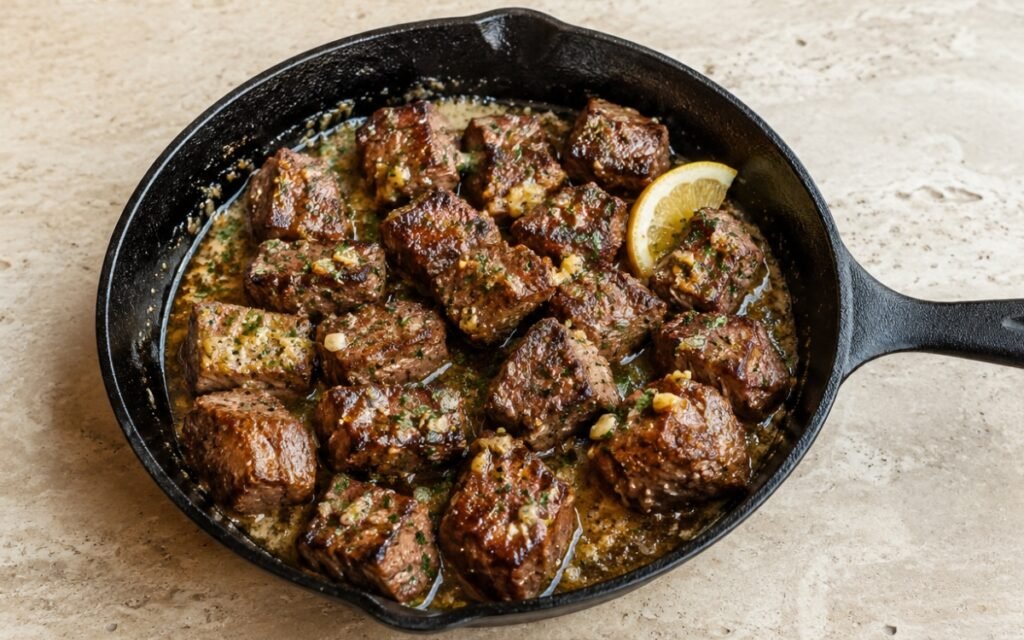
Garlic Butter Steak Bites
Large seared steak cubes with dark crust and juicy centers, tossed in glossy garlic butter with parsley, lemon, and black pepper.
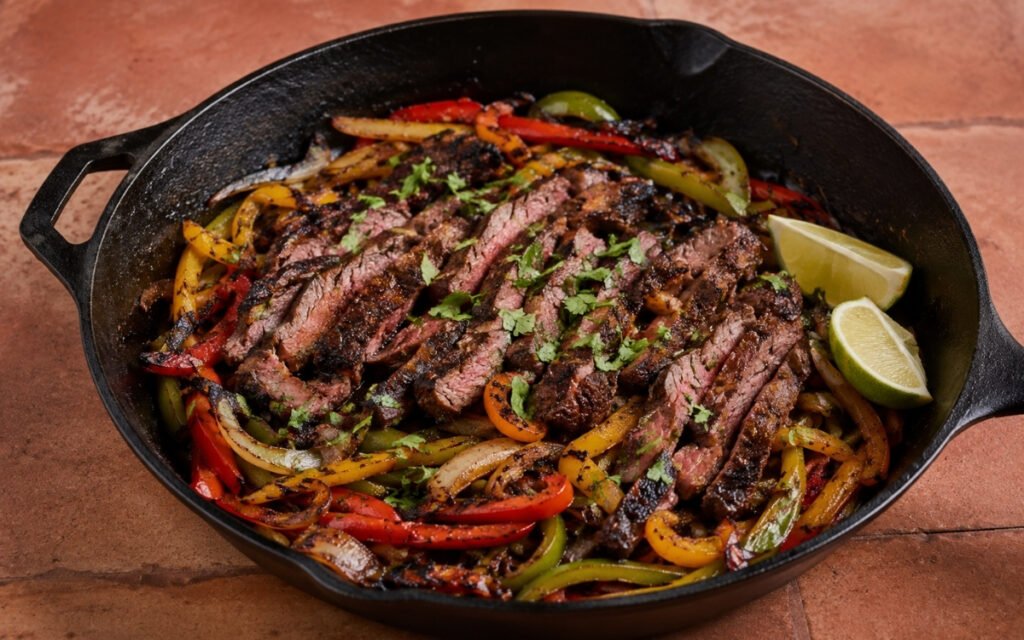
Skirt Steak Fajita
Dry-brined skirt steak seared to medium-rare in cast iron, combined with charred peppers and onions cooked in the full spiced marinade — the steak fajita done properly.
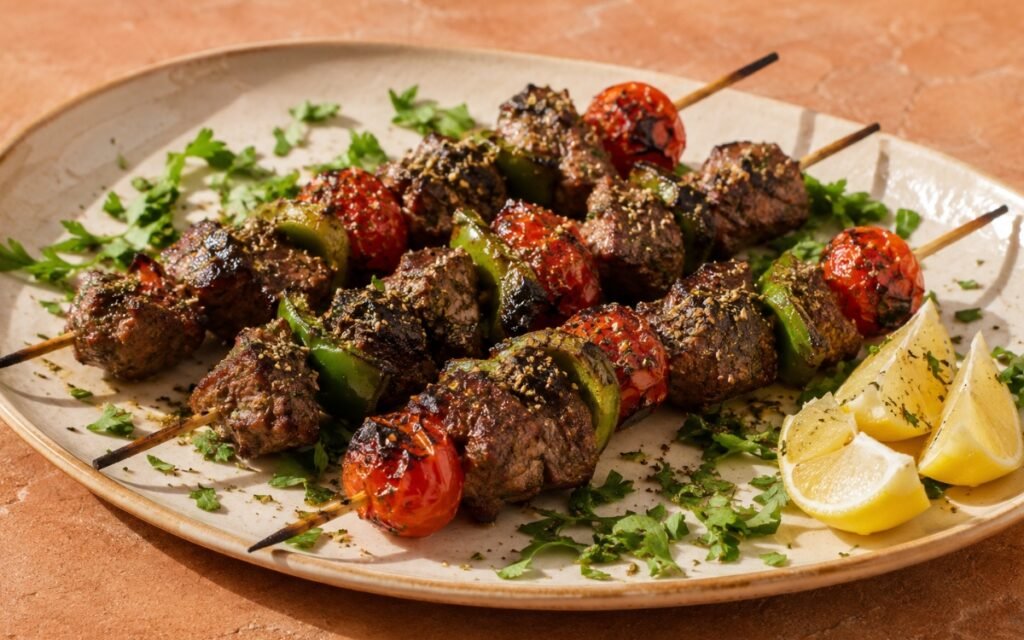
Grilled Lamb Kebabs with Charred Veggies
Lamb shoulder in a blended lemon-onion-za’atar marinade — threaded with bell peppers and cherry tomatoes, grilled until charred and juicy. Za’atar and parsley at finish. Serve with lavash, toum, and labneh.
You might also like
You might also like
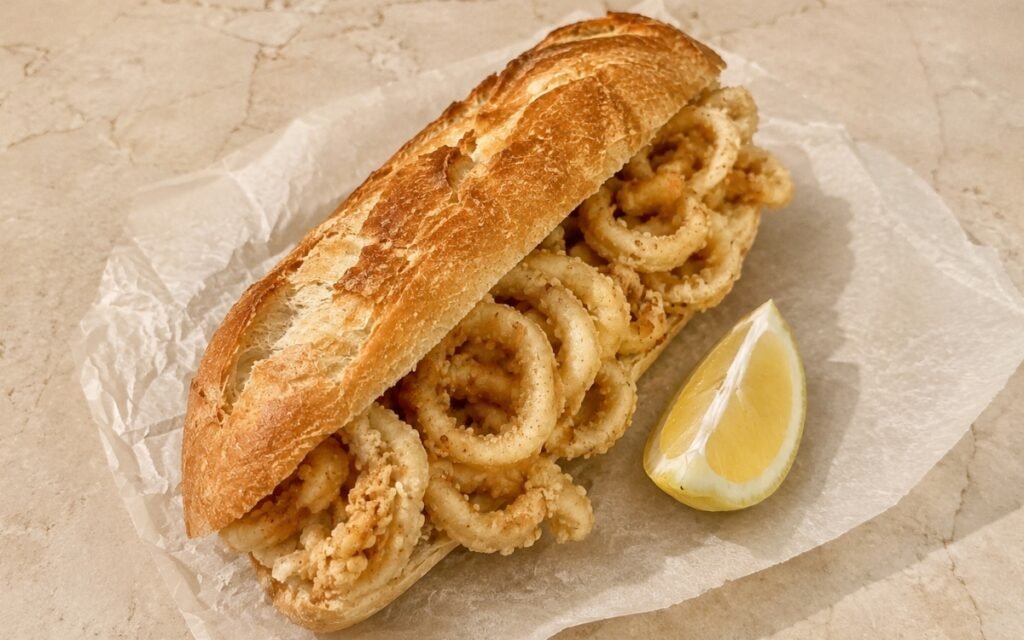
Bocadillo de Calamares
Crusty baguette-style bread filled generously with pale golden, crisp fried calamari rings, brightened with a squeeze of lemon.
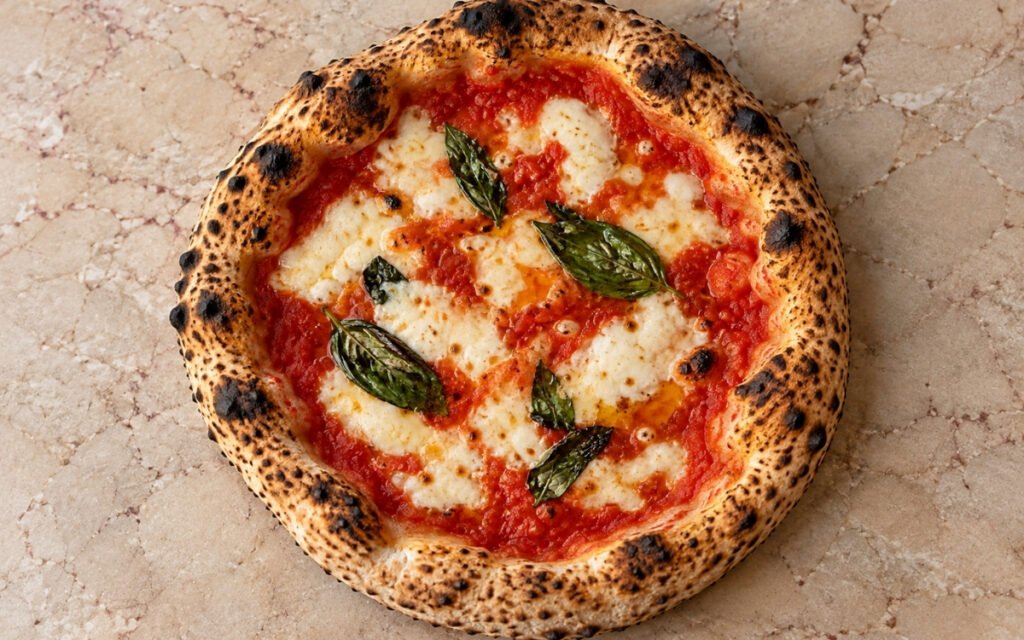
Neapolitan-Style Margherita Pizza
Puffy, leopard-spotted Neapolitan crust with bright uncooked tomato sauce, melted fresh mozzarella, and basil, made from half a batch of pizza dough.
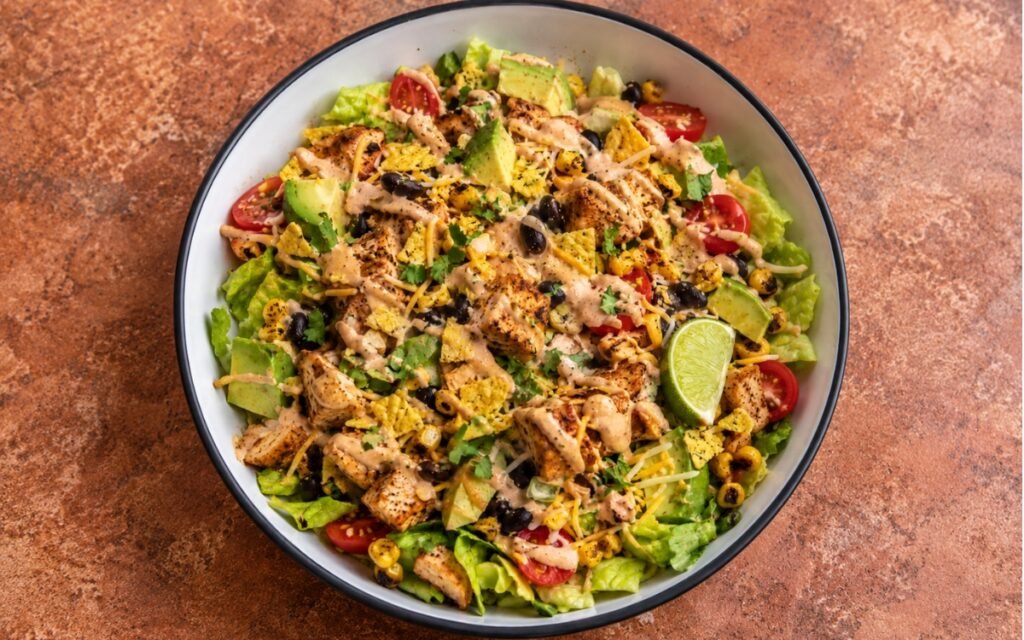
Mexican Chicken Taco Salad
Seasoned chicken breast, chopped lettuce, black beans, charred corn, cherry tomatoes, avocado, shredded cheese, and crushed tortilla chips with chipotle crema.
Chicken Saltimbocca
Ingredients
Method
- Slice each chicken breast horizontally into 2 thinner cutlets, giving 8 cutlets total. Place each cutlet between sheets of parchment or plastic wrap and gently pound to an even thickness of about 6–8mm. Keep the cutlets even. If some parts are thick and others thin, the thin parts will dry out before the thicker parts finish cooking. Pat dry well. With every piece the same thickness, the whole batch reaches the same doneness in the short cooking time.
- Lay 1 slice of prosciutto over each chicken cutlet. Place 2 sage leaves on top of the prosciutto. Press lightly so the prosciutto adheres. If needed, secure with a toothpick. Season only the plain chicken side lightly with black pepper. Usually no extra salt is needed because the prosciutto is already salty. Go easy on salt from the start. Taste the finished sauce before deciding if it needs any. That deliberate restraint accounts for real, cumulative saltiness building throughout the dish — from the prosciutto itself through to the stock in the sauce — meaning early oversalting would be considerably harder to correct than underseasoning at the start.
- Put the flour on a plate. Lightly dredge only the plain chicken side of each cutlet in flour and shake off excess. You can also lightly dust the whole cutlet if preferred, but keep the coating very thin. Too much flour makes the sauce pasty. You only want a light film to help browning and give the pan sauce slight body. A thin flour coating helps browning and gives the sauce a little body later — a heavier dusting would instead cloud and thicken the sauce past the light, glossy consistency this dish depends on.
- Heat a large skillet over medium to medium-high heat. Add the olive oil and the 30g butter. When the butter foam settles, add the cutlets in batches if needed. Cook prosciutto-side down first for about 1–1½ minutes, just enough to lightly render and set the topping. Flip and cook the chicken side for another 1½ to 2½ minutes, depending on thickness, until lightly golden and just cooked through. Transfer to a warm plate. Do not overcook. Chicken breast goes dry quickly. Pull the cutlets once they are just done; they will return briefly to the sauce. The prosciutto should cling to the chicken, the sage should smell fragrant, and the chicken should be lightly browned, not deeply crusted. Searing prosciutto-side down first puts it in direct contact with the hot pan early on, letting it render and lightly crisp before the more delicate chicken side ever takes its turn against that same heat.
- Lower the heat slightly if the pan looks too dark. Pour in the white wine and scrape up the browned bits. Let it reduce for about 1–2 minutes. Add the chicken stock and simmer until reduced by about one-third, about 3–4 minutes. Return the chicken to the pan, prosciutto-side up, and spoon the sauce over for 30–60 seconds just to reheat and glaze. Turn off the heat. Swirl in the cold butter until the sauce becomes glossy. Add the lemon juice only if the sauce tastes flat and needs a slight lift. Once the final butter goes in, do not boil hard. A strong boil can split the sauce and make it greasy instead of silky. That deglazing step lifts every bit of fond left behind by the seared chicken directly into the sauce, working real, concentrated flavour back in rather than leaving it stuck to the pan.
- Arrange the chicken on warm plates and spoon the pan sauce around and lightly over the cutlets. Serve immediately. This dish’s whole appeal depends on the sauce’s own glossy, silky consistency and the chicken’s just-cooked tenderness — both begin to change the moment the plate sits, which is exactly why serving without delay matters here.