
Grilled Lamb Kebabs with Charred Veggies
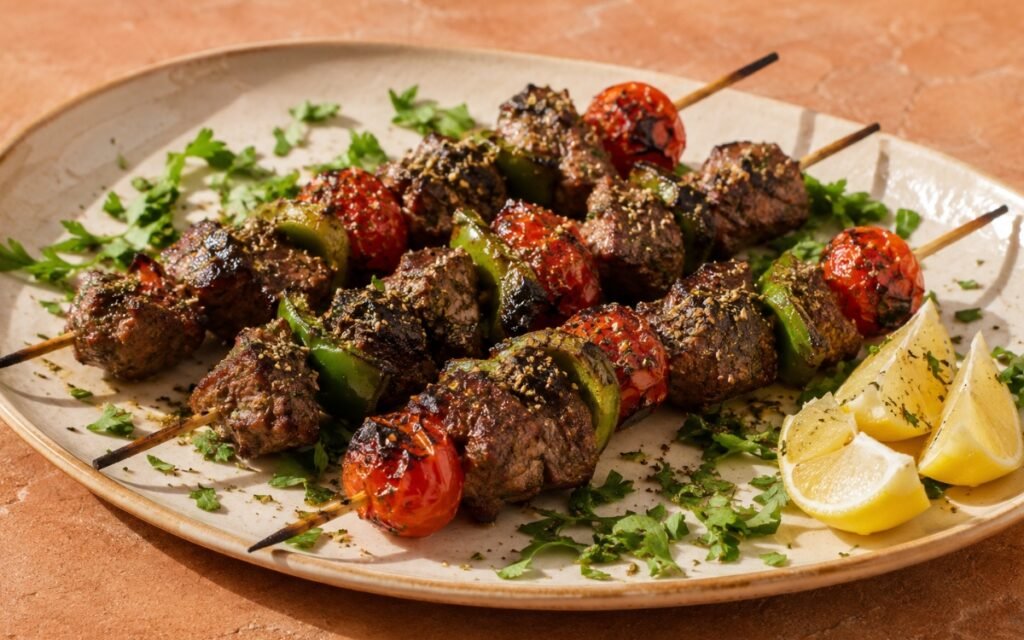
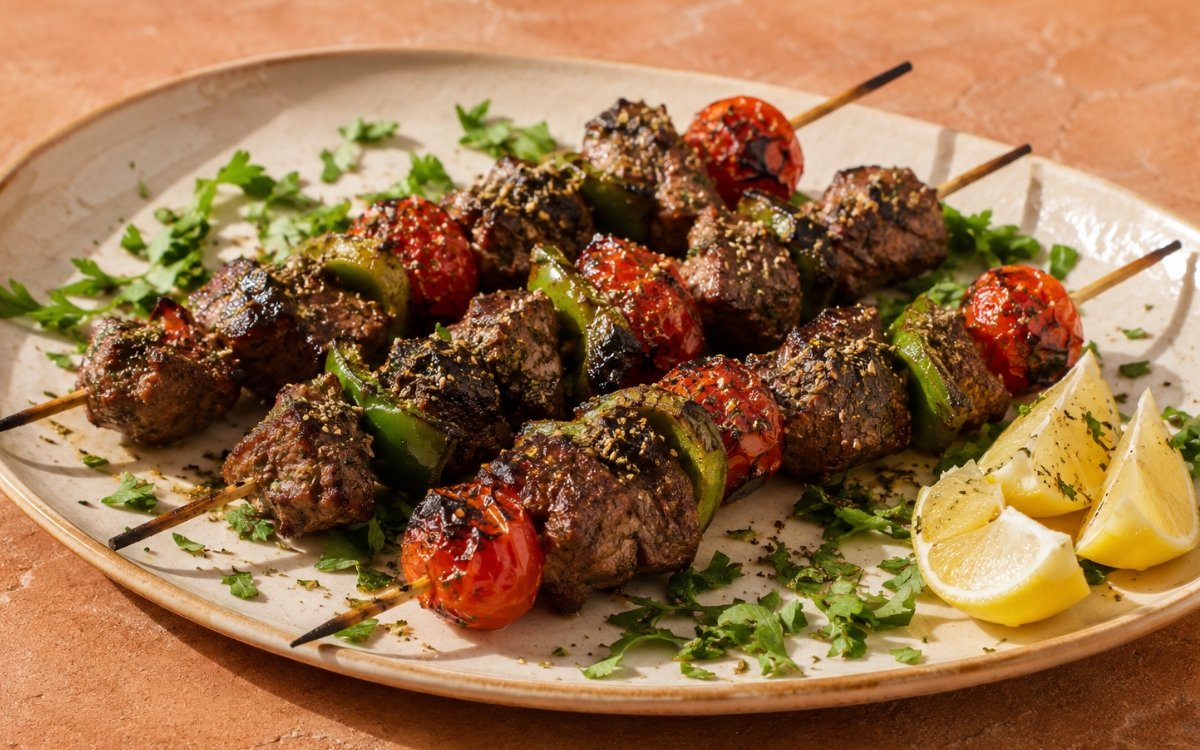
Classic grilled lamb kebabs of 3cm lamb shoulder cubes marinated in a blended onion, garlic, lemon and spice paste, threaded with green peppers and whole cherry tomatoes, grilled over high heat until charred and finished with za’atar, parsley and lemon. Blending the marinade completely smooth and tasting it before the lamb goes in, rather than stirring chopped aromatics into oil, is the technique this whole kebab depends on for even seasoning — fully broken-down onion and garlic reach every surface of every cube, and a marinade that tastes aggressively salty on its own is correct because most of it stays in the bowl, the same season-for-what-clings principle that applies whenever only a thin film of marinade reaches the meat. Marinating for at least 90 minutes but no more than 4 hours is what lets the lemon tenderise the surface without turning it mushy. Leaving small gaps between the lamb, pepper and tomato on each skewer is what lets every piece char instead of steaming against its neighbour. The payoff is a kebab plate with real, smoky depth — charred, juicy lamb shoulder, blistered sweet tomatoes, smoky-edged peppers and a fresh lift of za’atar, parsley and lemon.
Prep Time : 25 min
Cook Time : 10–14 min
Servings : 4
25 min
10–14 min
4
Ingredients
For the Lamb Kebabs
• 800g lamb shoulder, trimmed of silverskin and hard connective tissue but not stripped of all fat, cut into 3cm cubes
• 2 green bell peppers, cut into 3–4cm square pieces
• 400g cherry tomatoes, about 24, left whole
• High-smoke-point oil, such as avocado or refined sunflower, for the indoor pan method only
For the Marinade
• 1 medium white onion, roughly chopped
• 5 garlic cloves
• Juice of 1½ lemons
• 2 tbsp extra-virgin olive oil — this one on Amazon
• 1–2 tbsp water
• 2 tsp ground cumin — this one on Amazon
• 1 tsp sweet paprika
• 1 tsp za’atar seasoning, plus extra for finishing — this one on Amazon
• ½ tsp ground cinnamon
• Pinch of ground cloves
• 10–12g fine sea salt
• Freshly cracked black pepper, to taste
For Serving
• Extra za’atar seasoning, for finishing
• Fresh flat-leaf parsley
• Lemon wedges
• Homemade pita flatbread, warmed
• Homemade lavash flatbread, warmed
• Toum or Authentic Tzatziki
This post may contain affiliate links. As an Amazon Associate I earn from qualifying purchases, at no additional cost to you.
Directions
- Make and Taste the Marinade
Add the roughly chopped white onion, 5 garlic cloves, the juice of 1½ lemons, 2 tbsp of olive oil and 1 tbsp of water to a food processor. Blend until completely smooth, with no visible pieces of onion or garlic, adding the second tablespoon of water if the blades struggle. Add the 2 tsp of cumin, 1 tsp of paprika, 1 tsp of za’atar, ½ tsp of cinnamon, the pinch of cloves, 10g of the salt and a generous grind of black pepper, then blend again until uniform. Taste it before any meat goes in: it should be noticeably saltier than anything you would eat directly, sharp with lemon and warmly spiced. If it only tastes pleasantly seasoned, add the remaining 2g of salt and blend again. That aggressive seasoning is correct because only a thin film of marinade clings to each cube, and that film has to season the whole piece. - Prepare and Marinate the Lamb
Trim the 800g of lamb shoulder of silverskin — the thin, white, opaque membrane on the outside that never renders and stays chewy — and any hard pieces of connective tissue, but leave the intramuscular fat and some of the outer fat in place. Cut the trimmed lamb into uniform 3cm cubes so every piece cooks at the same rate. Put the cubes in a large bowl, pour over the marinade and mix thoroughly with your hands, turning and pressing each piece until every surface is coated. Cover tightly and refrigerate for at least 90 minutes and no more than 4 hours. Wash your hands, board and knife well after handling the raw lamb. That firm time limit matters because the lemon juice keeps working on the surface proteins, and beyond 4 hours it turns the outside of each cube soft and mushy instead of pleasantly tender. - Prepare the Vegetables
While the lamb marinates, cut the 2 green bell peppers into 3–4cm square pieces, roughly matching the size of the lamb cubes. Leave the 400g of cherry tomatoes whole. Take the vegetables out of the fridge before threading so they are not fridge-cold, but keep the lamb refrigerated until the moment you thread it. If using wooden skewers, soak 12 of them in water now. Toward the end of the marinating time, light a charcoal grill or wood fire, or heat a gas grill, to high. That size matching and the warmer vegetables are what keep the peppers and tomatoes from slowing the cooking of the lamb pieces beside them. - Thread the Skewers
Divide the lamb, peppers and tomatoes evenly across the 12 skewers, threading them alternately — lamb, pepper, tomato, lamb, pepper, tomato — and stopping about 2cm from the tip. Let excess marinade drip back into the bowl as you go, then discard what is left in the bowl, since it has been in contact with raw meat. Leave a small, visible gap between each piece rather than pressing them together. If the cherry tomatoes are very small, thread two together in a section; larger ones go on singly. That spacing is what lets heat circulate along the whole skewer so every exposed surface chars instead of steaming against its neighbour, while the pepper and tomato juices baste the lamb beside them. - Grill Over High Heat
Make sure the grill is thoroughly preheated: the grate should be very hot before any skewer touches it, and a charcoal or wood fire gives the best flavour as fat and juices drip onto the coals and send up smoke. Lay the skewers over the direct heat and turn them every 2–3 minutes so each face of every lamb cube meets the fire. Grill for 10–14 minutes in total, depending on the heat and cube size, until the lamb has deep, slightly blackened edges on several sides, the tomatoes have blistered and started to burst, and the peppers are charred at the edges but still hold their shape. Check the thickest lamb cube on several skewers with an instant-read thermometer: it must read at least 63°C / 145°F. If the outside chars before the centre gets there, move the skewers to a cooler part of the grill and keep turning, because the thermometer decides, not the clock. Without a grill, heat a cast-iron or heavy stainless-steel pan over the highest heat for 3–4 minutes until smoking, add a little high-smoke-point oil and sear the skewers in batches of 3–4, turning every 60–90 seconds for 10–12 minutes until charred on several sides and at the same 63°C. That combination of real high heat and regular turning is what builds a deep char on every face while the fat-marbled shoulder stays juicy inside. - Rest and Serve
Transfer the skewers to a warm plate and rest them for 5 minutes — longer than the minimum 3-minute rest that whole-muscle lamb needs after reaching 63°C — so the juices settle back through each piece. Sprinkle generously with extra za’atar, scatter over fresh flat-leaf parsley and set lemon wedges alongside for squeezing. Serve 3 skewers per person with warm homemade pita or lavash flatbread and toum or tzatziki on the side, so each kebab can be slid off into the bread with a spoonful of sauce. That rest is what completes the safe cooking of the lamb and keeps its juices in the meat rather than on the plate.
*Notes :
- Choosing lamb shoulder deserves genuine recognition as the decision most directly responsible for whether these kebabs come off the grill juicy or dry. Its intramuscular fat renders steadily over high heat and bastes each cube from within, while its moderate connective tissue adds richness — lean leg or loin loses moisture fast at grill temperatures and tightens within the same 10–14 minutes.
- Using za’atar at two separate stages deserves the same attention as the marinade itself, because each application does a different job. In the marinade its thyme, oregano, sesame and sumac character blooms into the lemon and olive oil and seasons the surface of the meat, while the extra sprinkle after grilling keeps the fresh, herbal, toasted-sesame aroma that cooking drives off.
- The 90-minute-to-4-hour marinating window deserves genuine respect as the detail most directly responsible for tenderness without mushiness. The lemon juice starts loosening the lamb’s surface proteins within the first 90 minutes, but the acid never stops working — left overnight, it breaks the outside of each cube down into a soft, pasty layer that no amount of char can rescue.
- The 63°C centre reading deserves attention as a genuine, checkable readiness cue rather than a loose approximation. Whole-muscle lamb cubes are safe once the thickest piece reaches at least 63°C / 145°F and then rests for at least 3 minutes, and because fire heat and cube size vary, only an instant-read thermometer can confirm that on every skewer.
Why This Recipe Works
This recipe works because every stage protects seasoning, texture or char. Blending the onion, garlic, lemon and spices completely smooth spreads the marinade evenly over every cube, and seasoning it aggressively makes the thin film that clings carry enough salt for the whole piece.
Holding the marinade to between 90 minutes and 4 hours lets the lemon tenderise the surface without breaking it down.
Spaced skewers over a properly hot grill, turned every 2–3 minutes and checked to 63°C, char on every face while the fat-marbled shoulder stays juicy. A short rest and a final scatter of za’atar, parsley and lemon finish the kebabs bright and smoky.
Ingredient Breakdown
Lamb Shoulder (Fat-Marbled, 3cm Cubes)
The critical ingredient choice — its intramuscular fat and connective tissue keep each cube juicy where leaner cuts dry out.
Blended-Smooth Marinade
The critical technique — fully processed onion and garlic spread their juices and flavour compounds through the whole marinade, coating every surface evenly.
Aggressively Seasoned Marinade
The critical technique — because most of the marinade stays in the bowl, the thin film that clings must carry enough salt and spice.
90 Minutes to 4 Hours Maximum
The critical timing technique — the lemon tenderises productively inside this window and starts turning the surface mushy beyond it.
Gaps Between Skewered Pieces
The structural choice — space around each piece lets heat circulate so the lamb, peppers and tomatoes char instead of steaming.
Thermometer Check (63°C Plus Rest)
The critical safeguard — the thickest cube must reach at least 63°C, then rest at least 3 minutes, whatever the fire or timing.
Za’atar at Two Stages
The finishing touch — bloomed in the marinade for seasoned depth, then sprinkled after grilling for its fresh, herbal, toasted-sesame aroma.
Flavor Structure Explained
This grilled lamb kebab dish follows a layered balance model:
- Charred, rich core (grilled lamb shoulder)
- Warm spiced depth (cumin, paprika, cinnamon, cloves)
- Bright citrus lift (lemon juice, lemon wedges)
- Fresh herbal aromatics (za’atar, parsley)
- Sweet-smoky vegetable contrast (charred green peppers, blistered cherry tomatoes)
The grilled lamb shoulder forms the rich core, its rendered fat and high-heat char giving real smoky depth. Cumin, paprika, cinnamon and cloves build an earthy, gently sweet warmth that gives the kebabs their Middle Eastern character. Lemon cuts through the richness with clean acidity, both in the marinade and squeezed over at the end. Za’atar and parsley add fresh herbal lift, while the blistered tomatoes and charred peppers bring sweetness and smoke, the contrast that ties these kebabs together.
Common Mistakes to Avoid
- Marinating Overnight – This lets the lemon juice keep working on the lamb until the surface turns soft and mushy. Always marinate for at least 90 minutes and no more than 4 hours.
- Underseasoning the Marinade – This produces bland kebabs, because only a thin film of a pleasant-tasting marinade clings to the meat. Always taste it first and make sure it is aggressively seasoned.
- Packing the Skewers Tightly – This makes the pieces steam where they touch instead of charring. Always leave a small, visible gap between each piece of lamb, pepper and tomato.
- Grilling on an Underheated Grill – This lets the lamb stick and turn grey before any char develops. Always preheat the grill thoroughly to high before the first skewer goes on.
- Removing All Fat from the Shoulder – This strips away the intramuscular fat that keeps each cube juicy over high heat. Always trim only the silverskin and hard connective tissue.
- Skipping the Thermometer and the Rest – This leaves doneness to guesswork, since fire heat and cube size change the timing. Always check the thickest cube reads at least 63°C, then rest the skewers for 5 minutes.
Variations
Chicken Thigh Version
Replace the lamb with 800g of boneless chicken thighs cut into 3cm cubes, using the same marinade and skewering, and grill for about 8–10 minutes until the thickest piece reads 75°C.
Grilled Onion Version
Add 3–4cm pieces of white onion to the alternating sequence alongside the pepper and tomato, so the onion chars and caramelises on the grill and adds sweetness next to the lamb.
Kofta Version
Mince the marinated lamb, shape it around flat metal skewers into long, slightly tapered cylinders and grill until the centre of each kofta reads at least 71°C / 160°F, since minced lamb needs the higher temperature.
Extra Spiced Version
Add ½ tsp of ground allspice and ½ tsp of ground coriander to the marinade with the existing spices for a warmer, more complex and more assertive spice profile on the grilled lamb.
Storage & Make-Ahead
The blended marinade can be made up to 24 hours ahead and kept in a sealed container in the fridge, with the lamb added only when you are ready to start the 90-minute-to-4-hour marinating window.
Keep the marinating lamb tightly covered on the bottom shelf of the fridge, away from ready-to-eat foods, and grill it within 4 hours, because longer contact with the lemon juice turns the surface mushy.
Discard any marinade left in the bowl after threading rather than brushing it onto the cooked kebabs or serving it as a sauce, since it has been in contact with raw lamb.
Cool leftover kebabs and refrigerate them within 2 hours of cooking, then keep them in an airtight container for up to 3 days, ideally with the meat and vegetables slid off the skewers.
Reheat leftovers in a very hot cast-iron pan for 2–3 minutes per side to restore some char, or wrapped in foil in a 180°C oven for 8–10 minutes, until steaming hot and 74°C / 165°F at the centre.
Frequently Asked Questions
Why use lamb shoulder rather than lamb leg for these kebabs?
Shoulder carries more intramuscular fat and collagen-rich connective tissue, and that fat renders over the grill to keep each cube moist from within. Lean leg loses moisture quickly at grill heat and turns dry and tight in the same 10–14 minutes.
Why does the marinade need to be blended completely smooth?
Chunks of onion and garlic only touch the meat where they happen to sit. Blending them smooth spreads their juice, natural enzymes and flavour compounds through all of the liquid, so every surface of every cube gets the same even contact.
Why is the marinade supposed to taste too salty on its own?
Most of the marinade stays in the bowl, and only a thin coating clings to each cube. That coating has to season the whole piece, so it must taste aggressively salty and spiced before the lamb goes in, or the kebabs grill up bland.
Why should the lamb marinate for no longer than 4 hours?
The lemon juice’s acid starts tenderising the lamb’s surface proteins within the first 90 minutes, but it keeps working. Beyond 4 hours, and especially overnight, it breaks the outside of each cube down into a soft, pasty layer instead of a cleanly charred, yielding surface.
Are there other classic kebab, flatbread, or meze dishes worth trying?
Turkish Adana Kebab with Tomato Couscous offers another classic grilled lamb direction worth exploring. Homemade Pita Flatbread and Toum (Lebanese Garlic Sauce) are also worth trying for other kebab-plate essentials, and Sumac Onions Salad and Turkish Ezme offer other fresh sides worth serving alongside.
Nutrition Facts
( Per Serving — 3 skewers )
Calories
~480 kcal
Protein
35 g
Fat
33 g
Carbs
11 g
Calories
~480 kcal
Protein
35 g
Fat
33 g
Carbs
11 g
Related Recipes
Related Recipes

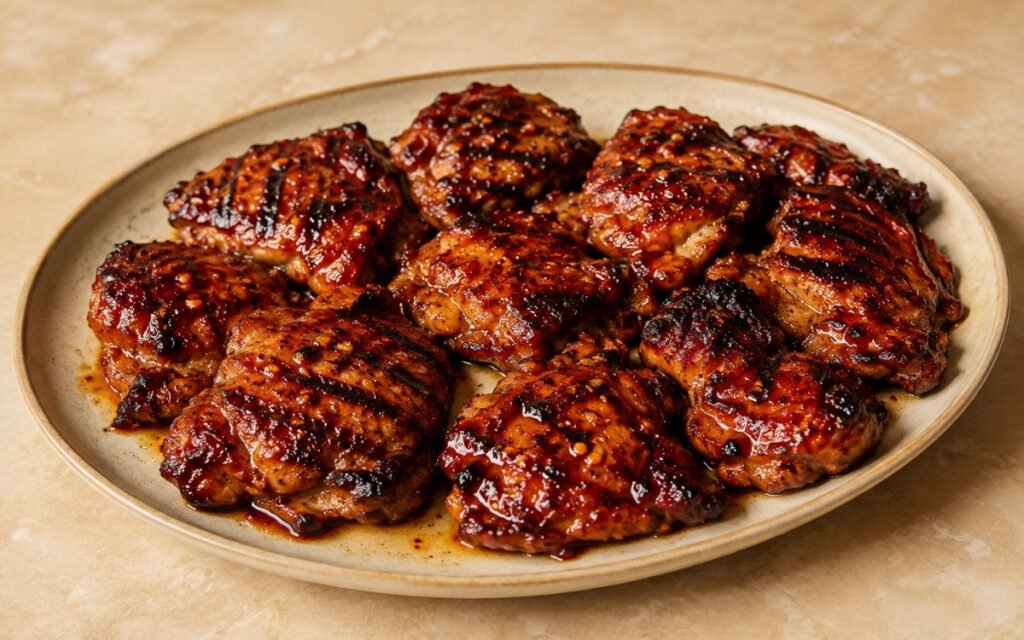
Grilled Hot Honey Chicken Thighs
Grilled yogurt-marinated chicken thighs with charred edges and a sticky, glossy chili-infused hot honey glaze.
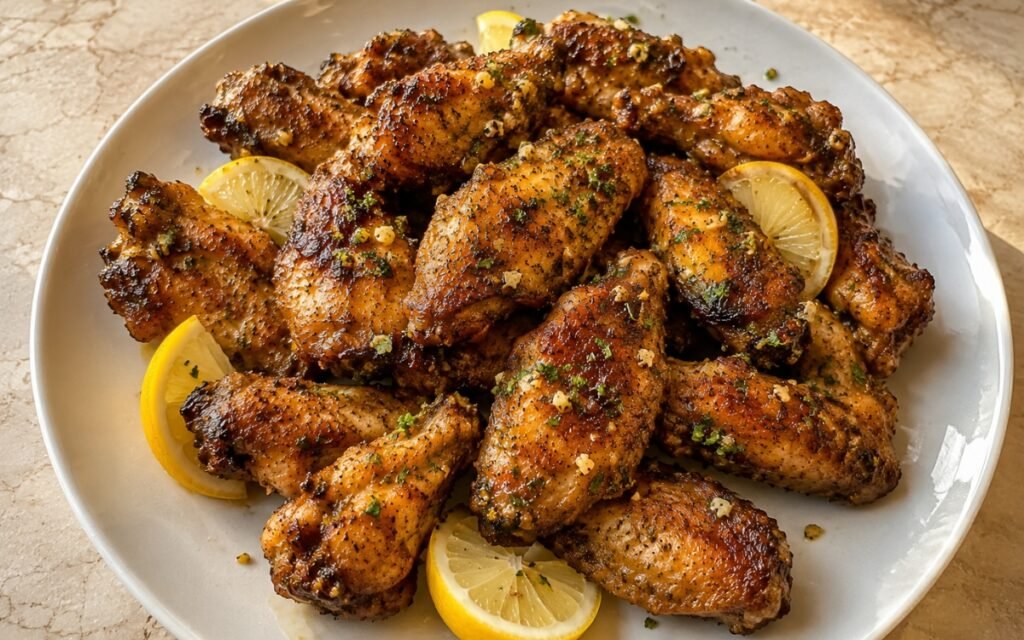
Crispy Lemon Garlic Chicken Wings
Oven-baked wings with crackling, deeply golden skin, tossed hot in a rich lemon-garlic butter sauce built mostly on zest.
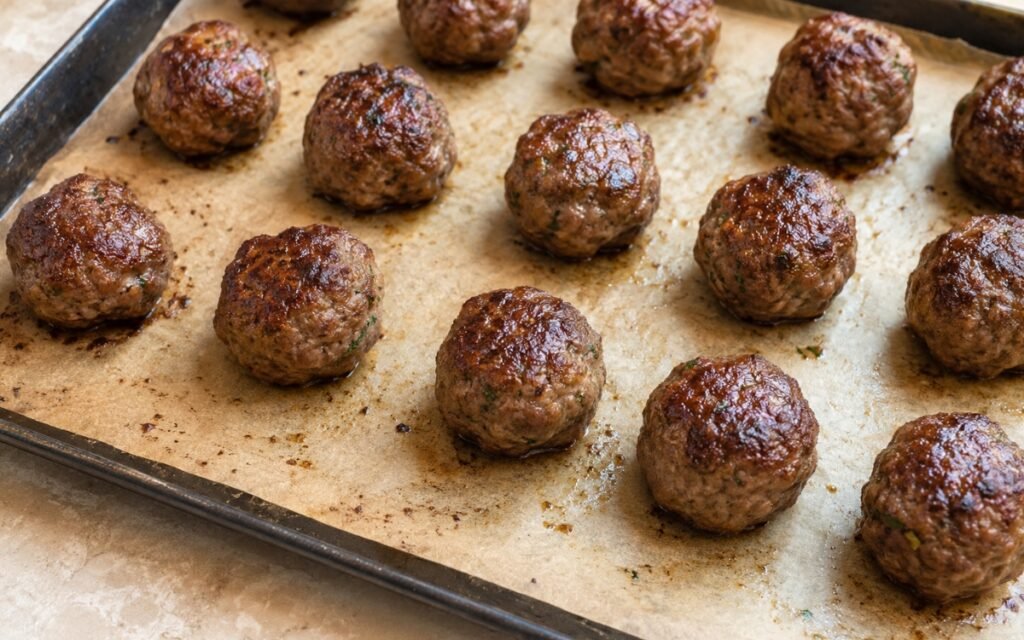
Juicy Beef Meatballs
Ground beef combined with a breadcrumb-milk panade, mixed gently, portioned consistently, baked and rested. Tender and juicy.
You might also like
You might also like
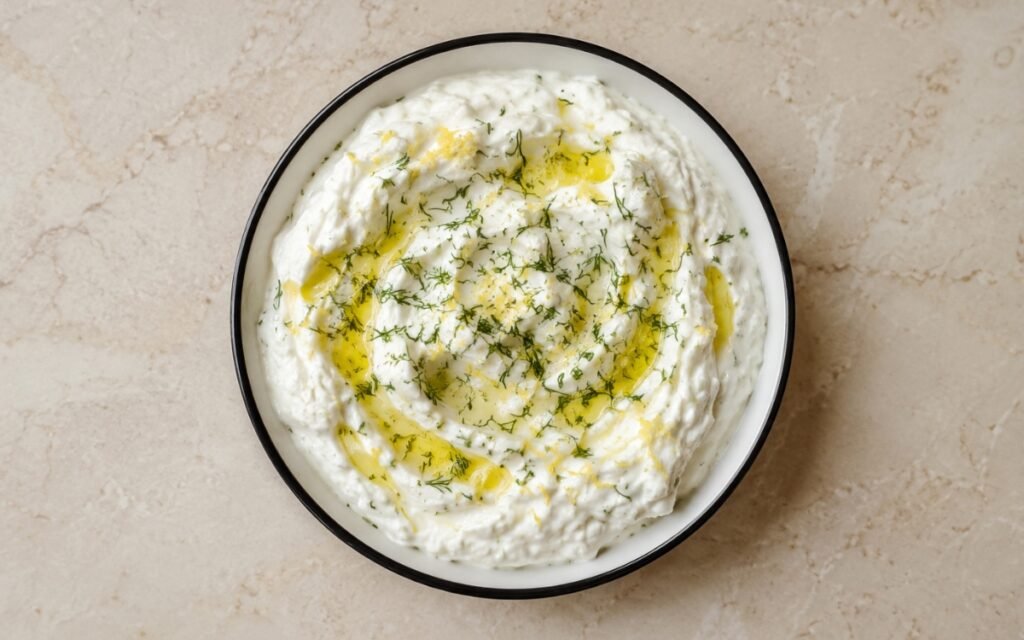
Whipped Feta Yogurt Sauce with Lemon
Creamy whipped feta blended with yogurt, lemon, and dill—the ultimate Mediterranean sauce!
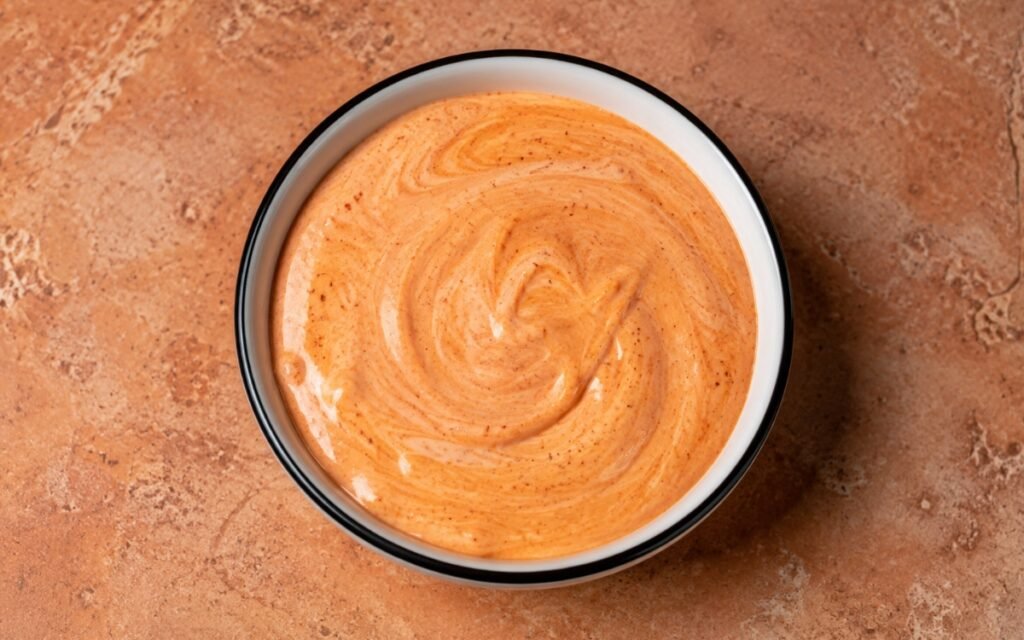
Harissa Yogurt Sauce
Fiery harissa tamed by cool Greek yogurt with lemon — a vibrant 10-minute North African sauce.
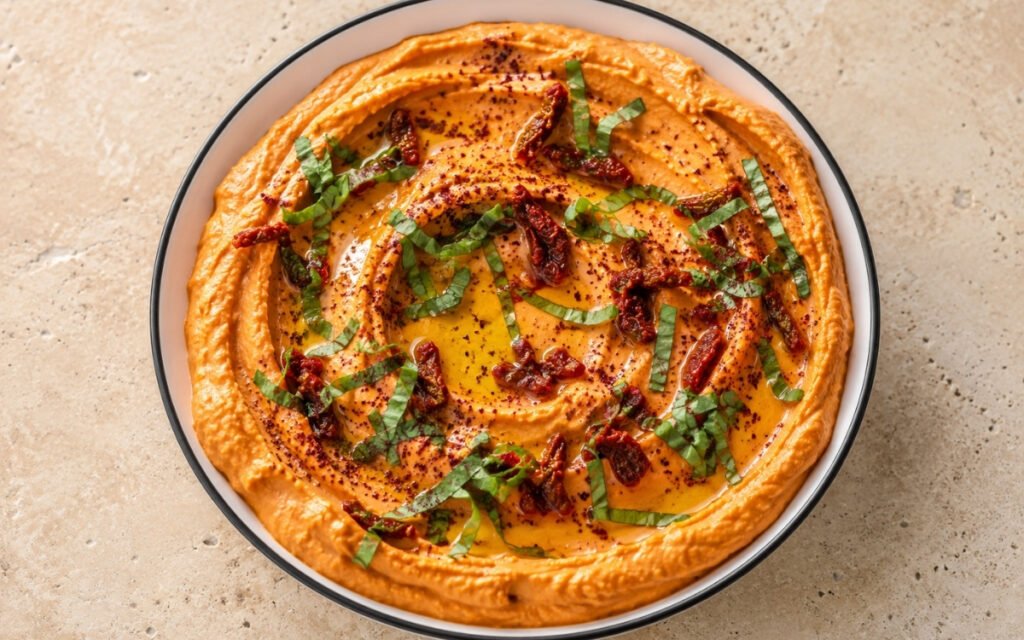
Sun-Dried Tomato & Basil Hummus
Oil-packed sun-dried tomatoes and fresh basil blended into the classic chickpea-tahini base — deep red-orange, sweet-acidic, and unmistakably Mediterranean Italian.
Grilled Lamb Kebabs with Charred Veggies
Ingredients
Method
- Add the roughly chopped white onion, 5 garlic cloves, the juice of 1½ lemons, 2 tbsp of olive oil and 1 tbsp of water to a food processor. Blend until completely smooth, with no visible pieces of onion or garlic, adding the second tablespoon of water if the blades struggle. Add the 2 tsp of cumin, 1 tsp of paprika, 1 tsp of za’atar, ½ tsp of cinnamon, the pinch of cloves, 10g of the salt and a generous grind of black pepper, then blend again until uniform. Taste it before any meat goes in: it should be noticeably saltier than anything you would eat directly, sharp with lemon and warmly spiced. If it only tastes pleasantly seasoned, add the remaining 2g of salt and blend again. That aggressive seasoning is correct because only a thin film of marinade clings to each cube, and that film has to season the whole piece.
- Trim the 800g of lamb shoulder of silverskin — the thin, white, opaque membrane on the outside that never renders and stays chewy — and any hard pieces of connective tissue, but leave the intramuscular fat and some of the outer fat in place. Cut the trimmed lamb into uniform 3cm cubes so every piece cooks at the same rate. Put the cubes in a large bowl, pour over the marinade and mix thoroughly with your hands, turning and pressing each piece until every surface is coated. Cover tightly and refrigerate for at least 90 minutes and no more than 4 hours. Wash your hands, board and knife well after handling the raw lamb. That firm time limit matters because the lemon juice keeps working on the surface proteins, and beyond 4 hours it turns the outside of each cube soft and mushy instead of pleasantly tender.
- While the lamb marinates, cut the 2 green bell peppers into 3–4cm square pieces, roughly matching the size of the lamb cubes. Leave the 400g of cherry tomatoes whole. Take the vegetables out of the fridge before threading so they are not fridge-cold, but keep the lamb refrigerated until the moment you thread it. If using wooden skewers, soak 12 of them in water now. Toward the end of the marinating time, light a charcoal grill or wood fire, or heat a gas grill, to high. That size matching and the warmer vegetables are what keep the peppers and tomatoes from slowing the cooking of the lamb pieces beside them.
- Divide the lamb, peppers and tomatoes evenly across the 12 skewers, threading them alternately — lamb, pepper, tomato, lamb, pepper, tomato — and stopping about 2cm from the tip. Let excess marinade drip back into the bowl as you go, then discard what is left in the bowl, since it has been in contact with raw meat. Leave a small, visible gap between each piece rather than pressing them together. If the cherry tomatoes are very small, thread two together in a section; larger ones go on singly. That spacing is what lets heat circulate along the whole skewer so every exposed surface chars instead of steaming against its neighbour, while the pepper and tomato juices baste the lamb beside them.
- Make sure the grill is thoroughly preheated: the grate should be very hot before any skewer touches it, and a charcoal or wood fire gives the best flavour as fat and juices drip onto the coals and send up smoke. Lay the skewers over the direct heat and turn them every 2–3 minutes so each face of every lamb cube meets the fire. Grill for 10–14 minutes in total, depending on the heat and cube size, until the lamb has deep, slightly blackened edges on several sides, the tomatoes have blistered and started to burst, and the peppers are charred at the edges but still hold their shape. Check the thickest lamb cube on several skewers with an instant-read thermometer: it must read at least 63°C / 145°F. If the outside chars before the centre gets there, move the skewers to a cooler part of the grill and keep turning, because the thermometer decides, not the clock. Without a grill, heat a cast-iron or heavy stainless-steel pan over the highest heat for 3–4 minutes until smoking, add a little high-smoke-point oil and sear the skewers in batches of 3–4, turning every 60–90 seconds for 10–12 minutes until charred on several sides and at the same 63°C. That combination of real high heat and regular turning is what builds a deep char on every face while the fat-marbled shoulder stays juicy inside.
- Transfer the skewers to a warm plate and rest them for 5 minutes — longer than the minimum 3-minute rest that whole-muscle lamb needs after reaching 63°C — so the juices settle back through each piece. Sprinkle generously with extra za’atar, scatter over fresh flat-leaf parsley and set lemon wedges alongside for squeezing. Serve 3 skewers per person with warm homemade pita or lavash flatbread and toum or tzatziki on the side, so each kebab can be slid off into the bread with a spoonful of sauce. That rest is what completes the safe cooking of the lamb and keeps its juices in the meat rather than on the plate.