Greek Pork Gyros Pitas
Greek pork gyros pitas are thick, soft, lightly charred flatbreads folded around abundant irregular shavings of marinated pork neck, golden French fries, ripe tomatoes, thinly sliced red onion, and generous spoonfuls of cool tzatziki, finished with dried oregano, the key being the contrast between crisp, caramelised pork edges and juicy centres. Slicing the pork thinly across the grain and searing it in small batches over very high heat, rather than cooking it as thick cubes or crowding the pan with the whole kilogram, is the technique this whole street-style gyros depends on for its browned, shaved texture — a crowded pan traps moisture so the meat steams grey instead of roasting, the same give-every-piece-direct-heat principle used elsewhere in this collection whenever meat must brown rather than boil. Marinating in oregano, garlic, vinegar, and olive oil is what seasons the meat through. Double-frying the potatoes is what keeps the fries fluffy inside and crisp enough to survive the sauce. The payoff is a gyros with real, layered contrast — crisp, caramelised pork, fluffy fries, fresh vegetables, and cooling yogurt, all inside warm, lightly charred bread.

- Prep Time : 40 min
- Total Time : 3 hr 25 min
- Servings : 4
Ingredients
For the Greek Pork Gyros
- 1kg boneless pork neck or pork collar, well-marbled, trimmed of tough connective tissue
- 50ml extra virgin olive oil
- 25ml red wine vinegar
- 20ml freshly squeezed lemon juice
- 4 garlic cloves, finely grated
- 2 tsp dried Greek oregano
- 1 tsp dried thyme
- 2 tsp sweet paprika
- ¼ tsp ground cumin, optional
- 11g fine sea salt
- 1 tsp freshly ground black pepper
- 20–30ml olive oil, for cooking in batches as needed
For the Greek-Style French Fries
- 600g potatoes, preferably a floury or all-purpose variety suitable for frying
- 750ml–1 litre neutral frying oil, or enough for the chosen pot
- 5g fine sea salt, or to taste
- ½ tsp dried Greek oregano, optional
For Assembly and Serving
- 4 large Greek pita flatbreads, about 18–20cm in diameter
- 280g prepared tzatziki, about 70g per pita
- 2 medium ripe tomatoes (about 250g), cut into thin wedges or half-moon slices
- 1 small red onion (about 100g), very thinly sliced into half-moons
- ½ tsp dried Greek oregano, for finishing
- 15ml extra virgin olive oil, for lightly brushing and warming the pita breads, if needed
Directions
- Select and Slice the Pork
Choose a well-marbled piece of boneless pork neck or collar of about 1kg, trim away any thick, tough connective tissue while keeping the softer intramuscular fat, and pat it dry. Freeze it for 20–30 minutes, just until firm enough to slice neatly without freezing solid. With a very sharp knife, slice across the grain into sheets 3–5mm thick, cutting very large slices into pieces about 5–8cm long and keeping them slightly irregular. Put the pork in a large bowl. That cutting across the grain is what shortens the fibres and keeps the meat tender. - Marinate the Pork
Whisk the 50ml olive oil, vinegar, and lemon juice in a bowl with the grated garlic, oregano, thyme, paprika, cumin if using, salt, and pepper until the spices are evenly distributed. Pour it over the pork and massage it in with clean hands, separating any slices that stick so the marinade reaches every surface. Cover or seal and refrigerate for at least 2 hours, or 4–12 hours for a more developed flavour. The pork should look evenly coated in reddish gold with visible herb flecks. That working between the slices is what seasons them through. - Cut and Soak the Potatoes
Peel the potatoes, or scrub them and keep the skins for a more rustic result, and cut lengthwise into thick fries 10–12mm wide, keeping them uniform. Put them in a large bowl of cold water, rinse several times until the water clouds less, and soak for 15–20 minutes. Drain well, spread on a clean towel, and pat completely dry, paying attention to the cut surfaces. Do not salt the raw potatoes. That drying is what prevents dangerous splattering and gives a crisp finish. - First Fry: Cook the Potatoes Until Tender
Pour the frying oil into a deep, heavy pot, keeping it safely below halfway, and heat to 150–160°C. Add the dry potatoes in small batches and fry each for 5–7 minutes, stirring gently once or twice, until cooked through, flexible, and pale, with no firm centre and no dark crust. Lift them out with a spider or slotted spoon onto a wire rack set over a tray and let them rest for about 10 minutes while you cook the pork. That gentle first fry is what cooks the interior without browning the outside. - Sear the Pork Until Deeply Caramelised
Take the pork out of the refrigerator 10–15 minutes ahead, let excess marinade drip off, and do not wipe off the seasoning. Heat a large cast-iron skillet, heavy pan, or griddle over medium-high to high heat until very hot, and add 5–10ml olive oil. Cook the pork in 4–5 batches in a single layer, searing each side undisturbed for 1½–2 minutes until deep golden with darker patches, then toss briefly so the fat crisps, to at least 63°C. Move each batch to a warm tray. That direct contact is what builds the crust. - Shave and Finish the Pork
Move the cooked pork to a board and rest it for 3–5 minutes, then cut larger pieces into irregular strips 5–10mm wide, leaving some small pieces and crisp fatty edges. Heat the skillet again over high heat, return the shaved pork in two batches, and toss for only 30–60 seconds, until the freshly cut edges pick up extra caramelisation. Remove at once, coat the pork with the browned juices, and keep it warm and uncovered. That second sear is what recreates the freshly shaved edges of a vertical rotisserie. - Second Fry: Crisp the French Fries
Raise the oil to 185–190°C and add the blanched potatoes in small batches. Fry for 2–4 minutes, turning gently, until deeply golden and crisp, then drain on a wire rack and sprinkle with fine salt while they are still hot, adding a small pinch of oregano if you like. Keep the fries warm and uncovered until assembly. Fries should be crisp outside and fluffy within. That second hot fry is what makes them hold their structure against the sauce. - Prepare the Vegetables and Warm the Pitas
Cut the tomatoes into thin wedges or half-moons 4–5mm thick, removing excess liquid and seeds if they are very juicy, and slice the red onion into very thin half-moons, separating them with your fingers. Stir the tzatziki in a bowl. Heat a dry skillet or griddle over medium-high heat, brush a pita lightly with olive oil if it needs it, and warm for 30–60 seconds per side until soft, pliable, and lightly browned. Keep the pitas loosely covered with a towel. That brief warming is what makes them fold without cracking. - Assemble the Pork Gyros Pitas
Lay a warm pita on a clean surface and spread about 35g of tzatziki across the centre, leaving the edges mostly clear. Pile on one-quarter of the pork, from 250g of raw pork, in a generous elongated mound, tuck one-quarter of the fries beside and partly beneath it, and arrange tomato slices along one side with a little red onion. Spoon the remaining 35g of tzatziki over the upper filling, scatter with oregano, and fold the sides inward into an open-top wrap. That split of sauce is what keeps the bread from going soggy. - Plate and Serve
Put each assembled pita on its own plate with the filling facing upward, using a small piece of parchment around the lower part to hold the fold if you like. Arrange the pork so the crisp golden-brown edges are prominent, with a few fries visible, and keep the onion, tomato, and tzatziki in distinct sections. Finish with a very light pinch of oregano and serve immediately, while the pork and fries are hot and the tzatziki is cool. That temperature contrast is what makes each bite work.
*Notes :
- Slicing the pork thinly across the grain deserves genuine recognition as the technique most directly responsible for the shaved, crisp-edged texture of the gyros. Slices 3–5mm thick cook rapidly over high heat and brown at the edges before the middle dries, whereas thick cubes would need longer cooking, steam in the pan, and never produce the irregular strips that define the street-style pita.
- Cooking the pork in 4–5 batches deserves the same attention this technique receives throughout this collection’s other seared meat dishes. A pan crowded with a full kilogram of meat drops in temperature and floods with released juices, so the pork boils in its own liquid and turns grey, whereas small batches keep the surface hot enough to caramelise the marinade.
- Keeping the marbling and small fatty sections deserves genuine respect as the detail most directly responsible for juicy meat with crisp edges. Neck or collar fat melts and crisps in the hot pan, giving the golden, lightly rendered pieces prized in good gyros, whereas very lean loin dries out quickly under the intense heat needed for browning.
- Double-frying the potatoes deserves attention as a genuine, checkable readiness cue rather than a loose approximation. The first fry at 150–160°C should leave the fries pale and tender throughout, and the second at 185–190°C should turn them deeply golden, because skipping either stage gives fries that are raw in the centre or too soft to stand up inside the pita.
Why This Recipe Works
This recipe works because each component is built to survive being folded into one soft bread. Marinated, thinly sliced neck is seared in small batches and then shaved and crisped again, which gives juicy centres with caramelised edges and plenty of seasoning. Double-fried thick fries stay fluffy inside and firm outside, while the tomato, thin red onion, and tzatziki add freshness and a cool, creamy contrast. Warm, lightly charred pita holds everything together without turning soggy, so every bite combines hot, crisp, fresh, and creamy.
Ingredient Breakdown
Pork Neck or Collar (1kg)
The structural foundation — its marbling keeps the meat juicy and crisps at the edges.
Oregano, Thyme, and Garlic Marinade
The defining flavour ingredient — Greek herbs, vinegar, and olive oil season the pork through and encourage browning.
Thin Slicing Across the Grain
The critical technique — 3–5mm slices cook fast, brown at the edges, and shave into irregular strips.
Double-Fried Thick Fries
The critical timing technique — a gentle first fry cooks the centre, and a hot second fry crisps the outside.
Tzatziki (280g, Split in Two)
The finishing technique — half goes under and half over the filling, balancing the rich meat without soaking the bread.
Warm Greek Pita
The structural choice — a thick, soft, lightly charred flatbread folds around the filling and holds it together.
Flavor Structure Explained
This Greek pork gyros pita follows a layered balance model:
- Savoury, caramelised foundation (seared marinated pork neck)
- Herbal, tangy backbone (oregano, thyme, garlic, vinegar, and lemon)
- Fluffy, salty richness (double-fried thick French fries)
- Fresh, sharp contrast (ripe tomato and thinly sliced red onion)
- Cool, creamy finish (tzatziki and dried oregano)
Seared pork provides the savoury, caramelised foundation of the pita, while oregano, thyme, garlic, vinegar, and lemon give it a herbal, tangy backbone. Thick fries add a fluffy, salty richness, and ripe tomato and thin red onion bring a fresh, sharp contrast to all that fat. Cool tzatziki and a final pinch of oregano add a creamy, aromatic finish that cuts the richness and ties this Greek pork gyros together.
Common Mistakes to Avoid
- Searing All the Pork at Once – This crowds the pan so the meat steams grey instead of browning. Always cook it in 4–5 batches in a single layer.
- Cutting the Pork into Cubes – This gives chunky pieces that never develop the shaved texture. Always slice 3–5mm thick across the grain.
- Frying Wet Potatoes – This makes the oil spit dangerously and leaves soft fries. Always rinse, soak, and pat the cut potatoes completely dry.
- Skipping the Second Fry – This leaves pale fries that go limp inside the pita. Always crisp them at 185–190°C just before assembly.
- Adding All the Tzatziki on Top – This soaks the pita and sends the fillings sliding. Always spread half beneath the pork and spoon half over the top.
Variations
Shoulder Version
Use well-marbled pork shoulder sliced thinly across the grain in place of neck or collar, which works well provided there is enough fat, although it can be slightly less tender in the finished pita.
Rotisserie Version
Stack the marinated slices tightly on a vertical gyros rotisserie and shave off the browned outside as it cooks, which gives the authentic street-stand texture without the skillet searing and shaving stages.
Cumin-Free Version
Leave out the optional cumin so the oregano and thyme lead the marinade completely, which gives a more purely Greek herb profile and avoids any hint of spiced, kebab-style flavour.
Pocket-Free Wrap Version
Roll the filling tightly in a warm pita and wrap the lower half in parchment, which makes the gyros easier to eat by hand and holds the fries and pork neatly together.
Storage & Make-Ahead
The pork can be sliced and marinated the day before and kept covered in the refrigerator, which gives a more developed flavour and leaves only the searing and the final assembly for the day itself.
Prepare and first-fry the potatoes ahead, refrigerate them promptly once cooled, and finish them in the hotter second fry at the last minute, so that the fries are freshly crisp when the pitas are built.
Refrigerate leftover cooked pork promptly in an airtight container for up to 3–4 days, and keep the pita, vegetables, and tzatziki separately, so that none of the leftovers turn wet or soggy.
Reheat the pork in a very hot skillet with a small amount of olive oil until thoroughly hot, letting the edges crisp again, and warm the pita separately rather than together with the meat.
Keep the tzatziki cold until the last moment and slice the tomatoes and onion just before serving, so the finished pita has a clear contrast between the hot fillings and the cool, fresh toppings.
Frequently Asked Questions
Why is the pork sliced across the grain and so thinly?
Thin slices cook quickly over high heat and brown at the edges before the centre dries out, and cutting across the grain shortens the fibres, so the shaved pork stays tender instead of chewy.
Why must the pork be seared in small batches?
Crowding the pan lowers its temperature and floods it with juices, so the meat steams, whereas small batches stay hot enough to caramelise the marinade and crisp the fatty edges.
Why are the fries cooked twice at different temperatures?
The first fry at 150–160°C cooks the inside through without colour, and the second at 185–190°C crisps the outside, giving fries that are fluffy inside and sturdy enough for the pita.
Why is the pork returned to the skillet after it has been cut?
A brief second toss over high heat caramelises the freshly cut edges, recreating the crisp shavings cut from a vertical rotisserie and adding extra browned, savoury flavour to the meat.
Are there other classic pork, sandwich, or Greek street-food dishes worth trying?
Crispy Pork Bánh Mì Sandwich and Cuban Frita Burger both offer other classic pork street-sandwich directions worth exploring. Authentic Tzatziki and Homemade Pita Flatbread are also worth trying as the cool yogurt sauce and soft flatbread that suit a gyros pita, and Greek Chicken Gyro Rice Bowl offers another Greek gyros-style dish.
Nutrition Facts
( Per Serving — 1 pita )
- Calories
- ~1050 kcal
- Protein
- 62 g
- Fat
- 52 g
- Carbs
- 78 g
-

Crispy Pork Bánh Mì Sandwich
Roasted skin-on pork belly with crackling crisp skin, piled into a crusty baguette with pickled carrot and daikon, cucumber, and fresh herbs.
-
Cuban Frita Burger
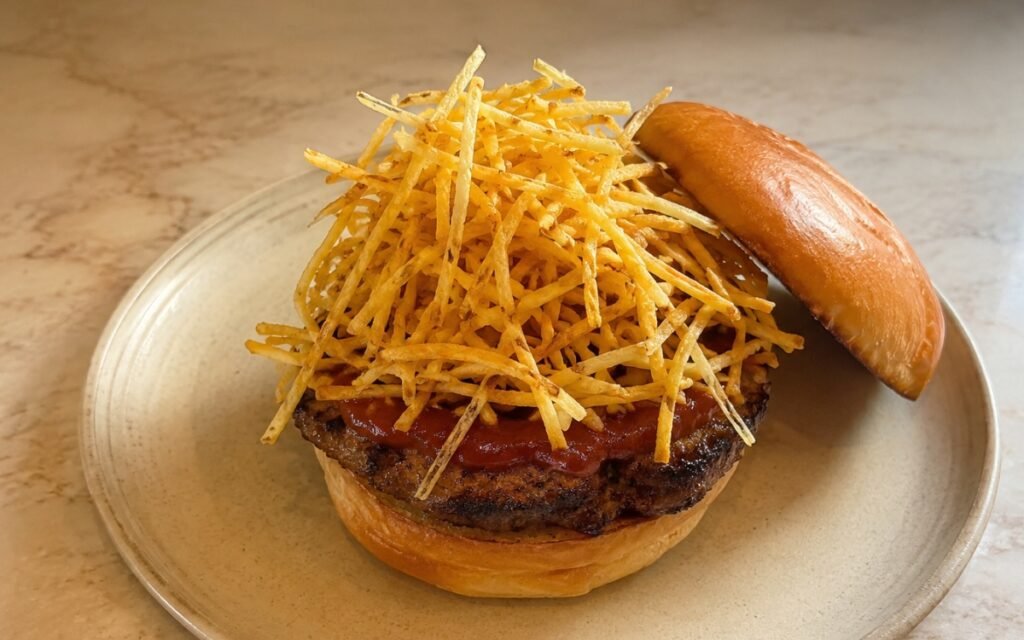
A paprika-red chorizo-beef patty glazed in tangy frita sauce, piled high with crispy thin shoestring potatoes on a toasted brioche bun.
-
Authentic Greek Village Side Salad
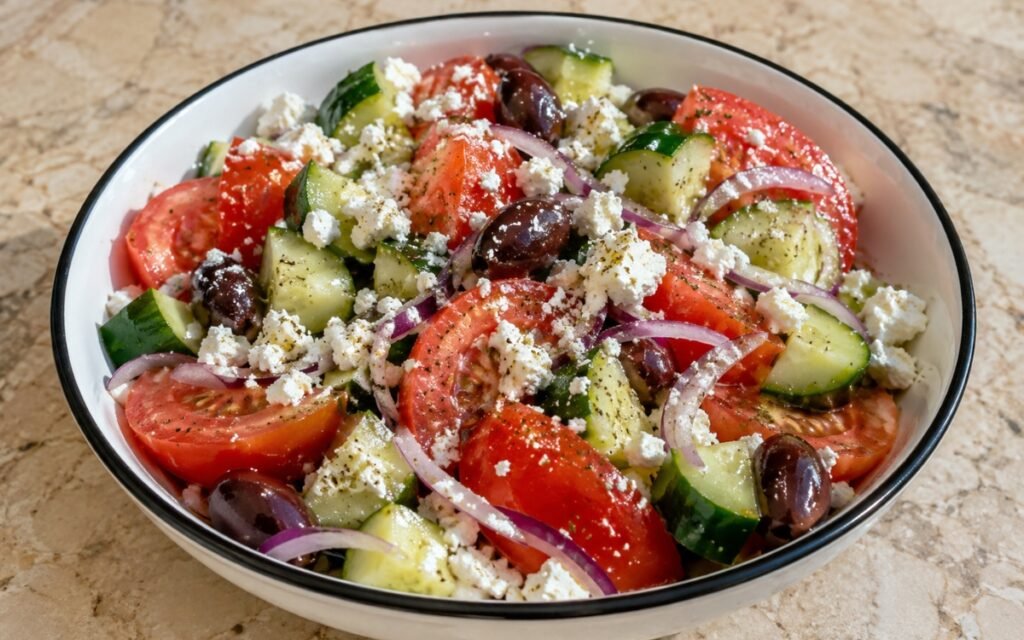
Authentic Greek village salad with cucumbers, tomatoes, olives, and feta in lemon-oregano dressing.
-
Greek Lemon Rice
Rice rinsed clear, cooked with garlic, broth, and lemon juice undisturbed until fluffy, finished with fresh herbs and zest. Bright and tangy.
-
Garlic Herb Pork Tenderloin
Pork tenderloin trimmed, coated in Dijon mustard and fresh herb paste — seared for color, roasted precisely, rested and sliced. Elegant and aromatic.
-
Honey Mustard Pork Chops
Pork chops seared golden, glazed with honey and dual mustard after the flip, basted until sticky and caramelized, rested. Sweet and tangy.