
Crispy Lemon Garlic Chicken Wings
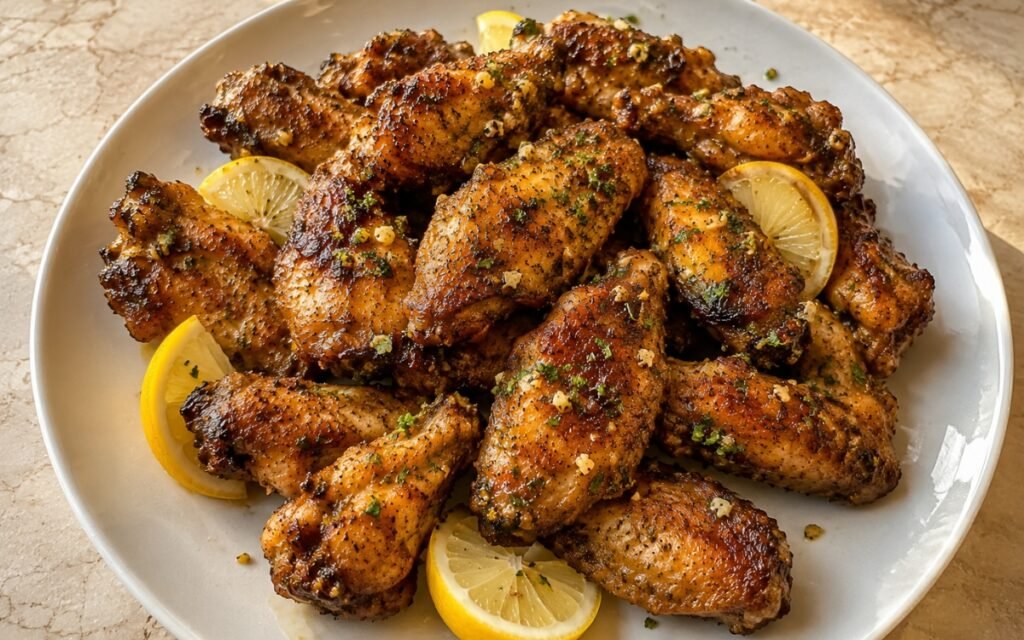
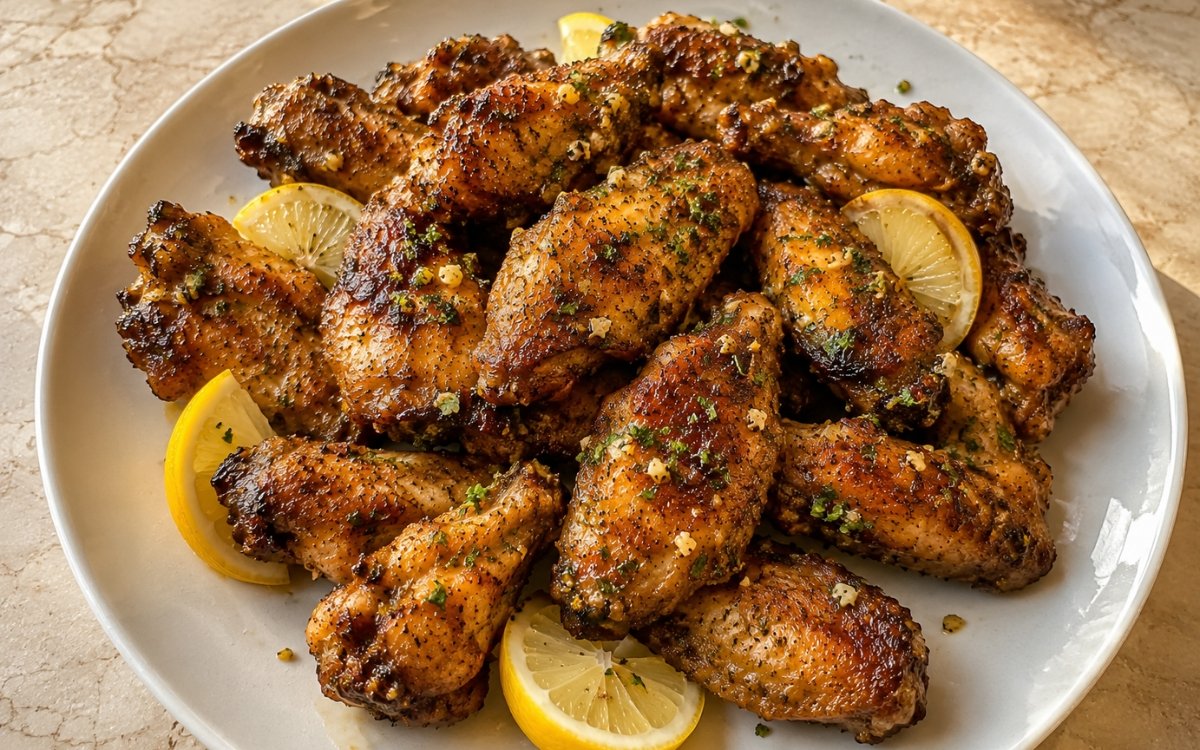
Crispy oven-baked chicken wings with deeply golden crackled skin, tossed immediately after baking in a glossy lemon-garlic butter sauce, with the lemon flavour coming mostly from fresh zest rather than juice so the sauce stays rich instead of sharp. Drying the wings uncovered in the refrigerator before baking is the technique this whole recipe depends on — wet skin steams before it browns, and the oven spends its early cooking time fighting that surface moisture instead of crisping, the same uncovered-dry principle used elsewhere in this collection whenever crackling skin is the goal. Baking low first to render the fat, then finishing hot to crisp, follows the same two-stage heat sequencing used throughout this collection whenever a fatty skin needs real time to render before colour develops. Leaning on lemon zest rather than juice for the sauce’s citrus character is what keeps the finished coating buttery and rich instead of sour and thin, since too much juice both flattens the butter’s flavour and softens the crust it’s tossed with. The payoff is a wing with genuinely crackling, deeply golden skin glossed in a rich, garlicky, lemon-bright butter sauce, best eaten immediately.
Prep Time : 15 min
Cook Time : 50–55 min
Servings : 4
15 min
50–55 min
4
Ingredients
For the Chicken Wings
• 1kg chicken wings, drums and flats separated
• 8g fine sea salt
• 4g garlic powder — this one on Amazon
• 4g onion powder — this one on Amazon
• 2g white pepper — this one on Amazon
• 10ml neutral oil
For the Lemon-Garlic Butter Sauce
• 75g unsalted butter — this one on Amazon
• 20g garlic, finely minced
• 6g lemon zest, from about 2 lemons
• 15ml fresh lemon juice
• 2g fine sea salt, plus more to taste
• 1g white pepper or freshly cracked black pepper
• 15g fresh parsley, roughly chopped
For Garnishing and Serving
• 1 lemon, cut into wedges
• 10g fresh parsley, roughly chopped
This post may contain affiliate links. As an Amazon Associate I earn from qualifying purchases, at no additional cost to you.
Directions
- Dry and Season the Wings
Pat the wings very dry with paper towels. Toss them with fine sea salt, garlic powder, onion powder, white pepper, and neutral oil until evenly coated. For the best texture, arrange the wings on a wire rack set over a tray and refrigerate uncovered for 1–12 hours. This dries the skin and makes crisping much easier. Wet wings are the enemy here. If the skin goes into the oven damp, it steams before it browns. Leaving the wings uncovered on a rack rather than a flat tray lets air circulate on every side, drawing surface moisture away steadily over the resting window — that dry surface is what allows the oven’s heat to go directly into rendering and browning rather than evaporating water first. - Bake Low to Render the Fat
Preheat the oven to 160°C. Arrange the wings skin-side up on a wire rack set over a baking tray, leaving space between each piece. Bake for 35–40 minutes, turning once halfway through, until the wings are cooked through and the skin has tightened. This stage is not about browning. It is about slowly rendering fat under the skin so the wings can crisp properly later. Leaving genuine space between each piece matters here as much as the low temperature itself — crowded wings trap steam between each other, working against the same dry, rendering environment the low bake is meant to create. - Crisp the Wings
Increase the oven temperature to 230°C, or switch to broil if your oven browns evenly. Continue cooking for 10–15 minutes, turning once if needed, until the wings are deeply golden-brown, crisp, and lightly charred in spots. Watch closely near the end. Garlic and onion powder can darken fast once the skin starts crisping. The wings should reach at least 74°C internally, but they eat better around 82–88°C because the connective tissue softens and the meat pulls cleaner from the bone. By this stage, most of the fat has already rendered out during the low bake, leaving the skin with comparatively little moisture left to protect it from scorching — this is why the high-heat finish moves quickly and needs close attention rather than being left unattended. - Make the Lemon-Garlic Butter Sauce
While the wings finish crisping, melt the butter in a small saucepan over medium-low heat. Add the minced garlic and cook for 45–60 seconds, just until fragrant. Do not brown the garlic hard. Burnt garlic makes the sauce bitter. Remove from the heat and stir in the lemon zest, lemon juice, salt, pepper, and chopped parsley. The sauce should be buttery, glossy, garlicky, and lemony from the zest. It should not taste sour. Too much lemon juice will flatten the butter and soften the crust. Lemon zest carries the fruit’s aromatic, floral citrus oils without the acidity that juice brings — using zest as the primary lemon note lets the sauce taste genuinely bright without tipping into the sourness that would undercut the butter’s richness and soften the wings’ crisp skin. - Toss the Wings
Transfer the hot crispy wings directly into a large bowl. Pour over the lemon-garlic butter sauce and toss immediately until every wing is coated. Add the chopped parsley and toss again briefly. Do not let the wings sit in the bowl too long. Sauce trapped underneath the pile will soften the skin. Tossing immediately while the wings are still fully hot and crisp is what lets the butter sauce cling in a thin, glossy coating rather than pooling — any delay gives the sauce more time to settle and soak into the skin from underneath the pile. - Serve
Pile the wings onto a plate. Spoon any remaining garlic-lemon butter over the top lightly, then finish with extra parsley and lemon wedges. Serve immediately while the skin is still crisp, the butter is glossy, and the garlic and lemon zest are visible on the surface. The crackling skin underneath the sauce begins softening the moment it’s coated, so serving without delay is what preserves the contrast between crisp skin and glossy, rich sauce.
*Notes :
- The uncovered drying period deserves to be treated as the single highest-leverage step in this recipe, disproportionate to how passive it looks. Chicken skin naturally holds a fair amount of surface moisture, and that moisture is directly at odds with crisping — it has to evaporate before the oven’s heat can begin rendering fat and browning the skin at all. The extended, uncovered refrigerator time handles that evaporation in advance, so the actual oven time can go straight to rendering and crisping rather than spending its early minutes fighting excess water.
- The two-stage bake — low first to render, high second to crisp — exists specifically because of how much fat sits just beneath a chicken wing’s thin skin. Starting at high heat would char that skin’s exterior before the fat underneath has had any real time to melt away, leaving a wing that looks done on the outside while still carrying unrendered, chewy fat closer to the bone. The low, patient first stage solves that by giving the fat a genuine window to render, with the high-heat finish reserved purely for building colour once that rendering is essentially complete.
- Choosing lemon zest over lemon juice as the primary source of citrus flavour is a deliberate calibration worth understanding rather than an arbitrary ratio. Zest carries concentrated aromatic oils without the acidity juice brings, which lets the sauce read as genuinely bright and lemony while staying fundamentally rich and buttery. Leaning too heavily on juice instead would push the sauce toward sourness, and that added acidity and liquid both work against the sauce’s richness and the wings’ crisp texture.
- Timing the toss to happen the instant the wings come off the oven, rather than letting them rest first, protects the specific balance this dish depends on. Wings tossed while still fully hot and crisp let the sauce cling as a thin, glossy coating that clings without fully soaking in. Any delay before tossing, or lingering in the bowl afterward, gives the sauce more opportunity to pool and soften the skin from beneath.
Why This Recipe Works
This recipe works because the wings are dried thoroughly before baking, giving the oven a clean, dry surface to render and crisp rather than fighting excess moisture.
The two-stage bake — low to render the fat, high to build colour and crisp the skin — produces genuinely crackling skin, and the lemon-garlic butter sauce leans on zest rather than juice to stay rich and bright without turning sour or soggy.
Tossing the wings the moment they’re hot and crisp, and serving immediately afterward, preserves the contrast between crackling skin and glossy, garlicky butter sauce.
Ingredient Breakdown
Uncovered, Dried Chicken Wings
The critical prep step — an extended, uncovered rest draws out surface moisture that would otherwise prevent proper crisping in the oven.
Low-Then-High Two-Stage Bake
The cooking technique — a gentle first bake renders fat fully, a hot finish builds colour and crisp without leaving unrendered fat behind.
Lemon Zest as the Primary Citrus Note
The flavour calibration — provides bright, aromatic lemon character without the acidity and added liquid that juice would bring.
Gently Cooked Minced Garlic
The aromatic base — cooked just until fragrant, never browned hard, to avoid bitterness in the finished sauce.
Immediate Post-Bake Tossing
The finishing technique — sauce added the instant the wings are hot and crisp, letting it cling thin and glossy rather than pooling and softening the skin.
Flavor Structure Explained
This lemon garlic wing follows a layered balance model:
- Crisp savoury foundation (rendered, crackling chicken skin)
- Rich buttery centre (lemon-garlic butter sauce)
- Bright aromatic lift (lemon zest)
- Warm savoury depth (garlic)
- Fresh herbal finish (parsley)
The rendered, crisped chicken skin provides a savoury, crackling foundation beneath everything else. The lemon-garlic butter sauce adds rich, glossy warmth that clings to every wing. Lemon zest contributes bright, aromatic lift without tipping into sourness, while gently cooked garlic layers in warm, savoury depth without any bitterness. A final scatter of fresh parsley and a lemon wedge on the side finish the dish with clean, herbal brightness that keeps the buttery richness in check.
Common Mistakes to Avoid
- Skipping the Uncovered Drying Step – Wet skin steams before it browns and never develops proper crispness. Always dry the wings uncovered in the refrigerator if time allows.
- Baking at High Heat From the Start – This chars the skin before the fat underneath has rendered. Always start low to render, then finish hot to crisp.
- SkippinBrowning the Garlic Too Hard – Burnt garlic turns the whole sauce bitter. Always cook it just until fragrant over gentle heat.
- Relying on Lemon Juice Instead of Zest for Citrus Flavour – Too much juice makes the sauce sour and softens the wings’ crisp skin. Always let zest carry the primary lemon character.
- Letting the Wings Sit Before or After Tossing – Sauce pooling under a pile of wings softens the skin quickly. Always toss immediately once hot and crisp, and serve without delay.
Variations
Spicier Version
Add a pinch of red chili flakes to the butter sauce alongside the garlic for a gentle background heat.
Extra-Garlicky Version
Increase the minced garlic to 30g for a more assertive garlic presence throughout the sauce.
With Parmesan
Toss a light scattering of finely grated Parmesan over the finished wings alongside the parsley for a salty, umami-forward addition.
Grilled Version
Follow the same low-then-high two-zone approach on a grill instead of an oven for a smokier variation on the same technique.
Storage & Make-Ahead
Raw, seasoned wings can be dried uncovered in the refrigerator for up to 12 hours as directed; do not extend significantly beyond this window.
Baked, unsauced wings can be refrigerated for up to 2 days; reheat in a hot oven to restore crispness before saucing. The lemon-garlic butter sauce is best made fresh right before tossing with the wings.
Fully sauced wings are not suitable for storage — the skin softens under the sauce fairly quickly, so toss and serve only what will be eaten immediately.
Frequently Asked Questions
Why does drying the wings uncovered matter so much before baking?
Surface moisture on the wings has to evaporate before the oven’s heat can start rendering fat and browning the skin. The extended, uncovered dry handles that in advance, so the actual bake time goes straight into crisping rather than fighting excess water first.
Why bake the wings at a low temperature before finishing hot?
Wings carry meaningful fat just beneath their thin skin, and that fat needs real time to render out. Starting at high heat would char the exterior before that rendering happens, leaving chewy, unrendered fat beneath a browned surface — the low first stage prevents that.
Why use mostly lemon zest instead of a larger amount of lemon juice for the sauce?
Zest carries concentrated citrus aromatics without the acidity juice brings. Leaning on zest keeps the sauce genuinely bright and lemony while staying rich and buttery — too much juice instead pushes the sauce toward sour and adds liquid that softens the crisp skin.
Why does the garlic need to be cooked only until fragrant rather than browned?
Garlic turns bitter quickly once it browns too far, and that bitterness carries directly into the finished sauce. Cooking it gently just until fragrant avoids that risk while still developing real aromatic flavour.
Are there other flavoured chicken wing recipes worth trying?
Honey Lemon Pepper Wings offers a related citrus-forward direction balanced with sweetness and pepper. Elote-Style Chicken Wings and Cacio e Pepe Chicken Wings are both worth exploring too if you enjoy this style of sauced, crispy wing — one built around Mexican street-corn flavours with cotija and chilli, the other a rich, creamy Pecorino-Parmesan black pepper sauce.
Nutrition Facts
( per serving )
Calories
~560 kcal
Protein
34 g
Fat
42 g
Carbs
3 g
Calories
~560 kcal
Protein
34 g
Fat
42 g
Carbs
3 g
Related Recipes
Related Recipes

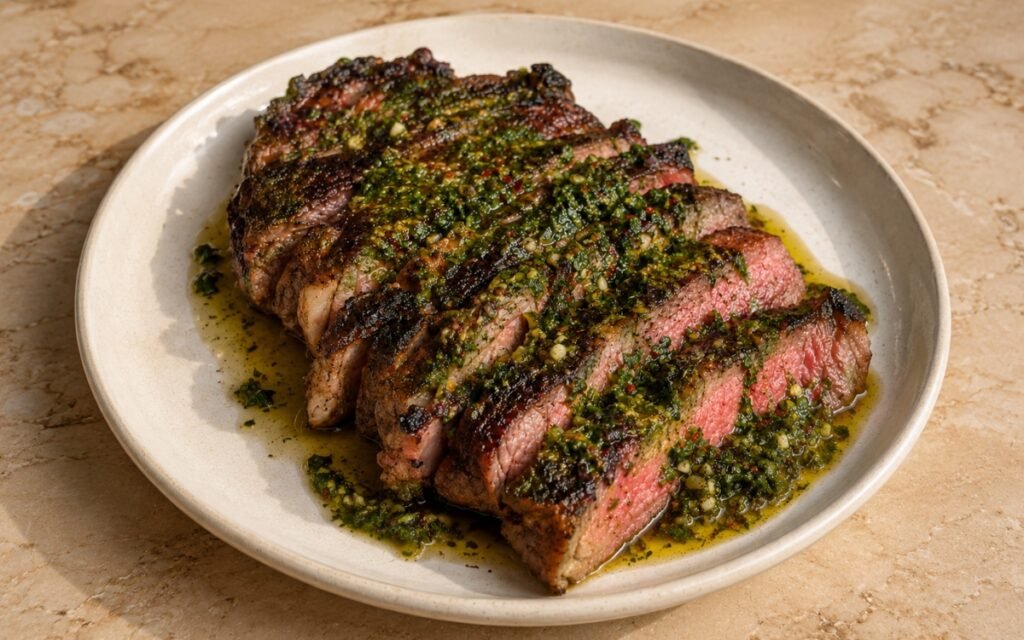
Argentine Chimichurri Steak
Thick, dry-brined steak grilled until deeply charred with a pink medium-rare centre, finished with loose, hand-chopped chimichurri.
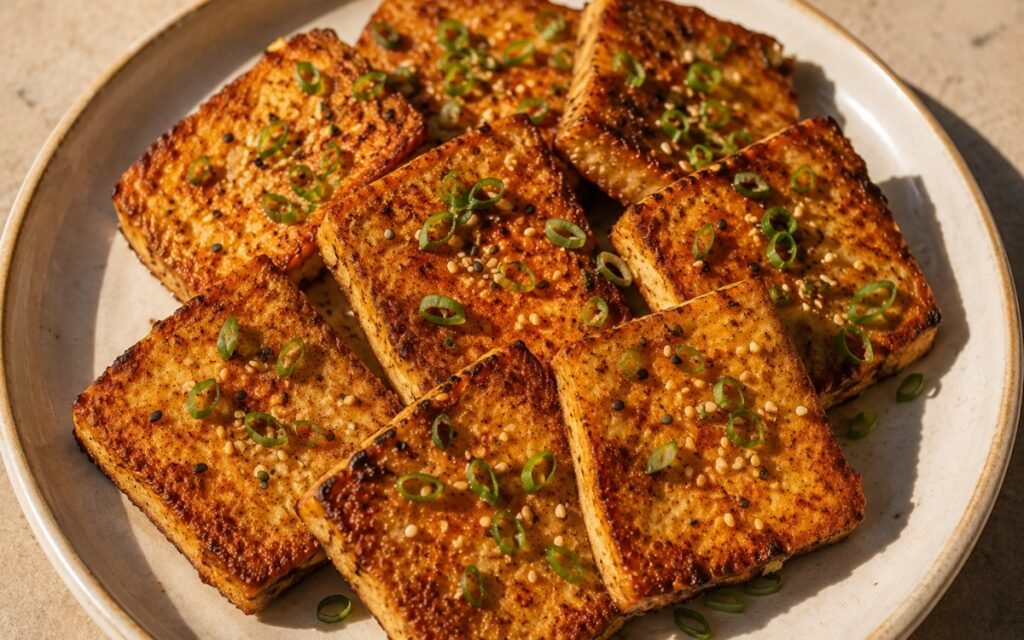
Crispy Tofu Steaks
Tofu pressed thoroughly, marinated in soy, sesame, garlic, ginger, coated in cornstarch, fried until golden. Crisp and umami-packed.
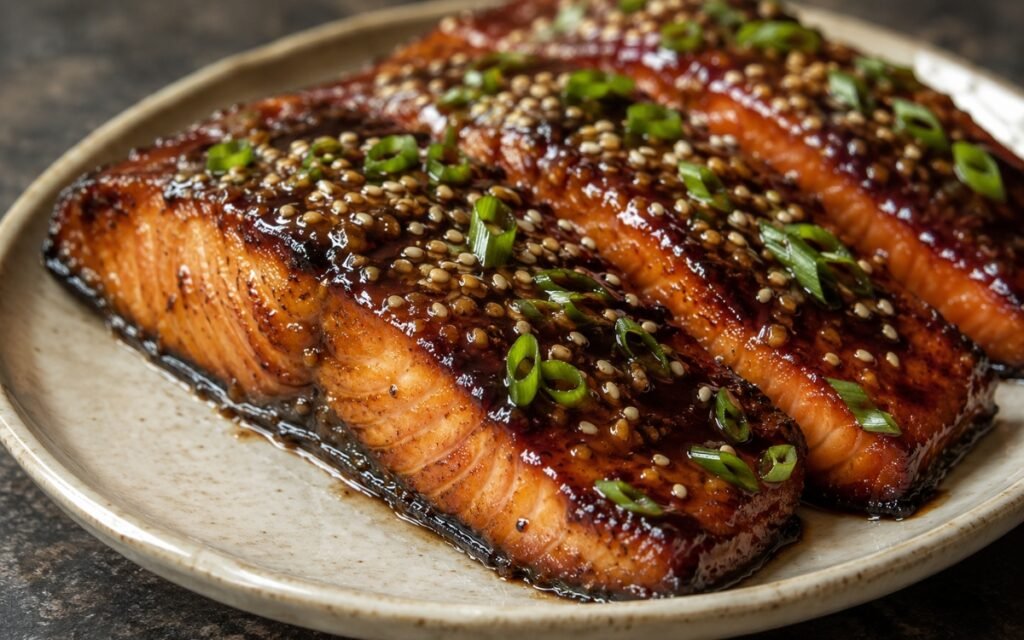
Teriyaki Glazed Salmon
Salmon marinated briefly in thickened teriyaki sauce, broiled in layered passes with repeated glazing until sticky. Finished with sesame and scallions.
You might also like
You might also like
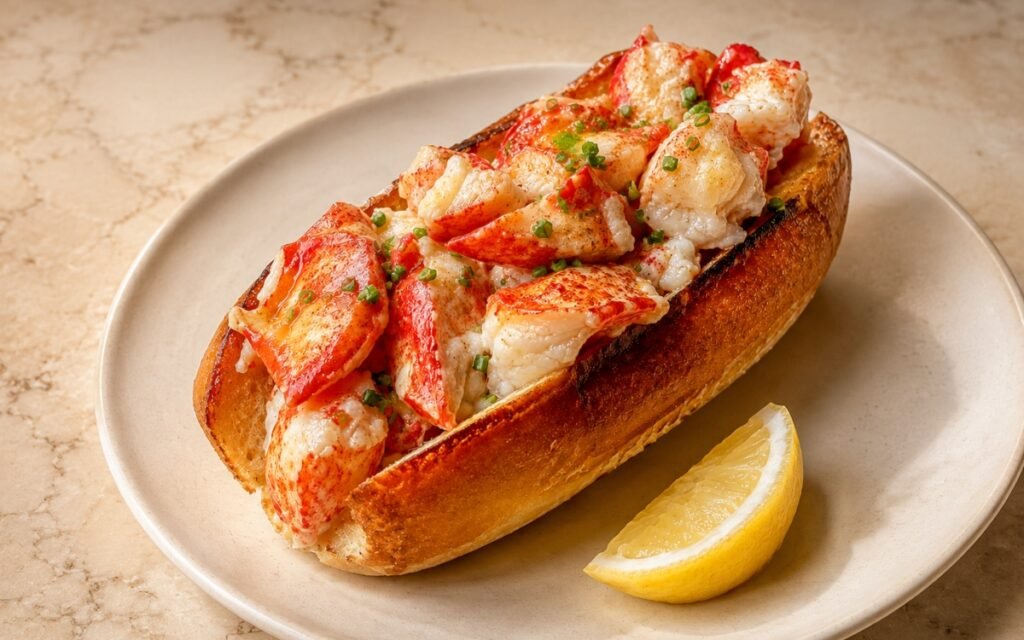
Lobster Roll (Connecticut Style)
Large chunky pieces of warm lobster meat gently coated in melted butter, piled into buttery griddled split-top brioche buns with chives and lemon.
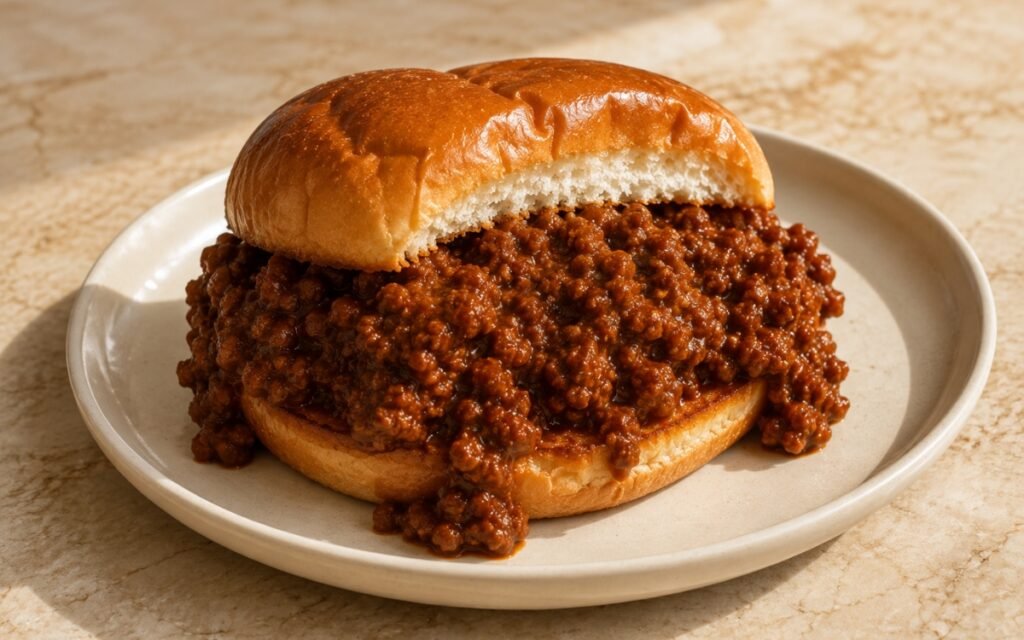
Sloppy Joe Sandwich
Well-seared 85/15 ground beef finished in a glossy, tangy tomato-based sauce, piled generously into soft toasted burger buns.
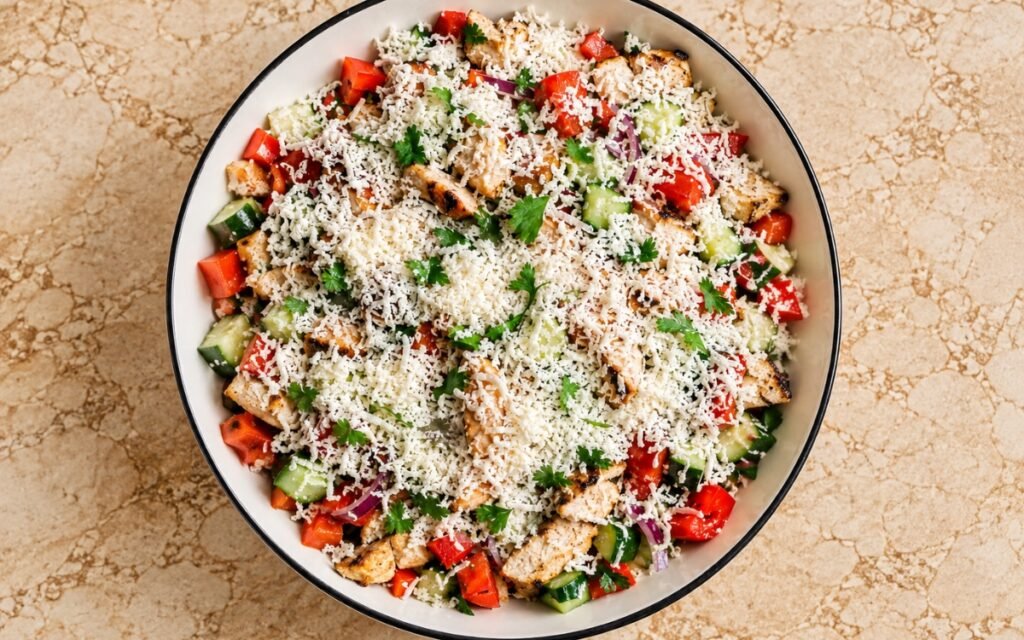
Balkan Shopska Chicken Salad
Diced tomato, cucumber, roasted red pepper, red onion, grilled chicken, and parsley under a heavy blanket of finely grated sirene cheese.
Crispy Lemon Garlic Chicken Wings
Ingredients
Method
- Pat the wings very dry with paper towels. Toss them with fine sea salt, garlic powder, onion powder, white pepper, and neutral oil until evenly coated. For the best texture, arrange the wings on a wire rack set over a tray and refrigerate uncovered for 1–12 hours. This dries the skin and makes crisping much easier. Wet wings are the enemy here. If the skin goes into the oven damp, it steams before it browns. Leaving the wings uncovered on a rack rather than a flat tray lets air circulate on every side, drawing surface moisture away steadily over the resting window — that dry surface is what allows the oven’s heat to go directly into rendering and browning rather than evaporating water first.
- Preheat the oven to 160°C. Arrange the wings skin-side up on a wire rack set over a baking tray, leaving space between each piece. Bake for 35–40 minutes, turning once halfway through, until the wings are cooked through and the skin has tightened. This stage is not about browning. It is about slowly rendering fat under the skin so the wings can crisp properly later. Leaving genuine space between each piece matters here as much as the low temperature itself — crowded wings trap steam between each other, working against the same dry, rendering environment the low bake is meant to create.
- Increase the oven temperature to 230°C, or switch to broil if your oven browns evenly. Continue cooking for 10–15 minutes, turning once if needed, until the wings are deeply golden-brown, crisp, and lightly charred in spots. Watch closely near the end. Garlic and onion powder can darken fast once the skin starts crisping. The wings should reach at least 74°C internally, but they eat better around 82–88°C because the connective tissue softens and the meat pulls cleaner from the bone. By this stage, most of the fat has already rendered out during the low bake, leaving the skin with comparatively little moisture left to protect it from scorching — this is why the high-heat finish moves quickly and needs close attention rather than being left unattended.
- While the wings finish crisping, melt the butter in a small saucepan over medium-low heat. Add the minced garlic and cook for 45–60 seconds, just until fragrant. Do not brown the garlic hard. Burnt garlic makes the sauce bitter. Remove from the heat and stir in the lemon zest, lemon juice, salt, pepper, and chopped parsley. The sauce should be buttery, glossy, garlicky, and lemony from the zest. It should not taste sour. Too much lemon juice will flatten the butter and soften the crust. Lemon zest carries the fruit’s aromatic, floral citrus oils without the acidity that juice brings — using zest as the primary lemon note lets the sauce taste genuinely bright without tipping into the sourness that would undercut the butter’s richness and soften the wings’ crisp skin.
- Transfer the hot crispy wings directly into a large bowl. Pour over the lemon-garlic butter sauce and toss immediately until every wing is coated. Add the chopped parsley and toss again briefly. Do not let the wings sit in the bowl too long. Sauce trapped underneath the pile will soften the skin. Tossing immediately while the wings are still fully hot and crisp is what lets the butter sauce cling in a thin, glossy coating rather than pooling — any delay gives the sauce more time to settle and soak into the skin from underneath the pile.
- Pile the wings onto a plate. Spoon any remaining garlic-lemon butter over the top lightly, then finish with extra parsley and lemon wedges. Serve immediately while the skin is still crisp, the butter is glossy, and the garlic and lemon zest are visible on the surface. The crackling skin underneath the sauce begins softening the moment it’s coated, so serving without delay is what preserves the contrast between crisp skin and glossy, rich sauce.