Chicken Korma
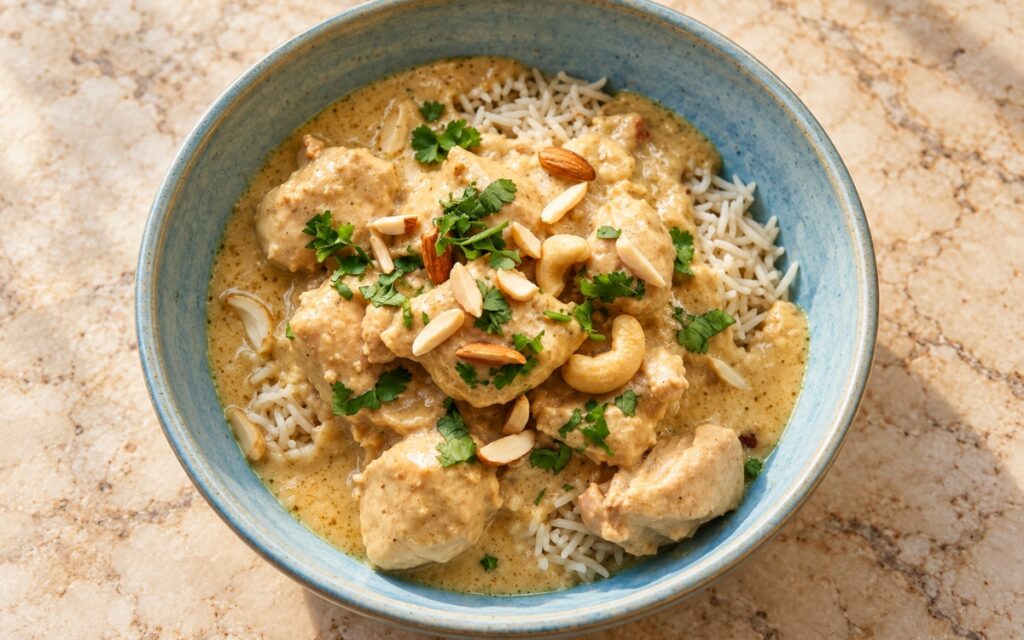
A classical chicken korma with tender chicken pieces simmered in a pale golden, creamy onion-yogurt-nut sauce scented with cardamom, cinnamon, and gentle warm spices. Served with jasmine rice, with the rice sitting partially underneath the curry, and finished with cilantro and a light scatter of slivered almonds or cashews.
- Prep Time : 25 min
- Total Time : 1 hr 25 min
- Servings : 4
Ingredients
Chicken and Marinade
- 800 g boneless skinless chicken thighs, cut into large bite-size pieces
- 100 g full-fat plain yogurt
- 15 g ginger, finely grated
- 15 g garlic, finely grated or crushed
- 1 tsp fine salt
- ¼ tsp ground turmeric
- ¼ tsp black pepper
Korma Sauce
- 3 tbsp ghee or neutral oil
- 1 medium-large onion, thinly sliced, about 220–250 g
- 40 g cashews
- 25 g blanched almonds or slivered almonds
- 2 bay leaves
- 5 green cardamom pods, lightly crushed
- 4 cloves
- 1 small cinnamon stick
- 1½ tsp ground coriander
- 1 tsp ground cumin
- ¼ tsp turmeric
- ¼ tsp white pepper or black pepper
- 150 g full-fat plain yogurt, well whisked
- 100 ml heavy cream
- 250–350 ml hot water, as needed
- 1 to 1¼ tsp fine salt, or to taste
- ½ tsp garam masala
Jasmine Rice
- 300 g jasmine rice
- 450 ml water
- ½ tsp fine salt
- 1 tsp butter or neutral oil, optional
To Serve
- 2 tbsp chopped cilantro
- 2 tbsp slivered almonds or a small handful broken cashews, lightly toasted if desired
Directions
- Marinate the Chicken
Mix the yogurt, ginger, garlic, salt, turmeric, and pepper in a bowl. Add the chicken and coat it thoroughly, then cover and marinate for 20–30 minutes at room temperature, or up to 4 hours in the fridge. The marinade should lightly coat each piece rather than pool thinly in the bottom of the bowl. - Build the Onion-Nut Base
Heat the ghee in a wide pan or sauté pan over medium heat. Add the sliced onion and cook slowly for 10–12 minutes, stirring often, until softened and evenly golden — for a pale, elegant korma, keep the onions golden blond to light amber rather than letting them go dark brown. Add the cashews and almonds and cook for 1 minute more. Transfer the onion and nut mixture to a blender with 120–150 ml hot water and blend until very smooth, then set aside. A fully smooth paste here is what keeps the finished sauce silky instead of grainy. - Start the Korma
Return the pan to medium heat, adding a small extra spoon of ghee if it looks dry. Add the bay leaves, cardamom, cloves, and cinnamon stick, and stir for 20–30 seconds until fragrant. Add the ground coriander, cumin, turmeric, and pepper, stirring briefly for 10–15 seconds just to bloom the spices without letting them scorch. Add the marinated chicken and cook for 4–5 minutes, stirring gently, until it loses its raw look and the yogurt coating begins to tighten around the pieces. The chicken doesn’t need heavy browning at this stage. - Add the Sauce
Reduce the heat to low, add the onion-nut paste, and stir well to coat the chicken. Cook for 3–4 minutes, stirring often, until the paste looks glossy and no longer raw. Whisk the remaining 150 g yogurt until smooth and add it gradually while stirring constantly over low heat, which keeps it from splitting against the hot pan. Add 250 ml hot water and bring to a very gentle simmer, never a hard boil. Cover partially and simmer on low for 12–15 minutes, stirring every few minutes, until the chicken is cooked through and tender, adding a little more hot water, 2–4 tablespoons at a time, if the sauce thickens before the chicken is done. The final consistency should be creamy enough to coat a spoon without turning stiff or dry. - Finish the Korma
Stir in the cream and garam masala, then simmer very gently, uncovered, for 2–3 minutes. Taste and adjust the salt. The finished sauce should be pale golden, smooth, lightly glossy, and rich enough to cling to the chicken while still flowing around the rice. The chicken is done once the pieces are tender and the internal temperature reaches 74°C. Remove the whole spices before serving if you prefer, or leave them in and simply avoid spooning them onto individual plates. - Cook the Jasmine Rice
Rinse the jasmine rice under cold water until it runs mostly clear, then drain well. Combine the rice with the 450 ml water, salt, and optional butter or oil in a saucepan, bring to a boil over medium heat, then stir once, cover with a tight-fitting lid, and reduce the heat to low. Cook for 12 minutes, turn off the heat, and let the rice rest covered for 10 minutes before fluffing gently with a fork. This gives roughly 75 g of uncooked rice per serving. - Serve
Divide the rice among 4 bowls, nestling it to one side or slightly underneath where the curry will sit. Spoon the chicken korma over so the rice sits partially under the sauce, then finish with the chopped cilantro and a light scatter of slivered almonds or cashews. Serve right away.
*Notes :
- Thigh meat is the safer choice here because it stays juicy through the full simmer in the creamy sauce; breast can work too, but it needs a gentler simmer and closer attention to avoid overcooking in the same amount of time.
- Keeping the onions at a golden blond to light amber color, rather than letting them deepen toward brown, is what keeps this korma’s color pale rather than tipping it toward the darker tones of a more tomato-forward curry. A small amount of turmeric and avoiding darker chili powders support that same pale finish.
- If the yogurt splits in the sauce, the pan was likely too hot when it went in. Keeping the heat low and whisking the yogurt smooth before adding it are both what prevent that from happening in the first place.
- Blending the onion-nut base thoroughly, until it’s completely smooth rather than just roughly broken down, is what separates a silky korma sauce from one with a grainy, uneven texture running through it.
Why This Recipe Works
Marinating the chicken briefly in yogurt and warm spices seasons the meat and keeps it from drying out during the longer simmer that follows. Cooking the onions slowly, without letting them brown deeply, preserves the korma’s characteristic pale color, and blending that softened onion with the cashews and almonds builds the body and richness of the sauce without needing any tomato. Adding the whisked yogurt gradually over low heat, rather than all at once over higher heat, is what keeps the dairy smooth instead of curdling against the pan. The final splash of cream and garam masala, added only in the last few minutes, rounds out the sauce with richness and aroma that would fade if introduced earlier in the cooking process.
Ingredient Breakdown
Cashews and almonds
Blended with the onions, they build the sauce’s body and richness in place of the tomato base used in many other curries, giving korma its pale color.
Full-fat yogurt (marinade and sauce)
Tenderizes the chicken in the marinade and adds tang and body to the sauce, as long as it’s added gradually over low heat to avoid splitting.
Whole spices (cardamom, cloves, cinnamon, bay leaf)
Infuse the ghee with aromatic flavor early in cooking, forming the fragrant backbone that the ground spices build on top of.
Heavy cream
Added at the very end, it smooths and enriches the finished sauce without needing a long simmer to incorporate.
Onion, cooked slowly and kept pale
Provides sweetness and body to the blended base while keeping the finished sauce’s color light rather than deep brown.
Flavor Structure Explained
This dish follows a layered balance model:
- Mild, tender centerpiece (chicken simmered gently in the sauce)
- Body and gentle sweetness (blended onion-cashew-almond paste)
- Fragrant base (whole spices bloomed in ghee)
- Tang and richness (yogurt and cream)
- Final aromatic lift (garam masala)
Chicken simmered gently in the sauce serves as this dish’s mild, tender centerpiece, cooked just enough to stay soft rather than browned or charred. The blended onion-cashew-almond paste contributes body and a gentle sweetness that replaces the tomato base found in other curries. Whole spices bloomed in ghee at the start build the fragrant base that carries through the finished sauce. Yogurt and cream, layered in gradually, add tang and richness without tipping the dish toward heaviness. A final aromatic lift from garam masala rounds out the korma rather than competing with the nuttier base underneath.
Common Mistakes to Avoid
- Browning the onions too deeply – This pushes the sauce toward a darker color instead of the classical pale korma look; always keep them golden blond to light amber.
- Adding the yogurt over high heat – This causes it to split instead of blending smoothly into the sauce; always lower the heat first and whisk the yogurt smooth before adding it.
- Blending the onion-nut base incompletely – This leaves the sauce grainy instead of silky; always blend until fully smooth before adding it to the pan.
- Boiling the sauce hard – This risks the cream and yogurt separating; always keep the simmer gentle from the point the dairy goes in onward.
Variations
Nuttier, Richer Version
Increase the cashews and almonds slightly and reduce the water a touch for a thicker, more decadent sauce closer to a restaurant-style korma.
Lighter Version
Replace the heavy cream with additional whisked yogurt for a tangier, somewhat lighter finished sauce.
Vegetable Korma Version
Replace the chicken with a mix of cauliflower, carrots, and peas, simmering just until tender instead of to an internal temperature check.
Saffron-Infused Version
Bloom a small pinch of saffron in a tablespoon of warm cream and stir it in alongside the garam masala for a more fragrant, golden-toned finish.
Storage & Make-Ahead
Marinate the chicken up to 4 hours ahead in the refrigerator, bringing it closer to room temperature for 15–20 minutes before cooking so it cooks through more evenly.
Store leftover korma in an airtight container in the refrigerator for up to 3 days, keeping the rice in a separate container so it doesn’t absorb the sauce and turn soft.
Reheat gently on the stovetop over low heat, stirring often and adding a splash of hot water or cream if the sauce has thickened too much in the fridge.
Freeze the korma sauce and chicken together, without the rice, for up to 2 months, thawing in the refrigerator overnight before reheating gently.
Frequently Asked Questions
Why is my korma sauce grainy instead of silky?
This usually traces back to the onion-nut base not being blended smooth enough before it went into the pan; blending it thoroughly is what gives the sauce its characteristic silky texture.
Can I make this with chicken breast instead of thighs?
Yes, but simmer it a little more gently and keep a closer eye on timing, since breast dries out more easily than thigh over the same simmer.
Why did my sauce split when I added the yogurt?
The heat was likely too high at that point. Lowering the heat and whisking the yogurt smooth before it goes in both help keep the sauce from breaking.
Can I make the korma spicier?
Yes, though a true korma stays mild and aromatic rather than hot; adding fresh green chili or a touch more black pepper raises the heat slightly without changing the pale color.
What else pairs well with this chicken korma?
Butter Chicken and Rogan Josh Lamb Curry share the same slow-simmered approach if you want to build out an Indian-style dinner spread, and Malai Kofta makes a good vegetarian counterpart with a similarly rich, creamy sauce. For sides, Plain Steamed Basmati Rice is a simple alternative to the jasmine rice in this recipe, and Peshwari Naan’s sweet, nutty filling complements the korma’s own almonds and cashews especially well.
Nutrition Facts
( Per Serving — chicken, sauce, and rice )
- Calories
- ~730 kcal
- Protein
- 46 g
- Fat
- 38 g
- Carbs
- 60 g
-

Thai Green Curry Chicken
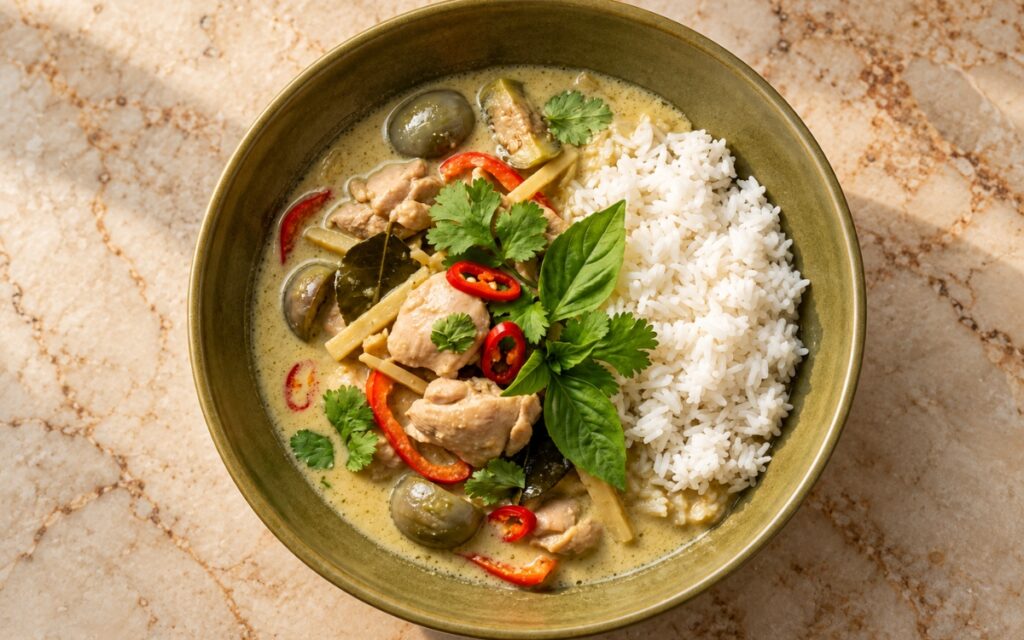
Chicken thighs simmered in a creamy green coconut curry with Thai eggplant, red pepper, lime leaves and Thai basil, served with jasmine rice.
-
Vietnamese Chicken Curry / Cà Ri Gà
Chicken thighs, potatoes and carrots simmered in a golden lemongrass coconut curry broth, served with jasmine rice, cilantro and cracked black pepper.
-
Chicken Tikka Masala
Classic chicken tikka masala with charred marinated chicken in a rich tomato-cream sauce, served with jasmine rice for a complete meal.


-
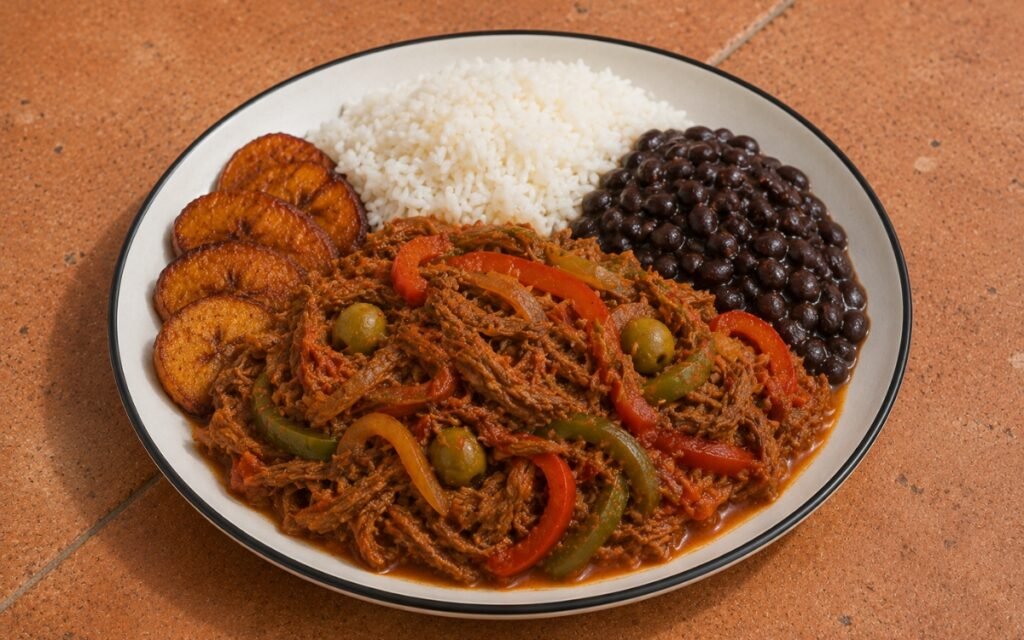
Ropa Vieja Cubana
Slow-braised, shredded beef simmered in a rich tomato sauce with peppers, onion, and green olives, served with white rice, black beans, and fried plantains.
-
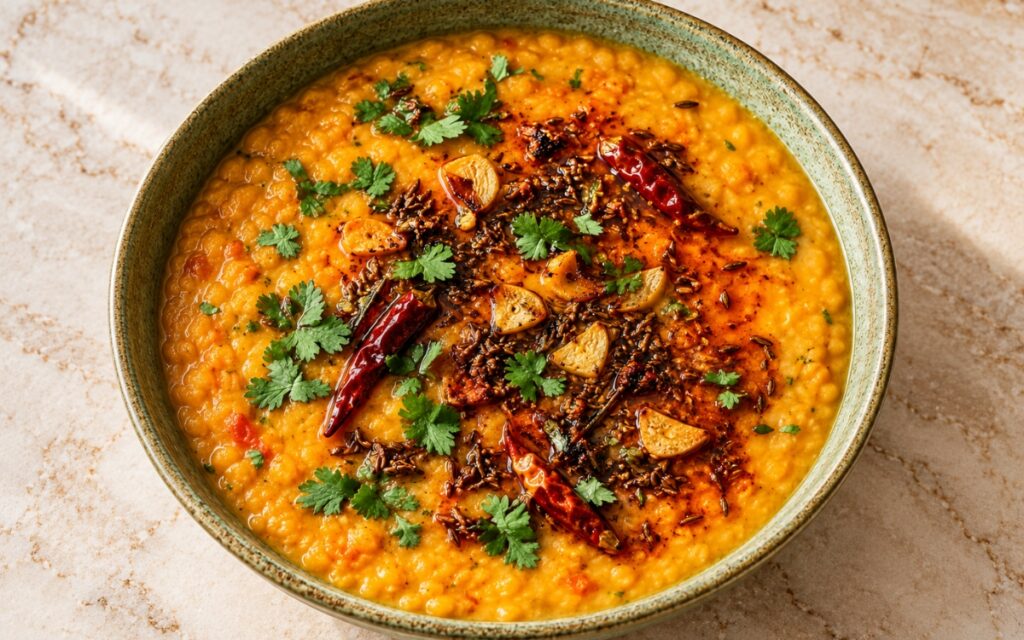
Red Lentil Dal Tadka
Classical red lentil dal simmered until creamy, finished with a sizzling hot ghee tadka of cumin, garlic, and dried red chilies.
-
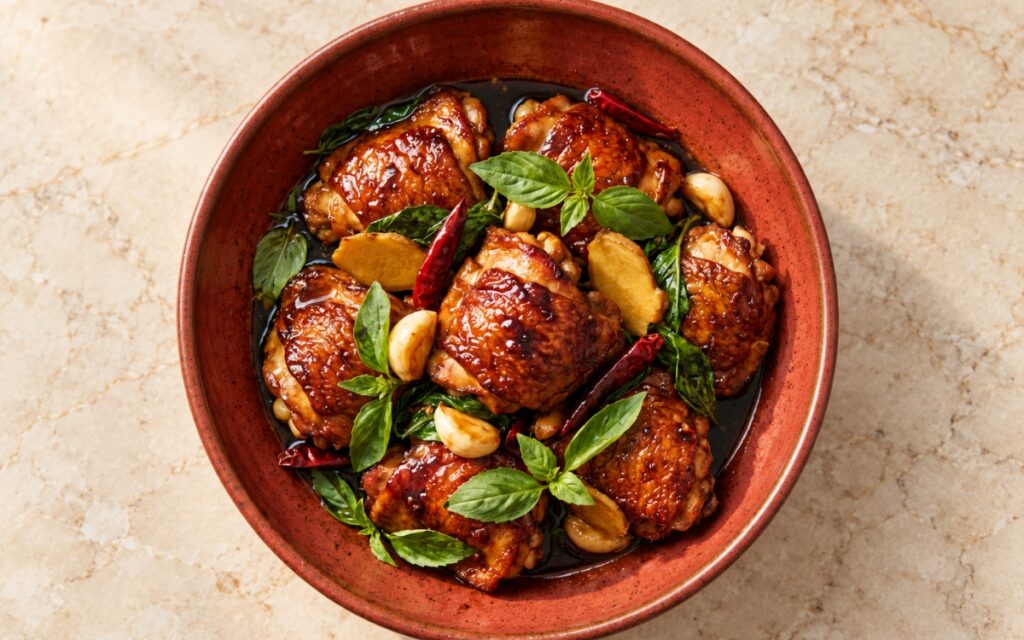
Taiwanese Three Cup Chicken (San Bei Ji)
Glossy soy-braised chicken thighs with whole garlic cloves, thick ginger, dried red chilies, and fresh Thai basil in a dark, syrupy sauce.