Malai Kofta
Malai Kofta pairs soft, pan-fried potato-paneer koftas with a smooth, cashew-thickened tomato gravy finished with cream and a touch of sweetness. Drying the boiled potatoes completely before mixing them with grated paneer keeps the dough firm enough to hold its shape in hot oil, since any trapped moisture turns to steam and splits the koftas apart as they fry. Straining the blended gravy after it’s cooked down removes the fibrous bits of tomato skin and whole spice left behind, leaving a smooth sauce rather than a grainy one. Keeping the fried koftas apart from the gravy until serving time protects their texture, since a kofta left sitting in liquid too long starts to soften and break down at the edges. The result is a rich, mildly spiced vegetarian main with tender koftas holding a small pocket of cashew and raisin at the center, served in a glossy, cream-finished sauce built for scooping up with rice or naan.

- Prep Time : 30 min
- Total Time : 1 hr 15 min
- Servings : 4
Ingredients
For the Koftas
- 400g starchy potatoes, boiled, peeled, and cooled completely
- 200g paneer, finely grated
- 2½–3 tbsp cornstarch
- ½ tsp salt
- ¼ tsp black pepper
- ½ tsp garam masala
- 1 small green chili, finely minced, optional
For the Filling
- 1½ tbsp cashews, finely chopped
- 1 tbsp raisins, chopped
For Frying
- Neutral oil, for deep or medium-deep frying
For the Gravy
- 2 tbsp ghee or neutral oil
- 1 bay leaf
- 2 green cardamom pods
- 1 small cinnamon stick
- 2 whole cloves
- 1 medium onion (140–160g), sliced
- 4 medium tomatoes, about 450g, chopped
- 15g fresh ginger, sliced
- 4 garlic cloves
- 25g cashews
- 1½ tsp Kashmiri chili powder
- 1 tsp ground coriander
- ½ tsp ground cumin
- ¼ tsp ground turmeric
- 1 tsp salt, to start
- 200–250ml water
For Finishing
- 1 tbsp butter
- 100ml heavy cream
- ½–1 tsp sugar
- ¾ tsp garam masala
- 1 tsp kasuri methi, crushed
- Salt and water, as needed
For Garnish, optional
- Extra cream
- 1–2 tbsp cilantro, chopped
- 1–2 tbsp slivered almonds or chopped cashews
Directions
- Prepare the Kofta Mixture
Mash or finely grate the cooled, dried potatoes and combine with the grated paneer, cornstarch, salt, pepper, garam masala, and chili if using. Work the mixture until it holds together smoothly without feeling wet or sticky. Dry potatoes and well-drained paneer keep this dough firm; any extra moisture left in either one tends to surface as steam once the koftas hit hot oil, and that’s usually what causes them to crack open. - Shape and Fill the Koftas
Divide the mixture into 6 equal portions. Flatten each piece in your palm, place a small pinch of the cashew-raisin filling in the center, then fold the dough around it and roll into a smooth, even ball. Press gently to seal any seams, since a loose seam is a weak point where oil can seep in during frying. - Fry Until Golden
Heat oil to medium-deep and fry one kofta first to check the color and timing. It should turn a deep golden brown in 5 to 6 minutes without darkening further. Fry the rest in batches, turning gently for even color, then drain on paper towels. Very high heat browns the surface too quickly while the center stays underdone, so a steady medium heat gives a more even result. - Build the Gravy Base
Warm the ghee or oil and bloom the bay leaf, cardamom, cinnamon, and cloves until fragrant. Add the onion and cook until lightly golden, then stir in the ginger and garlic. Add the tomatoes, cashews, and ground spices, and cook for 15 to 20 minutes, stirring occasionally, until the mixture turns thick and jammy. This extended simmer concentrates the tomatoes down into a base with enough body to carry the gravy’s final texture. - Blend and Strain
Cool the gravy base slightly, then blend it smooth with the water. Pass it through a sieve, pressing firmly to push the liquid through while leaving the fibrous tomato skins and whole spice fragments behind. Straining takes a few extra minutes but turns an otherwise grainy sauce into one with a glossy, restaurant-style finish. - Finish the Gravy
Return the strained gravy to the pan and stir in the butter, cream, sugar, garam masala, and crushed kasuri methi. Simmer for 5 to 7 minutes, adjusting the consistency with a little water if it’s too thick, and season with salt to taste. - Assemble and Serve
Keep the koftas separate from the gravy until just before serving. Spoon the warm gravy over the koftas in individual bowls, or ladle the koftas into the gravy right before bringing the dish to the table. Garnish with extra cream, cilantro, and slivered almonds or cashews if desired. A kofta left sitting in the gravy for an extended period will start absorbing liquid and softening at the edges, so combine them close to serving time unless a softer texture is wanted.
*Notes :
- Potato moisture is the single biggest variable in this recipe. Potatoes boiled just before use, or ones that haven’t cooled and dried fully, carry extra water that shows up as cracked, oil-splattered koftas the moment they hit the pan, so giving them time to cool and air-dry matters more than any other step in the mixture.
- Paneer brands vary quite a bit in moisture content. Store-bought blocks tend to be drier and easier to work with, while fresh homemade paneer often needs to be pressed and patted down with a towel before grating, otherwise the extra liquid behaves the same way loose potato moisture does.
- The straining step is easy to skip when short on time, but it changes the finished texture noticeably. A gravy left unstrained still tastes fine but carries small bits of tomato skin and whole spice that a smooth, cream-based sauce like this one isn’t really built to hold.
- Holding the koftas separately from the gravy until serving isn’t only about preventing sogginess, it also keeps portioning easier for leftovers, since dry koftas and a jar of gravy both reheat more predictably than a dish that’s already been combined and left to sit.
Why This Recipe Works
This recipe works because the potato-paneer dough is dried and bound carefully enough to hold together through frying without splitting. The gravy base is simmered long enough for the tomatoes and onion to turn thick and concentrated, then blended and strained for a smooth, lump-free texture. Butter, cream, and a touch of sugar soften the final sauce without masking the warm spice underneath, and keeping the koftas out of the gravy until serving protects their texture from one plate to the next.
Ingredient Breakdown
Potatoes and Paneer
The base of the kofta dough — dried potatoes and well-drained paneer bind together into a dough firm enough to hold its shape in hot oil.
Cashews and Raisins
The filling tucked into each kofta — a small pocket of sweetness and crunch against the soft exterior.
Tomatoes and Onion
The foundation of the gravy — simmered down into a thick, jammy base that carries the whole-spice aromatics.
Cashews in the Gravy
Blended into the sauce itself — gives the strained gravy its body and natural creaminess before any dairy is added.
Heavy Cream and Butter
Stirred in at the end — rounds out the sauce with a glossy, rich finish.
Kashmiri Chili Powder
Brings warm color and mild heat to the gravy without making it sharp.
Kasuri Methi
Crushed dried fenugreek leaves added in the last few minutes — a distinct, slightly bitter-herbal note typical of North Indian gravies.
Flavor Structure Explained
This malai kofta follows a layered balance model:
- Base (Potato-Paneer Kofta)
- Sweetness (Raisins)
- Crunch (Cashews)
- Richness (Heavy Cream)
- Warmth (Kashmiri Chili Powder and Garam Masala)
The potato-paneer kofta forms the soft, neutral base the rest of the dish builds around. Raisins tucked into the center of each kofta add small bursts of sweetness with every bite. Cashews contribute a contrasting pocket of crunch against the otherwise smooth filling. Heavy cream rounds out the strained gravy with a rich, velvety body. Kashmiri chili powder and garam masala bring a gentle, warming heat that ties the base, sweetness, crunch, and richness together into one balanced dish.
Common Mistakes to Avoid
- Using Wet or Warm Potatoes – This adds excess moisture to the dough, causing koftas to crack and splatter in the oil. Always cool and dry the potatoes fully before mixing.
- Overfilling the Koftas – This makes the dough harder to seal, leaving weak points that split open during frying. Keep the filling to a small, well-sealed pinch per kofta.
- Frying on Very High Heat – This browns the outside too fast while the center stays underdone. Fry at a steady medium-deep heat instead.
- Skipping the Straining Step – This leaves bits of tomato skin and whole spice in the finished sauce. Strain the blended gravy for a smooth, glossy texture.
- Simmering All the Koftas in the Gravy Too Long – This causes them to absorb liquid and soften at the edges. Keep koftas separate and combine them close to serving time.
Variations
Baked Koftas
Arrange the shaped koftas on a greased tray and bake at 400°F (200°C) for about 20 minutes, turning once, for a lighter version that skips the deep frying step entirely.
Extra Nutty Filling
Add a few extra chopped cashews or pistachios to the filling mixture for a richer, more textured center inside each kofta.
Smoky Gravy
Rest a small piece of hot charcoal in a bowl set over the finished gravy with a few drops of ghee, cover briefly, and let the smoke infuse the sauce for a restaurant-style aroma.
Tomato-Forward Gravy
Increase the tomatoes slightly and reduce the cream for a brighter, more tangy gravy that leans less rich against the sweet kofta filling.
Storage & Make-Ahead
Fried koftas and finished gravy keep best stored separately in airtight containers in the refrigerator for up to 3 days, since combining them early causes the koftas to soften and gradually break apart in the liquid.
Reheat the gravy gently in a saucepan over low heat, adding a splash of water or cream to loosen it back to pouring consistency before returning it to a simmer.
Warm the koftas separately, either in a low oven or briefly in a dry skillet, just until heated through, since microwaving tends to leave the exterior rubbery rather than lightly crisp.
Both components can be prepared up to two days in advance and combined only minutes before the meal, which keeps the koftas intact and the gravy’s texture smooth.
The fried koftas also freeze well on their own, laid flat until solid and then bagged, though the texture softens slightly once thawed compared to a freshly fried batch.
Frequently Asked Questions
Why do the potatoes need to be completely cooled and dried before mixing?
Potatoes still warm or holding extra moisture release that moisture as steam the moment the koftas hit hot oil, and trapped steam is what causes a kofta to crack open mid-fry. Letting them cool and air-dry first keeps the dough firm enough to hold its shape through the entire frying process.
Why is the gravy strained after it’s blended?
Blending alone still leaves behind small fragments of tomato skin and whole spice that a smooth, cream-finished sauce isn’t built to carry. Pressing the gravy through a sieve removes that texture, leaving a glossy, uniform consistency instead of a slightly grainy one.
Why are the koftas kept separate from the gravy until serving?
A kofta sitting in liquid for an extended stretch starts absorbing it, which softens the exterior and eventually breaks the kofta down at the edges. Combining them only right before serving keeps their texture intact from the first bite to the last.
Why fry a test kofta before frying the whole batch?
Oil temperature and timing vary slightly from one stovetop to the next, so a single test piece shows whether the batch needs a hotter or gentler fry before committing the rest of the dough. It also confirms the seasoning is right while there’s still time to adjust the mixture.
Are there other rich, spiced Indian dishes worth trying alongside this one?
Kofta Ka Salan and Chicken Korma both offer other directions worth exploring in a similarly spiced, gravy-based style. Paneer Butter Masala is also worth trying for another creamy, tomato-based vegetarian main, and Peshwari Naan and Vegetable Biryani offer other satisfying pairings alongside a plate of malai kofta.
Nutrition Facts
( Per Serving )
- Calories
- ~565 kcal
- Protein
- 13 g
- Fat
- 38 g
- Carbs
- 40 g
-

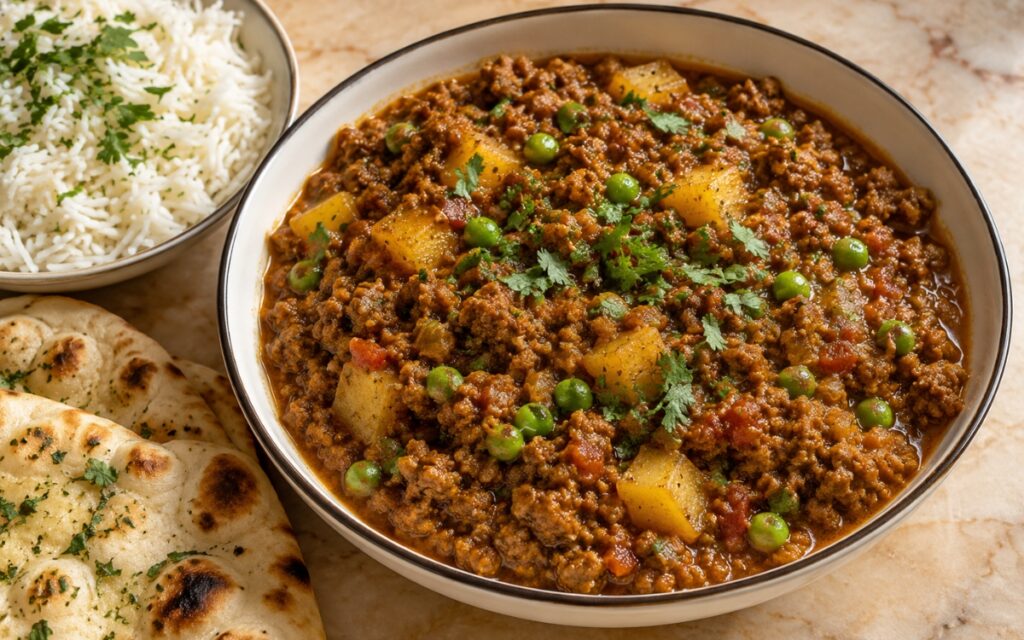
Lamb Keema Curry
Classical lamb keema curry with finely crumbled lamb in a deeply flavored tomato-onion masala with peas and potatoes, served with rice and naan.
-
Vietnamese Chicken Curry / Cà Ri Gà
Chicken thighs, potatoes and carrots simmered in a golden lemongrass coconut curry broth, served with jasmine rice, cilantro and cracked black pepper.
-
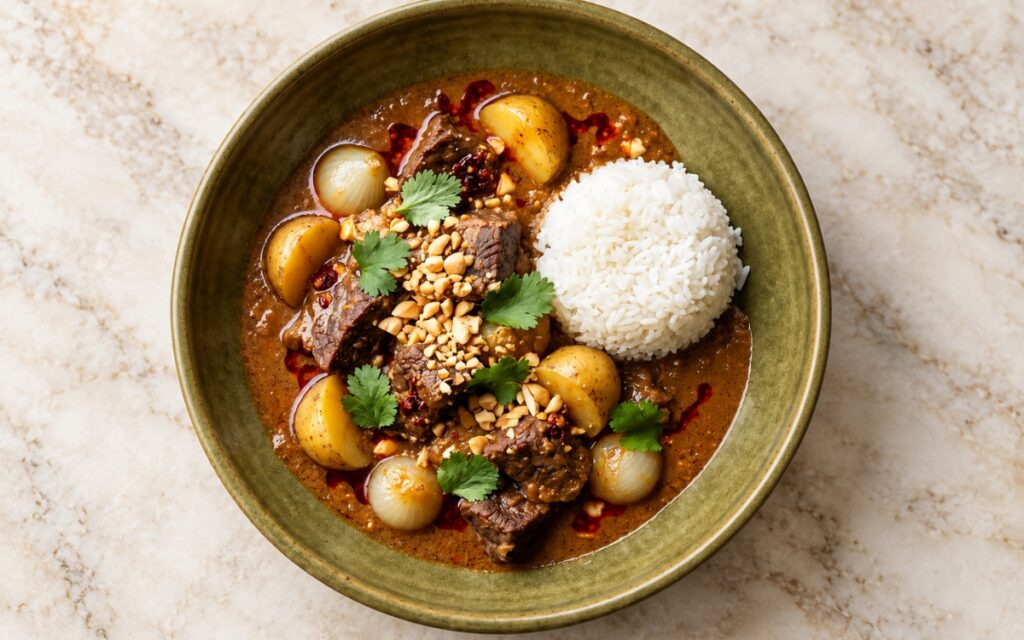
Massaman Beef Curry
Beef chuck braised in a rich, spiced coconut massaman sauce with baby potatoes, pearl onions and peanuts, served with jasmine rice.

-
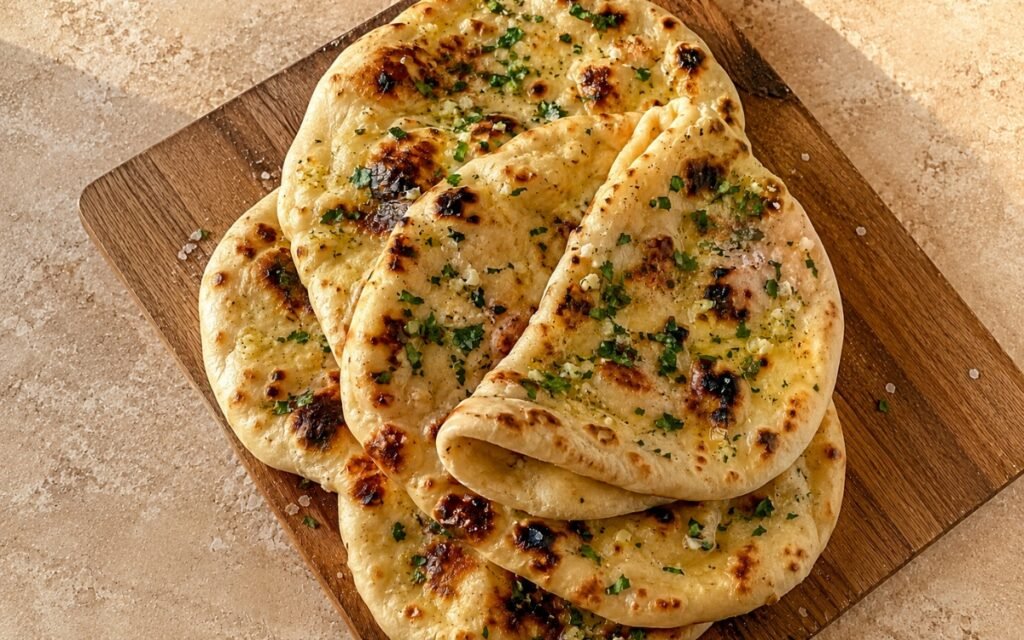
Homemade Garlic Butter Naan
Soft homemade naan cooked in a hot skillet until puffed, blistered, and lightly charred, then brushed with glossy garlic butter.
-
Keema Naan
Soft, blistered naan stuffed with a dry, deeply seasoned keema filling, served with a simple yogurt chutney.
-
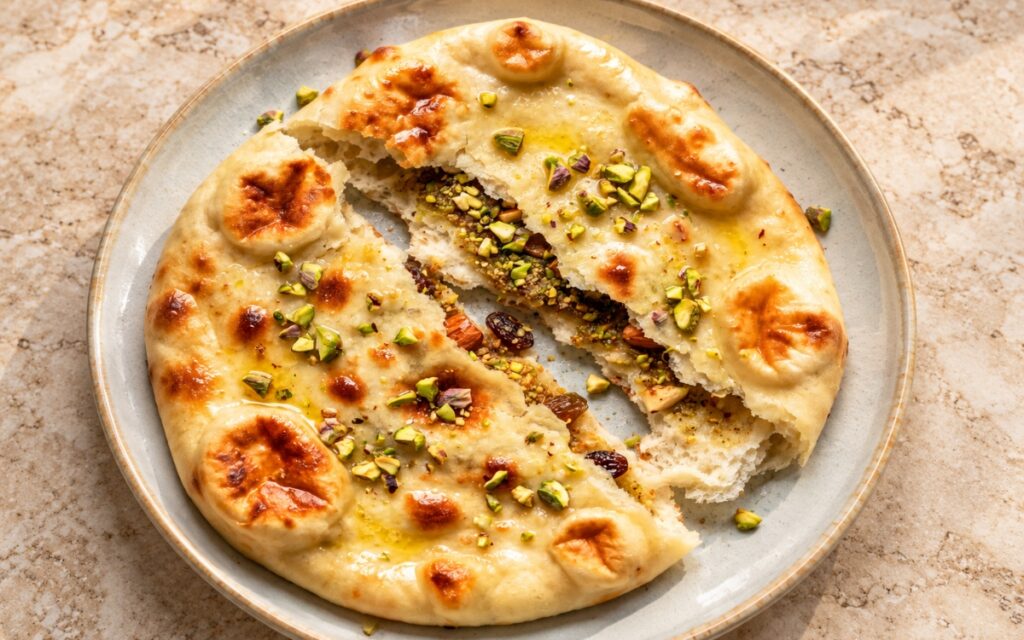
Peshwari Naan
Soft, slightly chewy naan stuffed with a classic sweet nut filling of coconut, almonds, raisins, and cardamom.