
Taiwanese Three Cup Chicken (San Bei Ji)
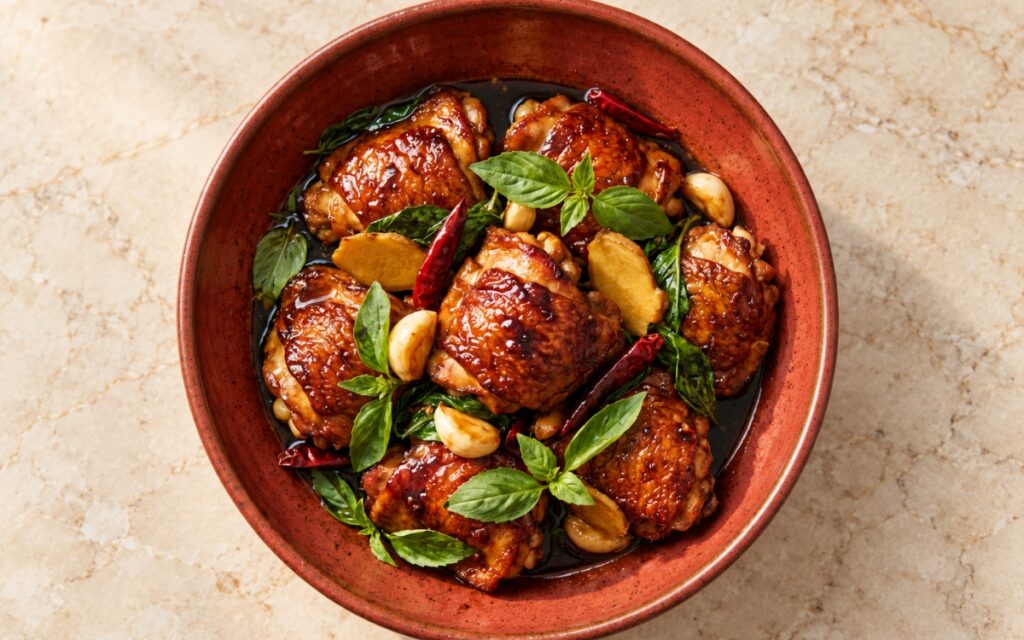
A classic Taiwanese braised stir-fry of bone-in, skin-on chicken thighs cooked with thick ginger coins, whole garlic cloves, dried red chilies, soy sauce, rice wine, and toasted sesame oil, then finished with a generous toss of Thai basil, the key being a dark, syrupy glaze against fresh, aromatic leaves. Reducing the soy-wine braise uncovered until it clings to the chicken as a glaze, rather than thickening it with cornstarch, is the technique this whole dish depends on for its glossy finish — a watery sauce dilutes the sesame and wine aroma and leaves the skin pale and soft, the same reduce-until-it-clings principle used elsewhere in this collection whenever a braising liquid must become a glaze. Browning the chicken skin-side down in a single layer, without moving it, is what builds the deep caramelised colour and rendered fat that the whole braise rests on. Frying the ginger, whole garlic, and dried chilies briefly before the liquid goes in is what perfumes the oil and softens the garlic without letting it burn. The payoff is a Three Cup Chicken with real, rustic depth — deeply browned glazed pieces, soft whole garlic cloves, aromatic ginger and chilies, and fresh Thai basil over a small pool of dark, glossy sauce.
Prep Time : 15 min
Total Time : 50 min
Servings : 4
15 min
50 min
4
Ingredients
For the Chicken
• 1,200g bone-in, skin-on chicken thighs, chopped through the bone into large serving pieces
• Or 1,000g skin-on boneless chicken thighs, cut into large chunks, if easier
For the Aromatics
• 60g fresh ginger, sliced into thick coins
• 12–14 whole garlic cloves, peeled
• 8–12 dried red chilies, whole
• 40–50g fresh Thai basil leaves, picked from the stems
For the Sauce and Braising Base
• 60ml toasted sesame oil
• 80ml light soy sauce
• 20ml dark soy sauce
• 80ml Shaoxing wine or Taiwanese rice wine
• 1–2 tsp sugar, optional, only if needed to round the bitterness and saltiness
Optional Finishing Adjustments
• 1–2 tbsp water, only if the pan reduces too fast
• Extra Thai basil leaves, for the final toss, if needed
Directions
- Prep the Chicken
Pat the 1,200g of chicken thighs very dry with paper towels, pressing into the skin and the cut edges. If using bone-in thighs, chop them through the bone into large serving pieces, keeping the skin attached; if using the 1,000g of boneless thighs, cut them into large, chunky pieces rather than small cubes. Slice the 60g of ginger into thick coins, peel the 12–14 garlic cloves, and pick the 40–50g of basil leaves from the stems. That thorough drying is what lets the skin brown instead of steam and gives the glaze something to cling to. - Mix the Sauce
In a small bowl, combine the 80ml of light soy sauce, the 20ml of dark soy sauce, and the 80ml of Shaoxing wine or Taiwanese rice wine. Keep the 60ml of toasted sesame oil separate for cooking, and set the basil aside, since it only goes in at the very end. The mixture should look dark and savoury, ready to reduce into something glossy rather than pale or watery. That separation of the sesame oil from the sauce is what lets the oil fry and brown the chicken first and perfume the whole pan. - Sear the Chicken
Heat a wok, sauté pan, or wide braising pan over medium to medium-high heat and add the 60ml of toasted sesame oil, lowering the heat slightly if it begins to smoke. Lay the chicken in skin-side down in a single layer and cook undisturbed for 4–6 minutes, until the skin is deeply browned. Turn the pieces and brown the other side for 2–3 minutes more, working in batches if the pan is crowded and returning everything to the pan afterwards. Spoon off rendered fat only if there is clearly too much. That real colour on the skin is what supplies the caramelised flavour the finished glaze depends on. - Fry the Aromatics
Lower the heat slightly and add the ginger coins, the 12–14 whole garlic cloves, and the 8–12 dried red chilies to the pan around the chicken. Fry for 1–2 minutes, turning occasionally, until the ginger is fragrant, the garlic softens and begins to turn lightly golden, and the chilies darken slightly while staying red rather than black. If anything colours too quickly, slide it to a cooler part of the pan. That brief fry is what perfumes the oil with ginger and chili before the liquid goes in, without letting the garlic burn. - Braise and Reduce
Pour in the soy-wine mixture and bring it to a steady simmer, adding the 1–2 tsp of sugar now if you want to round the bitterness and saltiness. Cook uncovered over medium heat for about 12–18 minutes, turning the chicken occasionally, until it is fully cooked, the sauce has reduced to a thick, shiny glaze, and only a small amount remains pooling in the pan. If the pan dries before the chicken is done, add 1–2 tbsp of water, and check bone-in pieces near the bone, where the meat should reach 74°C / 165°F. That uncovered reduction is what lets the sauce thicken naturally and cling to the chicken instead of staying soupy. - Add the Basil
Turn the heat up to medium-high if needed, add the 40–50g of Thai basil, and toss rapidly for 20–40 seconds, just until the leaves wilt and smell fragrant. Remove the pan from the heat immediately. Add a few extra basil leaves for the final toss only if the pan looks sparse, because the basil is a defining part of the dish and a generous amount is intended. That short, fast toss is what keeps the leaves aromatic instead of dull and overcooked. - Serve
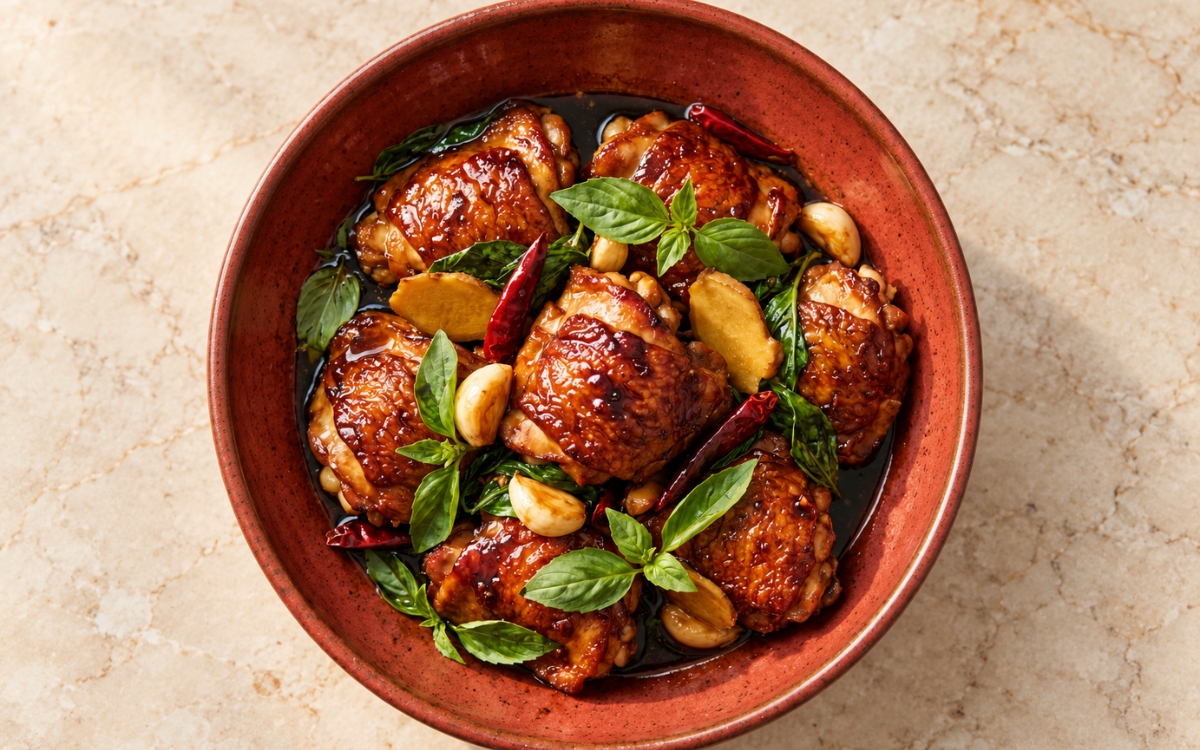
Transfer the chicken and everything in the pan to a serving bowl or plate while it is still hot. The dish should visibly include deeply browned glazed chicken pieces, whole garlic cloves, thick ginger slices, whole dried red chilies, abundant Thai basil leaves, and a small amount of dark glossy sauce at the bottom. Serve with plain steamed white rice to catch the glaze. That rustic, chunky presentation is what shows the sauce was properly reduced rather than left loose.
*Notes :
- Reducing the sauce by evaporation alone deserves genuine recognition as the technique most directly responsible for whether this dish ends glossy and dark or pale and watery. The recipe’s own explicit instruction that “the sauce should thicken naturally by reduction” reflects the fact that cornstarch would mute the sesame and wine aroma, whereas evaporation concentrates the soy, wine, and rendered chicken fat into a syrupy coating.
- Browning the skin properly deserves the same attention this technique receives throughout this collection’s other seared and braised dishes. Dry skin laid face down in a single layer of hot sesame oil renders and caramelises over 4–6 minutes, whereas crowded or damp pieces steam and turn pale, leaving the finished glaze without its roasted depth.
- Adding the Thai basil only at the end deserves genuine respect as the detail most directly responsible for the dish’s fresh, anise-like perfume. The leaves need only 20–40 seconds in the heat of the pan, since longer cooking turns them dull and strips away the very aroma that balances the savoury soy and sesame, which is why it goes in last.
- Checking doneness near the bone deserves attention as a genuine, checkable readiness cue rather than a judgement based on the glaze alone. A glaze can look finished before the meat beside the bone reaches 74°C / 165°F, so a quick check there, with a splash of water if the pan dries, confirms the chicken is cooked through as the sauce tightens.
Why This Recipe Works
This recipe works because large, bone-in, skin-on thighs are dried and browned deeply in toasted sesame oil, building caramelised flavour and rendered fat before any liquid goes in. Ginger, whole garlic, and dried chilies are fried briefly in that oil, perfuming it without burning. A soy-wine braise then reduces uncovered until it thickens naturally into a dark, syrupy glaze, with no cornstarch needed. Thai basil is tossed through for seconds at the end, so it wilts but keeps its bright aroma. The result is rich, glossy, savoury chicken with soft garlic and a small pool of concentrated sauce.
Ingredient Breakdown
Uncovered Reduction (No Cornstarch)
The critical technique — simmering without a lid evaporates the liquid until the soy, wine, and fat cling to the chicken as a syrupy glaze.
Bone-In, Skin-On Thighs (Large Pieces)
The structural foundation — dark meat on the bone stays juicy through the reduction, while the browned skin enriches the sauce.
Toasted Sesame Oil
The defining flavour ingredient — it browns the chicken and carries a nutty, toasted perfume through the entire braise.
Light and Dark Soy with Rice Wine
The flavour foundation — light soy gives savoury salt, dark soy adds colour, and the wine lifts and rounds the glaze.
Thick Ginger and Whole Garlic
The core flavour-building stage — large pieces perfume the oil without burning, and the garlic softens into sweet cloves meant to be eaten.
Dried Red Chilies (Whole)
The aromatic accent — they darken in the oil and give fragrant warmth rather than sharp, aggressive heat.
Thai Basil (Added Last)
The finishing touch — tossed in for seconds, it adds a sweet, anise-like freshness that cuts through the rich glaze.
Flavor Structure Explained
This Taiwanese Three Cup Chicken follows a layered balance model:
- Rich, savoury foundation (bone-in chicken thighs, rendered skin fat)
- Nutty, toasted depth (toasted sesame oil, dark soy sauce)
- Salty-sweet glaze (light soy sauce, Shaoxing wine, optional sugar)
- Warm, aromatic backbone (ginger coins, whole garlic cloves, dried red chilies)
- Fresh, anise-like lift (Thai basil)
Bone-in chicken thighs and their rendered skin fat give the dish a rich, savoury foundation that carries every other flavour. Toasted sesame oil and dark soy add nutty depth, while light soy, wine, and the optional sugar reduce into a salty-sweet glaze. Ginger, garlic, and chilies supply a warm, aromatic backbone, and the garlic softens until it can be eaten whole. Thai basil finishes the pan with a fresh lift that ties the Three Cup Chicken together.
Common Mistakes to Avoid
- Crowding the Pan – This steams the chicken instead of searing it, leaving pale skin and no caramelised base. Always brown the pieces in batches if they cannot lie in a single layer.
- Thickening With Cornstarch – This turns the sauce gluey and dulls the sesame and wine aroma. Always let the braise thicken naturally by uncovered reduction until it clings and shines.
- Burning the Aromatics – This makes the garlic and chilies bitter and taints the whole glaze. Always lower the heat slightly and fry them for only 1–2 minutes, keeping the chilies red.
- Adding the Basil Too Early – This cooks the leaves dull and dark, losing the fresh perfume. Always toss them in for only 20–40 seconds at the end, then remove the pan from the heat.
- Letting the Pan Dry Out – This scorches the glaze before the chicken is cooked through near the bone. Always add 1–2 tbsp of water if the pan reduces too fast, and check doneness at the bone.
Variations
Boneless Thigh Version
Use 1,000g of skin-on boneless thighs cut into large chunks, per the recipe’s own alternative, for easier eating, though the sauce is slightly less rich without the bone.
Sweet Basil Version
Swap in sweet basil when Thai basil is unavailable, per the recipe’s own note that it can work, accepting a milder, less anise-like perfume than the classic profile.
Milder Heat Version
Use only 8 dried red chilies and keep them whole, so they give aromatic warmth rather than strong spiciness, for a gentler braise that suits more cautious eaters.
Rounded Sweetness Version
Stir the optional 1–2 tsp of sugar into the braise as it comes to a simmer to soften the bitterness and saltiness, giving a rounder, slightly stickier glaze.
Storage & Make-Ahead
Chop the thighs into large pieces up to 1 day ahead and refrigerate them covered, then pat them completely dry again just before searing so the skin browns instead of steaming.
Mix the light soy, dark soy, and wine up to 2 days ahead in a covered jar in the refrigerator, but peel the garlic, slice the ginger, and pick the basil on the day of cooking.
Serve the chicken as soon as the basil has wilted, since the leaves are most fragrant and the glaze most glossy straight from the pan, and the dish loses its freshness quickly as it sits.
Cool any leftovers promptly and refrigerate them in an airtight container for up to 3 days, with the chicken still coated in its glaze, where the whole garlic cloves and sauce continue to deepen in flavour overnight.
Reheat leftovers gently in a covered pan over low to medium heat with 1–2 tbsp of water until steaming hot throughout, then toss in a few fresh basil leaves to revive the aroma.
Frequently Asked Questions
Why does the chicken need to be patted dry and left undisturbed skin-side down?
Surface moisture turns to steam and keeps the skin pale, while dry skin on hot sesame oil browns and renders its fat. Leaving it alone for 4–6 minutes builds the caramelised colour the finished glaze depends on.
Why is the sauce reduced uncovered instead of being thickened with cornstarch?
Evaporation concentrates the soy, wine, and rendered fat into a syrupy glaze that clings to the skin, whereas cornstarch turns it gluey and mutes the sesame and wine aroma. About 12–18 minutes of uncovered simmering does the work.
Why does the Thai basil go in only at the very end?
The delicate leaves lose their sweet, anise-like perfume within moments of sustained heat and turn dull and dark. A rapid 20–40 second toss just wilts them, keeping them fragrant and bright against the dark glaze.
Why are the ginger and garlic left in thick coins and whole cloves?
Large pieces survive the 12–18 minute braise without burning, so they perfume the oil and soften into the glaze rather than turning bitter. The whole cloves become soft and sweet, and are meant to be eaten with the chicken.
Are there other classic Taiwanese, Chinese, or Thai soup, stir-fry, or salad dishes worth trying?
Taiwanese Beef Noodle Soup offers another classic Taiwanese direction worth exploring, and Kung Pao Chicken is also worth trying for another chicken stir-fry. Pad Krapao — Thai Basil Stir-Fry and Chinese Five-Spice Chicken Thighs are also worth trying, and Chinese Cabbage Salad with Sesame Dressing offers a crisp salad direction.
Nutrition Facts
( Per Serving — 1 chicken portion )
Calories
~540 kcal
Protein
36 g
Fat
38 g
Carbs
12 g
Calories
~540 kcal
Protein
36 g
Fat
38 g
Carbs
12 g
Related Recipes
Related Recipes
-

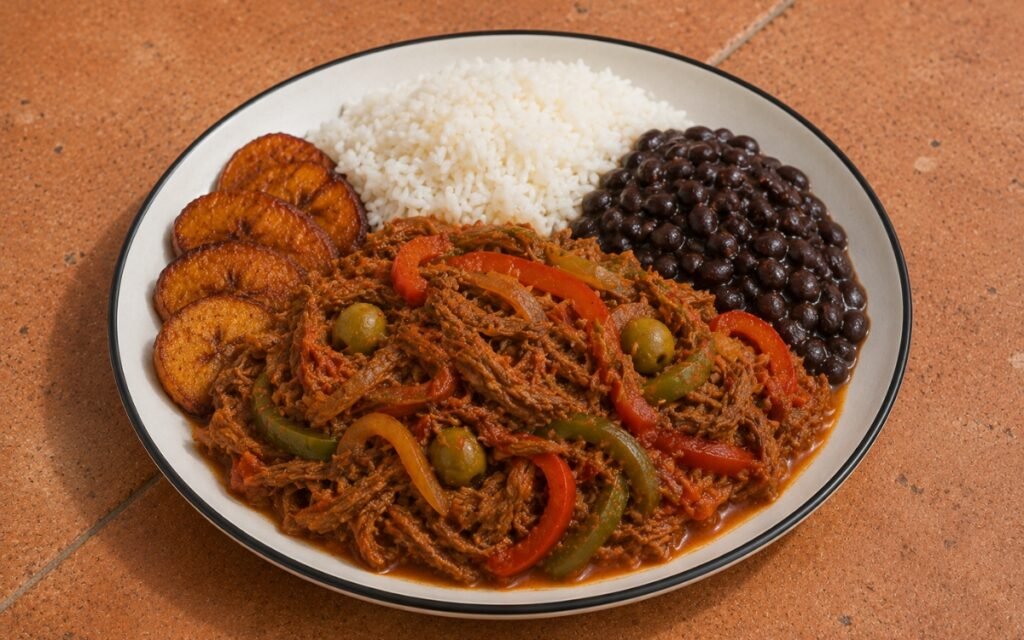
Ropa Vieja Cubana
Slow-braised, shredded beef simmered in a rich tomato sauce with peppers, onion, and green olives, served with white rice, black beans, and fried plantains.
-
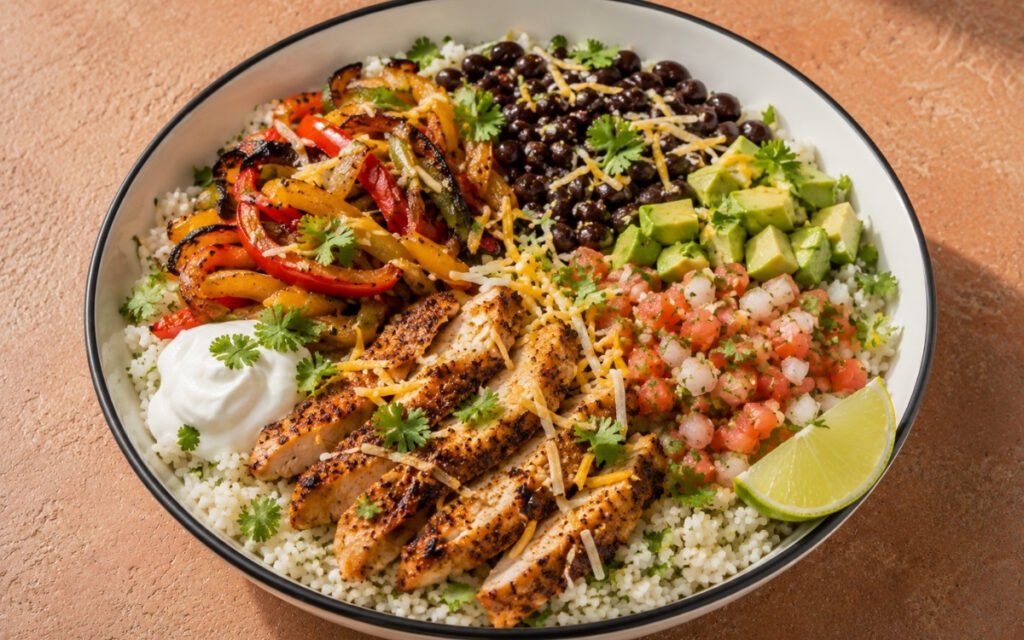
Chicken Fajita Rice Bowl
Charred chicken and peppers over cilantro-lime rice with black beans and fresh toppings.
-
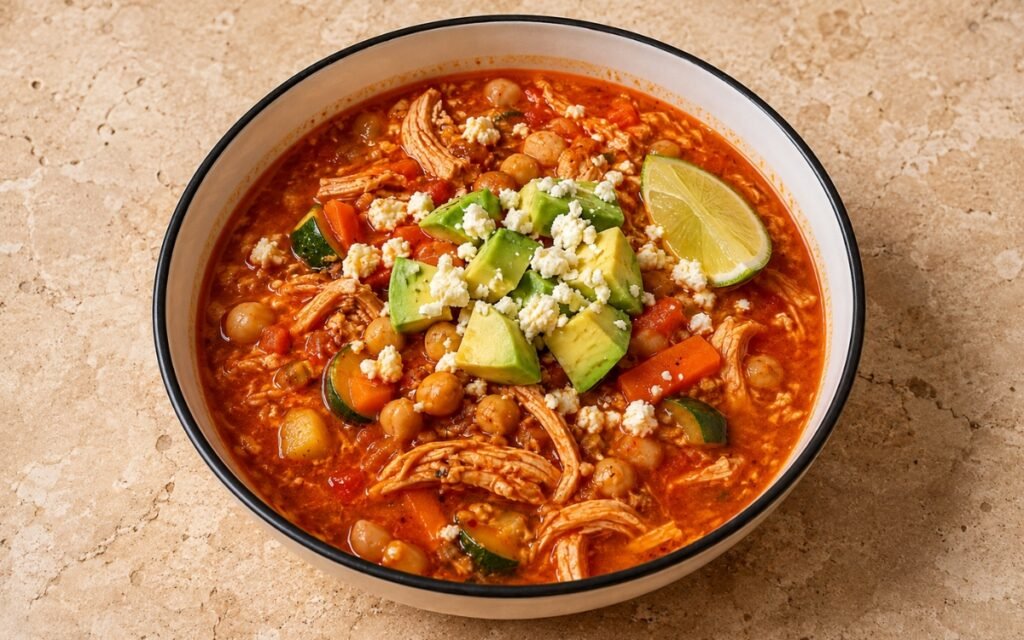
Caldo Tlalpeño
A clear chipotle-tomato chicken broth with shredded chicken, chickpeas, carrots, and zucchini, finished with avocado and queso fresco.
You might also like
You might also like
-
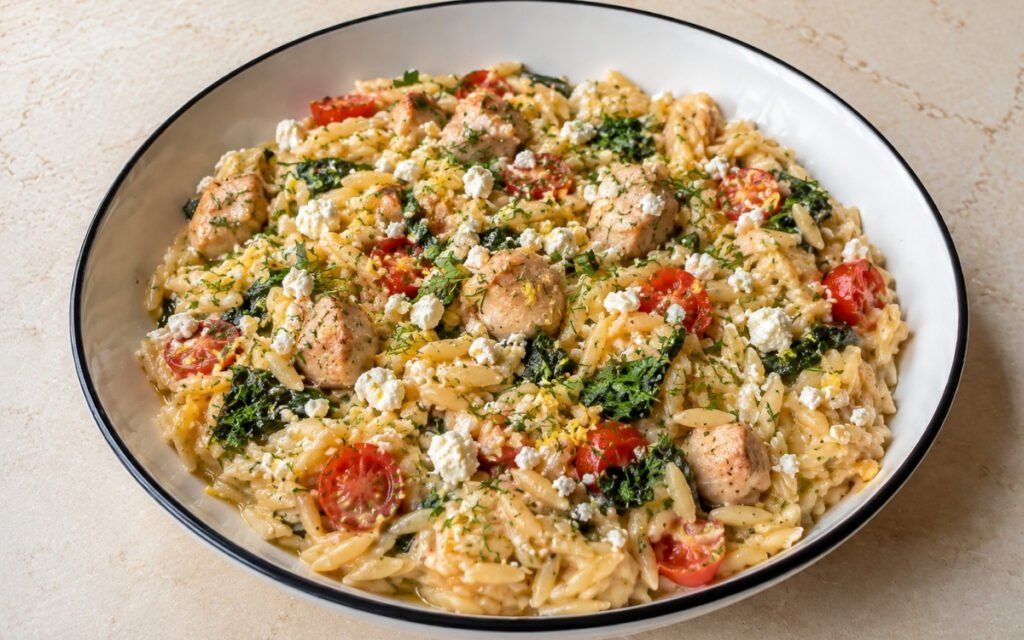
Fresh Lemon Chicken Orzo
Seared chicken thighs simmered in lemony stock with feta, spinach, and dill — one pan, 40 minutes.
-
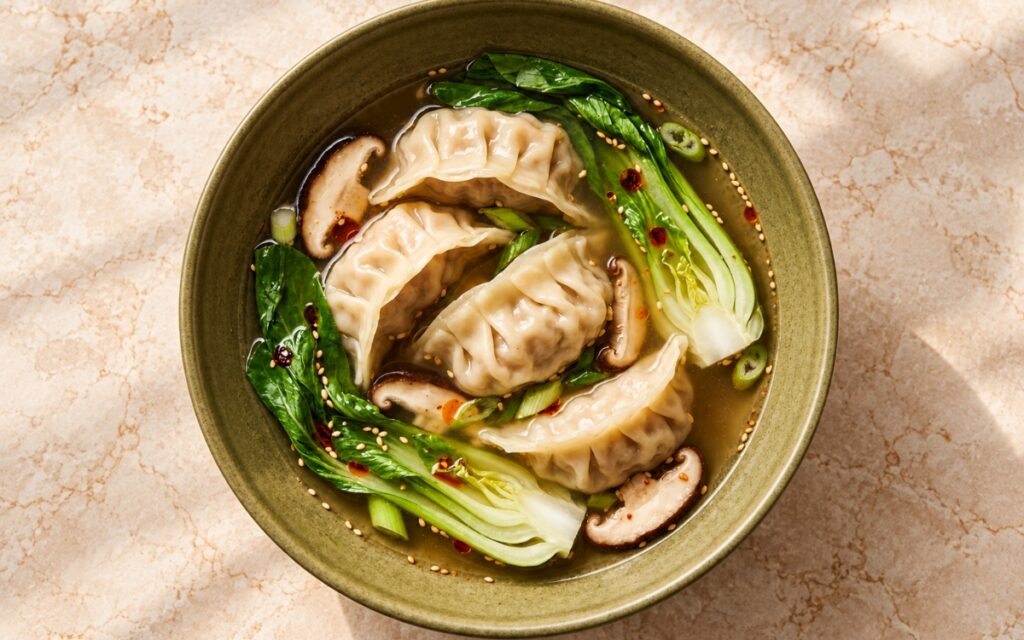
Japanese Gyoza Soup
Delicate chicken gyoza in a clear golden broth with baby bok choy, shiitake, scallion, sesame seeds, and a few drops of chili oil.
-
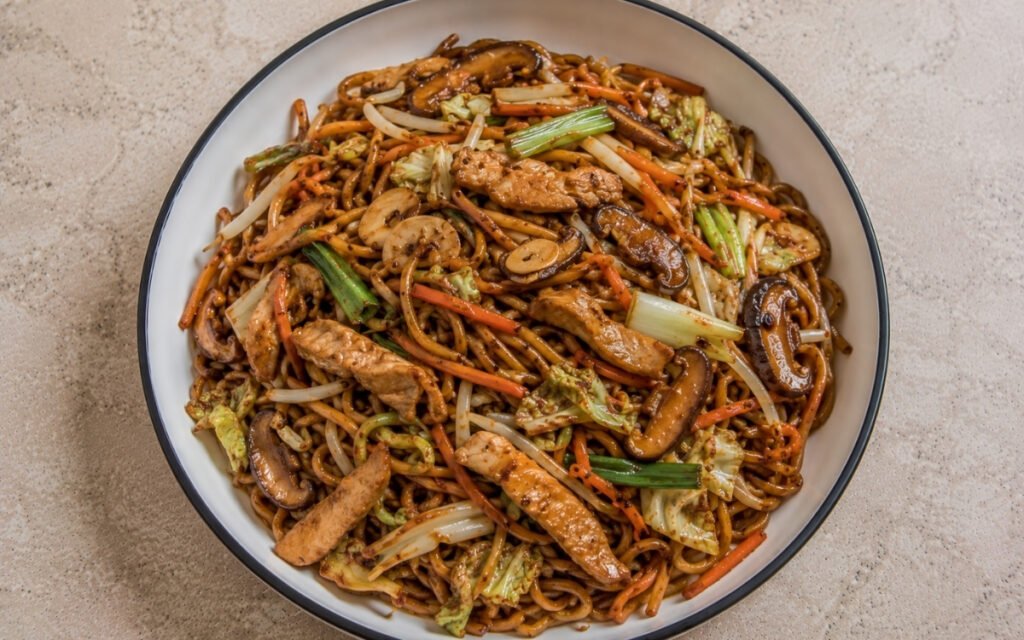
Easy Chicken Chow Mein Noodles
Hong Kong egg noodles crisped in a smoking-hot wok with seared chicken and vegetables — four-component soy sauce, cornstarch glaze, 35 minutes.
Taiwanese Three Cup Chicken (San Bei Ji)
Ingredients
Method
- Pat the 1,200g of chicken thighs very dry with paper towels, pressing into the skin and the cut edges. If using bone-in thighs, chop them through the bone into large serving pieces, keeping the skin attached; if using the 1,000g of boneless thighs, cut them into large, chunky pieces rather than small cubes. Slice the 60g of ginger into thick coins, peel the 12–14 garlic cloves, and pick the 40–50g of basil leaves from the stems. That thorough drying is what lets the skin brown instead of steam and gives the glaze something to cling to.
- In a small bowl, combine the 80ml of light soy sauce, the 20ml of dark soy sauce, and the 80ml of Shaoxing wine or Taiwanese rice wine. Keep the 60ml of toasted sesame oil separate for cooking, and set the basil aside, since it only goes in at the very end. The mixture should look dark and savoury, ready to reduce into something glossy rather than pale or watery. That separation of the sesame oil from the sauce is what lets the oil fry and brown the chicken first and perfume the whole pan.
- Heat a wok, sauté pan, or wide braising pan over medium to medium-high heat and add the 60ml of toasted sesame oil, lowering the heat slightly if it begins to smoke. Lay the chicken in skin-side down in a single layer and cook undisturbed for 4–6 minutes, until the skin is deeply browned. Turn the pieces and brown the other side for 2–3 minutes more, working in batches if the pan is crowded and returning everything to the pan afterwards. Spoon off rendered fat only if there is clearly too much. That real colour on the skin is what supplies the caramelised flavour the finished glaze depends on.
- Lower the heat slightly and add the ginger coins, the 12–14 whole garlic cloves, and the 8–12 dried red chilies to the pan around the chicken. Fry for 1–2 minutes, turning occasionally, until the ginger is fragrant, the garlic softens and begins to turn lightly golden, and the chilies darken slightly while staying red rather than black. If anything colours too quickly, slide it to a cooler part of the pan. That brief fry is what perfumes the oil with ginger and chili before the liquid goes in, without letting the garlic burn.
- Pour in the soy-wine mixture and bring it to a steady simmer, adding the 1–2 tsp of sugar now if you want to round the bitterness and saltiness. Cook uncovered over medium heat for about 12–18 minutes, turning the chicken occasionally, until it is fully cooked, the sauce has reduced to a thick, shiny glaze, and only a small amount remains pooling in the pan. If the pan dries before the chicken is done, add 1–2 tbsp of water, and check bone-in pieces near the bone, where the meat should reach 74°C / 165°F. That uncovered reduction is what lets the sauce thicken naturally and cling to the chicken instead of staying soupy.
- Turn the heat up to medium-high if needed, add the 40–50g of Thai basil, and toss rapidly for 20–40 seconds, just until the leaves wilt and smell fragrant. Remove the pan from the heat immediately. Add a few extra basil leaves for the final toss only if the pan looks sparse, because the basil is a defining part of the dish and a generous amount is intended. That short, fast toss is what keeps the leaves aromatic instead of dull and overcooked.
- Transfer the chicken and everything in the pan to a serving bowl or plate while it is still hot. The dish should visibly include deeply browned glazed chicken pieces, whole garlic cloves, thick ginger slices, whole dried red chilies, abundant Thai basil leaves, and a small amount of dark glossy sauce at the bottom. Serve with plain steamed white rice to catch the glaze. That rustic, chunky presentation is what shows the sauce was properly reduced rather than left loose.