Turkish Lentil Soup / Mercimek Çorbası
Turkish lentil soup, or mercimek çorbası, is a smooth, golden-orange soup of red split lentils, onion, carrot, and potato gently simmered in a lightly seasoned stock until completely tender, then blended into a silky, velvety bowl and finished with a swirl of foaming butter infused with pul biber and dried mint and a fresh lemon wedge, the key being the contrast between a mellow, earthy soup and a sharp, spicy, aromatic butter. Simmering the lentils until they have almost completely broken down and then blending the soup smooth, rather than stopping while they are still intact, is the technique this whole soup depends on for its velvety body — undercooked lentils leave a gritty, grainy texture that no amount of blending fixes, the same cook-it-fully-then-purée principle used elsewhere in this collection whenever a pulse must turn creamy without cream. Sweating the vegetables without browning is what keeps the colour bright golden. Adding the spiced butter at the end is what lifts the flavour. The payoff is a mercimek çorbası with real, comforting depth — silky, earthy, gently sweet, and finished with a fiery, minty swirl.

- Prep Time : 15 min
- Total Time : 53 min
- Servings : 4
Ingredients
For the Turkish Red Lentil Soup
- 220g dried red split lentils
- 1 medium yellow onion (150g), finely chopped
- 1 medium carrot (110g), peeled and diced
- 1 small floury potato (120g), peeled and diced
- 20g unsalted butter
- 15ml olive oil
- 15g tomato paste, or mild Turkish red pepper paste (biber salçası)
- ½ tsp ground cumin
- 1.2 litres light chicken stock or vegetable stock, preferably low-sodium
- 100–250ml additional hot water or stock, as needed to adjust consistency
- 6–8g fine sea salt, adjusted to the stock
- ¼ tsp freshly ground black pepper
For the Traditional Pul Biber and Mint Butter
- 30g unsalted butter
- 1 tsp Turkish pul biber (mild Turkish red pepper flakes)
- 1 tsp dried mint (kuru nane)
- ¼ tsp sweet paprika, optional, for a deeper reddish-orange butter
For Serving
- 1 large lemon, cut into 4 wedges
- ½ tsp additional dried mint, for a light finishing sprinkle
- Fresh Turkish bread or crusty white bread, optional
Directions
- Rinse the Red Lentils
Put the 220g of red split lentils in a fine-mesh sieve and rinse them thoroughly under cold running water, stirring gently with your fingers, until the water runs noticeably clearer. Pick through them for debris or damaged pieces, then leave them to drain thoroughly while you prepare the vegetables. The rinsed lentils should look bright and free of dust. That rinsing is what removes the surface starch and dust that would otherwise cloud the soup and give it a dull, slightly bitter edge. - Sweat the Onion, Carrot, and Potato
Set a medium-large, heavy-bottomed saucepan over medium heat and add the 20g of butter and 15ml of olive oil, letting the butter melt and foam gently. Cook the finely chopped onion for 4–5 minutes, stirring occasionally, until soft and translucent, then add the diced carrot and potato and cook for 3–4 minutes more, stirring often. The vegetables should soften slightly but stay pale, so lower the heat if the onion starts to brown at the edges. That gentle sweating is what builds sweetness without dulling the golden colour. - Cook the Paste and Cumin
Lower the heat to medium-low, add the 15g of tomato paste or red pepper paste, and stir it thoroughly into the softened vegetables. Cook for about 1 minute until fragrant, then add the ground cumin and stir for another 15–20 seconds. Scrape the base of the pan to work in any lightly concentrated paste so that nothing catches. The mixture should smell sweet, savoury, and warm rather than raw. That brief cooking is what removes the raw edge of the paste and wakes up the cumin. - Simmer the Lentils Until Completely Tender
Add the rinsed lentils to the pan and stir to coat them in the aromatic vegetables, then pour in the 1.2 litres of stock and stir, loosening any paste from the base. Bring the soup to a gentle boil over a higher heat, skim off any excessive foam, then reduce the heat to low or medium-low and partly cover. Simmer for 25–30 minutes, stirring every 5–7 minutes and checking the bottom often in the last 10 minutes, until the lentils have almost completely broken down and the carrot and potato crush easily. That slow simmer is what makes the lentils collapse into a creamy base. - Blend into a Smooth Golden Soup
Take the pan off the heat and let the bubbling settle for 1–2 minutes. With an immersion blender, keeping the blade submerged and moving it slowly, blend for 2–3 minutes until no pieces of lentil or vegetable remain. Check the consistency with a ladle and add hot water or stock about 50ml at a time, blending briefly after each addition, until it is as thick as you like. For a very silky, restaurant-style finish, pass the soup through a fine sieve and return it to the pan. That thorough blending is what gives the velvety body. - Adjust the Consistency and Final Seasoning
Put the blended soup over low heat and add the salt gradually, tasting between additions, then stir in the black pepper. Let the soup warm gently for 3–5 minutes and check the consistency again, adding hot stock or water in small amounts if it is too thick and stirring until it is uniform. Taste and adjust the cumin or salt only if necessary, then keep the soup warm over very low heat while you make the butter. Salting at the end is what avoids over-seasoning, because the stock and paste already contain salt. - Prepare the Traditional Pul Biber and Mint Butter
Put a small saucepan or frying pan over low heat, melt the 30g of butter completely, and let it foam gently. When the foam begins to subside, add the pul biber and the sweet paprika if using, and stir for 10–15 seconds until the butter turns a fragrant reddish orange. Stir in the dried mint for another 5–10 seconds, then take the pan off the heat at once, letting the residual heat finish releasing the aromas, and keep the butter warm and fluid until serving. That short, gentle cooking is what blooms the flavours without burning them. - Assemble the Four Soup Bowls
Warm four deep bowls if you like, stir the soup thoroughly, and ladle about 350–400ml of the hot soup into each. Let the surface settle for a moment, stir the butter to redistribute the spices, and spoon about one-quarter of it over each bowl, moving the spoon in a loose circle for an irregular swirl that leaves tiny chilli and mint particles visible. Add a very small pinch of extra dried mint and place a lemon wedge against the inner edge of each bowl. That swirl is what carries the heat and aroma into the first spoonful. - Serve the Mercimek Çorbası
Serve the soup hot, with a lemon wedge in each bowl, and encourage everyone to squeeze a little lemon juice into the soup just before eating. Offer warm Turkish bread or crusty white bread alongside if you like, and stir the soup gently before eating to blend the pepper butter and the lemon through the golden base. That squeeze of lemon is what brightens the earthy lentils and balances the richness of the butter.
*Notes :
- Simmering the lentils until they have almost completely collapsed deserves genuine recognition as the technique most directly responsible for a smooth, velvety soup. Red split lentils break down quickly and release starch that thickens the stock naturally, so when they are cooked fully they blend into a creamy base, whereas undercooked lentils stay slightly firm and give a gritty, grainy texture.
- Adding the small floury potato deserves the same attention this technique receives throughout this collection’s other blended pulse and vegetable soups. The potato contributes starch that adds body and smoothness without noticeably changing the flavour, so the soup tastes of lentil and carrot while feeling rich and creamy, whereas leaving it out gives a thinner soup that separates more easily.
- Finishing with a separate pul biber and mint butter deserves genuine respect as the detail most directly responsible for the soup’s distinctive Turkish character. Warming the flakes briefly in foaming butter releases their colour, heat, and aroma into the fat, which then floats on the surface and perfumes each spoonful, whereas stirring the spices into the pot dulls their flavour in a bland, uniform soup.
- Adjusting the consistency with small additions of hot water or stock deserves attention as a genuine, checkable cue rather than a loose approximation. A ladle of soup should flow freely but coat the back of the spoon, because lentil soup thickens as it stands, so adding about 50ml at a time lets you stop at exactly the texture you want.
Why This Recipe Works
This recipe works because every step builds a smooth, balanced base for the finishing butter. Rinsed red lentils and gently sweated vegetables give a clean, sweet, golden foundation without any bitterness, and a small amount of paste and cumin adds depth without darkening it. A long, gentle simmer breaks the lentils down fully, and blending turns the whole pot into a velvety soup with natural body. The foaming pul biber and mint butter and a squeeze of lemon then add heat, aroma, and brightness, so each spoonful moves from earthy and sweet to spicy, minty, and tangy, with no cream or flour needed for the silky body.
Ingredient Breakdown
Red Split Lentils (220g)
The structural foundation — they cook quickly, break down naturally, and give the soup its golden colour and creamy body.
Sweated Onion, Carrot, and Potato
The flavour foundation — gentle cooking draws out sweetness while the potato adds starch for body.
Tomato or Red Pepper Paste (15g)
The core flavour-building stage — cooking it briefly adds a savoury depth and a faint reddish tint.
Immersion Blending
The critical technique — blending the cooked soup completely turns the lentils and vegetables into a smooth, velvety purée.
Pul Biber and Mint Butter
The finishing technique — foaming butter infused with pepper flakes and dried mint gives the soup its signature swirl.
Fresh Lemon Wedge
The finishing touch — a squeeze of juice at the table brightens the earthy lentils and balances the butter.
Flavor Structure Explained
This Turkish lentil soup follows a layered balance model:
- Earthy, mellow foundation (red split lentils and light stock)
- Sweet, soft body (sweated onion, carrot, and potato)
- Savoury, warm depth (tomato or pepper paste and ground cumin)
- Fiery, minty accent (pul biber and dried mint butter)
- Bright, tangy finish (fresh lemon juice)
Red lentils and light stock provide the earthy, mellow foundation of the soup, while sweated onion, carrot, and potato add a sweet, soft, rounded body. Tomato or pepper paste with cumin brings a savoury, warm depth, and the pul biber and mint butter adds a fiery, minty accent on top. Fresh lemon juice then adds a bright, tangy finish that cuts the richness and ties this Turkish lentil soup together.
Common Mistakes to Avoid
- Skipping the Lentil Rinse – This leaves dust and surface starch that cloud the soup and add a dull taste. Always rinse until the water runs noticeably clearer.
- Browning the Onion – This darkens the soup and adds a bitter edge to its sweetness. Always sweat it gently until translucent and lower the heat if it colours.
- Stopping the Simmer Too Soon – This leaves some lentils firm so the soup is gritty. Always simmer 25–30 minutes until they have almost fully broken down.
- Salting Heavily at the Start – This overshoots, since stock and paste already carry salt. Always season gradually at the end, tasting between additions.
- Burning the Pepper Butter – This turns the flakes bitter and acrid. Always add them as the foam subsides and take the pan off the heat within seconds.
Variations
Silky Restaurant Version
Pass the blended soup through a fine-mesh sieve before the final seasoning, which removes any remaining fibres and gives an exceptionally smooth, glossy bowl without changing the flavour of the lentils.
Red Pepper Paste Version
Use mild Turkish biber salçası in place of the tomato paste, which gives a rounder, sweeter, slightly smoky pepper flavour while the colour and the rest of the method stay the same.
Vegetable Version
Use vegetable stock in place of chicken stock, which makes a lighter, fully vegetarian soup that still has plenty of flavour from the sweated vegetables, paste, cumin, and the spiced butter.
Bread Version
Serve the soup with warm Turkish bread or crusty white bread for dipping, which turns the bowl into a more substantial meal and soaks up the pepper and mint butter at the end.
Storage & Make-Ahead
The soup can be made a day ahead, cooled promptly, and refrigerated in an airtight container, but it thickens as it stands, so it needs a splash of hot water or stock when reheated.
Make the pul biber and mint butter just before serving, because the butter should be warm, fragrant, and fluid when it is swirled onto the soup rather than reheated or set.
Reheat the soup gently over low heat, stirring often, and add hot water or stock in small amounts until the consistency is smooth and pourable again, without allowing it to boil hard.
Freeze the plain blended soup, without the butter or lemon, in portioned containers, then thaw it overnight and reheat it gently, finishing each bowl with freshly made butter and lemon.
Warm the bowls and serve the soup very hot, with the lemon wedge on the side of each bowl, so the aromas of mint and chilli are at their strongest when it reaches the table.
Frequently Asked Questions
Why must the red lentils simmer until they have almost completely broken down?
Fully cooked red lentils collapse and release starch that blends into a smooth, creamy purée, whereas lentils that are still firm give a gritty texture that blending cannot fully remove.
Why is a small potato added to the soup?
The floury potato adds starch that gives the soup body and smoothness without changing its flavour, so the finished bowl feels rich and creamy even though it contains very little fat and no cream.
Why is the pul biber and mint butter made separately?
Warming the flakes and mint briefly in foaming butter releases their colour, heat, and aroma into the fat, which floats on top and flavours every spoonful, whereas stirring the spices into the pot dulls them.
Why is the soup seasoned only at the end?
The stock and the paste already contain salt, and the soup concentrates as it simmers and thickens, so seasoning gradually at the end gives accurate control and avoids an over-salted, bitter-tasting bowl.
Are there other classic Turkish, lentil, or soup dishes worth trying?
Traditional Turkish Kuru Fasulye offers another classic Turkish simmered pulse dish worth exploring, and Red Lentil Dal Tadka is also worth trying for another red lentil direction. Caldo Tlalpeño offers another comforting soup, while Turkish Ezme and Homemade Pita Flatbread are also worth trying as a Turkish side and a soft bread for the same table.
Nutrition Facts
( Per Serving — 1 bowl )
- Calories
- ~360 kcal
- Protein
- 17 g
- Fat
- 15 g
- Carbs
- 44 g
-

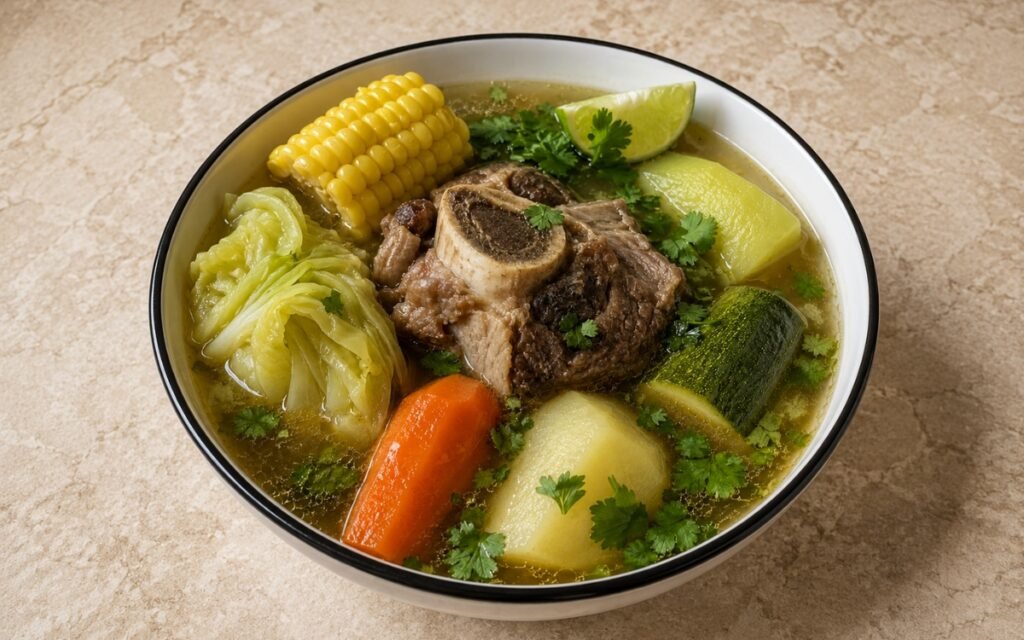
Caldo de Res
A clear, golden Mexican beef soup with gently simmered beef shank and large, staged vegetables — corn, potato, carrot, chayote, zucchini, and cabbage.
-
Traditional Turkish Kuru Fasulye
Turkish white beans simmered in a glossy tomato and sweet pepper paste sauce, served with buttery orzo rice pilav and pickled green peppers.
-
Butter Chicken
Classic butter chicken with charred marinated chicken in a smooth, velvety tomato-cream sauce, served with basmati rice for a complete meal.


-
Brioche Toast Bread
Enriched dough with four eggs and butter added gradually after gluten development — overnight cold-fermented for flavour, three-piece shaped in a loaf pan, baked to a deep golden glossy crust. The brioche built for toast.
-
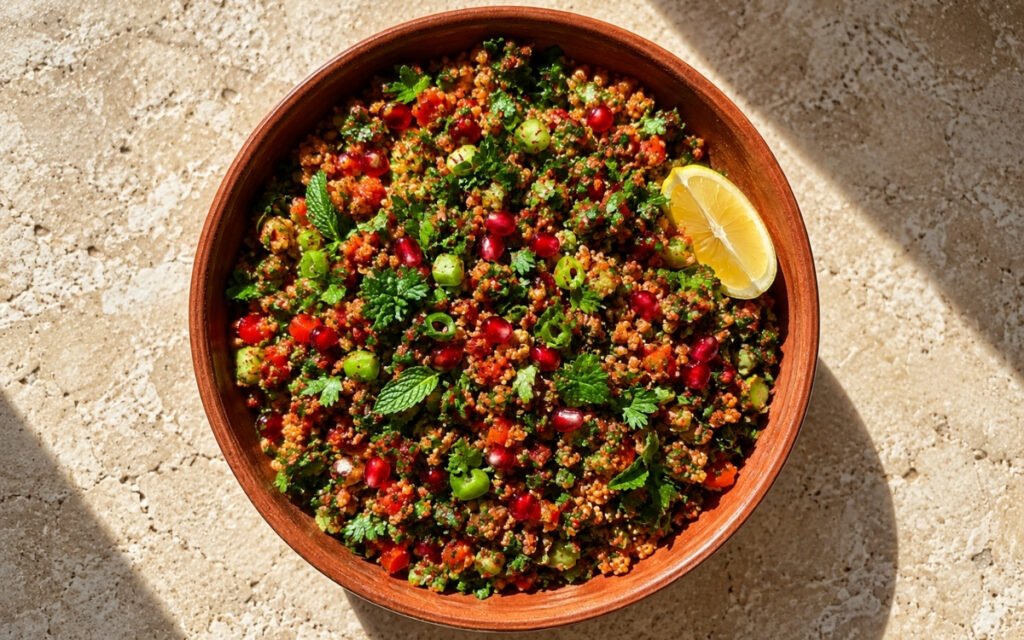
Turkish Bulgur Salad (Kısır)
Fine bulgur softened in hot water, worked with tomato paste, pepper paste, olive oil, lemon, and pomegranate molasses, finished with parsley, mint, and fresh vegetables.
-
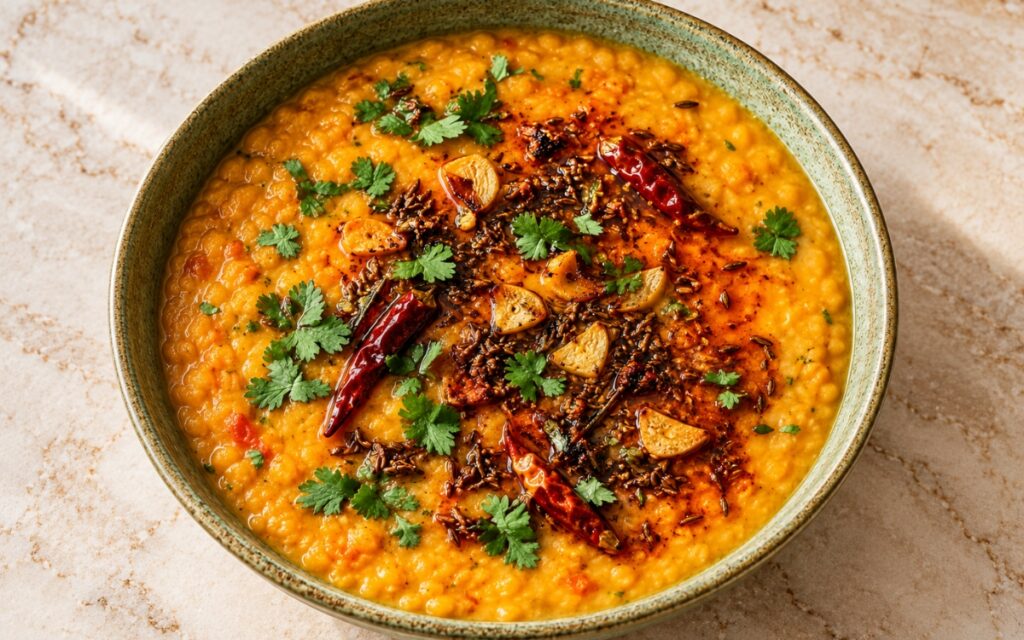
Red Lentil Dal Tadka
Classical red lentil dal simmered until creamy, finished with a sizzling hot ghee tadka of cumin, garlic, and dried red chilies.