
Turkish Börek — Spinach and Feta Borek
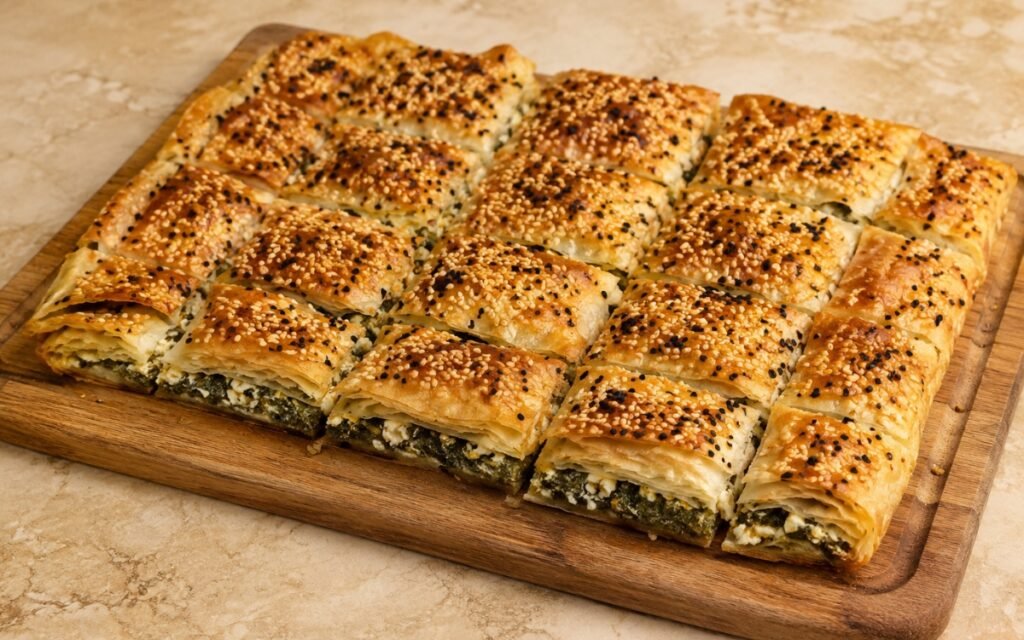
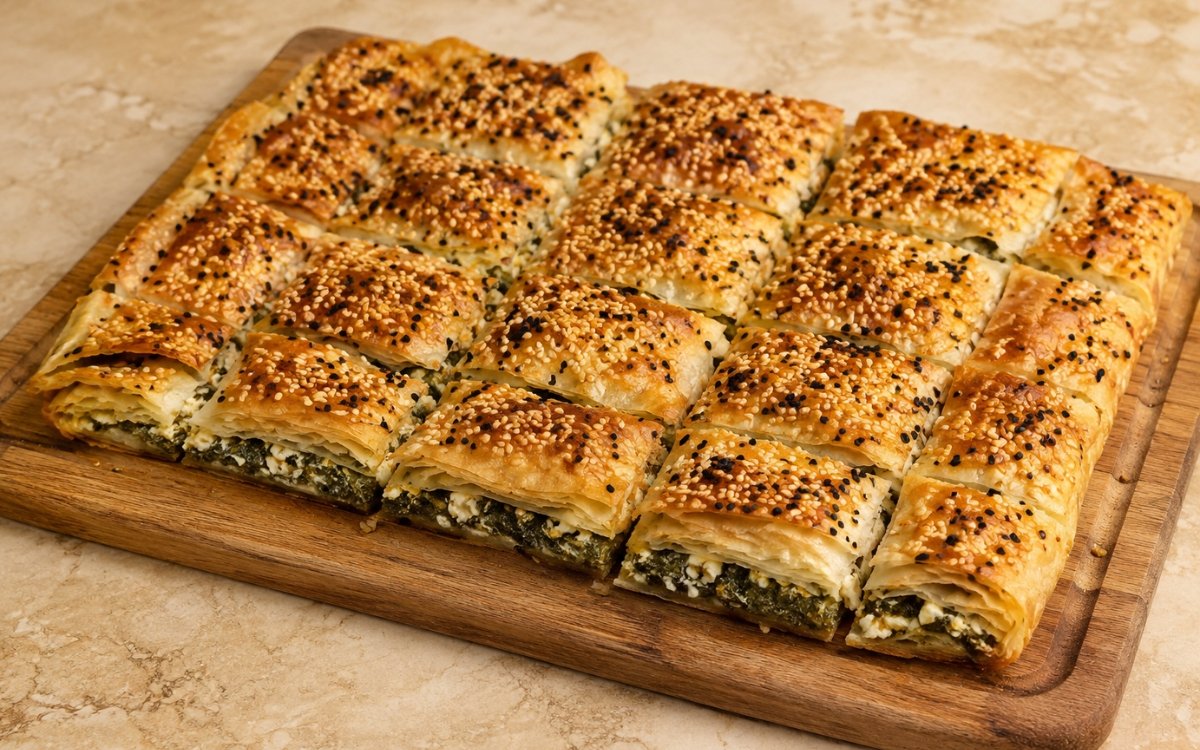
Two technique decisions define whether this börek succeeds or simply produces a soggy, dense layered pastry: the spinach filling pressed of every possible drop of moisture before it touches the phyllo, and the milk-yogurt mixture applied in light, controlled brushings rather than drenchings — because the purpose of the mixture is not to saturate the phyllo but to create the specific contrast between the crisp, golden top layers that baked dry and the soft, slightly custardy interior layers that baked with just enough moisture to stay tender. The onion cooked fully golden before the garlic and spinach enter — raw onion inside börek continues cooking in the oven and releases water into the surrounding layers at the worst possible moment. The börek pre-cut into 16 squares before going into the oven so a sharp knife through the raw pastry produces clean divisions, while a knife through the baked, crisp top produces only shattered fragments. Sesame seeds and nigella seeds over the egg yolk wash — the seeds that toast against the golden surface and provide the aromatic, slightly bitter crunch that makes every piece immediately identifiable as börek. Rested 15–20 minutes before serving so the filling settles and each square lifts cleanly from the tray.
Prep Time : 25 min
Cook Time : 40–50 min
Servings : 16
25 min
40–50 min
16
Ingredients
For the Spinach and Feta Filling
• 2 tbsp extra-virgin olive oil
• 1 large onion — red, yellow, or white — finely chopped
• 3 garlic cloves, minced
• 700g baby spinach leaves
• 250–300g feta cheese, crumbled — this one on Amazon
• Fine sea salt — only if needed after tasting
• Freshly cracked black pepper, to taste
For the Milk-Yogurt Mixture
• 100ml extra-virgin olive oil — this one on Amazon
• 200ml whole milk
• 200g whole-milk yogurt
• 1 large egg
• ¼ tsp fine sea salt — optional
• Freshly cracked black pepper, to taste
For the Layering and Topping
• 500g phyllo dough, thawed if frozen — this one on Amazon
• 1 egg yolk
• 1 tbsp water
• Sesame seeds
• Nigella seeds
This post may contain affiliate links. As an Amazon Associate I earn from qualifying purchases, at no additional cost to you.
Directions
- Cook the Filling
Heat the 2 tbsp of olive oil in a large, wide pan over medium heat. Add the finely chopped onion and cook for 6–8 minutes, stirring occasionally, until completely softened and showing light golden colour at the edges. The full cooking time for the onion is not negotiable in a börek application. Raw or under-softened onion placed inside the pastry continues cooking during the oven’s 40–50 minutes — releasing moisture progressively into the surrounding phyllo layers and producing the soggy, structurally compromised base that is börek’s most common failure mode. A fully softened, lightly golden onion has already released and cooked off its moisture on the stovetop; it contributes its sweet, aromatic character to the filling without contributing any further liquid in the oven. Add the 3 minced garlic cloves and cook for 30 seconds, stirring constantly, until fragrant but not browned. Add the 700g of baby spinach in 3–4 batches — adding all at once overloads the pan and drops the temperature, steaming the spinach in its own moisture rather than wilting it properly. Add the first batch and fold with tongs until wilted before adding the next. Continue until all the spinach has been added and is fully wilted and collapsed. Cook for a further 2–3 minutes, stirring and folding, until most of the visible moisture in the pan has evaporated. The pan should not have any pooling liquid. - Press Out the Moisture
Transfer the cooked spinach and onion mixture to a fine-mesh sieve or a clean kitchen towel set over a bowl. Allow to cool for 5–10 minutes. Then press firmly — using the back of a large spoon against the sieve, or twisting the towel tightly — to extract as much residual moisture as possible. This step is the most important single technique decision in the entire recipe. Spinach holds an extraordinary amount of water in its cell structure — even after cooking, significant residual moisture remains trapped in the compressed leaves. This moisture, released into the phyllo during baking, produces the characteristic soggy börek bottom that no amount of high oven temperature can correct. Press until the spinach feels as dry as possible — the amount of liquid extracted will be larger than expected. Allow the pressed spinach mixture to cool to room temperature before adding the feta. Adding feta to hot spinach causes the cheese to partially melt rather than remaining as distinct crumbled pieces throughout the filling. - Mix the Filling
Combine the cooled, pressed spinach mixture with 250–300g of crumbled feta in a large bowl. Season generously with freshly cracked black pepper. Taste before adding any salt — feta carries significant inherent salinity and the filling is often sufficiently seasoned from the cheese alone. The filling should taste assertively flavoured and well-seasoned — it will be distributed across a large quantity of phyllo, which is neutral, and its flavour will be diluted by the layers. - Prepare the Milk-Yogurt Mixture
In a medium bowl, whisk together the 100ml of olive oil, 200ml of whole milk, 200g of whole-milk yogurt, 1 egg, optional ¼ tsp of salt, and black pepper until completely smooth and fully emulsified — no visible oil separation. This mixture is the element that differentiates this börek from a simple layered phyllo pastry and produces the specific textural contrast that makes it compelling. Applied lightly between each phyllo sheet, it hydrates each sheet just enough to prevent it from baking dry and brittle throughout — the outermost layers that receive the most oven air exposure dry and crisp; the interior layers that are shielded by surrounding layers remain soft, yielding, and slightly custardy from the egg and yogurt’s proteins. The olive oil in the mixture contributes richness to each layer; the milk and yogurt provide the moisture and the slight tang; the egg provides the structure that allows the interior to set into the custardy texture rather than remaining wet. - Layer the Bottom Phyllo Sheets
Preheat the oven to 180°C fan or 190°C conventional. Lightly brush a 23×33cm (9×13 inch) baking tray with olive oil or line with parchment paper. Remove the phyllo dough from its packaging and lay the sheets flat, covered with a slightly damp cloth — phyllo dries and becomes brittle within minutes of exposure to air. Work with one sheet at a time, keeping the remaining sheets covered. Place the first phyllo sheet in the tray — it will likely be larger than the tray and can be folded at the edges or draped over the sides. Spoon or brush a light, even coating of the milk-yogurt mixture over the entire surface. Light is the operative word — the sheet should show visible dampness but not be saturated or pooling with liquid. A heavily drenched phyllo sheet bakes dense and bread-like rather than producing the delicate, distinct layers of a properly assembled börek. Continue laying phyllo sheets and lightly coating with the milk-yogurt mixture until approximately half the total sheets have been layered. Do not count sheets rigidly — work by eye, ensuring even distribution and adjusting the mixture quantity to maintain the light coating through all the bottom layers. You may not need the entire milk-yogurt mixture and it is better to have leftover mixture than to over-apply. - Add the Filling and Layer the Top
Spread the spinach and feta filling evenly across the surface of the top bottom-layer sheet — distributing it all the way to the edges of the tray so every portion receives filling through to the corners. An uneven filling layer produces some portions that are overwhelmingly cheesy and some that are predominantly pastry. Continue layering the remaining phyllo sheets on top of the filling, applying the same light coating of milk-yogurt mixture between each sheet. Fold in any excess phyllo at the edges or trim with kitchen scissors for clean square edges — the trimmed edges can be scattered on top of the final sheet for additional layered texture. - Egg Wash, Seeds, and Pre-Cut
Whisk the 1 egg yolk with 1 tbsp of water until completely smooth. Brush evenly across the entire top surface of the final phyllo sheet — reaching all the way to the edges. Scatter sesame seeds and nigella seeds generously across the egg-washed surface. Nigella seeds — small, angular, black, with a specific slightly bitter, slightly onion-adjacent aromatic character — are the seed that specifically identifies the börek as Turkish in character; their flavour and visual contrast against the golden sesame makes the finished top surface immediately recognisable. Together the two seeds toast against the egg wash during baking into a fragrant, slightly crunchy surface layer. Using a sharp knife, cut the börek into 16 equal squares before placing it in the oven. Apply firm, decisive downward cuts rather than sawing — sawing drags the top phyllo layers and disrupts the even surface. This pre-baking cut is the technique that makes clean, intact squares possible after baking. A knife drawn through baked, crisped phyllo shatters the top layers regardless of sharpness; the same cuts made through unbaked, pliable phyllo produce clean divisions that hold through baking. - Bake, Rest, and Serve
Place in the preheated oven and bake for 40–50 minutes until the top is deeply golden brown across the entire surface — a pale gold is insufficiently baked and will not have the crunch of a properly coloured börek — and a knife inserted through the centre feels resistance-free, indicating the layers have fully set. If the top surface shows significant browning before 35 minutes, loosely tent with foil for the remaining baking time to prevent burning while the interior continues setting. Remove from the oven and allow to rest in the tray for a minimum of 15–20 minutes before serving. Fresh-from-the-oven börek is structurally fragile — the filling is still liquid-adjacent from its internal temperature and the pastry layers need the resting period to fully set. Attempting to lift portions before resting produces pieces that fall apart or leave their bottom layers behind. After the full rest, use a spatula to lift each pre-cut square cleanly. Serve warm or at room temperature.
*Notes :
- Phyllo dough’s handling technique determines the quality of the finished börek as much as any other factor. Phyllo dries irreversibly once exposed to air — a dry phyllo sheet becomes brittle and cannot be properly layered without tearing, and torn sheets create gaps in the layered structure that produce uneven baking and visible holes in the finished börek. Always keep the unused sheets covered with a lightly damp cloth throughout the layering process. Work with one sheet at a time and move efficiently.
- Frozen phyllo dough must be thawed slowly and completely before use — 24 hours in the refrigerator is the safest method. Rushed thawing at room temperature produces moisture condensation between the sheets that causes them to stick together and tear when separated. Thawed phyllo that has re-frozen and thawed again is noticeably more fragile and prone to tearing than once-thawed phyllo.
- The nigella seeds — also called black seed, kalonji, or çörek otu in Turkish — are the specifically aromatic finishing element that distinguishes börek’s top surface from any other savory pastry. Their slightly bitter, herby, slightly onion-adjacent character toasted against the egg wash produces the specific aroma that is one of the first sensory indicators of Turkish börek. They are available at Middle Eastern grocery stores, Turkish markets, and health food stores.
Why This Recipe Works
This recipe works because it addresses the two most common börek failures directly: wet filling and over-soaked phyllo. The spinach is pressed of maximum moisture before assembly. The milk-yogurt mixture is applied in controlled light coatings rather than drenchings. The onion is fully cooked before the spinach is added.
The börek is pre-cut before baking. And the 15–20 minute rest after baking allows the structure to set before portioning. Every decision serves the same goal — a börek with a specifically crisp top, soft interior layers, and a dry, structured filling.
Ingredient Breakdown
Fully Cooked Onion (6–8 Minutes)
The moisture-prevention technique — fully softened, lightly golden onion has no remaining free moisture to release into the phyllo during baking.
Pressed Spinach (Sieve or Towel)
The most critical filling technique — maximum moisture extraction before assembly prevents the soggy bottom that is börek’s most common failure.
Milk-Yogurt Mixture (Applied Lightly)
The interior texture creator — light application between each sheet produces the contrast between crisp outer layers and soft, custardy interior layers; heavy application produces dense, bread-like börek.
Pre-Baking Cut (Sharp Knife, Downward)
The shattering-prevention technique — clean cuts through unbaked pliable phyllo; impossible clean cuts through baked, crisped phyllo.
Nigella and Sesame Seeds (Toasted Over Egg Wash)
he flavour and visual signature — nigella’s specifically bitter aromatic character and black colour identifying the pastry as Turkish börek.
Flavor Structure Explained
This Turkish börek follows a layered balance model:
- Salty creamy core (feta)
- Earthy fresh filling (spinach)
- Rich custardy interior (yogurt, egg, buttered phyllo)
- Crisp buttery exterior (baked phyllo layers)
- Aromatic seeded finish (nigella, sesame)
Feta defines the dominant character with sharp salinity and creamy lactic richness that season the entire pastry. Spinach balances that intensity with mild earthiness and vegetal freshness, giving the filling substance and depth. Yogurt and egg baked into the inner phyllo layers create a soft, custardy texture that contrasts the crisp outer shell. Buttered phyllo provides delicate crunch and rich toasted flavor throughout the structure. Nigella and sesame seeds finish the börek with bitterness, nuttiness, and aromatic complexity that immediately identify the pastry as distinctly Turkish.
Common Mistakes to Avoid
- Under-Cooking the Onion – Raw onion in börek releases moisture during baking. Always cook until fully softened and lightly golden — 6–8 full minutes.
- Not Pressing the Spinach – This is the single most impactful quality decision. Unpressed spinach releases enough moisture during baking to soak through every bottom layer.
- Over-Applying the Milk-Yogurt Mixture – Excessive liquid between layers produces dense, bread-like börek rather than the delicate layered structure. Light, even coating only.
- Cutting After Baking – Pre-cut before the oven — cutting after shatters the crisped top layers into fragments.
- Not Resting Before Serving – The filling needs 15–20 minutes to set after the oven. Early portioning produces structurally unstable pieces that fall apart.
- Not Keeping Phyllo Covered – Uncovered phyllo dries and becomes brittle within minutes. Always cover unused sheets with a damp cloth.
Variations
With Cheese and Herb Filling
Replace the spinach with 100g of fresh flat-leaf parsley, 50g of fresh dill, and 50g of fresh mint — all finely chopped — combined with 350g of crumbled feta for the specifically herb-forward börek common in Turkish home cooking.
Cigar Börek (Sigara Böreği)
Roll individual filling portions into cigar shapes using cut phyllo rectangles — fold the filling at one end, roll tightly to the other, and seal with egg wash. Fry in 3cm of neutral oil at 175°C for 3–4 minutes until deeply golden. The cigar börek is the individual handheld version of the same filling and phyllo combination.
With Kaşar or Mozzarella
Add 100g of grated kaşar cheese (Turkish semi-hard yellow cheese) or low-moisture mozzarella to the spinach and feta filling — the melting cheese provides additional richness and a specific stretchy quality in the warm interior.
Storage & Make-Ahead
Baked börek can be kept at room temperature, loosely covered, for up to 1 day. It can also be refrigerated for up to 3 days. To restore the crispness of the top layer, reheat individual portions in a 180°C oven on a wire rack for 8 to 10 minutes. Microwaving is not recommended, since it softens the phyllo and does not bring back any crispness.
Börek can also be assembled ahead of time before baking. Once assembled and pre-cut, cover it tightly with plastic wrap and refrigerate it overnight. Brush it with egg wash and add the seeds just before baking.
The filling can be prepared up to 2 days in advance and stored in a sealed container in the refrigerator. Before assembling the börek, let the filling come to room temperature.
Frequently Asked Questions
Why is pressing the spinach so critical?
Spinach retains a large amount of water in its compressed cell structure even after thorough cooking. This moisture continues releasing during the 40–50 minutes of oven baking — migrating downward through the phyllo layers and producing a soggy, structurally compromised base that no oven temperature can reverse. Pressing removes this free moisture before it can cause damage.
Why pre-cut before baking rather than after?
Baked, crisped phyllo shatters when a knife is drawn across it — the rigid, brittle top layers fracture and break rather than separating cleanly along the cut line. Raw, pliable phyllo cuts cleanly with a sharp downward press and the cuts remain intact through baking, producing the clean square edges that make the portions presentable.
What are nigella seeds?
Nigella seeds — also called black seed, kalonji, or çörek otu in Turkish — are small, angular, black seeds with a specifically bitter, slightly herby, onion-adjacent aromatic character. They are the distinguishing seed of Turkish börek and many other Turkish pastries. Available at Middle Eastern grocery stores, Turkish markets, and health food stores.
What does the milk-yogurt mixture do?
It is the element that produces börek’s specific interior texture — the soft, slightly custardy, yielding interior layers beneath the crisp top. Applied lightly between each phyllo sheet, it hydrates the inner layers just enough to produce this tender quality while the outer layers, exposed to the oven’s dry circulating air, dry and crisp. Applied too heavily, it produces dense, soggy börek without the layered contrast.
What do you serve alongside börek?
For a light mezze pairing, Authentic Tzatziki provides the cold, creamy, garlicky-yogurt contrast specifically well-suited to warm, rich börek. For a fresh, acidic salad alongside, Lebanese Fattoush Salad provides the bright, herb-forward counterpoint that makes a börek-centred meal feel complete.
Nutrition Facts
( per serving )
Calories
~285 kcal
Protein
9 g
Fat
18 g
Carbs
22 g
Calories
~285 kcal
Protein
9 g
Fat
18 g
Carbs
22 g
Related Recipes
Related Recipes

Portuguese Custard Tarts (Pastéis de Nata)
Rolled, laminated puff pastry shells filled with a silky cinnamon-lemon custard, baked at extreme heat for signature dark caramelised spots.
Sausages in Blankets
Cocktail sausages and a small log of cheddar wrapped in flaky puff pastry, brushed with egg wash until deep golden and glossy.
Asian Crispy Rice
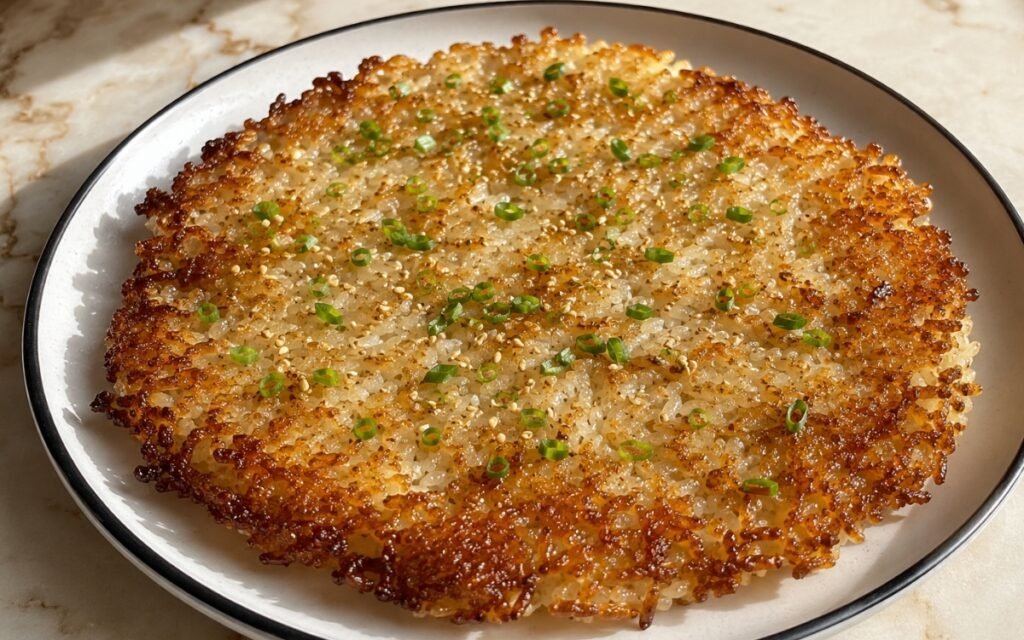
Cooled rice seasoned with soy, vinegar, sesame oil, pressed into a cake, pan-fried undisturbed until golden. Crisp and savory.


You might also like
You might also like
Avocado Toast with Jammy Eggs
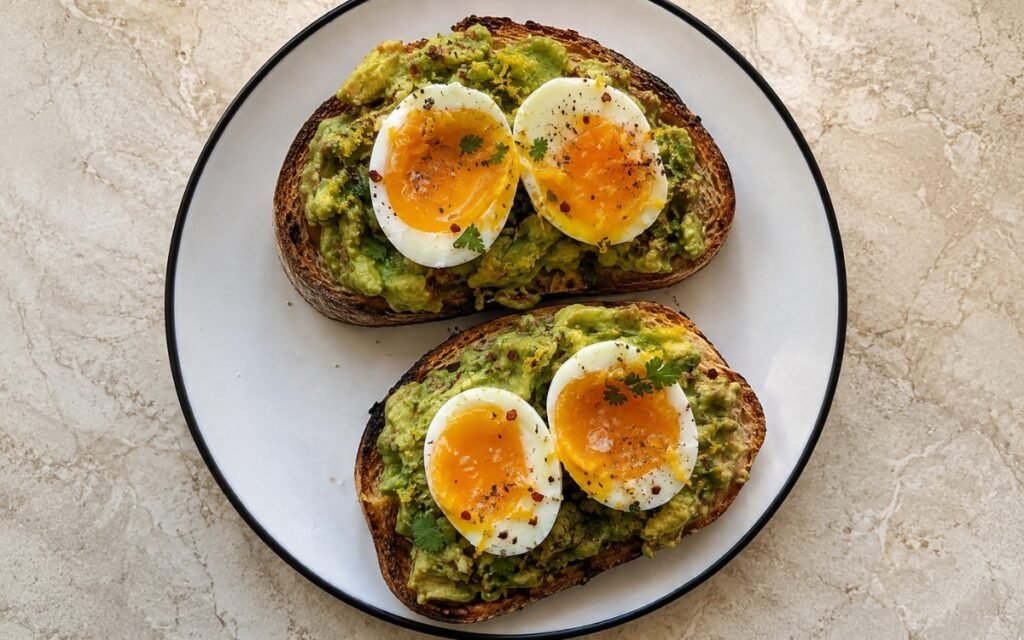
Deeply toasted sourdough with chunky lemon-brightened smashed avocado and precisely timed jammy eggs, finished with chili flakes and herbs.
Karaage — Japanese Fried Chicken
Bite-sized double-fried chicken thigh pieces marinated in soy sauce, sake, ginger and garlic, coated in potato starch for a deeply golden, craggy crust.
Eggplant Parmesan
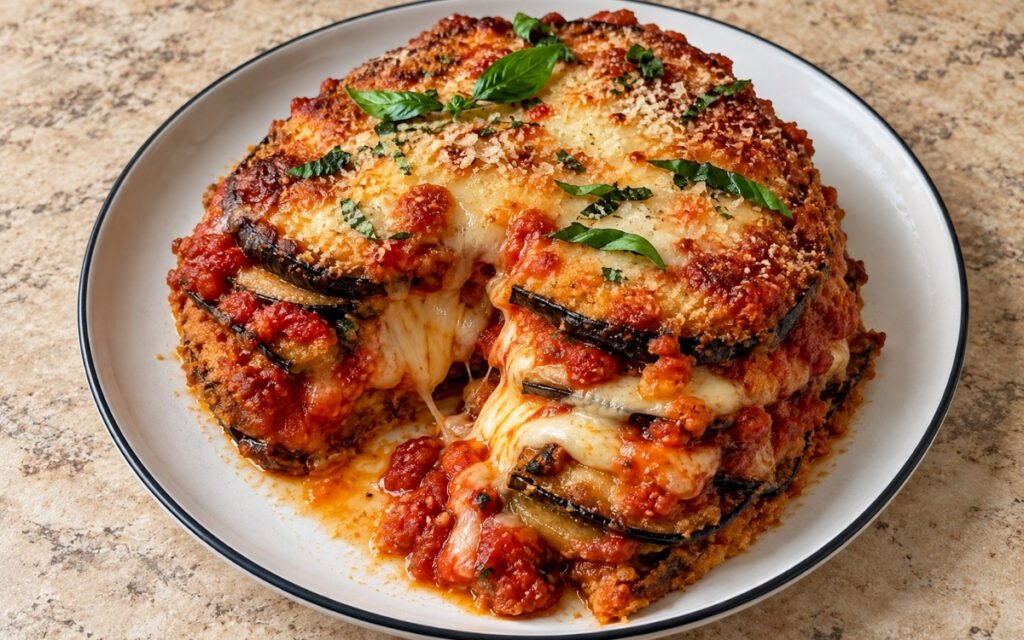
Breaded fried eggplant slices layered with tomato sauce, mozzarella, Parmesan, and basil, then baked until bubbling and deeply flavorful.

Turkish Börek — Spinach and Feta Borek
Ingredients
Method
- Heat the 2 tbsp of olive oil in a large, wide pan over medium heat. Add the finely chopped onion and cook for 6–8 minutes, stirring occasionally, until completely softened and showing light golden colour at the edges. The full cooking time for the onion is not negotiable in a börek application. Raw or under-softened onion placed inside the pastry continues cooking during the oven’s 40–50 minutes — releasing moisture progressively into the surrounding phyllo layers and producing the soggy, structurally compromised base that is börek’s most common failure mode. A fully softened, lightly golden onion has already released and cooked off its moisture on the stovetop; it contributes its sweet, aromatic character to the filling without contributing any further liquid in the oven. Add the 3 minced garlic cloves and cook for 30 seconds, stirring constantly, until fragrant but not browned. Add the 700g of baby spinach in 3–4 batches — adding all at once overloads the pan and drops the temperature, steaming the spinach in its own moisture rather than wilting it properly. Add the first batch and fold with tongs until wilted before adding the next. Continue until all the spinach has been added and is fully wilted and collapsed. Cook for a further 2–3 minutes, stirring and folding, until most of the visible moisture in the pan has evaporated. The pan should not have any pooling liquid.
- Transfer the cooked spinach and onion mixture to a fine-mesh sieve or a clean kitchen towel set over a bowl. Allow to cool for 5–10 minutes. Then press firmly — using the back of a large spoon against the sieve, or twisting the towel tightly — to extract as much residual moisture as possible. This step is the most important single technique decision in the entire recipe. Spinach holds an extraordinary amount of water in its cell structure — even after cooking, significant residual moisture remains trapped in the compressed leaves. This moisture, released into the phyllo during baking, produces the characteristic soggy börek bottom that no amount of high oven temperature can correct. Press until the spinach feels as dry as possible — the amount of liquid extracted will be larger than expected. Allow the pressed spinach mixture to cool to room temperature before adding the feta. Adding feta to hot spinach causes the cheese to partially melt rather than remaining as distinct crumbled pieces throughout the filling.
- Combine the cooled, pressed spinach mixture with 250–300g of crumbled feta in a large bowl. Season generously with freshly cracked black pepper. Taste before adding any salt — feta carries significant inherent salinity and the filling is often sufficiently seasoned from the cheese alone. The filling should taste assertively flavoured and well-seasoned — it will be distributed across a large quantity of phyllo, which is neutral, and its flavour will be diluted by the layers.
- In a medium bowl, whisk together the 100ml of olive oil, 200ml of whole milk, 200g of whole-milk yogurt, 1 egg, optional ¼ tsp of salt, and black pepper until completely smooth and fully emulsified — no visible oil separation. This mixture is the element that differentiates this börek from a simple layered phyllo pastry and produces the specific textural contrast that makes it compelling. Applied lightly between each phyllo sheet, it hydrates each sheet just enough to prevent it from baking dry and brittle throughout — the outermost layers that receive the most oven air exposure dry and crisp; the interior layers that are shielded by surrounding layers remain soft, yielding, and slightly custardy from the egg and yogurt’s proteins. The olive oil in the mixture contributes richness to each layer; the milk and yogurt provide the moisture and the slight tang; the egg provides the structure that allows the interior to set into the custardy texture rather than remaining wet.
- Preheat the oven to 180°C fan or 190°C conventional. Lightly brush a 23×33cm (9×13 inch) baking tray with olive oil or line with parchment paper. Remove the phyllo dough from its packaging and lay the sheets flat, covered with a slightly damp cloth — phyllo dries and becomes brittle within minutes of exposure to air. Work with one sheet at a time, keeping the remaining sheets covered. Place the first phyllo sheet in the tray — it will likely be larger than the tray and can be folded at the edges or draped over the sides. Spoon or brush a light, even coating of the milk-yogurt mixture over the entire surface. Light is the operative word — the sheet should show visible dampness but not be saturated or pooling with liquid. A heavily drenched phyllo sheet bakes dense and bread-like rather than producing the delicate, distinct layers of a properly assembled börek. Continue laying phyllo sheets and lightly coating with the milk-yogurt mixture until approximately half the total sheets have been layered. Do not count sheets rigidly — work by eye, ensuring even distribution and adjusting the mixture quantity to maintain the light coating through all the bottom layers. You may not need the entire milk-yogurt mixture and it is better to have leftover mixture than to over-apply.
- Spread the spinach and feta filling evenly across the surface of the top bottom-layer sheet — distributing it all the way to the edges of the tray so every portion receives filling through to the corners. An uneven filling layer produces some portions that are overwhelmingly cheesy and some that are predominantly pastry. Continue layering the remaining phyllo sheets on top of the filling, applying the same light coating of milk-yogurt mixture between each sheet. Fold in any excess phyllo at the edges or trim with kitchen scissors for clean square edges — the trimmed edges can be scattered on top of the final sheet for additional layered texture.
- Whisk the 1 egg yolk with 1 tbsp of water until completely smooth. Brush evenly across the entire top surface of the final phyllo sheet — reaching all the way to the edges. Scatter sesame seeds and nigella seeds generously across the egg-washed surface. Nigella seeds — small, angular, black, with a specific slightly bitter, slightly onion-adjacent aromatic character — are the seed that specifically identifies the börek as Turkish in character; their flavour and visual contrast against the golden sesame makes the finished top surface immediately recognisable. Together the two seeds toast against the egg wash during baking into a fragrant, slightly crunchy surface layer. Using a sharp knife, cut the börek into 16 equal squares before placing it in the oven. Apply firm, decisive downward cuts rather than sawing — sawing drags the top phyllo layers and disrupts the even surface. This pre-baking cut is the technique that makes clean, intact squares possible after baking. A knife drawn through baked, crisped phyllo shatters the top layers regardless of sharpness; the same cuts made through unbaked, pliable phyllo produce clean divisions that hold through baking.
- Place in the preheated oven and bake for 40–50 minutes until the top is deeply golden brown across the entire surface — a pale gold is insufficiently baked and will not have the crunch of a properly coloured börek — and a knife inserted through the centre feels resistance-free, indicating the layers have fully set. If the top surface shows significant browning before 35 minutes, loosely tent with foil for the remaining baking time to prevent burning while the interior continues setting. Remove from the oven and allow to rest in the tray for a minimum of 15–20 minutes before serving. Fresh-from-the-oven börek is structurally fragile — the filling is still liquid-adjacent from its internal temperature and the pastry layers need the resting period to fully set. Attempting to lift portions before resting produces pieces that fall apart or leave their bottom layers behind. After the full rest, use a spatula to lift each pre-cut square cleanly. Serve warm or at room temperature.