Traditional Spanish Pan con Tomate
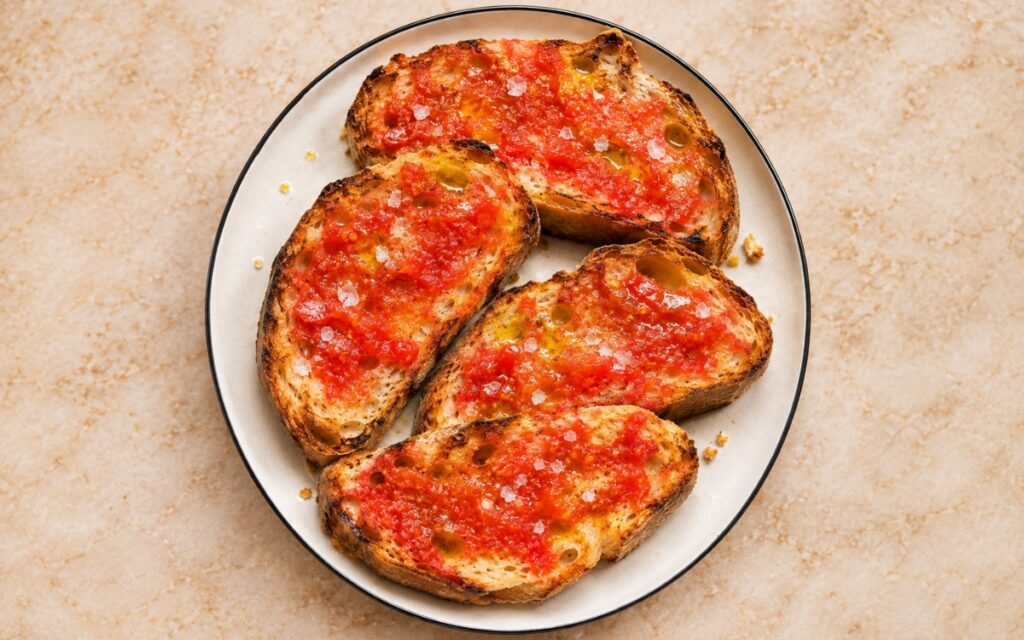
Pan con tomate, known in Catalonia as pa amb tomàquet, is a beloved Spanish classic of thick slices of rustic country bread toasted until crisp and golden, then rubbed with fresh garlic and very ripe tomatoes, finished with a generous drizzle of fruity extra virgin olive oil and a scattering of sea salt, and served here as seventy-two substantial toasts for eighteen servings of four toasts each. Rubbing a halved, ripe tomato directly into dry, hot toast, rather than topping it with a cooked or blended sauce, is the technique this whole dish depends on for a vivid, juicy tomato coating that sits in the open crumb and a crust that stays crisp — wet or cold bread turns soggy and the pulp slides off, the same direct-contact principle used elsewhere in this collection whenever a fresh ingredient must be pressed into a crisp base. Toasting the bread dry, with no oil, is what gives the crumb enough roughness to grate the tomato. Adding the oil and the flaky salt last is what keeps their flavour bright. The payoff is a pan con tomate with real, simple contrast — crisp golden crust, juicy red tomato, gentle garlic, and glossy olive oil.
- Prep Time : 55 min
- Total Time : 1 hr 40 min
- Servings : 18
Ingredients
For the Rustic Toasted Bread
- 3.6–4kg rustic Catalan-style country bread (pa de pagès), approximately 6 large loaves, sliced into 72 substantial pieces, each approximately 1.8–2cm thick and 50–55g
- No additional oil or butter for toasting
For the Fresh Tomato Topping
- 3.6kg very ripe, soft red tomatoes, preferably Catalan tomàquets de penjar or tomàquets de ramallet, approximately 45–60 small tomatoes, depending on size
- 6 large garlic cloves (approximately 25g), peeled and halved lengthwise, optional but appropriate for the reference
- 9g fine sea salt, for lightly seasoning the toasted bread before adding tomato
For Finishing
- 480ml high-quality Spanish extra virgin olive oil, preferably Arbequina or another balanced, fruity variety
- 12g flaky sea salt, such as Spanish sea salt flakes, for finishing
Directions
- Select and Slice the Rustic Bread
Choose six large rustic country loaves with a sturdy crust and an irregular, open crumb, ideally baked earlier the same day or the day before so that they toast evenly and hold their structure. Cut them with a sharp serrated knife into about 72 substantial slices, each 1.8–2cm thick and roughly 50–55g, keeping their natural irregular shapes and leaving the crusts on. Lay the slices in a single layer on trays and check that each one is firm enough to withstand rubbing. If the bread is very fresh and soft, leave the slices uncovered for 15–20 minutes. An open, sturdy crumb is what absorbs the tomato without tearing. - Prepare the Tomatoes, Garlic, and Seasonings
Wash and dry the 3.6kg tomatoes, choosing fruit that is fully ripe, fragrant, and soft when pressed, and remove the stems and any hard or damaged areas. Cut each tomato crosswise through its equator to expose the seed cavities, and keep the halves cut side up in a shallow tray so they hold their juice. Peel the garlic cloves and halve each one lengthwise, and measure the 9g fine salt, 12g flaky salt, and 480ml olive oil into separate containers, keeping the oil at room temperature. Do not grate, blend, or cook the tomatoes. Raw, ripe tomato is what gives the dish its fresh flavour. - Toast the Bread Until Golden and Crisp
Heat the oven to 230°C conventional or 210–220°C fan-assisted, with racks in the upper-middle and lower-middle positions. Arrange as many slices as fit in a single layer on two large trays, leaving space between them, and toast them dry, with no oil or butter, for 5–6 minutes until the upper surfaces turn pale golden. Turn the slices over, swap the trays, and toast for another 3–5 minutes until both sides are golden with deeper brown edges, finishing any pale ones under the grill for 20–45 seconds while you watch them. Cool them on a rack in 4–6 batches. Dry toasting is what builds a firm, slightly abrasive crumb. - Lightly Rub the Bread with Fresh Garlic
Working with one warm toast at a time, hold a halved garlic clove by its uncut end and rub the cut face gently over the rough surface of the bread with two or three light passes, concentrating on the centre and middle edges rather than the hard outer crust. The aim is a subtle garlic aroma and very fine particles in the crumb, so leave no chunks or thick shavings. Trim a thin slice off the garlic whenever the cut surface becomes dry or worn, and continue through the batch. The garlic should be noticeable but never overpowering. Light passes are what flavour the bread without dominating the tomato. - Rub the Fresh Tomato into the Toast
Sprinkle a very light pinch of the fine salt, about 0.125g per slice, onto the warm garlic-rubbed toast. Place the cut side of a tomato half against the centre and rub it with moderate, even pressure in short circular or back-and-forth strokes, so that the coarse crumb breaks down the flesh and takes up pulp, juice, and small seeds. Work from the centre toward the edges, leaving a narrow irregular border of golden bread, and use another half as needed, roughly 35–50g tomato per toast. Discard the empty skins. The coating should be generous but thin. Direct rubbing is what drives the juice deep into the crumb. - Season and Finish with Extra Virgin Olive Oil
Once a toast is covered in fresh tomato, drizzle about 6–7ml extra virgin olive oil over it in a thin zigzag so that the oil settles into the holes and irregularities, creating a delicate golden sheen without pooling. Sprinkle a small pinch of the flaky sea salt, about 0.17g, over each slice and leave a few flakes showing on the red pulp. Do not stir the tomato and oil together. Finish each small batch within 1–2 minutes of rubbing, then serve at once. The natural separation of red tomato and golden oil is what makes the toast look and taste fresh. - Arrange and Serve the Pan con Tomate
Warm eighteen plates and set four finished toasts on each in a loose, slightly overlapping diagonal, with the tomato-coated surfaces fully visible and the crisp dark-golden crusts framing the red centres. Do not stack the slices tomato to tomato. Check that the pulp looks fresh and juicy with small seeds rather than a smooth layer, that the oil forms glossy highlights, and that the flaky salt is scattered lightly. Because 72 toasts cannot all be finished at once, rub and oil them in small batches and plate each batch of four as soon as it is ready, so every guest eats their toasts while the crust is still crisp.
*Notes :
- Rubbing the halved tomato directly into the toast deserves genuine recognition as the technique most directly responsible for a vivid, juicy topping that stays in the bread. The rough, hot crumb abrades the flesh and absorbs pulp and juice into its pores, whereas spooning on a separate sauce leaves a wet layer that slides off the toast and soaks the base.
- Dry toasting the bread deserves the same attention this technique receives throughout this collection’s other crisp bases. With no oil or butter the crumb dries into a firm, porous, slightly abrasive surface that grates the tomato effectively, whereas an oiled slice becomes slippery, fries unevenly, and cannot take up the pulp in the same way.
- Choosing fully ripe tomatoes deserves genuine respect as the detail most directly responsible for flavour in a dish of only a few ingredients. Soft, fragrant fruit releases juice and pulp easily and tastes sweet and concentrated, whereas pale or firm tomatoes tear the bread, give little pulp, and taste watery, however carefully the toast is rubbed.
- Timing the finish deserves attention as a genuine, checkable detail rather than a loose approximation. The tomato gradually saturates the crumb, so rubbing and oiling each small batch within one to two minutes of serving keeps a crisp crust with a softened but never waterlogged centre, whereas toast left standing turns soft and the juice runs onto the plate.
Why This Recipe Works
This recipe works because every step protects the contrast between a crisp crust and fresh, juicy tomato. Sturdy country bread toasted dry gives a firm, open crumb that grates ripe tomato halves into a coating of pulp and juice, while a light rub of garlic adds gentle savour first. A small pinch of fine salt seasons the pulp, and the olive oil and flaky salt go on last so they stay bright. Finishing each batch just before serving prevents sogginess. The result is a golden toast with vivid red tomato and a crunchy, rustic bite.
Ingredient Breakdown
Rustic Country Bread (3.6–4kg)
The structural foundation — a sturdy, open-crumbed loaf toasts crisp and soaks up tomato without tearing.
Very Ripe Tomatoes (3.6kg)
The flavour centrepiece — soft, fragrant fruit rubs into pulp and juice that coats the crumb.
Garlic (6 Cloves)
The gentle aroma — a light rub leaves a fresh savoury background without overpowering the tomato.
Dry Toasting
The critical technique — toasting without oil makes a firm, rough crumb that grates the tomato effectively.
Extra Virgin Olive Oil (480ml)
The finishing element — a fruity Spanish oil gives a golden sheen and rich, smooth contrast.
Fine and Flaky Sea Salt
The seasoning — fine salt seasons the pulp from within and flakes add a crisp, bright finish.
Flavor Structure Explained
This Spanish pan con tomate follows a layered balance model:
- Toasty, chewy foundation (rustic country bread)
- Sweet, juicy freshness (fully ripe tomatoes)
- Gentle, savoury aroma (a light rub of garlic)
- Fruity, smooth richness (extra virgin olive oil)
- Crisp, saline finish (fine and flaky sea salt)
Toasted country bread gives the dish its toasty, chewy foundation, while ripe tomatoes add a sweet, juicy freshness that soaks into the crumb. A light rub of garlic brings a gentle, savoury aroma beneath it, and extra virgin olive oil contributes a fruity, smooth richness over the surface. Fine and flaky sea salt finish with a crisp, saline note that makes the tomato taste sweeter and ties this pan con tomate together.
Common Mistakes to Avoid
- Oiling the Bread Before Toasting – This makes the surface slippery and keeps it from absorbing the tomato. Always toast the slices dry with no oil or butter.
- Using Pale, Firm Tomatoes – This gives little pulp, a watery taste, and torn bread. Always choose fully ripe, soft, fragrant tomatoes that release juice easily.
- Grating or Cooking the Tomatoes – This loses the fresh flavour and the direct-contact method. Always rub a halved raw tomato straight into the warm toast.
- Rubbing the Garlic Too Hard – This leaves chunks and an overpowering raw taste. Always use two or three light passes over the centre of each slice.
- Finishing Too Early – This lets the juice soak into the crumb and soften the crust. Always rub and oil each small batch just before serving.
Variations
Grated Tomato Version
Grate the tomatoes separately and spoon the pulp over the toast, a widely used modern alternative to direct rubbing, which gives a more even coating but a less characteristic texture in the crumb.
Garlic-Free Version
Leave out the garlic, as many Catalan households do, which gives a cleaner tomato and olive oil flavour though the gentle savoury background of the garlic rub is lost.
Griddle Version
Toast the slices on a dry cast-iron griddle, plancha, or charcoal grill instead of the oven, which gives slightly uneven browning and darker edges, though it takes longer for 72 slices.
Country Sourdough Version
Use a high-quality country sourdough when authentic pa de pagès is unavailable, which gives a similar firm crust and open crumb with a slightly more pronounced tang under the tomato.
Storage & Make-Ahead
Slice the bread several hours in advance and keep it loosely covered at room temperature, because slightly rested bread toasts more evenly and holds its structure better than very soft, freshly baked loaves.
Keep the tomatoes whole until just before serving to preserve their aroma, and cut them only as the toasts are rubbed, so that the juice stays in the fruit until the very last moment.
Toast the bread in batches of about 12–24 slices, depending on the oven, and begin the rubbing and finishing as the first batches emerge instead of waiting for every slice to be toasted.
Fully assembled pan con tomate is not suitable for storage, because the tomato gradually saturates the crumb and softens the toast, so keep any plain toasted bread separately instead.
If preparation must be delayed, store the plain toasted bread airtight at room temperature and rub in the garlic, tomato, oil, and salt only at the moment of serving.
Frequently Asked Questions
Why is the tomato rubbed directly into the toast?
The rough, warm crumb breaks down the cut tomato and absorbs its pulp and juice, giving a vivid topping that stays in the bread, whereas a separate sauce would sit on the surface and slide off.
Why is the bread toasted without oil?
Dry toasting leaves a firm, porous, slightly abrasive crumb that grates the tomato and takes up its juice, while oil would make the surface slippery, uneven, and unable to absorb the pulp.
Why is the garlic rubbed only lightly?
Two or three light passes transfer a subtle aroma and fine particles into the crumb, whereas heavy rubbing leaves chunks and a harsh raw taste that would overpower the sweet ripe tomato.
Why is the olive oil added last?
Drizzling it over the finished tomato keeps its fruitiness bright and creates a glossy sheen without making the toast greasy, while oil mixed in earlier would blend with the pulp and soften the crust.
Are there other classic tomato, toast, or Catalan dishes worth trying?
Italian Bruschetta al Pomodoro and Avocado Toast with Jammy Eggs both offer other classic toast directions worth exploring, and Panzanella with Heirloom Tomatoes & Torn Sourdough is also worth trying for another way of combining ripe tomato and bread. Romesco Sauce and Spanish Escalivada with Burrata & Capers are Catalan dishes that suit the same table as a tomato toast.
Nutrition Facts
( Per Serving — 4 toasts )
- Calories
- ~820 kcal
- Protein
- 21 g
- Fat
- 26 g
- Carbs
- 115 g
-

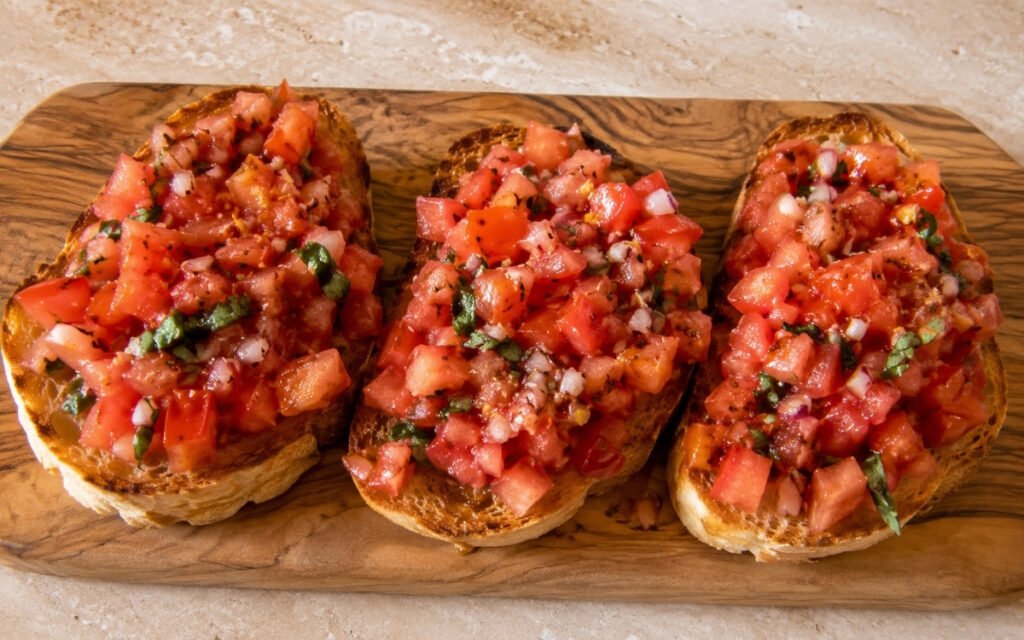
Italian Bruschetta al Pomodoro
Garlic-rubbed toasted bread topped with ripe tomatoes, fresh basil, olive oil, and a few drops of balsamic.
-
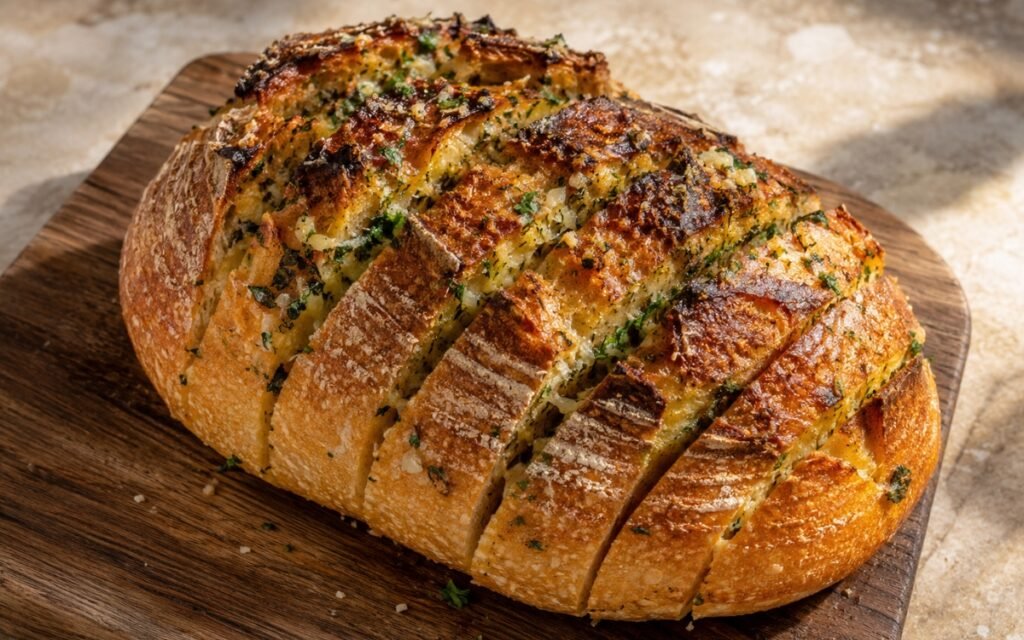
Sourdough Garlic Bread
Sourdough spread with genuinely soft garlic herb butter, baked foil-wrapped then unwrapped until golden and crisp. Rich and aromatic.
-
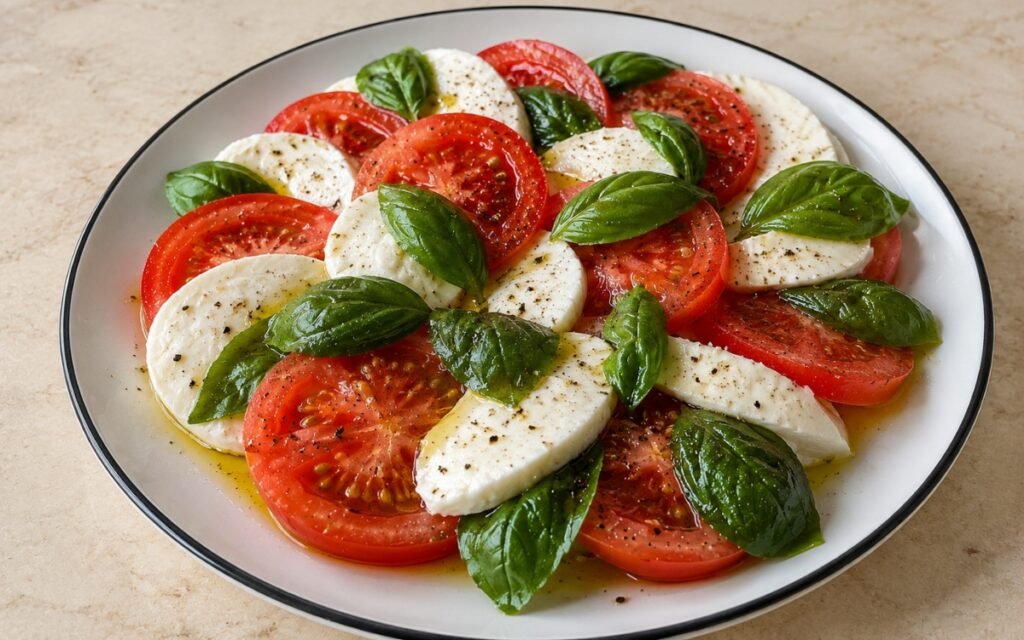
Classic Italian Tomato Basil Salad
Classic Italian salad with ripe tomatoes, fresh mozzarella, basil, and balsamic dressing.
-
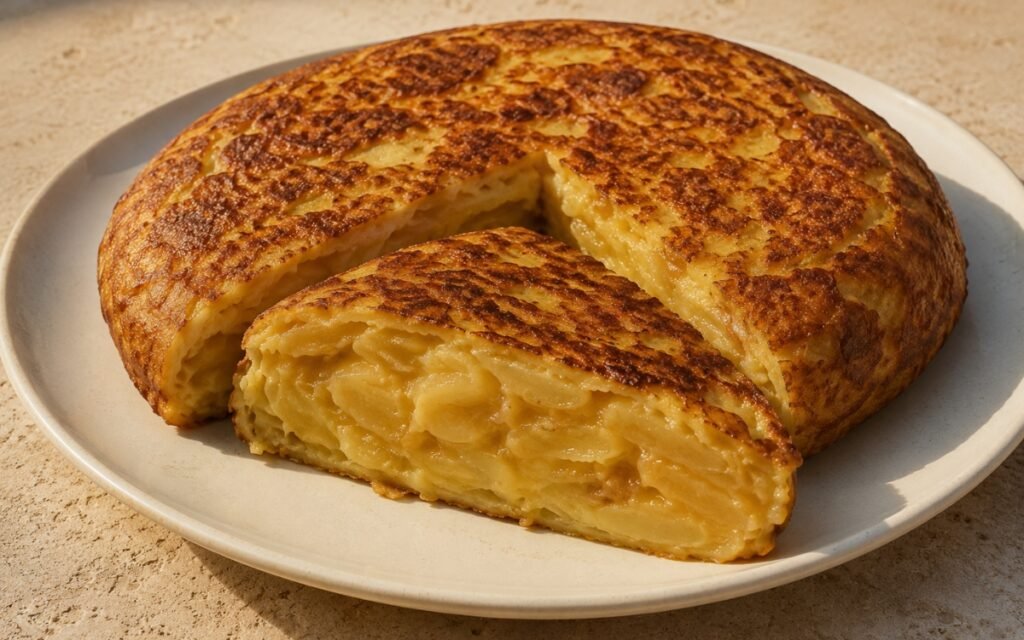
Spanish Tortilla / Tortilla Española
Thin potato slices gently cooked in olive oil, folded into beaten eggs, and cooked slowly for a golden exterior and soft, custardy centre.
-
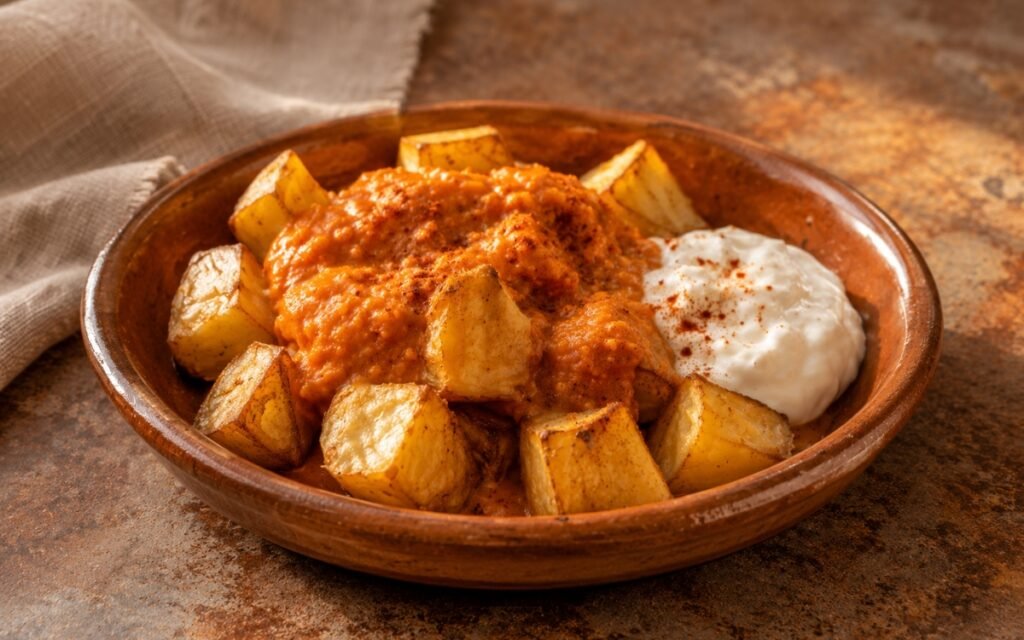
Patatas Bravas with Mayonnaise-Style Aioli
Potatoes parboiled, shaken rough, roasted on a preheated tray — smoky bravas sauce with sherry vinegar, creamy garlic aioli.
-
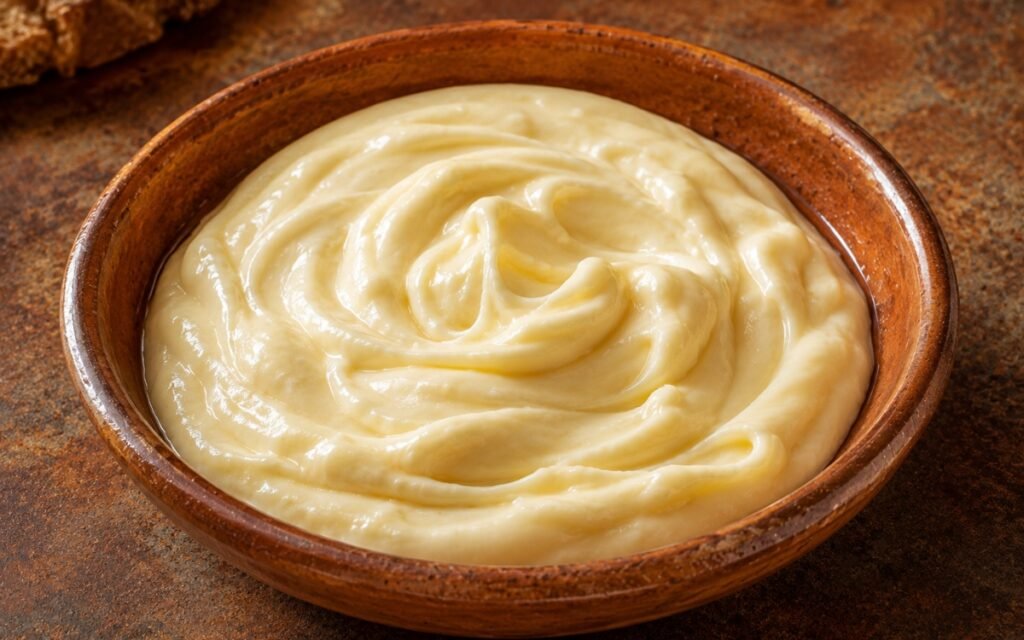
Spanish Alioli
Garlic ground completely smooth with salt — olive oil added drop by drop while grinding until thick, white, and soft-peaked. No egg yolk, no shortcuts. The traditional Catalan three-ingredient alioli.