Traditional Spanish Gambas al Ajillo
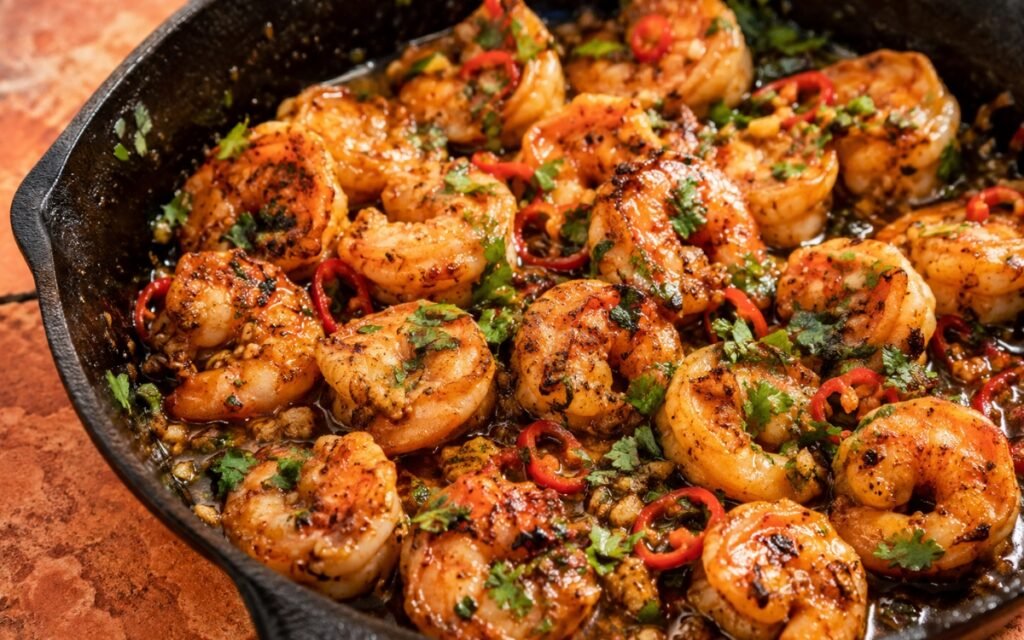
Traditional Spanish gambas al ajillo is a classic tapa of plump, tender raw shrimp sizzling in four small terracotta cazuelas of fragrant extra virgin olive oil infused with thinly sliced golden garlic and whole dried guindilla chilies, cooked quickly until coral-pink, juicy, and lightly caramelised and finished with fresh flat-leaf parsley. Infusing the oil with garlic over gentle heat first and only then raising the heat to cook the shrimp, rather than frying everything hot from the start, is the technique this whole dish depends on for sweet, pale-golden garlic and shrimp that stay juicy — hot oil burns the thin slices bitter and overcooks the shrimp into tight, rubbery rings, the same two-temperature principle used elsewhere in this collection whenever a delicate aromatic must be cooked in fat. Patting the shrimp completely dry is what lets them sizzle and caramelise instead of steaming. Holding back some of the golden garlic until the end is what keeps its colour and light crispness. The payoff is a gambas al ajillo with real, simple elegance — tender shrimp, toasted garlic, a gently spicy oil, and bright parsley.

- Prep Time : 20 min
- Total Time : 35 min
- Servings : 4
Ingredients
For the Shrimp
- 800g large raw shrimp or prawns, peeled and deveined, tails left attached (approximately 24–32 shrimp, depending on size)
- 6g fine sea salt
- 1g freshly ground black pepper (approximately ½ teaspoon, optional)
For the Garlic and Chili Oil
- 240ml extra virgin olive oil, divided (220ml for cooking, 20ml for finishing)
- 60g garlic (approximately 12–15 large cloves), thinly sliced into 1–2mm slices
- 8 small dried Spanish guindilla chilies, preferably mild to medium-hot, left whole or slit slightly
- 1g crushed dried red chili flakes (optional, for additional heat)
For Finishing and Serving
- 20g fresh flat-leaf parsley, finely chopped
- Reserved 20ml extra virgin olive oil
Directions
- Prepare and Dry the Shrimp
If the shrimp are whole, remove the heads and shells but leave the last tail segment and the tail fan attached. Cut a shallow incision along the back of each, lift out the dark intestinal tract without cutting deep, and rinse briefly under cold water only if needed. Spread the shrimp in a single layer on paper or a clean towel and pat both sides completely dry, especially around the tail segments. Season with 6g salt, and the optional pepper if you like, and keep them refrigerated until the oil is nearly ready, taking them out about 5 minutes before cooking. Dry flesh is what browns instead of steaming. - Prepare the Garlic, Chilies, and Cazuelas
Peel the 60g garlic and slice the cloves into even pieces 1–2mm thick, since very thin fragments burn before thicker ones turn fragrant. Remove any stems from the 8 dried guindilla chilies but leave them mostly whole for a gradual infusion, shaking out some seeds for a milder dish or lightly slitting them for more heat. Chop the 20g parsley freshly. Set out four shallow stovetop-safe terracotta cazuelas about 15–17cm across, with a diffuser if the maker recommends it, or one 26–28cm cazuela or wide heavy skillet, and divide 220ml oil, the garlic, and the chilies equally. Even slices are what cook at the same pace. - Slowly Infuse the Olive Oil
Set the cazuelas over low to medium-low heat and warm the oil gradually. After 2–3 minutes the garlic should release tiny bubbles, and the oil should stay at about 110–130°C, shimmering softly without smoking. Stir occasionally and keep gently frying for 3–5 minutes after the bubbling starts, watching the garlic turn from opaque white to translucent to pale straw-gold. When about half the slices are lightly golden at the edges, lift the pan away from the heat, then remove about one-third of the most golden slices with a slotted spoon onto a plate. The garlic should never brown. Gentle heat is what keeps it sweet rather than bitter. - Cook the Shrimp in the Sizzling Garlic Oil
Raise the heat to medium until the oil is steadily active at about 150–165°C, then lay one 200g portion of shrimp in each cazuela in a single layer, bodies curved together and tails pointing outward, lowering them away from you to avoid splashes. Let them cook undisturbed for 60–90 seconds until the underside turns opaque and pink, then turn each once with tongs or a small spoon and cook the second side for 45–90 seconds, spooning hot oil over the tops. The flesh should be opaque and pearly, or reach 63°C at the centre. Take the pans off the heat right at doneness. Timing is what keeps the shrimp tender. - Return the Golden Garlic and Finish the Oil
As soon as the cazuelas leave the heat, divide the reserved golden garlic slices among the four servings and nudge a few between the shrimp so the toasted pieces stay visible. Check that each cazuela keeps its two whole chilies, and sprinkle in a little of the optional crushed chili flakes if you want more heat. Let the residual heat warm the garlic for 15–20 seconds without further browning and spoon the hot oil over the shrimp once more. If the oil still boils hard, let it settle briefly before garnishing. The oil should stay clear and golden. Late garlic is what keeps its colour and its light crunch. - Garnish and Serve Immediately
Settle the shrimp close together in each terracotta cazuela with the tails visible, spread the golden garlic over and around them, and lay the dried chilies between the shrimp so their deep red shows against the golden oil. Scatter about 5g chopped parsley over each cazuela, concentrating it on the shrimp and garlic, and drizzle each with about 5ml of the reserved extra virgin olive oil. Tilt the cazuela slightly to spread the oil without moving the shrimp, and serve immediately while the oil still shimmers with a few small bubbles. Crusty bread on the side is what soaks up the garlic oil.
*Notes :
- Infusing the oil gently before the shrimp go in deserves genuine recognition as the technique most directly responsible for sweet, pale-golden garlic with no bitterness. At about 110–130°C the slices release their flavour into the oil and colour slowly, whereas oil that is hot from the start browns the thin pieces within seconds and leaves a burnt, acrid edge through the whole dish.
- Cooking the shrimp quickly in hotter oil deserves the same attention this technique receives throughout this collection’s other fast seafood dishes. At 150–165°C the flesh sets and develops a few golden contact marks within about two minutes, whereas cooler oil makes the shrimp stew slowly and shrink, and a long cook leaves them tight, dry, and rubbery.
- Patting the shrimp dry deserves genuine respect as the detail most directly responsible for a glossy surface and delicate caramelisation. Surface water cools the oil and spits when it hits the hot cazuela, so wet shrimp steam and turn pale, whereas dry shrimp sizzle at once and take on coral-pink colour with small golden patches.
- Judging doneness by sight deserves attention as a genuine, checkable cue rather than a count of seconds. A loose C-shape, opaque pearly flesh, and a centre of 63°C show the shrimp are cooked, whereas a tight ring or a chalky, shrunken look means they have gone too far, and the residual heat of the ceramic keeps cooking them after the pan leaves the burner.
Why This Recipe Works
This recipe works because the garlic and the shrimp are cooked at the temperatures that suit each of them. Slowly infused oil turns the sliced garlic sweet and pale-gold, and reserving some slices keeps their colour and gentle crunch. Dry shrimp then go into hotter oil, so they set and caramelise in about two minutes while the whole chilies add background heat. Serving them straight from the stove in terracotta keeps the oil sizzling at the table. The result is juicy, coral-pink shrimp in a fragrant, gently spicy oil with toasted garlic and bright parsley.
Ingredient Breakdown
Large Raw Shrimp (800g)
The centrepiece — plump raw shrimp stay juicy in a quick cook, unlike precooked ones that turn rubbery on reheating.
Thinly Sliced Garlic (60g)
The flavour foundation — even, thin slices turn sweet and pale-gold in gentle oil and show on the surface.
Extra Virgin Olive Oil (240ml)
The cooking medium and sauce — a fruity Spanish oil carries the garlic and chili and is soaked up with bread.
Dried Guindilla Chilies (8)
The gentle heat — whole small chilies infuse a background warmth and a reddish tint into the oil.
Two-Temperature Cooking
The critical technique — gentle heat for the garlic and moderately hotter heat for the shrimp protect both.
Fresh Flat-Leaf Parsley (20g)
The fresh finish — chopped just before serving, it adds a bright green contrast against the golden oil.
Flavor Structure Explained
This Spanish gambas al ajillo follows a layered balance model:
- Sweet, briny foundation (tender raw shrimp)
- Toasted, mellow aroma (sliced golden garlic)
- Fruity, rich carrier (extra virgin olive oil)
- Gentle, background heat (dried guindilla chilies and optional chili flakes)
- Fresh, herbal finish (flat-leaf parsley)
Tender shrimp give the dish its sweet, briny foundation, while sliced golden garlic adds a toasted, mellow aroma that never turns bitter. Extra virgin olive oil acts as a fruity, rich carrier for every flavour, and dried guindilla chilies bring gentle, background heat that warms the oil without dominating it. Fresh flat-leaf parsley finishes with a clean herbal note that ties this gambas al ajillo together.
Common Mistakes to Avoid
- Frying the Garlic Hot – This burns the thin slices and makes the whole oil bitter. Always infuse it gently at about 110–130°C and lift the pan away when half the slices turn gold.
- Cooking Wet Shrimp – This cools the oil and makes the shrimp steam and spit. Always pat both sides completely dry before seasoning.
- Overcooking the Shrimp – This shrinks them into tight, dry, rubbery rings. Always cook them about 2 minutes in total and remove the pans from the heat as they turn opaque.
- Using Precooked Shrimp – This becomes rubbery when heated again in the oil. Always use raw shrimp so that the only cooking happens in the garlic oil.
- Mincing the Garlic – This burns far faster and loses the golden slices that define the dish. Always slice the cloves evenly, 1–2mm thick, and keep them whole.
Variations
Peeled Tail Version
Serve the shrimp completely peeled, including the tails, as in some Spanish tapas bars, which makes the dish easier to eat although the curved tail presentation of the cazuela is lost.
Single Skillet Version
Cook all the shrimp in one wide, heavy skillet or one 26–28cm cazuela instead of four small ones, which keeps the same method and timing while giving a shared dish for the table.
Milder Chili Version
Shake some seeds out of the guindilla chilies and skip the optional chili flakes, which gives a very gentle warmth that suits a table of mixed tastes and lets the garlic stay in front.
Hotter Chili Version
Slit the guindilla chilies lightly to expose their interiors and add the optional 1g crushed chili flakes, which increases the heat noticeably while leaving the garlic and olive oil flavours intact.
Storage & Make-Ahead
Clean and devein the shrimp up to 12 hours ahead and refrigerate them in a covered container at 4°C or below, drying them thoroughly again just before seasoning and cooking so that they brown.
Peel the garlic ahead of time but slice it shortly before cooking, because freshly sliced garlic keeps its sweet flavour and cooks more evenly than slices that have dried out.
Gambas al ajillo is best eaten immediately, so cook the dish just before serving and bring the bread and plates to the table first, because the shrimp keep cooking in the hot oil.
If leftovers remain, cool them promptly and refrigerate them in an airtight container at 4°C or below for up to 2 days, reheating them gently over low heat only until hot.
Avoid vigorous frying when reheating, because the shrimp are already cooked and will turn tough and rubbery, and serve the leftover garlic oil with bread rather than discarding it.
Frequently Asked Questions
Why is the garlic infused before the shrimp are added?
Gentle heat of about 110–130°C releases the garlic’s flavour into the oil and turns the slices pale gold, while hot oil from the start would brown them in seconds and make the dish bitter.
Why are some garlic slices removed and returned at the end?
Taking out the most golden third keeps its delicate colour and light crispness, because garlic left in the hot oil keeps browning, so the reserved slices return as a toasted, mellow topping.
Why must the shrimp be patted completely dry?
Surface water would cool the oil and make it spit, so the shrimp would steam and turn pale, whereas dry flesh sizzles immediately and caramelises lightly in the garlic oil.
Why are the shrimp cooked for only about two minutes?
Shrimp set quickly, and the retained heat of the terracotta and oil keeps cooking them, so removing the pans promptly at a loose C-shape keeps the flesh juicy, not tight and rubbery.
Are there other classic garlic shrimp, Spanish tapas, or bread dishes worth trying?
Traditional Portuguese Garlic Shrimp and Garlic Butter Shrimp Skillet both offer other classic garlic shrimp directions worth exploring, and Patatas Bravas with Mayonnaise-Style Aioli and Spanish Tortilla / Tortilla Española are also worth making as other Spanish tapas for the same table. Sourdough Bread is a bread worth baking for soaking up the hot garlic oil.
Nutrition Facts
( Per Serving — 1 cazuela )
- Calories
- ~650 kcal
- Protein
- 40 g
- Fat
- 52 g
- Carbs
- 5 g
-

Chili Lime Shrimp
Shrimp dried and seared, garlic and chilies added after the flip, glazed in lime honey butter sauce built in the pan. Bright and spicy.
-
Garlic Shrimp Skewers
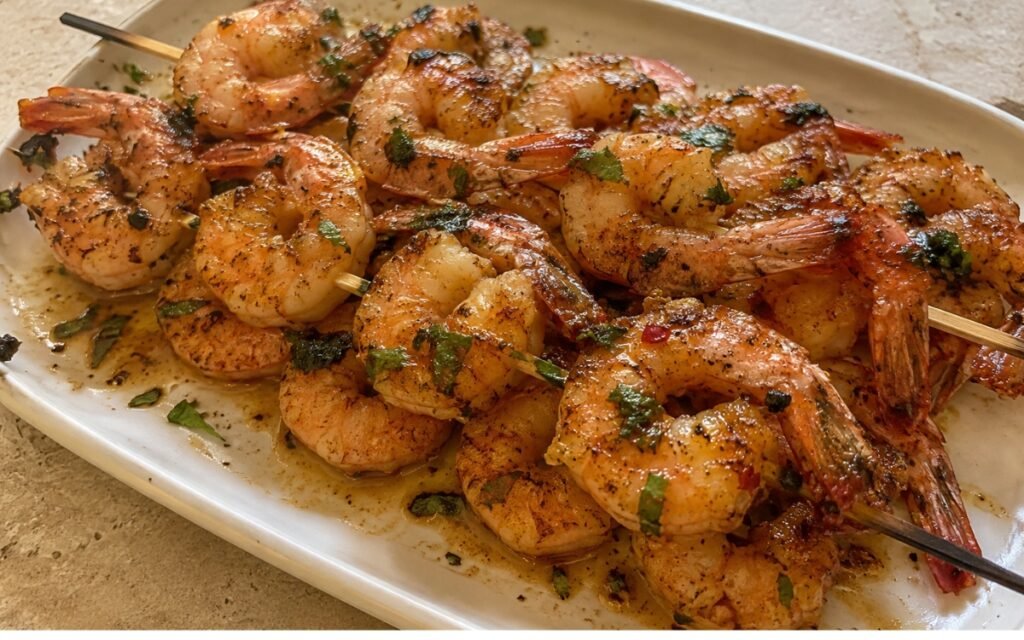
Shrimp marinated 30 minutes in garlic herb butter, threaded on double skewers, grilled fast with fresh butter basting until charred. Juicy and garlicky.
-
Shrimp Scampi Pasta
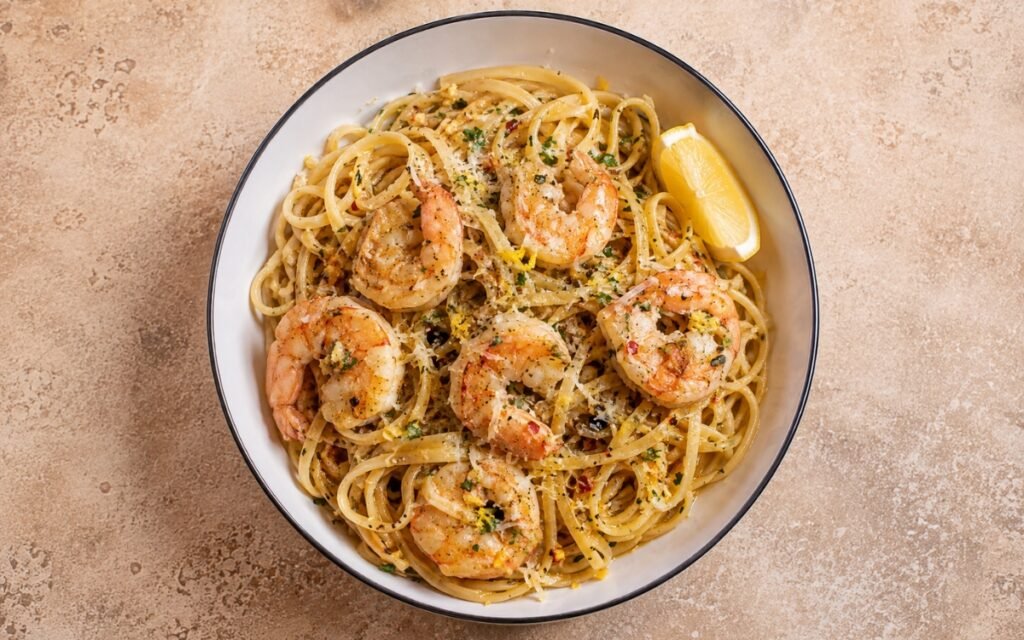
Linguine finished in a glossy garlic butter lemon sauce with tender shrimp, parsley, chili flakes, and Parmesan.
-
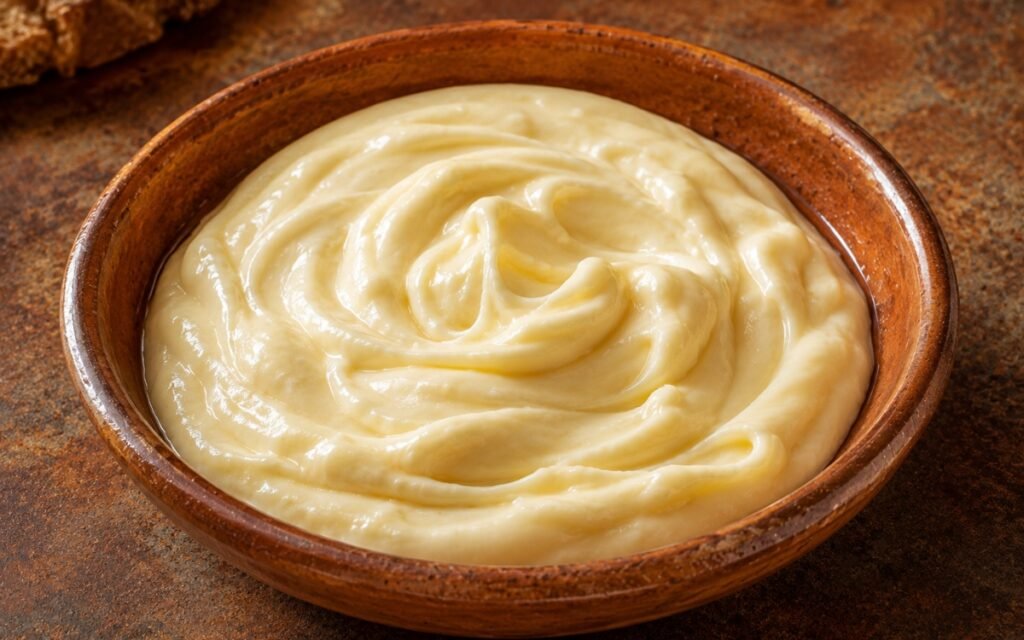
Spanish Alioli
Garlic ground completely smooth with salt — olive oil added drop by drop while grinding until thick, white, and soft-peaked. No egg yolk, no shortcuts. The traditional Catalan three-ingredient alioli.
-
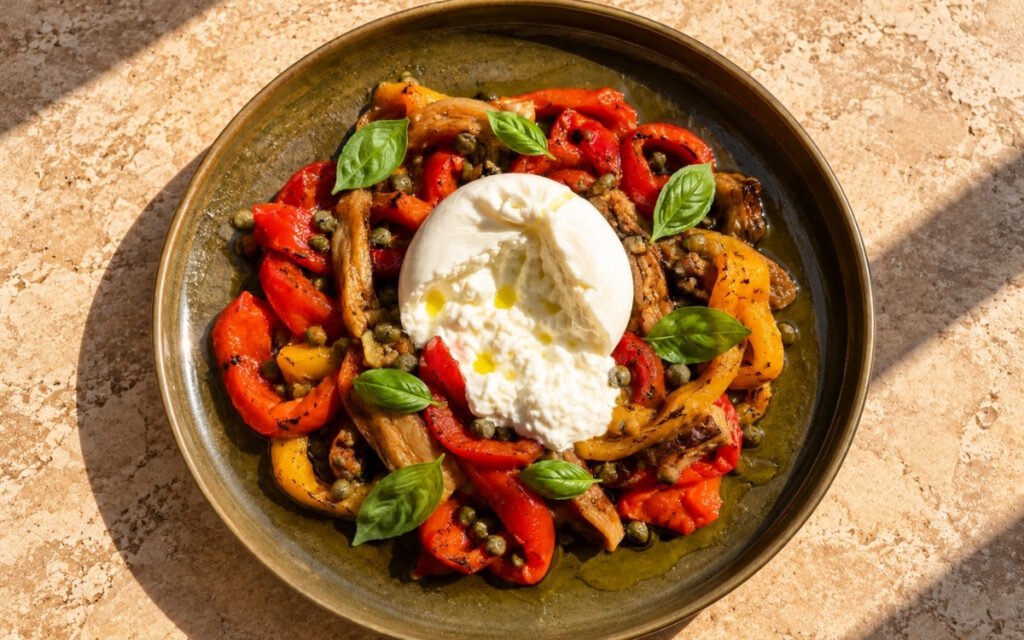
Spanish Escalivada with Burrata & Capers
Fully roasted peppers, eggplant, and onion, peeled and torn into soft smoky strips, dressed with olive oil, finished with torn burrata, capers, and basil.
-
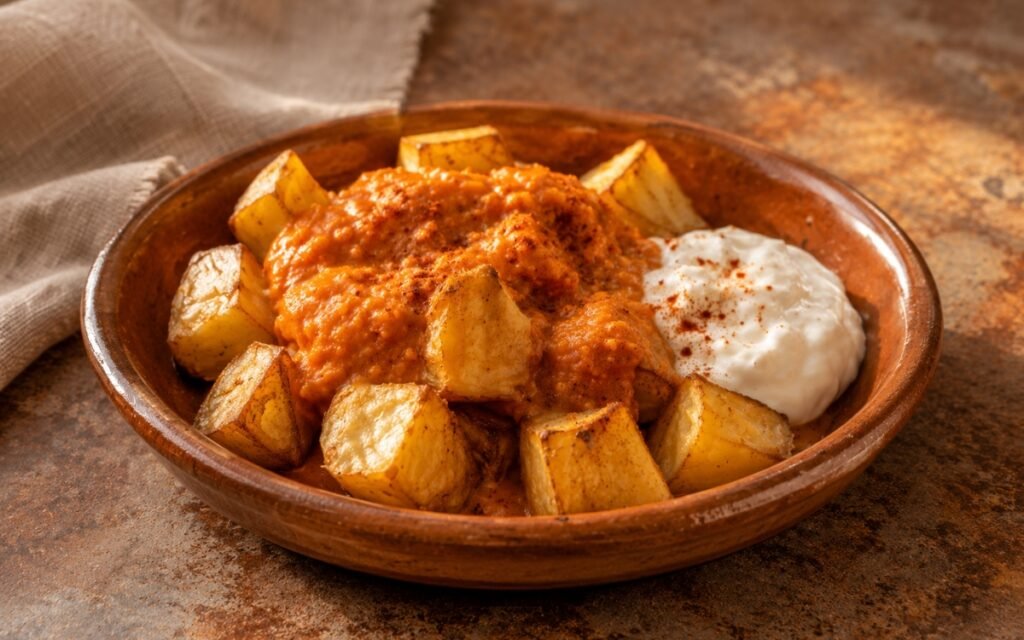
Patatas Bravas with Mayonnaise-Style Aioli
Potatoes parboiled, shaken rough, roasted on a preheated tray — smoky bravas sauce with sherry vinegar, creamy garlic aioli.