Traditional Portuguese Bacalhau à Brás
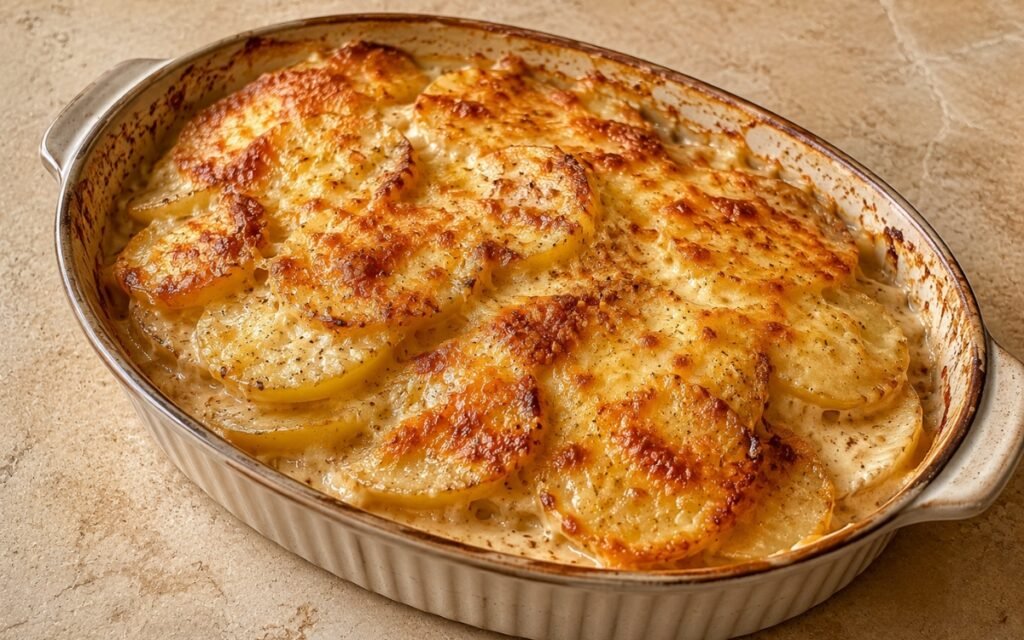
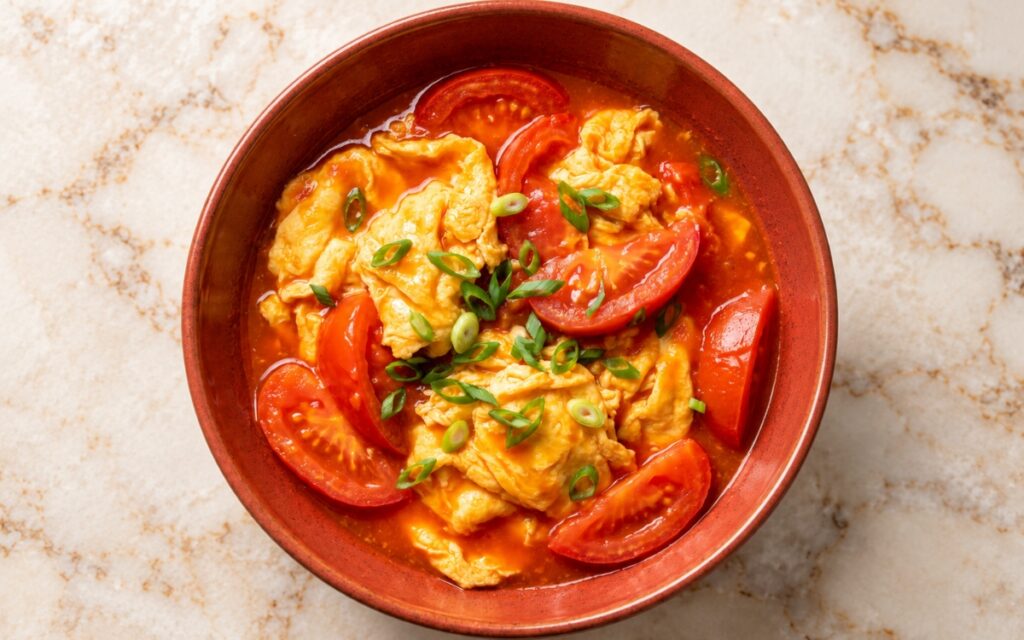
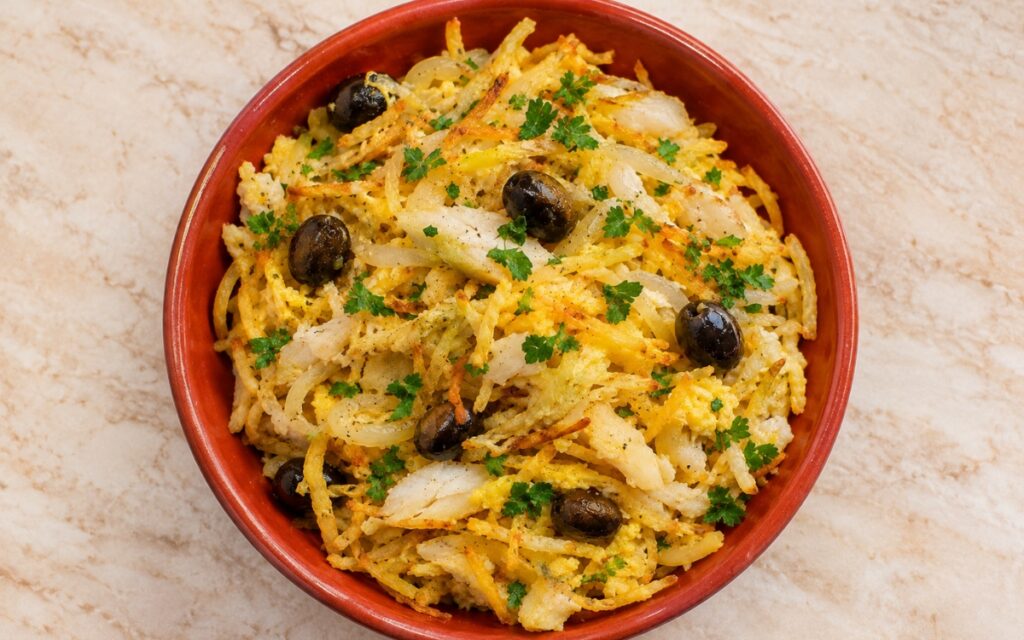
Traditional Portuguese bacalhau à brás is a beloved Lisbon classic of tender flakes of desalted salt cod, thin golden shoestring potatoes, softly sautéed onions, and creamy eggs, folded together until the eggs form a silky coating, the key being the contrast between the delicate fish, lightly crisp potatoes, and rich, softly set egg. Stirring the beaten eggs through the warm mixture over the lowest heat, rather than cooking them like scrambled eggs, is the technique this whole dish depends on for its creamy texture — eggs on strong heat tighten into dry curds and squeeze out moisture, the same gentle-heat-and-constant-folding principle used elsewhere in this collection whenever eggs must stay silky. Poaching the cod just below a simmer is what keeps it moist and easy to flake into tender, distinct strands. Cutting and drying the potatoes thoroughly before frying is what makes them thin, golden, and crisp rather than limp or greasy. The payoff is a bowl with real, comforting depth — flaky salted fish, sweet onion, golden potato strands, and glossy, softly set eggs finished with parsley and black olives.
- Prep Time : 25 min
- Total Time : 1 hr
- Servings : 4
Ingredients
For the Salt Cod
- 500g desalted salt cod (bacalhau demolhado), boneless and skinless, weighed after desalting
- 1 dried bay leaf
- Water, for poaching if necessary
For the Shoestring Potatoes (Batata Palha)
- 650g potatoes, preferably a frying variety such as Agria
- 1–1.5 litres sunflower oil or mild olive oil, for frying
- 2g fine sea salt
For the Onion and Egg Mixture
- 200g yellow onions (about 2 medium onions), thinly sliced into half-moons
- 12g garlic (about 3 cloves), finely minced
- 50ml extra-virgin olive oil
- 6 large eggs
- 2 additional egg yolks
- 1g freshly ground black pepper
- Fine sea salt, only if needed
For Finishing and Serving
- 60g whole black Portuguese olives, preferably Galega olives
- 20g fresh flat-leaf parsley, roughly chopped
Directions
- Prepare and Flake the Salt Cod
Start with properly desalted cod; if using fully salted cod, rinse it and soak it in cold water in the refrigerator for 24–48 hours beforehand, changing the water every 8–12 hours, which is not counted in the times above. Drain, check for bones and skin, then place the fish in a saucepan with the bay leaf and enough water to cover. Heat until just below a simmer and poach for 5–7 minutes, until opaque and easily flaked, then drain and pull it into small, irregular flakes. That gentle poaching is what keeps the cod moist. - Fry the Shoestring Potatoes
Peel the potatoes and cut them into extremely thin matchsticks about 2mm thick and 4–6cm long, then rinse briefly and dry them completely with clean towels. Heat the oil in a deep, heavy pot to 170–175°C and fry the potatoes in small batches for 3–5 minutes, stirring occasionally, until lightly golden and crisp. Drain on a rack, season with the 2g of salt, and set aside a quarter for later. That thorough drying is what prevents splattering and gives crisp, distinct strands. - Sauté the Onions and Garlic
Heat the 50ml of olive oil in a large, deep skillet over medium-low heat, add the sliced onions, and cook for 8–10 minutes, stirring occasionally, until completely soft, translucent, and lightly golden. Stir in the garlic for 45–60 seconds until fragrant, then fold in the flaked cod and cook gently for 2–3 minutes. The mixture should be soft, glossy, and moist with olive oil. That slow cooking is what keeps the onions sweet instead of deeply caramelised, which would overpower the delicate fish. - Combine the Cod and Potatoes
Reduce the heat to low and fold in about three quarters of the fried potatoes until they are evenly distributed through the cod and onions, then let the mixture warm for about 1 minute. Taste a small portion before adding any salt, because the cod and fried potatoes already carry seasoning, and add 1–2 tablespoons of warm water only if the mixture looks dry. Stir gently so the strands stay intact. That careful folding is what keeps the potatoes from breaking into mash. - Add the Eggs and Cook Until Creamy
Whisk the 6 eggs and 2 extra yolks with the black pepper, lower the heat as far as it will go, and pour the eggs over the warm mixture. Fold constantly with a silicone spatula, lifting from the base of the pan, for 2–4 minutes, until the eggs thicken into a soft, creamy coating with no raw liquid pooling beneath. Remove from the heat while still glossy and slightly loose, then fold in the reserved potatoes and half the parsley. That residual heat is what finishes setting the eggs gently. - Garnish and Serve
Transfer the bacalhau à brás at once to a warm serving bowl or four individual bowls, keeping the mixture loose so the cod flakes, golden potato strands, and softly set eggs remain distinct. Scatter the whole black olives over the top, warning diners if the pits are still in, and sprinkle with the remaining parsley. Serve immediately while warm and creamy. That prompt serving is what keeps the eggs soft and the reserved potatoes lightly crisp rather than soggy.
*Notes :
- Folding the eggs through the mixture over the lowest heat deserves genuine recognition as the technique most directly responsible for the creamy, silky coating that defines this dish. Strong heat tightens the egg proteins into dry scrambled curds and squeezes out moisture, whereas gentle heat and constant folding let the eggs thicken slowly into a soft sauce that binds the cod and potatoes.
- Desalting the cod properly deserves the same attention this technique receives throughout this collection’s other salted-fish dishes. Cod that is still too salty overwhelms the eggs and potatoes and cannot be rescued once everything is combined, whereas fish soaked for 24–48 hours in cold, regularly changed water stays pleasantly seasoned and flakes into tender strands.
- Cutting the potatoes into very thin, dry matchsticks deserves genuine respect as the detail most directly responsible for the golden, lightly crisp strands traditional to the dish. Thick or damp potatoes fry unevenly and spit hot oil, while fine, dried strands crisp within minutes and keep their shape when folded gently through the warm cod.
- Holding back a quarter of the potatoes deserves attention as a genuine, checkable texture cue rather than a loose approximation of crispness. The first three quarters soften slightly in the eggs and help bind the mixture, but the reserved strands, added at the end, keep some golden crispness that makes every serving look and eat the way it should.
Why This Recipe Works
This recipe works because each element is prepared to its own best texture before the eggs bring them together. Gently poached cod flakes stay moist, and thin, dried potatoes fry into crisp golden strands. Onions cooked slowly turn soft and sweet without dominating the fish, and a final fold of eggs over the lowest heat creates a silky coating instead of dry curds. Adding some potatoes only at the end keeps a little crunch in every serving, and olives and parsley give a salty, fresh finish that balances the richness of the eggs and olive oil.
Ingredient Breakdown
Properly Desalted Salt Cod
The defining flavour ingredient — soaked until pleasantly seasoned, it flakes into tender strands with authentic salty depth.
Batata Palha (Shoestring Potatoes)
The structural foundation — thin, dry, golden strands give the dish its tangled texture.
Slowly Cooked Onions
The flavour foundation — cooked until soft and translucent, they add gentle sweetness without caramelising enough to overpower the fish.
Eggs and Extra Yolks
The critical technique — folded in over the lowest heat, they form a creamy coating, and the extra yolks add richness.
Galega Black Olives
The finishing touch — their salty, fruity bite is the classic contrast to the creamy eggs and mild potatoes.
Flat-Leaf Parsley
The finishing technique — scattered over at the end, it adds a clean, green freshness against the rich, savoury mixture.
Flavor Structure Explained
This Portuguese bacalhau à brás follows a layered balance model:
- Salty, delicate foundation (flaked desalted salt cod)
- Crisp, golden contrast (fried shoestring potatoes)
- Sweet, soft depth (slowly sautéed onions and garlic)
- Rich, creamy binder (softly set eggs and extra yolks)
- Salty, fresh finish (black olives and flat-leaf parsley)
Flaked salt cod provides the salty, delicate foundation of the dish, with its tender, moist flesh. Fried shoestring potatoes add a crisp, golden contrast that stays lightly crunchy in places, while slowly sautéed onions and garlic bring a sweet, soft depth underneath the fish. Softly set eggs and extra yolks bind everything into a rich, creamy mixture, and black olives and parsley give a salty, fresh, herbal finish that ties this dish together.
Common Mistakes to Avoid
- Skipping the Full Desalting – This leaves the cod harshly salty. Always soak it for 24–48 hours in cold water, changing the water regularly.
- Cooking the Eggs Over High Heat – This forms dry scrambled curds. Always use the lowest heat and fold constantly until the eggs are glossy and soft.
- Frying Damp Potatoes – This makes the oil spit and the strands limp. Always dry the matchsticks completely and fry them in small batches.
- Browning the Onions Deeply – This overpowers the delicate cod. Always cook them slowly until soft, translucent, and only lightly golden.
- Over-Stirring the Potatoes – This breaks them into a mash. Always fold gently and keep a quarter back to add at the end.
Variations
Shortcut Version
Use 350–400g of good-quality ready-made batata palha instead of frying the potatoes, which saves time and skips the deep frying while keeping the familiar crisp, tangled texture.
Pitted Olive Version
Use pitted black olives instead of whole ones, which makes serving easier for guests and children without changing the salty, fruity contrast that the olives bring to the creamy eggs.
Extra-Creamy Version
Add one more egg yolk to the beaten eggs and take the pan off the heat a little earlier, giving a looser, silkier coating that stays moist as the residual heat sets it.
Individual Bowl Version
Divide the finished mixture among four warm bowls and top each with olives and parsley, which gives a neater, restaurant-style presentation with the same flavour and texture.
Storage & Make-Ahead
The cod can be desalted and flaked a day ahead and refrigerated in a covered container, and the potatoes can be fried earlier in the day, but everything should be combined with the eggs only just before serving.
Store the fried potatoes in an airtight container at room temperature for a few hours, because refrigeration softens them, and they only need to be folded in at the very end to keep their crispness.
Leftovers should be refrigerated promptly at 4°C or below and eaten within 2 days, although the eggs and potatoes lose some of their original texture and the dish tastes best freshly made.
Reheat leftovers gently over low heat just until hot, stirring carefully, because strong heat turns the creamy eggs dry and rubbery and makes the already softened potatoes even less appealing.
Serve it warm rather than hot straight from the pan, since the eggs are still setting and the delicate flavour of the cod and the creamy texture of the eggs show best when it is not scalding.
Frequently Asked Questions
Why are the eggs cooked over the lowest heat while being folded?
Gentle heat lets the egg proteins thicken slowly into a silky coating, whereas strong heat tightens them into dry curds that squeeze out moisture and destroy the creamy texture the dish needs.
Why does the salt cod need to be desalted for 24–48 hours?
Salt-cured cod is extremely salty, and a long soak in cold, regularly changed water draws out enough salt to leave it pleasantly seasoned, so it flavours the dish without overwhelming the eggs and potatoes.
Why are the potatoes cut so thin and dried before frying?
Very thin matchsticks cook through and crisp within minutes, and removing surface moisture prevents splattering and sogginess, so the strands fry golden and stay distinct once folded into the warm mixture.
Why are some of the potatoes added only at the end?
The earlier potatoes soften in the eggs and help bind the mixture, but the reserved strands go in last so they keep some golden crispness and give the finished dish a contrast in texture.
Are there other classic cod, shrimp, or salmon dishes worth trying?
Lemon Butter Baked Cod and Pan-Seared Cod both offer other classic cod directions worth exploring. Chicken Fajita, Garlic Shrimp Skewers, and Grilled Salmon Fillets are also worth trying for other protein-led mains built on chicken, shrimp, and salmon.
Nutrition Facts
( Per Serving )
- Calories
- ~720 kcal
- Protein
- 46 g
- Fat
- 38 g
- Carbs
- 48 g
-

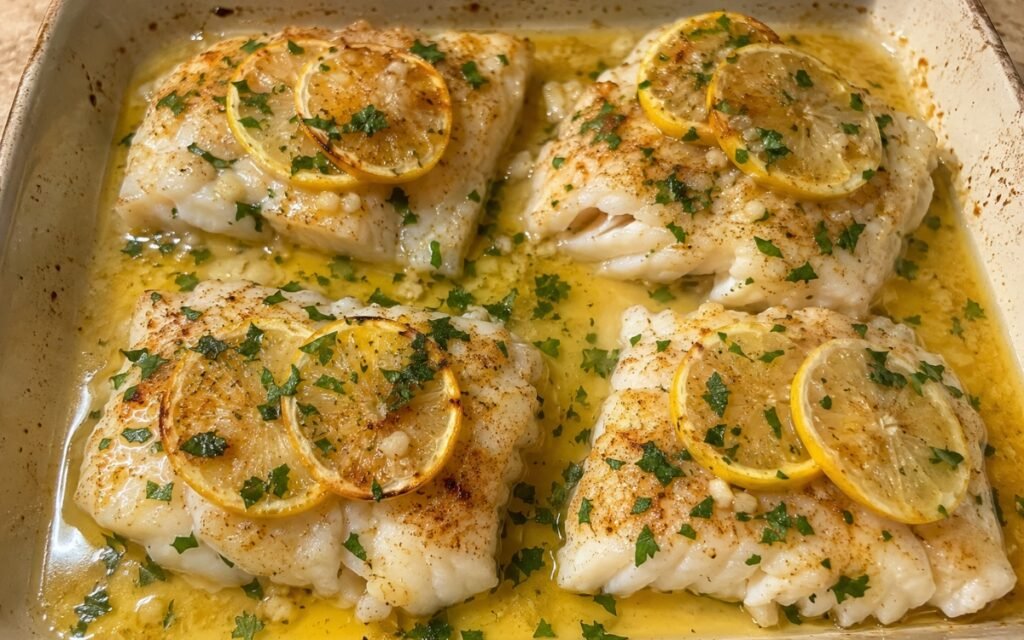
Lemon Butter Baked Cod
Cod fillets baked snugly in garlicky lemon butter, topped with lemon slices until flaky, finished with pan juices and parsley. Elegant and effortless.
-
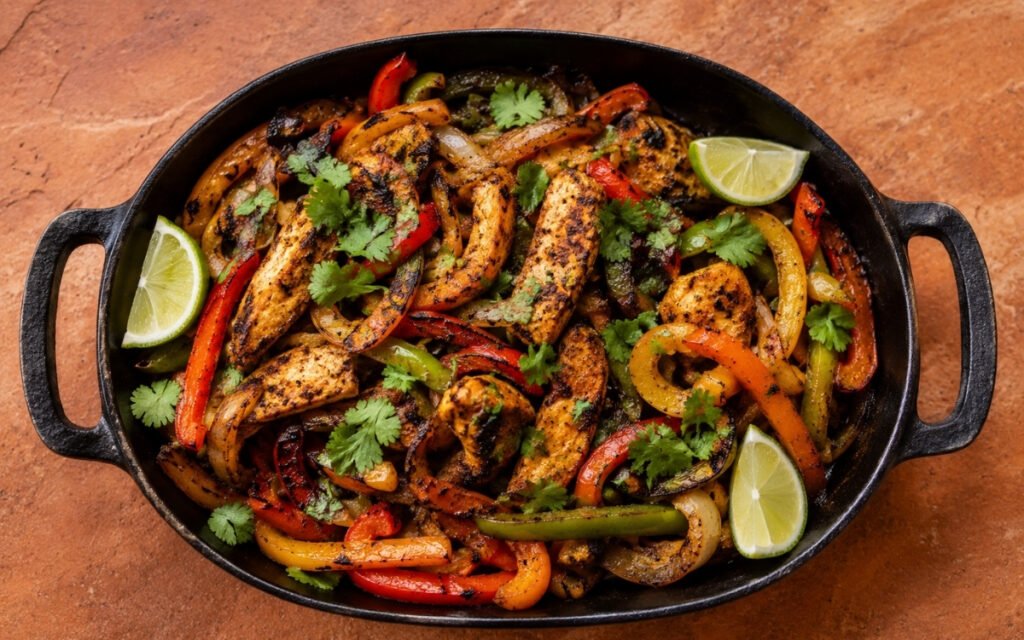
Chicken Fajita
Smoked paprika and cumin-marinated chicken thighs seared in cast iron with charred tri-colour peppers and caramelised onions — the complete Tex-Mex fajita in 35 minutes.
-
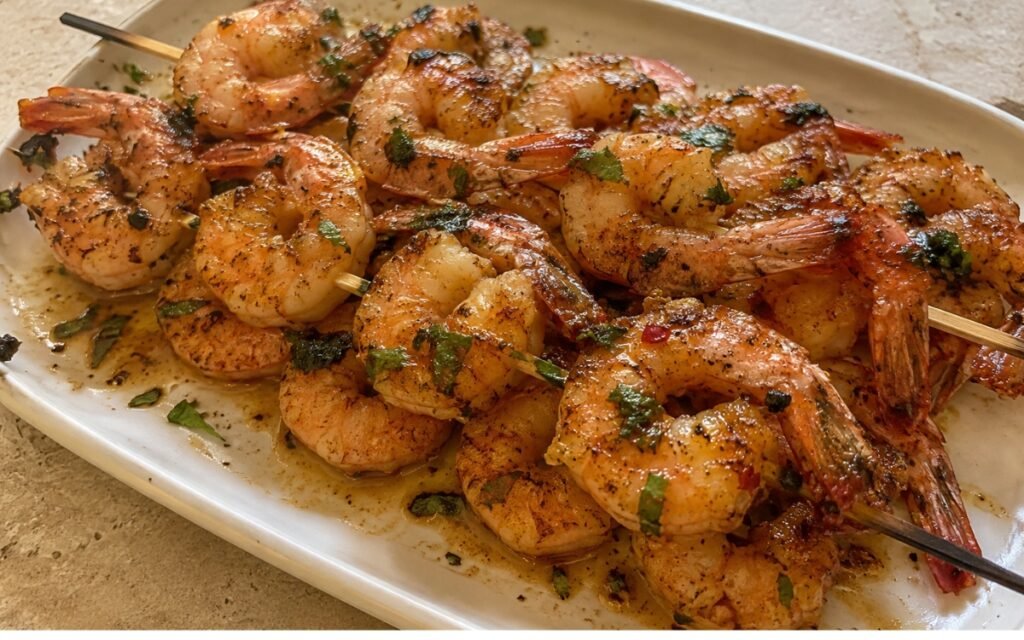
Garlic Shrimp Skewers
Shrimp marinated 30 minutes in garlic herb butter, threaded on double skewers, grilled fast with fresh butter basting until charred. Juicy and garlicky.
-
Creamy Scalloped Potatoes
Potatoes sliced evenly, layered with roux-based gruyere cream sauce, baked covered then uncovered until golden. Rested. Velvety and rich.
-
Aloo Gobi
Classic dry-style aloo gobi with golden potatoes, browned cauliflower florets, sweet peas, and a warm spice coating.
-
Chinese Tomato Egg Stir-Fry
Large soft scrambled egg curds and juicy tomato wedges in a glossy, lightly thickened red sauce, finished with fresh sliced scallion greens.