
Chinese Tomato Egg Stir-Fry
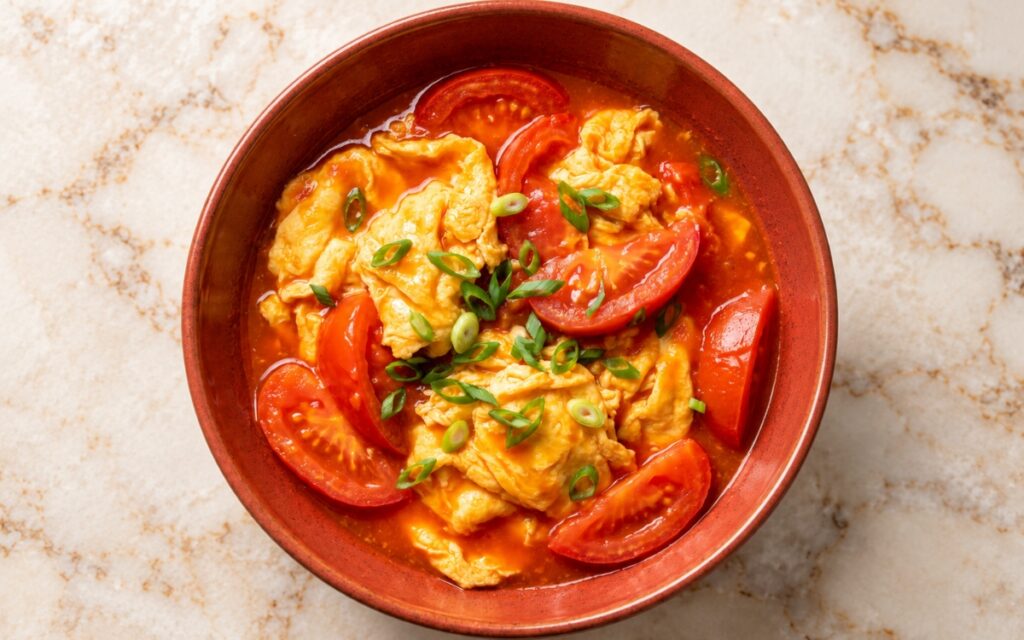
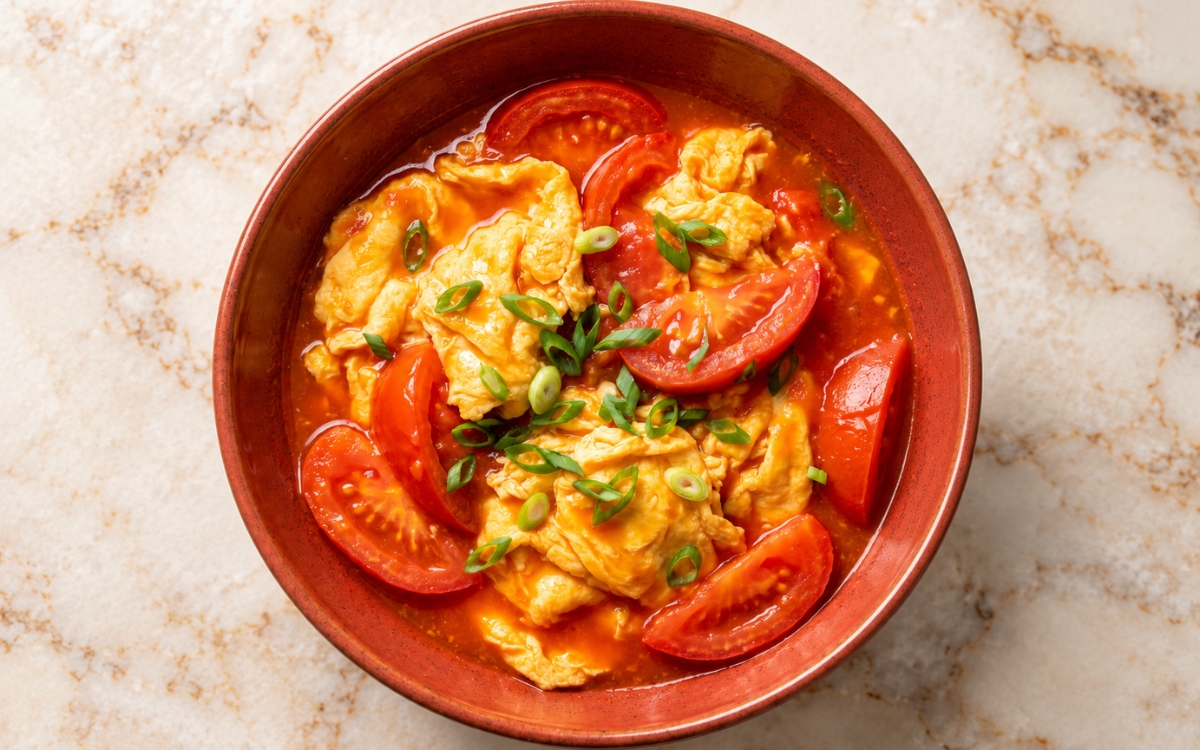
A classic home-style Chinese stir-fry of large, soft scrambled egg curds folded into juicy tomato wedges and a lightly thickened, glossy red sauce, finished with sliced scallion greens, the key being genuinely tender egg against bright, savoury-sweet tomato with a clean, fresh finish. Scrambling the eggs only to about 70–80% cooked, rather than cooking them through in the first pan, is the technique this whole stir-fry depends on for genuinely plump, custardy curds — eggs that are fully set before they meet the sauce turn rubbery and dry as they simmer, the same cook-it-part-way-and-finish-in-the-sauce principle used elsewhere in this collection whenever a delicate protein shares a pan with a hot sauce. Stir-frying the tomato wedges only until they slump and release their juice is what keeps them chunky and fresh instead of collapsing into a puree. A small amount of sugar and a light cornstarch slurry is what rounds the natural acidity and gives the sauce its glossy cling, so it coats the wedges rather than running off them. The payoff is a stir-fry with real, comforting balance — plush glossy egg curds, juicy tomato wedges, and a savoury-sweet red sauce brightened with fresh scallion.
Prep Time : 15 min
Total Time : 27 min
Servings : 4
15 min
27 min
4
Ingredients
For the Eggs
• 8 large eggs
• ½ tsp fine salt
• ¼ tsp white pepper
• 1 tbsp Shaoxing wine or water
• 1 tsp sesame oil or neutral oil
For the Tomato Stir-Fry and Sauce
• 900g ripe tomatoes, cut into wedges
• 3 scallions, whites and greens separated, thinly sliced
• 3 cloves garlic, finely minced
• 2 tbsp neutral oil, divided, plus more as needed
• ½ tsp fine salt, plus more to taste
• 1½ tsp sugar
• 1 tbsp light soy sauce
• 2 tbsp ketchup, optional, for a brighter colour and a more classic home-style tomato base
• 80–120ml water or light stock
For the Slurry
• 1 tsp cornstarch
• 1 tbsp water
For the Garnish
• Sliced scallion greens, taken from the scallions above
Directions
- Beat the Eggs
Crack the 8 large eggs into a bowl and add ½ tsp fine salt, ¼ tsp white pepper, 1 tbsp Shaoxing wine or water, and 1 tsp sesame oil or neutral oil. Beat with chopsticks or a fork for 20–30 seconds, just until the yolks and whites are combined and the mixture is a uniform pale yellow with only a few small bubbles on the surface. Stop before it turns frothy or foamy. Set the bowl beside the stove so the eggs are ready the moment the pan is hot. That light beating, with a little liquid in the mix, is what keeps the eggs genuinely tender and custardy instead of airy and dry. - Prep the Slurry and Aromatics
Stir the 1 tsp cornstarch into the 1 tbsp water in a small bowl until smooth and set it near the stove. Cut each tomato into 6–8 wedges so the pieces are thick enough to hold their shape in the pan. Thinly slice the 3 scallions, keeping the whites and the greens in separate piles, and finely mince the 3 cloves of garlic. Measure out the sugar, soy sauce, ketchup, and water or stock so everything can go in quickly, and stir the slurry again right before it is used, since cornstarch settles fast. That advance preparation is what lets the cooking that follows move at full speed without anything waiting in a hot pan. - Scramble the Eggs Part-Way
Heat a wok or large skillet over medium-high heat for about 1 minute, then add 1 tbsp of the neutral oil and swirl to coat the base. When the oil is hot and shimmering, pour in the beaten eggs and let them set for about 10 seconds. Push and fold gently with a spatula into large, soft curds, cooking for roughly 40–60 seconds, until the eggs are about 70–80% cooked and still slightly wet in places. Slide them onto a plate straight away. That deliberate under-cooking is what lets the eggs finish gently in the sauce so they stay genuinely soft, plump, and glossy. - Build the Tomato Base
Return the pan to medium-high heat and add the remaining 1 tbsp neutral oil, with a little more if the pan looks dry. Add the scallion whites and garlic and stir-fry for 15–20 seconds, just until fragrant. Add the tomato wedges, the remaining ½ tsp salt, 1½ tsp sugar, 1 tbsp light soy sauce, and the 2 tbsp ketchup if using, then stir-fry for 2–4 minutes until the tomatoes begin releasing juice. Pour in 80–120ml of water or light stock, using less if the tomatoes are very watery, and cook for another 2–3 minutes until the wedges soften and the liquid turns saucy while the pieces still hold their shape. That restraint is what keeps the dish genuinely chunky and fresh rather than collapsed into a puree. - Lightly Thicken
Give the slurry a quick stir and drizzle it into the pan while stirring the tomatoes. Cook for 20–30 seconds, until the sauce turns glossy, lightly thickens, and clings to the tomato wedges. The sauce should coat a spoon lightly rather than turn heavy or gelatinous. If it looks too thick, loosen it with a splash of water, and if it looks too thin, let it bubble for another 15–20 seconds. That small amount of starch is what binds the juices to the tomatoes without clouding or stiffening the sauce. - Return the Eggs and Serve
Slide the eggs back into the pan along with any juices that collected on the plate. Fold gently with a spatula for 20–40 seconds, just until the eggs are fully cooked through, no longer wet, and coated in the red sauce. Taste and adjust with a pinch more salt or sugar if needed, then turn off the heat and scatter the sliced scallion greens over the top. Serve immediately in a warm bowl, ideally with steamed white rice alongside. That gentle, brief fold is what keeps the curds large and plush rather than broken into small, messy pieces.
*Notes :
- Stopping the eggs at 70–80% cooked deserves genuine recognition as the technique most directly responsible for whether the finished dish has soft, custardy curds or tough, dry ones. Eggs keep setting in the residual heat and again when they return to the hot sauce, so curds that are fully set in the first pan turn rubbery and shrink by the time they reach the bowl.
- Keeping the tomato wedges visibly intact deserves the same attention this technique receives throughout this collection’s other quick stir-fry dishes, where a short, hot cook preserves texture. Tomatoes slump and release juice within a few minutes of stir-frying, but cooked much longer they collapse into a puree, and the dish loses its chunky, fresh character and turns thin and muddy.
- The small amount of sugar deserves genuine respect as the detail most directly responsible for rounding out the natural acidity of the tomatoes. Without it the sauce tastes sharp and thin even when properly salted, while 1½ tsp is enough to tip it into a savoury, lightly sweet balance, and the optional ketchup deepens the colour in the same direction.
- Choosing ripe, juicy tomatoes and adjusting the added liquid to match deserves attention as a genuine, checkable cue rather than a loose approximation. Very watery tomatoes already supply plenty of liquid and need less water or stock, whereas firmer fruit use the full 120ml, and the sauce is ready when it clings lightly to the wedges instead of pooling in the pan.
Why This Recipe Works
This recipe works because the eggs are scrambled first to only 70–80% done, so they finish gently in the sauce and stay plump, glossy, and custardy. Ripe tomato wedges are stir-fried just until they slump and release juice, which builds a genuinely chunky, fresh sauce rather than a puree. Sugar balances the natural acidity, while light soy sauce adds savoury depth and the optional ketchup deepens the colour. A light cornstarch slurry binds the juices so the sauce clings to the tomatoes instead of pooling. A brief, gentle fold keeps the curds large and soft, giving a real, comforting, balanced dish.
Ingredient Breakdown
Eggs Cooked to 70–80%
The critical technique — pulling the curds while still slightly wet lets them finish in the sauce soft, plump, and glossy.
Ripe Tomato Wedges (Juicy)
The structural foundation — ripe wedges release juice for the sauce yet hold their shape through a short stir-fry.
Sugar (1½ Tsp)
The flavour balance — a small amount rounds the natural tomato acidity so the sauce tastes savoury, lightly sweet, and fresh.
Light Soy Sauce and Salt
The flavour foundation — soy adds savoury depth while salt seasons the eggs and the tomato base.
Cornstarch Slurry (Light Hand)
The finishing technique — a thin slurry gives the sauce a glossy, binding cling without making it heavy or gelatinous.
Ketchup (Optional)
The finishing touch — two tablespoons deepen the red colour and add a fuller, classic home-style tomato flavour.
Flavor Structure Explained
This Chinese tomato egg stir-fry follows a layered balance model:
- Soft, custardy base (scrambled egg curds, Shaoxing wine, sesame oil)
- Juicy, bright foundation (ripe tomato wedges, natural tomato acidity)
- Savoury, lightly sweet balance (light soy sauce, sugar, salt)
- Deep, glossy richness (optional ketchup, cornstarch-bound sauce)
- Fragrant, fresh lift (garlic, scallion whites, scallion greens)
Large egg curds give the dish a soft, custardy base that carries everything else. Juicy tomato wedges supply the bright foundation, with a natural acidity that gives the sauce its freshness. Light soy sauce, sugar, and salt balance that acidity into a savoury, lightly sweet profile, while ketchup and the slurry add a deeper red colour and a glossy cling. Garlic and scallion add the fragrant lift that ties the whole dish together.
Common Mistakes to Avoid
- Cooking the Eggs Through in the First Pan – This makes the curds rubbery and dry once they simmer again in the sauce. Always remove them at 70–80% cooked, while still slightly wet.
- Over-Beating the Eggs – This whips in air and leaves the curds foamy and less custardy. Always beat the eggs only until the yolks and whites are just combined.
- Stir-Frying the Tomatoes Too Long – This collapses the wedges into a puree and leaves the dish thin and muddy. Always stop once the wedges slump and release juice but still hold their shape.
- Adding Too Much Slurry – This turns the sauce heavy and gelatinous instead of glossy and light. Always stir the slurry again before using and cook it for only 20–30 seconds.
- Over-Stirring When Returning the Eggs – This breaks the large curds into small pieces and makes the dish look messy. Always fold gently for only 20–40 seconds, just until the eggs are cooked through.
Variations
Ketchup-Free Version
Leave out the optional ketchup for a cleaner, more traditional tomato flavour, accepting a slightly paler, less deeply red sauce that relies entirely on the ripeness and acidity of the tomatoes.
Light Stock Version
Use light stock instead of water for a fuller, more savoury sauce, tasting before adding any extra salt because the stock already seasons the base.
Wine-Free Version
Use water instead of Shaoxing wine in the beaten eggs for an alcohol-free dish that stays just as tender, though without the faint fragrance the wine adds.
Extra-Saucy Rice Version
Use the full 120ml of water or stock and spoon the stir-fry over steamed white rice, so the extra red sauce soaks into every grain for a more comforting bowl.
Storage & Make-Ahead
Choose ripe, juicy tomatoes with good acidity and cut them into wedges up to a few hours ahead, keeping them covered at room temperature, so the stir-fry itself takes only about 12 minutes at the stove.
Mince the garlic, slice the scallions, and stir together the slurry ahead of time, but beat the eggs only just before cooking so they stay light and tender instead of turning watery.
This dish is best served immediately, within minutes of leaving the pan, while the egg curds are plush and the sauce is still glossy and lightly thickened around the tomato wedges.
Leftovers keep in an airtight container in the refrigerator for up to 2 days, though the eggs firm up and the tomatoes release more liquid as they sit, and freezing is not recommended.
Reheat gently in a skillet over low heat or in short 30-second microwave bursts, stirring once, only until steaming hot throughout, so the eggs stay as soft as possible instead of toughening any further.
Frequently Asked Questions
Why are the eggs only cooked to 70–80% in the first pan?
They finish cooking when they return to the hot tomato sauce, so pulling them while still slightly wet keeps the curds soft, plump, and glossy. Fully cooked eggs turn rubbery and dry as they simmer.
Why should the eggs be beaten only until just combined?
Over-beating whips air into the eggs, which sets into light, foamy curds that lack richness. Gentle beating with a little wine or water keeps the curds tender, custardy, and large when they are folded in the pan.
Why are the tomato wedges stir-fried only until they slump and release juice?
A short, hot cook softens the wedges and builds a saucy base while they keep their shape. Cooking them much longer collapses them into a puree and makes the dish look thin and muddy.
Why does a stir-fry with ripe tomatoes still need sugar?
Ripe tomatoes carry natural acidity that tastes sharp in a quick sauce, and 1½ tsp of sugar rounds it out. The result is a savoury, lightly sweet, fresh balance rather than a sour one.
Are there other classic Chinese, egg, or rice dishes worth trying?
Mapo Tofu offers another classic Chinese direction worth exploring, and Chinese Scallion Pancakes and Japanese Oyakodon are also worth trying for other home-style directions. Huevos a la Mexicana and Simple Fried Rice (No Protein) offer other egg and rice dishes worth exploring.
Nutrition Facts
( Per Serving )
Calories
~270 kcal
Protein
15 g
Fat
18 g
Carbs
14 g
Calories
~270 kcal
Protein
15 g
Fat
18 g
Carbs
14 g
Related Recipes
Related Recipes
-

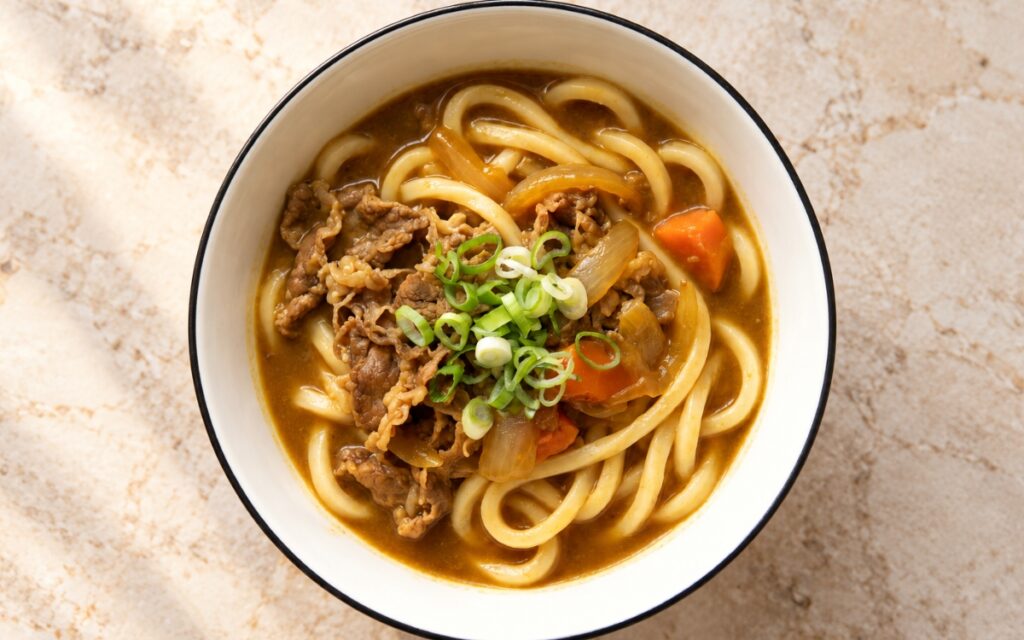
Japanese Curry Udon
Thick, chewy udon noodles in a glossy golden-brown Japanese curry broth with thinly sliced beef, softened onion, carrot, and scallion.
-
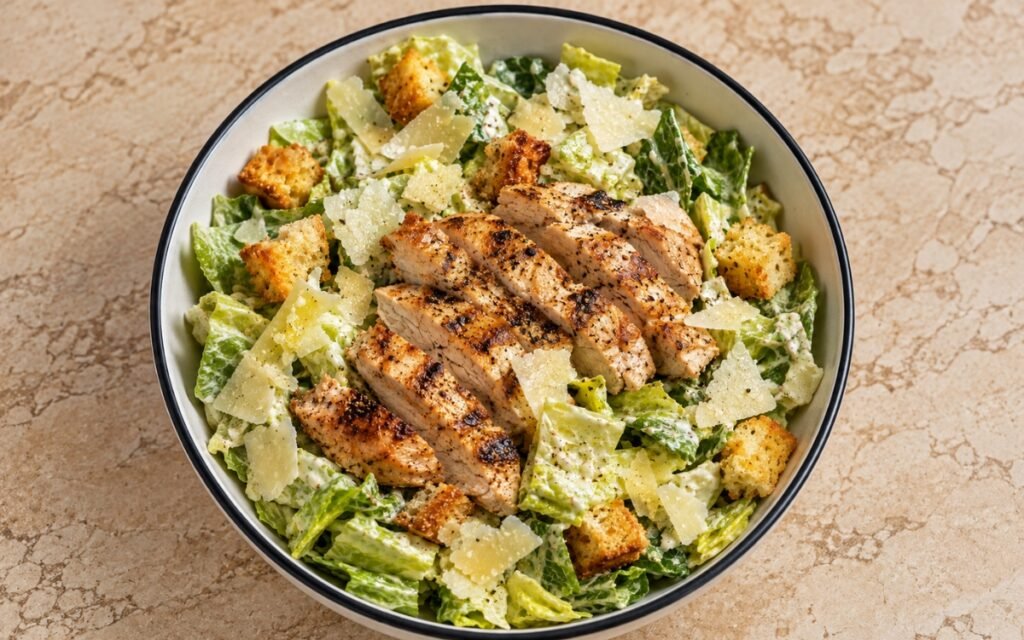
Grilled Chicken Caesar Salad
Grilled chicken breast, crisp romaine, golden croutons, shaved Parmesan, and a proper old-school Caesar dressing with no cream or mayonnaise.
-
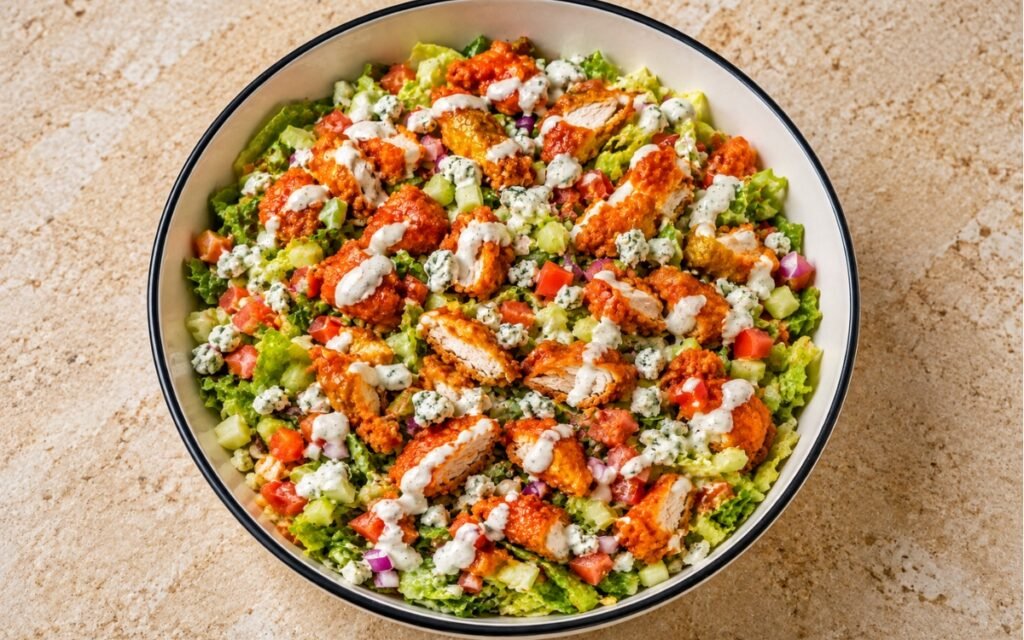
Buffalo Chicken Chopped Salad
Crispy Buffalo chicken pieces over chopped lettuce with celery, tomato, red onion, blue cheese crumbles, and creamy homemade ranch dressing.
You might also like
You might also like
-
Korean Spicy Chicken Dakgalbi Bowl
Glossy gochujang chicken with sweet potato, cabbage, and onion over white rice, topped with sesame seeds and scallion.
-
Vietnamese Shaking Beef / Bò Lúc Lắc
Seared Vietnamese beef cubes in a glossy garlic and oyster sauce glaze, served with jasmine rice, lettuce, tomato, cucumber and lime.
-
Korean Kimchi Fried Rice
Loose orange-red kimchi fried rice with caramelised pork, topped with a sunny-side-up egg, seaweed strips, and sesame seeds.


Chinese Tomato Egg Stir-Fry
Ingredients
Method
- Crack the 8 large eggs into a bowl and add ½ tsp fine salt, ¼ tsp white pepper, 1 tbsp Shaoxing wine or water, and 1 tsp sesame oil or neutral oil. Beat with chopsticks or a fork for 20–30 seconds, just until the yolks and whites are combined and the mixture is a uniform pale yellow with only a few small bubbles on the surface. Stop before it turns frothy or foamy. Set the bowl beside the stove so the eggs are ready the moment the pan is hot. That light beating, with a little liquid in the mix, is what keeps the eggs genuinely tender and custardy instead of airy and dry.
- Stir the 1 tsp cornstarch into the 1 tbsp water in a small bowl until smooth and set it near the stove. Cut each tomato into 6–8 wedges so the pieces are thick enough to hold their shape in the pan. Thinly slice the 3 scallions, keeping the whites and the greens in separate piles, and finely mince the 3 cloves of garlic. Measure out the sugar, soy sauce, ketchup, and water or stock so everything can go in quickly, and stir the slurry again right before it is used, since cornstarch settles fast. That advance preparation is what lets the cooking that follows move at full speed without anything waiting in a hot pan.
- Heat a wok or large skillet over medium-high heat for about 1 minute, then add 1 tbsp of the neutral oil and swirl to coat the base. When the oil is hot and shimmering, pour in the beaten eggs and let them set for about 10 seconds. Push and fold gently with a spatula into large, soft curds, cooking for roughly 40–60 seconds, until the eggs are about 70–80% cooked and still slightly wet in places. Slide them onto a plate straight away. That deliberate under-cooking is what lets the eggs finish gently in the sauce so they stay genuinely soft, plump, and glossy.
- Return the pan to medium-high heat and add the remaining 1 tbsp neutral oil, with a little more if the pan looks dry. Add the scallion whites and garlic and stir-fry for 15–20 seconds, just until fragrant. Add the tomato wedges, the remaining ½ tsp salt, 1½ tsp sugar, 1 tbsp light soy sauce, and the 2 tbsp ketchup if using, then stir-fry for 2–4 minutes until the tomatoes begin releasing juice. Pour in 80–120ml of water or light stock, using less if the tomatoes are very watery, and cook for another 2–3 minutes until the wedges soften and the liquid turns saucy while the pieces still hold their shape. That restraint is what keeps the dish genuinely chunky and fresh rather than collapsed into a puree.
- Give the slurry a quick stir and drizzle it into the pan while stirring the tomatoes. Cook for 20–30 seconds, until the sauce turns glossy, lightly thickens, and clings to the tomato wedges. The sauce should coat a spoon lightly rather than turn heavy or gelatinous. If it looks too thick, loosen it with a splash of water, and if it looks too thin, let it bubble for another 15–20 seconds. That small amount of starch is what binds the juices to the tomatoes without clouding or stiffening the sauce.
- Slide the eggs back into the pan along with any juices that collected on the plate. Fold gently with a spatula for 20–40 seconds, just until the eggs are fully cooked through, no longer wet, and coated in the red sauce. Taste and adjust with a pinch more salt or sugar if needed, then turn off the heat and scatter the sliced scallion greens over the top. Serve immediately in a warm bowl, ideally with steamed white rice alongside. That gentle, brief fold is what keeps the curds large and plush rather than broken into small, messy pieces.