Salmon Tartare with Avocado and Cucumber
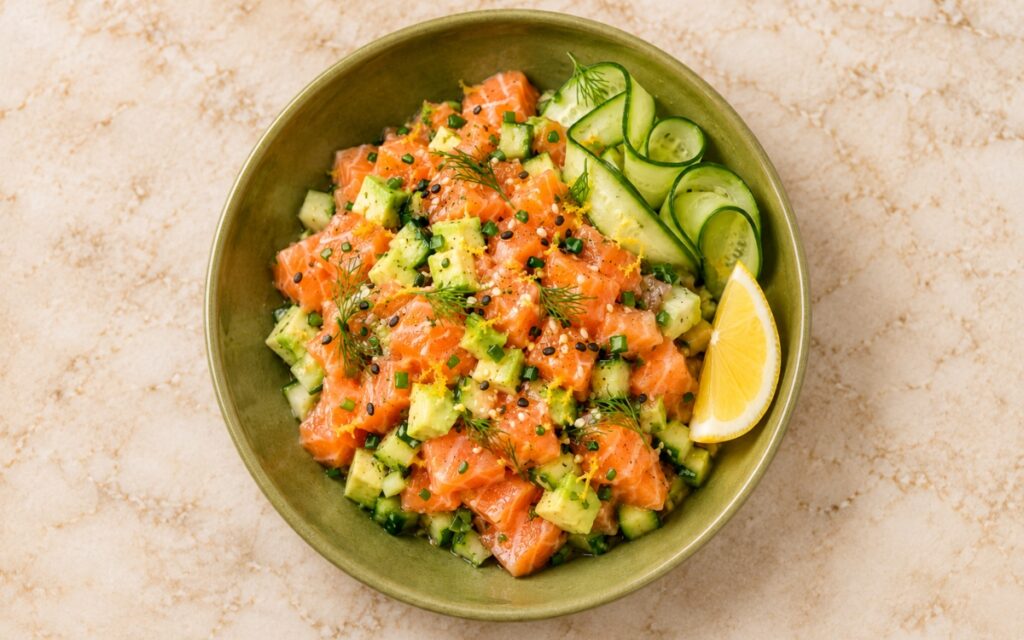
Salmon tartare with avocado and cucumber is a fresh, elegant seafood appetizer of hand-diced raw salmon, creamy avocado, and crisp cucumber tossed in a light lemon and extra virgin olive oil dressing with dill, chives, lemon zest, and a scattering of sesame seeds, the key being the contrast between rich, tender salmon, buttery avocado, and cool, crunchy cucumber. Cutting the salmon by hand into even 8–10mm cubes, rather than mincing it into a paste, is the technique this whole tartare depends on for its tender, glossy, clearly recognisable pieces — a minced fish turns sticky and dull under the dressing, the same keep-the-cut-distinct principle used elsewhere in this collection whenever a raw ingredient must keep its natural texture. Adding the avocado last and folding only two or three times is what keeps its cubes intact instead of turning the dish into guacamole. Dressing the fish just before serving is what protects its coral colour and delicate texture. The payoff is a tartare with real, restaurant-style freshness — silky salmon, creamy avocado, crisp cucumber, and a bright citrus sheen, served chilled with curled cucumber ribbons and lemon wedges.
- Prep Time : 25 min
- Total Time : 25 min
- Servings : 4
Ingredients
For the Salmon Tartare
- 600g fresh skinless, boneless salmon fillet, suitable for raw consumption and appropriately parasite-controlled
- 250g ripe avocado flesh (about 2 medium avocados), diced into 1cm cubes
- 200g cucumber, finely diced into 5–7mm cubes
- 15g fresh chives, finely chopped
- 10g fresh dill, finely chopped
- 4g fine sea salt, adjusted to taste
- 1g freshly ground black pepper
For the Lemon and Olive Oil Dressing
- 35ml extra virgin olive oil
- 20ml freshly squeezed lemon juice
- 3g finely grated lemon zest
- 5g Dijon mustard, optional, for a slightly more cohesive dressing
For Garnishing and Serving
- 100g cucumber, shaved into thin ribbons
- 5g fresh dill fronds
- 5g fresh chives, finely chopped
- 4g white sesame seeds
- 3g black sesame seeds
- 1 lemon, cut into 4 wedges
- A little additional lemon zest
Directions
- Cut the Salmon by Hand
Keep the salmon refrigerated at 4°C or below until you start. Inspect the fillet and remove any remaining pin bones, skin, or dark connective tissue, then pat it dry with paper towels. With a very sharp knife, cut the fish into even strips and then into cubes about 8–10mm across. Move the cubes to a chilled bowl and return it to the refrigerator while you prepare everything else. The cubes should look glossy and coral-orange, with clean edges. That hand-cut texture is what keeps the salmon tender and distinct instead of pasty. - Prepare the Avocado and Cucumber
Halve the avocados, remove the stones, and scoop out the flesh, then cut it into 1cm cubes, keeping the pieces whole. Dice 200g of cucumber into 5–7mm cubes, removing some seeds first if the centre is very watery, and pat the cubes lightly with paper towels. Use a peeler or mandoline to shave the other 100g of cucumber lengthwise into thin ribbons for the garnish. The avocado should be creamy yet cubed, the cucumber crisp. That dry, firm prep is what stops the tartare turning mushy. - Whisk the Lemon Dressing
In a small bowl, combine the olive oil, lemon juice, lemon zest, and the Dijon mustard if using, and whisk until lightly emulsified. Add about half of the measured salt and pepper, then taste the dressing alone and adjust the acidity if needed. It should be light, glossy, and citrus-forward, with a gentle olive oil richness, and never sharp. Taste only the dressing, not the raw fish. That restrained acidity is what freshens the salmon without cooking it or dulling its colour. - Combine the Tartare
Take the chilled salmon from the refrigerator only when you are ready to serve, and add the diced cucumber, chopped chives, and chopped dill. Pour over about two-thirds of the dressing and fold gently with a silicone spatula until everything is lightly coated. Add the avocado and the remaining dressing, and fold just two or three times, then season with the rest of the salt and pepper to taste. The mixture should look moist, glossy, and loosely cohesive. That last-minute assembly is what keeps the salmon firm and the avocado whole. - Shape and Plate the Tartare
Chill four serving bowls and set a round food ring, about 9–10cm across, in the centre of each. Divide the tartare into four equal portions and spoon one into each ring, spreading the salmon and avocado evenly, then press very lightly into a low mound about 3–4cm tall. Lift the ring away carefully, leaving a slightly irregular, handmade outline with a few cubes spilling naturally around the edge. Do not pack the mixture tightly. That loose shaping is what keeps the tartare looking fresh and delicate. - Garnish and Serve
Curl several thin cucumber ribbons loosely along one side of each bowl and scatter the remaining chives and the dill fronds over the tartare. Sprinkle lightly with the white and black sesame seeds, add a little fresh lemon zest, and rest one lemon wedge against the inner edge of each bowl. Serve straight away, while the tartare is still cold. The seeds should be sparse enough to read as a light accent. That chilled, immediate service is what gives the dish its clean, bright finish.
*Notes :
- Cutting the salmon by hand into even cubes deserves genuine recognition as the technique most directly responsible for the tartare’s tender, glossy texture. A sharp blade slices through the fatty flesh without crushing it, so each cube stays distinct and silky, whereas mincing or using a food processor breaks down the fibres and produces a sticky, paste-like mixture that tastes flat.
- Keeping the salmon cold and dressing it at the last moment deserves the same attention this technique receives throughout this collection’s other raw and no-cook dishes. Acid and time change the fish’s colour and firm up its surface, so a short contact with the lemon dressing preserves the coral colour and soft bite, whereas a long wait turns it opaque.
- Adding the avocado last and folding gently deserves genuine respect as the detail most directly responsible for clean, creamy cubes rather than a mash. Ripe avocado is soft and breaks easily under pressure, so two or three careful turns spread it evenly, whereas vigorous stirring smears it through the fish and makes the tartare look and taste like guacamole.
- Choosing salmon from a supplier that can confirm it is suitable for raw eating deserves attention as a genuine, checkable safety cue rather than a loose approximation. Raw fish can carry parasites and bacteria, and lemon juice does not make it safe, so careful sourcing and cold handling reduce, but do not remove, the risk, particularly for pregnant people, children, older adults, and the immunocompromised.
Why This Recipe Works
This recipe works because every step keeps the salmon, avocado, and cucumber distinct and fresh. Hand-cutting the fish into even cubes gives a tender, glossy bite, and dry, diced cucumber stays crisp without watering the dressing. A light lemon and olive oil dressing adds brightness without dulling the colour of the fish, and adding the avocado last keeps its cubes whole. Shaping the mound loosely and serving it cold then preserves the delicate texture, so every spoonful is cool, creamy, and crisp, with the salmon staying the clear centre of the plate from the first bite to the last.
Ingredient Breakdown
Hand-Cut Raw Salmon
The critical technique — even 8–10mm cubes keep a tender, glossy texture that mincing ruins.
Cold, Late Dressing
The critical timing technique — dressing the fish just before serving protects its coral colour and soft, silky bite.
Ripe but Firm Avocado
The structural choice — firm, ripe flesh cubes cleanly and stays creamy yet intact when folded in last.
Dry Diced Cucumber
The structural choice — patted dry and finely diced, it adds crisp freshness without releasing water into the dressing.
Lemon and Olive Oil Dressing
The flavour foundation — fresh lemon juice, zest, and olive oil brighten the rich salmon without overpowering it.
Dill, Chives, and Sesame
The finishing touch — fresh herbs and a light scatter of seeds add green aroma, a mild onion note, and tiny crunch.
Flavor Structure Explained
This salmon tartare with avocado and cucumber follows a layered balance model:
- Rich, silky foundation (hand-cut raw salmon)
- Creamy, buttery body (ripe avocado cubes)
- Cool, crisp freshness (diced cucumber and cucumber ribbons)
- Bright, citrus lift (lemon juice, lemon zest, and olive oil)
- Fresh herbal, nutty finish (dill, chives, and sesame seeds)
The hand-cut salmon provides a rich, silky foundation that stays at the centre of every spoonful. Ripe avocado adds a creamy, buttery body, while diced cucumber and the curled ribbons bring a cool, crisp freshness that keeps the dish light. Lemon juice and zest lift the whole mixture with a bright citrus note, and dill, chives, and sesame seeds add a fresh, herbal, slightly nutty finish that ties this tartare together.
Common Mistakes to Avoid
- Mincing the Salmon – This crushes the flesh into a sticky, dull paste. Always cut the salmon by hand into even 8–10mm cubes with a very sharp knife.
- Dressing the Fish Too Early – This lets the acid dull the colour and firm up the texture. Always combine the tartare immediately before serving.
- Stirring the Avocado Hard – This crushes the cubes and turns the tartare into guacamole. Always add the avocado last and fold only two or three times.
- Leaving the Cucumber Wet – This releases water that thins the dressing. Always remove watery seeds and pat the diced cucumber dry before mixing.
- Using Fish Not Meant for Raw Eating – This increases the risk of parasites and illness. Always buy salmon from a supplier that confirms it is suitable for raw use.
Variations
Dijon Version
Include the optional Dijon mustard in the dressing for a slightly more cohesive, emulsified coating with a mild tang, which clings a little better to the salmon and the cucumber.
Extra-Citrus Version
Add a little more lemon zest rather than more juice for a brighter citrus aroma, keeping the acid level low so the salmon keeps its delicate, silky texture and colour.
Herb-Forward Version
Increase the dill and chives slightly for a greener, more aromatic tartare, folding them in with the cucumber and keeping the avocado for the final gentle fold.
Serve-Chilled Version
Chill the bowls and the mixed ingredients well and serve the tartare on a bed of ice-cold cucumber ribbons for the freshest, coolest presentation on a warm day.
Storage & Make-Ahead
Prepare and serve the assembled raw tartare immediately, and never store or reuse leftovers once the salmon, dressing, and avocado have been combined, because assembled raw fish is not safe to keep.
Make the dressing, chop the herbs, and dice and pat dry the cucumber separately ahead of time, keeping each refrigerated, so that the final assembly of the tartare takes only a few minutes.
Dice and dress the salmon as close to serving as practical, keeping the fish at 4°C or below and the mixing bowl chilled, to protect its colour, texture, and safety.
Cut the avocado just before mixing, since cut flesh darkens and softens quickly, and add it as the last ingredient so that its cubes keep their shape and bright green colour.
Mention the raw salmon to your guests when serving, since this dish is not recommended for pregnant people, young children, older adults, or anyone who is immunocompromised or unwell.
Frequently Asked Questions
Why is the salmon cut into cubes by hand rather than minced?
Hand-cut cubes of 8–10mm keep the fibres intact, so the fish stays tender, glossy, and clearly recognisable, whereas mincing crushes it into a sticky paste that loses texture and looks unappetising.
Why should the salmon be dressed only just before serving?
Lemon juice changes the colour and firms the surface of raw fish over time, so a short contact keeps the flesh coral and silky, whereas a long wait makes it opaque and slightly tough.
Why is the avocado added last and folded only two or three times?
Ripe avocado is soft and breaks under pressure, so late, gentle folding keeps its cubes whole and creamy, while heavy stirring smears it through the fish and turns the tartare into guacamole.
Why must the diced cucumber be dried before it goes into the mixture?
Cucumber is mostly water, and surface moisture or watery seeds thin the dressing and make the tartare soggy, whereas dry, firm cubes stay crisp and give a clean contrast to the salmon.
Are there other classic raw fish, salmon, or seafood dishes worth trying?
Salmon Poke Bowl and Tuna Poke Bowl both offer other classic raw fish bowl directions worth exploring. Shrimp Ceviche Tostadas is also worth trying for another fresh seafood dish, while Miso Glazed Salmon Rice Bowl and Grilled Salmon Fillets offer other salmon dishes worth exploring.
Nutrition Facts
( Per Serving )
- Calories
- ~505 kcal
- Protein
- 31 g
- Fat
- 37 g
- Carbs
- 10 g
-

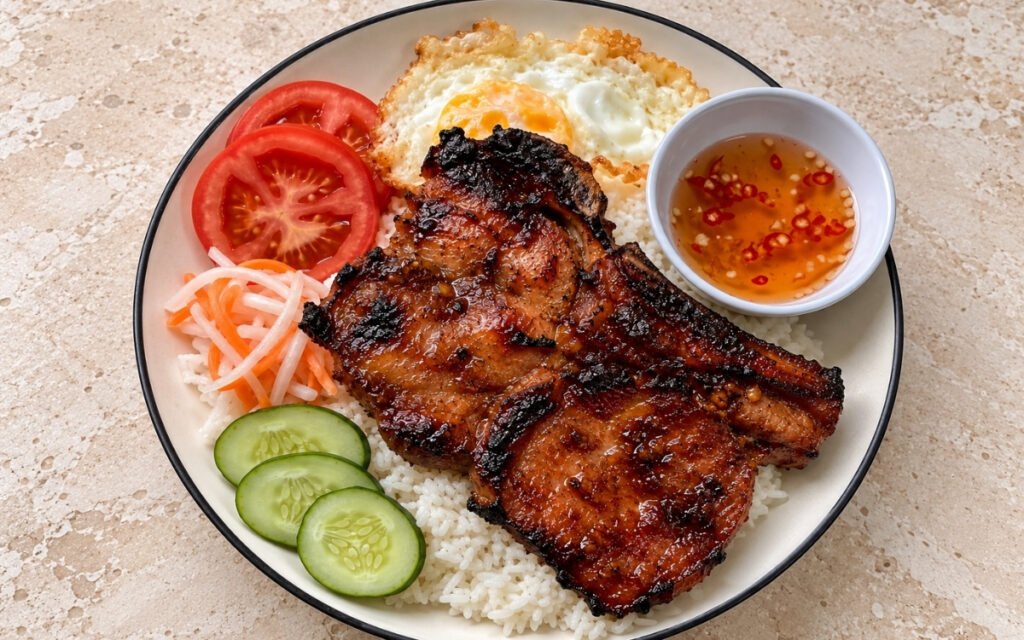
Broken Rice with Grilled Pork (Cơm Tấm)
Grilled lemongrass pork chop over broken rice with a fried egg, quick pickled carrot and daikon, cucumber, tomato, and nước chấm.
-
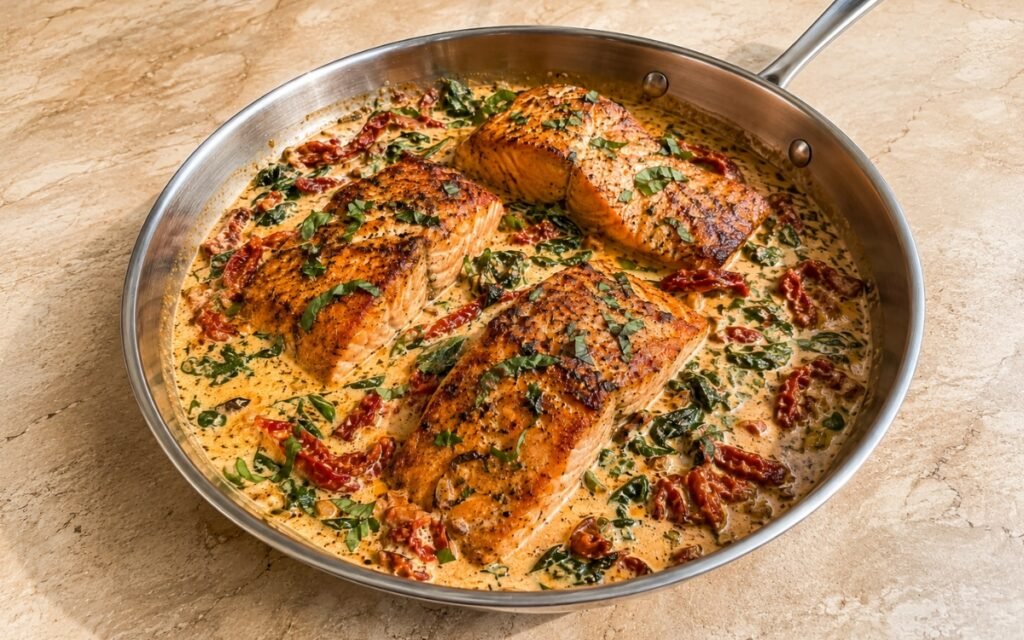
Creamy Tuscan Salmon
Deeply seared salmon finished gently in a rich garlic Parmesan cream sauce with sun-dried tomatoes, spinach, parsley, and basil.
-
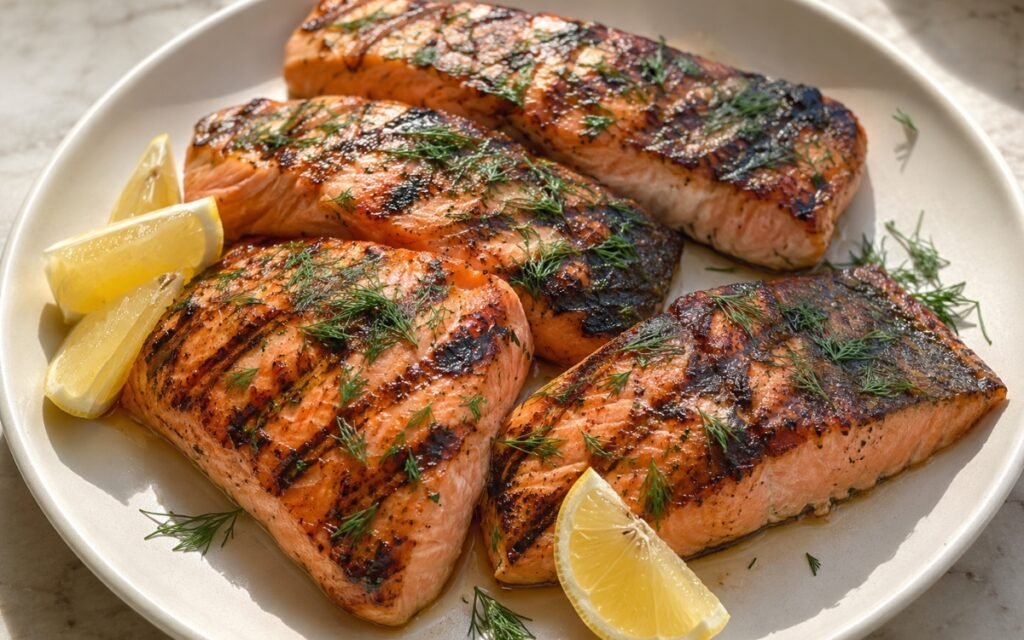
Grilled Salmon Fillets
Salmon skin dried thoroughly, flesh seasoned, grilled skin-side down undisturbed until crisp. Finished with dill and lemon. Clean and moist.
-
Miso Glazed Salmon Rice Bowl
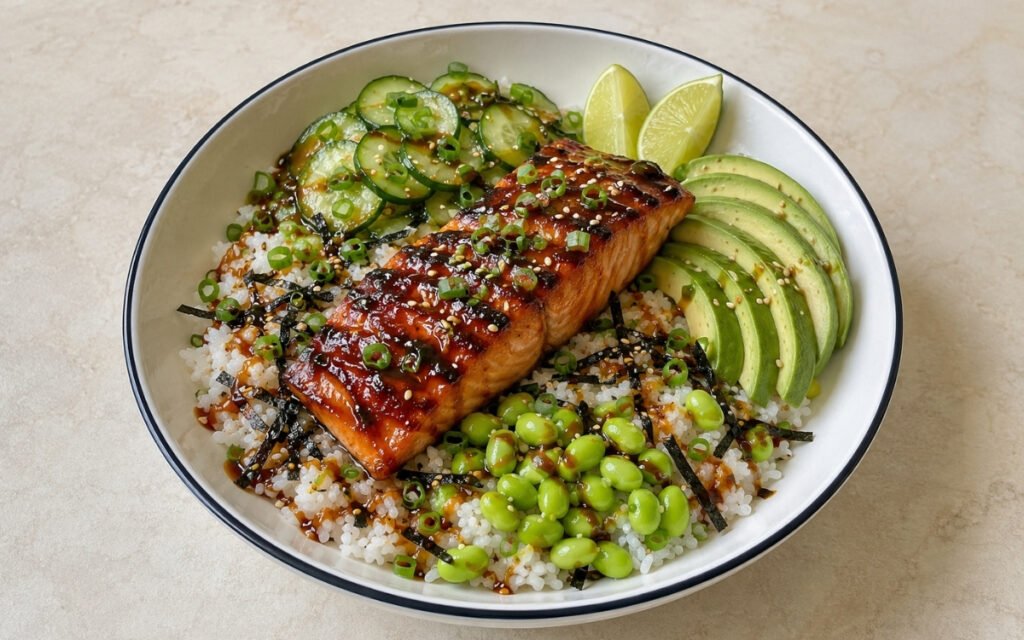
Miso-glazed salmon with caramelized edges over sushi rice, paired with avocado, edamame, and pickled cucumber.
-
Avocado Toast with Jammy Eggs
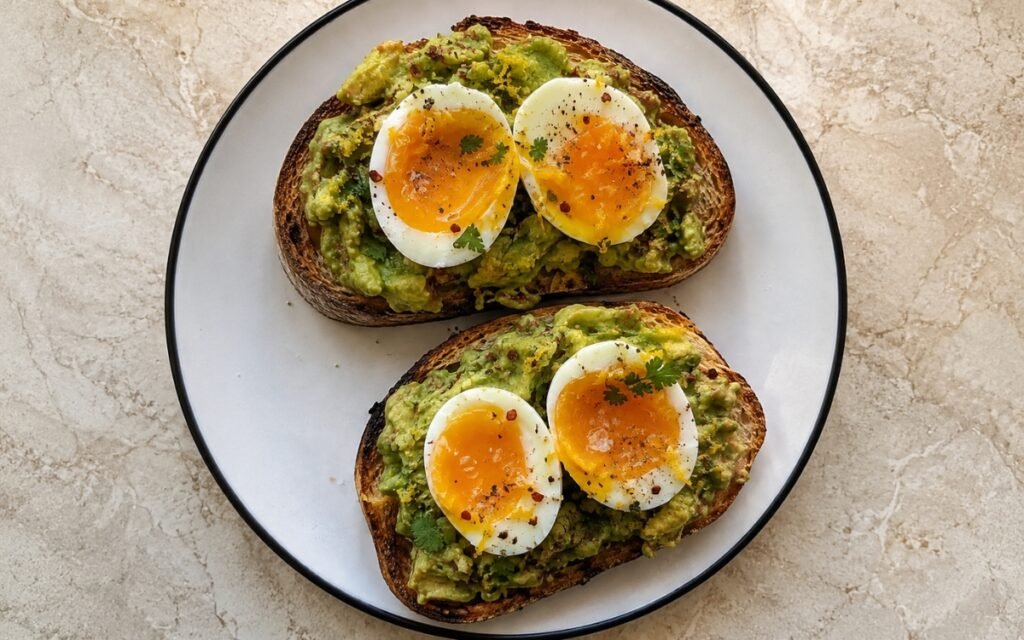
Deeply toasted sourdough with chunky lemon-brightened smashed avocado and precisely timed jammy eggs, finished with chili flakes and herbs.
-
Blackened Salmon Tacos
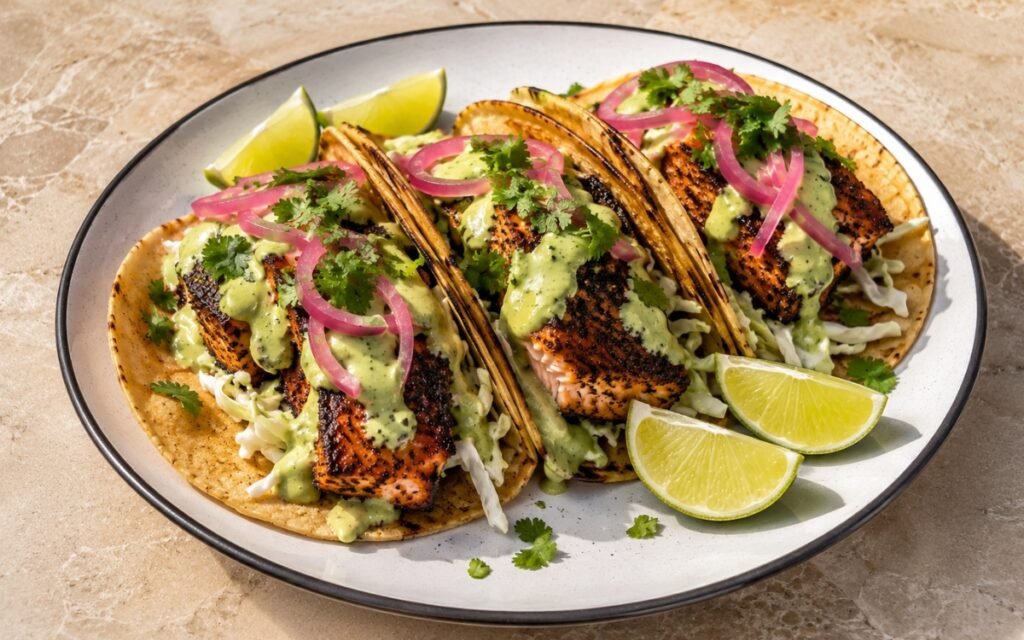
Homemade corn tortillas filled with flaky blackened salmon, cabbage, avocado crema, pickled red onion, and cilantro.