
Miso Butter Corn Ramen
A classic Hokkaido-style miso ramen of springy noodles in a rich, creamy golden broth, topped with sweet corn, a melting knob of butter, crisp bean sprouts, scallions, a jammy soft-boiled egg, and a little chili oil, the key being the contrast between a silky, savoury broth and bright, sweet, crunchy toppings. Frying the garlic, ginger, and two kinds of miso briefly in oil before any liquid goes in, rather than simply stirring them into stock, is the technique this whole ramen depends on for its depth — the gentle heat blooms the aromatics and toasts the miso into a rounder, nuttier base, while skipping it leaves a flat, raw-tasting broth, the same bloom-the-base-first principle used elsewhere in this collection whenever a paste must carry a soup. Holding the broth at a gentle simmer, never a hard boil, is what keeps the miso fragrant and the milk smooth instead of dull and split. Cooking the noodles separately and draining them thoroughly is what keeps the golden broth from turning starchy and diluted. The payoff is a miso ramen with real, comforting depth — a creamy golden broth, springy noodles, sweet corn bursting in every spoonful, crisp sprouts, a jammy yolk, and butter melting slowly into the soup.

Prep Time : 20 min
Total Time : 50 min
Servings : 4
20 min
50 min
4
Ingredients
For the Miso Broth
• 1 tbsp neutral oil
• 4 garlic cloves, finely minced
• 20g fresh ginger, finely grated or minced
• 2 tbsp white miso
• 3 tbsp yellow miso or awase miso
• 1 tbsp soy sauce
• 1 tbsp mirin
• 1 tbsp sake, optional but classical and useful
• 1 tbsp toasted sesame oil
• 1 tsp sugar
• 1,200ml chicken stock
• 400ml dashi
• 250ml whole milk or unsweetened soy milk
• Fine salt, only as needed
For the Noodles
• 4 portions ramen noodles, about 480–600g fresh, or 4 individual packs
• Water, for boiling the noodles
For the Toppings
• 4 large eggs, for soft-boiling and halving
• Water and ice, for boiling the eggs and bean sprouts and for chilling the eggs
• 300g sweet corn kernels, thawed and drained if frozen
• 200g bean sprouts
• 4 tbsp unsalted butter, about 15g per bowl
• 4 scallions, thinly sliced
• Chili oil, to taste
• 1 tsp toasted sesame seeds, optional
Directions
- Cook the Eggs
Bring a pot of water to a boil, lower in the 4 eggs, and boil for 6½–7 minutes for jammy centres. Transfer them immediately to a bowl of ice water and chill completely, then peel carefully and hold them for assembly. The whites should be fully set and the yolks deep gold, soft and glossy in the middle, never chalky or hard. That ice bath is what stops the cooking at once and keeps the whites tender, so the halved egg looks and tastes like a proper ramen-shop topping. - Prep the Corn and Bean Sprouts
If using frozen corn, thaw the 300g of kernels and drain them well so they stay bright and juicy rather than watery. Blanch the 200g of bean sprouts in boiling water for 20–30 seconds, then drain thoroughly and set aside with the corn. The sprouts should stay pale, crisp, and fresh-tasting, and the corn should look golden and plump, never dry or browned. That brief blanch is what removes the raw edge from the sprouts while keeping the crunch that contrasts with the creamy broth. - Build the Miso Base
Heat the 1 tbsp of neutral oil in a pot over medium-low heat, then add the 4 minced garlic cloves and 20g of ginger and cook for 30–60 seconds until fragrant but not browned. Add the 2 tbsp white miso, 3 tbsp yellow or awase miso, soy sauce, mirin, sake if using, sesame oil, and sugar, and stir into a smooth, glossy paste for about 1 minute. Keep the heat moderate so the paste never sticks, darkens, or scorches. That brief frying is what deepens the miso and blooms the aromatics, while burnt garlic or scorched paste would turn the whole broth bitter. - Make the Broth
Gradually whisk in the 1,200ml of chicken stock and 400ml of dashi, adding the first ladleful slowly, until the paste dissolves completely and the liquid is smooth. Bring to a gentle simmer, never a hard boil, and simmer for 8–10 minutes. Pour in the 250ml of milk and warm it through gently, then taste and add a little fine salt only if needed. The broth should look rich, creamy, and golden, yet still pourable. That gentle heat after the miso and milk go in is what protects the flavour and keeps the milk from splitting. - Cook the Noodles
Keep the broth hot over low heat, bring a separate large pot of water to a boil, and cook the ramen noodles according to the package directions until just springy. Lift them out and drain very thoroughly, shaking off every drop of water. If in doubt, pull them a few seconds early, since they keep softening in the hot soup. That separate pot and thorough drain are what keep the noodle starch and excess water out of the golden broth. - Assemble and Serve
Divide the hot noodles among 4 bowls and ladle the hot miso broth over them. Top each bowl with a generous mound of corn, a portion of bean sprouts, 2 egg halves, sliced scallions, 1 tbsp of the butter, and a small spoonful or drizzle of chili oil. Finish with a light sprinkle of the sesame seeds if using, and serve immediately. The butter should sit on the surface and melt slowly into the soup as you eat. That last-moment butter and fast service are what keep the noodles springy and the broth silky and golden.
*Notes :
- Frying the miso paste briefly with the garlic and ginger deserves genuine recognition as the technique most directly responsible for the depth of this broth. About a minute over gentle medium-low heat blooms the aromatics and toasts the miso into something rounder and nuttier, whereas scorching it, or skipping the step entirely, leaves a bitter or flat, raw-tasting soup.
- Holding the broth at a gentle simmer deserves the same attention this technique receives throughout this collection’s other miso-based soups and stews. Aggressive boiling dulls the fragrance of the miso and can split the milk once it goes in, which is why the 250ml of milk is only warmed through and never boiled hard.
- Placing the butter on the hot soup at the very end deserves genuine respect as the detail most directly responsible for the Hokkaido character of the bowl. The recipe’s own explicit instruction to “place the butter on the hot soup at the end so it melts gradually in the bowl” reflects how a slow-melting pat enriches each spoonful instead of greasing the broth in the pot.
- Serving the bowls the moment they are assembled deserves attention as a genuine, checkable readiness cue rather than a loose approximation. The recipe’s own explicit warning that “ramen waits badly and noodles will soften fast in the broth” reflects how springy noodles lose their bite within minutes, so every topping should be ready before the first ladle goes in.
Why This Recipe Works
This recipe works because the garlic, ginger, and two kinds of miso are fried briefly in oil, so the base turns fragrant and nutty rather than raw. A blend of white and yellow miso gives sweetness, body, and depth, while chicken stock and dashi build a savoury foundation and the milk softens it into a creamy, golden Hokkaido-style broth. Keeping the heat at a gentle simmer protects the flavour and stops the milk from splitting. Noodles cooked in their own pot stay springy and keep the broth clean, and the corn, sprouts, egg, and butter go on last, so every spoonful stays creamy, sweet, and rich.
Ingredient Breakdown
Briefly Fried Miso Base
The critical technique — about a minute in oil blooms the garlic and ginger and deepens the paste without scorching it bitter.
White and Yellow Miso Blend
The flavour foundation — white miso brings sweetness while yellow or awase miso adds body and depth.
Chicken Stock and Dashi
The structural foundation — the stock supplies body and the dashi adds a clean, savoury depth beneath the miso.
Whole Milk or Soy Milk
The critical ingredient choice — warmed through gently, it softens and rounds the broth into a creamy, pourable Hokkaido-style soup.
Separately Cooked Ramen Noodles
The critical safeguard — a separate pot and thorough draining keep starch out of the broth and the noodles springy.
Butter Placed on the Hot Soup
The finishing technique — a tablespoon added at the end melts gradually, enriching each spoonful.
Corn, Bean Sprouts, and Jammy Egg
The finishing elements — sweet corn, crisp sprouts, and a soft yolk add sweetness, crunch, and richness against the broth.
Flavor Structure Explained
This miso butter corn ramen follows a layered balance model:
- Savoury, nutty foundation (white and yellow miso, garlic, ginger, soy sauce)
- Clean, deep body (chicken stock, dashi, toasted sesame oil)
- Creamy, rounded richness (milk or soy milk, melting butter)
- Sweet, juicy contrast (sweet corn, mirin, sugar)
- Crisp, fresh lift (blanched bean sprouts, sliced scallions)
- Jammy, warming accent (soft-boiled egg yolk, chili oil)
The blended misos, garlic, and ginger give the broth a savoury, nutty foundation, while chicken stock, dashi, and sesame oil add clean body beneath it. Milk and melting butter round everything into a creamy richness, and sweet corn answers with juicy sweetness that the mirin and sugar quietly echo. Crisp sprouts and scallions lift the bowl with freshness, and the jammy yolk and a little chili oil add a warming accent that ties the miso butter corn ramen together.
Common Mistakes to Avoid
- Scorching the Miso Base – This turns the garlic and paste bitter and dark, and no stock can hide it. Always keep the heat medium-low and stir the paste for only about 1 minute.
- Boiling the Broth Hard – This dulls the miso and can split the milk into a thin, slightly grainy soup. Always hold the broth at a gentle simmer and only warm the milk through.
- Cooking the Noodles in the Broth – This clouds the soup with starch and softens the noodles before they reach the bowl. Always cook them in a separate pot and drain thoroughly.
- Overcooking the Bean Sprouts – This leaves them limp and watery instead of crisp against the creamy soup. Always blanch them for only 20–30 seconds and drain well.
- Adding the Butter Too Early – This melts it away in the pot and greases the broth instead of enriching each bowl. Always place it on the hot soup at the end.
Variations
Soy Milk Version
Use unsweetened soy milk in place of the whole milk for a broth with a slightly nutty, softer finish that still turns out creamy, rounded, and pourable.
Extra Spicy Version
Add a second drizzle of chili oil at the table for a warmer, redder surface that cuts the richness, keeping it an accent so the miso still leads.
Sake-Free Version
Leave out the optional tablespoon of sake for a simpler broth that loses only a little of the classical aromatic lift, with the rest of the method unchanged.
Sesame-Finished Version
Finish each bowl with the optional sprinkle of toasted sesame seeds for a nuttier aroma and a light crunch that echoes the sesame oil already in the broth.
Storage & Make-Ahead
Boil, chill, and peel the eggs up to 1 day ahead and keep them refrigerated in a covered container, then halve them just before serving so the yolks stay glossy and the whites stay fresh.
Cool the finished broth promptly and refrigerate it in an airtight container for up to 2 days, then reheat it to a gentle simmer only, never a hard boil, to protect the miso and milk.
For longer storage, freeze the broth for up to 2 months before adding the milk, then thaw it overnight in the refrigerator and stir in the milk while reheating.
Drain the corn and blanch the bean sprouts a few hours ahead and keep them chilled, but cook the noodles only at the last minute, since cooked ramen softens quickly and does not store well.
Assemble and serve immediately with the butter added last, and keep any leftover noodles and toppings apart from the broth so nothing turns soft or soggy.
Frequently Asked Questions
Why is the miso fried with the garlic and ginger before any stock is added?
Frying for about a minute blooms the aromatics and toasts the miso, giving a rounder, nuttier base. Stirred straight into stock, the same paste tastes noticeably flatter, rawer, and less layered.
Why must the broth stay at a gentle simmer after the miso and milk go in?
Aggressive boiling dulls the fragrance of the miso and can split the milk into a thin, slightly grainy broth. A gentle simmer keeps the finished soup smooth, creamy, and pourable.
Why are the noodles cooked in a separate pot instead of in the broth?
A separate pot keeps starch and cooking water out of the soup, so the golden broth stays silky and undiluted. Thorough draining then protects that texture right through serving.
Why is the butter placed on top of the hot soup instead of stirred into the broth?
Sitting on the surface, it melts gradually and enriches each spoonful as you eat. Stirred in early, it would disappear into the pot and leave the whole broth slightly greasy.
Are there other classic miso, dumpling, or noodle soup dishes worth trying?
Miso Butter Sauce offers another classic miso-and-butter direction worth exploring. Japanese Gyoza Soup and Japanese Pork Gyoza — Pan-Fried Dumplings are also worth trying for other dumpling directions, and Taiwanese Beef Noodle Soup and Japanese Curry Udon offer other hearty noodle dishes.
Nutrition Facts
( Per Serving — 1 ramen bowl )
Calories
~680 kcal
Protein
25 g
Fat
32 g
Carbs
72 g
Calories
~680 kcal
Protein
25 g
Fat
32 g
Carbs
72 g
Related Recipes
Related Recipes
-

Vietnamese Chicken Pho / Phở Gà
Clear golden chicken broth infused with charred onion, ginger and warm spices, served over rice noodles with sliced chicken thighs, fresh herbs and lime.
-
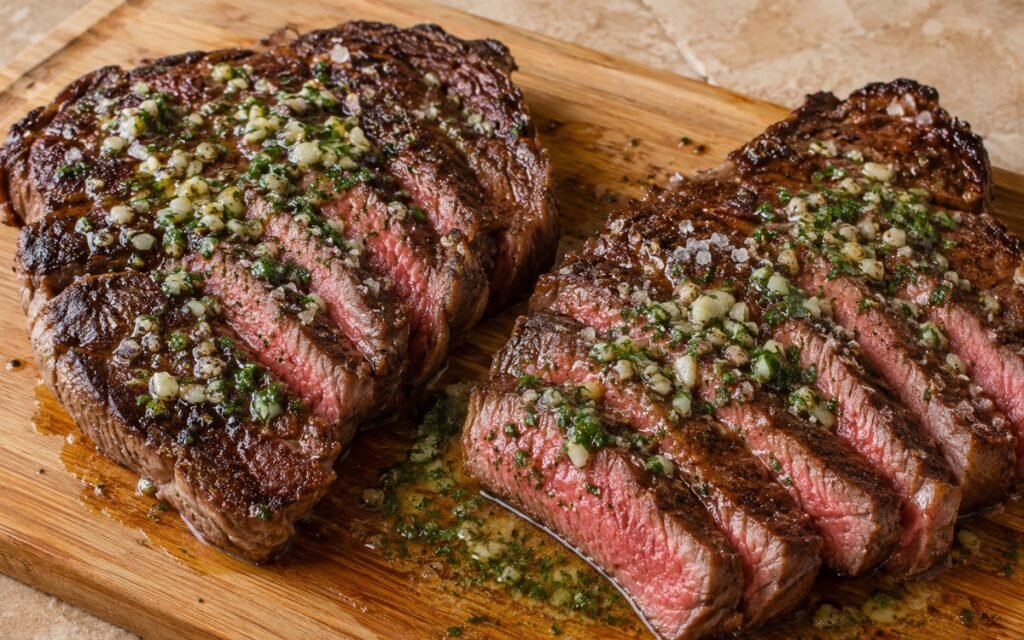
Garlic Butter Sirloin Steak
Sirloin steak tempered and seared 3 minutes per side, garlic parsley butter melted on off the heat — rested and sliced. Tender and restaurant-quality.
-
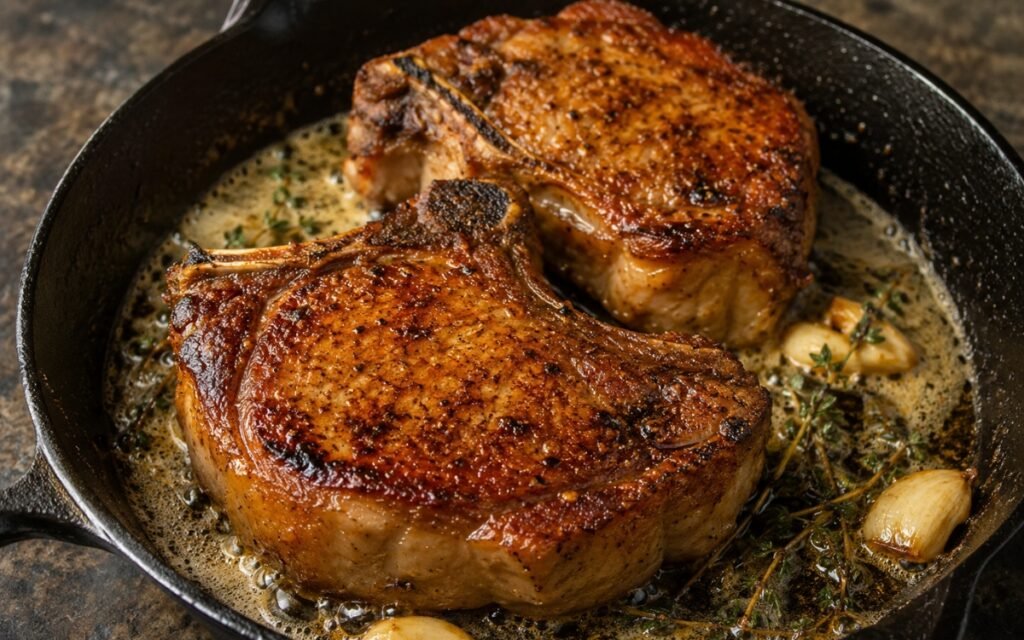
Classic Pork Chops
Bone-in pork chops tempered and seared undisturbed, basted with garlic thyme browned butter, fat cap rendered, rested. Juicy and aromatic.

You might also like
You might also like
-
Onigiri Rice Balls
Warm short-grain rice triangles filled with flaky salmon and wrapped with a crisp, toasty nori strip.
-
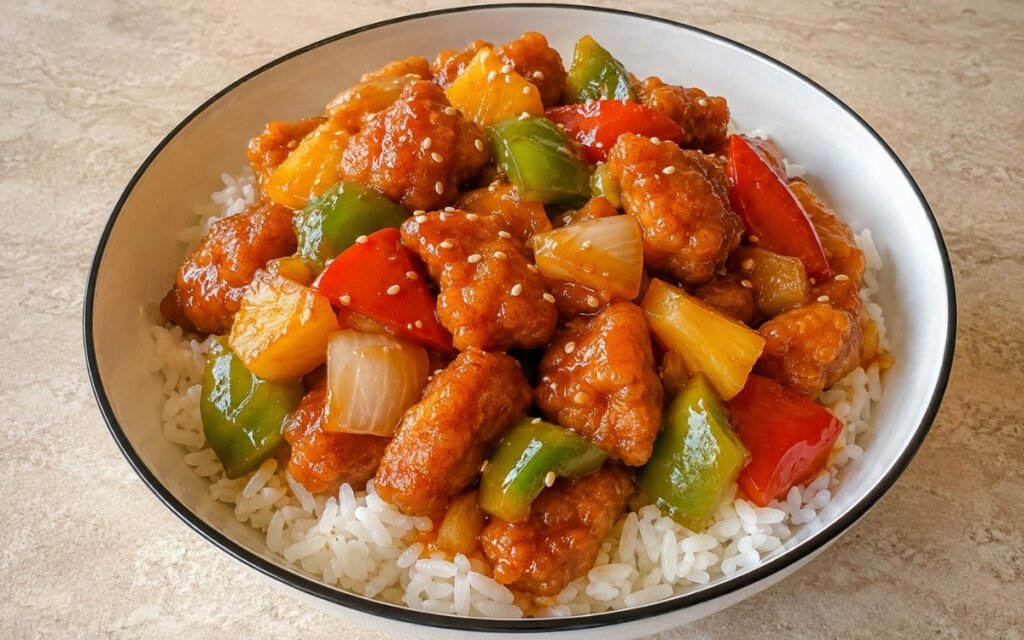
Sweet and Sour Chicken
Double-fried battered chicken thighs with pineapple and vegetables tossed in a glossy tangy-sweet sauce — the restaurant crispiness technique explained for home cooking in 50 minutes.
-
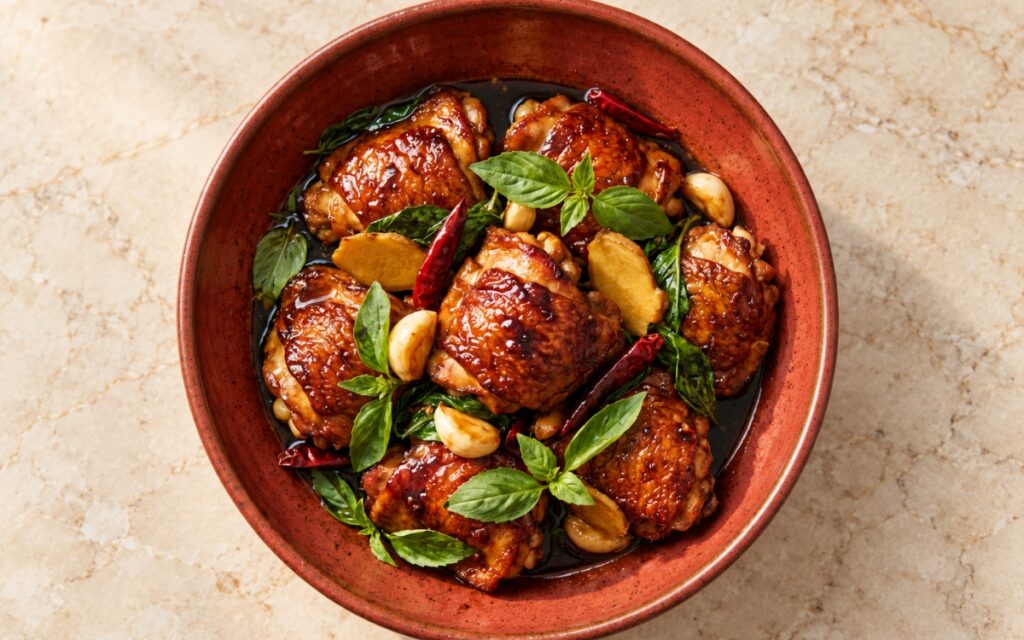
Taiwanese Three Cup Chicken (San Bei Ji)
Glossy soy-braised chicken thighs with whole garlic cloves, thick ginger, dried red chilies, and fresh Thai basil in a dark, syrupy sauce.


Miso Butter Corn Ramen
Ingredients
Method
- Bring a pot of water to a boil, lower in the 4 eggs, and boil for 6½–7 minutes for jammy centres. Transfer them immediately to a bowl of ice water and chill completely, then peel carefully and hold them for assembly. The whites should be fully set and the yolks deep gold, soft and glossy in the middle, never chalky or hard. That ice bath is what stops the cooking at once and keeps the whites tender, so the halved egg looks and tastes like a proper ramen-shop topping.
- If using frozen corn, thaw the 300g of kernels and drain them well so they stay bright and juicy rather than watery. Blanch the 200g of bean sprouts in boiling water for 20–30 seconds, then drain thoroughly and set aside with the corn. The sprouts should stay pale, crisp, and fresh-tasting, and the corn should look golden and plump, never dry or browned. That brief blanch is what removes the raw edge from the sprouts while keeping the crunch that contrasts with the creamy broth.
- Heat the 1 tbsp of neutral oil in a pot over medium-low heat, then add the 4 minced garlic cloves and 20g of ginger and cook for 30–60 seconds until fragrant but not browned. Add the 2 tbsp white miso, 3 tbsp yellow or awase miso, soy sauce, mirin, sake if using, sesame oil, and sugar, and stir into a smooth, glossy paste for about 1 minute. Keep the heat moderate so the paste never sticks, darkens, or scorches. That brief frying is what deepens the miso and blooms the aromatics, while burnt garlic or scorched paste would turn the whole broth bitter.
- Gradually whisk in the 1,200ml of chicken stock and 400ml of dashi, adding the first ladleful slowly, until the paste dissolves completely and the liquid is smooth. Bring to a gentle simmer, never a hard boil, and simmer for 8–10 minutes. Pour in the 250ml of milk and warm it through gently, then taste and add a little fine salt only if needed. The broth should look rich, creamy, and golden, yet still pourable. That gentle heat after the miso and milk go in is what protects the flavour and keeps the milk from splitting.
- Keep the broth hot over low heat, bring a separate large pot of water to a boil, and cook the ramen noodles according to the package directions until just springy. Lift them out and drain very thoroughly, shaking off every drop of water. If in doubt, pull them a few seconds early, since they keep softening in the hot soup. That separate pot and thorough drain are what keep the noodle starch and excess water out of the golden broth.
- Divide the hot noodles among 4 bowls and ladle the hot miso broth over them. Top each bowl with a generous mound of corn, a portion of bean sprouts, 2 egg halves, sliced scallions, 1 tbsp of the butter, and a small spoonful or drizzle of chili oil. Finish with a light sprinkle of the sesame seeds if using, and serve immediately. The butter should sit on the surface and melt slowly into the soup as you eat. That last-moment butter and fast service are what keep the noodles springy and the broth silky and golden.