
Mexican Pastel Azteca / Mexican Lasagna
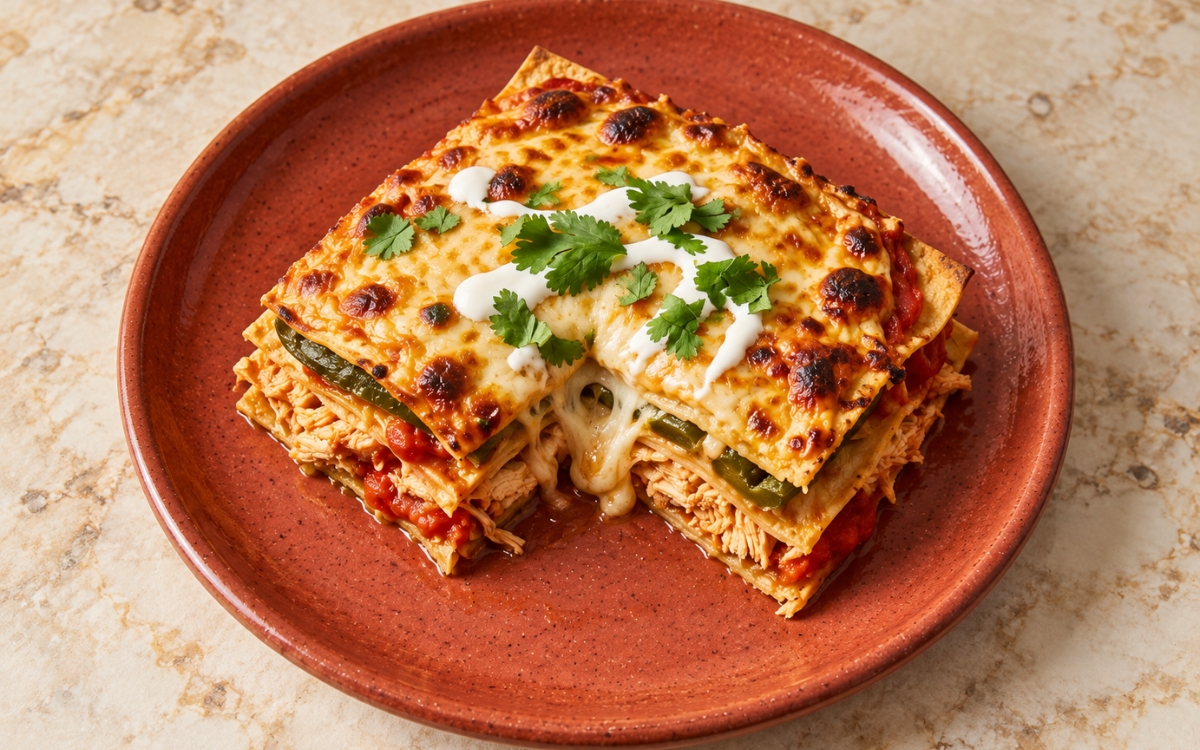
A classic baked Mexican tortilla casserole of soft corn tortillas layered with tender shredded chicken, roasted poblano rajas, a smooth red tomato-chile sauce, crema, and melted Oaxaca cheese, the key being distinct layers that stay moist and sliceable instead of soupy. Moistening every tortilla layer with a measured amount of thick, spoonable red sauce, rather than flooding the dish, is the technique this whole casserole depends on for clean, sliceable portions — too much sauce turns the layers watery and lets the slices slump, while too little leaves them dry and tough, the same balance-the-moisture principle used elsewhere in this collection whenever a layered bake has to hold its shape. Lightly frying the corn tortillas for 10–15 seconds per side is what lets them stay soft and intact instead of dissolving as the casserole bakes. Resting the baked casserole for 15–20 minutes is what lets the melted cheese and sauce settle so the layers stay distinct when cut. The payoff is a casserole with real, layered depth — smoky poblano, gently chile-forward red sauce, tender chicken, cool crema, and a bubbling golden top over a moist but cohesive interior.

Prep Time : 35 min
Total Time : 1 hr 30 min
Servings : 6
35 min
1 hr 30 min
6
Ingredients
For the Chicken
• 900g boneless skinless chicken thighs or chicken breasts
• ½ white onion
• 2 garlic cloves
• 1 bay leaf
• 1½ tsp kosher salt
• Water, to cover
For the Red Tomato-Chile Sauce
• 900g ripe Roma tomatoes
• 4 dried guajillo chiles, stemmed and seeded
• 1 dried ancho chile, stemmed and seeded
• ½ white onion, roughly chopped
• 2 garlic cloves
• 250–375ml chicken cooking liquid or chicken stock
• 1 tsp Mexican oregano
• ½ tsp ground cumin
• 1¼ tsp kosher salt, or to taste
• 1 tbsp neutral oil
For the Poblano Rajas
• 4 large poblano peppers
• 1 large white onion, thinly sliced
• 1 tbsp neutral oil
• ½ tsp kosher salt
For the Assembly
• 18 corn tortillas, 15cm / 6 in
• 60–80ml neutral oil, for lightly frying the tortillas
• 400g Oaxaca cheese or low-moisture mozzarella, shredded
• 200g Monterey Jack, Chihuahua, or asadero cheese, shredded
• 120ml Mexican crema or sour cream
• 2–3 tbsp chicken cooking liquid or milk, only if needed to loosen the crema slightly
For the Garnish
• 2–3 tbsp Mexican crema
• 2 tbsp chopped cilantro
Directions
- Cook and Shred the Chicken
Put the 900g chicken in a saucepan with the ½ white onion, 2 garlic cloves, bay leaf, and 1½ tsp kosher salt, then add enough water to cover by about 2–3cm. Bring just to a gentle simmer over medium heat, lower the heat, and cook without ever boiling hard until the thickest piece reaches 74°C in the centre, about 12–18 minutes for breasts and 18–22 minutes for thighs. Lift the chicken out, let it cool just enough to handle, and reserve at least 375ml of the cooking liquid. Shred into medium strands, not fine threads, so the filling keeps real texture. That gentle poach is what keeps the meat tender, because a hard boil tightens the fibres and the chicken will bake again later. - Make the Red Tomato-Chile Sauce
Toast the 4 guajillo chiles and the ancho chile in a dry skillet over medium-low heat for 10–15 seconds per side, just until fragrant and slightly pliable, then cover with hot water and soak for 10 minutes until softened. Meanwhile, char the 900g Roma tomatoes, the roughly chopped onion, and 2 garlic cloves on a dry skillet, comal, or under a broiler until the tomato skins blister and the flesh softens. Drain the chiles and blend everything with the oregano, cumin, 1¼ tsp salt, and 250ml chicken liquid until very smooth, adding a splash more only to keep the blender moving. Heat 1 tbsp oil in a saucepan, pour in the sauce carefully, and simmer over medium-low heat for 10–15 minutes, stirring occasionally, until lightly thickened and no longer raw-tasting. If too thick, add a little more stock, and if too thin, simmer longer. That balance is what the casserole depends on, since thin sauce makes watery slices and thick sauce leaves dry layers. - Roast the Poblanos and Make the Rajas
Roast the 4 poblanos over an open flame, under a broiler, or in a very hot dry skillet until the skins are blistered and blackened on most sides. Transfer to a bowl, cover, and steam for 10 minutes, then peel off the loose charred skin, remove the stems and seeds, and cut the flesh into strips. Heat 1 tbsp oil in a skillet, add the sliced white onion, and cook over medium heat for 5–6 minutes until fully softened and lightly golden at the edges. Add the poblano strips and ½ tsp salt and cook 2–3 minutes more, just to combine. That full softening of the onion is what stops raw slices from leaking water into the layers during baking, while the poblanos stay tender, smoky, and not mushy. - Prepare the Filling and Tortillas
Toss the shredded chicken with about 250–300ml of the red sauce, enough to coat it well and keep it moist but not soupy. Pour the 60–80ml oil into a skillet in a thin layer and fry the tortillas one at a time for about 10–15 seconds per side, just until flexible and slightly strengthened, then drain on paper towels. They should bend easily and must not turn into crisp chips. Mix the two cheeses together, and if the 120ml crema is very thick, loosen it with 2–3 tbsp milk or chicken liquid until it can be drizzled lightly. That light frying is what stops the tortillas dissolving in the casserole, and moist chicken now is what keeps it moist after baking. - Assemble the Pastel Azteca
Heat the oven to 190°C / 375°F and lightly grease a 23 × 33cm / 9 × 13 in baking dish. Spread a thin layer of sauce over the base, then arrange 6 tortillas, overlapping slightly, to cover it fully. Spread half the chicken over them, add half the rajas, spoon over a little more sauce, drizzle with half the crema, and scatter over one-third of the cheese. Press down lightly, then repeat with 6 more tortillas and the remaining chicken, rajas, sauce, crema, and another third of the cheese. Finish with the last 6 tortillas, a thin layer of sauce, and the remaining cheese, covering the surface evenly. That restraint with the sauce is what keeps every layer moist without flooding, so the casserole does not collapse when sliced. - Bake and Rest
Bake uncovered for 25–30 minutes, until the cheese is fully melted, the edges are bubbling, and the top is golden with browned patches. If the top needs more colour, broil for 1–2 minutes at the end, watching closely so it does not burn. Remove from the oven and let the casserole rest for 15–20 minutes before cutting. After resting it should slice cleanly while staying moist inside, with visible layers of tortilla, chicken, pepper, sauce, and cheese. That rest is what lets the cheese and sauce set, whereas cutting straight away makes the layers slide apart and the filling run loose. - Serve
Cut the casserole into 6 large square portions, marking the lines with a knife first so each slice holds the same number of layers. Lift each portion out carefully with a flat spatula, keeping the layers stacked as they came out of the dish. Drizzle the 2–3 tbsp crema lightly over the top of each portion and finish with a little of the 2 tbsp chopped cilantro. That small drizzle and fresh herb are what add a cool, bright contrast to the rich, savoury interior.
*Notes :
- Moistening each tortilla layer lightly rather than flooding it deserves genuine recognition as the technique most directly responsible for whether the slices hold together or slump on the plate. Tortillas keep absorbing sauce as the casserole bakes and rests, so a layer that looks barely moistened going into the oven is already the right amount by the time it is cut.
- Lightly frying the tortillas deserves the same attention this technique receives throughout this collection’s other layered corn tortilla dishes, where a quick pass in oil protects the tortilla from the sauce. Ten to fifteen seconds per side makes them flexible and sturdy without turning them into chips, while an unfried tortilla breaks down into a pasty layer under the sauce and cheese.
- Resting for 15–20 minutes deserves genuine respect as the detail most directly responsible for clean, square portions with distinct, visible layers. The cheese and sauce are still molten and loose straight from the oven, and the rest lets them cool and set just enough to support the layers above them instead of sliding out.
- Cooking the chicken to 74°C in a gentle simmer deserves attention as a genuine, checkable readiness cue rather than a loose approximation. Pulling it the moment it reaches that temperature leaves it tender enough to survive a second round in the oven, whereas a hard boil leaves the shredded meat stringy and dry inside the layers.
Why This Recipe Works
This recipe works because the chicken is poached gently and stopped at 74°C, so it stays tender through a second bake. Charred tomatoes and briefly toasted guajillo and ancho chiles give the sauce concentrated, gently smoky depth, and keeping it spoonable rather than thin moistens each layer without flooding it. Lightly fried tortillas stay soft and intact instead of dissolving, and fully softened onion keeps the roasted poblano rajas from leaking water. Low-moisture melting cheeses give a golden, bubbling top, and a 15–20 minute rest lets everything set into clean, moist, distinct slices.
Ingredient Breakdown
Gently Simmered Chicken (74°C)
The critical technique — a gentle poach keeps the meat tender and leaves a savoury liquid for the sauce.
Spoonable Red Sauce
The critical technique — lightly thickened sauce moistens each tortilla layer without flooding it, so the slices hold.
Lightly Fried Corn Tortillas
The structural foundation — a quick fry keeps them flexible and sturdy instead of dissolving between the layers.
Toasted Guajillo and Ancho Chiles
The flavour foundation — a brief toast brings out fruity, smoky depth, while burning turns the sauce bitter.
Roasted Poblano Rajas
The defining flavour ingredient — blistered strips add smoky flavour, and fully softened onion prevents watery layers.
Oaxaca and Monterey Jack
The finishing touch — low-moisture melting cheeses give a stretchy golden top without extra water.
Flavor Structure Explained
This Mexican pastel azteca follows a layered balance model:
- Tender, savoury foundation (poached shredded chicken, bay leaf, onion, garlic)
- Gently chile-forward body (guajillo, ancho, charred tomatoes, oregano, cumin)
- Smoky, vegetal lift (roasted poblano rajas, softened white onion)
- Soft, structural layers (lightly fried corn tortillas)
- Rich, creamy finish (Oaxaca and Monterey Jack cheeses, Mexican crema, cilantro)
Poached chicken gives the casserole a tender, savoury foundation that carries everything else. The red sauce adds a gently chile-forward body with a slightly concentrated tomato sweetness. Roasted poblano and softened onion bring a smoky, vegetal lift that keeps the filling from tasting flat. Lightly fried corn tortillas hold the layers apart and add a soft, toasty corn flavour of their own. Melted cheese, crema, and fresh cilantro supply the creamy richness and cool contrast that ties the pastel azteca together.
Common Mistakes to Avoid
- Flooding Every Layer With Sauce – This makes the casserole collapse and leak a puddle of watery sauce onto the plate. Always moisten each tortilla layer lightly and keep the sauce spoonable.
- Skipping the Tortilla Fry – This lets the corn tortillas absorb the sauce and dissolve into a pasty layer. Always fry them 10–15 seconds per side until flexible, then drain.
- Boiling the Chicken Hard – This tightens the meat so the shredded chicken turns dry and stringy after baking. Always hold a gentle simmer and stop cooking at 74°C.
- Burning the Dried Chiles – This makes the whole red sauce taste bitter and harsh. Always toast the chiles for only 10–15 seconds per side, just until fragrant.
- Cutting the Casserole Straight From the Oven – This lets the molten layers slide apart and the filling run loose. Always rest it for 15–20 minutes before slicing.
Variations
Rotisserie Chicken Version
Use about 750–800g shredded rotisserie chicken and replace the poaching liquid with stock in the sauce, per the recipe’s own note, to save time without losing the layered result.
Low-Moisture Mozzarella Version
Use low-moisture mozzarella in place of Oaxaca cheese, per the recipe’s own note, for the same stretchy, golden top, avoiding very wet fresh mozzarella that would release water.
Sour Cream Version
Use sour cream in place of Mexican crema, loosened with 2–3 tbsp milk if needed, for a slightly tangier drizzle between the layers and over the finished portions.
Spicier Version
Leave the seeds of one guajillo chile in the sauce before blending for extra heat, while keeping the toasting time short so the chiles stay fruity instead of bitter.
Storage & Make-Ahead
Poach and shred the chicken, make the red sauce, and prepare the poblano rajas up to 2 days ahead, storing each in the refrigerator, so assembly is quick and the casserole can go straight into the oven.
Assemble the casserole up to 1 day ahead, cover it tightly, and refrigerate, then add about 5–10 minutes to the baking time since it goes into the oven cold and needs longer to heat through.
Let the baked casserole rest for the full 15–20 minutes before cutting, because that rest is what lets the cheese and sauce set so each square holds its layers on the spatula.
Leftover portions keep in an airtight container in the refrigerator for up to 3 days, and the layers stay moist and cohesive because the tortillas were lightly fried before assembly and the sauce was kept spoonable.
Reheat covered in a 160°C oven until hot through, then uncover briefly so the top does not steam too much, which keeps the cheese golden and the surface from turning soggy.
Frequently Asked Questions
Why are the corn tortillas lightly fried before layering?
A quick 10–15 second fry per side makes the tortillas flexible and slightly sturdier, so they hold their shape between the sauce and cheese. Unfried tortillas soften into a pasty layer as the casserole bakes.
Why must the red sauce be spoonable instead of thin?
The sauce has to moisten the tortillas without flooding them, and a lightly thickened sauce does exactly that. Thin sauce makes watery slices that collapse, while very thick sauce leaves dry layers.
Why does the casserole need to rest for 15–20 minutes?
Straight from the oven the cheese and sauce are still molten and loose. A rest lets them cool and set, so the casserole slices cleanly into square portions that stay moist inside.
Why are the dried chiles toasted for only 10–15 seconds per side?
A brief dry toast wakes up their fruity, gently smoky aroma and makes them pliable for soaking. Longer toasting burns them, and burnt chiles turn the entire sauce bitter.
Are there other classic Mexican enchilada, tostada, or tortilla dishes worth trying?
Enchiladas Rojas and Enchiladas Verdes both offer other classic rolled-tortilla directions worth exploring, and Chicken Tinga Tostadas is also worth trying for a crisp chicken direction. Homemade Corn Tortillas and Rajas con Crema offer other tortilla and poblano dishes worth exploring.
Nutrition Facts
( Per Serving — 1 large portion )
Calories
~900 kcal
Protein
58 g
Fat
52 g
Carbs
52 g
Calories
~900 kcal
Protein
58 g
Fat
52 g
Carbs
52 g
Related Recipes
Related Recipes
-

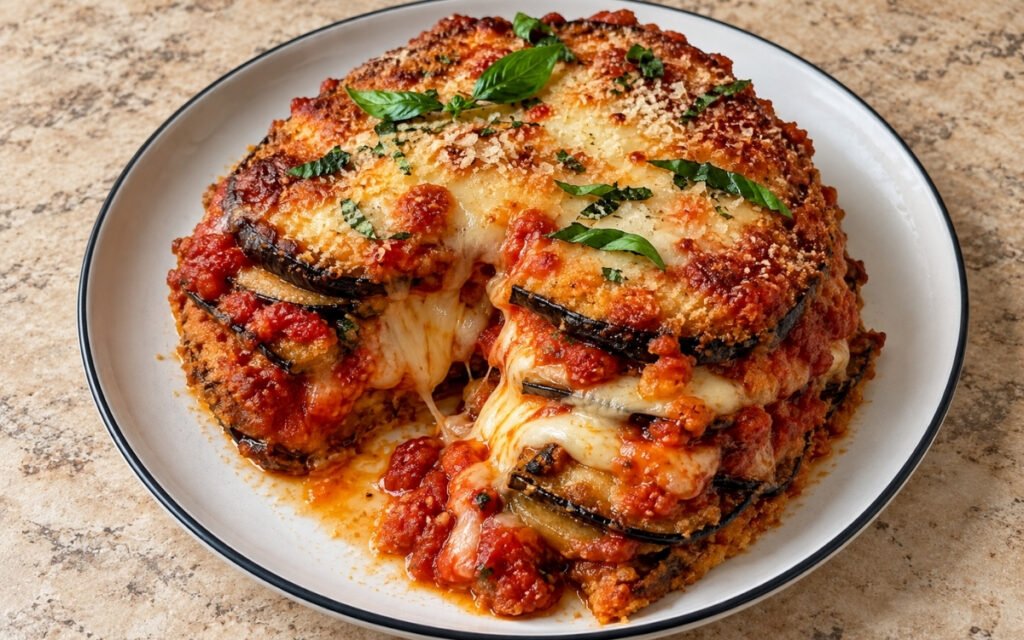
Eggplant Parmesan
Breaded fried eggplant slices layered with tomato sauce, mozzarella, Parmesan, and basil, then baked until bubbling and deeply flavorful.
-
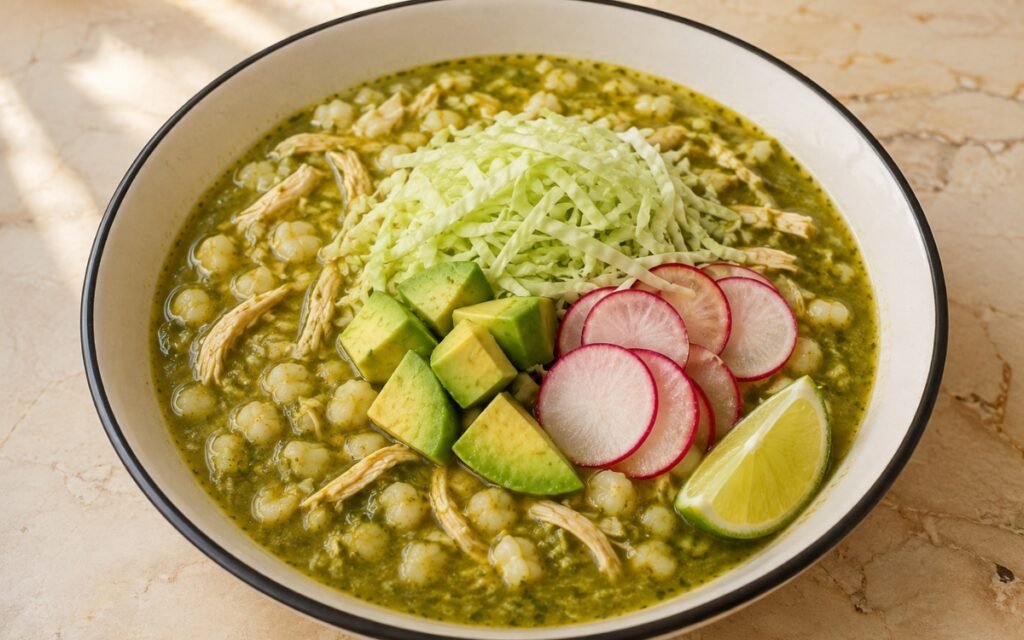
Pozole Verde
A vivid green Mexican pozole with savory chicken broth, roasted tomatillo-pumpkin seed base, hominy, and shredded chicken.
-
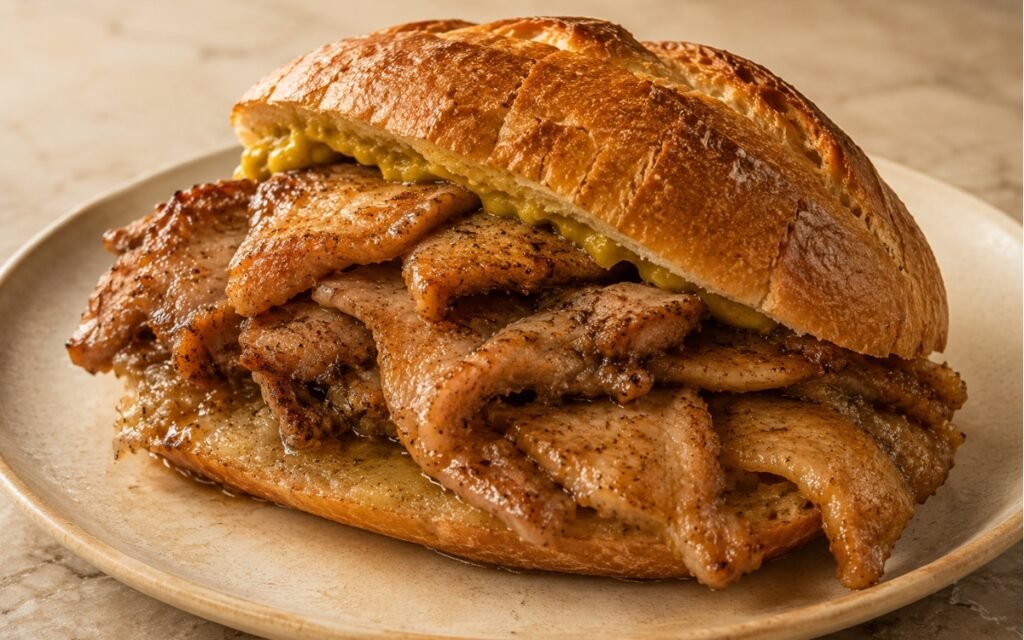
Portuguese Pork Bifana
Thin pork slices marinated in garlic and white wine, simmered until glossy and tender, piled into crusty homemade papo-seco rolls.
You might also like
You might also like
-
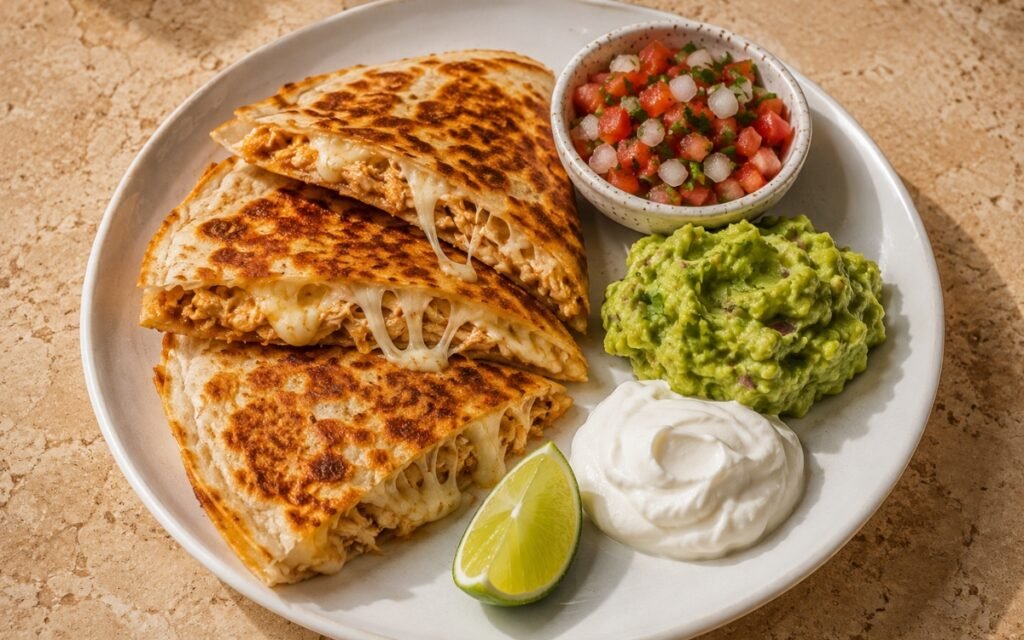
Chicken Quesadilla
Marinated chicken thighs seared, shredded, and reduced, folded into flour tortillas with a three-cheese blend, and crisped in butter until golden and blistered.
-
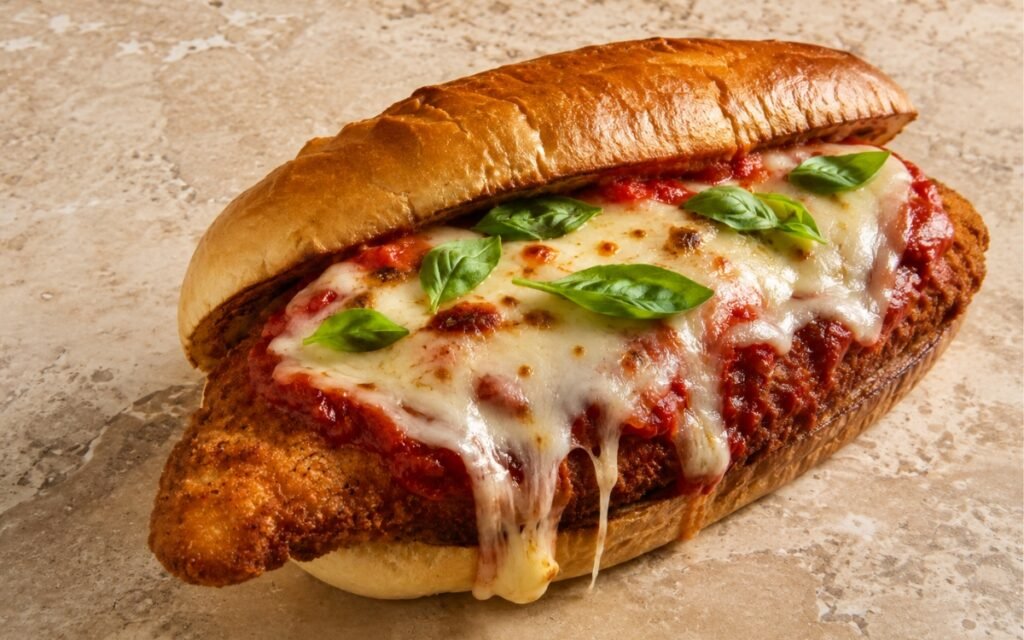
Chicken Parm Hero
A golden fried chicken cutlet in a toasted hoagie roll, topped with thick marinara, melted mozzarella, Parmesan, and fresh basil.
-
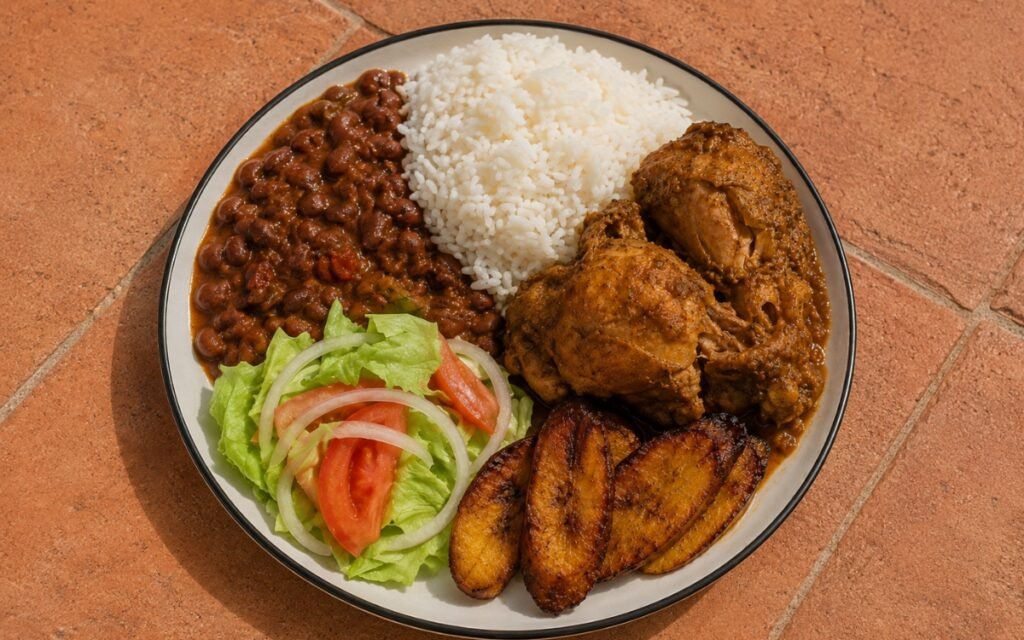
La Bandera Dominicana
Fluffy white rice, stewed red beans, caramelised braised chicken, sweet fried plantains, and fresh salad, each kept distinct on the plate.
Mexican Pastel Azteca / Mexican Lasagna
Ingredients
Method
- Put the 900g chicken in a saucepan with the ½ white onion, 2 garlic cloves, bay leaf, and 1½ tsp kosher salt, then add enough water to cover by about 2–3cm. Bring just to a gentle simmer over medium heat, lower the heat, and cook without ever boiling hard until the thickest piece reaches 74°C in the centre, about 12–18 minutes for breasts and 18–22 minutes for thighs. Lift the chicken out, let it cool just enough to handle, and reserve at least 375ml of the cooking liquid. Shred into medium strands, not fine threads, so the filling keeps real texture. That gentle poach is what keeps the meat tender, because a hard boil tightens the fibres and the chicken will bake again later.
- Toast the 4 guajillo chiles and the ancho chile in a dry skillet over medium-low heat for 10–15 seconds per side, just until fragrant and slightly pliable, then cover with hot water and soak for 10 minutes until softened. Meanwhile, char the 900g Roma tomatoes, the roughly chopped onion, and 2 garlic cloves on a dry skillet, comal, or under a broiler until the tomato skins blister and the flesh softens. Drain the chiles and blend everything with the oregano, cumin, 1¼ tsp salt, and 250ml chicken liquid until very smooth, adding a splash more only to keep the blender moving. Heat 1 tbsp oil in a saucepan, pour in the sauce carefully, and simmer over medium-low heat for 10–15 minutes, stirring occasionally, until lightly thickened and no longer raw-tasting. If too thick, add a little more stock, and if too thin, simmer longer. That balance is what the casserole depends on, since thin sauce makes watery slices and thick sauce leaves dry layers.
- Roast the 4 poblanos over an open flame, under a broiler, or in a very hot dry skillet until the skins are blistered and blackened on most sides. Transfer to a bowl, cover, and steam for 10 minutes, then peel off the loose charred skin, remove the stems and seeds, and cut the flesh into strips. Heat 1 tbsp oil in a skillet, add the sliced white onion, and cook over medium heat for 5–6 minutes until fully softened and lightly golden at the edges. Add the poblano strips and ½ tsp salt and cook 2–3 minutes more, just to combine. That full softening of the onion is what stops raw slices from leaking water into the layers during baking, while the poblanos stay tender, smoky, and not mushy.
- Toss the shredded chicken with about 250–300ml of the red sauce, enough to coat it well and keep it moist but not soupy. Pour the 60–80ml oil into a skillet in a thin layer and fry the tortillas one at a time for about 10–15 seconds per side, just until flexible and slightly strengthened, then drain on paper towels. They should bend easily and must not turn into crisp chips. Mix the two cheeses together, and if the 120ml crema is very thick, loosen it with 2–3 tbsp milk or chicken liquid until it can be drizzled lightly. That light frying is what stops the tortillas dissolving in the casserole, and moist chicken now is what keeps it moist after baking.
- Heat the oven to 190°C / 375°F and lightly grease a 23 × 33cm / 9 × 13 in baking dish. Spread a thin layer of sauce over the base, then arrange 6 tortillas, overlapping slightly, to cover it fully. Spread half the chicken over them, add half the rajas, spoon over a little more sauce, drizzle with half the crema, and scatter over one-third of the cheese. Press down lightly, then repeat with 6 more tortillas and the remaining chicken, rajas, sauce, crema, and another third of the cheese. Finish with the last 6 tortillas, a thin layer of sauce, and the remaining cheese, covering the surface evenly. That restraint with the sauce is what keeps every layer moist without flooding, so the casserole does not collapse when sliced.
- Bake uncovered for 25–30 minutes, until the cheese is fully melted, the edges are bubbling, and the top is golden with browned patches. If the top needs more colour, broil for 1–2 minutes at the end, watching closely so it does not burn. Remove from the oven and let the casserole rest for 15–20 minutes before cutting. After resting it should slice cleanly while staying moist inside, with visible layers of tortilla, chicken, pepper, sauce, and cheese. That rest is what lets the cheese and sauce set, whereas cutting straight away makes the layers slide apart and the filling run loose.
- Cut the casserole into 6 large square portions, marking the lines with a knife first so each slice holds the same number of layers. Lift each portion out carefully with a flat spatula, keeping the layers stacked as they came out of the dish. Drizzle the 2–3 tbsp crema lightly over the top of each portion and finish with a little of the 2 tbsp chopped cilantro. That small drizzle and fresh herb are what add a cool, bright contrast to the rich, savoury interior.