
Machaca con Huevo
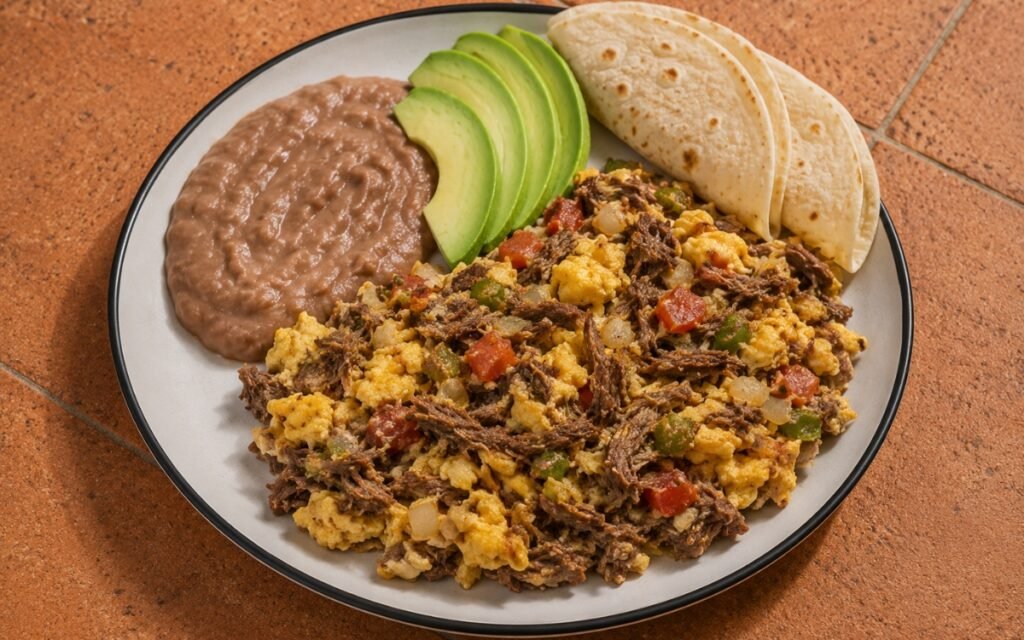
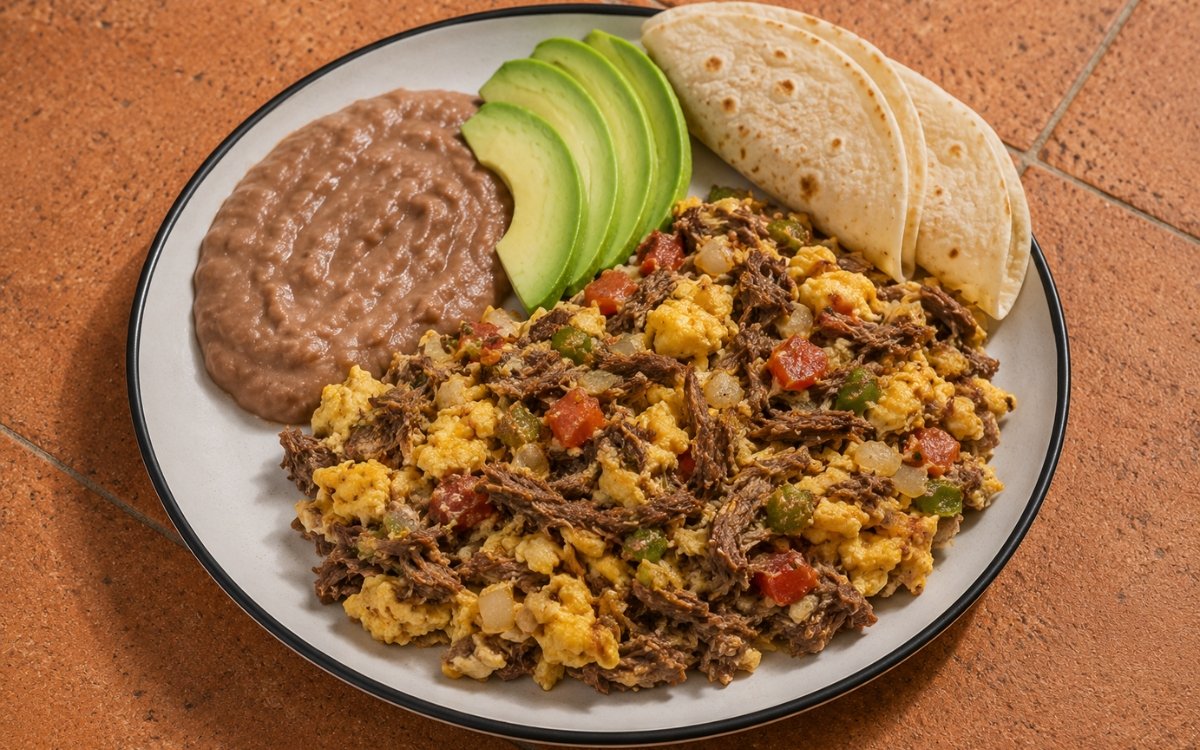
A classic northern Mexican breakfast of scrambled eggs cooked with shredded dried beef, tomato, onion, and green chile. Served with refried beans, sliced avocado, and warm flour tortillas. Rehydrating the machaca just enough to soften it without leaving it wet is the technique this whole dish depends on — machaca that goes into the pan properly moist steams rather than lightly frying alongside the vegetables, the same rehydrate-then-drain-thoroughly principle used elsewhere in this collection whenever a dried, salted ingredient needs softening without ending up waterlogged. Cooking the tomato mixture until its excess moisture has genuinely cooked off, before the eggs ever go in, is what keeps the finished scramble tender and cohesive rather than loose and watery. Tasting the machaca before adding any salt to the eggs is what protects the finished dish from turning oversalted, since dried beef’s own salt level varies considerably from batch to batch. The payoff is a plate that’s tender, moist, and properly balanced — soft scrambled eggs studded with lightly fried shredded beef, tomato, onion, and chile, alongside refried beans, avocado, and warm tortillas.
Prep Time : 15 min
Cook Time : 20 min
Servings : 4
15 min
20 min
4
Ingredients
For the Machaca con Huevo
• 200g machaca seca (dried shredded beef) — this one on Amazon
• 10 large eggs
• 30ml neutral oil or lard — this one on Amazon
• 120g white onion, small dice
• 180g ripe tomato, small dice
• 1–2 green chiles (jalapeño, serrano, or Anaheim), finely diced
• 1 garlic clove, finely minced, optional, not essential but good
• 15–30ml water, only if needed
• Freshly ground black pepper, to taste
• Fine sea salt, only if needed
For Serving
• 700–800g prepared Refried Beans, warmed
• 2 ripe avocados, sliced
• 8 small flour tortillas, warmed, or 1 batch Homemade Wheat Tortillas
• Salsa, optional (See – Salsa Verde and Salsa Roja recipes)
• Lime wedges, optional
This post may contain affiliate links. As an Amazon Associate I earn from qualifying purchases, at no additional cost to you.
Directions
- Prepare the Machaca
If the machaca is very dry, very salty, or in long coarse strands, place it in a bowl and cover with hot water for 5–10 minutes just to soften slightly. Drain well and squeeze out excess moisture. If needed, chop or pull apart any long strands so it mixes evenly through the eggs. The machaca should be rehydrated enough to be tender, but not wet. If it goes into the pan soaked, it will steam instead of fry. Squeezing out the excess moisture after that brief soak is just as important as the soak itself — the softening comes from the brief hot-water contact, but any liquid left clinging to the beef afterward would still create the same steaming problem the soak was meant to avoid. - Beat the Eggs
Crack the eggs into a bowl and beat until fully combined. Add a few grinds of black pepper. Do not heavily salt yet, because the machaca usually brings a lot of salt already. Set aside so the eggs are ready to go once the vegetable base is cooked. Holding off on salt at this stage, rather than seasoning by habit, avoids compounding whatever salt level the machaca itself carries — that decision genuinely needs to wait until the beef’s own seasoning has been tasted. - Build the Base
Heat the oil or lard in a large skillet over medium heat. Add the onion and cook for 3–4 minutes until softened and lightly translucent. Add the green chile and cook 1 minute more. Add the garlic, if using, and cook for about 20 seconds. Add the diced tomato and cook for 3–5 minutes, stirring occasionally, until the tomato softens and most of its excess moisture cooks off. This is important: the mixture should be moist but not watery, otherwise the eggs will turn loose and the scramble will not hold together properly. This staged build — onion softened first, chile added briefly after, tomato only once those earlier aromatics are already established — lets each component reach its own right point before the next joins, rather than everything cooking together at a single, less controlled pace. - Cook the Machaca
Add the prepared machaca to the skillet and cook for 2–3 minutes, stirring often, so it warms through, mixes with the vegetables, and lightly fries in the fat. Taste a small piece at this point. If it is already well seasoned and salty, do not add salt later. If the pan looks dry, add 15–30ml water only as needed to loosen the mixture slightly, then let that evaporate. This tasting checkpoint is the single most reliable way to gauge how much, if any, additional salt the finished dish will need — machaca’s own salt level varies enough from batch to batch that guessing without tasting risks over- or under-seasoning the whole plate. - Scramble the Eggs
Reduce the heat to medium-low. Pour in the beaten eggs and let them sit for a few seconds, then gently fold and stir with a spatula. Cook slowly until the eggs are softly set and creamy, 2–4 minutes depending on pan size and heat. Stop cooking while they still look slightly glossy, because residual heat will finish them. Do not overcook. Machaca con huevo should be tender and moist, not dry and crumbly. Gentle folding rather than constant vigorous stirring is what produces larger, softer curds that hold moisture better — aggressive stirring breaks the eggs into smaller pieces that dry out considerably faster under the same heat. - Warm the Sides and Serve
Warm the refried beans separately. Warm the flour tortillas on a dry skillet or directly over a flame for a few seconds per side until soft and pliable. Slice the avocados. Divide the machaca con huevo among 4 plates. Serve each portion with refried beans, avocado slices, and warm flour tortillas on the side. Offer salsa and lime wedges if desired. Slicing the avocado only right before serving, rather than in advance, protects it from browning and keeps it looking and tasting genuinely fresh on the finished plate.
*Notes :
- Rehydrating the machaca just enough, then thoroughly draining and squeezing it, deserves genuine attention as the step most responsible for whether this dish’s final texture comes out right. Machaca that’s too dry and tough needs that brief soak to become properly tender; machaca left wet afterward, though, works directly against the light frying this recipe depends on to build flavour, since any lingering moisture converts to steam the instant it hits the hot pan.
- Tasting the machaca specifically before deciding on any additional salt is worth treating as a genuine, non-skippable checkpoint rather than an optional suggestion. Dried, salted beef varies considerably in intensity depending on how it was cured and dried, and guessing at seasoning without that direct taste risks pushing the finished dish toward being noticeably oversalted, a mistake that’s difficult to correct once the eggs are already folded in.
- Cooking the tomato mixture until its excess moisture has genuinely evaporated, before the machaca and eggs are added, follows the same underlying logic used throughout this collection’s other Mexican egg dishes. Eggs poured into a still-wet vegetable base end up cooking partly by trapped steam rather than direct contact with the pan, producing a noticeably looser, less cohesive scramble than the tender result this recipe specifically aims for.
- Folding the eggs gently, and pulling them from the heat while they still look slightly underdone, reflects real technique attention worth respecting rather than skipping in the interest of speed. Residual heat continues cooking eggs even off the burner, and both the gentle folding and early pull are specifically what protect the finished dish’s tender, moist texture from turning dry and crumbly.
Why This Recipe Works
This recipe works because the machaca is rehydrated only enough to soften, then thoroughly drained so it fries rather than steams once it hits the pan. The tomato-onion-chile base is built in stages and cooked until its excess moisture is genuinely gone, giving the eggs a properly dry foundation to scramble into.
Tasting the machaca before adding any salt protects the dish from becoming oversalted, given how much dried beef’s own seasoning can vary. Gentle folding and an early pull from the heat, relying on residual cooking, keep the finished eggs tender and moist rather than dry and crumbly.
Ingredient Breakdown
Rehydrated, Thoroughly Drained Machaca
The defining protein — softened just enough by a brief soak, then drained completely so it fries rather than steams.
Cooked-Down Tomato, Onion, and Chile Base
The critical foundation — reduced until excess moisture is gone, protecting the eggs from turning loose and watery.
Machaca-First Tasting Checkpoint
The seasoning technique — determines how much, if any, additional salt the finished dish actually needs.
Gently Folded, Early-Pulled Eggs
The cooking technique — produces soft, tender curds and accounts for the continued cooking that happens off the heat.
Fresh, Just-Sliced Avocado
The finishing side — cut only right before serving to stay genuinely fresh on the plate.
Flavor Structure Explained
This machaca con huevo follows a layered balance model:
- Savoury dried-beef centre (rehydrated, lightly fried machaca)
- Soft egg foundation (gently scrambled eggs)
- Fresh vegetable base (cooked-down tomato, onion, green chile)
- Hearty warm sides (refried beans)
- Cool creamy finish (sliced avocado)
Rehydrated, lightly fried machaca provides this dish’s savoury, distinctly beefy centre, its own salt and dried-beef character carrying through every bite. Gently scrambled eggs give the dish a soft, tender foundation around that beef. The cooked-down tomato, onion, and green chile base contributes fresh, balanced vegetable flavour without excess moisture. Warm refried beans round out the plate with hearty, creamy body, and freshly sliced avocado finishes everything with cool, creamy contrast.
Common Mistakes to Avoid
- Leaving the Machaca Too Wet After Rehydrating – This causes it to steam rather than fry in the pan. Always drain and squeeze it thoroughly.
- Adding Salt to the Eggs Before Tasting the Machaca – This risks oversalting the finished dish, since machaca’s own salt level varies. Always taste the beef first.
- Adding the Eggs Before the Tomato Mixture Has Reduced – This produces a loose, watery scramble. Always cook off the excess moisture first.
- Stirring the Eggs Aggressively – This produces small, dry curds rather than soft, tender ones. Always fold gently instead.
- Overcooking the Eggs in the Pan – Residual heat continues cooking them after removal. Always pull them while still slightly glossy.
Variations
Extra-Spicy Version
Use serrano instead of jalapeño, or add a second chile, for a sharper, more assertive heat.
Cheese-Topped Version
Add a light scatter of shredded Chihuahua or Monterey Jack cheese over the finished scramble for extra richness.
Corn Tortilla Version
Substitute warm corn tortillas for flour if that’s the preferred pairing, though flour is the more classically northern Mexican choice.
Extra-Hearty Version
Serve with an additional side of Mexican rice for a more substantial plate.
Storage & Make-Ahead
This dish is best made and eaten fresh; scrambled eggs don’t hold or reheat particularly well, tending to turn rubbery.
Rehydrated, drained machaca can be prepped a few hours ahead and refrigerated, ready to fry when needed.
The refried beans can be made ahead according to their own storage guidance and simply warmed gently before serving.
Frequently Asked Questions
Why does the machaca need to be rehydrated only enough to soften, not fully soaked?
Machaca left wet after soaking works directly against the light frying this recipe depends on for flavour, since any lingering moisture converts to steam the instant it meets the hot pan. Draining and squeezing thoroughly is what protects that frying step.
Why is it important to taste the machaca before salting the eggs?
Dried, salted beef varies considerably in intensity depending on how it was cured. Tasting it directly is the most reliable way to judge whether the finished dish needs any additional salt, protecting against an oversalted result.
Why does the tomato-onion-chile base need to be cooked down before the eggs are added?
Eggs poured into a still-wet vegetable base end up cooking partly by trapped steam, producing a looser, less cohesive scramble. Reducing the base first gives the eggs a properly dry foundation to scramble into.
Why fold the eggs gently rather than stirring them constantly?
Gentle folding produces larger, softer curds that hold moisture better. Aggressive stirring breaks the eggs into smaller pieces with more exposed surface area, which dry out considerably faster.
Are there other classic Mexican egg or breakfast dishes worth trying?
Huevos a la Mexicana and Huevos Rancheros both offer other classic Mexican egg preparations worth exploring. Carne Asada Plate, Homemade Wheat Tortillas, and Refried Beans are also worth trying alongside or as part of this meal.
Nutrition Facts
( per serving )
Calories
~680 kcal
Protein
42 g
Fat
40 g
Carbs
42 g
Calories
~680 kcal
Protein
42 g
Fat
40 g
Carbs
42 g
Related Recipes
Related Recipes

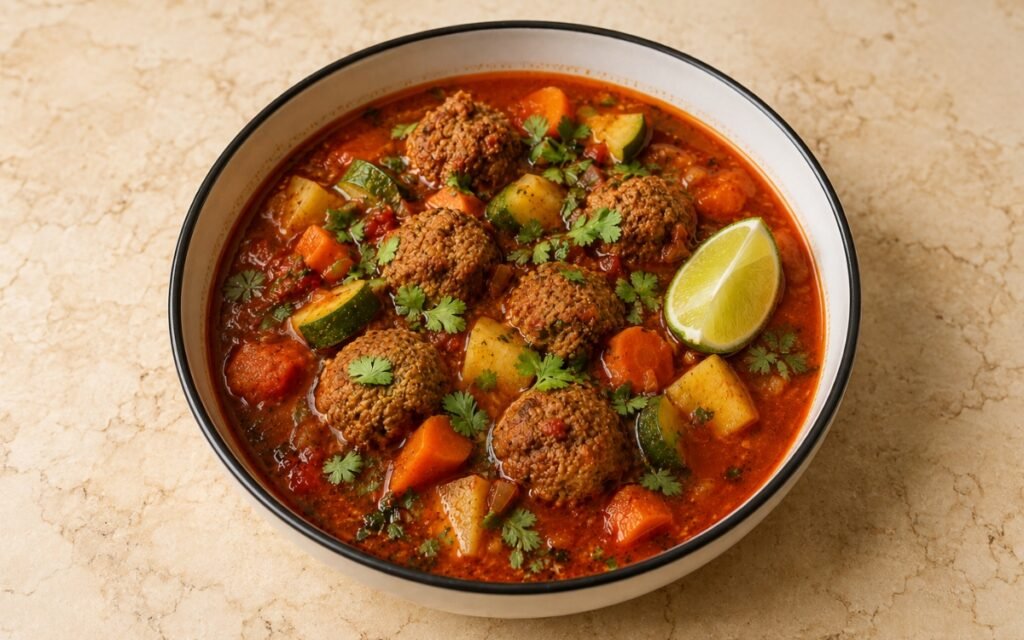
Sopa de Albóndigas
Tender beef-and-rice meatballs simmered gently in a savory red tomato broth with carrot, potato, and zucchini.
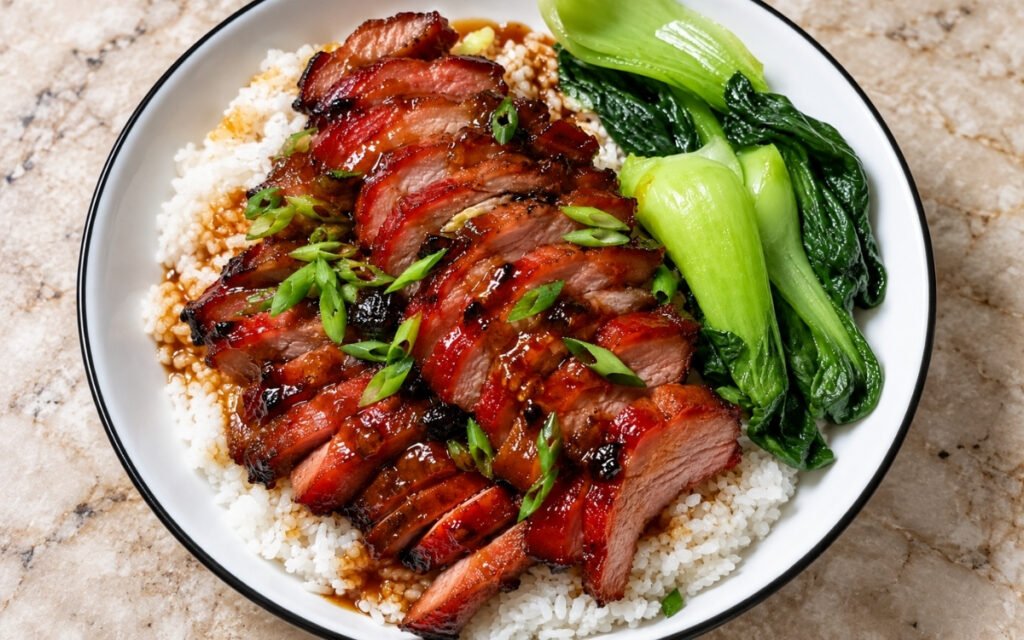
Char Siu — Chinese BBQ Pork over Rice
Glossy, caramelized Cantonese-style char siu pork sliced over jasmine rice with blanched bok choy and reduced glaze.
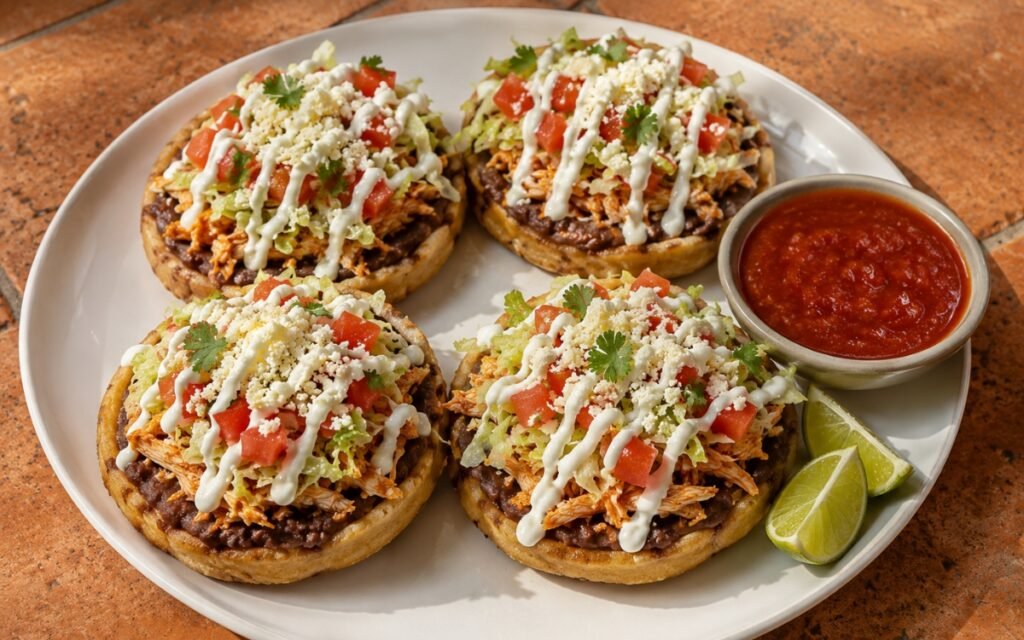
Pollo Sopes with Refried Beans
Thick masa sopes shaped with a raised rim, fried golden, and layered with refried black beans, adobo-simmered shredded chicken, lettuce, tomato, and crema.
You might also like
You might also like
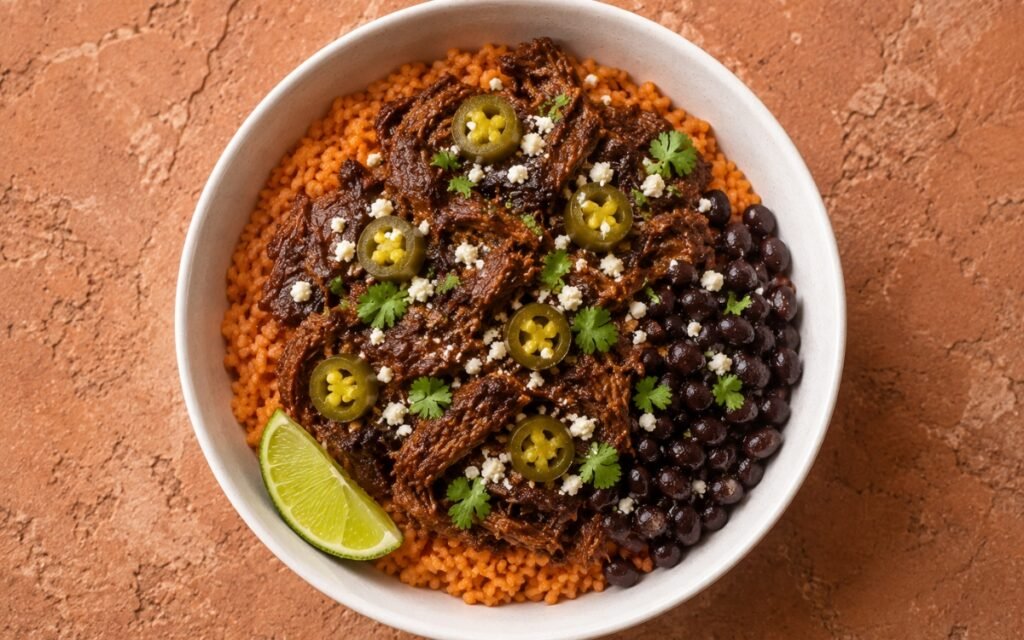
Mexican Barbacoa Rice Bowl
Beef chuck braised in a toasted chile sauce until tender, shredded and reduced until glossy, served over toasted tomato rice with whole black beans and cotija.
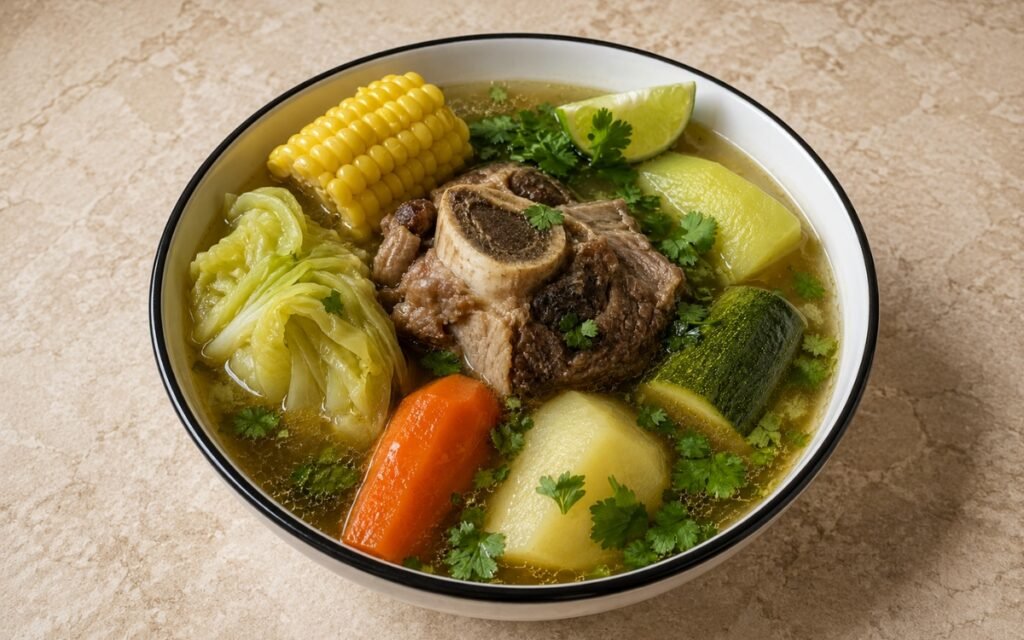
Caldo de Res
A clear, golden Mexican beef soup with gently simmered beef shank and large, staged vegetables — corn, potato, carrot, chayote, zucchini, and cabbage.
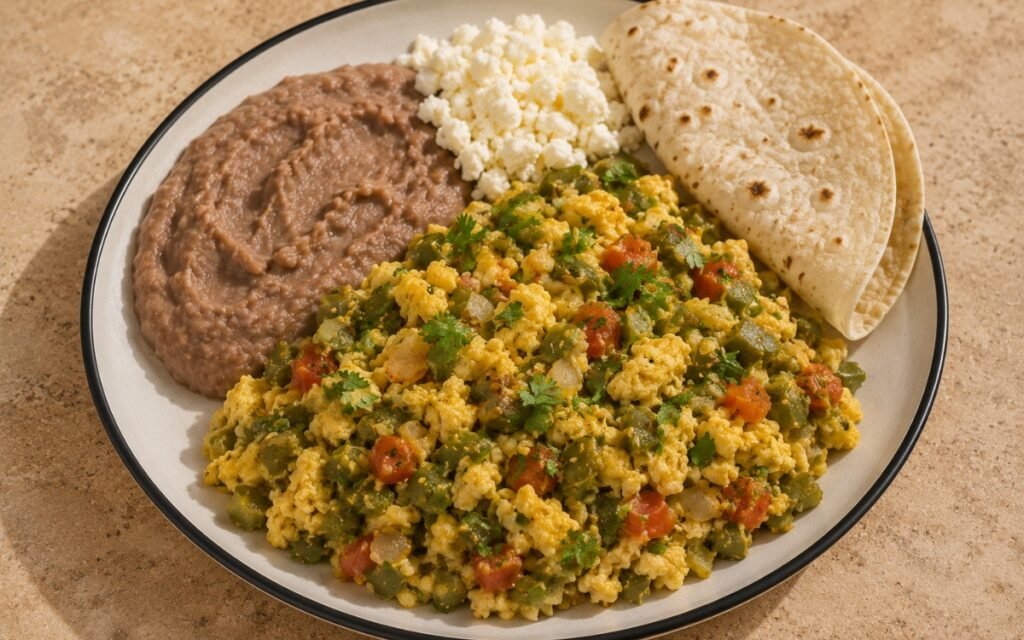
Nopales con Huevo
Scrambled eggs cooked with tender diced nopales, onion, tomato, and green chile, finished with fresh cilantro.
Machaca con Huevo
Ingredients
Method
- If the machaca is very dry, very salty, or in long coarse strands, place it in a bowl and cover with hot water for 5–10 minutes just to soften slightly. Drain well and squeeze out excess moisture. If needed, chop or pull apart any long strands so it mixes evenly through the eggs. The machaca should be rehydrated enough to be tender, but not wet. If it goes into the pan soaked, it will steam instead of fry. Squeezing out the excess moisture after that brief soak is just as important as the soak itself — the softening comes from the brief hot-water contact, but any liquid left clinging to the beef afterward would still create the same steaming problem the soak was meant to avoid.
- Crack the eggs into a bowl and beat until fully combined. Add a few grinds of black pepper. Do not heavily salt yet, because the machaca usually brings a lot of salt already. Set aside so the eggs are ready to go once the vegetable base is cooked. Holding off on salt at this stage, rather than seasoning by habit, avoids compounding whatever salt level the machaca itself carries — that decision genuinely needs to wait until the beef’s own seasoning has been tasted.
- Heat the oil or lard in a large skillet over medium heat. Add the onion and cook for 3–4 minutes until softened and lightly translucent. Add the green chile and cook 1 minute more. Add the garlic, if using, and cook for about 20 seconds. Add the diced tomato and cook for 3–5 minutes, stirring occasionally, until the tomato softens and most of its excess moisture cooks off. This is important: the mixture should be moist but not watery, otherwise the eggs will turn loose and the scramble will not hold together properly. This staged build — onion softened first, chile added briefly after, tomato only once those earlier aromatics are already established — lets each component reach its own right point before the next joins, rather than everything cooking together at a single, less controlled pace.
- Add the prepared machaca to the skillet and cook for 2–3 minutes, stirring often, so it warms through, mixes with the vegetables, and lightly fries in the fat. Taste a small piece at this point. If it is already well seasoned and salty, do not add salt later. If the pan looks dry, add 15–30ml water only as needed to loosen the mixture slightly, then let that evaporate. This tasting checkpoint is the single most reliable way to gauge how much, if any, additional salt the finished dish will need — machaca’s own salt level varies enough from batch to batch that guessing without tasting risks over- or under-seasoning the whole plate.
- Reduce the heat to medium-low. Pour in the beaten eggs and let them sit for a few seconds, then gently fold and stir with a spatula. Cook slowly until the eggs are softly set and creamy, 2–4 minutes depending on pan size and heat. Stop cooking while they still look slightly glossy, because residual heat will finish them. Do not overcook. Machaca con huevo should be tender and moist, not dry and crumbly. Gentle folding rather than constant vigorous stirring is what produces larger, softer curds that hold moisture better — aggressive stirring breaks the eggs into smaller pieces that dry out considerably faster under the same heat.
- Warm the refried beans separately. Warm the flour tortillas on a dry skillet or directly over a flame for a few seconds per side until soft and pliable. Slice the avocados. Divide the machaca con huevo among 4 plates. Serve each portion with refried beans, avocado slices, and warm flour tortillas on the side. Offer salsa and lime wedges if desired. Slicing the avocado only right before serving, rather than in advance, protects it from browning and keeps it looking and tasting genuinely fresh on the finished plate.