Indo-Chinese Chili Paneer
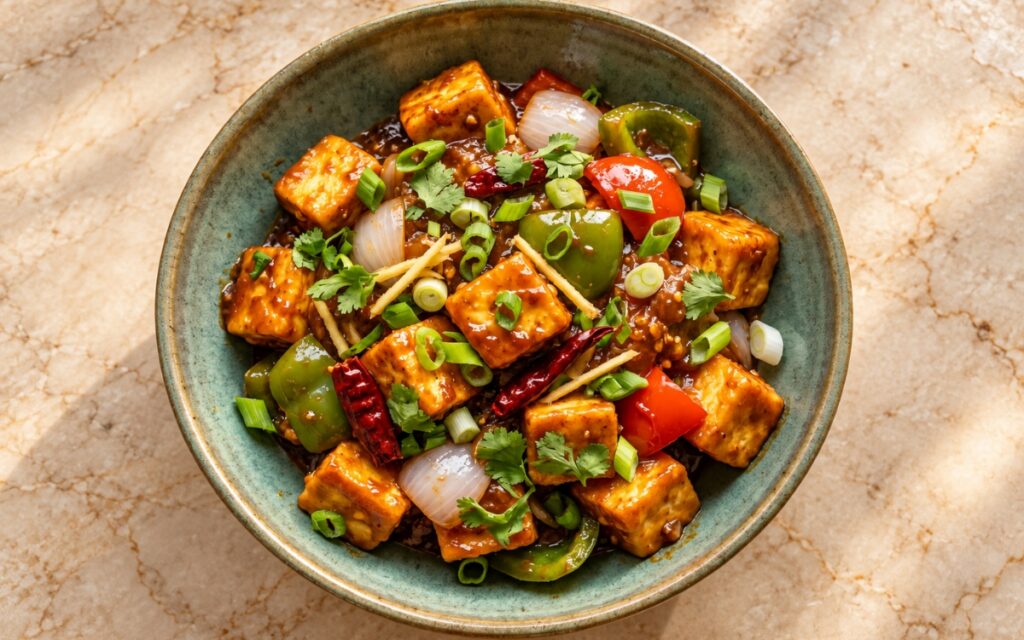
A smooth, glossy Indo-Chinese Chili Paneer — lightly browned paneer cubes folded into a rich reddish-brown sauce of onion, bell peppers, garlic, ginger, soy, chilli sauces and ketchup, blended until velvety and finished with spring onion greens, cilantro and a light cream swirl, the key being a sauce that clings to the paneer rather than running thin. Cooking the vegetables and aromatics until genuinely soft before blending, rather than flash-stir-frying them as most Indo-Chinese sauces do, is the technique this whole dish depends on for its velvety body — half-cooked onion and pepper blend into a grainy, raw-tasting purée that never turns glossy, the same soften-before-you-blend principle used elsewhere in this collection whenever a cooked sauce base is puréed smooth. Browning the cornstarch-dusted paneer for just 1–2 minutes per side is what keeps the edges lightly crisp and the centres soft, while giving the sauce a dry surface to grip. A small cornstarch slurry and a gentle 1–2 minute final simmer are what turn the blended base sticky and shiny without letting the paneer firm up. The payoff is a chili paneer with real, restaurant-style polish — tender paneer, a velvety sweet-sour-spicy sauce, fresh scallion bite and a soft ribbon of cream across the top.
- Prep Time : 20 min
- Total Time : 45 min
- Servings : 4
Ingredients
For the Paneer
- 600g paneer, cut into medium-large cubes
- 2 tbsp cornstarch
- ¼ tsp salt
- ¼ tsp black pepper
- 2 tbsp neutral oil, for shallow-frying
For the Smooth Chilli Sauce Base
- 2 tbsp neutral oil, or as needed
- 1 medium onion, sliced
- 1 medium red bell pepper, sliced
- ½ medium green bell pepper, sliced
- 5 garlic cloves, roughly chopped
- 20g fresh ginger, roughly chopped
- 2–3 green chillies, sliced
- 3 spring onions, whites only, sliced
- 2 tbsp tomato ketchup
- 1½ tbsp red chilli sauce
- 1–2 tsp green chilli sauce, optional
- 1½ tbsp light soy sauce
- 1 tsp dark soy sauce
- 1 tbsp vinegar
- 1 tsp sugar
- ½ tsp black pepper
- 120–180ml water, as needed
- Salt, only as needed after tasting
For the Slurry and Finishing
- 1½ tsp cornstarch
- 2 tbsp cold water
- 2 spring onions, green parts thinly sliced
- 2 tbsp chopped cilantro
- 2–3 tbsp cream, for the finishing swirl
- 1 tsp toasted sesame oil, optional
Directions
- Prep and Coat the Paneer
Pat the 600g paneer cubes gently dry with paper towels, taking care not to crumble the edges. In a large bowl, toss the cubes with the 2 tbsp cornstarch, ¼ tsp salt and ¼ tsp black pepper until every side is lightly and evenly dusted. The coating should look thin, matte and dry — never pasty or clumped in the corners of the bowl. If it looks pasty, the paneer was too wet, so shake off the excess and pat those cubes dry again before frying. While the paneer sits, slice the onion, both bell peppers and the spring onion whites, and roughly chop the garlic, ginger and green chillies. That thin, dry coat is what lets the paneer brown lightly in very little oil and gives the finished sauce something to cling to. - Brown the Paneer
Heat the 2 tbsp neutral oil for shallow-frying in a wide frying pan over medium to medium-high heat until it shimmers. Add the paneer in a single layer, working in 2 batches if the pan is crowded, and cook for 1–2 minutes per side, turning carefully with tongs, until the edges are lightly golden and just crisp. Lift the cubes onto a plate as they finish. The paneer should still feel genuinely soft when pressed, with pale patches on each face rather than deep brown crusts. If the oil starts smoking, lower the heat slightly before the next batch. That light, quick browning is what keeps the interior tender, since deeply fried or over-browned paneer turns dense and rubbery. - Build the Sauce Base
Return the same pan to medium heat and add the 2 tbsp neutral oil for the sauce, using a little less if oil remains from the paneer. Add the onion, red and green bell pepper, garlic, ginger, green chillies and spring onion whites, and cook for 5–7 minutes, stirring often, until everything is soft and lightly coloured. Add the 2 tbsp ketchup, 1½ tbsp red chilli sauce, green chilli sauce if using, 1½ tbsp light soy sauce, 1 tsp dark soy sauce, 1 tbsp vinegar, 1 tsp sugar and ½ tsp black pepper, and cook for 1 minute more, until the mixture smells cooked and turns slightly jammy. Pour in 120ml of the water and simmer for 2–3 minutes, until the peppers collapse easily under a spoon. Keep the heat moderate so the garlic never darkens. That full softening is what lets the base blend completely smooth, while scorched garlic would carry its bitterness through the whole sauce. - Blend Until Smooth
Transfer the hot sauce base to a blender, filling it no more than halfway, and remove the centre cap of the lid, covering the opening with a folded kitchen towel so steam can escape. Blend for 1–2 minutes, until completely smooth, with no flecks of pepper skin or fibres of ginger visible. Add a splash more of the remaining water only if the blades struggle to turn. The purée should look thick, smooth and glossy, with the body of a loose ketchup rather than the thinness of a soup. Scrape every bit back out of the jar with a spatula. That thorough blending is what gives the sauce its velvety, restaurant-style texture and lets it coat the paneer evenly. - Finish the Sauce
Return the blended sauce to the pan over medium heat and bring it to a gentle simmer. If it looks too thick to bubble softly, loosen it with more of the remaining water, 1–2 tbsp at a time. Taste and add salt only if needed, since the soy sauces and chilli sauces already carry plenty. Stir the 1½ tsp cornstarch into the 2 tbsp cold water until smooth, pour the slurry into the sauce while stirring, and simmer for 30–60 seconds, until it thickens and turns sticky and shiny. The finished sauce should coat the back of a spoon and hold softly when a finger is drawn through it. If it tightens into a gluey paste, stir in 1 tbsp of the remaining water. That small slurry is what gives the sauce its cling while keeping it rich and spoonable rather than set. - Add the Paneer
Slide the browned paneer into the sauce and fold gently with a spatula until every cube is coated. Keep the heat low and simmer very gently for 1–2 minutes only, just until the paneer is heated through to the centre. Scatter over the sliced spring onion greens and the 1 tsp toasted sesame oil, if using, and fold once more. If the sauce has loosened, simmer it a few seconds longer; if it looks too thick, loosen it with 1–2 tbsp of the remaining water. Avoid stirring vigorously, which breaks the cubes and smears off their coating. That brief, gentle simmer is what warms the paneer without firming it, since paneer turns tougher the longer it cooks. - Finish and Serve
Spoon the chili paneer into 4 warm bowls, dividing the sauce evenly so each portion has plenty clinging to the cubes. Scatter the 2 tbsp chopped cilantro over the top. Drizzle the 2–3 tbsp cream in a light swirl across each bowl, roughly 1½–2 tsp per portion, leaving it on the surface rather than stirring it in. The finished dish should look glossy and reddish-brown, with green flecks of scallion and cilantro and soft white ribbons of cream. Serve hot, with steamed rice or fried rice alongside. That restrained cream finish is what softens the sharp edges of the chilli sauce without pushing the dish away from its Indo-Chinese character.
*Notes :
- Softening the vegetables completely before blending deserves genuine recognition as the technique most directly responsible for whether this sauce turns velvety or stays grainy. Onion and pepper that are only half-cooked still hold firm cell walls and a raw sharpness, so they blend into a coarse, pale purée — the 5–7 minute sauté and 2–3 minute simmer break them down until the blender can turn them genuinely glossy.
- The light browning of the paneer deserves the same attention this technique receives throughout this collection’s other paneer and fresh-cheese recipes, because the texture of the cubes is decided in the pan, not in the sauce. The recipe’s own warning that “Overcooked paneer turns rubbery” holds because prolonged heat tightens paneer’s milk proteins and squeezes out moisture, so 1–2 minutes per side is all the cubes need.
- The restraint with dark soy sauce deserves genuine respect as the detail most directly responsible for the sauce’s reddish-brown colour rather than a muddy near-black. The recipe’s own note that “Dark soy is used mainly for color and depth; keep it restrained” reflects how strongly a single teaspoon tints the whole sauce — more would darken it and push the salt beyond what the ketchup and chilli sauces can balance.
- The thickness of the finished sauce deserves attention as a genuine, checkable readiness cue rather than a loose approximation. It should coat the back of a spoon and hold softly around the paneer — the recipe’s own line that “Chili paneer sauce should be rich and clingy, but still spoonable” is the reason the slurry stays at 1½ tsp and simmers for only 30–60 seconds.
Why This Recipe Works
This recipe works because each stage is built to protect either the softness of the paneer or the smoothness of the sauce. A thin cornstarch coat and 1–2 minutes per side in shallow oil give lightly crisp edges while the centres stay tender. The aromatics and peppers cook down for 5–7 minutes, take on the soy, chilli and ketchup, then simmer in water until soft enough to blend completely smooth. A small slurry adds cling and shine without turning the purée gluey. Finally, the paneer warms for just 1–2 minutes, so it reaches the table soft, glossy and fully coated in a genuinely velvety sauce.
Ingredient Breakdown
Fully Softened Sauce Vegetables
The critical technique — a 5–7 minute sauté and short simmer let onion and peppers blend into a velvety sauce.
Light Shallow-Fry (1–2 Minutes per Side)
The critical timing technique — brief frying crisps the edges while the interior stays soft and moist.
Thin Cornstarch Coating
The structural choice — a dry, matte dusting helps the paneer brown evenly and gives the sauce a surface to grip.
Thorough Blending
The core flavour-building stage — puréeing the cooked base until completely smooth turns chunky aromatics into a glossy sauce that coats evenly.
Restrained Dark Soy Sauce
The defining flavour ingredient — just 1 tsp deepens colour and savouriness without turning the sauce muddy, dark or oversalted.
Cornstarch Slurry
The finishing technique — 30–60 seconds of simmering thickens the sauce to a sticky, shiny cling that still stays spoonable.
Cream Swirl
The finishing touch — a light drizzle on top softens the chilli’s sharp edges and adds visual contrast without diluting the sauce.
Flavor Structure Explained
This Indo-Chinese chili paneer follows a layered balance model:
- Soft, mild foundation (lightly browned paneer, cornstarch coating)
- Deep savoury base (light soy sauce, dark soy sauce, garlic, ginger)
- Sweet-tangy body (tomato ketchup, sugar, vinegar, red bell pepper)
- Layered chilli heat (green chillies, red and green chilli sauces, black pepper)
- Fresh, creamy finish (spring onion greens, cilantro, cream swirl)
Lightly browned paneer forms the soft, mild foundation, its thin cornstarch coat giving the sauce something to hold onto. Light and dark soy sauces, built on softened garlic and ginger, supply the deep savoury base and the reddish-brown colour. Ketchup, sugar, vinegar and sweet red pepper round that depth into a sweet-tangy body. Green chillies, both chilli sauces and black pepper layer in the heat, while spring onion greens, cilantro and a ribbon of cream bring the fresh, creamy finish that ties this chili paneer together.
Common Mistakes to Avoid
- Deep-Frying the Paneer – This hardens the outside and turns the interior dense and rubbery before it ever reaches the sauce. Always shallow-fry for 1–2 minutes per side, only until lightly golden.
- Blending Undercooked Vegetables – This leaves the sauce grainy and pale, with a raw onion bite that no amount of simmering fixes. Always cook the vegetables for 5–7 minutes and simmer them until genuinely soft.
- Burning the Garlic – This spreads a bitter, acrid note through the blended sauce that the sweet and tangy elements cannot hide. Always keep the heat at medium and stir the vegetables often.
- Overloading the Soy Sauce – This makes the sauce too salty and pushes its colour from reddish-brown towards near-black. Always add extra heat with green chillies or green chilli sauce, never with more soy.
- Boiling the Paneer in the Sauce – This firms the cubes and lets them break apart under repeated stirring. Always fold gently and simmer for just 1–2 minutes, only until heated through.
Variations
Extra-Hot Version
Increase the green chillies to 4 and use the full 2 tsp green chilli sauce, per the recipe’s own note, building sharper fresh heat without adding more soy, salt or dark colour to the sauce.
Dry-Style Version
Skip the blending, cut the onion and peppers into 2.5cm squares instead of slices, and use only about 60ml water so the chunky sauce clings as a thick glaze for a starter-style plate.
Tofu Version
Swap the paneer for 600g extra-firm tofu, pressed for 20 minutes and cubed, then coat and brown it the same way and leave out the cream swirl for a fully vegan chili tofu.
Gravy-Style Version
Loosen the finished sauce with an extra 120ml water and a slightly larger 2 tsp cornstarch slurry for a thinner, pourable gravy that soaks into steamed or fried rice, accepting a lighter coating on the paneer.
Storage & Make-Ahead
Fresh, genuinely soft paneer gives the most tender result, and if store-bought paneer feels firm, soak the cubes in hot water for 10 minutes, drain well and pat dry before coating, as the recipe’s own note suggests.
The sauce base can be cooked, blended and refrigerated in an airtight container for up to 3 days, then reheated gently and finished with the cornstarch slurry just before the paneer goes in.
The paneer can be cubed, coated and browned up to 2 hours ahead and held uncovered at room temperature, then folded into the hot finished sauce for its final 1–2 minute simmer.
Refrigerate leftovers in an airtight container for up to 3 days, keeping in mind that the sauce thickens and the paneer firms slightly as it chills, while the cream swirl blends into the sauce.
Reheat leftovers gently in a covered pan over low heat with 1–2 tbsp water, folding carefully rather than boiling or microwaving on high, then add fresh cilantro and a new cream swirl just before serving.
Frequently Asked Questions
Why is the sauce blended instead of left chunky like most Indo-Chinese sauces?
Blending turns the softened onion, peppers and aromatics into a velvety purée that coats every cube evenly, giving the dish its smooth, glossy restaurant-style finish. The soy, chilli and vinegar profile stays fully Indo-Chinese — only the texture changes.
Why is the paneer tossed in cornstarch before it is browned?
A thin, dry cornstarch layer browns quickly in shallow oil, giving lightly crisp edges before the interior has time to toughen. That slightly rough surface then gives the glossy sauce something to grip, so it clings instead of sliding off.
Why should the paneer simmer in the sauce for only 1–2 minutes?
Paneer firms up the longer it is heated, as its milk proteins tighten and push out moisture. A brief, gentle simmer warms the cubes through while keeping them soft, and folding rather than stirring keeps them whole.
Why does the recipe add heat with green chillies rather than extra soy sauce?
Soy sauce brings salt and dark colour along with its savouriness, so adding more for intensity quickly makes the sauce too salty and muddy. Green chillies and green chilli sauce add genuine heat without disturbing that balance.
Are there other classic Indian curry, rice bowl, or side dishes worth trying?
Chana Masala offers another classic vegetarian Indian direction worth exploring alongside this one. Butter Chicken and Mango Chutney Chicken Rice Bowl are also worth trying for other rich, saucy chicken directions, and Garlic Turmeric Yellow Rice and Cucumber Raita offer other fragrant rice and cooling sides worth serving with saucy dishes like this one.
Nutrition Facts
( Per Serving )
- Calories
- ~620 kcal
- Protein
- 29 g
- Fat
- 45 g
- Carbs
- 23 g
-

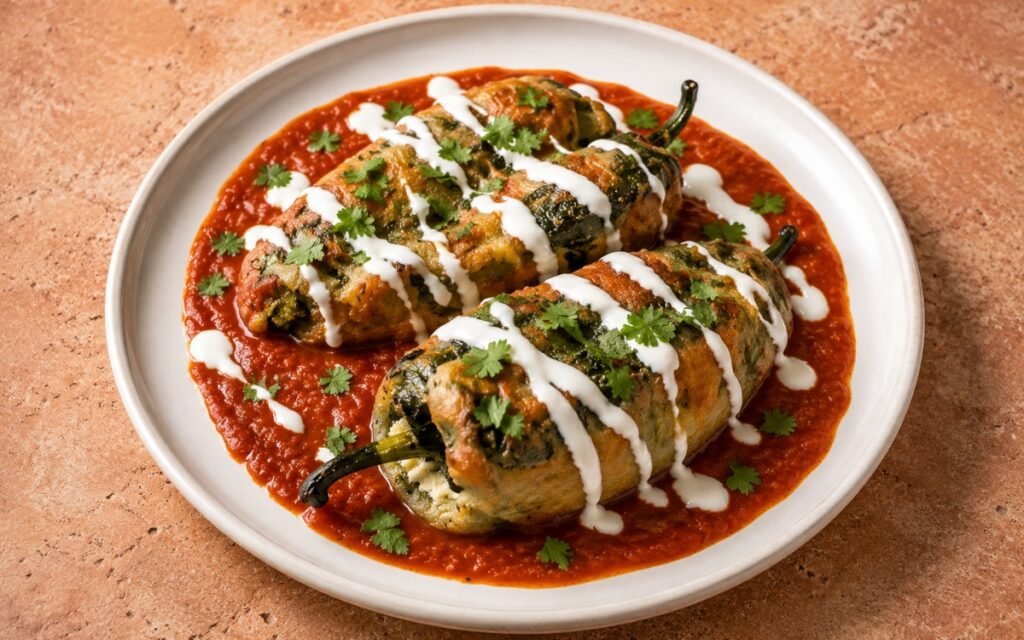
Chiles Rellenos with Tomato Sauce
Roasted poblano peppers stuffed with melting cheese, coated in whipped egg batter, and pan-fried golden. Served over a glossy tomato-chipotle sauce.
-
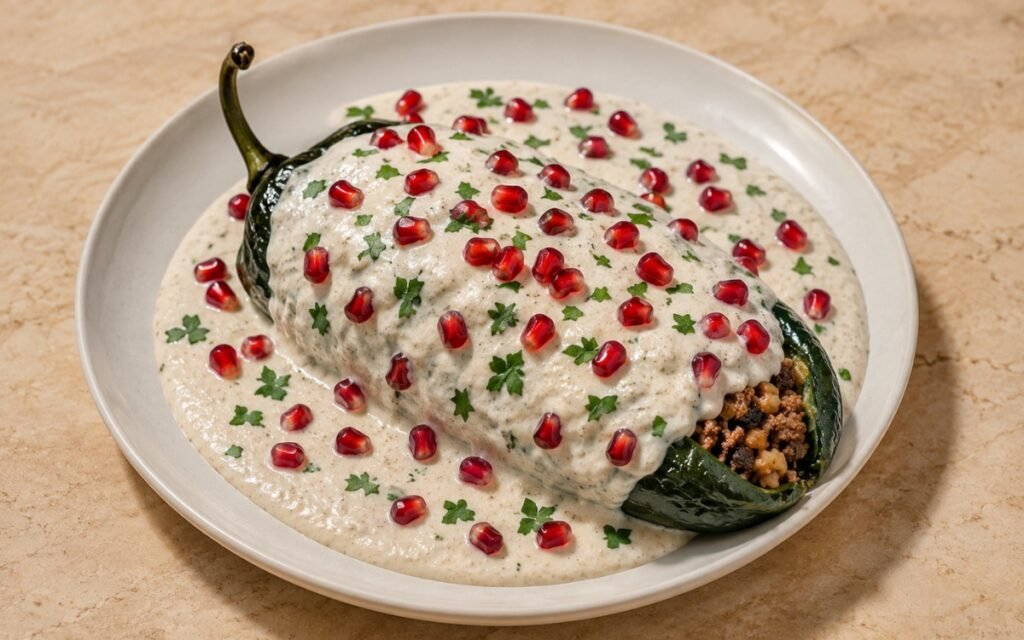
Chiles en Nogada
Roasted poblano peppers stuffed with a savoury-sweet pork and beef picadillo, covered in creamy white walnut sauce, and finished with pomegranate seeds.
-
Jalapeño Poppers
Halved jalapeños filled with creamy sriracha-spiked cheddar-cream cheese, wrapped in bacon and baked until crisp, hot, and molten.

-
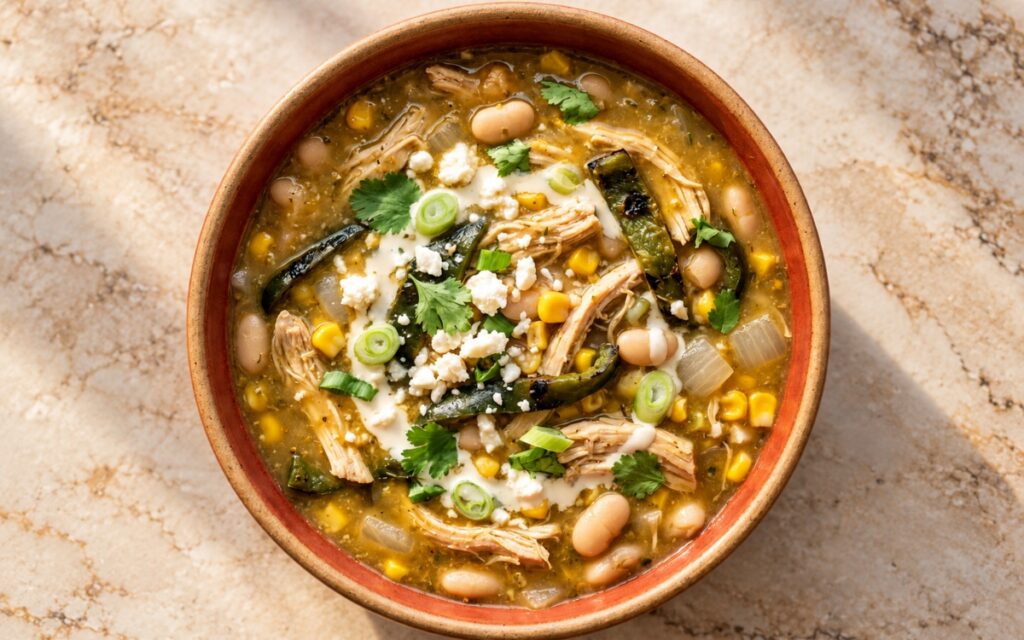
Poblano Chicken Chili Soup
A thick, creamy Mexican-inspired soup of roasted poblanos, shredded chicken, white beans, and corn, finished with crema, queso fresco, and cilantro.
-
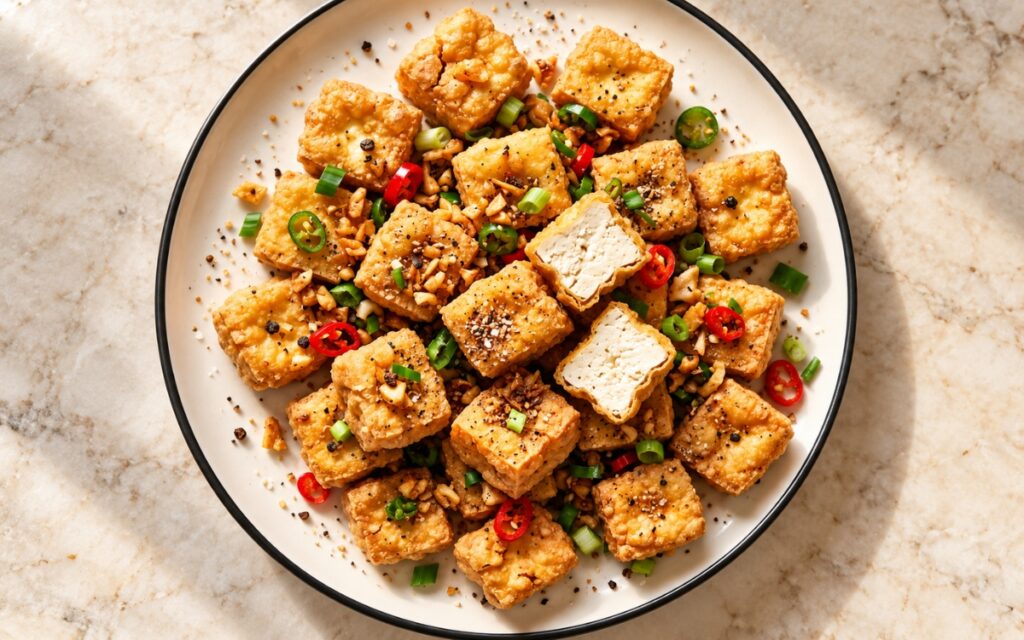
Crispy Salt and Pepper Tofu
Golden salt and pepper tofu cubes with soft centres, fried garlic, red and green chilies, scallions, and black pepper.
-
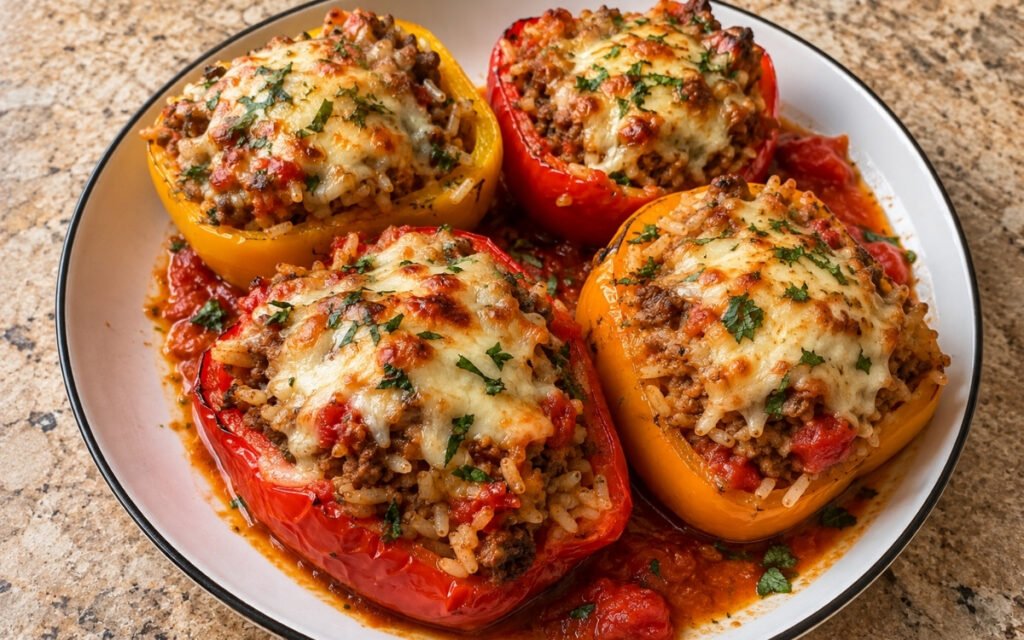
Italian Stuffed Peppers
Halved bell peppers filled with beef, pork, rice, onion, garlic, tomato sauce, herbs and cheese, baked over tomato sauce until tender.