French Braised Beef Cheeks with Mashed Potatoes
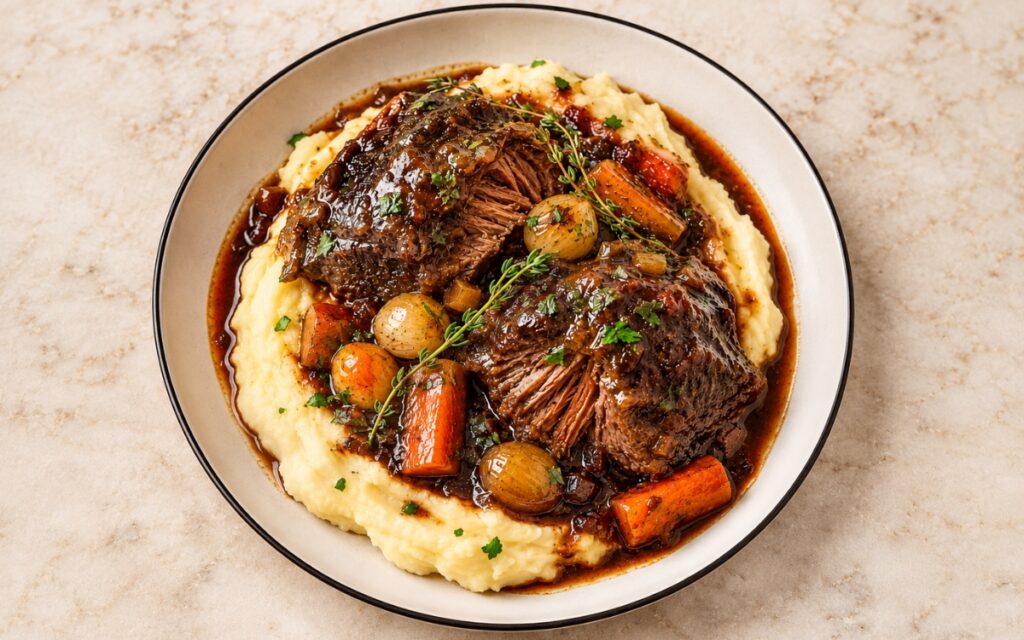
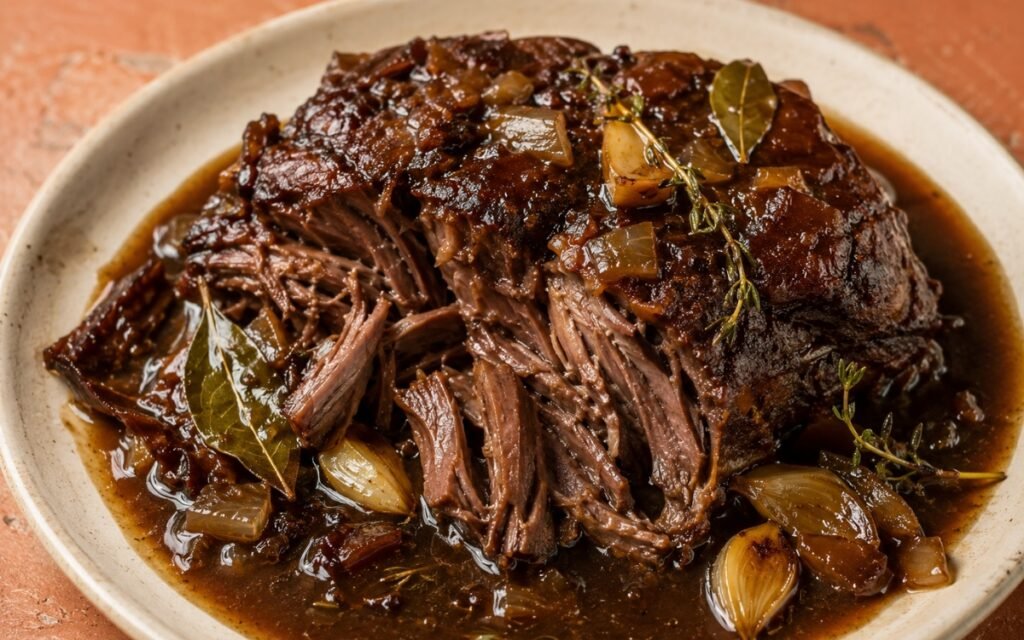
French braised beef cheeks are slow-cooked until fork-tender in a rich red wine sauce built on shallots, carrots, garlic, tomato paste, and thyme, then served over silky French-style mashed potatoes with glazed pearl onions and carrots, the key being the contrast between deeply savoury, yielding meat and soft, buttery potato. Searing the cheeks in batches until they are deeply browned, rather than simply simmering them pale in the wine, is the technique this whole braise depends on for its depth of flavour — without a dark crust and a layer of browned fond the sauce stays thin, pale, and flat, the same brown-first-then-braise principle used elsewhere in this collection whenever a tough cut must taste rich. Braising gently at 160°C until a fork slides in is what turns the tough collagen into tender, glossy gelatin. Reducing the strained sauce separately at the end is what makes it thick, glossy, and clingy on the meat. The payoff is a plate with real, restaurant-style comfort — tender beef that holds its shape, a glossy, deeply flavoured wine sauce, and a smooth, buttery mash that catches every last drop.
- Prep Time : 30 min
- Total Time : 4 hr
- Servings : 4
Ingredients
For the Braised Beef Cheeks
- 1.6kg beef cheeks, trimmed
- Salt, to season well
- Freshly ground black pepper, to season
- 2 tbsp neutral oil
- 3 shallots, finely diced
- 2 medium carrots, finely diced
- 5 garlic cloves, smashed
- 1 tbsp tomato paste
- 500ml dry red wine
- 500–700ml beef stock, as needed
- 2 sprigs fresh thyme
- 1 bay leaf
For the Glazed Vegetables and Finish
- 200g pearl onions, peeled
- 2 medium carrots, cut into short thick batons
- 1 tbsp butter
- 1–2 tbsp chopped flat-leaf parsley
- 2 small thyme sprigs, for garnish
For the Mashed Potatoes
- 1.2kg floury potatoes, peeled and cut into chunks
- 100g unsalted butter
- 180ml whole milk, hot
- 60ml heavy cream, hot
- Salt, to taste
- White pepper or black pepper, to taste
- A small pinch of nutmeg, optional
Directions
- Prep and Sear the Cheeks
Pat the beef cheeks very dry and trim away any thick silver skin, then season generously with salt and black pepper. Heat the oil in a heavy Dutch oven or braising pot over medium-high heat and sear the cheeks in batches, 3–4 minutes per side, without crowding the pot. Remove each batch to a plate as it finishes. The cheeks should have a dark, well-developed crust and the pot a good layer of browned fond. That deep browning is what builds the savoury base of the whole sauce. - Build the Braise
Lower the heat to medium and add the diced shallots and carrots, cooking them for 5–6 minutes until softened. Add the smashed garlic and tomato paste and cook for 1 minute, stirring, then pour in the red wine and scrape up every browned bit from the base of the pot. Let the wine reduce by about half. Return the cheeks to the pot with the thyme and bay leaf, and add enough beef stock to come about three-quarters up the meat. That reduced wine is what removes harsh edges and leaves a rounded, deep sauce. - Braise in the Oven
Bring the pot to a gentle simmer, cover it, and transfer it to an oven set to 160°C / 320°F. Braise for 3 to 3½ hours, turning the cheeks once halfway. They are ready when a fork slides in easily and the fibres begin to separate on their own, yet the pieces still hold their shape. If they still feel tight or chewy, return the pot to the oven for another 20–30 minutes. That long, gentle heat is what melts the tough collagen into tender, silky gelatin. - Cook the Mashed Potatoes
About 40 minutes before the beef is done, put the potatoes in a pot of cold salted water, bring to a boil, and simmer for 18–20 minutes until fully tender. Drain well and return them to the hot pot for a minute to steam off excess moisture. Pass them through a ricer or mash until smooth, fold in the butter, then add the hot milk and cream gradually. Season with salt, pepper, and nutmeg if using, and keep warm. That gentle mixing is what keeps the mash silky instead of gluey. - Glaze the Vegetables
In a small pan, combine the pearl onions, carrot batons, 1 tablespoon of butter, and a splash of water. Cover and cook over medium-low heat for 10–12 minutes until the vegetables are just tender when pierced with a knife. Uncover and let the liquid cook off so the vegetables turn glossy and lightly caramelised, shaking the pan occasionally. They should keep a little bite. That final reduction is what coats the vegetables in a thin, shiny glaze instead of leaving them wet. - Finish the Sauce
Lift the cheeks carefully from the pot and keep them warm, as they will be fragile. Strain the braising liquid for a smoother sauce, or leave it rustic, then simmer it for 10–15 minutes until it is thick, glossy, and able to coat the back of a spoon. Return the cheeks to the sauce and spoon it over them to glaze, then fold in the glazed onions and carrots. That separate reduction is what makes the sauce cling heavily to the beef without turning watery. - Plate and Serve
Spoon a generous mound of mashed potatoes onto each warm plate and set the beef cheeks on top. Arrange the pearl onions and carrots around the meat, then spoon over the red wine sauce so it pools around the potatoes. Finish with chopped parsley and a sprig of thyme. The sauce should be glossy and thick enough to sit on the mash rather than run across the plate. That glossy pooled sauce is what carries the flavour into every forkful of potato.
*Notes :
- Searing the cheeks in batches until they are deeply browned deserves genuine recognition as the technique most directly responsible for the sauce’s depth of flavour. Browning creates the savoury crust and the fond on the pot base, and crowding the pan drops the temperature so the meat steams grey and pale, leaving a thinner, less developed sauce.
- Braising at a steady 160°C until a fork slides in deserves the same attention this technique receives throughout this collection’s other slow-cooked meat dishes. Beef cheeks are rich in connective tissue that only softens after long, gentle heat, so a pot cut short leaves chewy, tight meat, whereas a full braise gives tender strands that still hold together.
- Reducing the strained braising liquid separately at the end deserves genuine respect as the detail most directly responsible for the glossy, clinging sauce. Cooking it uncovered in a wide pot concentrates the flavour and thickens it with the dissolved gelatin, whereas a sauce served straight from the braise tends to be thin, pale, and too fatty on the plate.
- Ricing the potatoes and warming the milk and cream deserves attention as a genuine, checkable texture cue rather than a loose approximation. Floury potatoes pressed through a ricer stay light, and hot liquid absorbs evenly, whereas overworked or cold-liquid mash turns gluey and heavy and cannot form the soft, spreadable bed that the braised beef and sauce need.
Why This Recipe Works
This recipe works because each stage builds flavour and then protects texture. Searing in batches creates a dark crust and fond, and softened shallots, carrots, tomato paste, and reduced wine turn that fond into a deep braising liquid. A long, gentle oven braise converts the tough collagen into tender gelatin, while a separately reduced sauce clings to the meat. Riced potatoes with hot milk and cream give a silky base, and glazed vegetables add gentle sweetness and colour, so the finished plate stays rich, glossy, and balanced from the first forkful to the last.
Ingredient Breakdown
Batch-Seared Beef Cheeks
The critical technique — a dark crust and browned fond give the sauce its savoury depth and the meat a rich flavour.
Slow Oven Braise (160°C)
The critical technique — long, gentle heat melts the collagen into gelatin, giving tender meat that holds its shape.
Reduced Red Wine
The core flavour-building stage — a dry red reduced by half removes harshness and gives a rounded, fruity depth.
Separately Reduced Sauce
The critical finishing technique — strained and simmered at the end, it thickens into a glossy coating that clings.
Riced Floury Potatoes
The structural foundation — floury potatoes pressed smooth and folded with hot milk, cream, and butter make a silky, spreadable mash.
Glazed Pearl Onions and Carrots
The finishing touch — lightly caramelised, tender vegetables add gentle sweetness and colour against the rich, dark sauce.
Flavor Structure Explained
This French braised beef cheeks dish follows a layered balance model:
- Deep, savoury foundation (seared beef cheeks and browned fond)
- Rounded, fruity depth (reduced dry red wine and tomato paste)
- Aromatic background (shallots, carrots, garlic, thyme, and bay leaf)
- Sweet, glossy accent (glazed pearl onions and carrots)
- Silky, buttery base (mashed potatoes with butter, milk, and cream)
The seared beef and browned fond supply a deep, savoury foundation, and reduced red wine with tomato paste adds a rounded, fruity depth to the braise. Shallots, carrots, garlic, thyme, and bay leaf add a quiet aromatic background, while the glazed onions and carrots bring a gentle sweetness and bright colour to each plate. The buttery mash gives a silky, soft base that soaks up the glossy sauce and ties this dish together.
Common Mistakes to Avoid
- Crowding the Pot While Searing – This lowers the temperature so the beef steams grey and loses its crust. Always sear the cheeks in batches, leaving space between the pieces.
- Rushing the Braise – This leaves the collagen tight and the meat chewy. Always keep cooking until a fork slides in easily and the fibres begin to separate.
- Serving the Sauce Unreduced – This leaves it thin and pale so it runs across the plate. Always strain and reduce it separately until it coats a spoon.
- Overworking the Mashed Potatoes – This releases starch and makes the mash gluey. Always rice the potatoes and fold in the hot milk and cream gently.
- Adding Cold Milk and Cream – This cools the mash and makes it absorb the liquid unevenly. Always heat the milk and cream before folding them in.
Variations
Rustic Sauce Version
Skip the straining and leave the shallots and carrots in the reduced braising liquid for a chunkier, more rustic sauce that still clings well but has a thicker, more homemade texture.
Wine Choice Version
Use a dry red such as Côtes du Rhône, Bordeaux, or a Cabernet-based wine, which gives a firm, rounded structure to the sauce without adding sweetness or harsh tannins.
White Pepper Version
Season the mashed potatoes with white pepper and a small pinch of nutmeg for a smoother, more classically French flavour, keeping the potatoes pale and the finish refined.
Next-Day Version
Braise the cheeks a day ahead and reheat them gently in their sauce, since the flavour tends to deepen overnight and the meat becomes even easier to portion and glaze.
Storage & Make-Ahead
Cool the braised cheeks in their sauce and refrigerate them in a covered container for up to 3 days, since the flavour of the sauce often improves overnight as the ingredients settle.
Reheat the cheeks gently in their sauce over low heat or in a low oven, because gentle warming keeps the meat tender and lets you reduce the sauce again to a glossy consistency.
Make the mashed potatoes fresh on the day for the silkiest texture, and keep them warm over a pan of hot water, loosening them with a little hot milk before serving.
Prepare the glazed pearl onions and carrots shortly before serving, because they are at their best when freshly glossed, and reheating them for long will soften them and dull the colour.
Freeze the cooked cheeks in their sauce for up to 2 months if needed, then thaw them overnight in the refrigerator and reheat gently, finishing the sauce fresh before plating the dish.
Frequently Asked Questions
Why are the beef cheeks seared in batches rather than all at once?
Crowding the pot drops the temperature so the meat releases liquid and steams instead of browning, whereas batches keep the heat high enough to build the dark crust and browned fond that flavour the sauce.
Why must the beef cheeks braise for such a long time?
Cheeks are full of tough connective tissue that only breaks down into gelatin after hours of gentle heat, so shorter cooking leaves them tight and chewy, while a full braise leaves them tender but intact.
Why is the braising liquid reduced separately at the end?
Simmering the strained liquid uncovered concentrates its flavour and thickens it with the dissolved gelatin, giving a glossy sauce that clings to the beef rather than a thin, watery one.
Why are floury potatoes riced and mixed with hot milk and cream?
Floury potatoes make a light, fluffy mash, and ricing avoids overworking the starch, while hot liquid absorbs evenly instead of cooling the potatoes, which keeps the mash silky rather than gluey.
Are there other classic braised beef, mashed potato, or potato side dishes worth trying?
Braised Beef Chuck Steak and Osso Buco both offer other classic slow-braised main directions worth exploring. Classic Mashed Potatoes and Mashed Sweet Potatoes are also worth trying for other creamy mashed bases, and Creamy Scalloped Potatoes offers another rich potato side worth exploring alongside a saucy braise.
Nutrition Facts
( Per Serving )
- Calories
- ~1150 kcal
- Protein
- 70 g
- Fat
- 70 g
- Carbs
- 65 g
-

Braised Beef Chuck Steak
Tough chuck steak transforms into fork-tender perfection through slow braising with wine and aromatics.
-
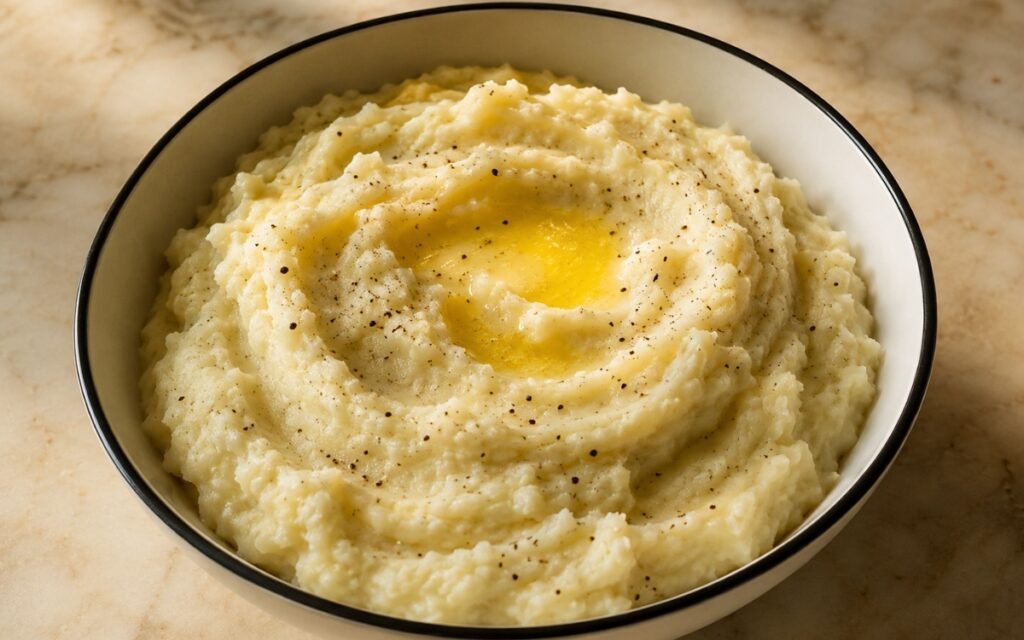
Classic Mashed Potatoes
Creamy, buttery mashed potatoes with perfectly smooth texture – the ultimate comfort food side dish.
-
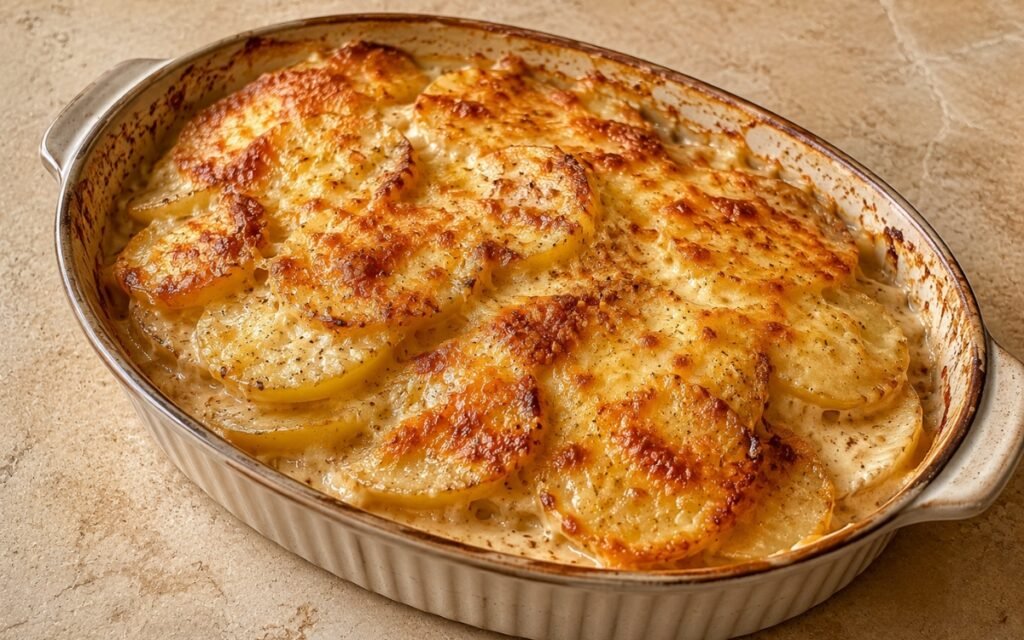
Creamy Scalloped Potatoes
Potatoes sliced evenly, layered with roux-based gruyere cream sauce, baked covered then uncovered until golden. Rested. Velvety and rich.
-
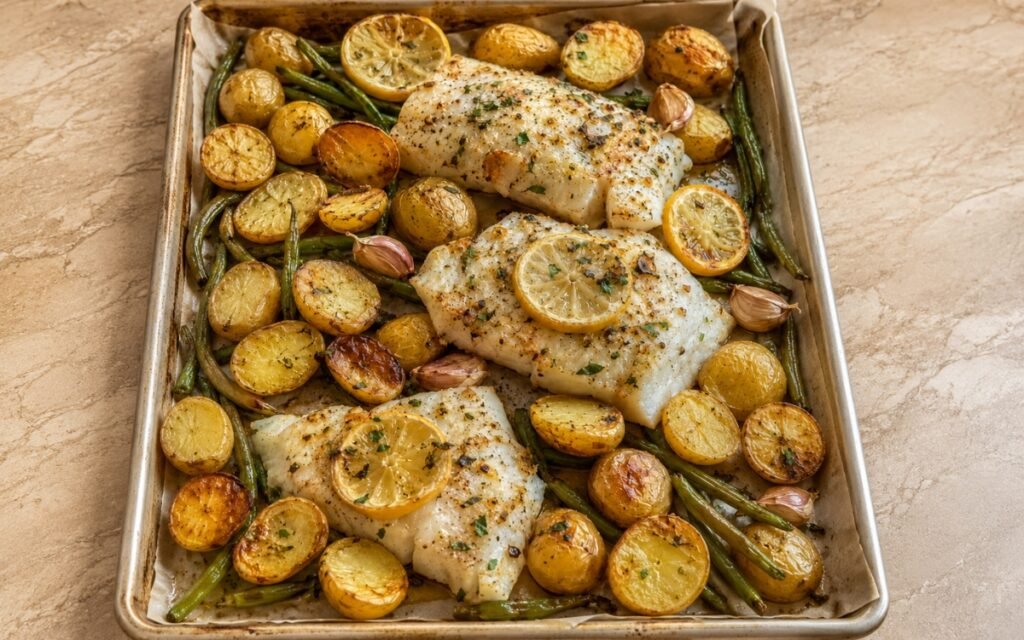
Sheet Pan Lemon Garlic Cod with Potatoes
Flaky cod fillets baked on one sheet pan with golden baby potatoes, green beans, lemon slices, garlic, olive oil, and herbs.
-
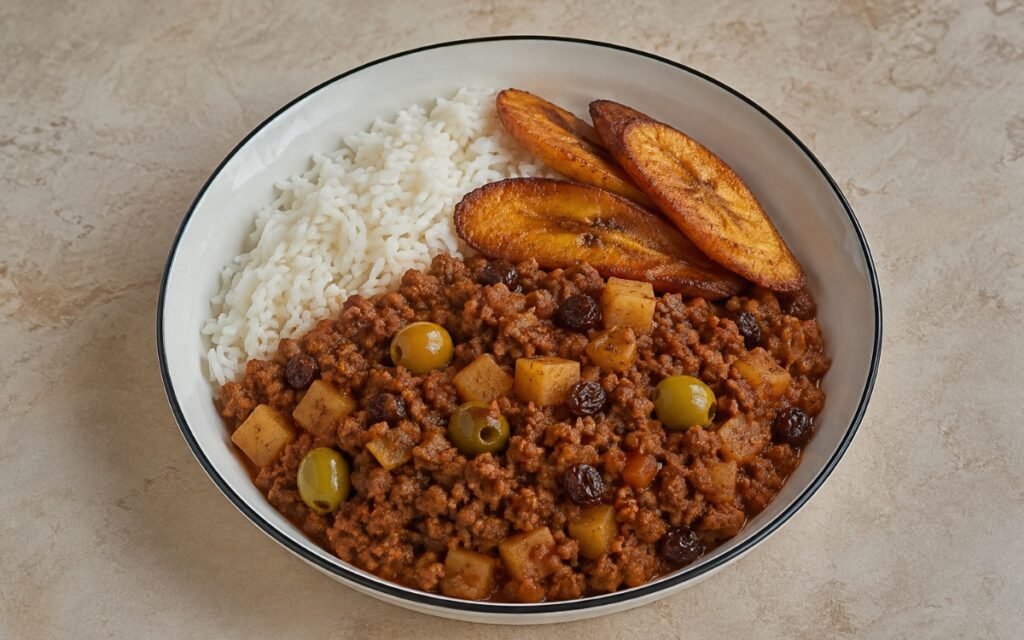
Cuban Picadillo
Seasoned ground beef simmered in a savory tomato sauce with green olives, raisins, and tender diced potatoes.
-
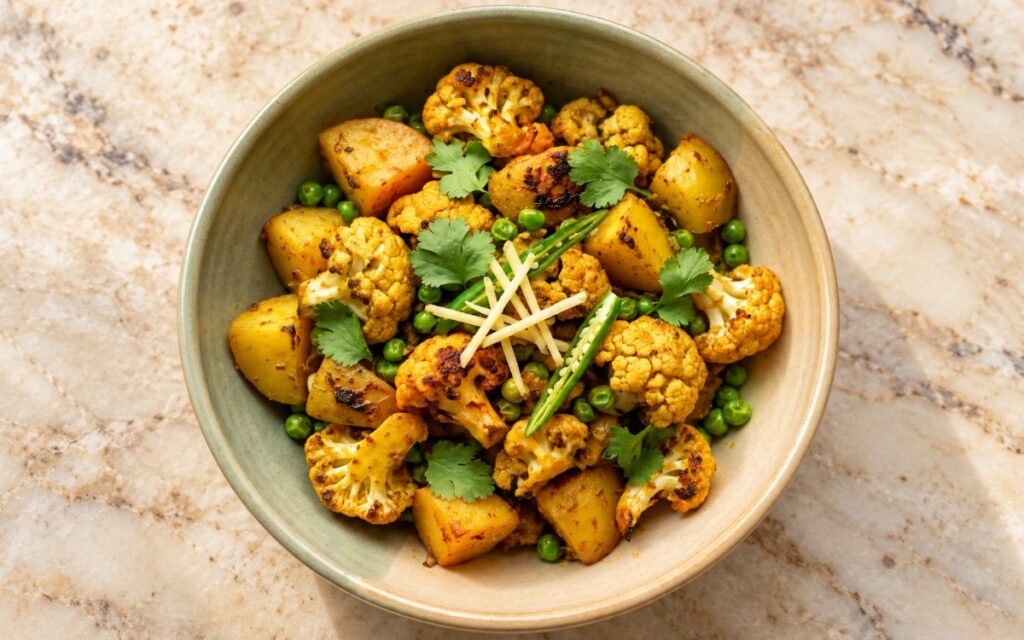
Aloo Gobi
Classic dry-style aloo gobi with golden potatoes, browned cauliflower florets, sweet peas, and a warm spice coating.