
Apple Cinnamon Infused Water
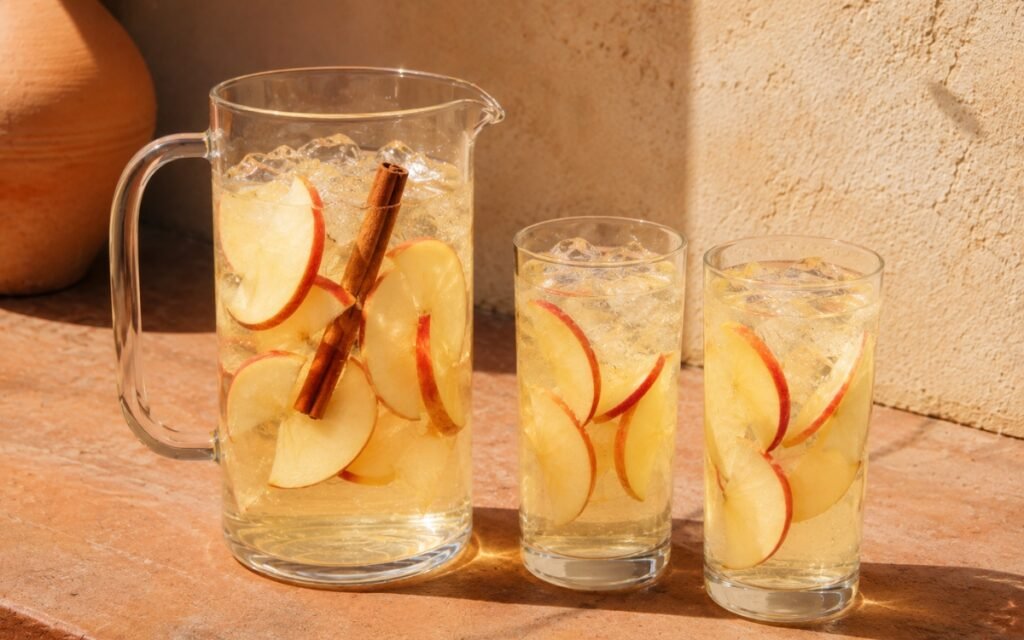
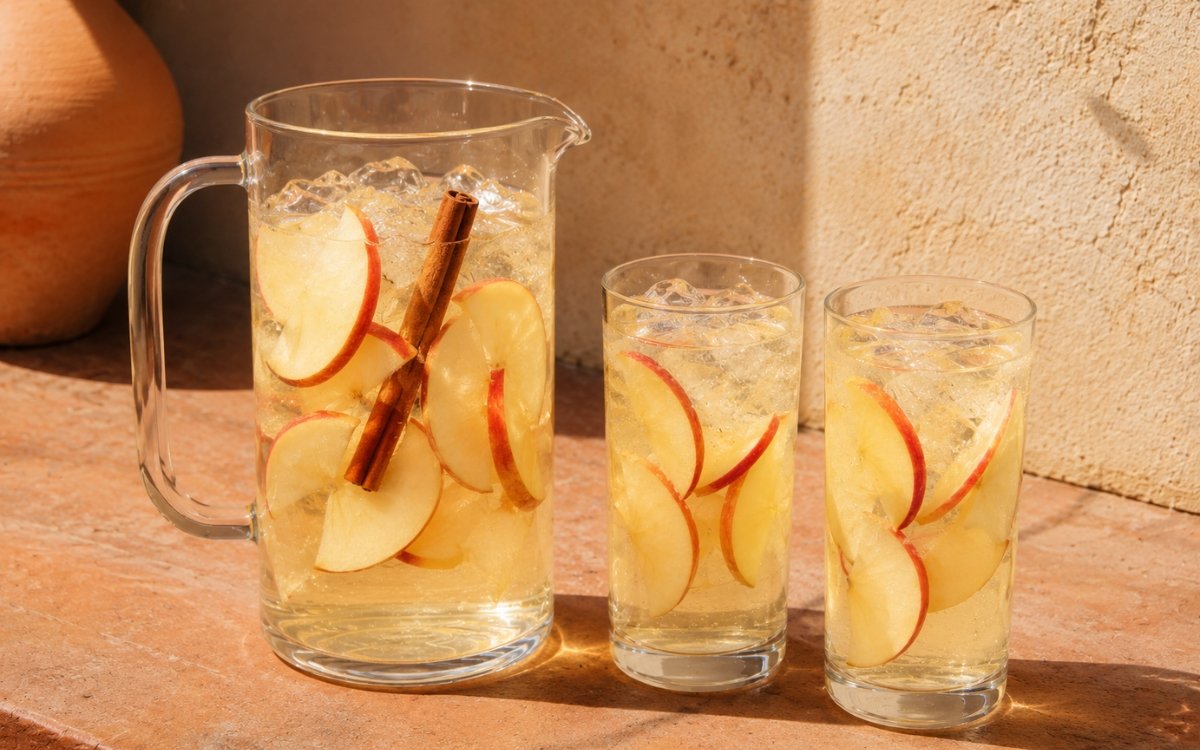
Apple cinnamon infused water is the most specifically autumnal of the infused water preparations — a combination that at any elevated temperature would immediately read as a hot-drink flavour profile, but in cold water reads as specifically refreshing and specifically interesting without any warming-beverage association. The critical calibration is the cinnamon quantity: cinnamaldehyde, the primary aromatic compound in cinnamon bark, is highly soluble in cold water and extracts efficiently even at refrigerator temperature over the 1–4 hour infusion window. One cinnamon stick in 3 litres for 4 hours produces a subtle, specifically warm-spice depth that is barely perceptible as cinnamon but makes the water taste specifically more complex. Two sticks produces a clearly identifiable cinnamon note — still pleasantly aromatic and refreshing. Three sticks produces a specifically spiced result where the cinnamon character overwhelms the apple and the drink begins tasting like cold apple pie water rather than refreshing infused water. The apple’s role is the sweetness and the crisp, fresh fruit character: skin-on for the aromatic compound concentration and to partially prevent the oxidation browning — though apple browning is the most immediately obvious quality concern in this preparation and is addressed by the optional lemon juice note (for visual clarity only, not for flavour contribution). Unlike every other infused water in this collection, this preparation contains no citrus and no salt: the apple-cinnamon combination is complete, warm, and specifically clean without them.
Prep Time : 10 min
Infusion Time : 1–4 hr
Servings : 16
10 min
1–4 hr
16
Ingredients
For the Infusion Base
• 2–3 apples — washed, skin on, cored and cut into 2–3cm cubes
• 1–2 cinnamon sticks — 1 for subtle warmth, 2 for a clearly present cinnamon note
• 15–30g honey — optional; must be pre-dissolved — this one on Amazon
For the Final Build
• 3 litres ice-cold water
• 2–3 apples — thinly sliced; skin on
This post may contain affiliate links. As an Amazon Associate I earn from qualifying purchases, at no additional cost to you.
Directions
- Prepare and Lightly Mash the Apple Base
Core the 2–3 apples and cut into rough 2–3cm cubes — skin on. Apple skin contains the highest concentration of the pleasant aromatic compounds and a small amount of natural colour contribution; skin-on preparation also marginally slows the oxidation browning that apple flesh is specifically prone to once cut. Add the apple cubes to the large pitcher. Using a muddler or the back of a large spoon, press each cube once — firmly enough to crack the flesh and release juice and fragrance without reducing the cubes to apple sauce. Apple’s denser flesh compared to peach requires slightly more deliberate pressure; the visual indicator is cracked, juice-releasing pieces with the skin split at the press point. Apple’s cell structure releases a specifically crisp, fresh, apple-ester aromatic compound that is distinct from apple juice’s slightly cooked character — the cold-process preservation of these fresh apple volatile compounds is the preparation’s specific quality goal. Apple oxidation is the specific quality concern unique to this preparation: once cut apple flesh is exposed to oxygen, the enzyme polyphenol oxidase converts phenolic compounds to quinones, producing the characteristic brown colour. The cold temperature of the pitcher and water significantly slows this reaction; the skin-on approach provides some limited barrier. If visual appearance is specifically important — for serving at a table or event where the pitcher’s contents are visible — the optional small splash of lemon juice on the sliced garnish apples (not the muddled base) provides the acid needed to inhibit the oxidation enzyme without any detectable lemon flavour contribution at the minimal quantity. - Add the Cinnamon Sticks
Add 1 or 2 cinnamon sticks to the pitcher alongside the mashed apple base. The quantity decision is the preparation’s most important calibration choice. Ceylon cinnamon sticks (lighter brown, more delicate, more specifically sweet and floral) produce a softer, more floral cinnamon character at equivalent quantity compared to Cassia cinnamon sticks (darker, more assertive, more specifically warm and sharp). If using Ceylon cinnamon, 2 sticks is appropriate for a clearly present note; if using Cassia, 1 stick is sufficient. - Optional Honey
Pre-dissolve any honey in warm water. Add to the pitcher. Apple’s natural sugar content is moderate — lower than pineapple but higher than berries — meaning the minimum honey quantity (15g) is appropriate when used. - Build and Infuse
Pour the 3 litres of ice-cold water into the pitcher. If preparing the apple slices with the optional lemon juice toss, toss 2–3 thinly sliced apples briefly with a very small amount (approximately 5–10ml) of fresh lemon juice and add immediately — the acid prevents oxidation browning on the sliced garnish pieces. Add the sliced apples to the pitcher. Stir gently once or twice. Cover and refrigerate for 1–4 hours. The infusion develops progressively: at 1 hour the apple character is soft and fresh with barely perceptible cinnamon warmth; at 2 hours both apple and cinnamon are more present; at 4 hours the preparation is at its most specifically apple-cinnamon aromatic within the pleasantly infused range. The cinnamon extraction continues throughout the infusion period — at 4 hours the 1-stick version is at its maximum pleasant concentration while the 2-stick version is approaching the upper edge of the comfortable range. After 4 hours, remove all apple pieces and cinnamon sticks. The cinnamon extraction in cold water continues as long as the sticks are present — there is no natural stopping point — meaning extended infusion beyond 4 hours progressively increases the cinnamon concentration toward the dominance level. The apple pieces oxidise progressively and turn the water slightly murky beyond the 4-hour point. Serve well chilled directly from the pitcher, or over ice.
*Notes :
- Ceylon cinnamon (Cinnamomum verum, also called true cinnamon) versus Cassia cinnamon (Cinnamomum cassia or aromaticum, the standard supermarket cinnamon in most Western markets) produce noticeably different infused water results. Ceylon’s cinnamaldehyde content is lower and its eugenol content is higher, producing a more specifically floral, more specifically sweet, more complex cinnamon character at any given quantity. Cassia’s high cinnamaldehyde dominance produces a more immediately warm, more specifically sharp, more assertively spiced result. Ceylon cinnamon is preferable for the most refined version of this preparation; Cassia is more commonly available and produces a good result at the lower end of the quantity range.
- The absence of citrus from this preparation is intentional and specifically reflects the apple-cinnamon combination’s complete character. Lemon or lime as a flavour component would shift the character away from the specifically warm, sweet, autumnal direction toward a more mixed-citrus-spice result. The optional lemon juice for apple slice browning prevention is specifically a visual quality measure at a quantity (5–10ml in the entire pitcher) where it produces no detectable lemon flavour.
Why This Recipe Works
This recipe works because the cinnamon quantity is specifically calibrated for the 1–4 hour cold-water extraction window — one stick provides subtle warmth and two provides clear presence, with the removal at 4 hours preventing the progressive extraction from reaching the dominance level.
The apple is skin-on for maximum aromatic compound access. And the preparation is specifically designed as a complete flavour combination without citrus, which would disrupt the specifically clean warm-and-crisp character.
Ingredient Breakdown
1–2 Cinnamon Sticks (Calibrated Quantity for Cold Extraction)
The spice depth without dominance — cinnamaldehyde’s high cold-water solubility means quantity calibration and the 4-hour removal are specifically important.
Apple Skin-On (Both Stages)
The aromatic compound concentration maximisation — skin contains higher volatile ester concentration and provides partial oxidation protection.
No Citrus Component
The deliberate absence — apple-cinnamon complete without citrus; any lemon for browning prevention at sub-flavour quantity only.
4-Hour Maximum (Cinnamon Escalation and Apple Browning)
The dual quality limit — cinnamon extraction continues without a natural ceiling; apple flesh oxidises progressively.
Flavor Structure Explained
This Apple cinnamon infused water follows a minimalist balance model:
- Crisp fruit core (apple)
- Warm spiced depth (cinnamon)
- Complementary aromatic pairing (apple and spice)
- Clean infusion character (cold extraction)
- Hydration-focused finish (cold water)
Apple defines the foundation with fresh fruit aromatics, gentle sweetness, and a crisp character that remains light and refreshing at infusion strength. Cinnamon provides the defining secondary layer, contributing warm spice notes that add depth and familiarity without overwhelming the fruit. The two ingredients naturally reinforce one another, creating a pairing that feels balanced and immediately recognizable. Because the infusion is cold, the flavors remain delicate and clean rather than rich or heavy. The result is a drink that combines refreshing hydration with the comforting aromatic qualities of apple and cinnamon, giving it a distinctly seasonal character while maintaining the lightness of infused water.
Common Mistakes to Avoid
- Using 3 or More Cinnamon Sticks – Three sticks in 3 litres over 4 hours produces a cold-apple-pie-spiced water rather than a refreshing infused water. Always 1–2 sticks maximum.
- Leaving Cinnamon Sticks Beyond 4 Hours – The extraction continues without a natural ceiling. Always remove at the 4-hour maximum.
- Not Pre-Dissolving Honey – Always pre-dissolve in warm water.
- Peeling the Apples – Skin contains higher aromatic compound concentration and provides partial oxidation protection. Always skin-on.
- Serving Without Chilling – The warm-register cinnamon character in warm water is a hot-drink association. Always serve well chilled from the refrigerator.
Variations
With Orange
Add 1–2 thinly sliced oranges alongside the apple slices — orange’s warm, sweet citrus character alongside apple and cinnamon is the classic mulled-drink combination in a refreshing cold water format.
With Vanilla
Add a split vanilla bean to the pitcher alongside the cinnamon sticks — vanilla’s warm aromatic sweetness alongside apple and cinnamon produces a specifically more indulgent, more dessert-adjacent infused water direction.
With Star Anise
Add 1 star anise to the cinnamon sticks — the anise’s sweet, slightly liquorice-adjacent character alongside cinnamon and apple produces the most specifically seasonal, most complex version.
With Lemon Verbena
Add 8–10 fresh lemon verbena leaves (lightly bruised, not clapped) alongside the apple and cinnamon — the lemon verbena’s clean, citrusy herbal character provides the brightness function without adding citrus fruit.
Storage & Make-Ahead
Once the ingredients have been removed, the infused water can be refrigerated in a sealed pitcher for up to 24 hours. During storage, the cinnamon flavor softens slightly and becomes more mellow.
Infused water should not be stored with the ingredients still present for longer than 4 hours. To maintain a balanced flavor and prevent over-extraction, remove the cinnamon sticks and apple pieces at the 4-hour mark.
Frequently Asked Questions
Why does cinnamon escalate faster than other spices or herbs in this collection?
Cinnamaldehyde, the primary aromatic compound in cinnamon, is highly soluble in cold water — more so than the aromatic compounds in herbs like mint or thyme. The extraction continues progressively throughout the infusion period with no natural stopping point, meaning more cinnamon time in cold water equals more cinnamon flavour indefinitely. This is why the 4-hour maximum and the 1–2 stick quantity are both specifically important.
Why skin-on for the apples?
Apple skin contains higher concentrations of the volatile ester compounds responsible for fresh apple’s crisp, characteristic aroma than the underlying flesh, and provides a partial natural barrier to the oxidation enzyme activity that produces browning. Both reasons specifically support the skin-on approach.
Why no citrus in this preparation?
Apple-cinnamon is a complete, specifically warm-sweet aromatic combination that does not benefit from citrus in the way that summer berry or tropical fruit combinations do. Lemon or lime would shift the character toward a more citrus-spiced direction that is a different drink. The optional lemon juice for browning prevention is at such a minimal quantity that it contributes no detectable flavour.
What other infused water preparations share this direction?
The Grapefruit Rosemary Infused Water shares the fruit-and-herb/spice approach in a more assertively botanical, more specifically adult direction — rosemary’s dry herbal character alongside grapefruit’s bitterness. The Pineapple Mint Infused Water shares the two-ingredient-only structure with no citrus — the closest structural parallel in a completely different aromatic direction. The Apple Cranberry Pitcher Drink shares apple as the primary fruit in a more specifically flavoured, less restrained pitcher preparation.
Nutrition Facts
( per serving )
Calories
~10 kcal
Protein
0 g
Fat
0 g
Carbs
2.5 g
Calories
~10 kcal
Protein
0 g
Fat
0 g
Carbs
2.5 g
Related Recipes
Related Recipes

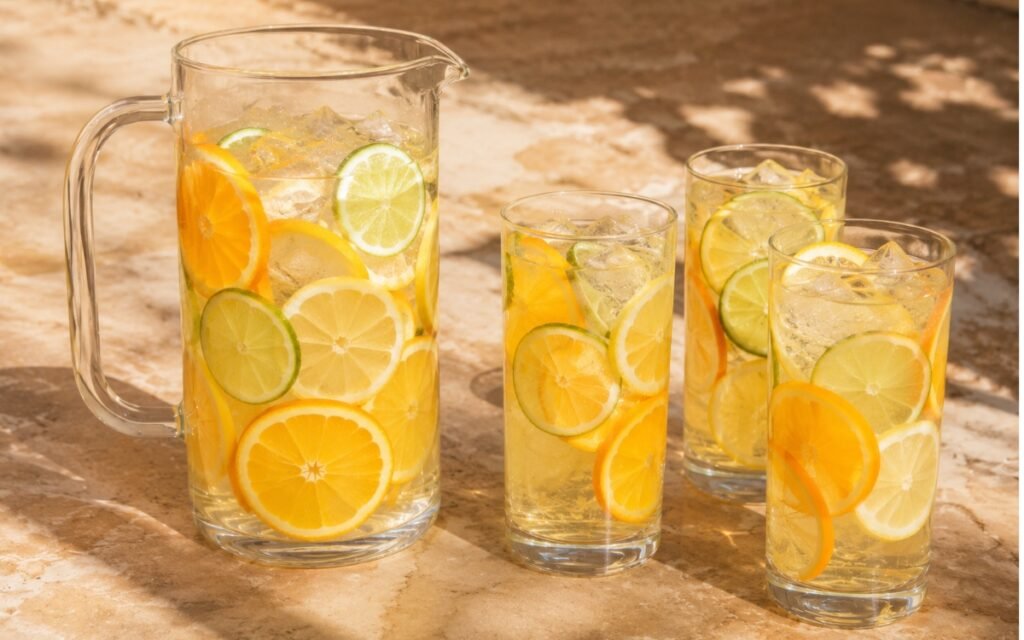
Citrus Medley Infused Water
Orange, lemon, and lime at 1:½:½ pith-free in pitcher — three citrus rounds cold-infused in 3L water for 1–4 hours, removed. Layered citrus warmth, brightness, and edge.
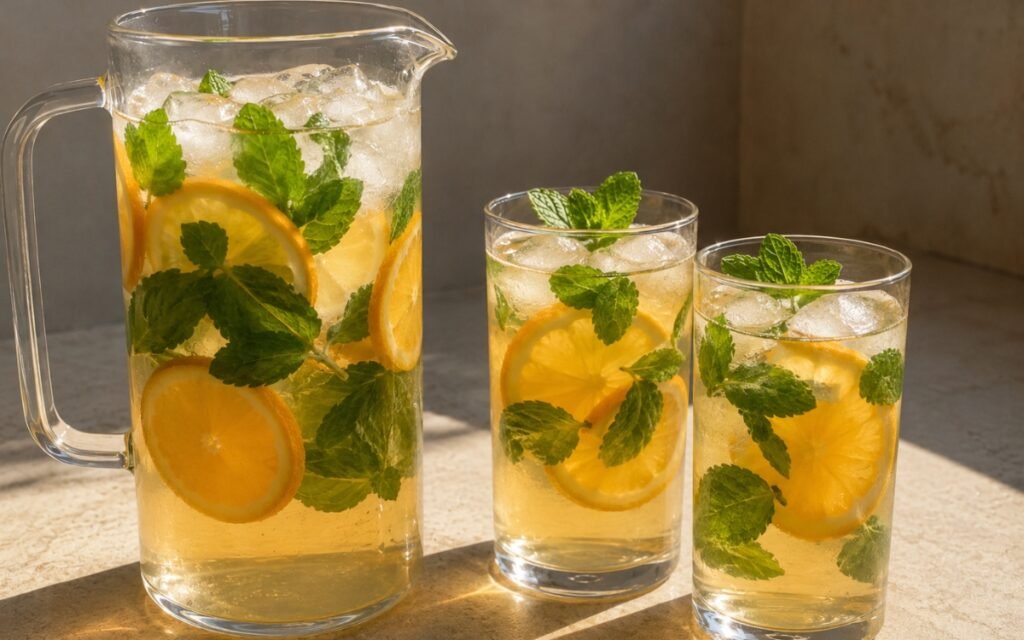
Orange Mint Infused Water
Orange pulp mashed, mint clapped in two stages — orange slices and fresh leaves cold-infused in 3L water for 1–4 hours, removed. Warm citrus and cool mint.
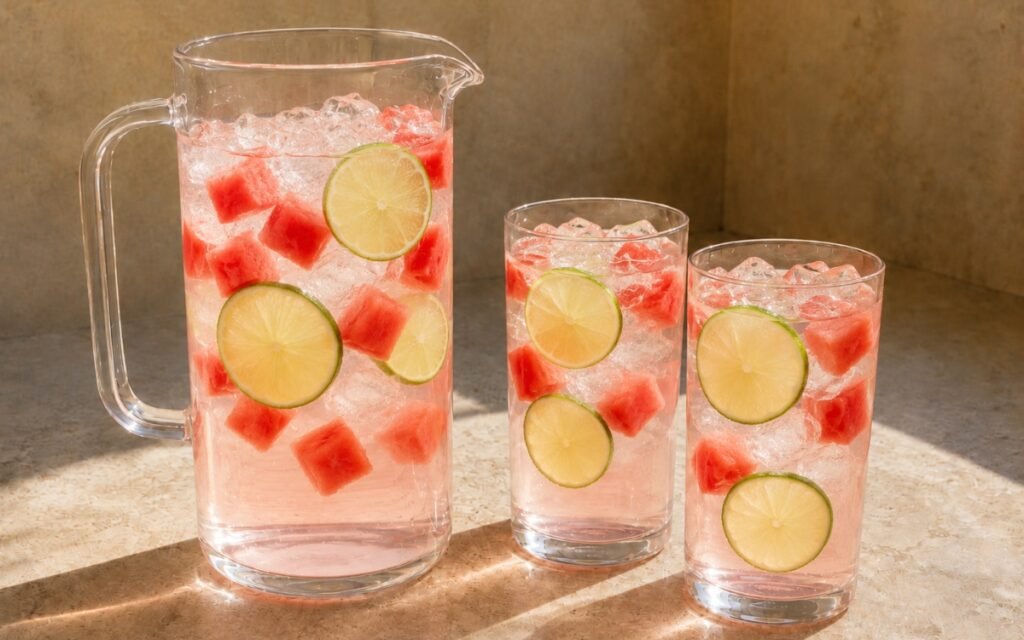
Watermelon Lime Infused Water
Watermelon lightly pressed and cold-infused with lime slices in 3L water — removed after 4 hours before lime peel turns bitter. Cool, fresh, and summer-aromatic.
You might also like
You might also like
Passion Fruit Lemonade
Cold-extracted lemon zest and juice combined with whole passion fruit pulp and seeds for a bright, tropical, tart lemonade.
Lemon Peel Black Iced Tea (No Juice)
Black tea at 90–95°C for 2½–3 minutes, three strips lemon peel infused cold 4–5 minutes — honey and a pinch of salt, no juice, chilled. Crisp, aromatic, acid-free.
Strawberry Basil Smash Mocktail
Fresh mashed strawberries with honey, lime, and folded basil over club soda — bright and sweet.

Apple Cinnamon Infused Water
Ingredients
Method
- Core the 2–3 apples and cut into rough 2–3cm cubes — skin on. Apple skin contains the highest concentration of the pleasant aromatic compounds and a small amount of natural colour contribution; skin-on preparation also marginally slows the oxidation browning that apple flesh is specifically prone to once cut. Add the apple cubes to the large pitcher. Using a muddler or the back of a large spoon, press each cube once — firmly enough to crack the flesh and release juice and fragrance without reducing the cubes to apple sauce. Apple’s denser flesh compared to peach requires slightly more deliberate pressure; the visual indicator is cracked, juice-releasing pieces with the skin split at the press point. Apple’s cell structure releases a specifically crisp, fresh, apple-ester aromatic compound that is distinct from apple juice’s slightly cooked character — the cold-process preservation of these fresh apple volatile compounds is the preparation’s specific quality goal. Apple oxidation is the specific quality concern unique to this preparation: once cut apple flesh is exposed to oxygen, the enzyme polyphenol oxidase converts phenolic compounds to quinones, producing the characteristic brown colour. The cold temperature of the pitcher and water significantly slows this reaction; the skin-on approach provides some limited barrier. If visual appearance is specifically important — for serving at a table or event where the pitcher’s contents are visible — the optional small splash of lemon juice on the sliced garnish apples (not the muddled base) provides the acid needed to inhibit the oxidation enzyme without any detectable lemon flavour contribution at the minimal quantity.
- Add 1 or 2 cinnamon sticks to the pitcher alongside the mashed apple base. The quantity decision is the preparation’s most important calibration choice. Ceylon cinnamon sticks (lighter brown, more delicate, more specifically sweet and floral) produce a softer, more floral cinnamon character at equivalent quantity compared to Cassia cinnamon sticks (darker, more assertive, more specifically warm and sharp). If using Ceylon cinnamon, 2 sticks is appropriate for a clearly present note; if using Cassia, 1 stick is sufficient.
- Pre-dissolve any honey in warm water. Add to the pitcher. Apple’s natural sugar content is moderate — lower than pineapple but higher than berries — meaning the minimum honey quantity (15g) is appropriate when used.
- Pour the 3 litres of ice-cold water into the pitcher. If preparing the apple slices with the optional lemon juice toss, toss 2–3 thinly sliced apples briefly with a very small amount (approximately 5–10ml) of fresh lemon juice and add immediately — the acid prevents oxidation browning on the sliced garnish pieces. Add the sliced apples to the pitcher. Stir gently once or twice. Cover and refrigerate for 1–4 hours. The infusion develops progressively: at 1 hour the apple character is soft and fresh with barely perceptible cinnamon warmth; at 2 hours both apple and cinnamon are more present; at 4 hours the preparation is at its most specifically apple-cinnamon aromatic within the pleasantly infused range. The cinnamon extraction continues throughout the infusion period — at 4 hours the 1-stick version is at its maximum pleasant concentration while the 2-stick version is approaching the upper edge of the comfortable range. After 4 hours, remove all apple pieces and cinnamon sticks. The cinnamon extraction in cold water continues as long as the sticks are present — there is no natural stopping point — meaning extended infusion beyond 4 hours progressively increases the cinnamon concentration toward the dominance level. The apple pieces oxidise progressively and turn the water slightly murky beyond the 4-hour point. Serve well chilled directly from the pitcher, or over ice.