
Grapefruit Rosemary Infused Water
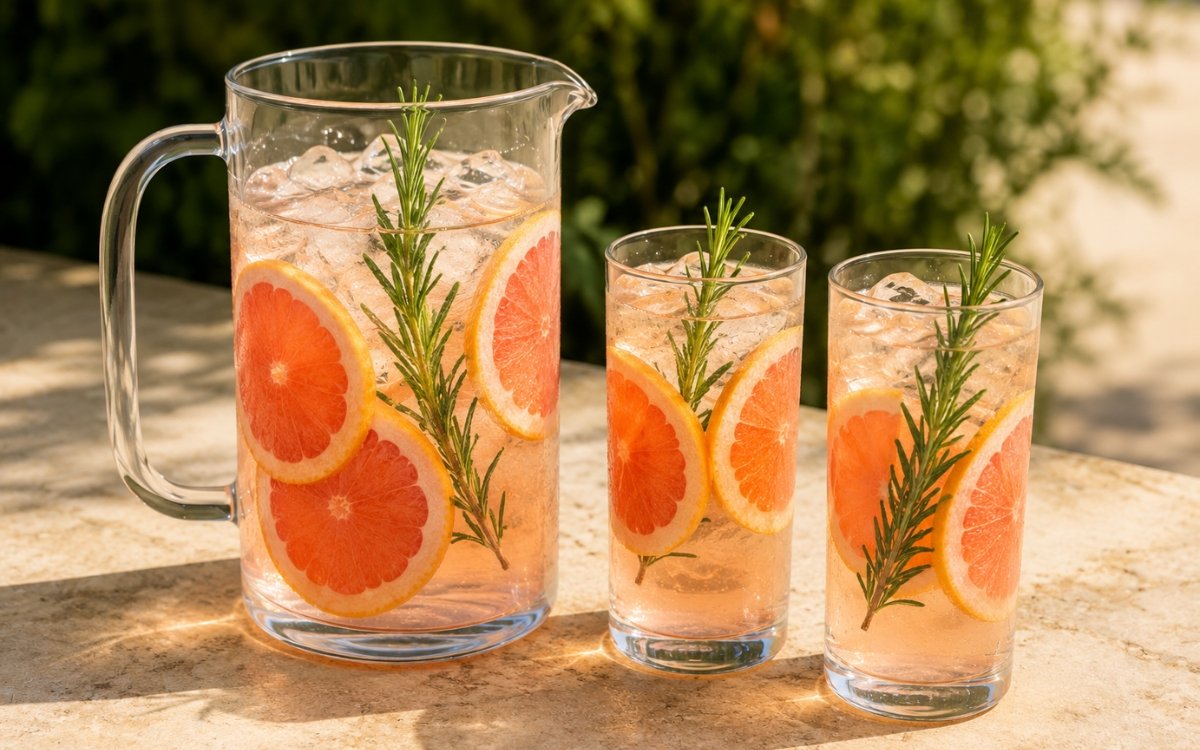
Grapefruit rosemary infused water is the most specifically adult and most specifically complex preparation in this collection — combining grapefruit’s characteristically bitter, clean, sharp citrus character with rosemary’s piney, resinous, specifically herbal depth into a result that is more specifically interesting and more genuinely refreshing than any sweeter, more approachable infusion. The two primary technical constraints are directly parallel to two of the lemonade preparations: the grapefruit’s white pith and membrane must be completely excluded from the mashed base (same principle as the Pink Grapefruit Lemonade’s careful pith removal — the preparation’s pleasant bitter dimension comes from grapefruit’s naringenin and nootkatone character in the juice and pulp, not from the pith’s harsher limonoid compounds, and including pith produces a specifically harsh, aggressive bitterness rather than the clean, specific grapefruit character). The rosemary’s light crushing technique is distinct from mint’s clapping — rosemary’s primary aromatic compounds are primarily 1,8-cineole, camphor, and α-pinene, which are more volatile and more specifically medicinal in character when over-extracted than mint’s menthol. Rolling a sprig firmly between the fingers once, pressing the leaves lightly without stripping or grinding them, is sufficient to initiate the aromatic compound release for the infusion period. Beyond the correct light treatment, rosemary escalates rapidly toward the pine-resin, cleaning-product register that the preparation brief accurately describes as pine cleaner territory.

Prep Time : 10 min
Infusion Time : 1–4 hr
Servings : 16
10 min
1–4 hr
16
Ingredients
For the Infusion Base
• Clean pulp or segments from 1 grapefruit — seeds and all tough membranes removed; absolutely no white pith
• 2–3 fresh rosemary sprigs — lightly crushed; 2 for subtle herbal depth, 3 for a more present character
• 15–30g honey — optional — this one on Amazon
For the Final Build
• 3 litres ice-cold water
• 1–2 grapefruits — thinly sliced; pith included in the slice is fine for visual garnish at this brief contact time
This post may contain affiliate links. As an Amazon Associate I earn from qualifying purchases, at no additional cost to you.
Directions
- Prepare the Grapefruit Pulp
Section 1 grapefruit, removing all seeds, all tough membranes, and — specifically — all white pith from the segments. The pith note from the recipe brief is precisely correct: grapefruit pith’s bitterness is not the clean, specific, characteristically grapefruit bitterness that makes this preparation specifically interesting. The pleasant bitter dimension of grapefruit comes from naringenin in the juice-sac liquid and nootkatone in the aromatic compounds — compounds present in the pulp and peel. Grapefruit pith’s limonoid compounds produce a separate, harsher, more specifically unpleasant bitterness that is categorically different from the flavour-defining grapefruit character. Remove every white piece completely. Add the clean grapefruit pulp to the large pitcher and mash gently — enough to release juice and begin breaking down the segment structure. The grapefruit base provides the immediate aromatic and flavour foundation; the sliced grapefruit rounds added in the final build contribute progressive surface aromatic release and visual presence. - Lightly Crush the Rosemary
Take each rosemary sprig and roll it firmly between the palms for 2–3 seconds — a deliberate pressing motion that releases the aromatic oils from the surface of the leaves without stripping the leaves from the stem or grinding the sprig into pieces. Add the lightly crushed sprigs to the pitcher immediately. The aromatic oils released by the rolling motion — primarily the pleasant 1,8-cineole (eucalyptol) and the lighter α-pinene fractions responsible for rosemary’s specifically fresh, clean herbal character — begin infusing into the surrounding medium. The harsher camphor and more resinous compounds require more sustained mechanical disruption or heat to release at significant concentrations; the light roll produces the pleasant fraction ahead of the harsher ones. The rolling technique produces a clearly perceptible aromatic oil release — the hands smell specifically of fresh rosemary immediately after. Add to the pitcher without further handling. - Optional Honey
Pre-dissolve any honey in warm water. For a true infused water without any sweetness, skip the honey entirely — grapefruit and rosemary is a specifically adult combination that the sweetness of even 15g of honey in 3 litres perceptibly softens toward a more approachable character. The preparation’s specific appeal is the combination of grapefruit’s clean bittersweetness and rosemary’s piney depth at full, unsweetened character. - Build and Infuse
Pour the 3 litres of ice-cold water into the pitcher. Add the thinly sliced grapefruit rounds — these slices include the white pith as part of the whole-round slice, but at 1–2 hours of contact the pith’s limonoid contribution from the sliced surface is minimal and the visual appeal of the whole grapefruit rounds in the pitcher is the primary purpose. At the full 4-hour infusion, the pith in the sliced rounds begins contributing more meaningfully — another reason the 4-hour removal is specifically appropriate. Stir gently once or twice. Cover and refrigerate for 1–4 hours. At 1 hour: a subtle, specifically clean grapefruit brightness with a barely present herbal rosemary note. At 2 hours: both flavours more specifically present. At 4 hours: the maximum of the pleasantly infused range — grapefruit’s clean bitter-sweet character and rosemary’s piney herbal depth at their most specifically present while both remain refreshing rather than overwhelming. After 4 hours, remove all grapefruit slices and rosemary sprigs. The grapefruit peel’s limonoid bitterness accumulates progressively; the rosemary’s resinous, camphor-dominant compounds continue extracting toward the pine cleaner character. Always remove both at the 4-hour point. Serve well chilled.
*Notes :
- Grapefruit variety selection produces meaningful differences. Pink grapefruit — the most common commercial variety — has a slightly less bitter, slightly more specifically fragrant character than white grapefruit, with a more vivid colour contribution to the sliced garnish. White grapefruit is the most characteristically bitter and most specifically adult. Ruby Red grapefruit has the highest natural sweetness and the lowest bitterness of the commercially available varieties — the most accessible for those who find grapefruit’s bitterness challenging. All three work in this preparation; the choice reflects the desired bitterness level.
- Rosemary variety matters less than freshness and handling. Fresh rosemary sprigs from a living plant or recently cut store-bought sprigs are dramatically more aromatic than dried rosemary for this cold-infusion application. Dried rosemary releases its aromatic compounds at a different rate in cold water and produces a more specifically dusty, less fresh character that is less appropriate here. Always fresh rosemary.
Why This Recipe Works
This recipe works because the grapefruit pith is specifically excluded from the mashed base, allowing the clean, specific grapefruit bittersweetness from the pulp rather than the harsher pith limonoids.
The rosemary is rolled lightly rather than stripped or ground, releasing the pleasant aromatic fraction ahead of the resinous camphor compounds.
The quantity is calibrated at 2–3 sprigs to remain in the refreshing range. And the removal at 4 hours prevents both the grapefruit peel bitterness and the rosemary’s resinous escalation.
Ingredient Breakdown
Grapefruit Pulp Pith-Free (Most Specifically Important Pith Note in the Collection)
The clean-bitter calibration — naringenin and nootkatone from the juice and pulp providing the specifically refreshing grapefruit bitterness; pith’s limonoids specifically excluded as categorically different and harsher.
Rosemary Rolled Rather Than Stripped or Ground
The pleasant-fraction extraction — light mechanical disruption releasing 1,8-cineole and α-pinene ahead of camphor and resinous compounds.
2–3 Sprigs (Calibrated Quantity)
The medicinal-territory prevention — 2 for subtle herbal depth; 3 for clearly present character; beyond 3 the camphor and pine-resin fractions accumulate disproportionately.
Honey Optional (Skip for Adult Character)
The sweetness choice — grapefruit-rosemary at full unsweetened character is the specifically adult, specifically refined version.
Flavor Structure Explained
This Grapefruit rosemary infused water follows a minimalist balance model:
- Bittersweet citrus core (grapefruit)
- Piney herbal depth (rosemary)
- Botanical aromatic complexity (citrus-herb interplay)
- Clean infusion character (light extraction)
- Hydration-focused finish (cold water)
Grapefruit defines the foundation with bright citrus freshness, gentle bitterness, and a distinctly mature flavor profile that immediately sets it apart from sweeter fruit infusions. Rosemary adds a layer of piney, lightly resinous herbal depth that gives the drink a more botanical and sophisticated character. The two ingredients complement one another naturally: grapefruit’s bitterness highlights the rosemary’s freshness, while the rosemary deepens and grounds the citrus aromatics. Because the infusion remains light, the drink stays crisp and refreshing rather than intense. The result is an infused water that feels notably more complex and adult in character while still maintaining the clarity and hydration-first nature of the format.
Common Mistakes to Avoid
- Including White Pith in the Mashed Grapefruit Base – The harsh limonoid bitterness from grapefruit pith is specifically different from and specifically less pleasant than the naringenin and nootkatone character of the clean pulp. Always remove completely.
- Stripping or Grinding the Rosemary – Heavy mechanical disruption releases the resinous camphor and pine-dominant compounds that produce the cleaning-product character. Always a light roll between the palms only.
- Using More Than 3 Rosemary Sprigs – Rosemary’s more resinous compounds accumulate progressively. Always 2–3 sprigs maximum.
- Leaving Ingredients Beyond 4 Hours – Both grapefruit peel bitterness and rosemary’s resinous escalation develop. Always remove at the 4-hour maximum.
- Adding Too Much Honey – The preparation’s specific appeal is its clean adult bitterness. Even small amounts of sweetness perceptibly soften this character.
Variations
With Thyme
Replace 1 rosemary sprig with 1 fresh thyme sprig — thyme’s warmer, softer herbal character alongside grapefruit produces a more specifically Mediterranean, less assertively piney result.
With Pink Peppercorns
Add 8–10 lightly cracked pink peppercorns — the peppercorn’s floral warmth alongside grapefruit’s bitterness and rosemary’s piney depth produces the most complex version.
With Mint
Add 8 lightly clapped fresh mint leaves — the mint’s cool freshness moderates the rosemary’s assertive herbal depth and lightens the grapefruit’s bitterness.
With Orange
Add 1 thinly sliced orange to the final build alongside the grapefruit — the orange’s warm sweetness moderates the grapefruit’s bitter edge in the same way applied in the Pink Grapefruit Lemonade.
Storage & Make-Ahead
Once the ingredients have been removed, the infused water can be refrigerated in a sealed pitcher for up to 24 hours. During storage, the grapefruit and rosemary flavors become slightly more mellow and integrated.
Infused water should not be stored with the ingredients still present for longer than 4 hours. For the best flavor and balance, remove the ingredients once the infusion period is complete.
Frequently Asked Questions
Why is grapefruit pith removal specifically more important here than in the lemonade?
In the Pink Grapefruit Lemonade, lemon juice and sweetener both help moderate pith bitterness contribution. In plain infused water, nothing moderates the pith’s harsh limonoid compounds — they are present as pure bitterness without the balancing acid or sweetness that makes the lemonade preparation work. The pith removal is specifically absolute in this preparation.
Why roll rather than clap rosemary?
Rosemary’s needle-like, resinous leaves behave differently from mint’s softer, flatter leaves under the clapping technique. A palm clap applied to rosemary causes the leaves to strip from the stem and begins releasing the resinous camphor-dominant compounds at higher concentration than the desired light aromatic release. A firm two-palm roll provides the surface compression needed for aromatic oil release while keeping the leaves on the stem and controlling the extraction rate.
Why skip honey for the “true” infused water?
Grapefruit and rosemary is a specifically adult flavour combination whose appeal is precisely its clean bitterness and piney complexity — the two flavours that are most softened by even modest sweetness. Adding honey specifically reduces the character that makes this preparation distinct. For those who find the unsweetened version too challenging, a very small amount of honey transforms it into a more accessible but less characterful result.
What other preparations share this adult, herbal-citrus direction?
The Grapefruit Orange Pitcher Drink shares grapefruit as the primary citrus in a more specifically flavoured, larger-format pitcher preparation. The Pineapple Mint Infused Water shares the fruit-plus-herb two-ingredient infused water structure in the most tonally different direction — tropical warmth and mint coolness rather than adult bitterness and piney depth. The Orange Mint Infused Water shares the citrus-plus-herb approach with orange’s warm sweetness and mint’s cool freshness — the most accessible and most specifically summer-refreshing parallel.
Nutrition Facts
( per serving )
Calories
~8 kcal
Protein
0 g
Fat
0 g
Carbs
2 g
Calories
~8 kcal
Protein
0 g
Fat
0 g
Carbs
2 g
Related Recipes
Related Recipes

Citrus Medley Infused Water
Orange, lemon, and lime at 1:½:½ pith-free in pitcher — three citrus rounds cold-infused in 3L water for 1–4 hours, removed. Layered citrus warmth, brightness, and edge.
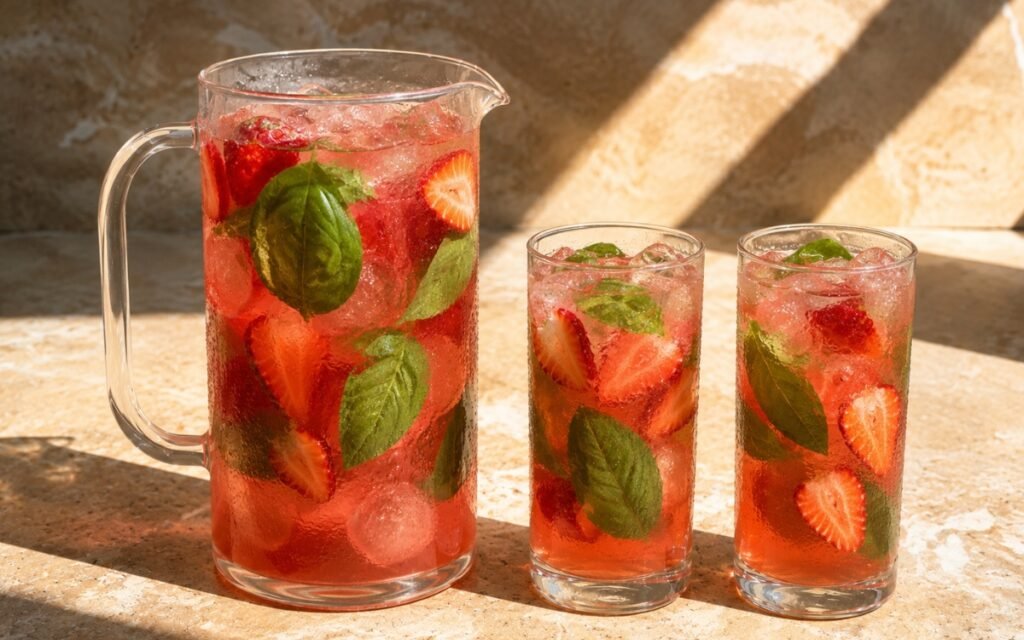
Strawberry Basil Pitcher Drink
Cold-macerated strawberries with a gentle basil extraction, fresh lemon juice, and a second infusion of sliced strawberries and basil.
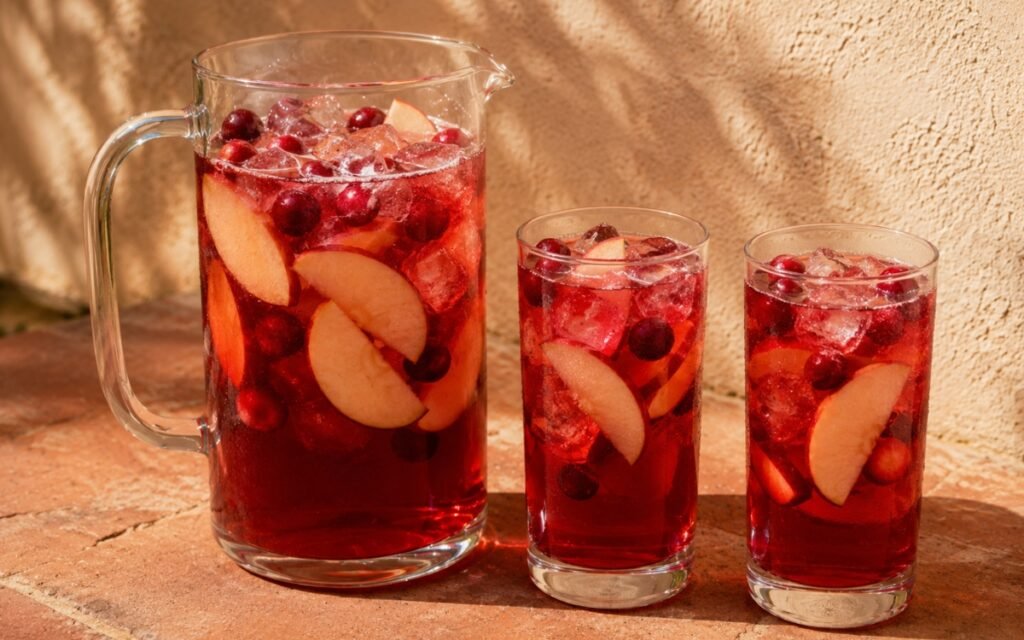
Apple Cranberry Pitcher Drink
Ruby-red apple and cranberry pitcher drink infused with cinnamon, with crisp apple slices and fresh cranberries.

You might also like
You might also like
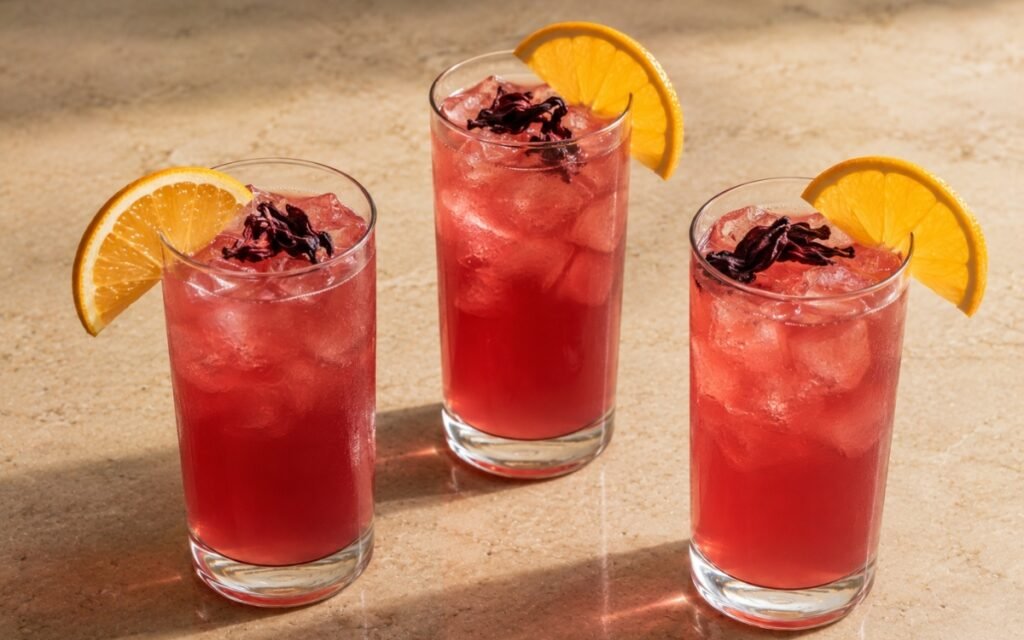
Hibiscus Ginger Orange White Tea Cooler
White tea at 75–80°C for 3–4 minutes, hibiscus and ginger infused together 6–8 minutes — orange juice as the structural bridge, honey, chilled. Vivid, tart, balanced.
Iced Tea Lemonade
Ceylon tea at 90–95°C for 2½–3 minutes, bags not squeezed — honey-lemon syrup, fresh lemon juice, cold water, salt, chilled. Lemonade leads, tea supports.
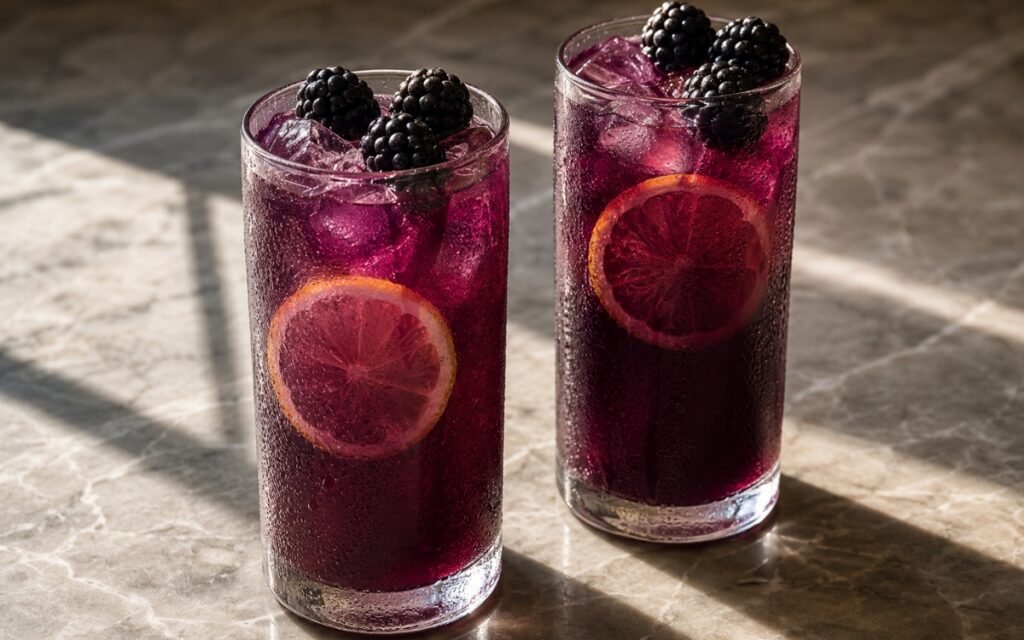
Blackberry Lemonade
Honey-blackberry syrup at low heat with lemon zest off heat, fresh blackberries cold-strained lightly — both combined with lemon, salt, cold water. Deep, dark-purple, and wine-adjacent.

Grapefruit Rosemary Infused Water
Ingredients
Method
- Section 1 grapefruit, removing all seeds, all tough membranes, and — specifically — all white pith from the segments. The pith note from the recipe brief is precisely correct: grapefruit pith’s bitterness is not the clean, specific, characteristically grapefruit bitterness that makes this preparation specifically interesting. The pleasant bitter dimension of grapefruit comes from naringenin in the juice-sac liquid and nootkatone in the aromatic compounds — compounds present in the pulp and peel. Grapefruit pith’s limonoid compounds produce a separate, harsher, more specifically unpleasant bitterness that is categorically different from the flavour-defining grapefruit character. Remove every white piece completely. Add the clean grapefruit pulp to the large pitcher and mash gently — enough to release juice and begin breaking down the segment structure. The grapefruit base provides the immediate aromatic and flavour foundation; the sliced grapefruit rounds added in the final build contribute progressive surface aromatic release and visual presence.
- Take each rosemary sprig and roll it firmly between the palms for 2–3 seconds — a deliberate pressing motion that releases the aromatic oils from the surface of the leaves without stripping the leaves from the stem or grinding the sprig into pieces. Add the lightly crushed sprigs to the pitcher immediately. The aromatic oils released by the rolling motion — primarily the pleasant 1,8-cineole (eucalyptol) and the lighter α-pinene fractions responsible for rosemary’s specifically fresh, clean herbal character — begin infusing into the surrounding medium. The harsher camphor and more resinous compounds require more sustained mechanical disruption or heat to release at significant concentrations; the light roll produces the pleasant fraction ahead of the harsher ones. The rolling technique produces a clearly perceptible aromatic oil release — the hands smell specifically of fresh rosemary immediately after. Add to the pitcher without further handling.
- Pre-dissolve any honey in warm water. For a true infused water without any sweetness, skip the honey entirely — grapefruit and rosemary is a specifically adult combination that the sweetness of even 15g of honey in 3 litres perceptibly softens toward a more approachable character. The preparation’s specific appeal is the combination of grapefruit’s clean bittersweetness and rosemary’s piney depth at full, unsweetened character.
- Pour the 3 litres of ice-cold water into the pitcher. Add the thinly sliced grapefruit rounds — these slices include the white pith as part of the whole-round slice, but at 1–2 hours of contact the pith’s limonoid contribution from the sliced surface is minimal and the visual appeal of the whole grapefruit rounds in the pitcher is the primary purpose. At the full 4-hour infusion, the pith in the sliced rounds begins contributing more meaningfully — another reason the 4-hour removal is specifically appropriate. Stir gently once or twice. Cover and refrigerate for 1–4 hours. At 1 hour: a subtle, specifically clean grapefruit brightness with a barely present herbal rosemary note. At 2 hours: both flavours more specifically present. At 4 hours: the maximum of the pleasantly infused range — grapefruit’s clean bitter-sweet character and rosemary’s piney herbal depth at their most specifically present while both remain refreshing rather than overwhelming. After 4 hours, remove all grapefruit slices and rosemary sprigs. The grapefruit peel’s limonoid bitterness accumulates progressively; the rosemary’s resinous, camphor-dominant compounds continue extracting toward the pine cleaner character. Always remove both at the 4-hour point. Serve well chilled.