
Passion Fruit Lemonade
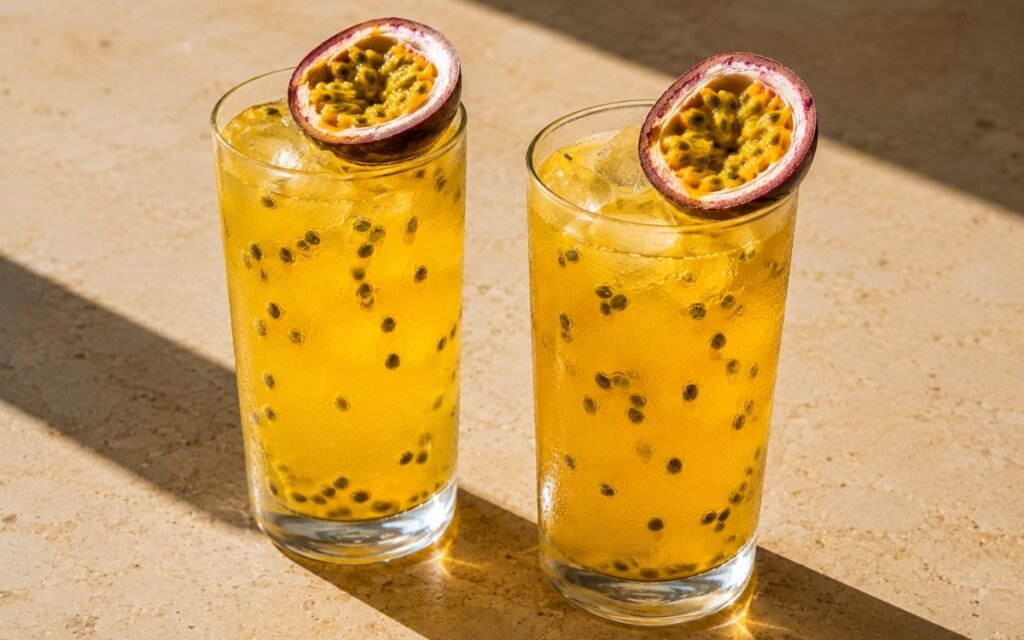
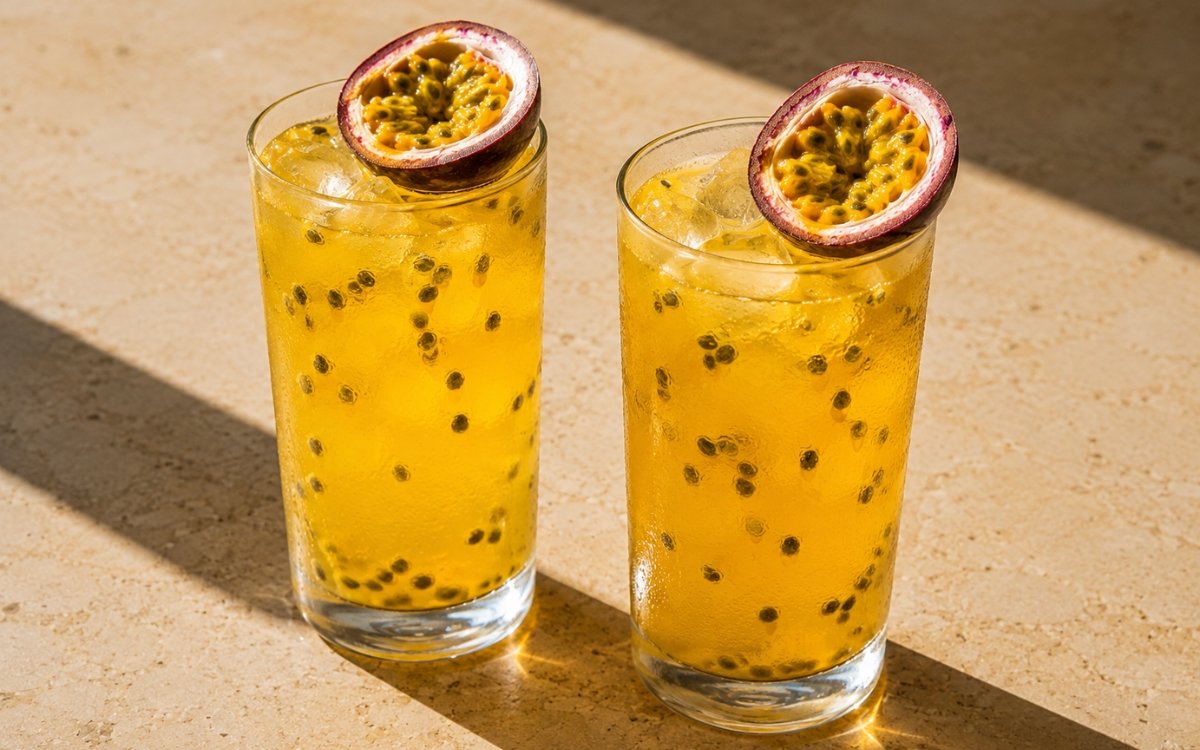
A bright, tropical lemonade made with fresh lemon juice and real passion fruit pulp, with visible black seeds suspended throughout. The lemon flavor is built the safe cold way by extracting aroma from the yellow zest only — no white pith, no boiling, no cooked flavor. Rubbing only the yellow zest into sugar, taking care to avoid any white pith, is the technique this whole lemonade depends on for its clean, bright flavour — that pith carries real bitterness that no amount of sugar or dilution fully corrects, the same zest-only-no-pith principle used elsewhere in this collection whenever citrus aroma needs extracting cleanly rather than bitterly. Doing that extraction cold, rubbing the zest directly into sugar rather than boiling a syrup, is what preserves the lemon oils’ fresher, brighter character compared to a cooked version. Keeping the passion fruit pulp unblended, with its seeds left whole and intact, is what gives the drink its classic suspended texture without introducing the bitterness crushed seeds would add. The payoff is a lemonade that’s genuinely bright golden-yellow, tart, aromatic, and tropical, with real passion fruit seeds visibly suspended throughout every glass.
Prep Time : 20 min
Chill Time : 30 min
Servings : 8
20 min
30 min
8
Ingredients
For the Cold Lemon Extraction
• Zest of 4 large lemons, yellow part only, no white pith
• 220g granulated sugar — this one on Amazon
For the Lemonade
• 360ml fresh lemon juice, from about 6–8 lemons
• 240ml fresh passion fruit pulp with seeds, from about 8–10 ripe passion fruits
• 1.4L very cold water
• 1 small pinch fine sea salt, optional but recommended
• Ice, for serving
For Garnish
• 4 passion fruits, halved, for the rims or for serving
• Thin lemon slices, optional
This post may contain affiliate links. As an Amazon Associate I earn from qualifying purchases, at no additional cost to you.
Directions
- Make the Cold Lemon Sugar Base
Use a peeler or microplane to remove the zest from 4 lemons, taking only the fragrant yellow outer layer. Avoid the white pith completely, because it will make the lemonade bitter. Place the zest in a bowl with the sugar. Rub the zest into the sugar with your fingertips for 2–3 minutes until the sugar feels damp, deeply fragrant, and lightly yellow. This is the cold extraction step — the sugar pulls the aromatic oils out of the lemon peel without heat, which gives you a cleaner, fresher lemon flavor than boiling. Let the mixture sit for 20–30 minutes at room temperature. Rubbing rather than simply mixing the zest into the sugar is what actually ruptures the peel’s tiny oil glands — that mechanical friction is what releases the aromatic oils into the sugar, a process heat alone would replicate differently, and often less cleanly. - Juice the Lemons
Juice enough lemons to get 360ml fresh lemon juice. Strain out the seeds. A little natural pulp is fine. Pour the lemon juice into the bowl with the lemon-zest sugar and stir well for 1–2 minutes until most of the sugar has dissolved. The acid from the juice helps dissolve the sugar and carries the lemon oil into the base. If you want a cleaner-textured lemonade, strain out the zest at this stage, pressing firmly to extract all the fragrant syrup. If you prefer a slightly more rustic homemade style, you can leave a little fine zest in. The lemon juice’s own acidity does real work here beyond simply adding tartness — it actively helps dissolve the sugar while also carrying the already-released lemon oils fully into the liquid base. - Prepare the Passion Fruit
Cut the passion fruits in half and scoop out the pulp. Measure out 240ml. Keep the seeds — they are part of the classic look and texture. Do not blend the pulp aggressively. You want the seeds intact and suspended through the drink, not broken up, because crushed seeds can add bitterness. Passion fruit seeds carry a genuine bitterness within their own structure, similar to many fruit seeds — keeping them whole rather than blended or crushed is what keeps that bitterness contained rather than released into the finished drink. - Build the Lemonade
In a large pitcher, combine the lemon-sugar base, the passion fruit pulp, the cold water, and the pinch of salt, if using. Stir thoroughly until fully combined. The lemonade should be bright golden-yellow, tart, aromatic, and tropical, with visible passion fruit seeds throughout. Taste and adjust if needed: if too tart, add 15–30g more sugar and stir until dissolved; if too intense, add another 100–150ml cold water; if you want stronger passion fruit flavor, add a little more pulp. This tasting checkpoint matters directly given how much passion fruit itself can vary batch to batch — building in a deliberate adjustment stage here accounts for that natural variability rather than assuming a fixed recipe will always land at the same balance. - Chill
Refrigerate the lemonade for at least 30 minutes before serving so the flavors settle and the drink becomes fully cold. That resting period lets the lemon oils, passion fruit, and sugar fully integrate together, rather than serving a drink where each component still tastes somewhat separate and undeveloped. - Serve
Fill 8 glasses with ice and pour over the chilled lemonade. Stir the pitcher before pouring each time so the passion fruit seeds stay evenly distributed. Garnish each glass with a halved passion fruit resting on the rim. Serve immediately. Restirring the pitcher before every single pour, rather than just once at the start, accounts for how quickly the denser passion fruit seeds naturally settle toward the bottom between pours — without that habit, later glasses would end up with noticeably fewer visible seeds than the first.
*Notes :
- The strict avoidance of white pith throughout the zesting stage deserves genuine respect as the detail most responsible for whether this lemonade tastes clean and bright or noticeably bitter. Lemon pith carries real, distinct bitterness that’s entirely separate from the fruit’s own natural tartness — even a small amount worked accidentally into the zest can introduce a flavour that no amount of added sugar fully masks or corrects afterward.
- Choosing cold extraction over a boiled sugar syrup is worth understanding as a genuine, deliberate flavour decision rather than simply a convenience. Lemon zest’s aromatic oils are volatile and can be altered or diminished by heat — rubbing them directly into sugar at room temperature preserves a fresher, brighter character that a cooked syrup, however carefully made, tends to lose some of.
- Keeping the passion fruit pulp genuinely unblended, its seeds left whole throughout, protects the drink from a real and specific risk. Those seeds carry bitterness within their own structure, and crushing or blending them aggressively would release that bitterness directly into the lemonade — the gentle handling specified here is what keeps the seeds purely visual and textural rather than a flavour liability.
- The recipe’s own explicit note about passion fruit’s natural variability deserves to be taken seriously rather than treated as a generic disclaimer. Passion fruit genuinely does vary in sweetness and acidity from fruit to fruit and batch to batch, which is exactly why a final tasting and adjustment stage is built into the process — a fixed recipe alone can’t fully account for that natural variation.
Why This Recipe Works
This recipe works because the lemon zest is worked carefully to avoid any white pith, protecting the whole drink from unnecessary bitterness. Cold extraction, rubbing the zest directly into sugar, preserves the lemon oils’ brighter, fresher character compared to a boiled syrup.
The passion fruit pulp is kept genuinely unblended, its seeds left whole to avoid releasing their own inherent bitterness. A built-in tasting and adjustment stage accounts for passion fruit’s real, natural variability in sweetness and acidity, and restirring before every pour keeps the visually distinctive seeds evenly distributed across every glass served.
Ingredient Breakdown
Yellow Lemon Zest (No Pith)
The aromatic foundation — carefully separated from the bitter white pith, protecting the drink’s clean flavour.
Cold-Extracted Zest-Sugar Base
The critical technique — rubbing releases lemon oils without the heat that would alter their fresher, brighter character.
Fresh Lemon Juice
The tartness and dissolving agent — its acidity both flavours the drink and helps fully dissolve the sugar base.
Whole, Unblended Passion Fruit Seeds
The signature texture — kept intact specifically to avoid the bitterness crushed seeds would release.
Built-In Tasting Checkpoint
The adjustment stage — accounts for passion fruit’s genuine natural variability in sweetness and acidity.
Flavor Structure Explained
This passion fruit lemonade follows a layered balance model:
- Bright citrus foundation (cold-extracted lemon zest and juice)
- Sweet balancing base (granulated sugar)
- Tropical fruity depth (whole passion fruit pulp and seeds)
- Cool refreshing structure (cold water, ice)
- Subtle sharpening note (optional pinch of salt)
Cold-extracted lemon zest and fresh lemon juice provide this drink’s bright, genuinely clean citrus foundation, free of any bitter pith. Sugar, infused directly with those lemon oils, balances that tartness. Whole passion fruit pulp and seeds add real tropical depth and the drink’s signature visual texture. Cold water and ice keep the whole lemonade properly refreshing. An optional small pinch of salt sharpens the overall fruit flavour subtly, without making the drink taste salty.
Common Mistakes to Avoid
- Zesting Too Deep Into the White Pith – This introduces noticeable bitterness that’s difficult to correct afterward. Always take only the thin, fragrant yellow layer.
- Boiling a Syrup Instead of Cold-Extracting the Zest – This can alter or diminish the lemon oils’ fresher character. Always rub the zest into sugar cold.
- Blending the Passion Fruit Pulp Aggressively – This crushes the seeds and releases their inherent bitterness. Always keep the pulp and seeds gently handled and whole.
- Skipping the Final Taste-and-Adjust Step – Passion fruit varies naturally in sweetness and acidity. Always taste the finished pitcher and adjust as needed.
- Not Restirring Before Each Pour – The seeds settle quickly between pours. Always stir the pitcher again before filling each glass.
Variations
Extra-Tart Version
Reduce the sugar slightly for a sharper, more assertively tart lemonade.
Sweeter Version
Add the extra 15–30g sugar suggested in the recipe for a more rounded, less sharp result.
Sparkling Version
Top each glass with a splash of chilled soda water just before serving for a lightly effervescent variation.
Extra-Passion-Fruit Version
Increase the pulp slightly for a more pronounced tropical flavour throughout.
Storage & Make-Ahead
Best served the same day, though it will hold well in the fridge for about 24 hours. Stir before serving because the seeds naturally settle a little over time.
If using frozen unsweetened passion fruit pulp, thaw fully and measure 240ml after thawing before using in place of fresh.
Frequently Asked Questions
Why is it so important to avoid the white pith when zesting the lemons?
Lemon pith carries real, distinct bitterness separate from the fruit’s natural tartness. Even a small amount worked into the zest can introduce a flavour that no amount of added sugar fully corrects afterward.
Why is the lemon flavour extracted cold, into sugar, rather than through a boiled syrup?
Lemon zest’s aromatic oils are volatile and can be altered or diminished by heat. Rubbing them directly into sugar at room temperature preserves a fresher, brighter character that a cooked syrup tends to lose some of.
Why shouldn’t the passion fruit pulp be blended smooth?
Passion fruit seeds carry genuine bitterness within their own structure. Blending or crushing them aggressively releases that bitterness directly into the drink, while keeping them whole preserves them as a purely visual and textural element.
Why does the recipe include a specific tasting and adjustment step at the end?
Passion fruit genuinely varies in sweetness and acidity from fruit to fruit and batch to batch. A fixed recipe alone can’t fully account for that natural variation, which is why tasting and adjusting the finished pitcher matters.
How long does it stay fresh after mixing?
Passion Fruit Lime Lemonade offers a closely related citrus variation worth exploring directly. Passion Fruit Mint Spritzer Mocktail, Pineapple Lemonade, and Hibiscus Strawberry Lemonade are all worth trying too for other bright, fruit-forward drink directions.
Nutrition Facts
( per serving )
Calories
~90 kcal
Protein
0 g
Fat
0 g
Carbs
23 g
Calories
~90 kcal
Protein
0 g
Fat
0 g
Carbs
23 g
Related Recipes
Related Recipes

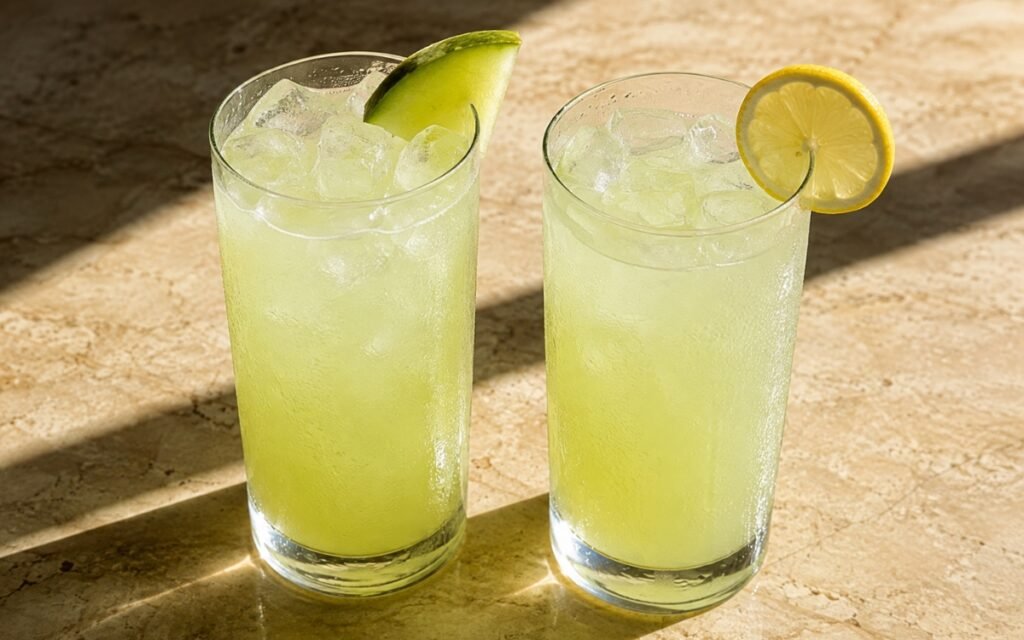
Honeydew Lemonade
Cold-extracted lemon zest and juice combined with blended, genuinely ripe honeydew for a pale soft green, delicately melon-forward lemonade.
Honey Lemonade
Fresh lemon juice and honey-infused lemon zest combined with cold water for a simple, golden lemonade.
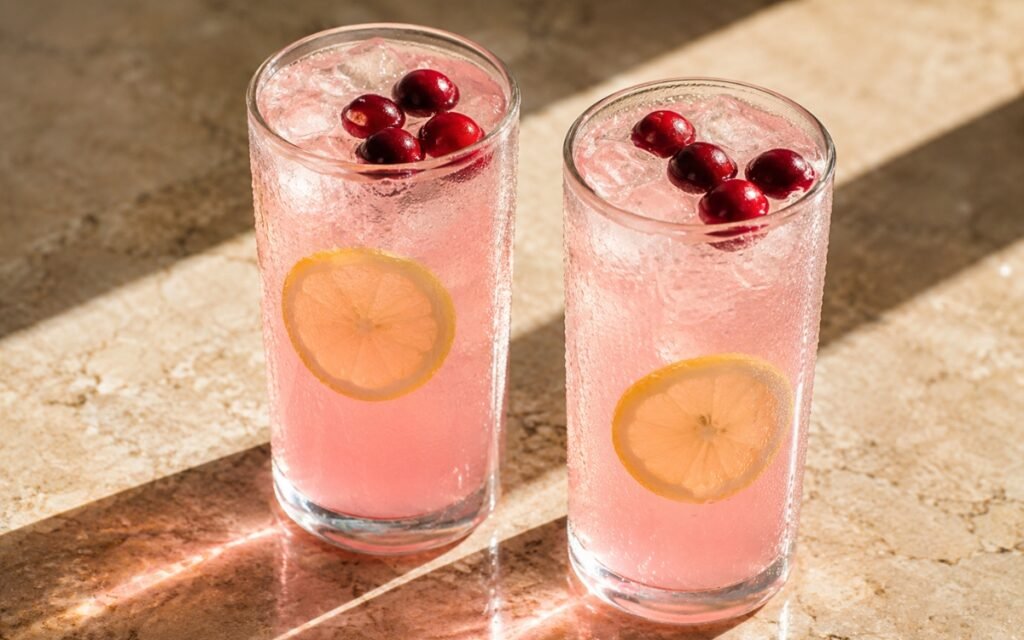
Fresh Pink Lemonade
Cranberries simmered for extraction, not reduction — vivid fluid syrup combined with fresh lemon juice and salt. Naturally pink, tart, and crisp.

You might also like
You might also like
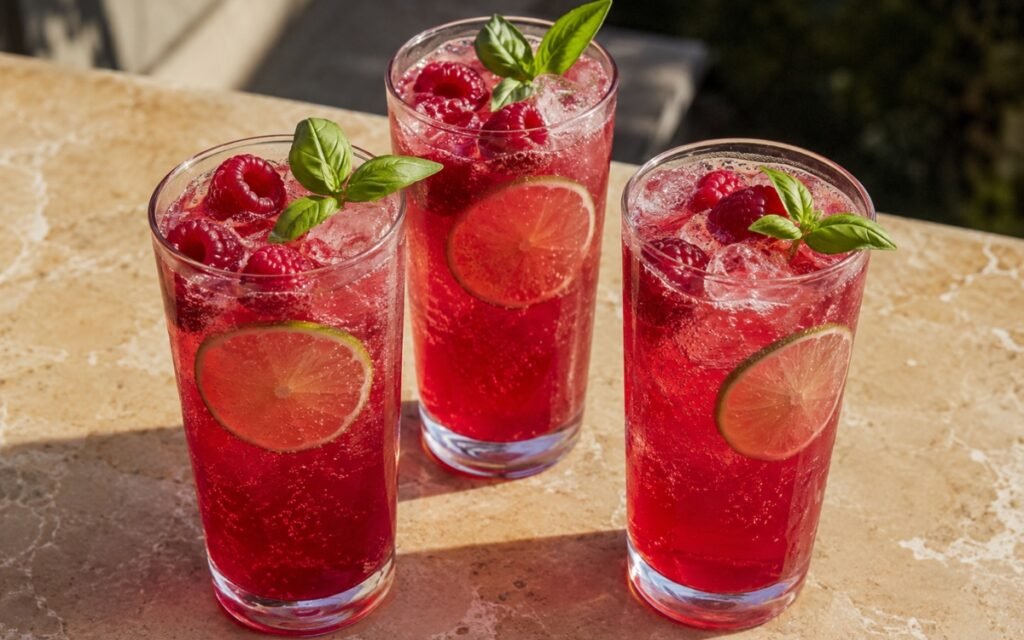
Raspberry Basil Limeade
Raspberries blended with lime juice, strained — honey no-cook syrup, basil and mint steeped cold 5–10 minutes, club soda right before serving. Vivid red and tart.
Iced Flat White
Double ristretto and cold whole milk over ice, finished with a whisper-thin microfoam sheen for a rich, caramel-coloured drink.
Kiwi Lime Sparkling Mocktail
Skin-on kiwis pressed with lime, honey, and salt over club soda — vivid jade-green.

Passion Fruit Lemonade
Ingredients
Method
- Use a peeler or microplane to remove the zest from 4 lemons, taking only the fragrant yellow outer layer. Avoid the white pith completely, because it will make the lemonade bitter. Place the zest in a bowl with the sugar. Rub the zest into the sugar with your fingertips for 2–3 minutes until the sugar feels damp, deeply fragrant, and lightly yellow. This is the cold extraction step — the sugar pulls the aromatic oils out of the lemon peel without heat, which gives you a cleaner, fresher lemon flavor than boiling. Let the mixture sit for 20–30 minutes at room temperature. Rubbing rather than simply mixing the zest into the sugar is what actually ruptures the peel’s tiny oil glands — that mechanical friction is what releases the aromatic oils into the sugar, a process heat alone would replicate differently, and often less cleanly.
- Juice enough lemons to get 360ml fresh lemon juice. Strain out the seeds. A little natural pulp is fine. Pour the lemon juice into the bowl with the lemon-zest sugar and stir well for 1–2 minutes until most of the sugar has dissolved. The acid from the juice helps dissolve the sugar and carries the lemon oil into the base. If you want a cleaner-textured lemonade, strain out the zest at this stage, pressing firmly to extract all the fragrant syrup. If you prefer a slightly more rustic homemade style, you can leave a little fine zest in. The lemon juice’s own acidity does real work here beyond simply adding tartness — it actively helps dissolve the sugar while also carrying the already-released lemon oils fully into the liquid base.
- Cut the passion fruits in half and scoop out the pulp. Measure out 240ml. Keep the seeds — they are part of the classic look and texture. Do not blend the pulp aggressively. You want the seeds intact and suspended through the drink, not broken up, because crushed seeds can add bitterness. Passion fruit seeds carry a genuine bitterness within their own structure, similar to many fruit seeds — keeping them whole rather than blended or crushed is what keeps that bitterness contained rather than released into the finished drink.
- In a large pitcher, combine the lemon-sugar base, the passion fruit pulp, the cold water, and the pinch of salt, if using. Stir thoroughly until fully combined. The lemonade should be bright golden-yellow, tart, aromatic, and tropical, with visible passion fruit seeds throughout. Taste and adjust if needed: if too tart, add 15–30g more sugar and stir until dissolved; if too intense, add another 100–150ml cold water; if you want stronger passion fruit flavor, add a little more pulp. This tasting checkpoint matters directly given how much passion fruit itself can vary batch to batch — building in a deliberate adjustment stage here accounts for that natural variability rather than assuming a fixed recipe will always land at the same balance.
- Refrigerate the lemonade for at least 30 minutes before serving so the flavors settle and the drink becomes fully cold. That resting period lets the lemon oils, passion fruit, and sugar fully integrate together, rather than serving a drink where each component still tastes somewhat separate and undeveloped.
- Fill 8 glasses with ice and pour over the chilled lemonade. Stir the pitcher before pouring each time so the passion fruit seeds stay evenly distributed. Garnish each glass with a halved passion fruit resting on the rim. Serve immediately. Restirring the pitcher before every single pour, rather than just once at the start, accounts for how quickly the denser passion fruit seeds naturally settle toward the bottom between pours — without that habit, later glasses would end up with noticeably fewer visible seeds than the first.