
Al Pastor Tacos on Corn Tortillas
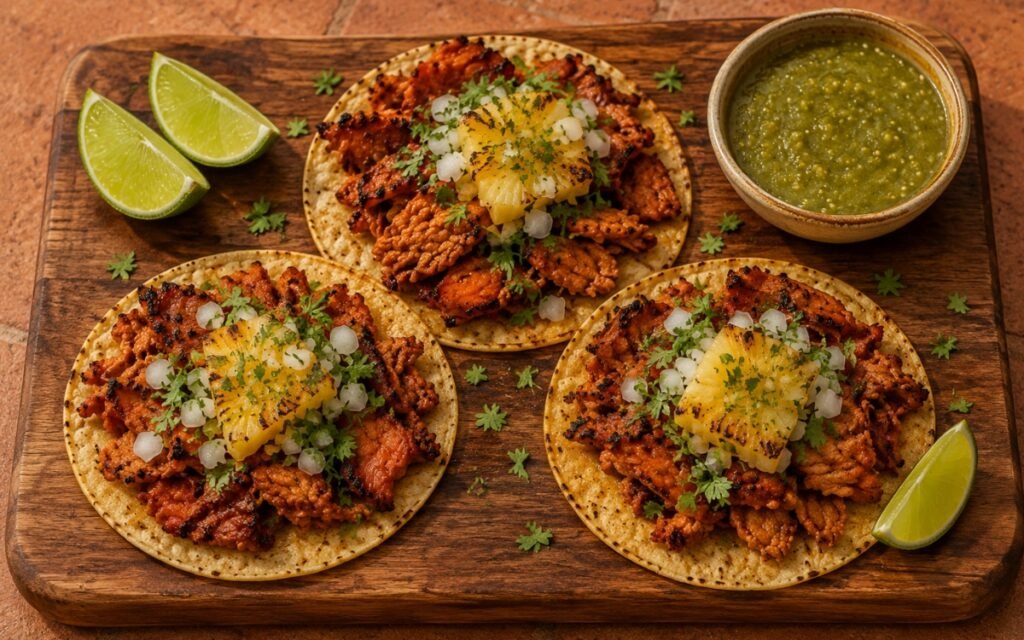
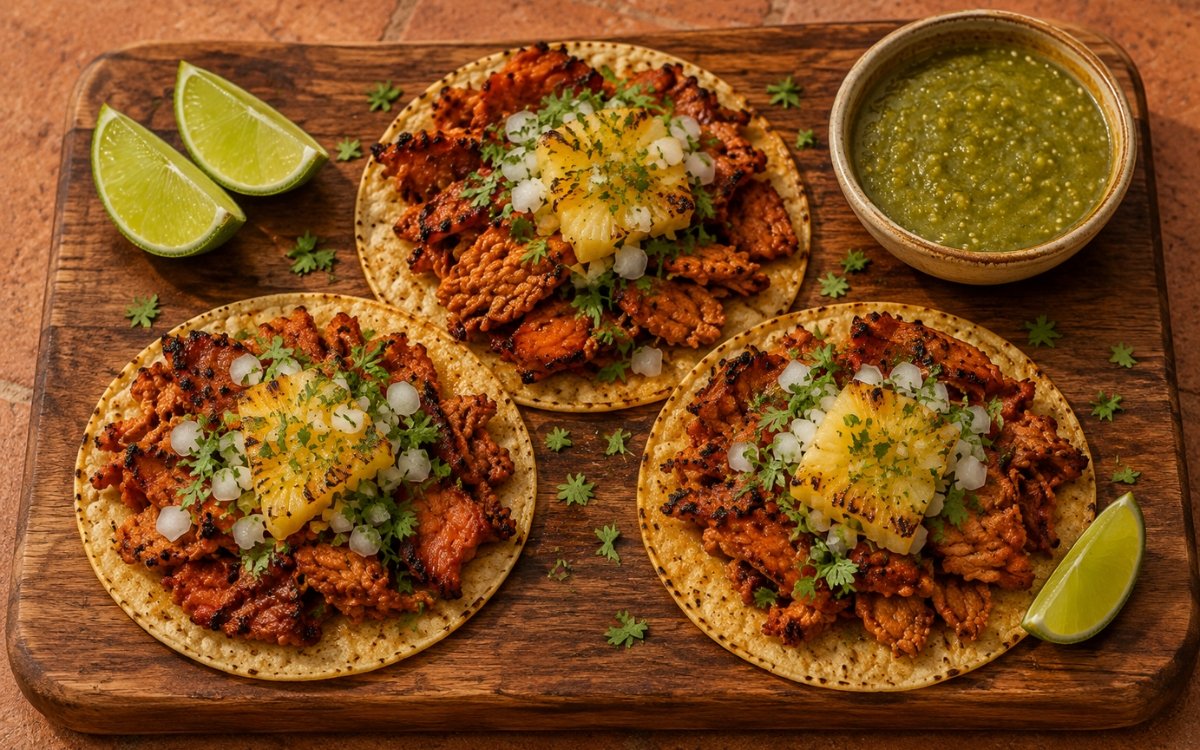
Open corn tortillas piled with thin, chunky slices of al pastor pork — deeply red-orange from achiote, caramelised at the edges, and marked with dark char — finished with one grilled pineapple slice, finely diced white onion, fresh cilantro, and lime, with salsa verde served alongside in a small bowl. The technique hinge here is the pork itself: partially freezing the shoulder before slicing is what makes thin, even 3–4mm cuts possible, and thin slicing is non-negotiable — thick chunks char on the outside long before the interior loses its raw, stewed texture. The marinade uses pasteurised rather than fresh pineapple juice specifically because raw pineapple’s bromelain would over-tenderise the pork across a marinating window that can run as long as 24 hours, turning the meat mushy rather than pleasantly tender. The pineapple itself is grilled separately from the pork, the same principle used elsewhere in this collection whenever a juicy garnish needs to keep its own texture rather than steaming into the main filling. The payoff is a taco where every element stays visually and texturally distinct — vivid red-orange charred pork, caramelised pineapple, pale onion, and green cilantro — rather than collapsing into a single muddy filling.
Prep Time : 45 min
Cook Time : 50 min
Servings : 8
45 min
50 min
8
Ingredients
For the Al Pastor Pork
• 2.4kg boneless, skinless pork shoulder, trimmed
• 4 dried ancho chiles, stems and seeds removed — this one on Amazon
• 8 dried guajillo chiles, stems and seeds removed — this one on Amazon
• 240ml pasteurised pineapple juice
• 120ml white vinegar
• 120g achiote paste — this one on Amazon
• 8 garlic cloves, peeled
• 40g light brown sugar
• 8g ground cumin — this one on Amazon
• 5g Mexican oregano — this one on Amazon
• 1g ground cinnamon
• 24g fine sea salt
• 4 bay leaves
• 180g white onion, very finely minced
• Neutral oil, for greasing the grill or pan
For The Homemade Corn Tortillas — (Full recipe — see Homemade Corn Tortillas)
• 240g masa harina — this one on Amazon
• 3g fine sea salt
• 300g warm water, approximately 40°C
• Divide into 24 small taco tortillas, about 22g raw dough each, pressed to about 11.4cm / 4.5 inches diameter
For The Salsa Verde — full batch; (Full recipe — see Salsa Verde Mexican)
• 10–12 tomatillos, husked and washed
• 1 large sweet onion, cut into 8 wedges
• 2 green jalapeños, deseeded, cut into 4 chunks each
• 3 garlic cloves, peeled and lightly smashed
• 2 tbsp extra-virgin olive oil — this one on Amazon
• Salt to taste
• Large bunch of fresh cilantro, leaves and stems included
• Juice of 1 lime
• 3 tbsp water, plus more if needed to adjust consistency
For the Grilled Pineapple
• 600g fresh pineapple, peeled, cored, and cut into 24 thin taco-sized pieces
• 15ml neutral oil
• 2g fine sea salt
For Garnishing and Serving
• 200g white onion, finely diced
• 50g fresh cilantro, finely chopped
• 4 limes, cut into wedges
• 1 full batch salsa verde, served on the side
This post may contain affiliate links. As an Amazon Associate I earn from qualifying purchases, at no additional cost to you.
Directions
- Prepare the Al Pastor Marinade
Toast the dried ancho and guajillo chiles in a dry skillet over medium heat for 10–15 seconds per side, just until fragrant and slightly pliable. Do not let them smoke or blacken; burned dried chiles will make the pork bitter. Transfer the toasted chiles to a bowl, cover with hot water, and soak for 15 minutes until softened. Drain before blending. Blend the soaked chiles with the pineapple juice, white vinegar, achiote paste, garlic, brown sugar, cumin, Mexican oregano, cinnamon, and fine sea salt until completely smooth and thick. The marinade should be vivid brick-red, pourable, and free of visible chile skin. Strain if needed. Achiote paste is doing most of the colour work here — its earthy, slightly musky character combined with the rehydrated chiles is what produces the deep, unmistakable red-orange that distinguishes al pastor from other marinated pork preparations at a glance. - Slice and Marinate the Pork
Partially freeze the pork shoulder for 30–45 minutes until firm but not solid. Slice it across the grain into thin 3–4mm slices, then cut very large slices into taco-sized pieces. Thin slicing is essential; thick chunks will not char quickly enough before becoming tough. Place the sliced pork in a large non-reactive container. Add the blended marinade, bay leaves, and very finely minced white onion. Massage thoroughly so the onion and marinade coat every piece. Cover and refrigerate for 6–24 hours. Do not use fresh raw pineapple juice in the marinade unless the marinating time is very short. Fresh pineapple contains bromelain and can make the pork mushy. Pasteurised pineapple juice is safer for a longer marinade. Partially freezing the pork before slicing is the detail that makes the thin, even cuts possible at all — fully soft, room-temperature pork shoulder is too pliable to slice consistently thin, while a firm, partially frozen block holds its shape under the knife the same way it would in a deli slicer. - Prepare the Small Corn Tortillas
Prepare the Homemade Corn Tortilla dough according to its separate recipe, but divide the rested dough into 24 equal balls of about 22g each instead of 8 large tortillas. Keep the dough balls covered at all times so the masa does not dry out. Press each tortilla to about 11.4cm / 4.5 inches diameter and cook on a dry hot skillet or griddle until lightly charred, flexible, and just cooked through. Stack immediately under a towel so the tortillas steam and stay pliable. The smaller taco-sized diameter keeps each open-faced tortilla in proportion to its toppings — a full-size tortilla would leave the pork, pineapple, and onion looking sparse and would be awkward to eat as a single open taco. - Prepare the Salsa Verde
Toss the tomatillos, onion wedges, jalapeños, and garlic with the olive oil and salt. Broil or roast on a hot tray until the tomatillos soften, collapse slightly, and develop charred spots, about 8–12 minutes depending on broiler strength. Transfer everything to a blender with the cilantro, lime juice, and 3 tbsp water. Blend until spoonable but still slightly textured. Add more water only if needed. Taste and adjust with salt or extra lime juice. The salsa should be vivid green, bright, tangy, and loose enough to drizzle over each taco. Hold it at room temperature or chilled, depending on preference. For serving, spoon it into a small bowl beside the tacos rather than covering the pork, so the charred al pastor remains visible. Broiling rather than simmering the tomatillos develops a light char that adds real depth the raw-blended version wouldn’t have — a meaningful difference given how much brightness this small side bowl needs to bring to the plate. Serving the salsa on the side rather than spooned over the tacos is a visual decision as much as a textural one — the vivid red-orange char of the pork is meant to be the centrepiece, and pooling a green sauce over it would both dull that colour contrast and soften the pork’s charred edges on contact. - Prepare the Pineapple
Toss the pineapple pieces with neutral oil and fine sea salt. Grill or sear over medium-high heat for 1–2 minutes per side, until lightly caramelised with visible char marks but still juicy. Set aside one pineapple piece per taco. Grilling the pineapple as its own separate step, rather than tucking raw pieces under the pork on the same pan, is what lets it develop its own light caramelisation and char marks while staying visibly distinct once plated — cooked directly beneath the marinating, dripping pork, it would steam rather than caramelise and disappear into the filling instead of standing out on top. - Cook the Al Pastor Pork
Remove the pork from the refrigerator 25–30 minutes before cooking. Lift the pork from the marinade, letting excess marinade drip off. Do not wipe it completely clean, but do not cook it while dripping wet; too much surface marinade will steam and burn before the pork chars. Heat a grill, cast-iron griddle, or large skillet over high heat until very hot and just beginning to smoke. Lightly grease the surface with neutral oil. Cook the pork in batches in a single layer for 2–3 minutes per side, until the edges are deeply caramelised, slightly blackened in spots, and the pork is cooked through. Do not overcrowd the pan. Crowding drops the heat and gives you wet red pork instead of charred al pastor. Transfer cooked pork to a board and let it rest for 5 minutes. Chop or slice into chunky taco-sized pieces, keeping the charred edges visible. The balance between “not wiped clean” and “not dripping wet” matters more here than it might seem — a thin coating of clinging marinade is what caramelises into the deep red-orange crust that defines al pastor, but a heavy wet coating simply steams off the pan’s surface heat before any charring can happen. - Warm the Tortillas
Just before serving, rewarm the tortillas on a dry skillet for 15–20 seconds per side until soft and flexible. Keep covered in a towel. The tortillas should be warm and bendable, not crisp. This is a brief re-crisp-free warm rather than a second full cook — the tortillas were already cooked through when first pressed and griddled, so this step is purely about restoring pliability and warmth right before the tacos are built and eaten. - Assemble the Tacos
Place 3 warm corn tortillas per serving on plates or a wooden board. Pile each tortilla with al pastor pork, making sure some charred edges face upward. Add one grilled pineapple piece to each taco. Finish with finely diced white onion and chopped cilantro. Turning the charred edges upward and visible is a deliberate plating choice — it’s the clearest signal of the meat’s texture and the achiote’s colour, and it’s the detail that makes the finished taco read as genuine al pastor rather than simply grilled pork. - Serve
Serve 3 tacos per person with lime wedges scattered between the tacos and salsa verde in a small bowl beside them. Serve immediately while the pork is hot, the tortillas are soft, and the pineapple is still juicy. Serving immediately matters most for the pineapple and the tortillas — both lose their defining textures quickly, the pineapple’s juiciness fading and the tortillas stiffening as they cool, while the pork itself holds up slightly longer.
*Notes :
- The pork’s thickness at slicing is the single most consequential decision in this recipe. Genuine al pastor relies on thin, 3–4mm slices that char quickly at the edges while the interior cooks through in the same short window — thick shoulder chunks simply can’t replicate that ratio, and the result reads more like grilled stew meat than the specific charred, ribbon-thin texture al pastor is known for. Partially freezing the shoulder before cutting is what makes that consistent thinness achievable with a standard kitchen knife, no specialised slicer required.
- Achiote paste and the toasted, blended dried chiles are working together rather than separately here. The achiote provides the deep, earthy red-orange base colour and a slightly musky, almost mineral flavour that’s specific to al pastor, while the ancho and guajillo chiles contribute fruity, mild heat and body to the marinade. Without the achiote specifically, the pork will still taste reasonably good but will lack the vivid colour that makes al pastor visually distinct from other marinated pork tacos — it’s as much a visual marker of the dish as a flavour component.
- The choice of pasteurised over fresh pineapple juice in the marinade is a texture decision, not a flavour one. Fresh pineapple contains active bromelain, an enzyme that breaks down proteins — useful in small amounts over a short marinade, but genuinely destructive to the pork’s texture across the 6–24 hour window this recipe calls for, turning the exterior mushy well before the interior is properly seasoned. Pasteurisation deactivates that enzyme, which is why it’s specified here despite fresh pineapple being the more intuitive choice for a pineapple-forward marinade.
- This recipe is built around several components that can be made well ahead of the final cook: the marinade can be blended and the pork can marinate for up to 24 hours, the tortilla dough and the salsa verde can both be prepared during that same window, and the pineapple can be grilled shortly before serving without much active attention. The only genuinely time-sensitive stage is the final pork cook and assembly, which comes together in well under 20 minutes once everything else is staged and ready.
Why This Recipe Works
This recipe works because it treats each component’s texture as something to protect individually rather than letting everything cook together into one filling. Thin-sliced, well-marinated pork chars quickly at high heat without overcooking through; pasteurised pineapple juice keeps the marinade from over-tenderising the meat across a long marinating window.
The pineapple is grilled entirely separately so it caramelises rather than steaming under the pork; and the tacos are assembled open-faced and served immediately so every element — charred pork, juicy pineapple, sharp onion, bright cilantro — stays visually and texturally distinct on the plate.
Ingredient Breakdown
Achiote Paste
The defining colour and flavour marker — earthy, musky, and specifically responsible for the deep red-orange that makes al pastor visually recognisable.
Toasted Ancho and Guajillo Chiles
The marinade’s fruity heat and body — bloomed briefly by dry toasting, then rehydrated and blended for a smooth, clinging base.
Pasteurised Pineapple Juice
The bromelain-safe sweetener — provides fruit brightness without the raw enzyme activity that would over-tenderise pork across a long marinade.
Partially Frozen, Thin-Sliced Pork Shoulder
The texture specification — firm enough to slice evenly thin, which is what allows the pork to char quickly at the edges without overcooking.
Separately Grilled Pineapple
The garnish technique — cooked apart from the dripping, marinating pork so it caramelises and stays visibly distinct rather than steaming into the filling.
Flavor Structure Explained
This al pastor taco follows a layered balance model:
- Deep smoky-sweet foundation (achiote, chile marinade, char)
- Juicy caramelised contrast (grilled pineapple)
- Warm earthy spice (cumin, oregano, cinnamon)
- Sharp fresh bite (white onion, cilantro, lime)
- Bright tangy finish (salsa verde)
The marinated, charred pork defines the dish with deep, smoky-sweet richness from the achiote and toasted chiles. Grilled pineapple layers in juicy caramelised sweetness that plays directly against the pork’s char. Cumin, oregano, and cinnamon provide a warm, earthy spice register running underneath the whole taco. Diced onion and cilantro cut through the richness with sharp, fresh contrast, while a squeeze of lime and the tangy salsa verde on the side bring the final acidity that keeps each bite from feeling heavy.
Common Mistakes to Avoid
- Slicing the Pork Too Thick – Thick chunks char on the outside long before losing their raw, stewed interior texture. Always slice across the grain into thin 3–4mm pieces.
- Using Fresh Pineapple Juice in a Long Marinade – Fresh pineapple’s bromelain over-tenderises the pork across 6–24 hours, producing a mushy texture. Always use pasteurised pineapple juice unless marinating very briefly.
- Overcrowding the Grill or Pan – A crowded surface drops the temperature and produces wet, grey pork instead of charred, caramelised edges. Always cook in batches in a single layer.
- Grilling the Pineapple Under the Pork – Cooked directly beneath the dripping, marinating pork, the pineapple steams and disappears into the filling instead of staying visible and caramelised. Always grill it separately.
- Pouring Salsa Verde Over the Tacos – This dulls the pork’s colour contrast and softens the charred edges on contact. Always serve the salsa in a small bowl on the side.
Variations
Spicier Version
Add one extra dried chile de árbol to the toasted chile blend for a sharper, more assertive heat throughout the marinade.
With Grilled Corn
Add grilled corn kernels, cut from the cob after grilling, as an extra topping alongside the pineapple for a sweeter, crunchier textural contrast.
Al Pastor Bowl
Skip the tortillas and serve the charred pork, grilled pineapple, onion, and cilantro over rice with the salsa verde spooned on top for a bowl-style presentation.
Trompo-Style Stacked Version
For a smaller batch, thread the marinated pork slices onto a vertical skewer with pineapple slices interspersed, then shave off thin, crisp-edged pieces as they cook — closer to the traditional trompo method, though it requires more equipment and attention than the pan or grill method above.
Storage & Make-Ahead
Raw pork can marinate for up to 24 hours in the refrigerator; this is the maximum recommended window given the pineapple juice content.
Cooked al pastor pork can be refrigerated in an airtight container for up to 3 days. Reheat in a hot skillet for a minute or two to restore some char rather than microwaving, which will steam it soft.
Grilled pineapple is best made fresh and used the same day; its juiciness and char both diminish noticeably on reheating.
Tortilla dough is best used fresh the same day; pressed, cooked tortillas can be stacked and refrigerated for up to 2 days before rewarming.
Salsa verde can be refrigerated in a sealed container according to its own recipe’s storage guidance. The assembled tacos are not suitable for storage — build only what will be eaten immediately.
Frequently Asked Questions
Why partially freeze the pork before slicing?
Fully soft, room-temperature pork shoulder is too pliable to cut evenly thin with a standard knife. Partially freezing it for 30–45 minutes firms the meat just enough to hold its shape under the blade, making consistent 3–4mm slices achievable without specialised equipment.
Why does the marinade specifically call for pasteurised pineapple juice instead of fresh?
Fresh pineapple contains active bromelain, an enzyme that breaks down protein. Over a short marinade that’s harmless, but across the 6–24 hour window this recipe uses, raw bromelain activity will over-tenderise the pork’s surface into a mushy texture. Pasteurisation deactivates the enzyme, making a longer marinade safe.
Why is the pineapple grilled separately from the pork?
Cooked directly beneath the marinating, dripping pork, the pineapple would steam rather than caramelise, losing its char marks and disappearing into the filling instead of standing out as a distinct topping. Grilling it on its own lets it develop light caramelisation while staying visibly separate on the finished taco.
Why does achiote paste matter so much for this recipe?
Achiote provides the deep, earthy red-orange colour and slightly musky flavour that specifically identifies al pastor. Without it, the pork can still taste good from the chiles and spices alone, but it loses the vivid colour that visually distinguishes al pastor from other marinated grilled pork preparations.
What should I serve alongside al pastor tacos besides salsa verde?
A few classic sides round the plate out nicely without overwhelming the pork’s char and spice. Classic Guacamole adds a cool, creamy contrast that plays well against the charred edges. Pico de Gallo brings a fresh, raw tomato-onion brightness that echoes the diced onion already on the tacos. And Salsa Roja offers a smokier, cooked-tomato alternative for anyone who wants a second, richer salsa alongside the green one.
Nutrition Facts
( per serving )
Calories
~610 kcal
Protein
40 g
Fat
28 g
Carbs
48 g
Calories
~610 kcal
Protein
40 g
Fat
28 g
Carbs
48 g
Related Recipes
Related Recipes

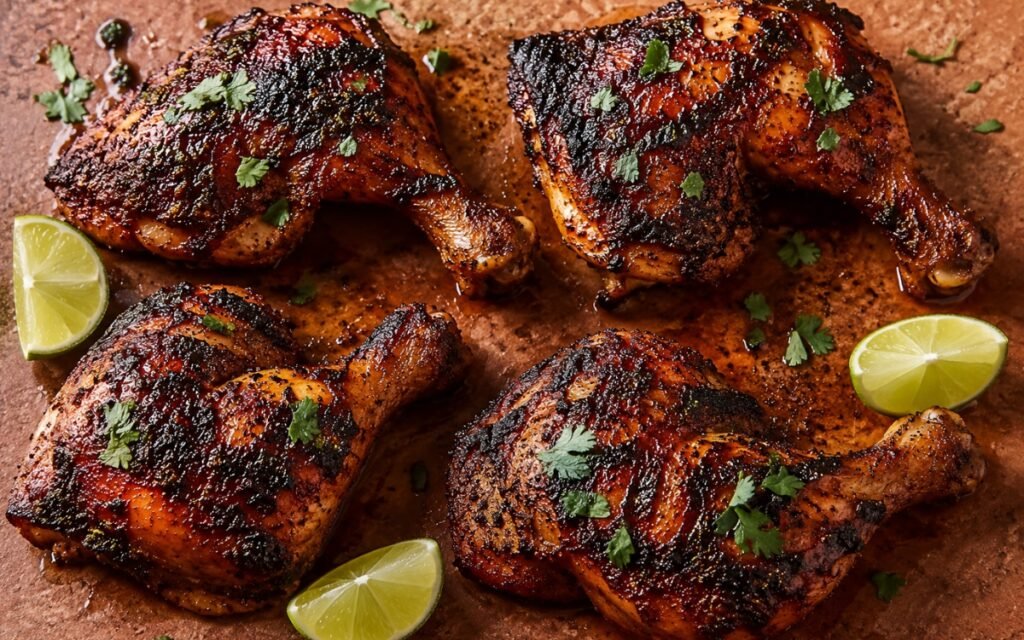
Chipotle Grilled Chicken Legs
Chicken leg quarters deeply scored and marinated in thick chipotle adobo paste — grilled two-zone style, rested, finished with cilantro and lime. Smoky and deeply charred.
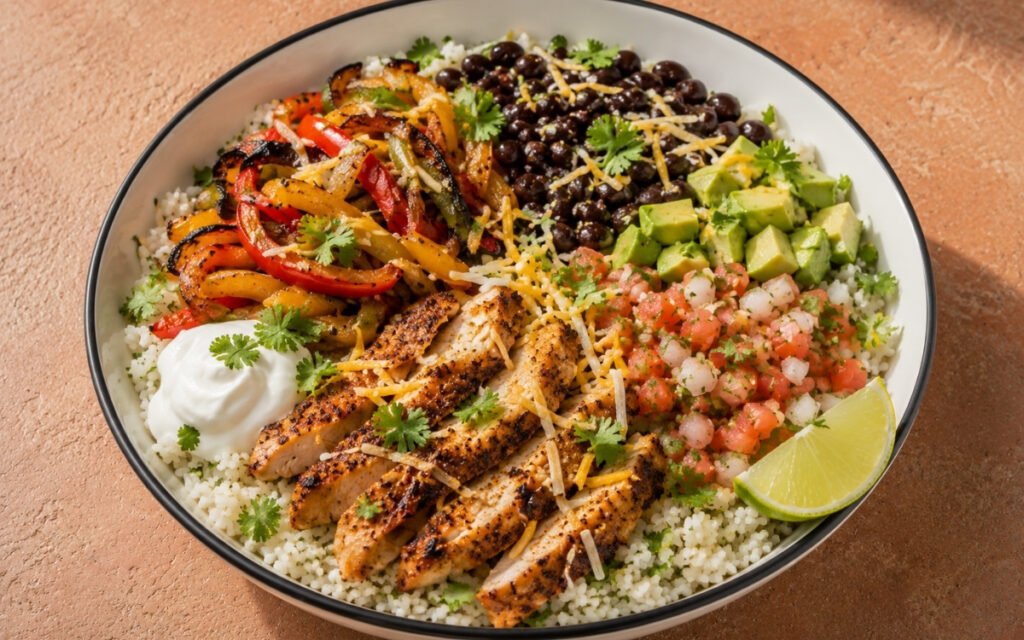
Chicken Fajita Rice Bowl
Charred chicken and peppers over cilantro-lime rice with black beans and fresh toppings.
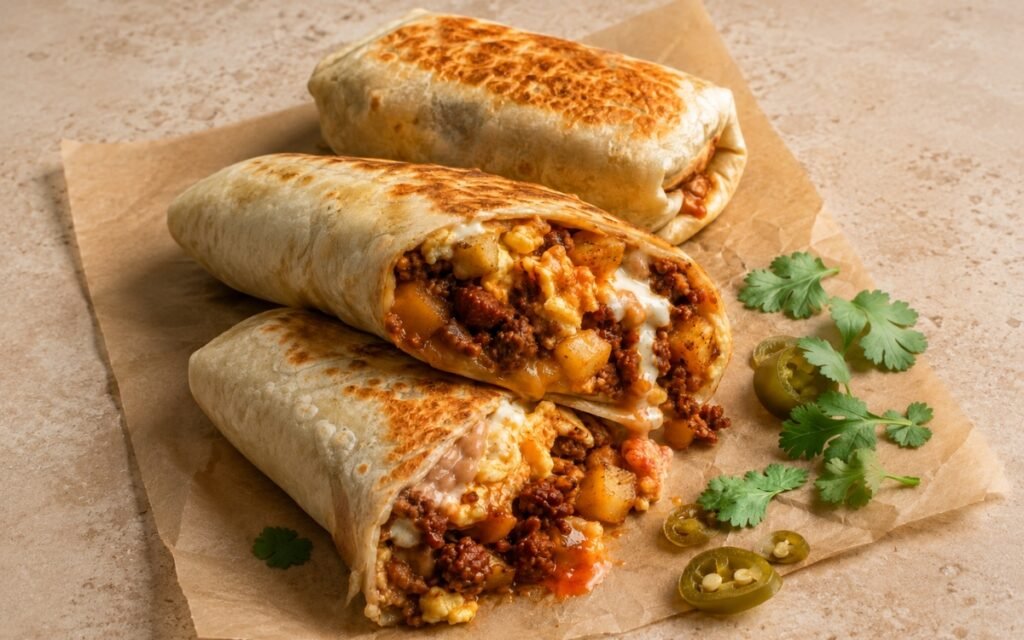
Chorizo Breakfast Burritos
Spicy Mexican chorizo, soft scrambled eggs, crispy potatoes, refried beans, melted cheese, and fresh toppings rolled in warm tortillas.
You might also like
You might also like
Ropa Vieja Cubana
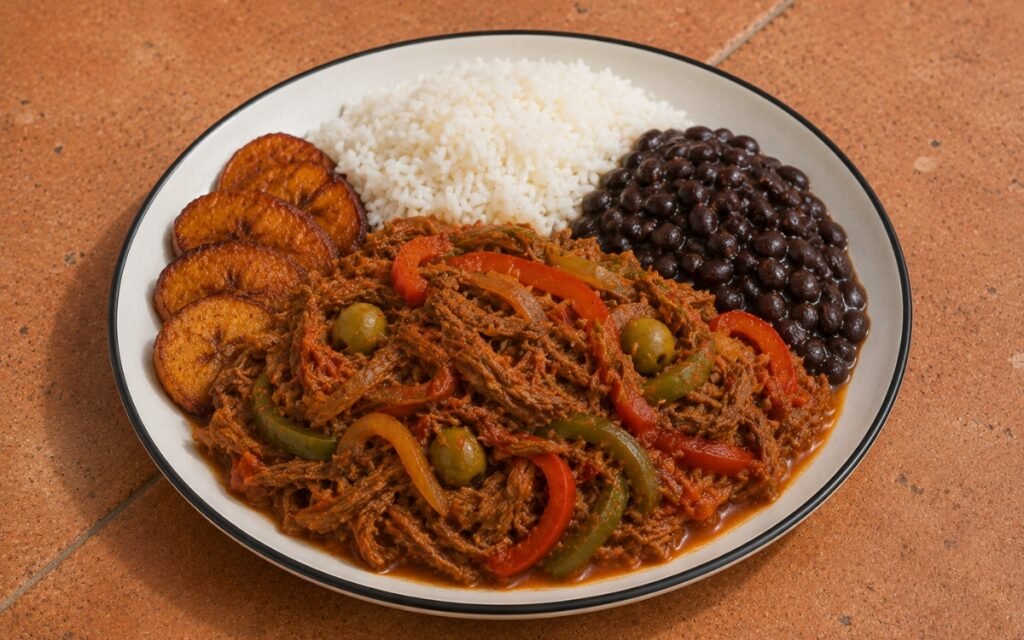
Slow-braised, shredded beef simmered in a rich tomato sauce with peppers, onion, and green olives, served with white rice, black beans, and fried plantains.
Argentine Choripán
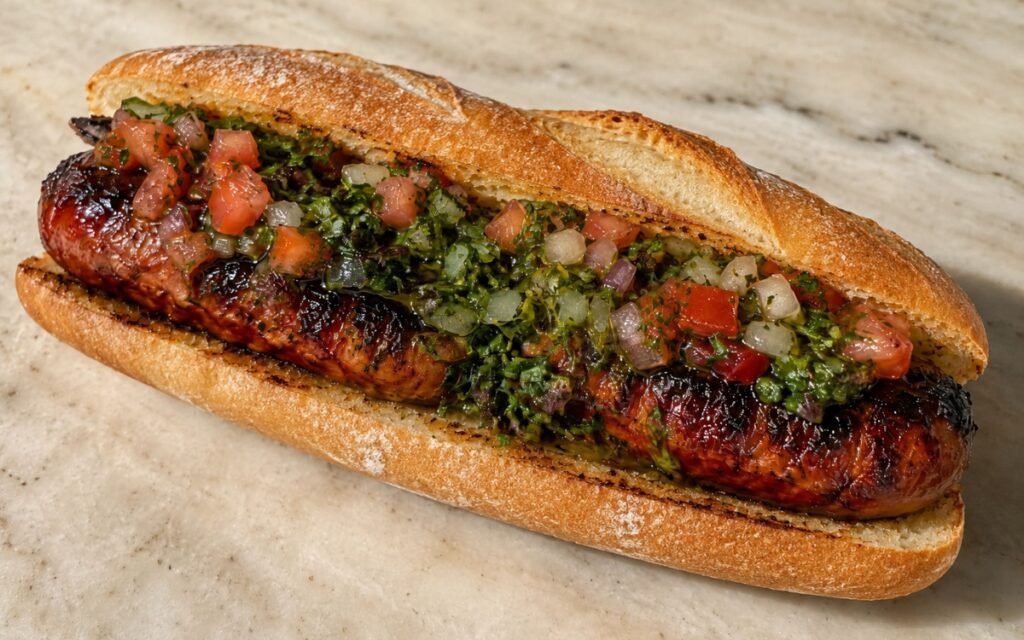
Butterflied Argentinian chorizo seared until deeply charred and glossy, stuffed into a toasted roll with generous chimichurri and tomato-shallot salsa.
Sopa de Fideo
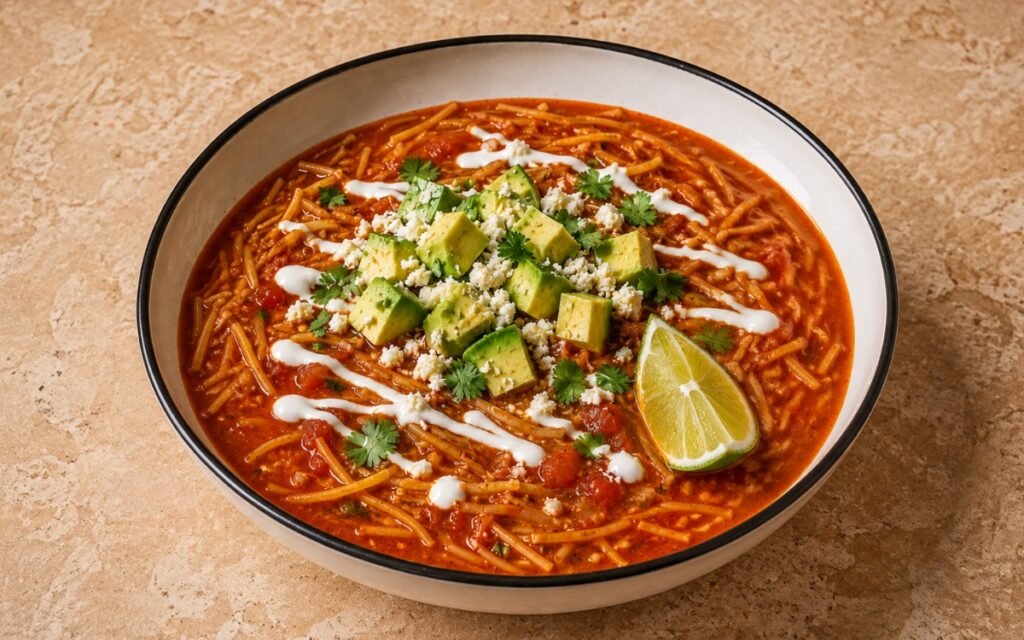
Toasted fideo noodles simmered in a rich, deeply cooked tomato broth, finished with avocado, crema, queso fresco, and lime.
Al Pastor Tacos on Corn Tortillas
Ingredients
Method
- Toast the dried ancho and guajillo chiles in a dry skillet over medium heat for 10–15 seconds per side, just until fragrant and slightly pliable. Do not let them smoke or blacken; burned dried chiles will make the pork bitter. Transfer the toasted chiles to a bowl, cover with hot water, and soak for 15 minutes until softened. Drain before blending. Blend the soaked chiles with the pineapple juice, white vinegar, achiote paste, garlic, brown sugar, cumin, Mexican oregano, cinnamon, and fine sea salt until completely smooth and thick. The marinade should be vivid brick-red, pourable, and free of visible chile skin. Strain if needed. Achiote paste is doing most of the colour work here — its earthy, slightly musky character combined with the rehydrated chiles is what produces the deep, unmistakable red-orange that distinguishes al pastor from other marinated pork preparations at a glance.
- Partially freeze the pork shoulder for 30–45 minutes until firm but not solid. Slice it across the grain into thin 3–4mm slices, then cut very large slices into taco-sized pieces. Thin slicing is essential; thick chunks will not char quickly enough before becoming tough. Place the sliced pork in a large non-reactive container. Add the blended marinade, bay leaves, and very finely minced white onion. Massage thoroughly so the onion and marinade coat every piece. Cover and refrigerate for 6–24 hours. Do not use fresh raw pineapple juice in the marinade unless the marinating time is very short. Fresh pineapple contains bromelain and can make the pork mushy. Pasteurised pineapple juice is safer for a longer marinade. Partially freezing the pork before slicing is the detail that makes the thin, even cuts possible at all — fully soft, room-temperature pork shoulder is too pliable to slice consistently thin, while a firm, partially frozen block holds its shape under the knife the same way it would in a deli slicer.
- Prepare the Homemade Corn Tortilla dough according to its separate recipe, but divide the rested dough into 24 equal balls of about 22g each instead of 8 large tortillas. Keep the dough balls covered at all times so the masa does not dry out. Press each tortilla to about 11.4cm / 4.5 inches diameter and cook on a dry hot skillet or griddle until lightly charred, flexible, and just cooked through. Stack immediately under a towel so the tortillas steam and stay pliable. The smaller taco-sized diameter keeps each open-faced tortilla in proportion to its toppings — a full-size tortilla would leave the pork, pineapple, and onion looking sparse and would be awkward to eat as a single open taco.
- Toss the tomatillos, onion wedges, jalapeños, and garlic with the olive oil and salt. Broil or roast on a hot tray until the tomatillos soften, collapse slightly, and develop charred spots, about 8–12 minutes depending on broiler strength. Transfer everything to a blender with the cilantro, lime juice, and 3 tbsp water. Blend until spoonable but still slightly textured. Add more water only if needed. Taste and adjust with salt or extra lime juice. The salsa should be vivid green, bright, tangy, and loose enough to drizzle over each taco. Hold it at room temperature or chilled, depending on preference. For serving, spoon it into a small bowl beside the tacos rather than covering the pork, so the charred al pastor remains visible. Broiling rather than simmering the tomatillos develops a light char that adds real depth the raw-blended version wouldn’t have — a meaningful difference given how much brightness this small side bowl needs to bring to the plate. Serving the salsa on the side rather than spooned over the tacos is a visual decision as much as a textural one — the vivid red-orange char of the pork is meant to be the centrepiece, and pooling a green sauce over it would both dull that colour contrast and soften the pork’s charred edges on contact.
- Toss the pineapple pieces with neutral oil and fine sea salt. Grill or sear over medium-high heat for 1–2 minutes per side, until lightly caramelised with visible char marks but still juicy. Set aside one pineapple piece per taco. Grilling the pineapple as its own separate step, rather than tucking raw pieces under the pork on the same pan, is what lets it develop its own light caramelisation and char marks while staying visibly distinct once plated — cooked directly beneath the marinating, dripping pork, it would steam rather than caramelise and disappear into the filling instead of standing out on top.
- Remove the pork from the refrigerator 25–30 minutes before cooking. Lift the pork from the marinade, letting excess marinade drip off. Do not wipe it completely clean, but do not cook it while dripping wet; too much surface marinade will steam and burn before the pork chars. Heat a grill, cast-iron griddle, or large skillet over high heat until very hot and just beginning to smoke. Lightly grease the surface with neutral oil. Cook the pork in batches in a single layer for 2–3 minutes per side, until the edges are deeply caramelised, slightly blackened in spots, and the pork is cooked through. Do not overcrowd the pan. Crowding drops the heat and gives you wet red pork instead of charred al pastor. Transfer cooked pork to a board and let it rest for 5 minutes. Chop or slice into chunky taco-sized pieces, keeping the charred edges visible. The balance between “not wiped clean” and “not dripping wet” matters more here than it might seem — a thin coating of clinging marinade is what caramelises into the deep red-orange crust that defines al pastor, but a heavy wet coating simply steams off the pan’s surface heat before any charring can happen.
- Just before serving, rewarm the tortillas on a dry skillet for 15–20 seconds per side until soft and flexible. Keep covered in a towel. The tortillas should be warm and bendable, not crisp. This is a brief re-crisp-free warm rather than a second full cook — the tortillas were already cooked through when first pressed and griddled, so this step is purely about restoring pliability and warmth right before the tacos are built and eaten.
- Place 3 warm corn tortillas per serving on plates or a wooden board. Pile each tortilla with al pastor pork, making sure some charred edges face upward. Add one grilled pineapple piece to each taco. Finish with finely diced white onion and chopped cilantro. Turning the charred edges upward and visible is a deliberate plating choice — it’s the clearest signal of the meat’s texture and the achiote’s colour, and it’s the detail that makes the finished taco read as genuine al pastor rather than simply grilled pork.
- Serve 3 tacos per person with lime wedges scattered between the tacos and salsa verde in a small bowl beside them. Serve immediately while the pork is hot, the tortillas are soft, and the pineapple is still juicy. Serving immediately matters most for the pineapple and the tortillas — both lose their defining textures quickly, the pineapple’s juiciness fading and the tortillas stiffening as they cool, while the pork itself holds up slightly longer.