Turkish Köfte Rice Bowl
Turkish köfte rice bowls are abundant, wide bowls of six handmade, deeply browned grilled beef and lamb köfte over fluffy, buttery rice pilav with golden toasted orzo, served with sumac-seasoned red onions, char-grilled tomatoes and blistered Turkish green peppers, and a spoonful of cool thick yogurt, the key being the contrast between smoky, juicy meat and bright, tangy, fresh accompaniments. Grating the onion and squeezing out its liquid, then kneading the meat firmly for 4–5 minutes and chilling it, rather than simply mixing it, is the technique this whole dish depends on for köfte that hold their shape on the grill — a wet, loosely mixed mixture falls apart on the bars and steams instead of browning, the same bind-then-chill principle used elsewhere in this collection whenever minced meat meets high heat. Toasting the orzo before the rice goes in is what gives the pilav its nutty flavour. Resting the covered rice off the heat is what makes the grains separate. The payoff is a bowl with real, layered contrast — charred, juicy köfte, fluffy rice, sharp onions, and cool yogurt.

- Prep Time : 35 min
- Total Time : 2 hr 3 min
- Servings : 4
Ingredients
For the Traditional Turkish Köfte (24 Pieces)
- 800g ground beef, preferably 80/20
- 200g ground lamb, about 15–20% fat
- 150g yellow onion, finely grated and lightly squeezed to remove excess liquid
- 50g finely ground stale white bread crumbs, without hard crusts
- 25g fresh flat-leaf parsley, finely chopped
- 8g garlic (about 2 cloves), finely grated
- 4g ground cumin
- 2g freshly ground black pepper
- 14g fine sea salt
- 15ml neutral oil, for lightly brushing the grill or pan if necessary
For the Turkish Rice Pilav with Orzo (Şehriyeli Pirinç Pilavı)
- 320g long-grain white rice
- 65g orzo pasta (arpa şehriye)
- 40g unsalted butter
- 15ml olive oil
- 640ml hot chicken stock or water, with additional hot liquid available if needed
- 5g fine sea salt, adjusted to the stock
For the Sumac Red Onion Salad (Sumaklı Soğan)
- 180g red onion, very thinly sliced into crescents
- 8g ground sumac
- 15g fresh flat-leaf parsley, roughly chopped
- 10ml fresh lemon juice
- 1 small pinch fine sea salt
For the Char-Grilled Tomatoes and Turkish Peppers
- 4 medium ripe tomatoes (about 400g), halved or cut into large wedges
- 4 long Turkish green sivri peppers
- 15ml olive oil
- 2g fine sea salt
- ¼ tsp freshly ground black pepper
For Assembly and Serving
- 200g thick plain Turkish yogurt or Greek-style yogurt (50g per bowl)
- 10g fresh flat-leaf parsley leaves, optional
- 1 tsp Turkish pul biber, optional, for lightly seasoning the yogurt
- 1 lemon, cut into wedges, optional
Directions
- Prepare the Köfte Mixture
Peel the onion and grate it on the fine side of a box grater, then put it in a fine-mesh sieve and gently squeeze out the watery juice. Put the ground beef and lamb in a large bowl, add the grated onion, bread crumbs, parsley, garlic, cumin, pepper, and salt, and mix with your hands until evenly combined. Keep kneading firmly for 4–5 minutes, folding and pressing, until the mixture turns slightly sticky, cohesive, and elastic. Gather it into one mound, cover it, and refrigerate for 45–60 minutes. That kneading and chilling is what binds the meat. - Shape the Traditional Finger-Style Köfte
Take the chilled mixture out of the refrigerator and divide it into 24 portions of about 48–50g. With lightly moistened hands, roll each into a short oval or cylinder, then flatten gently between your palms to about 8–9cm long, 3cm wide, and 1.5–2cm thick, with softly rounded ends and slightly irregular, handmade surfaces. Press a few shallow lengthwise fingertip indentations on top if you like. Lay them on a tray in one layer, cover, and return them to the refrigerator while you cook the rice. That thickness is what keeps the centres juicy. - Prepare the Sumac Red Onion Salad
Peel the red onion and slice it into very thin half-moons, put them in a bowl with the sumac and a small pinch of salt, and rub gently with your fingertips for 20–30 seconds. Add the lemon juice and chopped parsley and toss until evenly coated, then let it stand for 10–15 minutes before serving. The onions should turn tender, bright pink-red, and tangy rather than raw and sharp. That rubbing is what softens the onion and spreads the sumac through every slice. - Wash and Soak the Rice
Put the rice in a large bowl, cover with cold water, and stir gently with your fingers, then drain and repeat until the water runs noticeably clearer. Cover the rice with fresh lukewarm water and soak for 15–20 minutes, which fits within the meat resting time, then drain thoroughly through a fine-mesh sieve and let it stand for about 5 minutes to shed surface water. Rinsed, soaked rice should look clean and white. That washing and soaking is what removes surface starch so the cooked grains stay separate and fluffy. - Toast the Orzo and Cook the Turkish Rice Pilav
Put a medium, heavy-bottomed saucepan over medium heat, add the butter and olive oil, and when the butter foams add the dry orzo. Cook for 3–5 minutes, stirring constantly, until the pasta is golden brown with a few darker flecks, lowering the heat if it colours too fast. Add the drained rice and stir for 2–3 minutes until glossy, then pour in the 640ml of hot stock, add the salt, stir once, and bring to a gentle boil. Cover tightly on low heat for 12–15 minutes without stirring, then rest it covered off the heat for 10–15 minutes and fluff with a fork. That covered rest is what lets the grains firm. - Char-Grill the Tomatoes and Turkish Peppers
Heat a grill, grill pan, or cast-iron skillet over medium-high heat. Coat the tomatoes and whole green peppers lightly in the olive oil and season with the salt and pepper. Place the tomatoes cut-side down and grill for 2–3 minutes until dark char marks form, then turn and cook for 1–2 minutes just until softened. Grill the whole peppers for 5–7 minutes, turning occasionally, until blistered and lightly charred, then keep everything warm. That quick, fierce heat is what chars the skins without turning the vegetables to mush. - Grill the Köfte Until Deeply Browned
Heat a charcoal grill, gas grill, or heavy cast-iron grill pan over medium-high heat until thoroughly hot, and lightly oil the grate or pan if necessary. Arrange the chilled köfte in a single layer with space between them, working in batches if using a skillet. Grill the first side for 3–4 minutes without moving them much, until a deep golden-brown crust and dark grill marks develop, then turn carefully and grill the second side for 3–4 minutes until the centres reach 71°C. Rest on a warm plate for 3–5 minutes. That undisturbed contact is what builds the crust. - Assemble the Four Turkish Köfte Rice Bowls
Divide the pilav among four warm, wide bowls in a generous, slightly domed bed. Arrange 6 grilled köfte over each portion, slightly overlapping with their browned surfaces visible, and add one grilled green pepper and the equivalent of one grilled tomato in halves or wedges to the side of each bowl. Put about one-quarter of the sumac onion salad beside the meat, and 50g of the yogurt along another edge, sprinkling a little pul biber over the yogurt if you like. That arrangement keeps each element distinct so every bite can be varied. - Garnish and Serve
Finish each bowl with a few parsley leaves and a lemon wedge if you like, and serve immediately while the köfte are hot, the rice is fluffy, and the yogurt is cool. Each bowl should show deeply browned meat, golden orzo through the white rice, blistered peppers, charred tomato, bright onions, and white yogurt. Encourage eaters to squeeze on a little lemon and mix a bit of yogurt and onion into each forkful. That cool, tangy contrast is what balances the rich, smoky meat.
*Notes :
- Kneading the köfte mixture firmly for 4–5 minutes deserves genuine recognition as the technique most directly responsible for patties that stay together on the grill. The meat proteins become sticky and elastic as they are worked with the salt, so they bind into one cohesive mass, whereas lightly mixed meat stays crumbly and breaks apart when turned and slips through the grate.
- Squeezing the grated onion deserves the same attention this technique receives throughout this collection’s other ground-meat patties and kebabs. Onion juice is mostly water, and if it stays in the mixture it loosens the meat, makes the köfte hard to shape, and steams the surface on the grill, whereas squeezed onion leaves flavour and sweetness without making the mixture wet.
- Toasting the orzo until golden brown deserves genuine respect as the detail most directly responsible for the nutty, buttery flavour of şehriyeli pirinç pilavı. The dry pasta browns quickly in foaming butter and oil, so watching it constantly and lowering the heat as needed gives distinct golden pieces, whereas pale orzo adds no flavour and over-browned pieces turn bitter.
- Resting the pilav covered off the heat for 10–15 minutes deserves attention as a genuine, checkable readiness cue rather than a loose approximation. The steam trapped in the pan finishes cooking the top layer and lets the grains firm up and separate, whereas fluffing the rice immediately leaves it wet, sticky, and clumped, and the grains break when stirred.
Why This Recipe Works
This recipe works because each element is prepared to stay distinct in one bowl. Squeezed onion and firm kneading bind the beef and lamb into köfte that brown deeply on a hot grill, while chilling keeps them from falling apart. Rinsed, soaked rice and toasted orzo make a pilav of separate, buttery, nutty grains that soak up the juices from the grilled meat. Char-grilled tomatoes and peppers add smoke, sumac onions add sharpness, and cool yogurt adds creaminess, so the bowl is rich and fresh at once, with hot and cool, soft and charred, and mild and tangy elements in every forkful.
Ingredient Breakdown
Beef and Lamb (800g and 200g)
The structural foundation — mostly 80/20 beef with some lamb gives juicy, savoury köfte with a gentle lamb flavour.
Grated, Squeezed Onion
The critical technique — draining its juice keeps the mixture firm while adding sweetness and moisture to the meat.
Toasted Orzo (Arpa Şehriye)
The defining flavour ingredient — golden pasta stirred into the rice gives the pilav its nutty character.
Washed and Soaked Rice
The critical safeguard — removing surface starch keeps the cooked grains separate and fluffy instead of sticky.
Sumac Red Onion Salad
The finishing technique — tangy onions cut through the richness of the meat and add a bright, colourful contrast.
Char-Grilled Tomatoes and Sivri Peppers
The finishing touch — blistered, smoky vegetables add sweetness and a fresh note to the bowl.
Flavor Structure Explained
This Turkish köfte rice bowl follows a layered balance model:
- Smoky, savoury foundation (grilled beef and lamb köfte)
- Buttery, nutty base (rice pilav with toasted orzo)
- Sharp, tangy lift (sumac red onions and lemon)
- Sweet, charred freshness (grilled tomatoes and green sivri peppers)
- Cool, creamy finish (thick yogurt with pul biber)
Grilled beef and lamb köfte provide the smoky, savoury foundation of the bowl, while the buttery rice pilav with toasted orzo adds a soft, nutty base for the juices. Sumac onions and lemon bring a sharp, tangy lift, and grilled tomatoes and peppers add a sweet, charred freshness. Cool yogurt with a little pul biber gives a creamy, mildly spicy finish that balances the richness and ties this Turkish köfte rice bowl together.
Common Mistakes to Avoid
- Leaving the Onion Wet – This loosens the meat so the köfte steam and break apart on the grill. Always grate it finely and squeeze out the juice first.
- Skipping the Chill – This leaves the shaped köfte soft so they stick and fall apart. Always refrigerate the kneaded mixture for 45–60 minutes before shaping.
- Burning the Orzo – This makes the pilav bitter. Always stir constantly and lower the heat as soon as the pasta turns golden brown.
- Stirring the Rice While It Cooks – This releases starch and makes the pilav sticky. Always cover tightly and leave it undisturbed for 12–15 minutes.
- Overcooking the Köfte – This dries the meat into hard, crumbly fingers. Always remove them once the centres reach 71°C and rest them briefly.
Variations
Baldo Rice Version
Use Turkish Baldo or Osmancık rice in place of long-grain rice, which is more traditional for many versions of pilav and gives slightly plumper grains while the method stays the same.
All-Beef Version
Use 1kg of ground beef in place of the beef and lamb mixture, which gives a slightly milder, less gamey köfte while the onion, crumbs, spices, and grilling method stay the same.
Skillet Version
Cook the köfte in batches in a heavy cast-iron grill pan on the stove instead of on a charcoal or gas grill, which gives good grill marks and a crisp crust with less smokiness.
Pul Biber Yogurt Version
Season the yogurt with the optional pul biber, as in the main recipe, or stir in a little extra for more warmth, which gives the cool, creamy accompaniment a gentle, fruity heat.
Storage & Make-Ahead
The köfte mixture can be prepared and shaped up to one day ahead and refrigerated in a covered container, so that only the grilling and the final assembly need doing at serving time.
Make the sumac onions shortly before serving, because the onions are at their best, crisp, tender, and bright pink for only a short time after being rubbed with sumac and the lemon juice.
Refrigerate the cooked köfte and the rice separately in airtight containers, cooling the rice promptly, and eat them within 2–3 days, reheating them thoroughly before serving again.
Keep the yogurt and the onion salad separate from the hot components until the moment of serving, so the bowl keeps its contrast of temperatures, textures, and bright, fresh flavours.
Reheat leftover köfte in a hot skillet or oven until the centres are steaming and the crust has recovered, and warm the rice with a splash of water in a covered pan until hot throughout.
Frequently Asked Questions
Why is the grated onion squeezed before it goes into the meat?
Onion juice is mostly water that loosens the mixture and steams the surface on the grill, whereas squeezed onion adds sweetness and flavour while keeping the köfte firm enough to shape and brown.
Why is the meat kneaded for 4–5 minutes and then chilled?
Firm kneading makes the proteins sticky so the meat binds into one cohesive mass, and chilling firms it so the köfte hold their shape on the grill instead of crumbling or sticking.
Why is the orzo toasted before the rice is added?
Toasting browns the pasta in butter and oil, giving the pilav its nutty, buttery flavour and golden flecks, whereas adding raw orzo with the stock gives a pale, bland, softer result.
Why does the rice rest covered for 10–15 minutes after cooking?
The trapped steam finishes cooking the top layer and lets the grains firm and separate, so fluffing then gives distinct, fluffy grains instead of a wet, sticky, clumped pilav.
Are there other classic Turkish, grilled meat, or rice bowl dishes worth trying?
Turkish Adana Kebab with Tomato Couscous offers another classic Turkish grilled minced-meat direction worth exploring, and Turkish Bulgur Salad (Kısır) is a fresh Turkish side for the same table. Greek Chicken Gyro Rice Bowl and Korean-Style Braised Beef Rice Bowl are also worth trying for other meat-and-rice bowl dishes, while Authentic Tzatziki adds a cool yogurt sauce.
Nutrition Facts
( Per Serving — 1 bowl with 6 köfte )
- Calories
- ~1170 kcal
- Protein
- 62 g
- Fat
- 58 g
- Carbs
- 102 g
-

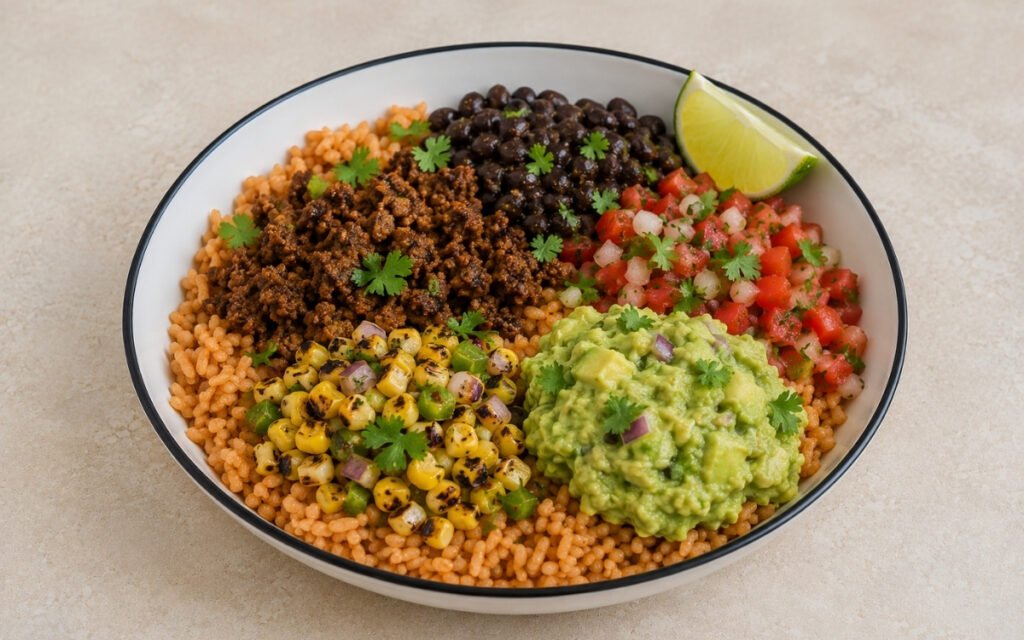
Beef Burrito Rice Bowl
Ground beef pressed flat in smoking cast iron, seared until deeply caramelised, then broken down and seasoned — over Mexican rice with spiced beans, pico, corn salad, guacamole, and cheese blend.
-
Soy Ginger Glaze
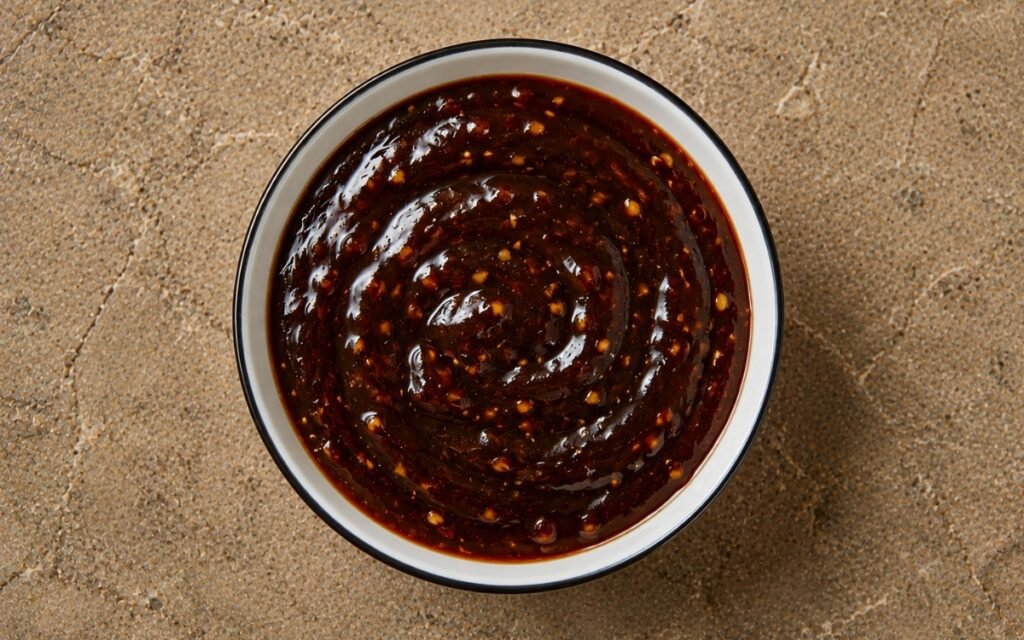
Glossy soy sauce, mirin, honey and fresh ginger reduce into a sticky 8-minute glaze for salmon, chicken and tofu.
-
Turkish Adana Kebab with Tomato Couscous
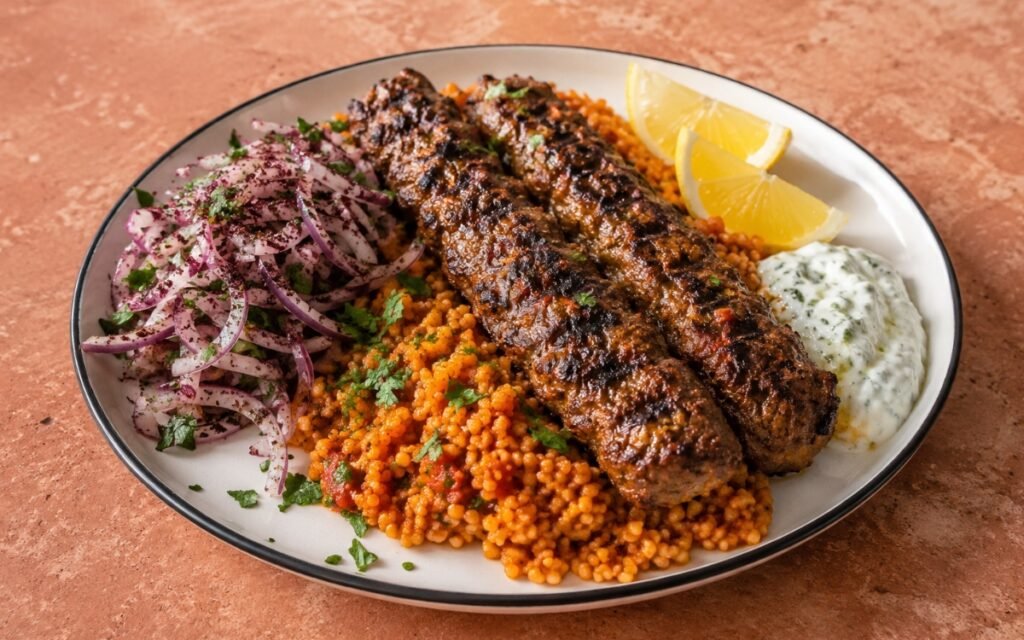
Charred ground lamb Adana kebabs with pul biber on flat skewers, served over spiced tomato couscous with sumac onions.
-
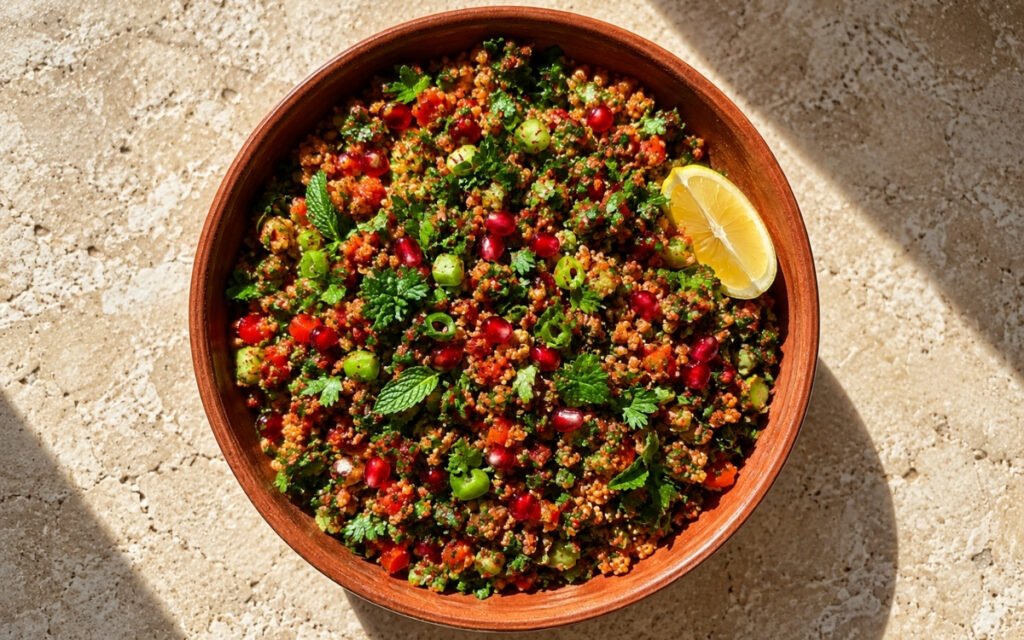
Turkish Bulgur Salad (Kısır)
Fine bulgur softened in hot water, worked with tomato paste, pepper paste, olive oil, lemon, and pomegranate molasses, finished with parsley, mint, and fresh vegetables.
-
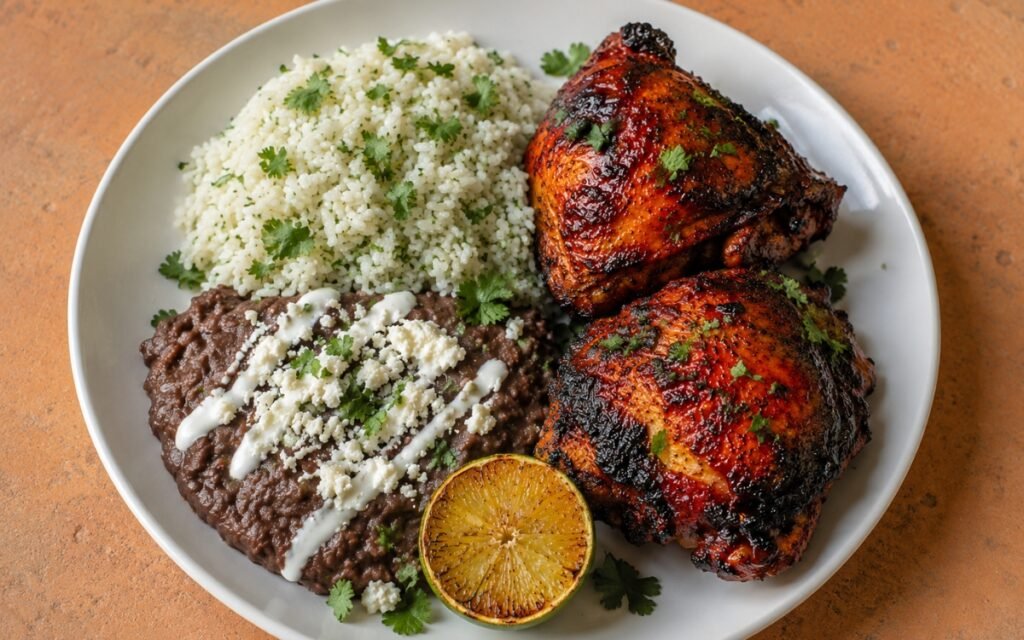
Pollo Asado with Rice and Beans
Bone-in chicken thighs marinated in achiote and citrus, grilled two-zone until deeply red and charred. Served with cilantro-lime rice and creamy black beans.
-
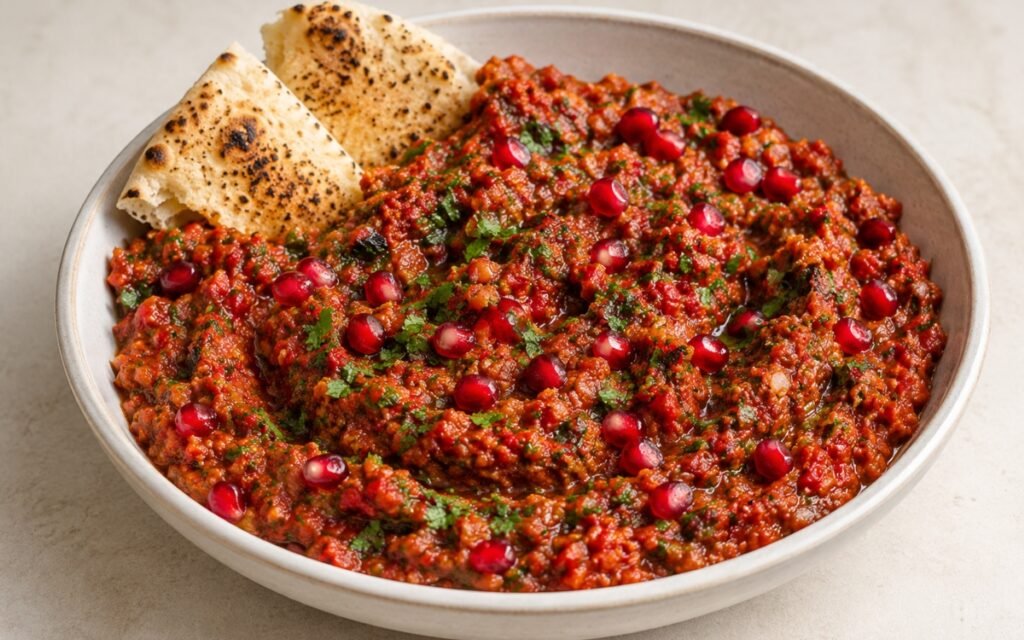
Turkish Ezme
Charred peppers, salt-drained tomatoes, bloomed tomato paste with pul biber and sumac, and pomegranate molasses — hand-chopped, rested 20 minutes. The Turkish condiment with layers a salsa cannot produce.