Traditional Moroccan Harira Soup
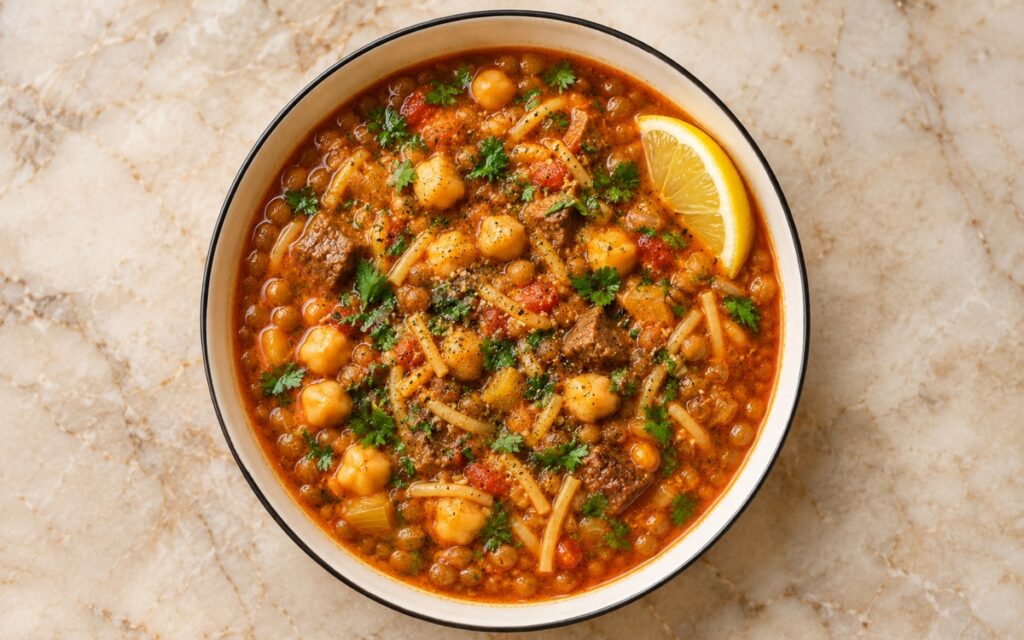
Traditional Moroccan harira is a rich, comforting tomato-based soup of small tender cubes of lamb shoulder, whole chickpeas, brown lentils, and short pieces of fine vermicelli, simmered with fresh tomatoes, celery, grated onion, cilantro, parsley, and warm ginger, turmeric, cinnamon, and pepper into a deep reddish-orange broth, then finished with fresh herbs, olive oil, and lemon wedges. Whisking flour into cold water as a smooth tedouira and stirring it slowly into the simmering soup, rather than adding dry flour or blending the legumes, is the technique this whole soup depends on for a silky, lightly coating body that keeps every chickpea, lentil, and noodle distinct — a lumpy or raw slurry leaves pasty pockets and a floury taste, the same cold-slurry principle used elsewhere in this collection whenever a soup must thicken without turning to paste. Adding the lentils and vermicelli in stages is what stops them from dissolving during the long chickpea simmer. Grating the onion and peeling the tomatoes is what lets the aromatics melt into the broth. The payoff is a harira with real, soulful depth — tender lamb, creamy chickpeas, soft lentils, and a bright, herbal, tomato-red broth.
- Prep Time : 30 min
- Total Time : 14 hr 45 min
- Servings : 4
Ingredients
For the Chickpeas and Lentils
- 120g dried chickpeas (approximately 280–300g after soaking and cooking)
- 90g dried brown or green lentils, rinsed and picked over
- 1.2 litres cold water, for soaking the chickpeas (discarded afterward)
For the Lamb and Aromatic Base
- 220g boneless lamb shoulder, trimmed and cut into small 1–1.5cm cubes
- 160g yellow onion (approximately 1 medium-large onion), finely grated or very finely minced
- 100g celery stalks (approximately 2 medium stalks), finely chopped
- 10g tender celery leaves, finely chopped
- 35ml extra virgin olive oil, divided (25ml for cooking, 10ml for finishing)
- 5g Moroccan smen (aged, fermented butter), optional but traditional
For the Tomato Broth
- 700g ripe red tomatoes (approximately 5–6 medium tomatoes), yielding approximately 600–650g prepared tomato pulp
- 35g concentrated tomato paste
- 1.4 litres water, divided into 1.1 litres for the initial simmer and 300ml for the second stage
- Up to 300ml additional hot water, only if necessary during simmering
For the Moroccan Spices and Herbs
- 5g ground ginger (approximately 2 teaspoons)
- 2g ground turmeric (approximately ¾ teaspoon)
- 1g ground cinnamon (approximately ½ teaspoon)
- 2g freshly ground black pepper (approximately 1 teaspoon)
- 0.1g saffron threads, optional
- 9g fine sea salt, divided (6g initially, 3g for final adjustment)
- 40g fresh cilantro (coriander leaves and tender stems), finely chopped, divided
- 35g fresh flat-leaf parsley (leaves and tender stems), finely chopped, divided
For the Traditional Tedouira (Flour Thickener)
- 45g all-purpose wheat flour
- 180ml cold water
For the Vermicelli
- 50g dried fine wheat vermicelli or angel hair pasta, broken into 2–3cm lengths
For Finishing and Serving
- Reserved 10g fresh cilantro, finely chopped
- Reserved 10g fresh flat-leaf parsley, finely chopped
- Reserved 10ml extra virgin olive oil
- 1 lemon, cut into 4 wedges
- Freshly cracked black pepper, for finishing
Directions
- Soak the Chickpeas
Pick over the 120g dried chickpeas for stones and damaged ones, put them in a large bowl, and cover them with 1.2 litres cold water so they are submerged by at least 5cm. Soak for about 12 hours, preferably overnight, refrigerating them if the kitchen is warm, then drain, discard the soaking water, and rinse well. For a more delicate harira, rub the chickpeas gently in a towel and rinse away the loosened skins, though complete removal is not essential. Keep the lentils separate and do not soak them. Full soaking is what lets the chickpeas cook through before the soup overreduces. - Prepare the Tomatoes, Aromatics, and Herbs
Score a shallow cross in each tomato, blanch them in boiling water for 30–45 seconds, and move them to cold water. Peel them, cut out the cores, chop, and blend briefly to a thick pulp, aiming for 600–650g. Grate the onion into a moist pulp, chop the celery stalks and leaves finely, and chop the cilantro and parsley with their tender stems, setting aside 10g of each for the garnish. Cut the lamb into even 1–1.5cm cubes, trimming silverskin and excess fat. Small, integrated aromatics are what melt into the broth rather than floating in it. - Build the Lamb and Spiced Tomato Base
Heat 25ml olive oil in a heavy 4–5 litre pot over medium heat, add the 220g lamb, and cook for 4–5 minutes until lightly golden outside, without a dark sear. Stir in the grated onion and cook for 4–5 minutes until soft, then add the ginger, turmeric, cinnamon, black pepper, 6g salt, and the saffron if using, stirring for 30–45 seconds until fragrant. Melt in the smen if using, add the tomato pulp, and cook uncovered for 5–7 minutes until the colour deepens to reddish-orange. Add the chickpeas and 1.1 litres water and bring to a boil, then simmer. Moderate browning is what keeps the lamb tender. - Simmer the Lamb and Chickpeas
Partially cover the pot and keep a gentle simmer over low to medium-low heat for about 65–85 minutes, stirring every 15–20 minutes and keeping the chickpeas and lamb submerged with 75–100ml hot water when needed. After about 60 minutes press a few chickpeas against a spoon. They should be about 85–90% cooked, firm enough to hold their shape with no chalky centre, and the lamb should give easily to a fork. Do not go by time alone and do not add flour or lentils yet. A gentle simmer is what avoids broken chickpeas and tough lamb. - Add the Lentils, Celery, Herbs, and Tomato Paste
Rinse the 90g lentils and drain them. Stir the 35g tomato paste into the remaining 300ml water until smooth, then add the lentils and the paste mixture to the pot, followed by the chopped celery and celery leaves, 30g cilantro, and 25g parsley. Stir so the lentils do not settle in a dense layer, bring back to a gentle simmer, and cook partially covered for 30–35 minutes, stirring every 8–10 minutes. Check after 25 minutes: the lentils should be tender but still round, the chickpeas creamy, and the lamb soft. Late lentils are what keep them from dissolving. - Prepare and Add the Tedouira
Put the 45g flour in a bowl and whisk in the 180ml cold water gradually until the slurry is completely smooth and free of lumps, sieving it if needed. With the soup at a steady gentle simmer, stir continuously and pour in about three-quarters of the tedouira in a thin stream, then stir for 60–90 seconds and simmer for 4–5 minutes. Add the remainder gradually only if the broth is still thin, and simmer at least 4–5 minutes more so the flour loses its raw taste. The soup should lightly coat a spoon. Cold water is what keeps the flour from lumping. - Add the Vermicelli and Finish the Soup
Break the 50g vermicelli into pieces 2–3cm long and stir them into the simmering soup so the strands do not clump. Cook for 4–6 minutes, stirring gently, until tender but still distinct, adding 30–60ml hot water at a time if the soup thickens too much. Taste and adjust with the remaining 3g salt, aiming for a savoury, aromatic soup with gentle warmth. Lower the heat, let it settle for about 2 minutes, stir once, and remove it from the heat. Do not boil it hard. Adding the noodles last is what stops them from swelling and turning mushy. - Assemble, Garnish, and Serve
Warm four generous bowls, stir the harira from the bottom of the pot, and ladle about 550–600ml into each bowl, making sure every serving has whole chickpeas and lentils, a few tender pieces of lamb, and short strands of vermicelli. Scatter the reserved 10g cilantro and 10g parsley over the bowls, add about 2.5ml olive oil and a crack of black pepper to each, and lean a lemon wedge against the rim with the cut flesh above the soup. Serve immediately and squeeze the lemon at the table. Fresh herbs and lemon are what brighten the long-simmered broth.
*Notes :
- Whisking the tedouira from cold water deserves genuine recognition as the technique most directly responsible for a silky, lightly coating body without lumps. The flour disperses evenly before it meets the heat and then cooks in 4–5 minutes in the simmering soup, whereas dry flour added straight to the pot clumps into pasty pockets and leaves a raw, floury taste.
- Adding the lentils and vermicelli in separate stages deserves the same attention this technique receives throughout this collection’s other mixed legume soups. Lentils cook far faster than soaked chickpeas and fine noodles faster still, so a late addition keeps each of them distinct, whereas adding everything at once turns the lentils to purée and the vermicelli to swollen, mushy strands.
- Grating the onion and peeling the tomatoes deserves genuine respect as the detail most directly responsible for an integrated, velvety broth. The soft grated onion dissolves into the cooking fat and the pulp loses its skins, whereas large chunks and loose tomato skin float as separate pieces and give a rougher soup with a less rounded flavour.
- Judging the chickpeas by texture deserves attention as a genuine, checkable cue rather than a reliance on the clock. The acidity of the tomato slows their softening, and older chickpeas take longer, so pressing a few against a spoon at about 60 minutes, and waiting for 85–90% tenderness, prevents lentils from being added to a pot of hard, chalky chickpeas.
Why This Recipe Works
This recipe works because the soup is built in stages that match the cooking time of each ingredient. A browned but tender lamb, grated onion, and a spiced tomato base give a flavourful broth, in which soaked chickpeas simmer slowly until nearly tender. Lentils, celery, and herbs join later, and a cold tedouira thickens the broth without lumps. The vermicelli goes in last so it stays distinct. The result is a silky, tomato-red soup in which every legume, noodle, and piece of lamb keeps its own character.
Ingredient Breakdown
Dried Chickpeas (120g)
The structural foundation — overnight soaking and a slow simmer give creamy centres that keep their shape.
Lamb Shoulder (220g)
The savoury base — small cubes of shoulder soften in the broth and give gentle, meaty depth to every spoonful.
Tomato Pulp and Paste
The broth foundation — fresh pulp gives brightness and the paste deepens the brick-red colour and the sweetness.
Tedouira (45g Flour)
The critical technique — a cold flour slurry thickens the soup into a silky, lightly coating body.
Brown Lentils and Vermicelli
The staged additions — lentils give earthy body and vermicelli adds tenderness, both entering late to stay distinct.
Cilantro, Parsley, and Lemon
The fresh finish — chopped herbs and a squeeze of lemon lift the long-simmered broth.
Flavor Structure Explained
This Moroccan harira follows a layered balance model:
- Savoury, meaty foundation (small cubes of lamb shoulder)
- Sweet, tangy depth (fresh tomato pulp and concentrated paste)
- Earthy, creamy body (chickpeas and brown lentils)
- Warm, aromatic spice (ginger, turmeric, cinnamon, black pepper, and optional saffron)
- Fresh, herbal brightness (cilantro, parsley, celery leaves, and lemon)
Small cubes of lamb shoulder give the soup its savoury, meaty foundation, while fresh tomato pulp and concentrated paste add a sweet, tangy depth to the broth. Chickpeas and lentils contribute an earthy, creamy body, and ginger, turmeric, cinnamon, and pepper bring warm, aromatic spice without heat. Cilantro, parsley, celery leaves, and lemon finish with a fresh herbal brightness that ties this harira together.
Common Mistakes to Avoid
- Adding Dry Flour to the Pot – This forms lumps and leaves a raw, floury taste. Always whisk the flour into cold water first and stir the slurry in slowly.
- Adding Everything at Once – This turns the lentils to purée and the noodles to mush. Always add the lentils after the chickpeas and the vermicelli at the very end.
- Skipping the Soak – This leaves the chickpeas hard after the lamb is tender. Always soak them for about 12 hours and discard the soaking water.
- Burning the Spices – This adds bitterness that grows during the long simmer. Always stir the ginger, turmeric, and cinnamon for only 30–45 seconds over medium-low heat.
- Boiling the Soup Hard – This breaks the chickpeas, toughens the lamb, and reduces the broth too fast. Always keep a gentle simmer and add hot water when needed.
Variations
Peeled Chickpea Version
Rub the soaked chickpeas in a towel and rinse away the loosened skins, which gives a more delicate, smoother texture in the finished soup though complete removal is not necessary.
Saffron Version
Crush the optional 0.1g saffron threads and add them with the spices, which gives the broth a subtle floral aroma and a slightly deeper golden tone beneath the tomato.
Smen Version
Melt the optional 5g Moroccan smen into the spices before adding the tomatoes, which adds a savoury, slightly pungent depth, and omit it entirely when authentic smen is unavailable.
Passata Version
Use a good plain tomato passata of the same prepared weight if fresh tomatoes are pale or watery, which gives a similar flavour and colour though slightly less fresh brightness.
Storage & Make-Ahead
The soup base of lamb, chickpeas, lentils, tomatoes, and herbs can be prepared up to 2 days ahead and refrigerated promptly, which lets the flavours settle before the thickener goes in.
For the best texture, add the tedouira and the vermicelli only when reheating the soup for serving, because the noodles keep absorbing liquid and swell if they sit in the pot.
Cool leftovers rapidly and refrigerate them in covered containers at 4°C or below for up to 3 days, reheating them gently until thoroughly hot and stirring regularly.
Loosen the soup with small amounts of water when reheating, since the lentils, flour, and vermicelli continue to thicken it as it stands and the broth turns dense in the fridge.
Soak the chickpeas the evening before cooking, since the 12 hours of soaking is the longest part of the process, and the soaked chickpeas can wait in the refrigerator.
Frequently Asked Questions
Why is the thickener mixed with cold water first?
Whisking the flour into cold water disperses it evenly before it meets the heat, so it thickens the soup smoothly, whereas dry flour clumps into pasty pockets and tastes raw.
Why are the lentils and vermicelli added later?
Lentils cook much faster than soaked chickpeas and fine vermicelli cooks fastest, so adding them in stages keeps each one distinct instead of dissolving into the broth during the long simmer.
Why are the onion and tomatoes grated and peeled?
A grated onion and peeled, blended tomatoes melt into the broth for a silky body, while large pieces and loose skins float as rough bits and give a less integrated soup.
Why are the chickpeas soaked for 12 hours?
Full hydration lets them cook through in the tomato broth, whose acidity slows softening, whereas unsoaked chickpeas stay hard after the lamb is tender and lengthen the cooking considerably.
Are there other classic legume, lamb, or Moroccan dishes worth trying?
Red Lentil Dal Tadka, Chana Masala, and Traditional Turkish Kuru Fasulye all offer other classic lentil, chickpea, and bean directions worth exploring. Rogan Josh Lamb Curry is also worth trying for another slow-cooked lamb dish in a spiced tomato sauce, while Vibrant Moroccan Carrot Salad is a Moroccan salad for the same table.
Nutrition Facts
( Per Serving — 1 bowl )
- Calories
- ~550 kcal
- Protein
- 28 g
- Fat
- 20 g
- Carbs
- 65 g
-

Caldo Tlalpeño
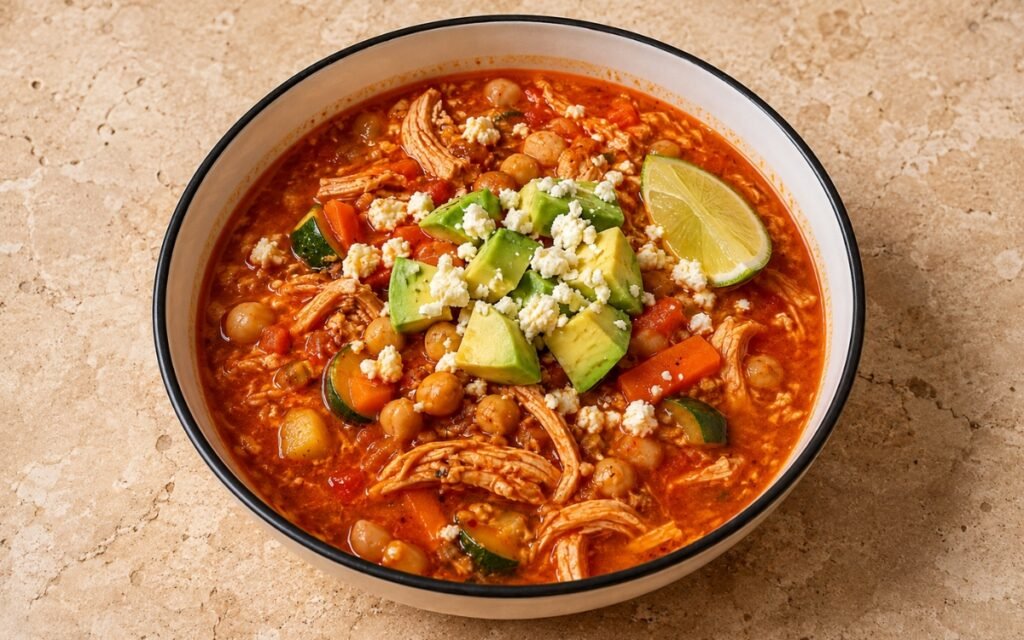
A clear chipotle-tomato chicken broth with shredded chicken, chickpeas, carrots, and zucchini, finished with avocado and queso fresco.
-
Chana Masala
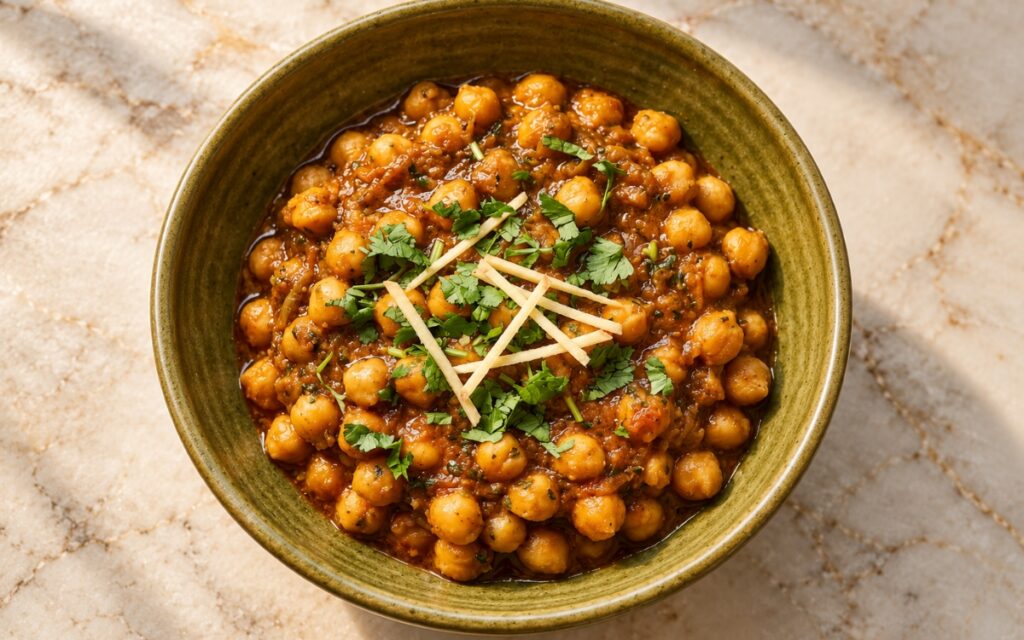
Classical-style chana masala with chickpeas simmered in a thick, glossy onion-tomato masala, finished with cilantro and ginger matchsticks.
-
Caldo de Res
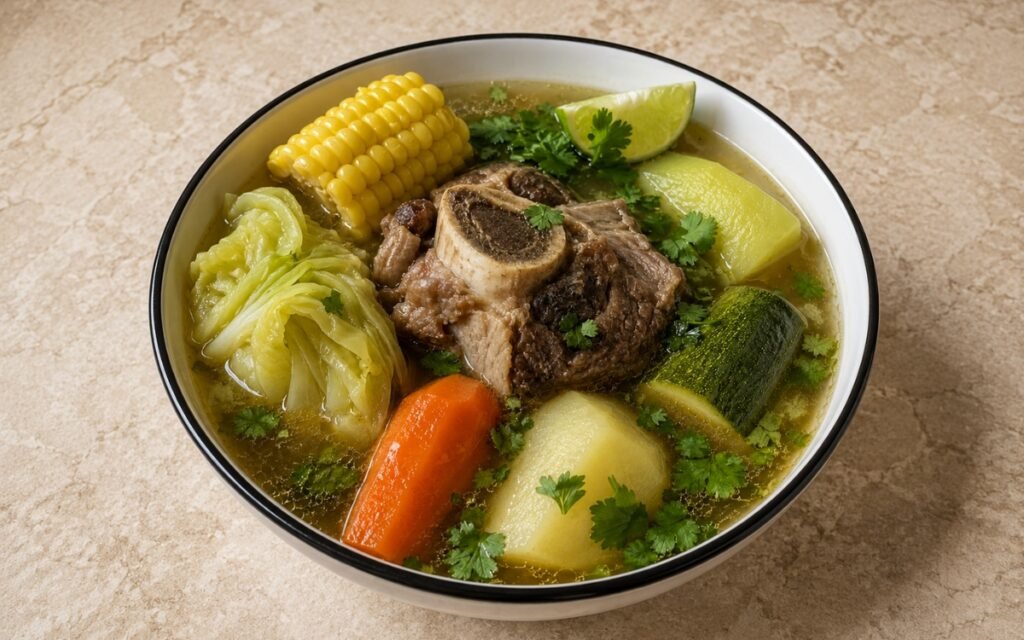
A clear, golden Mexican beef soup with gently simmered beef shank and large, staged vegetables — corn, potato, carrot, chayote, zucchini, and cabbage.
-
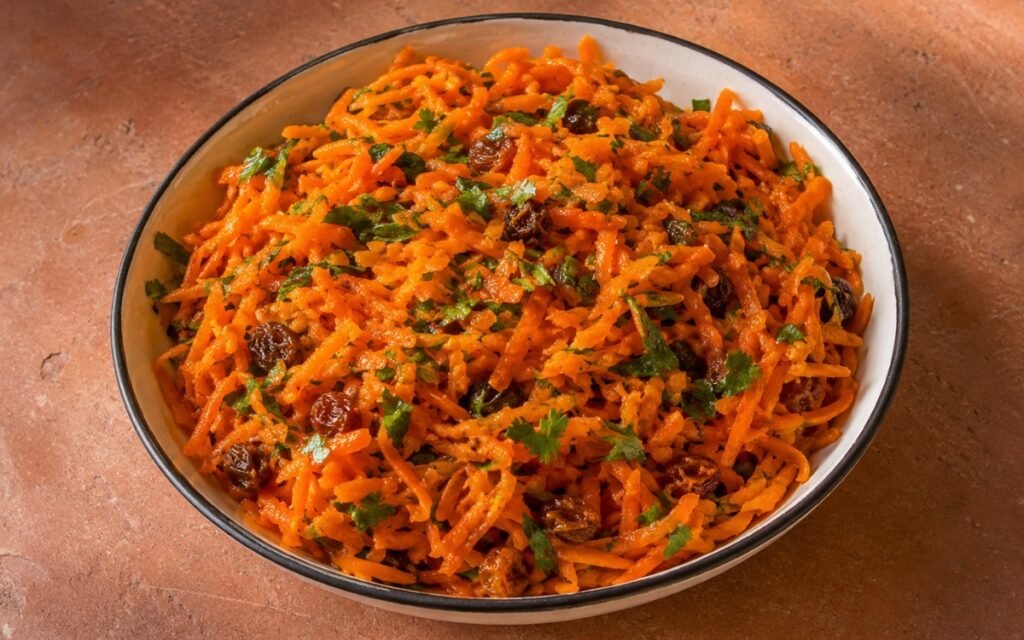
Vibrant Moroccan Carrot Salad
Grated carrots with warm spices, fresh herbs, raisins, and almonds in a zesty lemon dressing.
-
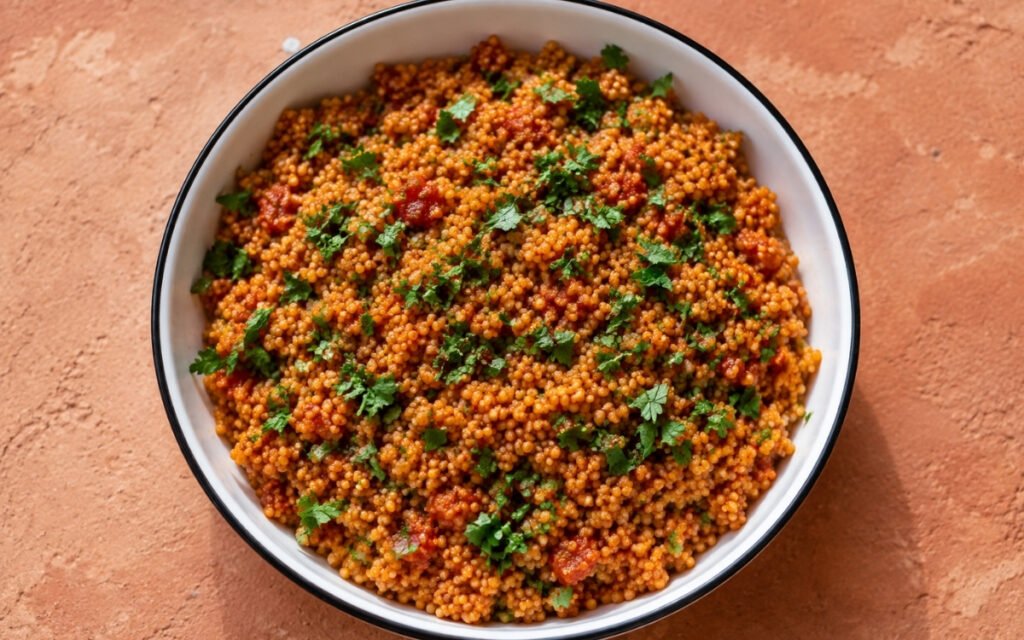
Moroccan-Style Tomato Couscous
Golden, fragrant couscous with bloomed Moroccan spices and tomato-garlic broth — a 15-minute side dish and versatile bowl base.
-
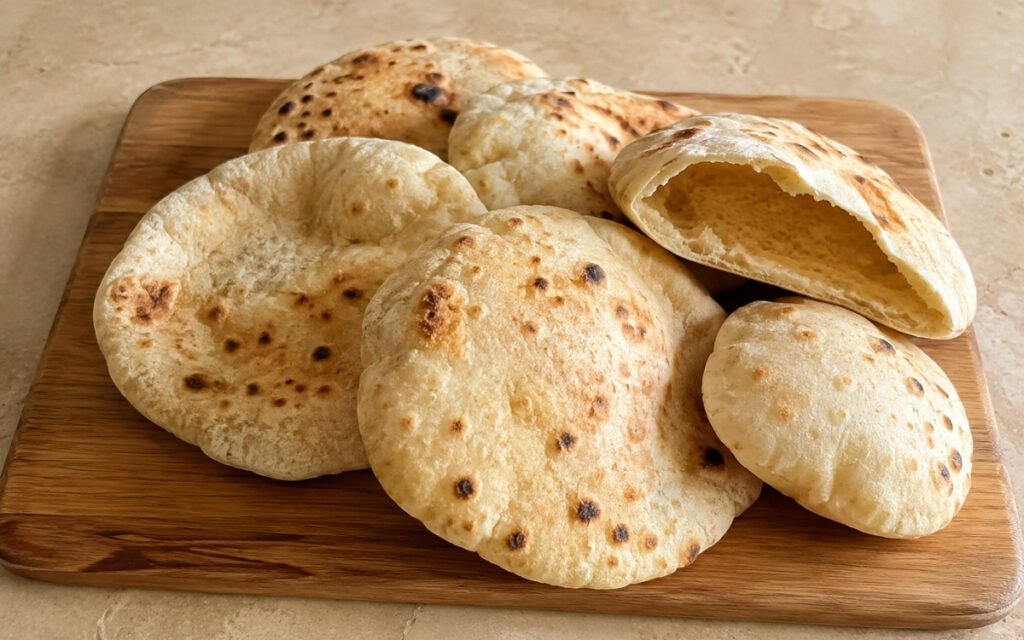
Homemade Pita Flatbread
Properly kneaded, evenly rolled, and cooked on a scorching surface — soft, pocket-forming pita flatbread in 2 hours, with oven and cast iron methods explained step by step.