Traditional Mexican Chile Colorado
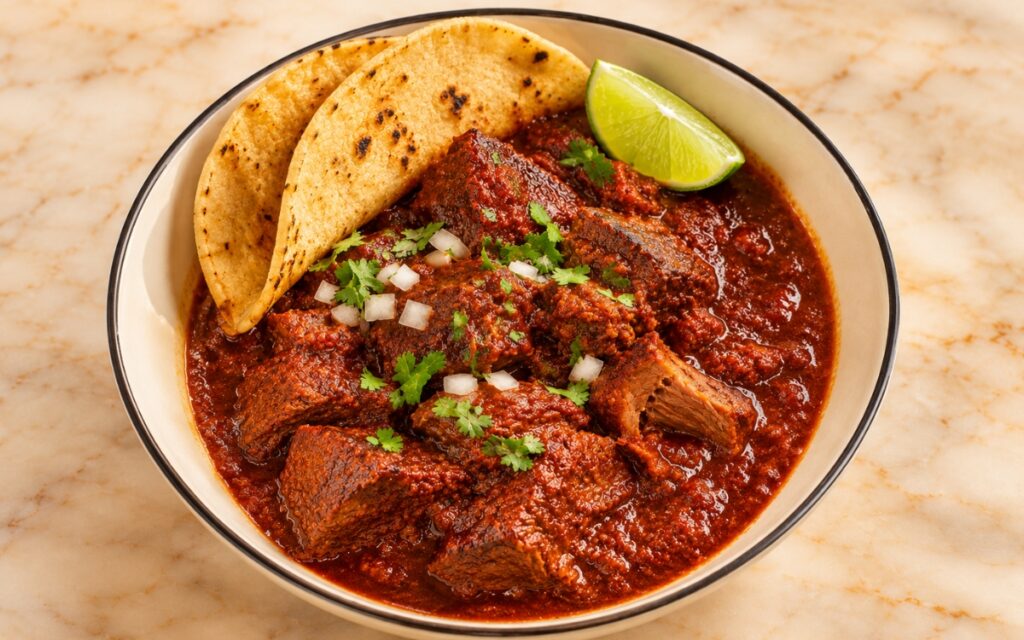
Traditional Mexican chile colorado, carne con chile colorado, is a deeply savoury beef stew of 32–36 irregular cubes of seared beef chuck braised in a velvety, dark crimson sauce of toasted and rehydrated guajillo and ancho chiles, blended with onion, garlic, cumin, and Mexican oregano, then strained and fried before it meets the meat. Frying the strained chile purée in a little oil until it darkens and turns glossy, rather than stirring it raw into the stock, is the technique this whole stew depends on for a rounded, savoury sauce — a raw purée leaves a sharp, vegetal edge that hours of braising never fully remove, the same cook-the-raw-edge-off principle used elsewhere in this collection whenever a blended dried-chile base goes into a braise. A very brief toast of 5–10 seconds per side is what wakes the chile aroma without the scorched bitterness that no braise can correct. A barely bubbling simmer is what melts the collagen in the chuck into gelatin, so the pieces turn fork-tender while keeping their chunky shape. The payoff is a chile colorado with real, concentrated depth — glossy brick-red gravy clinging to deeply browned, tender beef, freshened with raw white onion, cilantro, lime, and warm corn tortillas.
- Prep Time : 35 min
- Total Time : 4 hr
- Servings : 4
Ingredients
For the Beef
- 1.6kg boneless beef chuck, trimmed of tough exterior silverskin, cut into 32–36 substantial irregular cubes about 3–4cm across
- 12g fine sea salt
- 2g freshly ground black pepper
- 35ml neutral cooking oil or rendered pork lard, for searing, divided between batches
For the Dried Red Chile Colorado Sauce
- 80g dried guajillo chiles (about 10–12 medium-large chiles, weighed before removing stems and seeds)
- 45g dried ancho chiles (about 4–6 chiles, weighed before removing stems and seeds)
- 180g white onion (about 1 medium-large onion), roughly chopped
- 25g garlic (about 6 large cloves), peeled
- 3g ground cumin (about 1½ tsp)
- 2g dried Mexican oregano (about 2 tsp), lightly crushed
- 2 dried bay leaves
- 850ml unsalted or low-sodium beef stock, divided (500ml for blending the chile sauce, 350ml for braising)
- 15ml neutral cooking oil or rendered pork lard, for frying the chile sauce
- 6g fine sea salt, reserved for seasoning the sauce and the final adjustment
- 150–250ml additional hot water, only if needed during braising or the final consistency adjustment
For Finishing and Serving
- 8 small corn tortillas, about 11–12cm in diameter (2 per serving)
- 60g fresh white onion, finely diced into 3–4mm cubes
- 20g fresh cilantro, leaves and tender stems, roughly chopped, with a few small whole leaves reserved for garnish
- 1 fresh lime, cut into 4 wedges
Directions
- Toast and Rehydrate the Chiles
Remove the stems from the 80g guajillo and 45g ancho chiles, slit each lengthwise, open it flat, and shake out the seeds and most of the thick veins before tearing the chiles into flat pieces 5–8cm long, discarding any that smell musty or show mould. Heat a dry cast-iron skillet over medium-low heat and, working in small batches, press the pieces against it for 5–10 seconds per side until fragrant and slightly more flexible but never blackened. Drop each batch into a heatproof bowl, cover with about 1 litre of freshly boiled water, weigh them down with a small plate, and soak for 20–25 minutes. Brief toasting is what keeps the sauce free of burnt bitterness. - Cut, Dry, and Sear the Beef
While the chiles soak, trim the silverskin and any hard fat from the 1.6kg chuck, leave the small seams of connective tissue, and cut it into 32–36 irregular cubes of 3–4cm, about 45–50g each. Pat them thoroughly dry on a paper-towel-lined tray and season with 12g salt and 2g pepper. Heat about 10ml of the 35ml oil in a 26–28cm Dutch oven over medium-high heat until shimmering, add a quarter of the beef with space between the pieces, and leave it for 2–3 minutes until it releases. Turn and brown for 3–4 minutes more, then repeat in three batches, keeping every juice. Dry meat and an uncrowded pot are what give a dark crust instead of grey steamed beef. - Soften the Onion and Garlic
Lower the heat to medium and add the 180g chopped white onion to the beef drippings, adding a spoonful of the 15ml sauce oil if the pot is nearly dry. Cook for 5–6 minutes, stirring and scraping, until the onion is soft and translucent with a few light golden edges, then add the 25g garlic for 45–60 seconds until fragrant. Pour in 50ml of the 350ml braising stock, scrape the bottom until the browned fond dissolves, let it bubble for 30 seconds, and tip everything into a blender. Dissolving the fond is what carries the roasted beef flavour into the sauce. - Blend and Strain the Sauce
Drain the softened chiles, discard the soaking water, and add them to the blender with the cooked onion mixture, 500ml of the beef stock, 3g cumin, and 2g crushed Mexican oregano, blending in batches if the contents are very hot. Run at low speed, then high, for about 90 seconds and 30–60 seconds more until a thick, smooth, brick-red purée forms. Press it through a fine-mesh strainer with a flexible spatula, discarding the skins and seed fragments, and loosen with a little of the remaining stock only if it will not pass. Straining is what removes the leathery guajillo skins that blending alone leaves behind. - Fry the Chile Sauce
Return the Dutch oven to medium heat, add the remaining 10–15ml oil, and heat until it shimmers. Pour in the strained purée carefully, because it will spit, and stir at once to spread the oil through it. Cook it uncovered at an active but controlled simmer for 7–10 minutes, stirring often and scraping the base, until the sauce darkens to a glossy crimson-mahogany, smells savoury rather than raw, and leaves a brief trail behind the spatula. Stir in 4g of the 6g salt and keep the rest for the end. Frying is what concentrates the sauce and softens its raw chile edge before the beef goes in. - Braise the Beef Gently
Return all the seared beef and its tray juices to the pot, turn the pieces through the sauce, and add the remaining 300ml stock and the 2 bay leaves so the sauce reaches halfway to two-thirds of the way up the meat. Bring to a gentle simmer, reduce to low, cover tightly, and braise for about 2 hours 30 minutes, checking every 25–30 minutes, turning a few pieces gently, and adding 50–75ml hot water if the sauce tightens too much. Start testing at 2 hours: the beef is ready when a fork slides in easily but the cubes still hold their shape. A barely bubbling simmer is what dissolves the collagen without shredding the meat. - Reduce and Finish the Sauce
Remove the bay leaves and lift off the lid. If the sauce already coats a spoon generously, proceed to seasoning, but if it is thin, move the tender beef with a wide slotted spoon to a warm dish, cover it loosely, and simmer the sauce uncovered over medium-low heat for 10–20 minutes, stirring and scraping the base, until a spoon leaves a brief trail. Return the beef and its juices, fold gently over low heat for 2–3 minutes, add the last 2g salt to taste, loosen with 15–30ml hot water if needed, and rest for 5 minutes. Reducing without the beef is what keeps the pieces whole. - Warm the Tortillas and Prepare the Garnishes
While the sauce reduces, dice the 60g fresh white onion into 3–4mm cubes, rinsing and drying it only if it is unusually sharp, and chop the 20g cilantro, reserving a few small whole leaves. Cut the lime into 4 wedges and keep every garnish separate. Heat a dry comal or heavy skillet over medium-high heat and warm the 8 tortillas two at a time for 30–45 seconds per side until pliable, lightly puffed, and spotted with golden-brown toast, then wrap them in a clean cloth. Warming them dry and keeping them wrapped is what leaves them soft enough to fold and scoop. - Assemble and Serve
Stir the stew very gently, then divide it among 4 warm shallow bowls, arranging 8–9 beef pieces in each with some browned surfaces left above the sauce. Spoon the glossy gravy around and over them, scatter about 15g diced onion and 5g cilantro over the centre of each bowl with a few whole leaves, and set a lime wedge against the rim. Fold 2 warm tortillas into semicircles along one side, keeping them mostly out of the sauce, and spoon a little more gravy over any pale pieces before serving at once. Keeping the garnish restrained is what lets the browned beef and the dark chile gravy stay the centre of the bowl.
*Notes :
- Frying the strained chile purée deserves genuine recognition as the technique most directly responsible for a sauce that tastes rounded rather than raw. The heat and oil cook out the sharp, vegetal edge of the dried chiles and concentrate the colour, whereas a purée stirred in unfried tastes flat and harsh, and no length of braising fully repairs it.
- Toasting the chiles for only 5–10 seconds per side deserves the same attention this technique receives throughout this collection’s other dried-chile sauces. The thin skins scorch within seconds, and burnt chile gives a persistent bitterness that a long braise concentrates rather than softens, so moving each batch straight into the water is the safeguard.
- Braising at a barely bubbling simmer deserves genuine respect as the detail most directly responsible for tender beef that still looks like cubes. Vigorous boiling tightens the muscle fibres and shreds the meat before the connective tissue has melted, whereas a low, steady simmer turns the collagen to gelatin and also thickens the sauce naturally.
- Testing the beef from about 2 hours deserves attention as a genuine, checkable readiness cue rather than a clock-based approximation. Chuck varies in connective tissue and piece size, so the fork should slide in easily while the cubes stay whole, and any pieces that still resist need more time at the same gentle heat, never a hotter simmer.
Why This Recipe Works
This recipe works because every stage builds flavour without adding bitterness or flour. Deeply seared chuck leaves a fond that is dissolved into the onion and garlic, which are then blended with briefly toasted guajillo and ancho and strained smooth. Frying that purée removes its raw edge before a long, gentle braise turns the collagen into gelatin that thickens the gravy. Reducing the sauce without the beef keeps the cubes intact. The result is a glossy, brick-red chile gravy over fork-tender, recognisable pieces of beef.
Ingredient Breakdown
Guajillo and Ancho Chiles (80:45)
The flavour foundation — guajillo gives the bright red colour and tangy earthiness, ancho adds darker, mellow, fruity depth.
Beef Chuck (1.6kg)
The structural centrepiece — its connective tissue melts into gelatin during the braise, leaving juicy pieces and a naturally body-rich gravy.
Frying the Chile Purée
The critical technique — cooking the strained purée in oil for 7–10 minutes darkens it and removes its raw, vegetal edge.
Straining the Sauce
The critical finishing step — pressing the blended chiles through a fine mesh removes tough skins and gives a silky, velvety gravy.
Onion, Garlic, Cumin, and Oregano
The aromatic base — softened onion and garlic with Mexican oregano and cumin support the chiles without overpowering them.
Fresh Onion, Cilantro, and Lime
The finishing contrast — raw, bright garnishes cut through the rich sauce and are served alongside rather than cooked in.
Flavor Structure Explained
This Mexican chile colorado follows a layered balance model:
- Earthy, fruity foundation (guajillo and ancho chiles)
- Rich, savoury body (seared beef chuck, fond, and gelatin)
- Sweet, aromatic base (white onion and garlic)
- Warm, herbal accent (cumin, Mexican oregano, and bay)
- Fresh, sharp finish (raw white onion, cilantro, and lime)
Guajillo and ancho give chile colorado its earthy, fruity foundation, while the seared chuck and its melted gelatin add a rich, savoury body that makes the gravy cling. Softened onion and garlic provide a sweet, aromatic base beneath the chiles, and cumin, Mexican oregano, and bay leaf lend a warm, herbal accent. Raw onion, cilantro, and a squeeze of lime then cut across it all with a fresh, sharp finish that ties this chile colorado together.
Common Mistakes to Avoid
- Burning the Chiles – This brings a harsh, persistent bitterness that braising cannot remove. Always toast them only 5–10 seconds per side over medium-low heat until fragrant and still red.
- Skipping the Strainer – This leaves tough guajillo skins that make the gravy gritty and leathery. Always press the blended purée through a fine-mesh strainer and discard the solids.
- Crowding the Pot While Searing – This steams the beef into grey, pale cubes without a crust. Always sear in four batches with space between the pieces and patted-dry surfaces.
- Boiling the Braise Hard – This tightens the fibres and shreds the beef before the collagen melts. Always keep the simmer barely bubbling and test with a fork from 2 hours.
- Reducing the Sauce With the Beef In – This breaks the tender cubes apart as the gravy thickens. Always lift the beef out, reduce the sauce alone, then fold the meat back in.
Variations
Oven Braise Version
Cover the Dutch oven and braise at 155–160°C conventional for about 2½–3 hours, checking the sauce level and fork-tenderness, which gives very even heat without stirring and the same intact cubes.
Northern Chile Version
Replace part or all of the guajillo by weight with dried chile colorado or New Mexico chiles if available, which gives a regionally northern character, while avoiding chipotle as the main chile because its smoke would dominate.
Tortilla Filling Version
Serve the finished meat and gravy as a filling for warm corn tortillas or burritos with the same raw onion and cilantro, which makes the stew a simpler handheld meal.
Short Rib or Brisket Version
Use boneless short rib meat or brisket instead of chuck, adjusting the braising time and fat as needed, and avoid lean cuts such as eye of round, which dry out.
Storage & Make-Ahead
The stew can be made 1–2 days ahead, cooled promptly, and refrigerated in shallow airtight containers at 4°C or below, when the natural gelatin may set the sauce into a firm, spoonable jelly.
Refrigerate cooked leftovers promptly and use them within 3–4 days, keeping the fresh onion, cilantro, lime, and tortillas separate and preparing them just before serving.
Freeze the cooled stew in airtight containers for up to 3 months for best quality, and thaw frozen portions overnight in the refrigerator before reheating.
Reheat over low to medium-low heat, stirring gently so the beef pieces do not break, until the stew is steaming throughout and reaches about 74°C.
If the sauce has thickened in storage, loosen it with a small splash of water or unsalted beef stock until it again coats the meat in a glossy, flowing gravy.
Frequently Asked Questions
Why is the chile purée fried before the beef goes back in?
Cooking the strained purée in hot oil darkens it, concentrates it, and removes the raw, vegetal edge of dried chile, whereas an unfried purée leaves a flat, sharp sauce that braising cannot fully fix.
Why are the chiles toasted for only 5–10 seconds per side?
Dried chile skins are thin and scorch within seconds, and burnt chile adds a lasting bitterness, so a very short toast only wakes the aroma and leaves the sauce clean and fruity.
Why is the sauce strained after blending?
Guajillo skins stay fibrous even in a powerful blender, so pressing the purée through a fine mesh removes them and gives the silky, velvety gravy that coats each cube of beef evenly.
Why is the beef lifted out while the sauce reduces?
Tender chuck breaks apart if it keeps simmering, so removing it protects the large, recognisable pieces while the gravy thickens until it leaves a brief trail behind a spoon.
Are there other classic Mexican stew, dried-chile, or corn tortilla dishes worth trying?
Mole de Olla is another classic Mexican beef stew flavoured with dried chiles, and Birria Tacos with Consommé (Quesabirria) and Pork Chile Verde are also worth trying for other slow-braised Mexican meats in a chile sauce. Pozole Rojo offers a red chile stew in the same direction, while Homemade Corn Tortillas is worth making as the warm tortillas that suit a bowl of chile colorado.
Nutrition Facts
( Per Serving )
- Calories
- ~1250 kcal
- Protein
- 76 g
- Fat
- 74 g
- Carbs
- 48 g
-

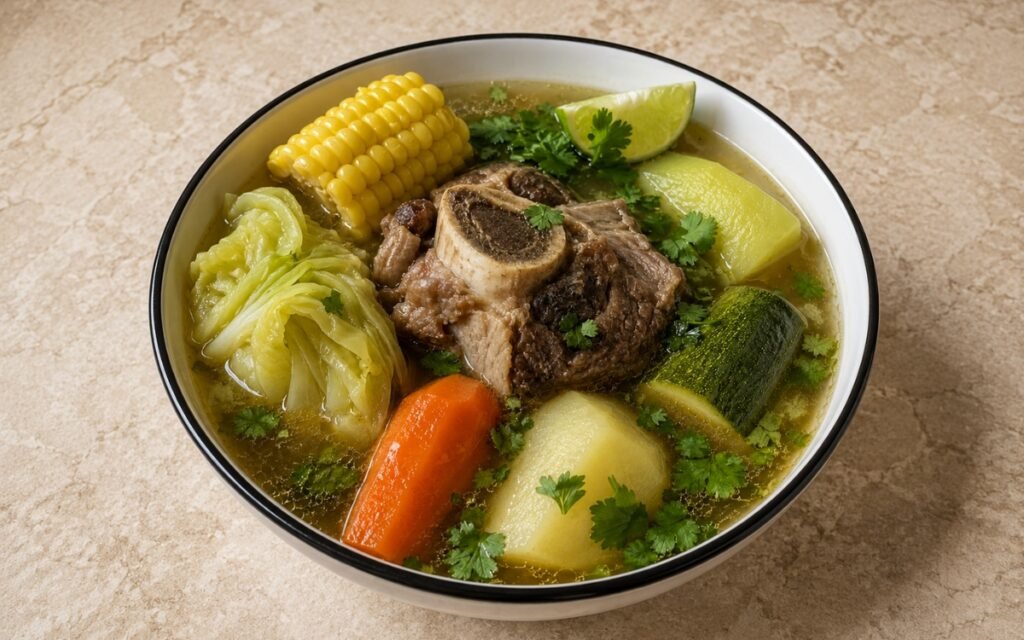
Caldo de Res
A clear, golden Mexican beef soup with gently simmered beef shank and large, staged vegetables — corn, potato, carrot, chayote, zucchini, and cabbage.
-
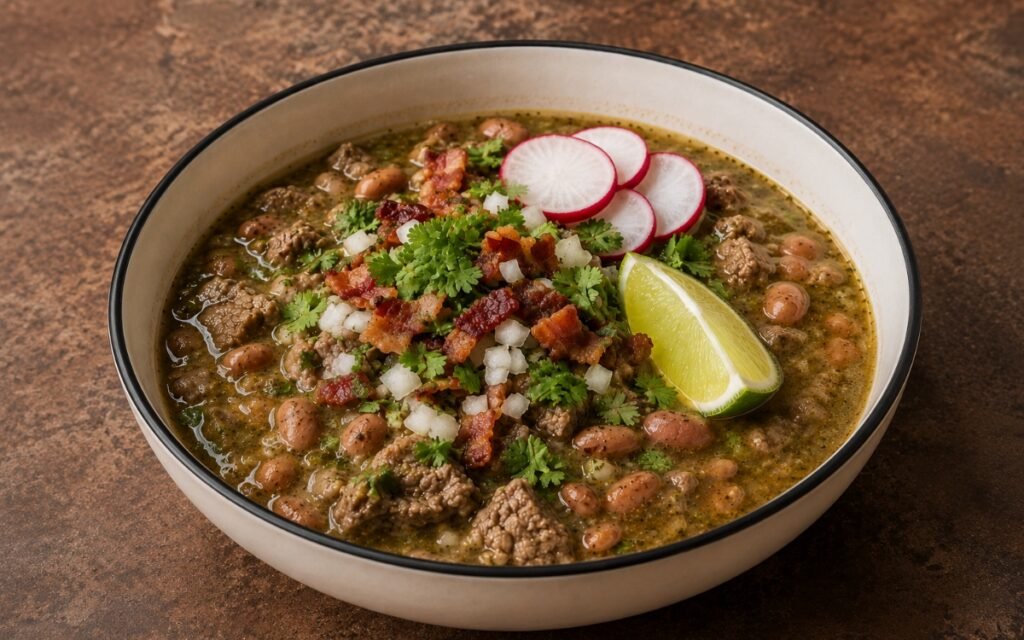
Carne en su Jugo
Finely chopped, batch-browned beef simmered briefly in a savory tomatillo broth with pinto beans, topped with crispy bacon and fresh garnishes.
-
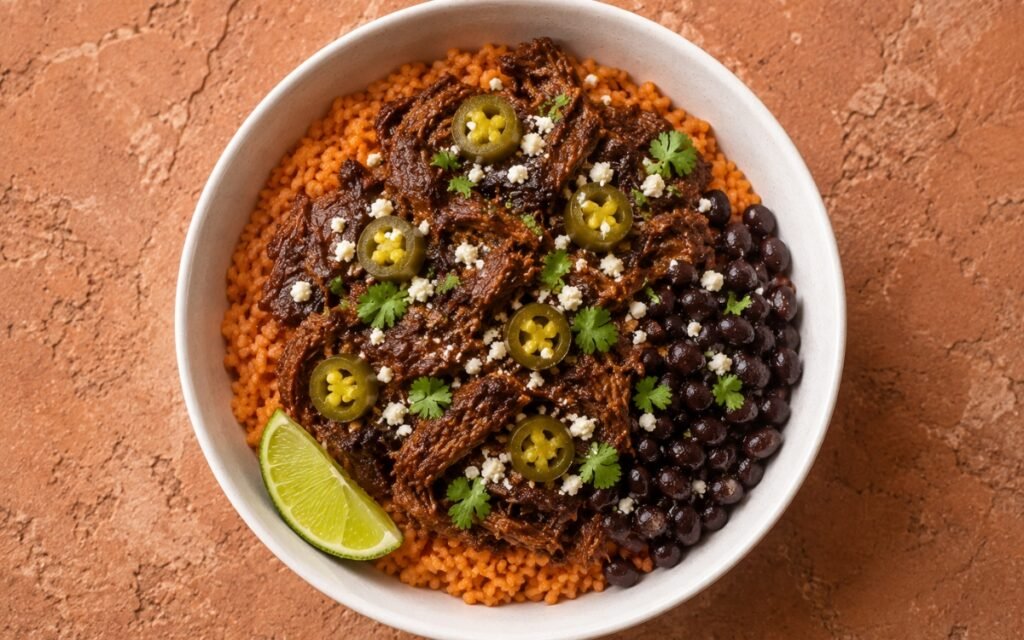
Mexican Barbacoa Rice Bowl
Beef chuck braised in a toasted chile sauce until tender, shredded and reduced until glossy, served over toasted tomato rice with whole black beans and cotija.
-
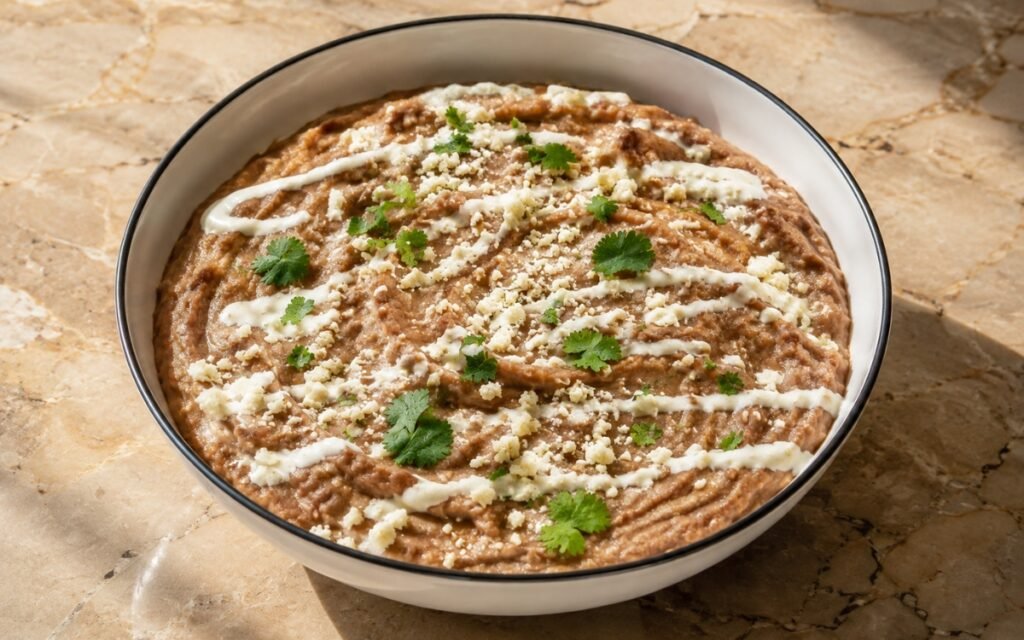
Refried Beans
Creamy pinto beans simmered slowly, mashed and fried in lard with onion and garlic until glossy and spreadable.
-
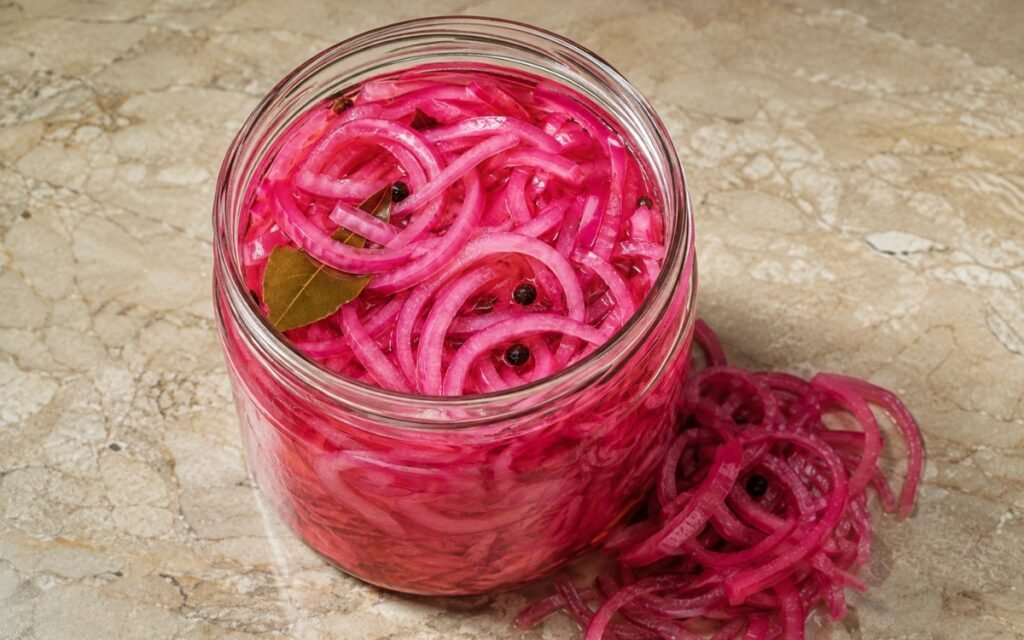
Pickled Red Onion
Thin, evenly sliced red onion pickled in a bright vinegar-lime brine with bay leaf, peppercorns, and coriander seeds.
-
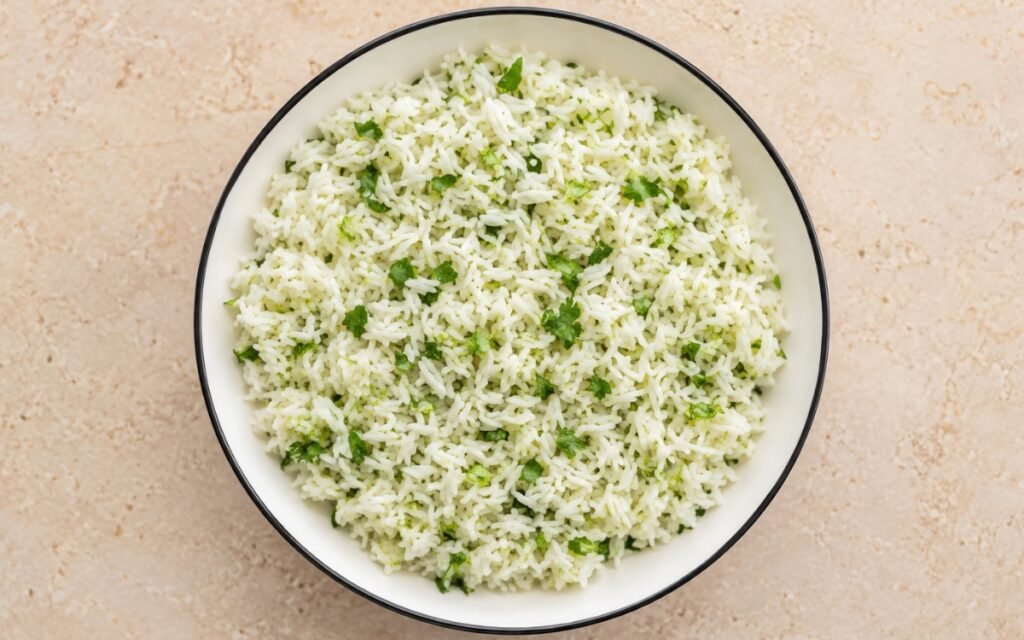
Cilantro Lime Jasmine Rice
Fragrant jasmine rice brightened with fresh lime juice and cilantro for a zesty, aromatic side.