
Flank Steak & Mango Salsa Rice Bowl
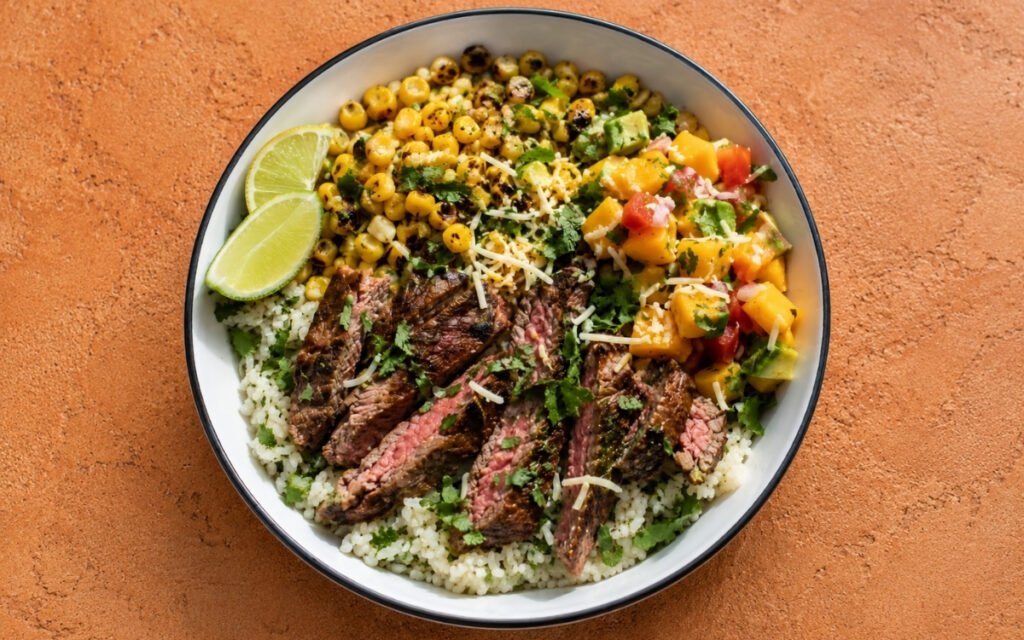
This is a bowl that delivers on every level — charred, juicy flank steak sliced into bite-sized pieces over fragrant cilantro lime jasmine rice, topped with sweet-sharp mango salsa, smoky charred corn with lime, and shredded Mexican cheese. Bright, bold, and built for weeknights when you want something that looks and tastes like a restaurant meal without the effort to match. Everything comes together in under an hour with a smart cooking order that keeps the whole process flowing.
Prep Time : 5 min
Cook Time : 50 min
Servings : 4
5 min
50 min
4
Ingredients
For the Flank Steak (adapted from the Pan-Seared Skirt Steak method)
• 800g flank steak
• 30ml olive oil
• ½ cup (120 ml) water
• 30g unsalted butter — this one on Amazon
• 4 garlic cloves, smashed
• 4 sprigs fresh thyme
Steak Seasoning
• 8g fine sea salt
• 4g freshly ground black pepper
• 4g garlic powder
• 3g smoked paprika
For the Cilantro Lime Jasmine Rice (shortened — full recipe here)
• 240g jasmine rice
• 420ml water
• 4g salt
• 12ml vegetable oil
• 36ml fresh lime juice
• 24g fresh cilantro, chopped
• 8g unsalted butter
• 2g lime zest
For the Charred Corn
• 2 fresh corn cobs
• Juice of 1 lime
• 10g fresh cilantro, roughly chopped
• Salt and freshly ground black pepper to taste
For the Mango Salsa
• 1 large ripe mango (about 300g flesh), cut into 5mm cubes
• 1 medium ripe tomato (about 150g), cut into 5mm cubes
• ½ medium red onion (about 80g), finely diced
• 1 whole ripe avocado (about 180g flesh), cut into 5mm cubes
• Juice of 1 lime
• 15ml extra-virgin olive oil
• 3g garlic powder
• Salt and freshly ground black pepper to taste
• 10g fresh cilantro, chopped
To Assemble
• 100g Mexican-style shredded cheese blend, 25g per serving
• 2 limes, cut into wedges (2 wedges per serving)
• Large handful fresh cilantro, chopped, for heavy garnish
• Optional: green Tabasco or hot sauce of choice, to drizzle
This post may contain affiliate links. As an Amazon Associate I earn from qualifying purchases, at no additional cost to you.
Directions
- Start the Rice
Rinse 240g jasmine rice under cold running water for 2–3 minutes until completely clear, then drain thoroughly. In a medium saucepan over medium heat, combine the rinsed rice, 420ml cold water, 4g salt, and 12ml vegetable oil. Bring to a boil over high heat, then immediately reduce to the lowest possible heat, cover tightly, and simmer for 15 minutes without lifting the lid at any point. Remove from heat and rest covered for 5 minutes — do not skip this step, it is part of the cooking process and equalizes moisture throughout the pot. After resting, fluff gently with a fork, then fold in the lime juice, chopped cilantro, butter, and lime zest. The butter should melt immediately into the warm rice. The lime juice goes in off-heat — acid added during cooking tightens the grains and dulls the citrus freshness. The full technique is explained in the Cilantro Lime Jasmine Rice recipe. Keep covered and warm. - Char the Corn
While the rice cooks, prepare the corn. The goal here is char and character — not fully cooked, soft corn, but crunchy kernels with visible char marks and a smoky edge. There are three ways to achieve this: directly over a gas hob flame holding the cob with tongs and rotating until charred in spots all over, about 3–4 minutes; under a very hot broiler turning every 2 minutes; or in a dry cast iron skillet over very high heat, turning regularly. The corn does not need to cook through — the slight crunch of barely-cooked corn works better in this bowl than soft, fully steamed corn, and the char provides the visual and flavor contrast the dish needs. Once charred to your liking, stand each cob upright on a cutting board. Using a sharp chef’s knife, cut firmly downward from top to bottom along the cob in long strokes, cutting deep into the kernels without going all the way to the tough core. Rotate the cob and repeat until all kernels are removed. Transfer to a bowl, season generously with salt and freshly ground black pepper, squeeze the lime juice over generously, and scatter the chopped cilantro. Toss and set aside at room temperature. - Make the Mango Salsa
Dice all components to a consistent 5mm cube — this uniformity is what gives the salsa its visual appeal and ensures every spoonful contains a balanced proportion of each ingredient. Peel and dice the mango first, working around the flat central stone to maximize yield. Cut the tomato into the same size cubes. Finely dice the half red onion — finer than the other components so it integrates as seasoning rather than dominating individual bites. Halve and pit the avocado, then carefully cut the flesh into 5mm cubes while still in the skin before scooping out with a large spoon — this is the gentlest technique for keeping avocado pieces intact. Transfer everything to a bowl. Season with salt and black pepper, add the lime juice, olive oil, garlic powder, and chopped cilantro. Fold gently with a large spoon using slow, lifting movements — the avocado must not be mashed. The salsa should look like a composed mixture with distinct, identifiable pieces of each ingredient. Allow to rest for at least 10 minutes so the ingredients release their juices and the flavors meld. The lime juice will gently soften the onion’s sharpness during this rest. - Cook the Flank Steak
The very first thing you do in this recipe — before the rice, before anything — is pull the steak from the refrigerator. It tempers passively on the counter for the entire time you cook the rice, char the corn, and make the salsa. By the time those three components are done, the steak is at room temperature and ready to cook. Pat completely dry with paper towels; a dry surface is essential for achieving the deep caramelized crust that makes this bowl’s steak component so visually compelling. In a small bowl, combine the salt, black pepper, garlic powder, and smoked paprika, then press this seasoning blend firmly and evenly into both sides of the steak. Heat a large cast iron skillet over high heat for a full 3 minutes until smoking hot. Add the olive oil and swirl to coat. Lay the steak in the pan without moving it and sear undisturbed for 3 minutes until a dark crust forms on the bottom. Flip, then immediately add the butter, smashed garlic, and thyme sprigs. Tilt the pan and baste the steak continuously with the foaming herb butter for 2–3 minutes. Pull at an internal temperature of 54°C (130°F) for medium-rare. The full technique, tips, and notes are in the Pan-Seared Skirt Steak recipe. Rest on a cutting board for 5 minutes, then identify the grain direction and slice firmly against it. Finally, cut the slices crosswise into rough bite-sized cubes — approximately 2–3cm pieces. This is what gives the bowl its visual identity: substantial, juicy steak chunks rather than thin strips. - Assemble the Bowls
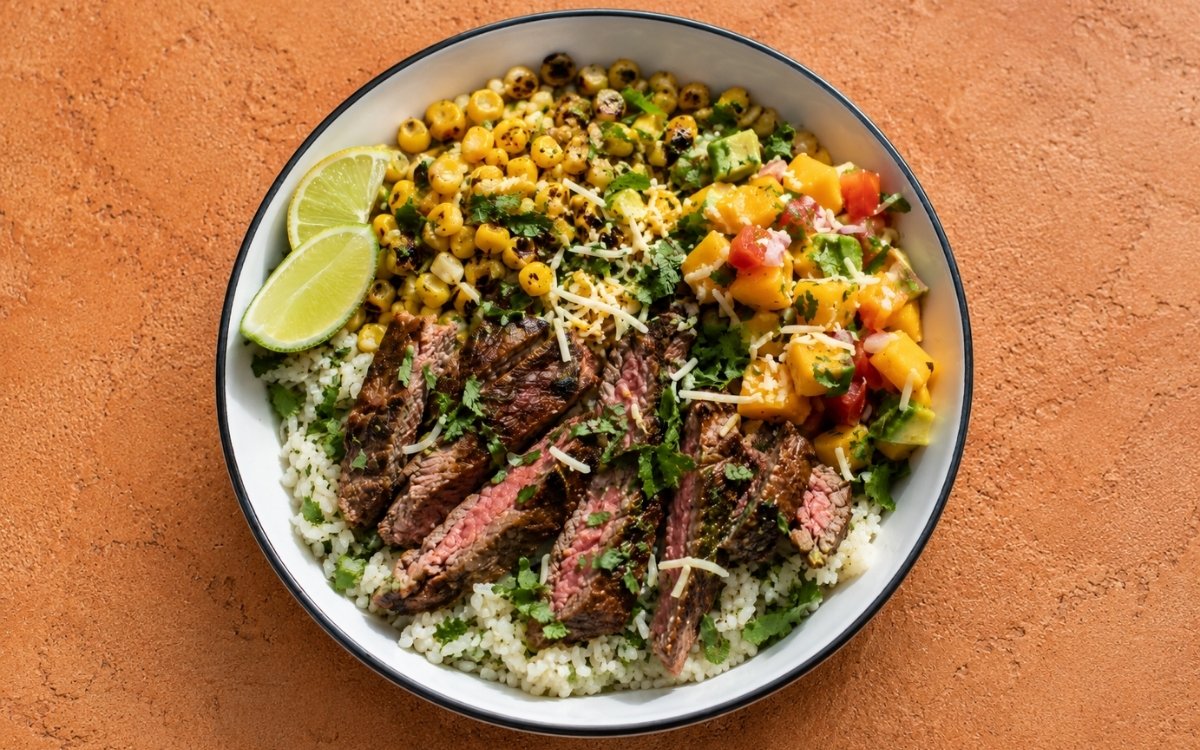
Work quickly so the rice is still warm when served. Divide the cilantro lime rice between four bowls as the base. Arrange the components around the bowl in distinct sections rather than mixing — steak cubes on one side, charred corn on another, mango salsa in the remaining space. This tripartite presentation mirrors the image: each component remains visually identifiable and the bowl looks abundant and colourful. Scatter 25g of Mexican-style shredded cheese into the empty space alongside the rice — it will melt slightly against the warm rice and steak. Add 2 lime wedges per bowl, squeezed to taste at the table. Finish with a very generous scattering of freshly chopped cilantro over the entire bowl — do not be shy with it, heavy cilantro garnish is part of the dish’s visual identity and flavour. Serve immediately with hot sauce on the side — green Tabasco works particularly well with the mango salsa’s sweetness.
*Notes :
- The cooking order matters significantly in this recipe. The rice goes first because it requires the most passive hands-off time and needs to stay warm for serving. The corn goes second because it can sit at room temperature happily while everything else is prepared. The salsa goes third so it has maximum resting time to meld before serving. The steak goes last so it is served fresh from the pan and at peak temperature. The steak also comes out of the refrigerator first — before the rice even goes on — so the 30-minute temper runs entirely in parallel with every other step.
- Flank steak versus skirt steak: both cuts work excellently in this bowl using the same searing technique from the Pan-Seared Skirt Steak recipe. Flank steak is typically wider and more uniform in thickness, making it slightly more forgiving to cook evenly. Skirt steak is thinner and more intensely flavored but cooks faster. The seasoning blend and method are identical for both.
- Cutting the steak into cubes for a bowl rather than serving in slices requires one additional step — after slicing against the grain, cut each slice crosswise into chunks. The resulting pieces should be large enough to have presence in the bowl (2–3cm) but small enough to eat in one or two bites without cutting.
- Avocado handling is the most delicate part of the mango salsa. Ripe avocado — which should yield slightly to gentle pressure but not feel mushy — holds its cube shape if handled with care, but deteriorates to mush if mixed aggressively or prepared more than 30 minutes ahead. If making the salsa ahead, add the avocado in the final 15 minutes before serving and fold in very gently.
- Mexican-style cheese blend typically contains a mix of shredded Monterey Jack, Cheddar, Asadero, and Queso Quesadilla — it melts softly and has a mild, creamy, slightly salty flavor that works with both the sweet mango and the savory steak without competing. Cotija cheese is an excellent alternative for a sharper, saltier, more authentically Mexican result.
Why This Recipe Works
This bowl works because its four main components represent four distinct flavor registers that contrast and amplify each other. The steak brings deep umami, smoky char, and savory richness. The mango salsa brings tropical sweetness, fresh acidity, and cooling avocado creaminess. The charred corn brings smoky sweetness and crunch. The cilantro lime rice brings bright, herby freshness and neutral starchy base. Every forkful that contains all four components delivers a complete, layered tasting experience that makes the bowl genuinely more satisfying than the sum of its parts.
Ingredient Breakdown
Flank Steak
A long, relatively lean cut from the abdominal muscles with pronounced grain and intense beef flavor. Its thinness allows fast, hot searing that develops excellent crust before the interior overcooks.
Smoked Paprika in the Seasoning
Provides the visual appeal of a deeply colored crust and adds a subtle smokiness that bridges the charred corn and the seared steak.
Jasmine Rice
Its natural floral aroma complements lime and cilantro. More fragrant than long-grain white rice without the stickiness of sushi rice — the right base for this bowl.
Mango
Provides tropical sweetness that contrasts the savory steak and ties the bowl together. Ripe mango should be used — unripe mango is too acidic and the texture is unpleasantly firm.
Avocado
Adds creamy richness that rounds the salsa’s acidity and provides a cooling counterpoint to the charred elements.
Charred Corn
The smoky, slightly crunchy corn bridges the sweet mango and savory steak and adds essential textural variety to what would otherwise be a predominantly soft bowl.
Green Tabasco (optional)
Unlike standard red Tabasco, green Tabasco is made from jalapeños and has a fresh, slightly tangy, moderate heat that complements rather than overwhelms the mango’s sweetness.
Flavor Structure Explained
The bowl operates on a sweet-savory-bright axis. Savory depth comes from the steak’s sear and the smoked paprika seasoning. Sweetness comes from the mango, the corn’s natural sugars, and the caramelization on the steak’s crust. Brightness comes from the lime in the rice, the lime on the corn, and the lime juice in the salsa — three applications of the same citrus that run like a thread through every component and unify the whole bowl. The cheese adds mild, creamy background richness. Heavy cilantro garnish is the aromatic element that ties everything together visually and in terms of flavor.
Common Mistakes to Avoid
- Not Tempering the Steak – Cold steak in a hot pan cooks unevenly — grey and overcooked at the edges before the centre reaches temperature. The 30-minute temper at room temperature is essential.
- Moving the Steak Before the Crust Forms – The steak should release naturally from the pan when the crust is ready. If it sticks when you try to flip, it needs another 30–60 seconds. Forcing it breaks the crust.
- Overcooking the Corn – The corn should retain significant crunch. Its role in the bowl is textural contrast — soft, fully cooked corn disappears into the overall texture. Char on the outside with crunch on the inside is the target.
- Mashing the Avocado – The avocado in the salsa should remain in distinct cubes. Fold with a large spoon using slow, lifting strokes — never stir aggressively.
- Adding Lime to the Rice During Cooking – Always finish with lime juice after fluffing. Acid added during cooking dulls the citrus freshness and can slightly tighten the grain texture.
- Under-seasoning the Corn – The charred corn needs generous salt and aggressive lime juice — it is one of the simplest components and relies entirely on bold seasoning to hold its place against the more complex steak and salsa.
Variations
Chicken Version
Replace the flank steak with 4 boneless chicken thighs seasoned and seared using the same technique. Pull at 74°C internal temperature, rest, and cube the same way.
Shrimp Version
Season 600g large shrimp with the same spice blend and sear in the same pan for 2 minutes per side. No resting needed — serve immediately over the rice.
Peach Salsa Version
Replace the mango with ripe white peaches in late summer for a slightly more delicate, floral sweetness that pairs beautifully with the steak.
Extra Heat Version
Add 1 finely diced jalapeño (seeds in or out depending on heat preference) to the mango salsa and serve with red Tabasco rather than green.
Grain Bowl Version
Replace the cilantro lime jasmine rice with cilantro lime quinoa for a higher-protein, slightly nuttier base.
Storage & Make-Ahead
Always cook steak fresh — reheated steak loses the crust that is central to the dish. Leftover cooked steak can be stored refrigerated for up to 3 days and is excellent cold sliced over the rice with salsa and corn.
Cooked rice Refrigerates for up to 4 days. Reheat covered with a splash of water. Re-add a squeeze of lime and fresh cilantro after reheating to restore brightness.
Charred Corn is Best within a few hours of making. Refrigerates for up to 2 days — serve at room temperature rather than reheating.
Mango Salsa (without avocado) Refrigerates for up to 24 hours. Add fresh avocado just before serving.
Frequently Asked Questions
Can I use a different cut of steak?
Skirt steak is the closest substitute and uses the identical technique from the Pan-Seared Skirt Steak recipe. Sirloin and ribeye also work but are less well-suited to the cube-and-bowl format — flank and skirt are the natural choices for this dish.
What if I can’t find Mexican cheese blend?
Shredded Monterey Jack alone is the best single-cheese substitute. Mild cheddar works but is less characteristic. Cotija — a dry, salty Mexican crumbling cheese — scattered over the bowl is an excellent elevated alternative.
My mango is not ripe yet — can I still use it?
Unripe mango is too firm, too acidic, and lacks the sweetness that makes the salsa work. If only unripe mango is available, substitute with ripe papaya, or simply increase the tomato and avocado quantities and add a small drizzle of honey to the salsa.
How do I know when the charred corn is right?
The outside should have visible black char marks covering approximately 30–40% of the surface. The kernel should still feel firm when pressed — not soft and yielding. It should taste of sweet corn with a distinct smoky edge.
Can I make this ahead for meal prep?
Yes — cook the rice and steak fresh on prep day. The corn and salsa without avocado keep well for 24 hours refrigerated. Assemble individual bowls without the cheese, lime, and cilantro garnish — add all three fresh when serving.
Nutrition Facts
( per serving )
Calories
~760 kcal
Protein
50 g
Fat
32 g
Carbs
68 g
Calories
~760 kcal
Protein
50 g
Fat
32 g
Carbs
68 g
Related Recipes
Related Recipes

Lemon Garlic Shrimp Couscous Bowl
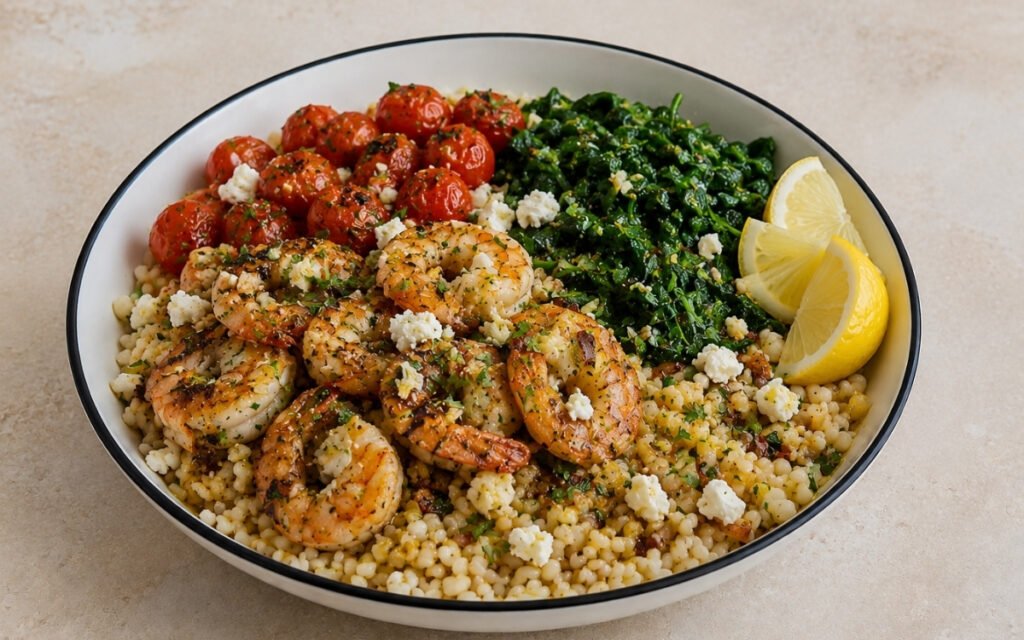
Garlic-lemon shrimp seared golden over pearl couscous with blistered cherry tomatoes, garlic-wilted spinach, lemon-herb dressing, and feta. Mediterranean, 35 minutes.
Crispy Rice Salad (Nam Khao Tod)
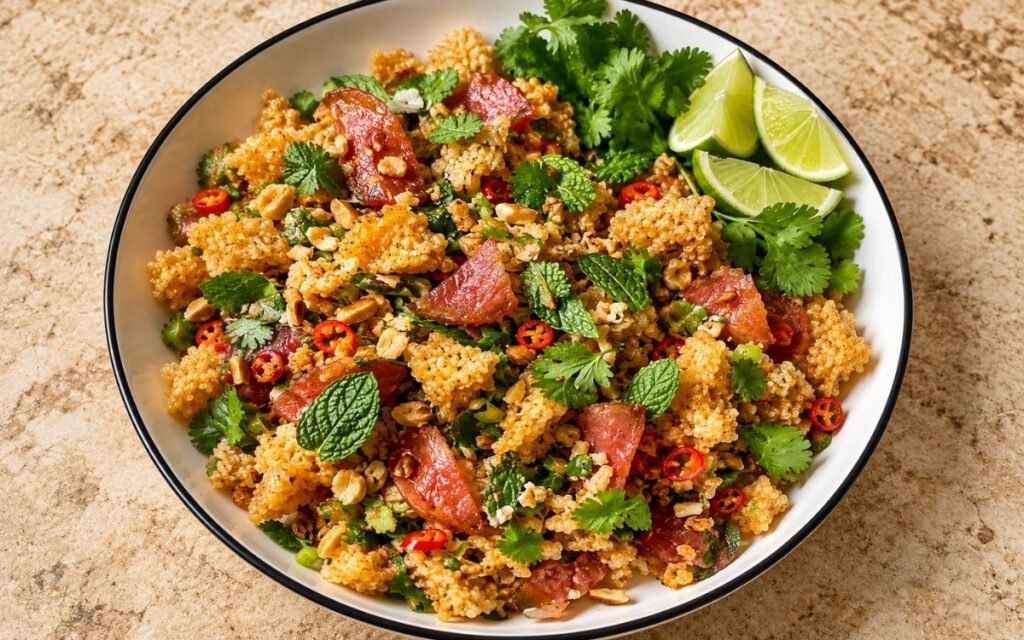
Deeply fried red-curry-scented rice croquettes broken into crunchy clusters, tossed with cured sausage, herbs, peanuts, and a sharp lime-fish sauce dressing.
Swedish Meatballs
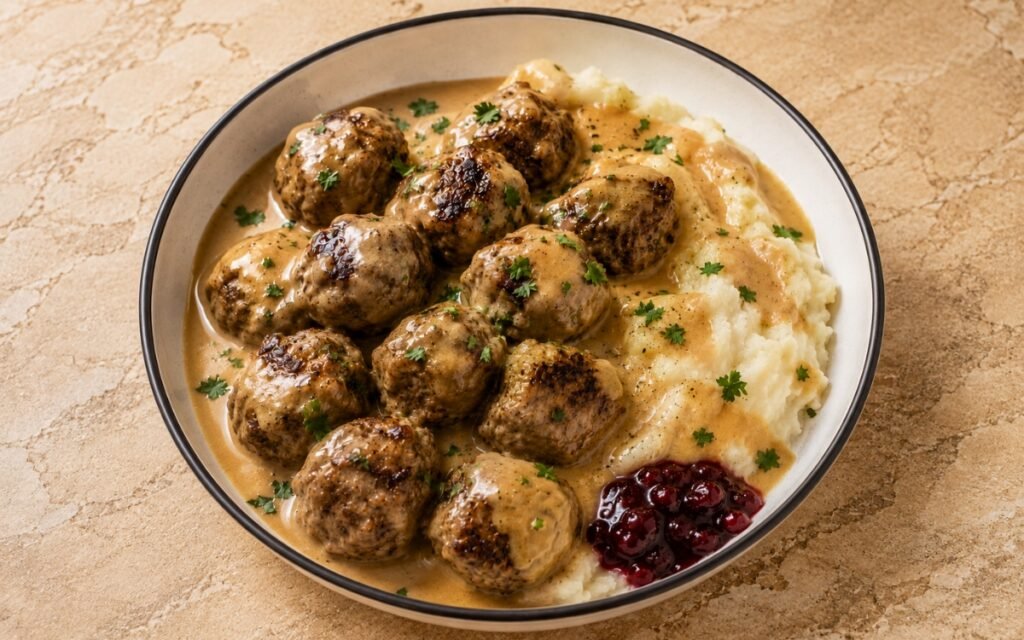
Tender panade-enriched beef and pork meatballs, gently spiced with allspice and nutmeg, in a creamy brown gravy over mashed potatoes.
You might also like
You might also like
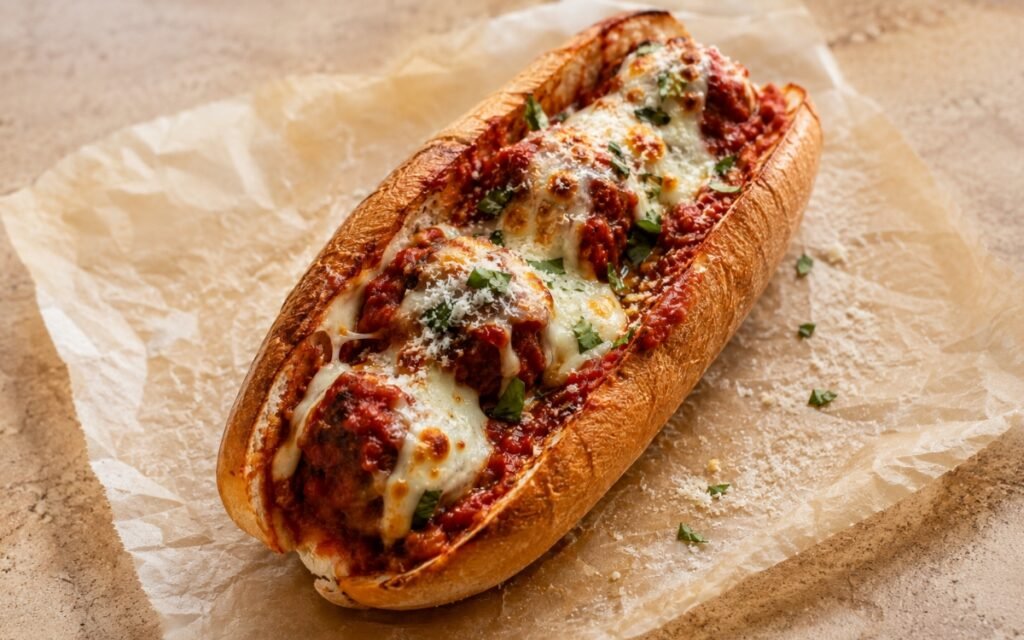
Meatball Sub Sandwich
Tender panade-enriched beef meatballs in thick marinara, melted mozzarella and provolone, and fresh basil, in toasted long French rolls.
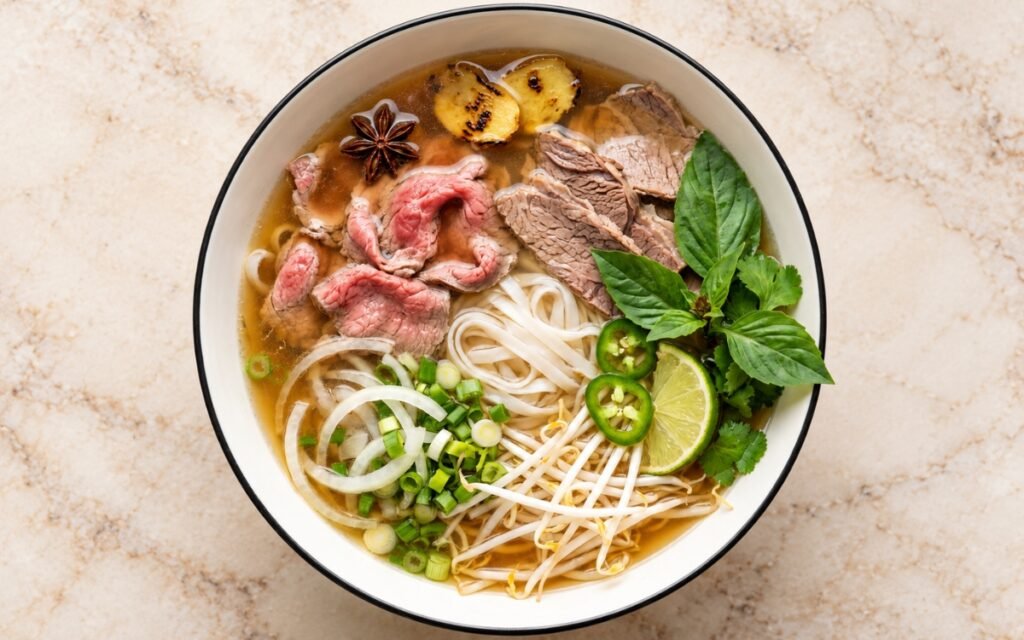
Pho Soup / Vietnamese Beef Pho
A clear, deeply aromatic beef broth built from blanched bones, charred onion and ginger, and toasted spices, served over rice noodles with rare beef and brisket.
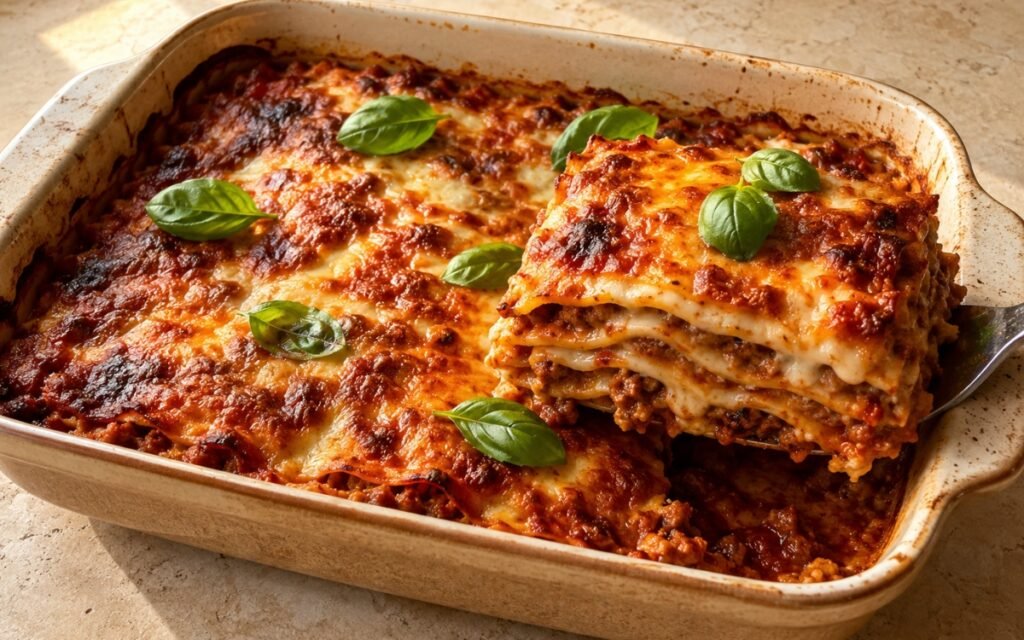
Lasagne alla Bolognese
Beef and veal Bolognese slow-braised 3 hours on pancetta fat and soffritto — layered with ricotta, mozzarella, and Parmesan, baked golden. The weekend lasagne worth every hour.
Flank Steak & Mango Salsa Rice Bowl
Ingredients
Method
- Rinse 240g jasmine rice under cold running water for 2–3 minutes until completely clear, then drain thoroughly. In a medium saucepan over medium heat, combine the rinsed rice, 420ml cold water, 4g salt, and 12ml vegetable oil. Bring to a boil over high heat, then immediately reduce to the lowest possible heat, cover tightly, and simmer for 15 minutes without lifting the lid at any point. Remove from heat and rest covered for 5 minutes — do not skip this step, it is part of the cooking process and equalizes moisture throughout the pot. After resting, fluff gently with a fork, then fold in the lime juice, chopped cilantro, butter, and lime zest. The butter should melt immediately into the warm rice. The lime juice goes in off-heat — acid added during cooking tightens the grains and dulls the citrus freshness. The full technique is explained in the Cilantro Lime Jasmine Rice recipe. Keep covered and warm.
- While the rice cooks, prepare the corn. The goal here is char and character — not fully cooked, soft corn, but crunchy kernels with visible char marks and a smoky edge. There are three ways to achieve this: directly over a gas hob flame holding the cob with tongs and rotating until charred in spots all over, about 3–4 minutes; under a very hot broiler turning every 2 minutes; or in a dry cast iron skillet over very high heat, turning regularly. The corn does not need to cook through — the slight crunch of barely-cooked corn works better in this bowl than soft, fully steamed corn, and the char provides the visual and flavor contrast the dish needs. Once charred to your liking, stand each cob upright on a cutting board. Using a sharp chef’s knife, cut firmly downward from top to bottom along the cob in long strokes, cutting deep into the kernels without going all the way to the tough core. Rotate the cob and repeat until all kernels are removed. Transfer to a bowl, season generously with salt and freshly ground black pepper, squeeze the lime juice over generously, and scatter the chopped cilantro. Toss and set aside at room temperature.
- Dice all components to a consistent 5mm cube — this uniformity is what gives the salsa its visual appeal and ensures every spoonful contains a balanced proportion of each ingredient. Peel and dice the mango first, working around the flat central stone to maximize yield. Cut the tomato into the same size cubes. Finely dice the half red onion — finer than the other components so it integrates as seasoning rather than dominating individual bites. Halve and pit the avocado, then carefully cut the flesh into 5mm cubes while still in the skin before scooping out with a large spoon — this is the gentlest technique for keeping avocado pieces intact. Transfer everything to a bowl. Season with salt and black pepper, add the lime juice, olive oil, garlic powder, and chopped cilantro. Fold gently with a large spoon using slow, lifting movements — the avocado must not be mashed. The salsa should look like a composed mixture with distinct, identifiable pieces of each ingredient. Allow to rest for at least 10 minutes so the ingredients release their juices and the flavors meld. The lime juice will gently soften the onion’s sharpness during this rest.
- The very first thing you do in this recipe — before the rice, before anything — is pull the steak from the refrigerator. It tempers passively on the counter for the entire time you cook the rice, char the corn, and make the salsa. By the time those three components are done, the steak is at room temperature and ready to cook. Pat completely dry with paper towels; a dry surface is essential for achieving the deep caramelized crust that makes this bowl’s steak component so visually compelling. In a small bowl, combine the salt, black pepper, garlic powder, and smoked paprika, then press this seasoning blend firmly and evenly into both sides of the steak. Heat a large cast iron skillet over high heat for a full 3 minutes until smoking hot. Add the olive oil and swirl to coat. Lay the steak in the pan without moving it and sear undisturbed for 3 minutes until a dark crust forms on the bottom. Flip, then immediately add the butter, smashed garlic, and thyme sprigs. Tilt the pan and baste the steak continuously with the foaming herb butter for 2–3 minutes. Pull at an internal temperature of 54°C (130°F) for medium-rare. The full technique, tips, and notes are in the Pan-Seared Skirt Steak recipe. Rest on a cutting board for 5 minutes, then identify the grain direction and slice firmly against it. Finally, cut the slices crosswise into rough bite-sized cubes — approximately 2–3cm pieces. This is what gives the bowl its visual identity: substantial, juicy steak chunks rather than thin strips.
- Work quickly so the rice is still warm when served. Divide the cilantro lime rice between four bowls as the base. Arrange the components around the bowl in distinct sections rather than mixing — steak cubes on one side, charred corn on another, mango salsa in the remaining space. This tripartite presentation mirrors the image: each component remains visually identifiable and the bowl looks abundant and colourful. Scatter 25g of Mexican-style shredded cheese into the empty space alongside the rice — it will melt slightly against the warm rice and steak. Add 2 lime wedges per bowl, squeezed to taste at the table. Finish with a very generous scattering of freshly chopped cilantro over the entire bowl — do not be shy with it, heavy cilantro garnish is part of the dish’s visual identity and flavour. Serve immediately with hot sauce on the side — green Tabasco works particularly well with the mango salsa’s sweetness.