
Crispy Pan-Seared Duck Breast
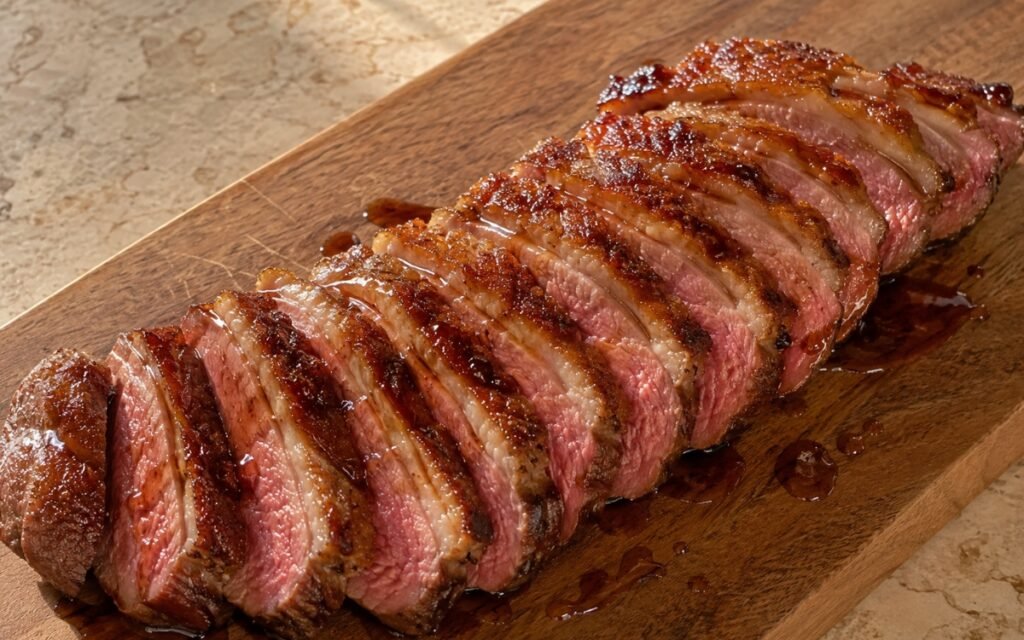
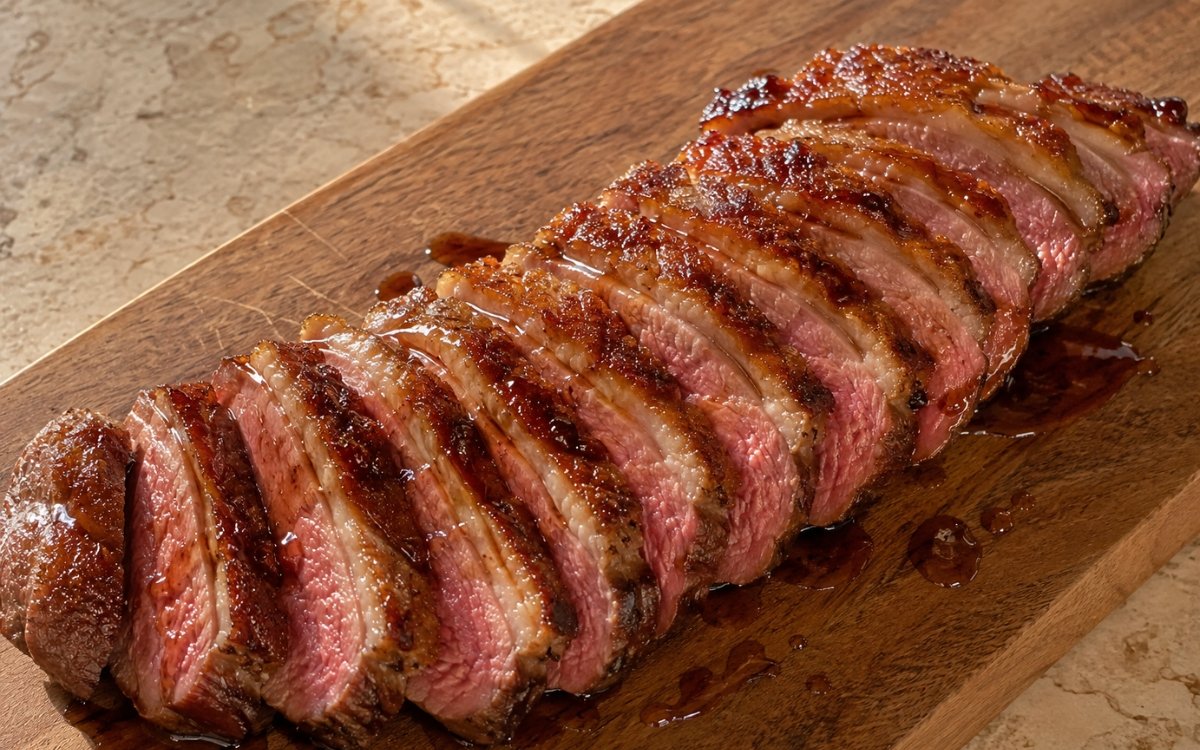
Pan-Seared Duck Breast delivers crispy-skinned duck breast with a perfectly rendered fat layer and tender, rosy interior, finished with a glossy honey-balsamic reduction. This method relies on slow fat rendering and controlled heat rather than aggressive searing — transforming a fatty cut into something structured, crisp, and balanced. Scoring the skin in a crosshatch pattern is the single most consequential structural step in this recipe: without those channels for fat to escape, the skin tightens and traps fat underneath as it cooks, leaving a thick, rubbery layer instead of the thin, crisp result this dish depends on. Starting the duck skin-side down in a completely cold pan, rather than a preheated one, is a deliberate reversal of nearly every other searing technique in this collection — duck’s thick fat cap needs time to melt gradually, and a hot pan would seal the skin’s surface before that fat has any chance to render out. Periodically pouring off excess rendered fat prevents the duck from essentially shallow-frying in its own drippings instead of crisping properly. The flesh side, by contrast, cooks quickly at the very end, since the vast majority of this dish’s cooking time and attention belongs to the skin side. The result is duck breast that’s genuinely restaurant-caliber — crisp, rendered, tender, and finished with a bright, glossy sauce.
Prep Time : 10 min
Cook Time : 18 min
Servings : 4
10 min
18 min
4
Ingredients
For the Duck
• 800g duck breast (2 large breasts)
• 10g fine sea salt — this one on Amazon
• 5g freshly ground black pepper
• 3g Chinese five-spice powder (optional)
For the Pan Sauce
• 15ml honey — this one on Amazon
• 15ml balsamic vinegar — this one on Amazon
This post may contain affiliate links. As an Amazon Associate I earn from qualifying purchases, at no additional cost to you.
Directions
- Score for Controlled Rendering
Using a sharp knife, score the duck skin in a crosshatch pattern, cutting through the fat layer but not into the meat. The cuts should be evenly spaced about 1cm apart. This step is critical — it creates channels for fat to escape during cooking, preventing the skin from tightening and trapping fat underneath. Without proper scoring, the fat layer remains thick and rubbery instead of crisp. - Season and Temper
Season both sides with salt, pepper, and five-spice if using. Let the duck sit at room temperature for 30 minutes. This reduces the temperature gap between the surface and the center, allowing more even cooking and preventing the exterior from overcooking before the interior reaches target doneness. - Start in a Cold Pan
Place the duck breasts skin-side down in a completely cold, dry pan — no oil. Turn the heat to medium-low and allow the fat to begin rendering gradually. Starting in a cold pan is essential because it allows the fat beneath the skin to melt slowly instead of sealing shut under high heat. - Render Slowly and Control Heat
Cook the duck skin-side down for 12–14 minutes, adjusting heat as needed to maintain a steady, gentle sizzle. During this time, large amounts of fat will render out into the pan — periodically pour off excess fat to prevent shallow frying instead of crisping. Proper rendering transforms the thick fat layer into a thin, crisp structure while keeping the meat insulated and moist. - Increase Heat for Final Crisp
Once most of the fat has rendered and the skin is golden, increase the heat slightly to finish crisping. This final stage develops a deep, evenly browned surface through the Maillard reaction, which creates complex flavor compounds and texture contrast. - Sear the Flesh Side
Flip the duck and cook the flesh side for 3–4 minutes over medium-high heat. This is a quick finishing step — the majority of cooking happens on the skin side. Remove the duck when it reaches approximately 54°C (130°F) for medium-rare, where the texture remains tender and juicy. - Build the Pan Sauce
Remove the duck and let it rest. In the same pan, add honey and balsamic vinegar, swirling to combine with the remaining drippings. The residual heat reduces the mixture quickly into a glossy, lightly thickened sauce that balances sweetness and acidity. - Rest and Slice
Rest the duck for 5 minutes, then slice against the grain into thin pieces. Drizzle with the sauce just before serving. Resting stabilizes the internal juices and prevents them from spilling out when cut.
*Notes :
- Crosshatch scoring is not a cosmetic flourish — it’s the mechanism that makes proper fat rendering possible. Each cut opens a direct channel for the fat beneath the skin to escape and render out as the duck cooks; without it, the skin’s surface tightens as it heats, essentially sealing the fat layer in place and leaving it thick and chewy rather than thin and crisp.
- Starting in a completely cold pan is the technique’s other defining reversal from typical high-heat searing. Duck’s fat cap is considerably thicker than the fat found on most other proteins in this collection, and it needs a slow, gradual heat increase to render fully before the skin browns — a hot pan would brown the surface almost immediately while the fat underneath remained largely unrendered.
- Scoring enhances this process. Without it, the fat has limited pathways to escape, and the skin contracts unevenly. Proper scoring ensures consistent rendering and a flatter, crisp result.
- Pouring off excess fat periodically during the long skin-side-down stage is a genuinely necessary step rather than an optional one. Left unmanaged, the duck ends up essentially shallow-frying in its own rendered fat rather than crisping against direct pan contact, producing a greasier, less structured result.
- Rendered duck fat is not waste — it is one of the most valuable cooking fats. It can be stored and used for roasting potatoes, vegetables, or even eggs, adding depth and richness to other dishes.
Why This Recipe Works
This recipe works because crosshatch scoring creates the physical channels fat rendering depends on. Starting in a cold pan allows that thick fat cap to melt gradually rather than sealing under high heat. Periodically pouring off excess fat keeps the duck crisping rather than shallow-frying.
The flesh side cooks quickly at the end, since most of the technical work happens on the skin side. And the honey-balsamic pan sauce, built directly from the rendered drippings, captures concentrated flavor in the final minutes.
Ingredient Breakdown
Duck Breast, Crosshatch Scored
The foundation — scoring specifically enables the controlled fat rendering this technique depends on.
Cold-Pan Start, Slow Rendering
The defining technique — a deliberate reversal of typical high-heat searing, suited to duck’s thick fat cap.
Periodic Fat Draining
The crisping-preservation step — preventing the duck from shallow-frying in its own drippings.
Honey-Balsamic Pan Sauce
The finishing glaze — built directly from the rendered fat and drippings for concentrated flavor.
Flavor Structure Explained
This Pan-Seared Duck Breast follows a controlled-rendering balance model:
- Rich duck core (duck breast)
- Crisp rendered exterior (slow-cooked skin)
- Tender rosy interior (controlled doneness)
- Glossy sweet-tangy finish (honey and balsamic vinegar)
- Rich pan depth (duck drippings)
Duck breast defines the foundation with deep richness and a naturally fatty structure that depends on careful rendering. The crisp skin is the main textural register, developed slowly and gently so the fat melts out while the surface becomes golden and crisp without burning. Beneath it, the rosy interior provides tenderness and contrast, keeping the dish refined rather than heavy. Honey and balsamic vinegar form the finishing glaze, bringing sweetness, acidity, and shine to balance the duck’s richness. Reducing the glaze in the pan’s own drippings adds depth and connects the sauce directly to the meat. The result is a duck breast preparation built around patience, contrast, and polish, where crisp skin, tender meat, and glossy sweet-tangy acidity remain in elegant balance.
Common Mistakes to Avoid
- Skipping or Skimping on the Crosshatch Scoring – Prevents fat from properly rendering out, leaving the skin thick and rubbery. Always score evenly, about 1cm apart.
- Starting in a Preheated Pan – Seals the skin’s surface before the fat has a chance to render, producing a browned but greasy result. Always start completely cold.
- Not Pouring Off Excess Rendered Fat – Causes the duck to shallow-fry rather than crisp. Always drain periodically during the long skin-side-down stage.
- NoOvercooking the Flesh Side – Duck breast dries out quickly past medium-rare. Always pull at approximately 54°C.
- Skipping the Rest – Releases juices immediately rather than allowing redistribution. Always rest for the full 5 minutes before slicing.
Variations
With Orange Instead of Balsamic
Substitute fresh orange juice and a touch of orange zest for the balsamic vinegar for a duck à l’orange direction.
With Extra Five-Spice
Increase the Chinese five-spice quantity for a more assertively warm, aromatic crust.
With Red Wine Reduction
Replace the honey-balsamic sauce with a red wine and shallot reduction for a more classically French finish.
With Cherries
Add a handful of pitted fresh or dried cherries to the pan sauce for additional depth and sweetness.
Storage & Make-Ahead
Cooked duck breast can be refrigerated for up to 3 days. Reheat it gently to avoid cooking it further and losing its ideal texture.
Scored, seasoned raw duck can be prepared up to 4 hours in advance and refrigerated uncovered before cooking.
Frequently Asked Questions
Why is scoring the skin so essential to this technique?
The crosshatch cuts create direct channels for the thick fat layer beneath the skin to escape and render out as the duck cooks. Without those channels, the skin’s surface tightens under heat and effectively seals the fat in place, leaving it thick, chewy, and rubbery rather than thin and genuinely crisp.
Why start the duck in a completely cold pan instead of a preheated one?
Duck breast carries a considerably thicker fat cap than most other proteins, and that fat needs a slow, gradual increase in heat to render fully. Starting in a hot pan would brown the skin’s surface almost immediately while leaving much of the fat underneath unrendered, producing a result that looks crisp but is still greasy and thick beneath the surface.
Why does the flesh side cook for such a short time compared to the skin side?
The vast majority of this dish’s structural and textural work — fat rendering and skin crisping — happens during the long, slow skin-side-down stage. The flesh side simply needs a brief final sear to finish cooking through to the correct internal temperature without overcooking the tender, rosy interior.
What should I serve alongside this duck?
Classic Mashed Potatoes or Mashed Sweet Potatoes both pair beautifully with the rich duck and bright pan sauce, and a Simple Arugula Salad or Fresh Herb Green Salad adds a clean, peppery contrast that balances the dish’s richness.
Nutrition Facts
( per serving )
Calories
~420 kcal
Protein
34 g
Fat
28 g
Carbs
5 g
Calories
~420 kcal
Protein
34 g
Fat
28 g
Carbs
5 g
Related Recipes
Related Recipes

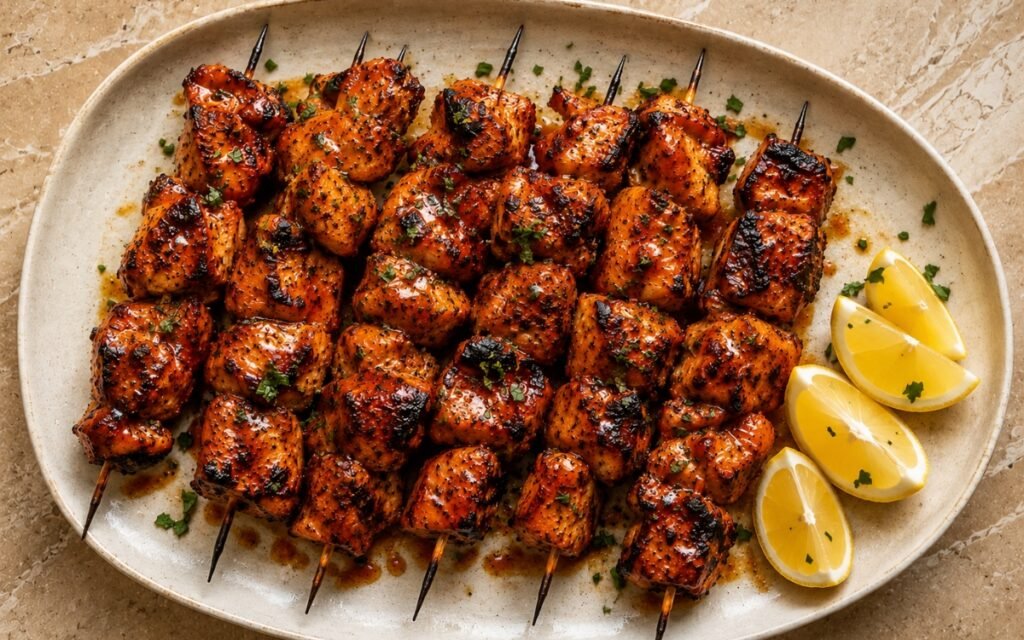
Grilled Chicken Skewers
Juicy grilled chicken skewers lacquered with caramelized honey–sriracha glaze for smoky, sticky heat.
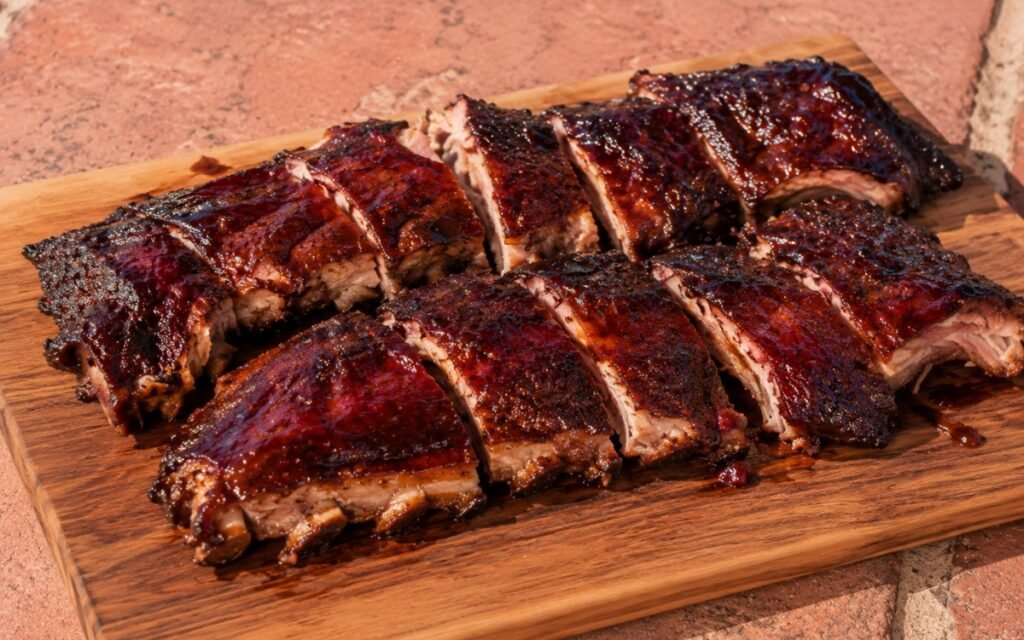
BBQ Baby Back Ribs
Spice-rubbed baby back ribs slow-baked until tender, then grilled and glazed in layers with a smoky chipotle barbecue sauce.
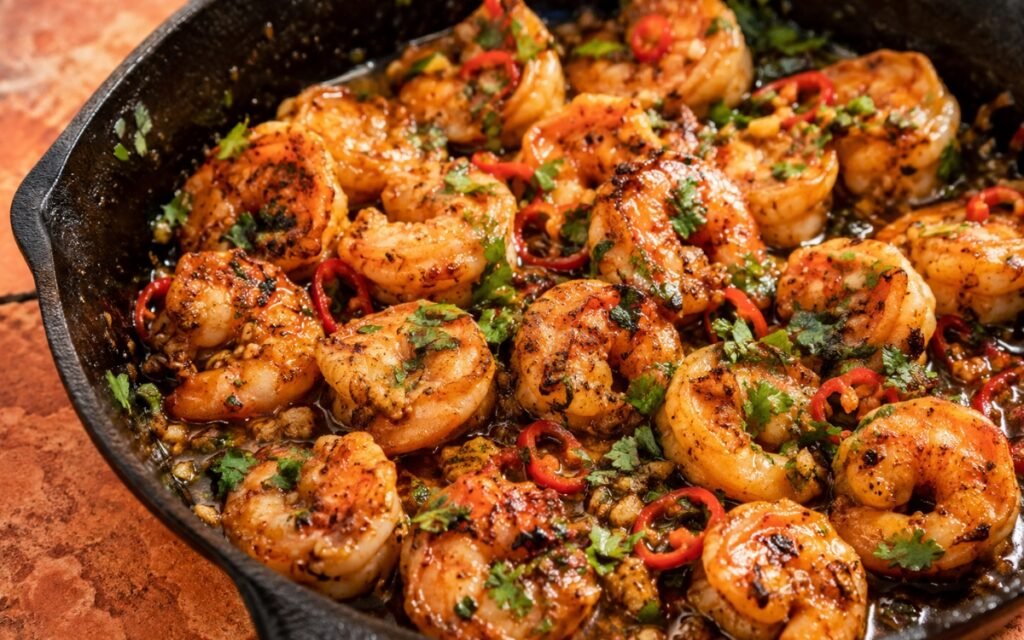
Chili Lime Shrimp
Shrimp dried and seared, garlic and chilies added after the flip, glazed in lime honey butter sauce built in the pan. Bright and spicy.
You might also like
You might also like
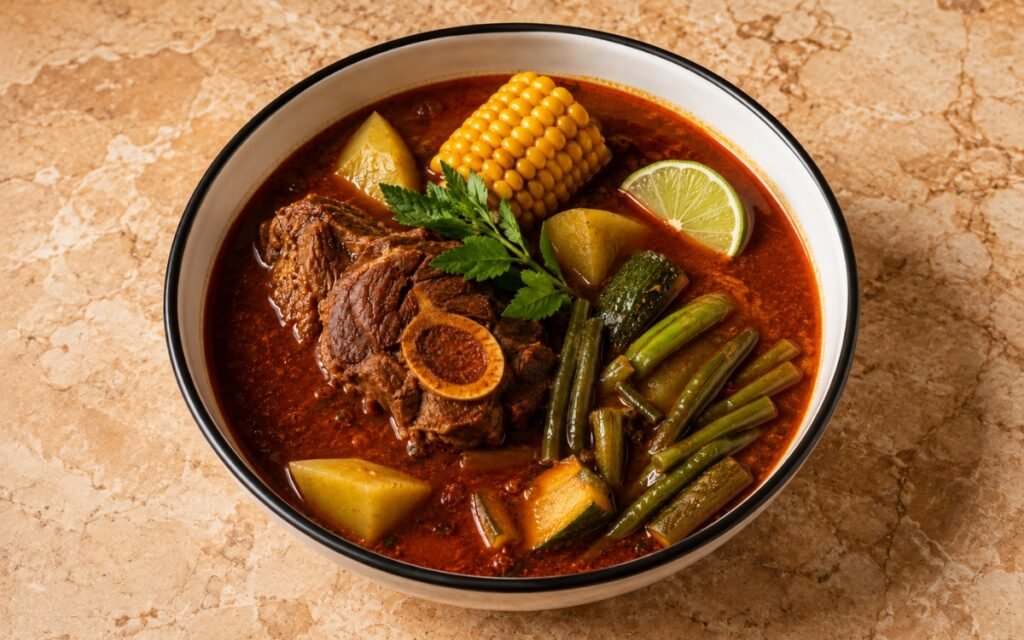
Mole de Olla
A vivid, brothy Mexican beef stew built on gently simmered beef shank, a blended guajillo-ancho chile base, and staged vegetables.
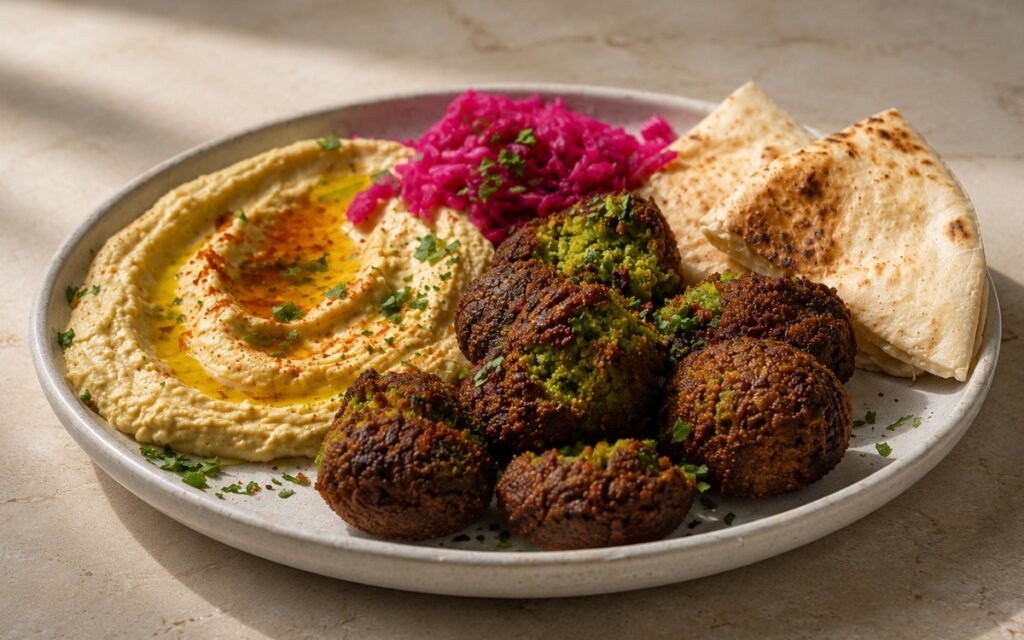
Crispy Falafel Plate
Golden shallow-fried falafel discs with a green herb centre, creamy hummus, pink pickled red cabbage and warm pita.
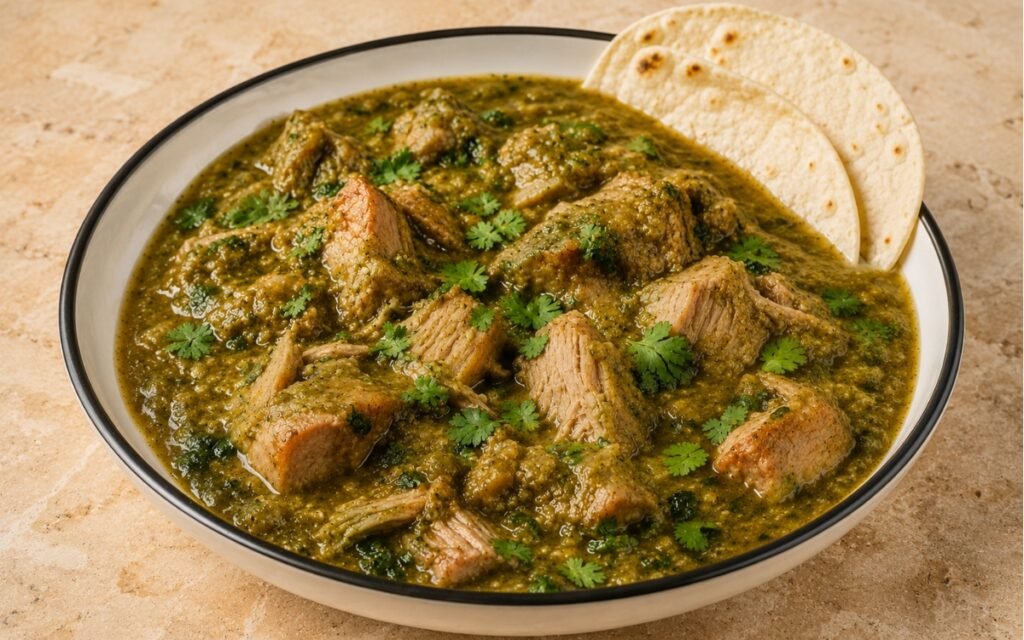
Pork Chile Verde
Browned pork shoulder braised tender in a roasted tomatillo-green chile sauce, thick and glossy with poblano body.
Crispy Pan-Seared Duck Breast
Ingredients
Method
- Using a sharp knife, score the duck skin in a crosshatch pattern, cutting through the fat layer but not into the meat. The cuts should be evenly spaced about 1cm apart. This step is critical — it creates channels for fat to escape during cooking, preventing the skin from tightening and trapping fat underneath. Without proper scoring, the fat layer remains thick and rubbery instead of crisp.
- Season both sides with salt, pepper, and five-spice if using. Let the duck sit at room temperature for 30 minutes. This reduces the temperature gap between the surface and the center, allowing more even cooking and preventing the exterior from overcooking before the interior reaches target doneness.
- Place the duck breasts skin-side down in a completely cold, dry pan — no oil. Turn the heat to medium-low and allow the fat to begin rendering gradually. Starting in a cold pan is essential because it allows the fat beneath the skin to melt slowly instead of sealing shut under high heat.
- Cook the duck skin-side down for 12–14 minutes, adjusting heat as needed to maintain a steady, gentle sizzle. During this time, large amounts of fat will render out into the pan — periodically pour off excess fat to prevent shallow frying instead of crisping. Proper rendering transforms the thick fat layer into a thin, crisp structure while keeping the meat insulated and moist.
- Once most of the fat has rendered and the skin is golden, increase the heat slightly to finish crisping. This final stage develops a deep, evenly browned surface through the Maillard reaction, which creates complex flavor compounds and texture contrast.
- Flip the duck and cook the flesh side for 3–4 minutes over medium-high heat. This is a quick finishing step — the majority of cooking happens on the skin side. Remove the duck when it reaches approximately 54°C (130°F) for medium-rare, where the texture remains tender and juicy.
- Remove the duck and let it rest. In the same pan, add honey and balsamic vinegar, swirling to combine with the remaining drippings. The residual heat reduces the mixture quickly into a glossy, lightly thickened sauce that balances sweetness and acidity.
- Rest the duck for 5 minutes, then slice against the grain into thin pieces. Drizzle with the sauce just before serving. Resting stabilizes the internal juices and prevents them from spilling out when cut.