
Orange Blossom Fizz Mocktail
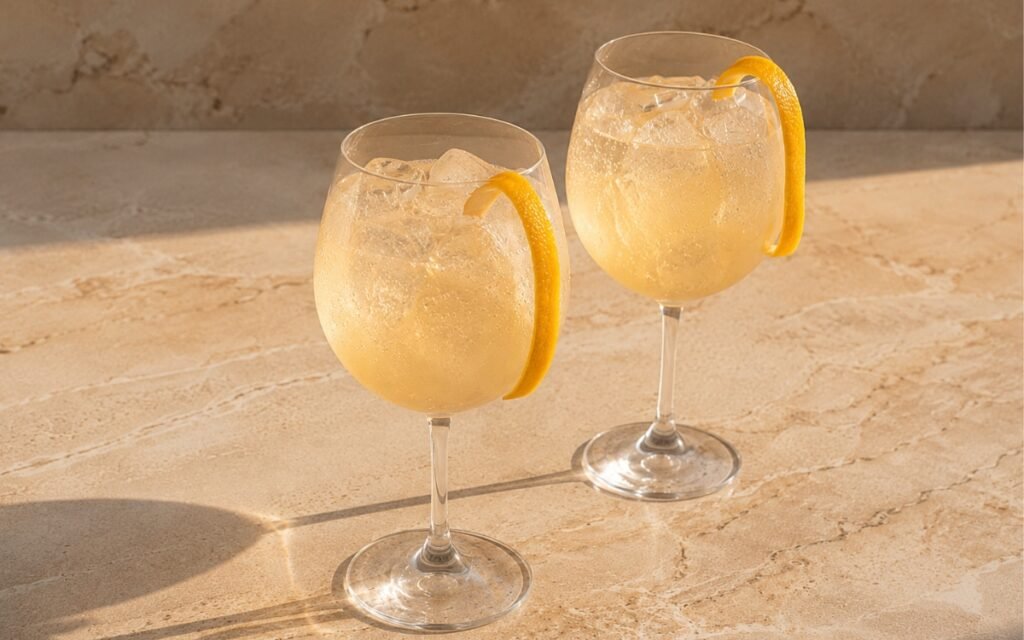
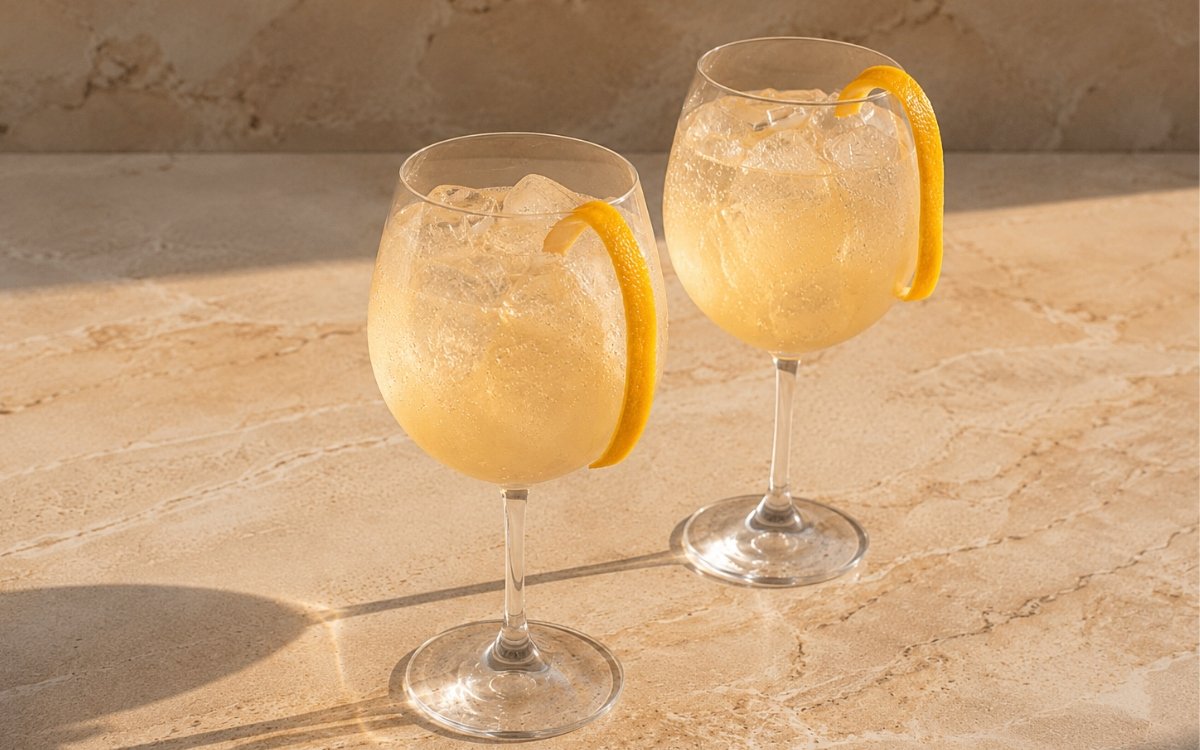
No cooking, no syrup, no heat at any stage — the orange blossom fizz is the purest expression of the cold-build technique in this collection. Honey whisked directly into fresh lemon juice first, then the orange juice added gradually to dissolve the honey completely without the heat that other preparations use for the same purpose. The cold dissolution preserves every volatile aromatic compound in the fresh orange juice and lemon juice intact from the moment they are squeezed. Orange zest releasing its aromatic oils into the honey-citrus medium during the 15-minute covered infusion. The orange blossom water added after straining — 10ml, the specific quantity where the preparation is unmistakably floral without becoming perfumed or soapy, the line that orange blossom water crosses at higher quantities. Pale golden in the glass, orange peel curled over the rim. The aperitif mocktail that tastes genuinely special without requiring technique more complex than a whisk and a timer.
Prep Time : 10 min
Cook Time : 0 min
Servings : 4
10 min
0 min
4
Ingredients
For the Orange Blossom Base
• 60g honey — this one on Amazon
• Zest of ½ orange
• 120ml fresh orange juice — from the same oranges after zesti
• 30ml fresh lemon juice
• 10ml orange blossom water — this one on Amazon
For the Garnish
• 4 long strips of orange peel
This post may contain affiliate links. As an Amazon Associate I earn from qualifying purchases, at no additional cost to you.
Directions
- Dissolve the Honey in Citrus Juice Without Heat
Add the 60g of honey and the zest of ½ orange to a medium mixing bowl. Pour the 30ml of fresh lemon juice over the honey and zest. Whisk vigorously until the honey is fully incorporated into the lemon juice — the lemon juice’s acidity specifically aids in dissolving honey at room temperature more efficiently than plain water, and the small volume relative to the honey quantity means the whisking is essential rather than optional. Continue whisking until the mixture appears uniformly syrupy and no streaks of undissolved honey remain at the bowl’s bottom. Gradually add the 120ml of fresh orange juice in four increments — pouring approximately 30ml at a time and whisking between each addition. The incremental addition rather than a single pour ensures the honey dissolves uniformly into the expanding liquid rather than clumping as the surface-tension is disrupted too rapidly by a large addition. The honey should be fully dissolved in the combined citrus juice by the final addition. The gradual-add technique is also the approach that prevents the aromatic compounds in the freshly squeezed orange juice from being disrupted by vigorous whisking of a large volume. The no-heat approach is the defining technique decision of this recipe. All volatile aromatic compounds in fresh orange juice — the limonene, neral, geranial, and various terpene family compounds that produce fresh orange juice’s specifically bright, vivid citrus character — are fully present at the moment the fruit is squeezed and diminish rapidly at any elevated temperature. The lemon juice’s compounds behave identically. By dissolving the honey without any heating, the entire aromatic profile of both citrus juices is preserved intact from preparation through serving. - Cold Zest Infusion
Cover the bowl with a plate or plastic wrap and allow to stand at room temperature for 15 minutes. During this infusion period the orange zest’s aromatic oils — concentrated in the coloured outer layer of the orange’s peel — release progressively into the surrounding honey-citrus mixture. The zest’s primary aromatic compounds (limonene, beta-myrcene, and various orange-specific terpenes) are fat-soluble and preferentially dissolve into the honey’s sugar matrix rather than the more watery citrus juice, producing a specifically integrated aromatic depth in the honey component that makes each spoonful more aromatic than the juice alone. 15 minutes at room temperature is the optimal window — shorter provides less zest infusion; longer begins to make the zest’s more bitter pith-adjacent compounds noticeable. - Strain and Add Orange Blossom Water
Strain the mixture through a fine-mesh sieve into a clean jug, pressing lightly on the zest to extract any remaining infused liquid. The pressing should be light — the zest at this stage has given up its aromatic oils readily and forceful pressing would extract the slightly bitter white pith compounds. Discard the zest. Stir in the 10ml of orange blossom water. This is the most carefully calibrated quantity in any recipe in this collection: orange blossom water — the hydrosol produced during the steam distillation of Seville orange blossoms (Citrus aurantium), the same process that produces neroli oil — is among the most intensely aromatic culinary ingredients available. At 5ml in this quantity of base the floral note is subtle and might be missed entirely by some; at 15ml it becomes specifically perfumed, soapy, and dominant in a way that many people find unpleasant. At 10ml it is unmistakably present — floral, specifically fragrant, and identifiable — without crossing into the perfumed territory. Always add the precise quantity rather than approximating, and always taste before adding more. Transfer to the refrigerator and chill until cold — 15–20 minutes. - Prepare the Orange Peel Garnish
Using a vegetable peeler, press firmly against the clean orange’s surface and peel 4 long strips — each approximately 10–12cm long and 1.5cm wide — following the orange’s curve with each pull for the cleanest, most continuous strips. The white pith on the underside of each strip should be minimal — a vegetable peeler set to a light angle produces strips with primarily coloured zest and minimal pith. Curl each strip around a bar spoon or a finger and allow it to hold its curl shape for a few seconds before releasing — the peel will retain the curl naturally. Set aside for garnishing. - Assemble and Serve
Fill four wine glasses generously with ice cubes. Divide the chilled orange blossom base evenly — approximately 65–70ml per glass. Stir briefly against the ice. Top each glass with approximately 125ml of chilled club soda, poured gently down the inner side of the glass. Stir once or twice gently. Hook each curled orange peel strip over the rim of its glass — the curl hanging both inside and outside the glass, visually framing the pale golden drink. Serve immediately.
*Notes :
- Orange blossom water is produced as a byproduct of neroli essential oil distillation — when Seville orange blossoms (bitter orange blossoms, Citrus aurantium) are steam-distilled for neroli oil, the steam condensate that separates from the oil is orange blossom water. It contains the same volatile aromatic compounds as neroli oil but at a much lower, food-appropriate concentration. It is a foundational ingredient in Middle Eastern and North African pastry and drink-making, appearing in baklava, ma’amoul cookies, Lebanese rice pudding, and countless traditional preparations. Available at Middle Eastern grocery stores, specialty food shops, and increasingly at mainstream supermarkets in the baking section. The quality and concentration varies significantly between brands — some are intensely aromatic and require less than specified; others are diluted and require slightly more. Always taste and adjust.
- The preparation is classified as an aperitif mocktail specifically because of its flavour profile: the orange blossom’s floral, slightly bitter-floral character alongside the citrus’s brightness and the honey’s gentle sweetness produces a clean, aromatic, lightly bitter combination that opens the appetite rather than providing the dessert-adjacent sweetness of many fruit-based mocktails. Serve before a meal with light appetisers — the combination of orange, honey, and orange blossom is specifically complementary to almonds, pistachios, fresh cheese, and mezze preparations.
Why This Mocktail Works
This recipe works because the honey is dissolved without any heat — preserving every volatile aromatic compound in both citrus juices intact.
The zest infusion at room temperature extracts the fat-soluble aromatic oils into the honey’s sugar matrix rather than the watery juice.
And the orange blossom water is added at the precisely calibrated 10ml quantity that makes the floral note unmistakably present without crossing into perfumed territory.
Ingredient Breakdown
Honey Dissolved in Lemon Juice First (No Heat)
The cold-dissolution technique — lemon juice’s acidity aids honey dissolution without heating; all citrus aromatics preserved intact.
Orange Juice Added Gradually
The emulsification control — incremental addition ensuring complete honey dissolution without aromatic disruption.
Orange Zest (15-Minute Room Temperature Infusion)
The fat-soluble aromatic extraction — terpene compounds dissolving into honey’s sugar matrix during the covered infusion for specifically integrated aromatic depth.
Orange Blossom Water (10ml Precisely)
The defining floral element — at the specific quantity that is unmistakably floral without becoming perfumed; the ingredient that makes this preparation specifically more than an orange fizz.
Curled Orange Peel (Vegetable Peeler, Minimal Pith)
The aromatic visual garnish — the curled peel’s essential oils released at the rim providing the first fragrant impression before the first sip.
Flavor Structure Explained
This Orange blossom fizz follows a layered balance model:
- Floral citrus core (orange juice, orange blossom water)
- Warm floral sweetness (honey)
- Bright acidic lift (lemon juice)
- Crisp sparkling finish (club soda)
- Aromatic citrus garnish (orange peel oils)
Orange juice and orange blossom water define the foundation, combining fresh citrus sweetness with delicate floral aromatics. Because both originate from the orange, they reinforce each other naturally, creating depth rather than redundancy. Honey acts as a bridge, adding rounded sweetness and floral warmth that unify the citrus and blossom notes. Lemon provides the essential contrast, introducing clean acidity that keeps the drink vibrant and prevents the floral elements from feeling overly soft. Club soda adds lightness and refreshment through crisp carbonation. Finally, expressed orange peel oils deliver an immediate burst of citrus aroma before the first sip, enhancing the drink’s Mediterranean-inspired elegance and aperitif-like character.
Common Mistakes to Avoid
- Using More Than 10ml of Orange Blossom Water – Beyond this quantity the preparation becomes perfumed and soapy — the characteristic orange blossom water error. Always precisely 10ml and always taste before adding more.
- Adding the Orange Juice Too Quickly – Rapid addition pours the liquid over incompletely dissolved honey, creating sticky undissolved deposits. Always add gradually in increments.
- Not Infusing for the Full 15 Minutes – A shorter infusion produces less developed zest aromatic integration. Always the full 15-minute covered rest.
- Pressing the Zest Forcefully During Straining – Forceful pressing extracts the zest’s bitter pith compounds. Always press lightly.
- Using Bottled Orange Juice – Pasteurised bottled juice has significantly diminished aromatic character compared to freshly squeezed. This no-heat preparation specifically depends on the fresh juice’s intact aromatic compounds for its character.
Variations
With Fresh Thyme
Add 2 fresh thyme sprigs to the infusion alongside the orange zest — the thyme’s subtle herbal character provides a background complexity that is specifically complementary to orange blossom’s floral depth in a North African-influenced direction. Remove with the zest during straining.
With Rose Water
Replace the orange blossom water with 8ml of rose water for a similarly delicate, differently floral direction — the rose’s more specifically sweet, warmer floral character producing a drink with a distinctly different aromatic register while retaining the same elegant structural approach.
With Cardamom
Add 2 lightly crushed cardamom pods to the honey and zest during the 15-minute infusion — the cardamom’s warm, slightly sweet floral depth producing a specifically more complex, more Middle Eastern-influenced version. Remove with the zest.
Tonic Version
Replace the club soda with tonic water — the quinine’s dry bitterness providing an additional counterpoint to the orange blossom’s sweetness and producing a more specifically aperitif-tasting result.
Storage & Make-Ahead
Orange blossom base can be refrigerated in a sealed jar for up to 2 days. While the floral notes from the orange blossom water remain stable, the fresh citrus aromas gradually diminish during storage. For the brightest citrus flavor and aroma, it is best used within 24 hours of preparation.
Once assembled, the drinks are not suitable for storage and should be served immediately.
Frequently Asked Questions
What is orange blossom water?
Orange blossom water is the aromatic hydrosol produced as a byproduct of steam-distilling Seville orange blossoms (Citrus aurantium) for neroli essential oil. It contains the same aromatic compounds as neroli oil at food-appropriate concentrations and is foundational in Middle Eastern and North African cooking — appearing in countless pastry, confectionery, and drink preparations. Available at Middle Eastern grocery stores, specialty food shops, and in the baking section of mainstream supermarkets.
Why precisely 10ml of orange blossom water?
Orange blossom water is intensely aromatic — a small quantity above the correct level shifts the drink from elegantly floral to specifically perfumed and soapy, the characteristic orange blossom water mistake. At 10ml in this quantity of base the floral note is clearly present and specifically beautiful; at 15ml it typically becomes uncomfortable for most palates.
Why no heat in this preparation?
Fresh orange juice’s volatile aromatic character — the specific limonene, neral, and terpene compounds responsible for fresh orange’s vivid, bright character — diminishes rapidly at any elevated temperature. This cold-build preparation preserves every aromatic compound intact from the moment the fruit is squeezed through to the moment of drinking, producing the specifically fresh, vivid, aromatic result that differentiates this from a cooked orange syrup and soda.
What makes this specifically an aperitif mocktail?
The orange blossom’s floral, slightly bitter-floral character alongside the citrus brightness and honey’s gentle sweetness produces a clean, aromatic, appetite-opening combination rather than a dessert-adjacent sweetness. It is the preparation most specifically suited to serving before a meal — with light nibbles, almonds, or mezze — of any mocktail in this collection.
What other delicate, floral mocktails share this character?
The Rose Hibiscus Mocktail shares the floral-forward character — rose’s specifically warm, sweet florality and hibiscus’s tart depth creating a different but equally specific floral identity. The Elderflower Cucumber Spritz Mocktail shares the delicate botanical elegance — elderflower’s honey-adjacent floral character providing the closest single-ingredient analogy to orange blossom water in this collection, produced in a different structural format.
Nutrition Facts
( per serving )
Calories
~75 kcal
Protein
0 g
Fat
0 g
Carbs
20 g
Calories
~75 kcal
Protein
0 g
Fat
0 g
Carbs
20 g
Related Recipes
Related Recipes

Kiwi Lime Sparkling Mocktail
Skin-on kiwis pressed with lime, honey, and salt over club soda — vivid jade-green.
Negroni Sbagliato Style Bitter Orange Mocktail
Bitter orange cordial and black tea base over a large ice cube — sparkling water, expressed orange peel. Deep amber and fully adult.
Virgin Spanish Sangria
Wine-like citrus mocktail with macerated fruit and verjus, lightly tannic, bright, festive, and convincingly grown-up.
You might also like
You might also like
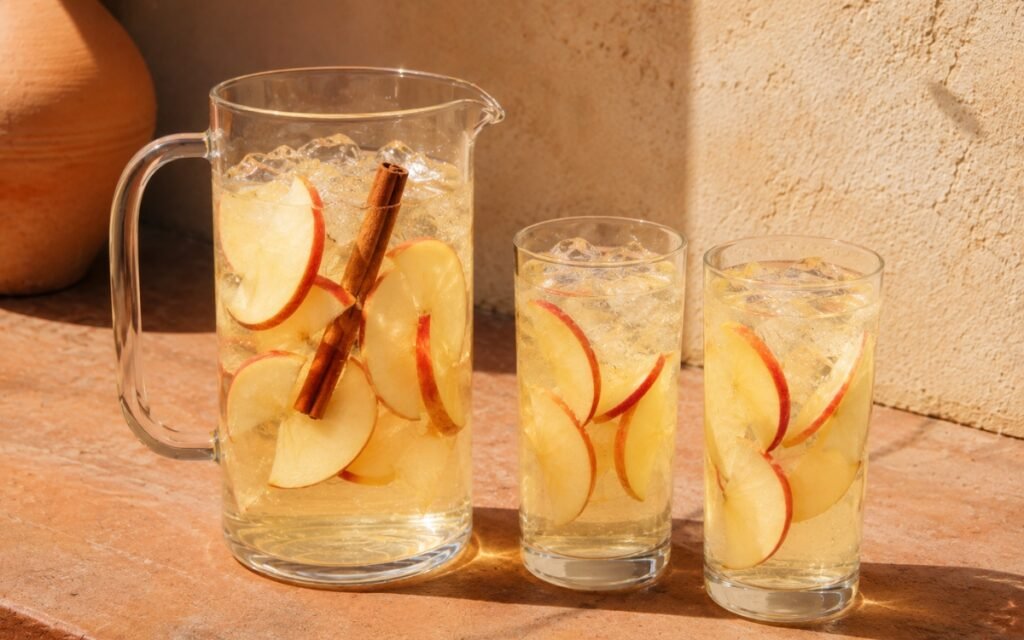
Apple Cinnamon Infused Water
Apples skin-on and lightly mashed with 1–2 cinnamon sticks cold-infused in 3L water — removed after 4 hours before cinnamon escalates. Crisp and warm-spiced.
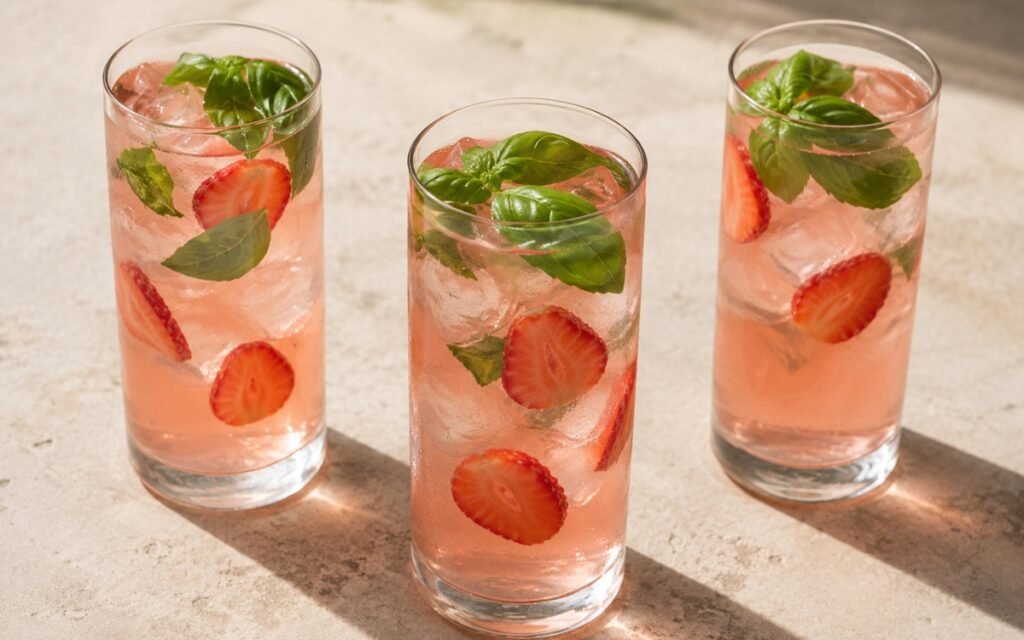
Basil Strawberry White Iced Tea
White tea at 75–80°C for 3–4 minutes, strawberry syrup with a pinch of salt, basil clapped and briefly infused — chilled. Delicate, clean, and softly fruity.
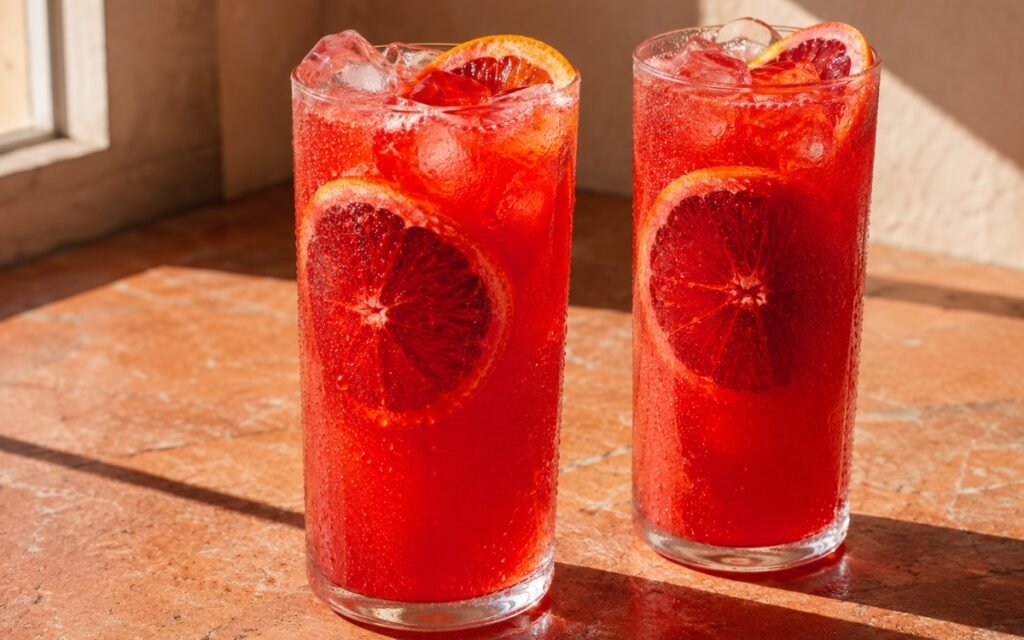
Blood Orange Lemonade
Orange and lemon peels steeped off heat exactly 10–12 minutes, pulp mashed in pitcher — blood orange juice, optional lemon, salt, cold water. Vivid ruby and citrusy.
Orange Blossom Fizz Mocktail
Ingredients
Method
- Add the 60g of honey and the zest of ½ orange to a medium mixing bowl. Pour the 30ml of fresh lemon juice over the honey and zest. Whisk vigorously until the honey is fully incorporated into the lemon juice — the lemon juice’s acidity specifically aids in dissolving honey at room temperature more efficiently than plain water, and the small volume relative to the honey quantity means the whisking is essential rather than optional. Continue whisking until the mixture appears uniformly syrupy and no streaks of undissolved honey remain at the bowl’s bottom. Gradually add the 120ml of fresh orange juice in four increments — pouring approximately 30ml at a time and whisking between each addition. The incremental addition rather than a single pour ensures the honey dissolves uniformly into the expanding liquid rather than clumping as the surface-tension is disrupted too rapidly by a large addition. The honey should be fully dissolved in the combined citrus juice by the final addition. The gradual-add technique is also the approach that prevents the aromatic compounds in the freshly squeezed orange juice from being disrupted by vigorous whisking of a large volume. The no-heat approach is the defining technique decision of this recipe. All volatile aromatic compounds in fresh orange juice — the limonene, neral, geranial, and various terpene family compounds that produce fresh orange juice’s specifically bright, vivid citrus character — are fully present at the moment the fruit is squeezed and diminish rapidly at any elevated temperature. The lemon juice’s compounds behave identically. By dissolving the honey without any heating, the entire aromatic profile of both citrus juices is preserved intact from preparation through serving.
- Cover the bowl with a plate or plastic wrap and allow to stand at room temperature for 15 minutes. During this infusion period the orange zest’s aromatic oils — concentrated in the coloured outer layer of the orange’s peel — release progressively into the surrounding honey-citrus mixture. The zest’s primary aromatic compounds (limonene, beta-myrcene, and various orange-specific terpenes) are fat-soluble and preferentially dissolve into the honey’s sugar matrix rather than the more watery citrus juice, producing a specifically integrated aromatic depth in the honey component that makes each spoonful more aromatic than the juice alone. 15 minutes at room temperature is the optimal window — shorter provides less zest infusion; longer begins to make the zest’s more bitter pith-adjacent compounds noticeable.
- Strain the mixture through a fine-mesh sieve into a clean jug, pressing lightly on the zest to extract any remaining infused liquid. The pressing should be light — the zest at this stage has given up its aromatic oils readily and forceful pressing would extract the slightly bitter white pith compounds. Discard the zest. Stir in the 10ml of orange blossom water. This is the most carefully calibrated quantity in any recipe in this collection: orange blossom water — the hydrosol produced during the steam distillation of Seville orange blossoms (Citrus aurantium), the same process that produces neroli oil — is among the most intensely aromatic culinary ingredients available. At 5ml in this quantity of base the floral note is subtle and might be missed entirely by some; at 15ml it becomes specifically perfumed, soapy, and dominant in a way that many people find unpleasant. At 10ml it is unmistakably present — floral, specifically fragrant, and identifiable — without crossing into the perfumed territory. Always add the precise quantity rather than approximating, and always taste before adding more. Transfer to the refrigerator and chill until cold — 15–20 minutes.
- Using a vegetable peeler, press firmly against the clean orange’s surface and peel 4 long strips — each approximately 10–12cm long and 1.5cm wide — following the orange’s curve with each pull for the cleanest, most continuous strips. The white pith on the underside of each strip should be minimal — a vegetable peeler set to a light angle produces strips with primarily coloured zest and minimal pith. Curl each strip around a bar spoon or a finger and allow it to hold its curl shape for a few seconds before releasing — the peel will retain the curl naturally. Set aside for garnishing.
- Fill four wine glasses generously with ice cubes. Divide the chilled orange blossom base evenly — approximately 65–70ml per glass. Stir briefly against the ice. Top each glass with approximately 125ml of chilled club soda, poured gently down the inner side of the glass. Stir once or twice gently. Hook each curled orange peel strip over the rim of its glass — the curl hanging both inside and outside the glass, visually framing the pale golden drink. Serve immediately.