
Nopales con Huevo
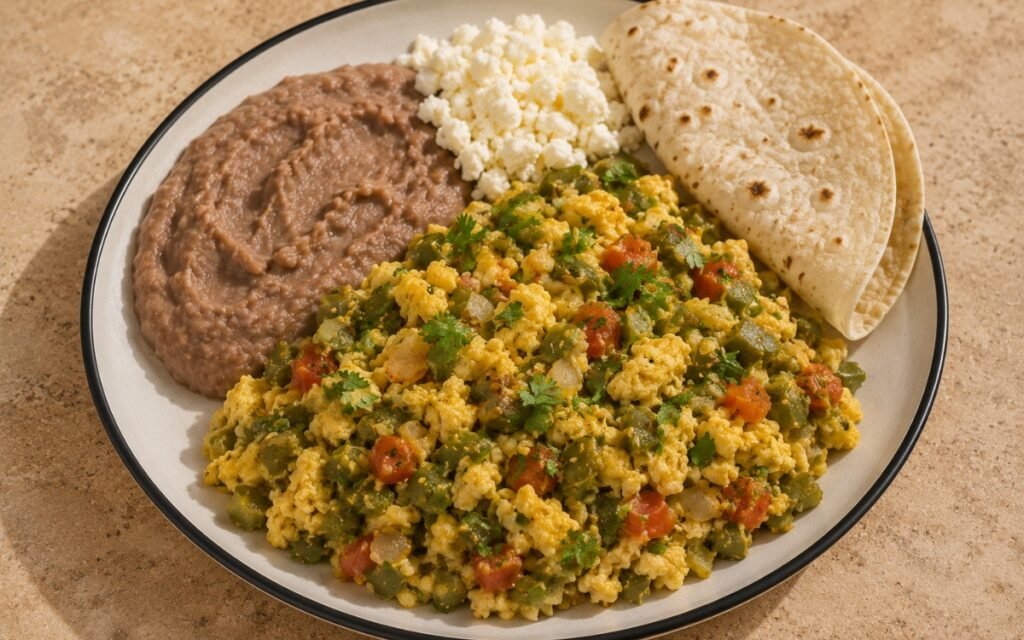
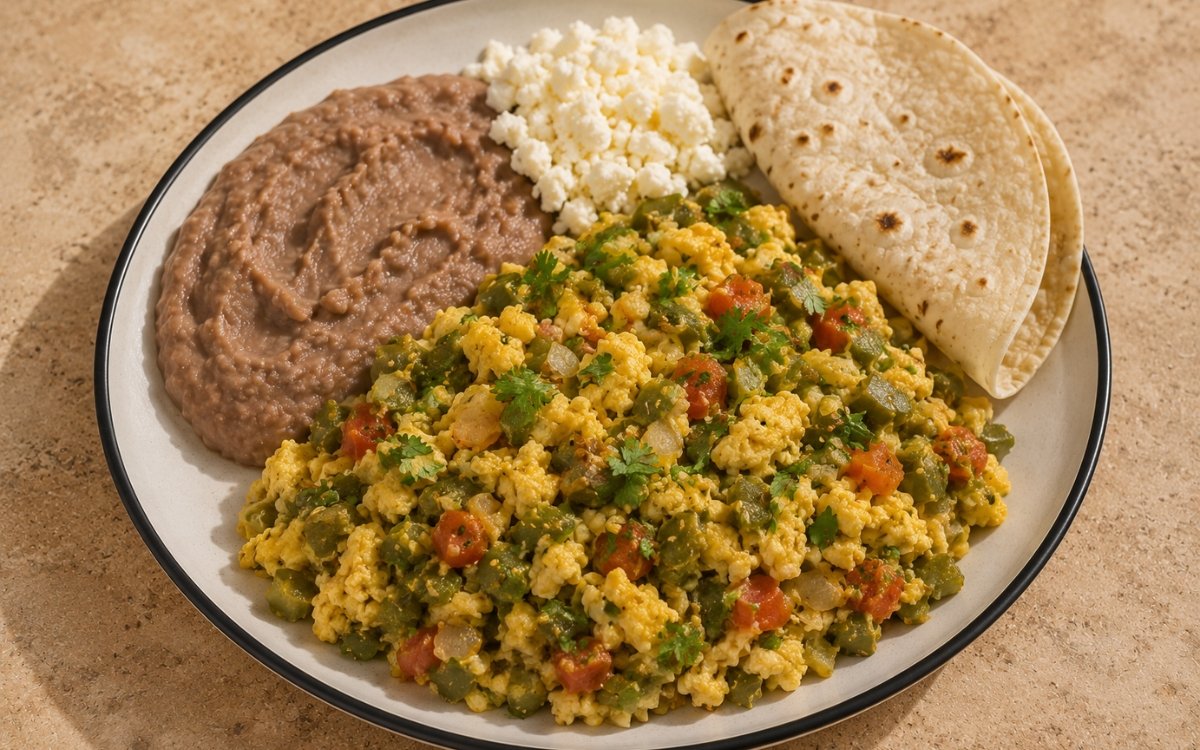
A classic Mexican breakfast of scrambled eggs cooked with tender diced nopales, onion, tomato, and green chile, finished with fresh cilantro. Served with refried beans, queso fresco, and warm tortillas. Draining the boiled nopales thoroughly and rinsing away their released mucilage is the technique this whole dish depends on — nopales left wet and slippery bring that excess moisture straight into the scramble, working directly against tender, properly set eggs, the same drain-and-clean-before-adding-eggs principle used elsewhere in this collection whenever a naturally wet vegetable needs real moisture control before delicate eggs are added. Cooking down both the tomato base and the nopales themselves, in that specific order, before the eggs ever go in is what keeps the finished scramble flavourful and cohesive rather than loose and watery. Folding the eggs gently and pulling them from the heat while still slightly glossy is what preserves their soft, tender texture. The payoff is a plate with real, deliberate contrast — soft scrambled eggs against clean-tasting, tender nopales, alongside warm refried beans, queso fresco, and tortillas.
Prep Time : 20 min
Cook Time : 20 min
Servings : 4
20 min
20 min
4
Ingredients
For the Nopales
• 500–600g cleaned nopales (cactus paddles), diced small, or 500g cooked nopales, drained — this one on Amazon
• 1.2L water, for boiling
• 10g fine sea salt
• 60g white onion, roughly sliced
• 1 garlic clove, smashed
For the Egg Scramble
• 8 large eggs
• 15–20ml neutral oil or lard
• 120g white onion, small dice
• 180g ripe tomato, small dice
• 1–2 jalapeños or serranos, small dice
• 2 tbsp chopped fresh cilantro
• Fine sea salt, to taste
• Freshly ground black pepper, to taste
For Serving
• 700–800g prepared Refried Beans, warmed
• 80–100g queso fresco, crumbled — this one on Amazon
• 8 small corn or flour tortillas, warmed, store-bought or from Homemade Corn Tortillas
This post may contain affiliate links. As an Amazon Associate I earn from qualifying purchases, at no additional cost to you.
Directions
- Cook the Nopales
If using fresh nopales, make sure all spines and thick edges are removed, then dice them evenly. Bring the water to a boil with the salt, rough onion, and smashed garlic. Add the diced nopales and simmer 10–12 minutes, until tender and their slime has released into the water. Drain well and rinse briefly under warm water to remove excess mucilage. Let them sit in the colander until well drained. The key here is not to leave the nopales wet. They should be tender and clean-tasting, not slippery and waterlogged. Boiling the nopales directly in the water is what draws out most of their natural mucilage into the surrounding liquid rather than leaving it clinging to the paddles — the brief rinse afterward finishes removing what’s left, which is exactly why both steps matter together rather than either alone. - Beat the Eggs
Crack the eggs into a bowl and beat until fully combined. Add a small pinch of salt and a few grinds of black pepper. Set aside. Beating only until combined, rather than whipping vigorously, incorporates the seasoning fully without introducing excess air that could affect the finished texture. - Build the Vegetable Base
Heat the oil or lard in a large skillet over medium heat. Add the diced onion and cook 3–4 minutes until softened. Add the diced chile and cook 1 minute more. Add the tomato and cook 3–4 minutes until it softens and most of its excess moisture cooks off. The mixture should look juicy but not watery. Building this base in stages — onion first, chile briefly after, tomato only once those earlier aromatics are established — lets each component reach its own proper point before the next joins, rather than everything cooking together at a single, less controlled pace. - Add the Nopales
Add the drained nopales to the skillet and cook 3–4 minutes, stirring regularly, until any remaining moisture evaporates and the mixture tastes concentrated rather than wet. This is an important turning point: if the nopales are still releasing liquid at this stage, keep cooking a little longer before adding the eggs. Even after draining, nopales can still release a little additional moisture once they hit the hot pan — this second cooking stage exists specifically to catch and cook off whatever moisture the earlier drain didn’t fully address, protecting the eggs from that final bit of dilution. - Scramble the Eggs
Lower the heat to medium-low. Pour in the beaten eggs and gently fold and stir until softly set and creamy. Add the chopped cilantro in the last 30 seconds of cooking. Remove from the heat while the eggs are still slightly glossy, as they will continue setting from residual heat. Taste and adjust salt if needed. Gentle folding, rather than constant vigorous stirring, produces larger, softer curds that stay moist — a genuinely important distinction here, since this dish’s whole appeal depends on real contrast between soft eggs and tender, clean-tasting nopales. - Warm the Sides and Serve
Warm the refried beans separately. Warm the tortillas on a dry skillet or directly over a flame until soft and pliable. Divide the nopales con huevo among 4 plates. Serve with a portion of refried beans, crumbled queso fresco over the beans or eggs, and 2 warm tortillas per serving. Warming each side component in its own pan, separately from the main scramble, keeps every part of the plate at its own proper temperature and texture right up until everything comes together on the plate.
*Notes :
- Use fresh citrus whenever possible. Older fruit loses aromatic oils and The two-stage moisture management given to the nopales — boiling and draining first, then a further reduction once they’re back in the hot skillet — deserves genuine respect as the technique most responsible for this dish’s final texture. Nopales are naturally mucilaginous, releasing real moisture even after a thorough initial drain, and skipping either stage risks bringing that excess liquid straight into the eggs, undermining the soft, properly set scramble this dish depends on.
- Building the vegetable base in genuine stages — onion softened first, chile added briefly, tomato only once those earlier components are established, and finally the nopales reduced separately before the eggs — reflects real attention to how differently each ingredient behaves under heat. Rushing any of these stages, or combining them all at once, risks some elements staying undercooked while others overcook waiting for the rest to catch up.
- Folding the eggs gently rather than stirring constantly, and pulling them from the heat while still slightly glossy, matters more in this particular dish than it might in a plainer scramble. Nopales con huevo is specifically built around the contrast between soft, tender eggs and clean-tasting, similarly tender nopales — overcooked, dry eggs would lose that intended textural harmony between the two main components.
- The recipe’s own explicit distinction between fresh and jarred nopales, and its instruction to rinse and drain pre-cooked ones well regardless, is worth taking seriously. Even convenience-format nopales carry real moisture that needs addressing before they meet the hot pan — the same underlying principle applies whether starting from raw cactus paddles or a jar.
Why This Recipe Works
This recipe works because the nopales are boiled to release their natural mucilage, then thoroughly drained and rinsed, and finally given a second reduction once back in the hot skillet to catch any remaining moisture. The vegetable base is built in genuine stages, letting each component reach its own proper point before the next is added.
Gentle folding and an early pull from the heat keep the eggs soft and tender, preserving the intended contrast against the clean-tasting nopales. Warming each side component separately brings the whole plate together at its best, properly balanced temperature and texture.
Ingredient Breakdown
Boiled, Thoroughly Drained Nopales
The defining vegetable — moisture managed in two distinct stages to protect the finished eggs from turning watery.
Cooked-Down Tomato, Onion, and Chile Base
The critical foundation — built in stages and reduced before the nopales and eggs are added.
Second-Stage Nopal Reduction
The technique — catches any remaining moisture that survived the initial drain, protecting the eggs further.
Gently Folded, Early-Pulled Eggs
The cooking technique — produces soft, tender curds that preserve this dish’s intended contrast against the nopales.
Fresh Cilantro (Added Last)
The finishing herb — stirred in only in the final moments to stay bright and aromatic.
Flavor Structure Explained
This nopales con huevo follows a layered balance model:
- Soft egg foundation (gently scrambled eggs)
- Clean tender vegetable centre (well-drained, reduced nopales)
- Fresh savoury base (cooked-down tomato, onion, chile)
- Warm herbal finish (fresh cilantro)
- Hearty creamy sides (refried beans, queso fresco)
Gently scrambled eggs provide this dish’s soft, tender foundation, kept moist through careful cooking. Well-drained, twice-reduced nopales contribute a clean, tender vegetable centre distinct from anything slippery or waterlogged. The cooked-down tomato, onion, and chile base adds fresh, balanced savoury flavour throughout. Fresh cilantro, stirred in at the very end, finishes the eggs with bright, herbal lift. Warm refried beans and crumbled queso fresco round out the plate with hearty, creamy richness.
Common Mistakes to Avoid
- Leaving the Nopales Wet After Boiling – This brings excess moisture directly into the scramble. Always drain and rinse them thoroughly.
- Skipping the Second Reduction of the Nopales in the Skillet – This misses any remaining moisture that survived the initial drain. Always cook them further until the mixture tastes concentrated, not wet.
- Adding the Eggs Before the Vegetable Base Has Reduced – This produces a loose, watery scramble. Always cook off the excess moisture from both the tomato mixture and nopales first.
- Stirring the Eggs Aggressively – This produces small, dry curds rather than soft, tender ones. Always fold gently instead.
- Overcooking the Eggs – This loses the intended contrast against the tender nopales. Always pull them from the heat while still slightly glossy.
Variations
Extra-Spicy Version
Use serrano instead of jalapeño, or add a second chile, for a sharper, more assertive heat.
Pre-Cooked Nopales Version
Substitute good-quality jarred or pouched cooked nopales to save time, rinsing and draining them well before use.
Extra-Cheesy Version
Increase the queso fresco or scatter a little directly over the finished eggs for a saltier, creamier finish.
Flour Tortilla Version
Substitute warm flour tortillas for corn if that’s the preferred pairing, though corn is the more traditional choice here.
Storage & Make-Ahead
This dish is best made and eaten fresh; scrambled eggs don’t hold or reheat particularly well, tending to turn rubbery.
Boiled, drained nopales can be prepped a day ahead and refrigerated, ready to add to the skillet when needed.
The refried beans can be made ahead according to their own storage guidance and simply warmed gently before serving.
Frequently Asked Questions
Why do the nopales need to be drained so thoroughly after boiling?
Nopales are naturally mucilaginous, and leaving them wet brings that excess moisture directly into the scramble. Thorough draining and rinsing is what keeps them tender and clean-tasting rather than slippery and waterlogged.
Why do the nopales need a second reduction in the skillet after already being drained?
Even after a thorough initial drain, nopales can still release a little additional moisture once they hit the hot pan. This second cooking stage catches whatever remains, fully protecting the eggs from any final dilution.
Why does the vegetable base need to be built in stages rather than all at once?
Onion, chile, tomato, and nopales all behave differently under heat and need different amounts of time to reach their proper point. Building the base in stages lets each component cook correctly rather than some staying undercooked while others overcook.
Why is it especially important to keep the eggs soft in this particular dish?
Nopales con huevo depends on real contrast between soft, tender eggs and similarly tender, clean-tasting nopales. Overcooked, dry eggs lose that intended textural harmony between the dish’s two main components.
Are there other classic Mexican egg dishes or accompaniments worth trying?
Huevos a la Mexicana and Huevos Rancheros both offer other classic Mexican egg preparations worth exploring. Salsa Verde Mexican, Refried Beans, and Homemade Corn Tortillas all pair naturally alongside this dish.
Nutrition Facts
( per serving )
Calories
~520 kcal
Protein
26 g
Fat
28 g
Carbs
44 g
Calories
~520 kcal
Protein
26 g
Fat
28 g
Carbs
44 g
Related Recipes
Related Recipes

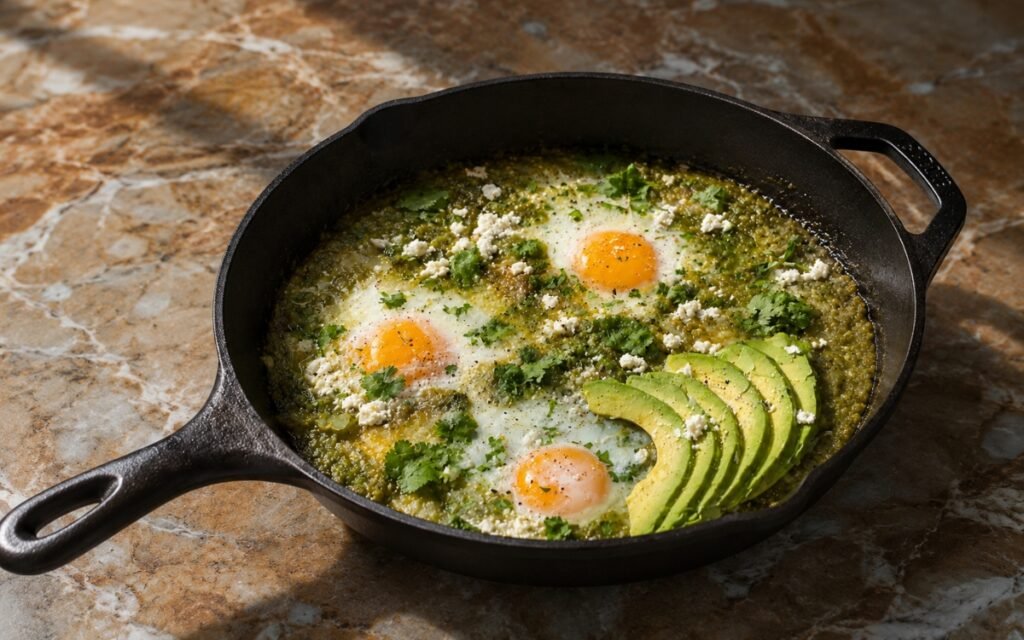
Shakshuka Verde with Poached Eggs & Avocado
Mexican salsa verde simmered in butter — eggs nested in pre-warmed wells and baked at 190°C. Cotija, thinly sliced avocado, cilantro, and optional lime at finish. 35 minutes.
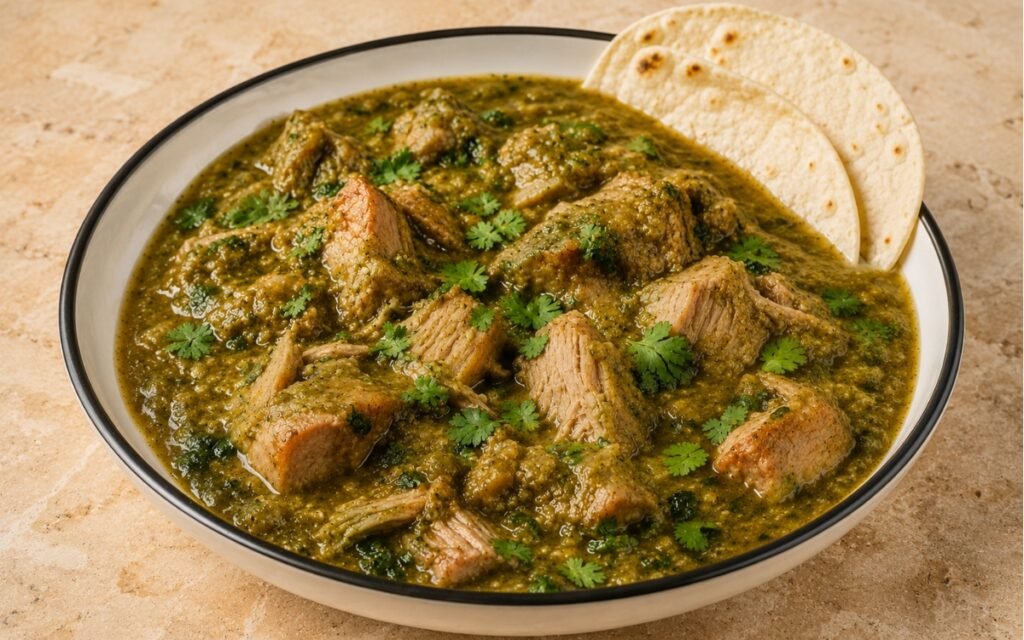
Pork Chile Verde
Browned pork shoulder braised tender in a roasted tomatillo-green chile sauce, thick and glossy with poblano body.
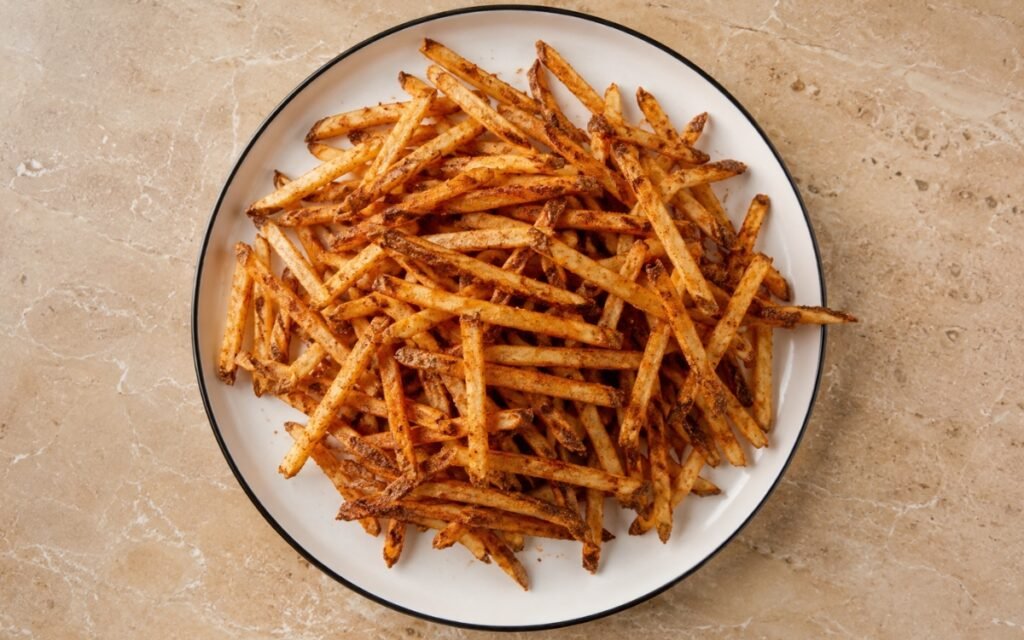
Thin & Crispy Baked Potato Fries
Potatoes cut uniformly, soaked to remove starch, dried thoroughly, lightly oiled, roasted uncrowded until golden. Crisp without deep frying.
You might also like
You might also like
Breakfast Burritos
Soft scrambled eggs, crispy breakfast potatoes, melted cheese, bacon, salsa, and avocado rolled in warm flour tortillas and toasted golden.
Loaded Nachos
Sturdy tortilla chips layered with melted Mexican cheese blend, hard-browned seasoned ground beef, drained pico de gallo, guacamole, and sour cream.
Thin & Crispy Baked Potato Fries
Potatoes cut uniformly, soaked to remove starch, dried thoroughly, lightly oiled, roasted uncrowded until golden. Crisp without deep frying.


Nopales con Huevo
Ingredients
Method
- If using fresh nopales, make sure all spines and thick edges are removed, then dice them evenly. Bring the water to a boil with the salt, rough onion, and smashed garlic. Add the diced nopales and simmer 10–12 minutes, until tender and their slime has released into the water. Drain well and rinse briefly under warm water to remove excess mucilage. Let them sit in the colander until well drained. The key here is not to leave the nopales wet. They should be tender and clean-tasting, not slippery and waterlogged. Boiling the nopales directly in the water is what draws out most of their natural mucilage into the surrounding liquid rather than leaving it clinging to the paddles — the brief rinse afterward finishes removing what’s left, which is exactly why both steps matter together rather than either alone.
- Crack the eggs into a bowl and beat until fully combined. Add a small pinch of salt and a few grinds of black pepper. Set aside. Beating only until combined, rather than whipping vigorously, incorporates the seasoning fully without introducing excess air that could affect the finished texture.
- Heat the oil or lard in a large skillet over medium heat. Add the diced onion and cook 3–4 minutes until softened. Add the diced chile and cook 1 minute more. Add the tomato and cook 3–4 minutes until it softens and most of its excess moisture cooks off. The mixture should look juicy but not watery. Building this base in stages — onion first, chile briefly after, tomato only once those earlier aromatics are established — lets each component reach its own proper point before the next joins, rather than everything cooking together at a single, less controlled pace.
- Add the drained nopales to the skillet and cook 3–4 minutes, stirring regularly, until any remaining moisture evaporates and the mixture tastes concentrated rather than wet. This is an important turning point: if the nopales are still releasing liquid at this stage, keep cooking a little longer before adding the eggs. Even after draining, nopales can still release a little additional moisture once they hit the hot pan — this second cooking stage exists specifically to catch and cook off whatever moisture the earlier drain didn’t fully address, protecting the eggs from that final bit of dilution.
- Lower the heat to medium-low. Pour in the beaten eggs and gently fold and stir until softly set and creamy. Add the chopped cilantro in the last 30 seconds of cooking. Remove from the heat while the eggs are still slightly glossy, as they will continue setting from residual heat. Taste and adjust salt if needed. Gentle folding, rather than constant vigorous stirring, produces larger, softer curds that stay moist — a genuinely important distinction here, since this dish’s whole appeal depends on real contrast between soft eggs and tender, clean-tasting nopales.
- Warm the refried beans separately. Warm the tortillas on a dry skillet or directly over a flame until soft and pliable. Divide the nopales con huevo among 4 plates. Serve with a portion of refried beans, crumbled queso fresco over the beans or eggs, and 2 warm tortillas per serving. Warming each side component in its own pan, separately from the main scramble, keeps every part of the plate at its own proper temperature and texture right up until everything comes together on the plate.