
Mocha Protein Smoothie
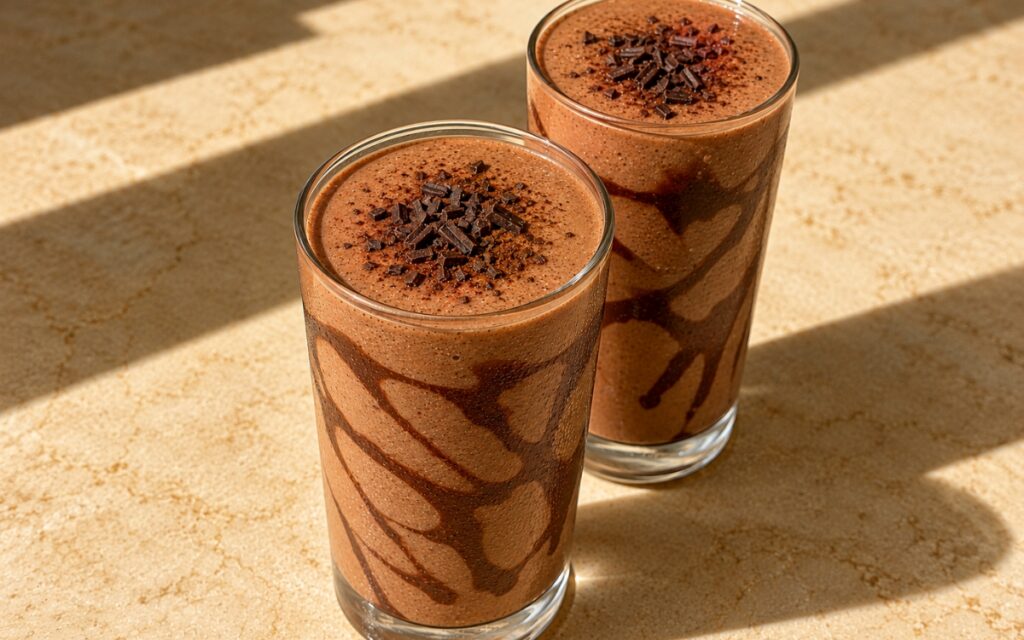
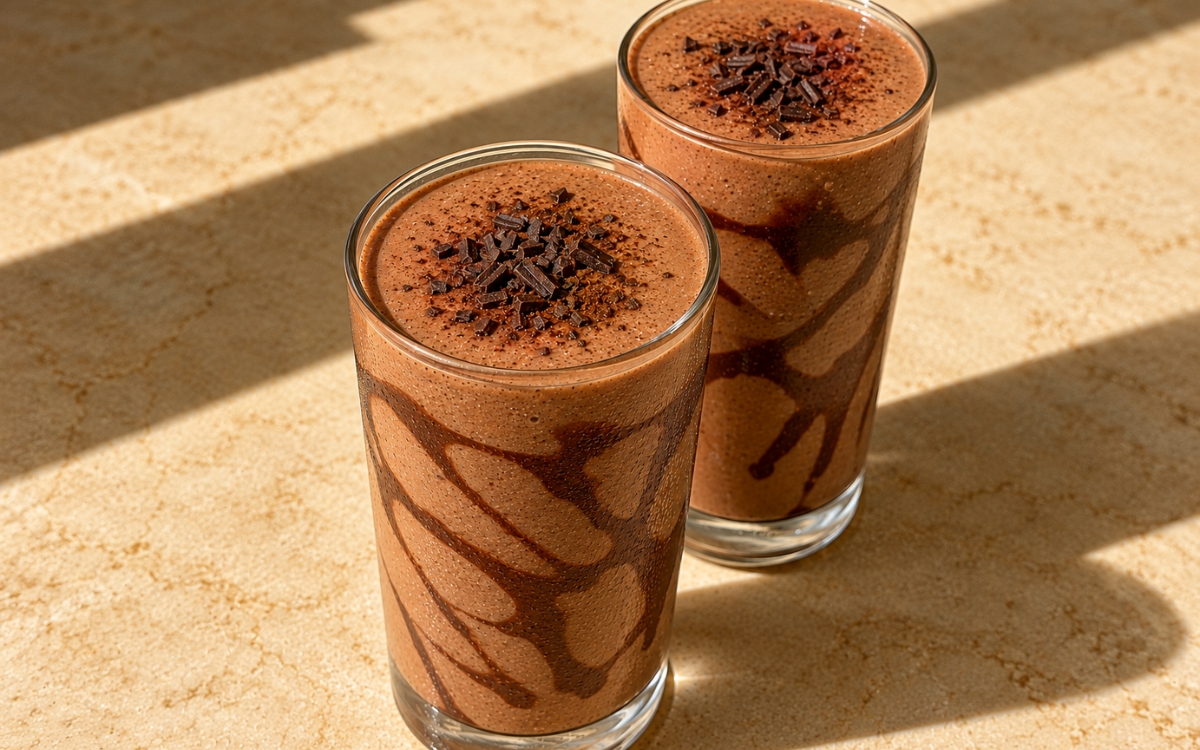
A thick, creamy mocha protein smoothie combining espresso, cocoa, banana, Greek yogurt, and protein powder, blending into a rich chocolate-coffee drink with a smooth, glossy body and enough structure to hold a light cocoa dusting and dark chocolate shavings. Brewing the espresso well ahead so it’s fully chilled before it ever meets the blender is the same cold-coffee principle used elsewhere in this collection’s other coffee-based smoothies, protecting the ice and frozen banana from melting on contact and keeping the texture genuinely thick rather than thin. Building the blender with the liquids underneath the protein and cocoa powders, rather than the reverse, is what keeps those dry ingredients from forming pockets around the blades or caking against the walls instead of blending in fully. Stopping the final blend slightly looser than the absolute target matters specifically because protein powder keeps absorbing moisture even after blending stops, so a smoothie poured at its exact ideal thickness can turn noticeably denser by the time it’s actually served. The payoff is a smoothie with real café-dessert character — thick and glossy, chocolate-coffee flavour running straight through, poured into a glass already lined with dark chocolate ribbons.
Prep Time : 10 min
Total Time : 20 min
Servings : 4
10 min
20 min
4
Ingredients
For the Mocha Protein Smoothie
• 2 large ripe bananas, sliced, preferably frozen
• 240g Greek yogurt
• 120ml espresso, fully chilled — 4 standard espresso shots, 30ml each
• 300ml cold milk
• 80g chocolate or vanilla protein powder
• 30g unsweetened cocoa powder
• 20–30g maple syrup or honey, optional, depending on the protein powder and banana sweetness
• 1 tsp vanilla extract
• 1 small pinch fine sea salt
• 160–200g ice cubes
For the Chocolate Glass Drizzle
• 40g dark chocolate
• 20ml milk or heavy cream
For the Finishing
• 10–15g dark chocolate, finely shaved or chopped
• 1–2 tsp unsweetened cocoa powder
Directions
- Chill the Espresso
Brew 120ml espresso and cool it completely before blending. For faster cooling, pour it into a shallow container and refrigerate for about 10 minutes. Do not blend hot or warm espresso with the smoothie — it melts the ice and frozen banana immediately, producing a thin drink instead of the thick texture this recipe is built around. That melting happens almost instantly on contact, since warm liquid transfers heat into frozen banana and ice far faster than the blending process itself can compensate for. - Prepare the Chocolate Drizzle
Melt the dark chocolate gently with the milk or cream until smooth and fluid, then allow it to cool until just slightly warm but still pourable. Drizzle thin irregular lines around the inside walls of four chilled glasses, then place the glasses in the refrigerator while making the smoothie. The chocolate must not be hot when it touches the cold glass or smoothie — warm chocolate becomes runny and disappears into the drink instead of leaving visible dark ribbons. That cold glass is doing real work here, setting the chocolate almost on contact so the drizzle holds its shape as a distinct ribbon rather than sliding down into a pool at the bottom. - Build the Blender
Add to the blender in this order: cold milk, chilled espresso, Greek yogurt, protein powder, cocoa powder, vanilla, salt, banana, and ice. Add maple syrup or honey only if needed. Liquids go underneath the powders — this prevents dry cocoa and protein powder from forming pockets around the blades or sticking heavily to the blender walls. That order matters more here than in most smoothies, since two separate dry powders are involved, and either one left sitting above the liquid line tends to cake against the sides rather than disperse evenly through the blend. - Blend
Blend on low briefly to combine, then increase to high and blend for about 30–45 seconds until completely smooth. Stop and scrape down the blender if any protein or cocoa remains stuck to the sides, then blend another 10–15 seconds if needed. The smoothie should be thick, glossy, and homogeneous, with a soft aerated surface but not a large foam cap. That brief scrape-down step matters specifically because protein and cocoa powder are the two ingredients most likely to resist full incorporation, clinging to the walls even after the rest of the mixture has gone fully smooth. - Correct the Consistency
Check before serving: if it’s too thick, add cold milk 15–20ml at a time; if it’s too thin, add additional frozen banana or a small handful of ice; if the coffee flavour is weak, add another 30ml chilled espresso rather than instant coffee powder. Protein powder continues absorbing moisture after blending, so stop slightly looser than the absolute final target if the smoothies will sit for several minutes before serving. That continued absorption is exactly why a smoothie that looked perfectly thick straight off the blades can turn noticeably denser by the time it’s actually poured and served. - Serve
Pour immediately into the prepared glasses, approximately 250ml per serving. Dust very lightly with cocoa powder and scatter dark chocolate shavings over the center, then serve immediately. That immediate serving protects both the chocolate drizzle’s crisp ribbon and the smoothie’s own thickness, since the glass’s cold advantage over the drizzle and the ice’s advantage over the protein powder both fade the longer the finished drink sits before reaching the table.
*Notes :
- Whey or whey-casein protein blends give this smoothie its smoothest, most milkshake-like texture, while plant-based protein powders tend to absorb noticeably more liquid, often needing an additional 30–60ml of milk to reach the same consistency. That difference is worth knowing before swapping protein types, rather than discovering it mid-blend.
- The specified four 30ml espresso shots give a clear, genuine coffee flavour without letting it overwhelm the chocolate and banana underneath it. Reaching for an extra shot if the coffee note tastes weak works considerably better than instant coffee powder, which tends to taste flatter and doesn’t carry the same rounded espresso character.
- Natural and Dutch-process cocoa both work here, though Dutch-process produces a darker, softer chocolate profile that suits a mocha flavour particularly well, since its milder acidity lets the coffee and chocolate notes blend together more smoothly rather than competing.
- Over-blending works against this smoothie more than under-blending does — prolonged high-speed blending actually warms the mixture through friction alone, and that added warmth measurably reduces the thickness every other step in this recipe is built to achieve.
Why This Recipe Works
This recipe works because the espresso is brewed and fully chilled before it meets the blender, protecting the ice and frozen banana from melting on contact. Building the blender with liquids underneath the protein and cocoa powders keeps those dry ingredients from caking against the walls, and a brief scrape-down mid-blend catches whatever still clings there. Stopping the final texture slightly looser than the absolute target accounts for how much moisture protein powder keeps absorbing even after blending ends. Chilling the glasses before drizzling in the dark chocolate sets it almost on contact, so the finished smoothie arrives with real visible ribbons rather than chocolate that’s simply disappeared into the drink.
Ingredient Breakdown
Fully Chilled Espresso
— The critical technique — keeps the ice and frozen banana from melting on contact, protecting the smoothie’s whole structure.
Frozen Ripe Banana
— The structural foundation — the main texture stabilizer, giving real body without requiring excessive ice.
Protein Powder Added Over Liquid
— The critical technique — blending it in above the milk and espresso keeps it from caking against the blender walls.
Unsweetened Cocoa Powder
— The flavour backbone — builds the smoothie’s deep chocolate character alongside the espresso’s coffee note.
Greek Yogurt
— The structural technique — adds body and a gentle tang that reinforces the protein powder’s own thickening effect.
Chocolate Glass Drizzle (Chilled Before Pouring)
— The finishing technique — a cold glass sets the melted chocolate almost on contact, holding it as a visible ribbon rather than a pool.
Dark Chocolate Shavings and Cocoa Dusting
— The finishing touch — adds concentrated chocolate hits and visual contrast on top of the glossy smoothie.
Flavor Structure Explained
This mocha protein smoothie follows a layered balance model:
- Sweet, creamy foundation (frozen banana, Greek yogurt, protein powder)
- Bold mocha register (chilled espresso, cocoa powder)
- Concentrated chocolate accent (chocolate drizzle, dark chocolate shavings)
- Rounding finish (vanilla, salt)
Frozen banana, Greek yogurt, and protein powder together set this smoothie’s sweet, creamy foundation, thick enough to carry real structure. Chilled espresso and cocoa powder layer in a bold, genuine mocha register that runs through the entire drink. The chocolate drizzle lining the glass and the dark chocolate shavings on top add a more concentrated chocolate accent that hits in isolated moments rather than throughout every sip, and vanilla with a pinch of salt rounds out the finish, keeping the mocha flavour from tasting flat.
Common Mistakes to Avoid
- Blending Warm Espresso Into the Smoothie – This melts the ice and frozen banana immediately, producing a thin drink. Always cool the espresso completely before it meets the blender.
- Drizzling Hot Chocolate Into the Glasses – This makes the chocolate runny, and it disappears into the drink instead of leaving visible ribbons. Always let it cool until just slightly warm and pourable, and chill the glasses first.
- Adding the Powders Before the Liquid – This lets dry cocoa and protein powder form pockets around the blades or stick to the walls. Always add the milk and espresso first.
- Over-Blending Past the Point of Smoothness – This warms the mixture through friction and measurably reduces its thickness. Always stop as soon as the texture turns glossy and homogeneous.
- Blending to the Exact Final Thickness – This leaves the smoothie too dense by the time it’s actually served, since protein powder keeps absorbing moisture. Always stop slightly looser if serving will take a few extra minutes.
Variations
Extra-Bold Coffee Version
Add another 30ml of chilled espresso rather than reaching for instant coffee powder, pushing the coffee flavour further forward against the chocolate and banana without introducing a flatter, less rounded coffee note.
Plant-Protein Version
Swap in a plant-based protein powder, adding an extra 30–60ml of milk to compensate for how much more liquid it tends to absorb compared with whey or whey-casein blends.
No-Drizzle Version
Skip the chocolate glass drizzle entirely and simply dust the top with cocoa powder and chocolate shavings, trading the visible ribbon effect for a considerably faster, simpler finish.
Dutch-Process Cocoa Version
Use Dutch-process cocoa instead of natural cocoa powder for a darker, softer chocolate profile whose milder acidity lets the coffee and chocolate notes blend together more smoothly throughout.
Storage & Make-Ahead
This smoothie is built to be served the instant it’s poured, since both the chilled glass’s hold on the chocolate drizzle and the ice’s hold on the protein powder’s texture fade within minutes once it sits out.
The espresso can be brewed and fully chilled up to a day ahead and kept refrigerated, which removes the ten-minute cooling wait entirely and makes the actual blending step considerably faster on serving day.
The chocolate glass drizzle can be prepared and set in the refrigerated glasses up to a few hours ahead, as long as the glasses stay chilled the whole time rather than coming back to room temperature.
Bananas can be sliced and frozen in a sealed bag well in advance, so it’s worth freezing a larger batch whenever ripe ones are on hand to always have the main texture stabilizer ready.
Frequently Asked Questions
Why does the espresso need to be fully chilled before blending?
Warm espresso melts the ice and frozen banana immediately on contact, producing a thin drink instead of the thick texture the rest of the recipe is built around.
Why do the liquids go into the blender before the protein powder and cocoa?
Liquids sitting underneath the powders keep dry cocoa and protein powder from forming pockets around the blades or sticking heavily to the blender walls instead of blending in fully.
Why stop blending slightly looser than the final target thickness?
Protein powder continues absorbing moisture even after blending stops, so a smoothie poured at its exact ideal texture can turn noticeably denser by the time it’s actually served a few minutes later.
Why does the chocolate drizzle need cold glasses rather than room-temperature ones?
A cold glass sets the melted chocolate almost on contact, holding it as a visible ribbon along the inside wall rather than letting it run down into a pool at the bottom.
Are there other coffee-chocolate smoothies or banana baked goods worth trying?
Banana Coffee Smoothie and Peanut Butter Banana Protein Smoothie both offer other banana-and-protein smoothie directions worth exploring. Iced Mocha makes a good simpler, banana-free coffee option for the same chocolate-coffee craving. Banana Espresso Chocolate Chip Muffins carries the same flavour pairing into baked territory, and Chocolate Cherry Smoothie offers another chocolate-forward blended drink worth trying as well.
Nutrition Facts
( Per Serving — 250 ml )
Calories
~345 kcal
Protein
~26 g
Fat
~11.5 g
Carbs
~36 g
Calories
~345 kcal
Protein
~26 g
Fat
~11.5 g
Carbs
~36 g
Related Recipes
Related Recipes
-

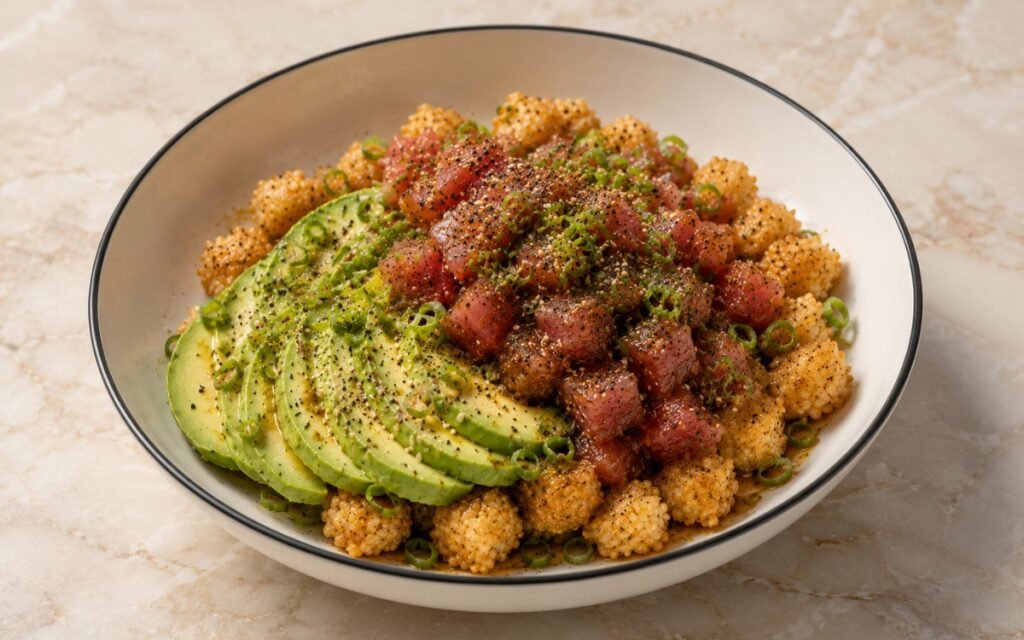
Crispy Rice Salad with Spicy Tuna & Avocado
Crunchy baked sushi rice topped with soy-sesame tuna, creamy avocado, scallions, and a glossy sesame dressing.
-
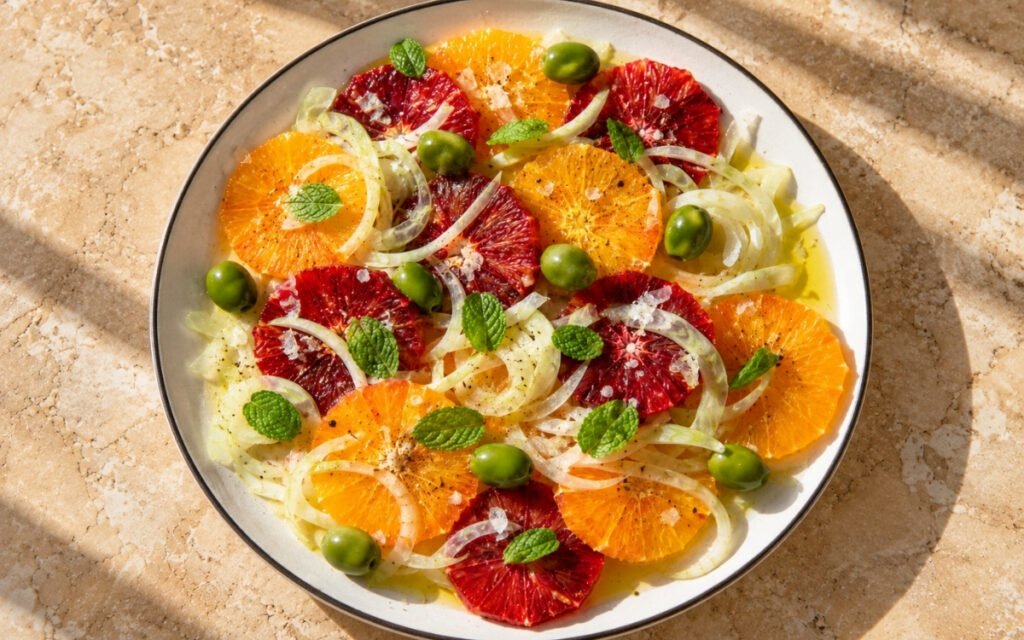
Sicilian Orange and Fennel Salad
Sweet navel and blood oranges with thinly shaved fennel, olives, mint, olive oil, flaky salt, and black pepper.
-
Classic Iced Black Tea
Black tea at 90–95°C for 2½–3 minutes, honey dissolved warm, lemon peel infused cold 5–10 minutes — chilled. Crisp, clean, timeless.

You might also like
You might also like
-
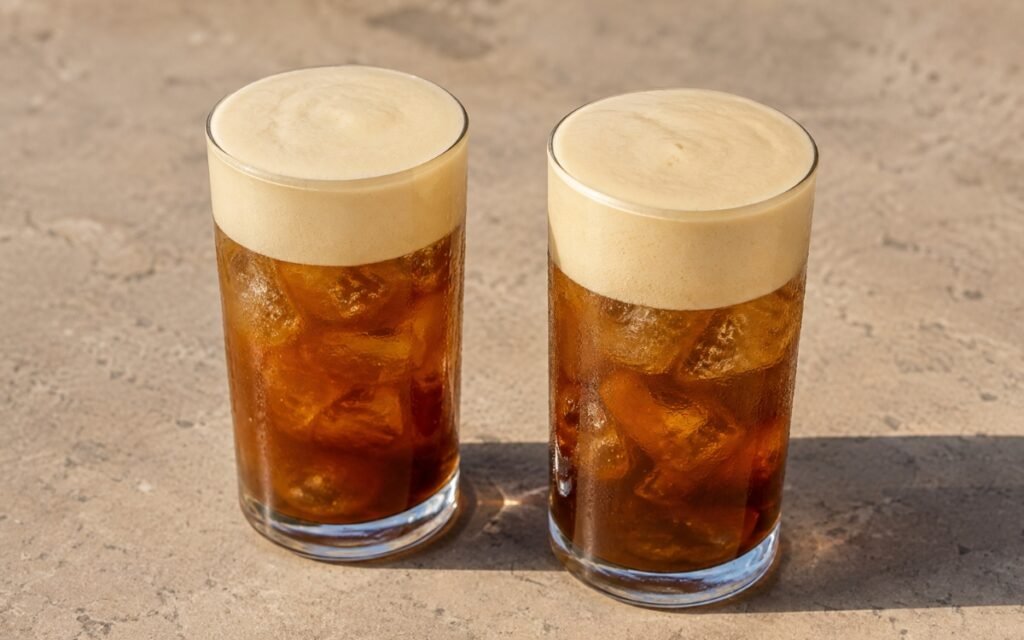
Cold Foam Iced Coffee
A very dark, fully chilled cold coffee base topped with a thick, dense cold foam layer that sits clearly, cloud-like, on top.
-
Peach Mango Smoothie
A thick, creamy peach mango smoothie with a silky orange-gold texture, blended from ripe peaches, sweet mango, and yogurt.
-
Classic Southern Buttermilk Biscuits
Tall, flaky Southern buttermilk biscuits with deeply golden tops, tender layered sides, and a soft steamy interior.
Mocha Protein Smoothie
Ingredients
Method
- Brew 120ml espresso and cool it completely before blending. For faster cooling, pour it into a shallow container and refrigerate for about 10 minutes. Do not blend hot or warm espresso with the smoothie — it melts the ice and frozen banana immediately, producing a thin drink instead of the thick texture this recipe is built around. That melting happens almost instantly on contact, since warm liquid transfers heat into frozen banana and ice far faster than the blending process itself can compensate for.
- Melt the dark chocolate gently with the milk or cream until smooth and fluid, then allow it to cool until just slightly warm but still pourable. Drizzle thin irregular lines around the inside walls of four chilled glasses, then place the glasses in the refrigerator while making the smoothie. The chocolate must not be hot when it touches the cold glass or smoothie — warm chocolate becomes runny and disappears into the drink instead of leaving visible dark ribbons. That cold glass is doing real work here, setting the chocolate almost on contact so the drizzle holds its shape as a distinct ribbon rather than sliding down into a pool at the bottom.
- Add to the blender in this order: cold milk, chilled espresso, Greek yogurt, protein powder, cocoa powder, vanilla, salt, banana, and ice. Add maple syrup or honey only if needed. Liquids go underneath the powders — this prevents dry cocoa and protein powder from forming pockets around the blades or sticking heavily to the blender walls. That order matters more here than in most smoothies, since two separate dry powders are involved, and either one left sitting above the liquid line tends to cake against the sides rather than disperse evenly through the blend.
- Blend on low briefly to combine, then increase to high and blend for about 30–45 seconds until completely smooth. Stop and scrape down the blender if any protein or cocoa remains stuck to the sides, then blend another 10–15 seconds if needed. The smoothie should be thick, glossy, and homogeneous, with a soft aerated surface but not a large foam cap. That brief scrape-down step matters specifically because protein and cocoa powder are the two ingredients most likely to resist full incorporation, clinging to the walls even after the rest of the mixture has gone fully smooth.
- Check before serving: if it’s too thick, add cold milk 15–20ml at a time; if it’s too thin, add additional frozen banana or a small handful of ice; if the coffee flavour is weak, add another 30ml chilled espresso rather than instant coffee powder. Protein powder continues absorbing moisture after blending, so stop slightly looser than the absolute final target if the smoothies will sit for several minutes before serving. That continued absorption is exactly why a smoothie that looked perfectly thick straight off the blades can turn noticeably denser by the time it’s actually poured and served.
- Pour immediately into the prepared glasses, approximately 250ml per serving. Dust very lightly with cocoa powder and scatter dark chocolate shavings over the center, then serve immediately. That immediate serving protects both the chocolate drizzle’s crisp ribbon and the smoothie’s own thickness, since the glass’s cold advantage over the drizzle and the ice’s advantage over the protein powder both fade the longer the finished drink sits before reaching the table.