
Matcha Sesame Cookies
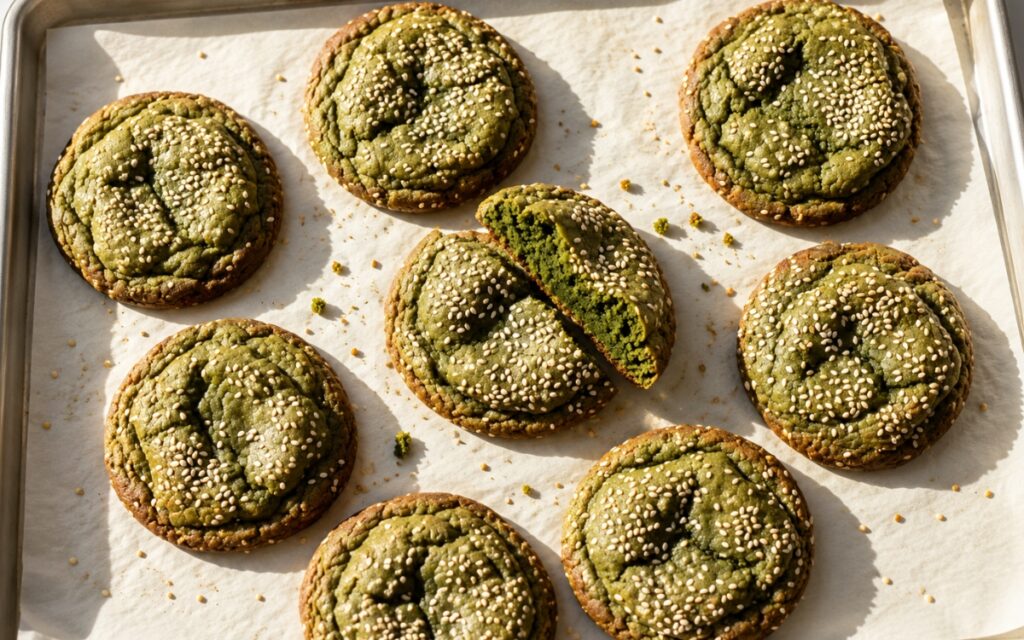
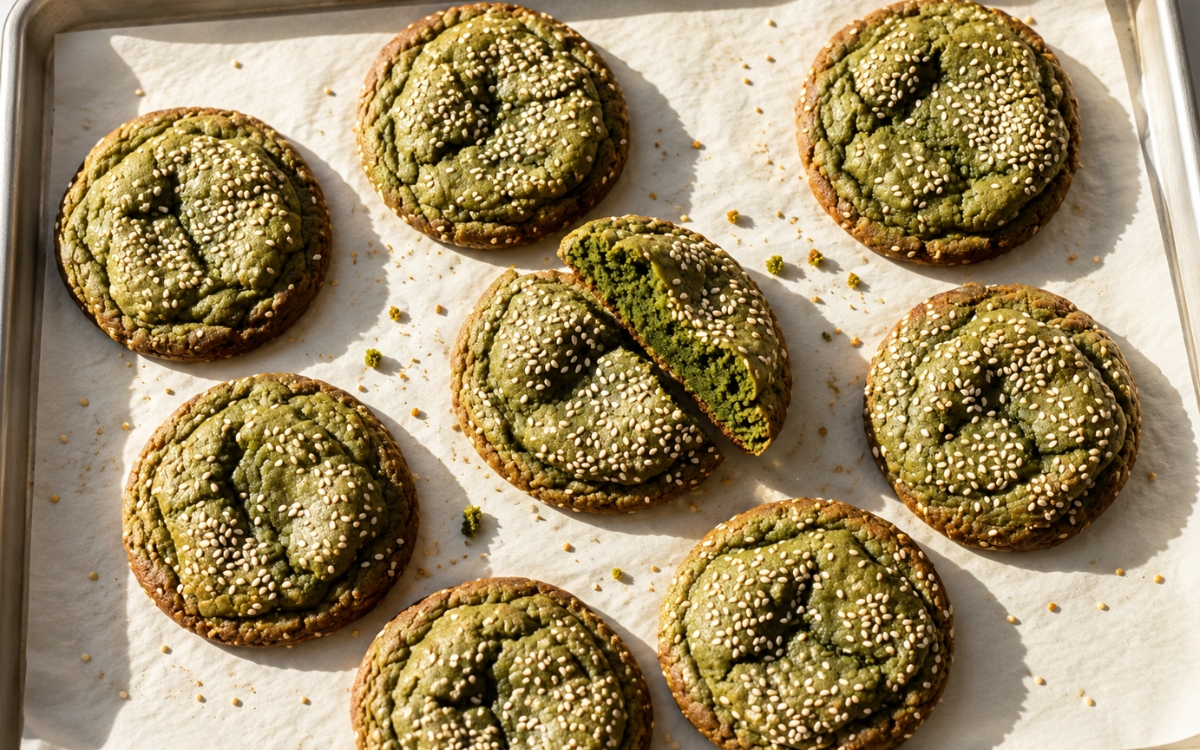
Soft-baked matcha cookies with a muted deep green color, wrinkled tender centers, lightly darker baked edges, and a generous coating of white sesame seeds on top. Sifting the matcha thoroughly before it ever meets the other dry ingredients is the step the entire color and flavor depends on — the same fully-dispersed-powder approach used elsewhere in this collection whenever a concentrated ingredient needs to distribute evenly rather than clump into bitter pockets. Chilling the portioned dough before baking is what controls spread and builds the thick, wrinkled centers these cookies are known for, and pulling them from the oven while the centers still look a little underdone is what keeps the interior soft and dense rather than dry.
Prep Time : 25 min
Total Time : 1 hr 30 min
Servings : 12
25 min
1 hr 30 min
12
Ingredients
For the Cookie Dough
• 280 g all-purpose flour
• 10 g culinary-grade matcha powder, sifted
• ½ tsp baking soda
• ½ tsp baking powder
• ½ tsp fine salt
• 170 g unsalted butter, room temperature
• 150 g light brown sugar
• 100 g granulated sugar
• 1 large egg, room temperature
• 1 large egg yolk, room temperature
• 2 tsp vanilla extract
For the Sesame Topping
• 70–80 g white sesame seeds
Directions
- Prepare the Dry Mix
Whisk together the flour, sifted matcha, baking soda, baking powder, and salt in a medium bowl until evenly combined with no matcha lumps remaining. Matcha needs to be fully dispersed at this stage, or the dough ends up with dark, bitter specks running through it. - Cream the Butter and Sugars
Beat the butter, brown sugar, and granulated sugar together in a large bowl until smooth, creamy, and slightly lightened, 2 to 3 minutes, scraping the bowl well. Don’t overwhip to a very airy texture, since that can make the cookies spread too much during baking. - Add the Egg Ingredients
Beat in the egg, then the egg yolk, then the vanilla, mixing until fully incorporated and glossy. Scrape the bowl again to make sure no butter-heavy streaks remain at the bottom. - Finish the Dough
Add the dry ingredients and mix on low just until no dry flour remains — the dough should look soft, thick, and evenly green. Don’t overmix once the flour goes in, or the cookies can bake up tough. - Portion and Coat
Line trays or a plate with parchment, then scoop the dough into 24 equal portions, about 35–38 g each. Press or roll the top of each dough ball in the white sesame seeds so the tops are generously coated, keeping the dough mounded rather than flattening it too much — that mounded shape is what helps create thick, wrinkled centers once baked. - Chill the Dough
Refrigerate the portioned dough for 45 to 60 minutes, until noticeably firmer. This chilling step matters for controlled spread, deeper flavor, and soft, thick centers. - Bake
Heat the oven to 175°C conventional / 160°C fan and line baking trays with parchment. Arrange the cookies with enough space between them, about 6 per tray, baking one tray at a time if possible for the most even result. Bake for 12 to 14 minutes, until the edges are set and slightly darker, the tops are puffed and wrinkled, and the centers still look a little soft and underdone. Don’t wait for the centers to look fully baked — they continue setting on the tray and stay soft inside. - Cool
Let the cookies rest on the baking tray for 10 minutes — this carryover time sets the structure without drying them out. Transfer to a rack and cool completely. One cookie can be broken open once slightly cooled, and the center should look soft, dense, and moist.
*Notes :
- Sifting the matcha before it joins the other dry ingredients isn’t a step worth skipping, even though it adds an extra few minutes to the process. Matcha clumps easily on its own, and any lumps that survive into the dough show up as dark, bitter specks rather than blending into the batter’s even green color.
- Culinary-grade matcha, rather than ceremonial-grade, is the right choice specifically for baking. Ceremonial matcha is milder and more delicate, meant for whisking into tea, while culinary-grade holds its flavor better against the butter, sugar, and heat involved in baking a cookie.
- Chilling the portioned dough balls does more than just control spread, although that’s part of the reason for it. The chilling time also lets the flour fully hydrate and the flavors deepen slightly, which contributes to the dense, soft interior these cookies are meant to have.
- Resisting the urge to bake until the centers look fully set protects the texture the whole recipe is built around. Cookies pulled at that later stage have usually overbaked past the soft, dense center, and the carryover time on the hot tray is what finishes the job without drying them out.
Why This Recipe Works
This recipe works because thoroughly sifting the matcha prevents the bitter, dark specks that undispersed powder would leave behind, and chilling the portioned dough controls spread while building the thick, wrinkled centers these cookies are known for. Creaming the butter and sugars only until smooth, rather than very airy, keeps the dough from spreading too much once it hits the oven, and pulling the cookies while the centers still look soft lets the carryover heat finish setting them without drying out the interior. The generous sesame coating adds a nutty crunch and visual contrast against the muted green color, rounding out a cookie that’s dense and soft rather than crisp.
Ingredient Breakdown
Sifted Culinary-Grade Matcha
The critical flavor-and-color ingredient — must be fully dispersed to avoid bitter specks and keep the color even.
Chilled Portioned Dough
The critical technique — controls spread and builds the thick, wrinkled centers.
Extra Egg Yolk
The richness booster — adds fat for a denser, chewier interior.
White Sesame Seeds
The finishing coating — pressed generously onto the dough before chilling for a crunchy, nutty exterior.
Light Brown Sugar
The moisture-and-flavor base — keeps the crumb soft alongside the granulated sugar.
Properly Timed Bake
The critical technique — pulling the cookies while centers look underdone protects their soft, dense texture.
Flavor Structure Explained
This matcha sesame cookie follows a layered balance model:
- Soft, dense foundation (creamed butter, extra egg yolk)
- Earthy green flavor core (sifted matcha powder)
- Nutty finishing coating (white sesame seeds)
- Controlled spread and texture (chilled dough, carryover baking)
Creamed butter and the extra egg yolk build the soft, dense foundation of this cookie, while thoroughly sifted matcha carries an earthy, slightly bitter green flavor through the whole dough. The generous white sesame coating adds a nutty crunch and visual contrast against the muted green color, and chilling the dough before baking, followed by careful carryover cooling, keeps the texture dense and soft rather than crisp or dry.
Common Mistakes to Avoid
- Skipping the Matcha Sift – This leaves bitter, dark specks through the dough. Always sift the matcha before combining it with the other dry ingredients.
- Using Ceremonial-Grade Matcha – This produces a milder flavor that doesn’t hold up as well in baking. Always use culinary-grade matcha for this recipe.
- Overwhipping the Butter and Sugar – This causes the cookies to spread too much. Always beat just until smooth and slightly lightened.
- Skipping the Chilling Step – This leads to thinner, less controlled spread and flatter centers. Always chill the portioned dough for 45 to 60 minutes.
- Baking Until the Centers Look Fully Set – This overbakes the cookies past their soft, dense texture. Always pull them while the centers still look a little underdone.
Variations
Black Sesame Version
Replace the white sesame seeds with black sesame seeds for a more striking visual contrast against the green dough and a slightly deeper, more toasted flavor.
White Chocolate Matcha Version
Fold 80–100 g of white chocolate chips or chunks into the finished dough before portioning, for a sweeter cookie where the white chocolate balances the matcha’s natural bitterness.
Extra-Matcha Version
Increase the matcha slightly beyond the recipe’s own measurement for a more intense, more bitter-forward flavor, keeping the sifting step the same to avoid clumping.
Toasted Sesame Version
Lightly toast the white sesame seeds in a dry skillet before coating the dough balls, watching closely since pre-toasted seeds brown faster in the oven than raw ones.
Storage & Make-Ahead
These cookies store well, which makes them a practical make-ahead option for anyone baking in batches. Keep them in an airtight container at room temperature for up to 4 days, though they’re softest and at their best during the first two days after baking.
The dough itself is also a strong candidate for prepping ahead, since the recipe already calls for a chilling period before baking. Portion and coat the dough balls in sesame seeds, then refrigerate them for the full 45 to 60 minutes, or even longer if your schedule calls for it — just check that the dough hasn’t become too loose if your kitchen runs warm, chilling a little longer if needed.
For the most even round cookies, nudge the edges gently into shape with a round cutter or cup immediately after baking while the cookies are still soft. This small step is worth doing right away, since the shape sets quickly as the cookies cool.
If you want to bake only part of a batch at a time, the remaining chilled dough holds well in the refrigerator for a day or two before baking, making it easy to bake fresh cookies across several days rather than all at once.
Frequently Asked Questions
Can I use ceremonial-grade matcha instead of culinary-grade?
You can, but the flavor will come through noticeably milder once baked, since ceremonial matcha isn’t built to hold up against butter, sugar, and oven heat the way culinary-grade is. Culinary-grade matcha gives a stronger, more distinct flavor in the finished cookie.
Why does my dough have dark, bitter specks in it?
This happens when the matcha wasn’t fully sifted and dispersed before mixing, since matcha clumps easily on its own. Always sift the matcha thoroughly and whisk it well into the other dry ingredients before it meets the wet mixture.
Can I skip chilling the dough?
It’s not recommended, since chilling is what controls how much the cookies spread and helps build their characteristic thick, wrinkled centers. Skipping it usually results in thinner, flatter cookies with less of that soft, dense interior.
Why did my cookies turn out dry instead of soft and dense?
This almost always comes from baking too long, since these cookies are meant to come out of the oven while the centers still look a little underdone. The carryover heat on the tray finishes setting them without drying out the interior, so pull them a little earlier than you might expect.
What other sesame, tahini, or matcha treats pair well with this one?
Black Sesame Brown Sugar Cookies, Tahini Chocolate Chunk Cookies, Brown Butter Pistachio Chocolate Chunk Cookies, Cold Brew Green Tea, and Japanese Sweet Potato Crème Brûlée all share similar sesame, tahini, or green tea flavor profiles and make good options to try next.
Nutrition Facts
( Per Serving — 2 cookies )
Calories
~290 kcal
Protein
4 g
Fat
14 g
Carbs
37 g
Calories
~290 kcal
Protein
4 g
Fat
14 g
Carbs
37 g
Related Recipes
Related Recipes
-

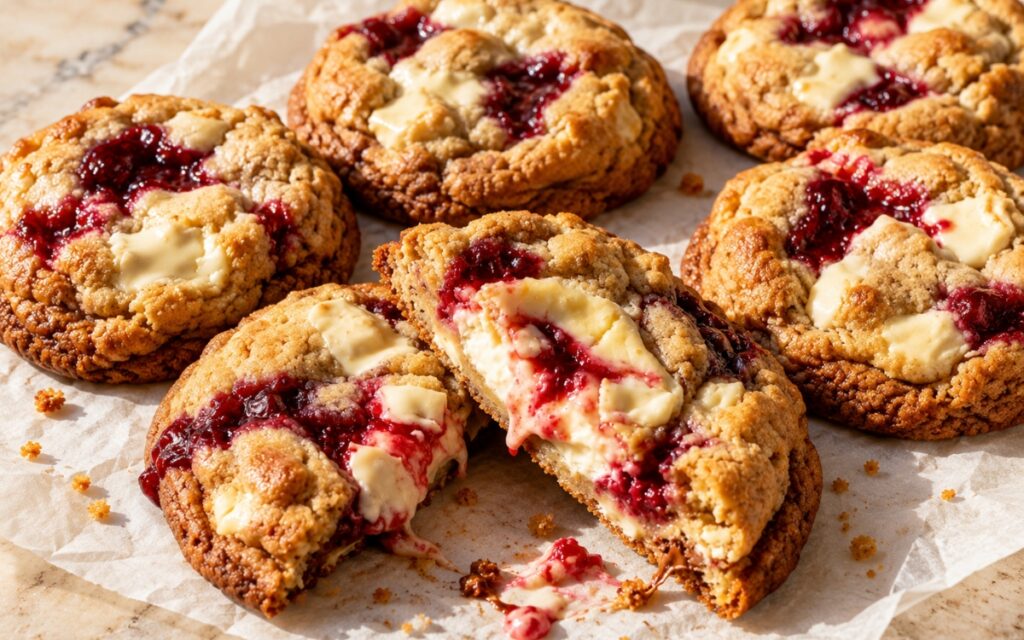
Raspberry White Chocolate Cheesecake Cookies
Soft bakery-style cookies stuffed with a creamy cheesecake center and jammy raspberry pockets.
-
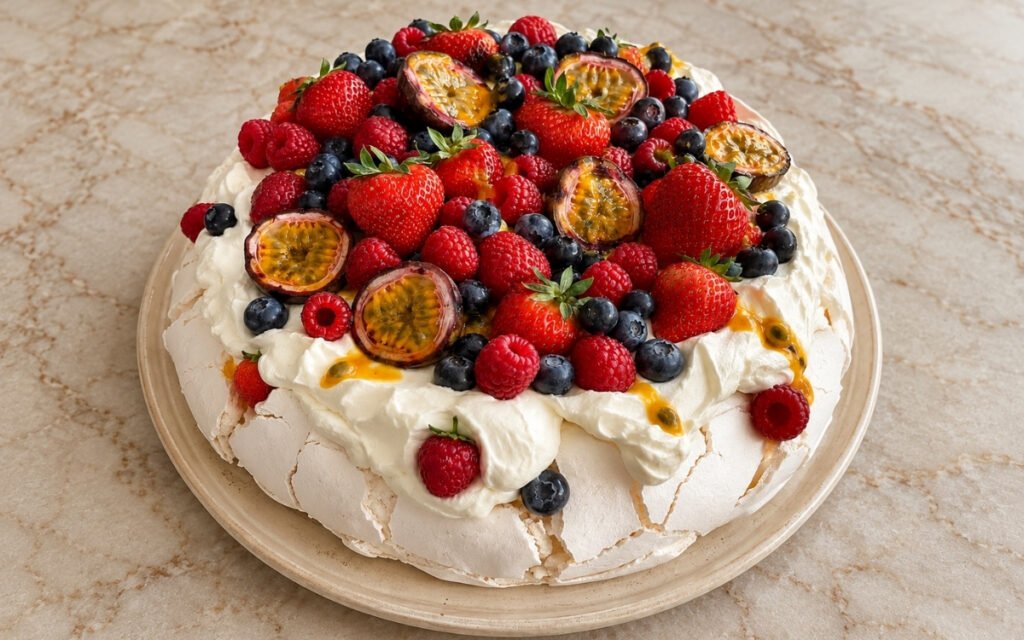
Classic Pavlova
A crisp white meringue shell with a soft marshmallow-like center, piled with billowy whipped cream, fresh berries, and passion fruit.
-
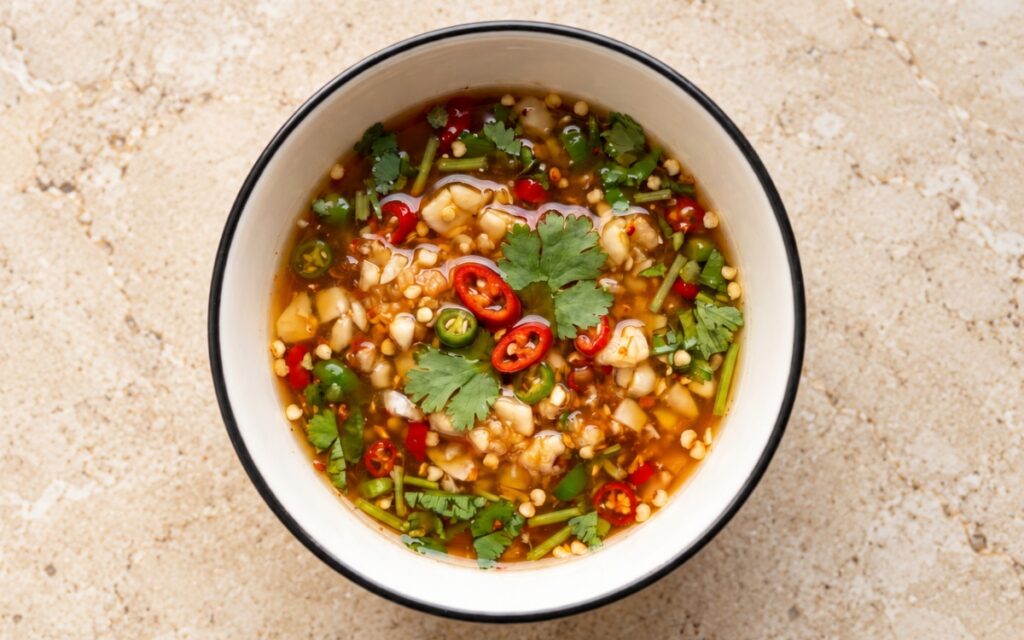
Jeow Som (Lao Sour Dipping Sauce)
A thin, bright Lao dipping sauce of fresh lime juice, fish sauce, palm sugar, pounded garlic, bird’s eye chillies and cilantro.
You might also like
You might also like
-
Lemon Poppyseed Crepes
Delicate lemon poppyseed crepes filled with silky lemon curd and whipped ricotta, finished with a vivid raspberry mash.
-
Brown Butter Pistachio Chocolate Chunk Cookies
Thick brown butter cookies with chopped pistachios and large melted dark chocolate chunks.
-
Brown Butter Pear Streusel Muffins
Bakery-style pear muffins with nutty brown butter and a cinnamon streusel topping.
Matcha Sesame Cookies
Ingredients
Method
- Whisk together the flour, sifted matcha, baking soda, baking powder, and salt in a medium bowl until evenly combined with no matcha lumps remaining. Matcha needs to be fully dispersed at this stage, or the dough ends up with dark, bitter specks running through it.
- Beat the butter, brown sugar, and granulated sugar together in a large bowl until smooth, creamy, and slightly lightened, 2 to 3 minutes, scraping the bowl well. Don’t overwhip to a very airy texture, since that can make the cookies spread too much during baking.
- Beat in the egg, then the egg yolk, then the vanilla, mixing until fully incorporated and glossy. Scrape the bowl again to make sure no butter-heavy streaks remain at the bottom.
- Add the dry ingredients and mix on low just until no dry flour remains — the dough should look soft, thick, and evenly green. Don’t overmix once the flour goes in, or the cookies can bake up tough.
- Line trays or a plate with parchment, then scoop the dough into 24 equal portions, about 35–38 g each. Press or roll the top of each dough ball in the white sesame seeds so the tops are generously coated, keeping the dough mounded rather than flattening it too much — that mounded shape is what helps create thick, wrinkled centers once baked.
- Refrigerate the portioned dough for 45 to 60 minutes, until noticeably firmer. This chilling step matters for controlled spread, deeper flavor, and soft, thick centers.
- Heat the oven to 175°C conventional / 160°C fan and line baking trays with parchment. Arrange the cookies with enough space between them, about 6 per tray, baking one tray at a time if possible for the most even result. Bake for 12 to 14 minutes, until the edges are set and slightly darker, the tops are puffed and wrinkled, and the centers still look a little soft and underdone. Don’t wait for the centers to look fully baked — they continue setting on the tray and stay soft inside.
- Let the cookies rest on the baking tray for 10 minutes — this carryover time sets the structure without drying them out. Transfer to a rack and cool completely. One cookie can be broken open once slightly cooled, and the center should look soft, dense, and moist.