
Lemongrass Lime Green Tea Cooler
A bright, clean iced green tea cooler built from properly brewed green tea, a gentle lemongrass infusion, and fresh lime added cold at the end for maximum freshness. The method keeps the tea delicate, the lemongrass aromatic, and the lime vivid rather than dull or cooked. Lightly bruising the lemongrass rather than boiling it hard is the technique this whole base depends on for its clean, aromatic character — that bruising releases the stalk’s citrusy oils through gentle physical rupture rather than needing an aggressive, extended boil to force flavour out, the same bruise-don’t-boil principle used elsewhere in this collection whenever a fibrous aromatic needs gentle release rather than brute-force extraction. Brewing the green tea at a genuinely controlled 75–80°C, never boiling, is what keeps it delicate rather than bitter and flat. Adding the fresh lime juice only cold, right at the very end, is what preserves its sharp, vivid brightness rather than letting any residual warmth dull it. The payoff is a cooler that’s genuinely bright, clean, and layered — delicate green tea, aromatic lemongrass, and vivid fresh lime all staying distinct rather than blurring together.
Prep Time : 15 min
Cook Time : 10 min
Servings : 8
15 min
10 min
8
Ingredients
For the Lemongrass Base
• 4 fresh lemongrass stalks
• 700ml water
• 140 to 180g granulated sugar, to taste — this one on Amazon
For the Green Tea
• 16 to 20g loose green tea, or 8 green tea bags — this one on Amazon
• 800ml water heated to 75–80°C
For the Lime
• 4 to 5 limes
• 120 to 160ml fresh lime juice
• Zest strips from 2 limes, green part only, no white pith
To Finish
• 350 to 450ml cold water, as needed to bring the total volume to about 2 liters
• Pinch of fine sea salt, optional
For Serving
• Ice cubes
• Thin lime wheels
• Short trimmed lemongrass stalks for the glasses
This post may contain affiliate links. As an Amazon Associate I earn from qualifying purchases, at no additional cost to you.
Directions
- Prep the Lemongrass
Trim off the dry tops and root ends of the lemongrass. Use the lower tender part of the stalks, about 12 to 15cm from each. Lightly bruise them with the back of a knife, then cut into 5cm pieces. This helps release the citrusy oils without needing a long aggressive boil. That light bruising physically ruptures the stalk’s outer fibres just enough to expose the aromatic oils held within, letting a subsequent gentle simmer draw them out far more efficiently than an unbruised stalk boiled hard ever would. - Make the Lemongrass Infusion
Bring 700ml water just to a light simmer. Add the lemongrass, turn the heat to low, and keep it at a very gentle simmer for 3 to 4 minutes only. Remove from the heat, cover, and let steep for 10 minutes. Strain into a bowl or pitcher while still warm. Add the sugar and stir until dissolved. Keeping this simmer genuinely gentle and brief, rather than extended or hard-boiling, protects lemongrass’s own bright, citrusy character from turning toward the flatter, more muted flavour extended aggressive heat would produce. - Extract the Lime Oils Safely
Add the lime zest strips to the warm lemongrass syrup and let them sit for 10 minutes, then remove and discard. This gives clean lime aroma without bitterness. Only use the green part of the peel — no white pith. Steeping the zest in the already-warm syrup, rather than adding it earlier during active heat, extracts its aromatic oils gently while avoiding any risk of scorching the peel against direct heat. - Brew the Green Tea Properly
Heat 800ml water to 75–80°C. Add the green tea and steep for 2 minutes if using loose tea, or 2 to 2½ minutes if using bags. Strain immediately. Do not oversteep. Let the tea cool for 10 to 15 minutes. Green tea’s tannins extract considerably faster and more harshly at higher temperatures, and continuing to steep even at the correct temperature draws out increasingly bitter compounds the longer it sits — the specific temperature and brief steep window together protect the tea’s own delicate character from both directions. - Combine
In a large pitcher, combine the sweetened lemongrass-lime base, the brewed green tea, the fresh lime juice, and the optional pinch of salt. Add 350 to 450ml cold water, or enough to bring the total volume to about 2 liters. Stir and taste. Adjust if needed: more lime juice for a sharper cooler; more sugar if you want it softer; more cold water if you want it lighter. Adding the fresh lime juice at this stage, once the tea has already cooled and the lemongrass syrup has already cooled to only warm, is what protects that juice’s own sharp, vivid acidity from being dulled by any real residual heat still present earlier in the process. - Chill and Serve
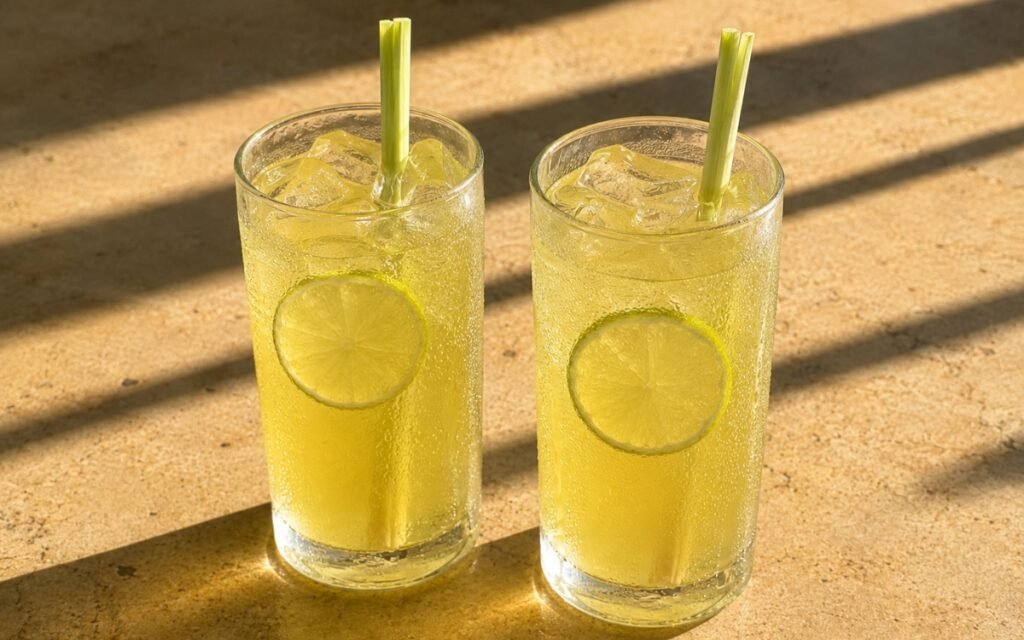
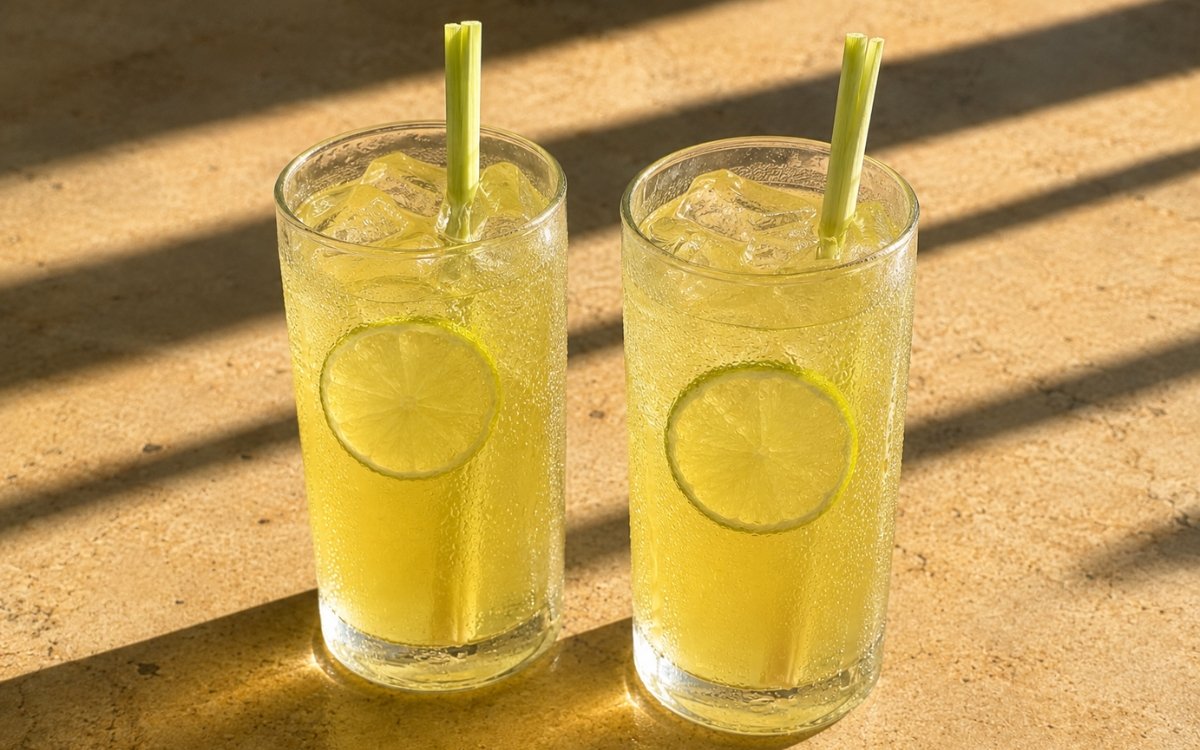
Refrigerate until fully cold, about 1 hour. Fill tall glasses with ice. Add a thin lime wheel inside each glass and a short lemongrass stalk standing in the drink. Pour over the chilled cooler and serve immediately. Standing a trimmed lemongrass stalk directly in the glass, rather than simply floating a slice, gives the drink a genuine visual and aromatic presence that reinforces its core identity right at serving.
*Notes :
- Lightly bruising the lemongrass before it ever meets any heat deserves recognition as the technique responsible for this base’s clean, genuinely aromatic character. That bruising physically ruptures the stalk’s tough outer fibres, exposing the aromatic oils held within far more efficiently than an intact stalk would release under the same amount of heat — this is what allows the brief, gentle simmer that follows to actually work, rather than needing a longer, harsher boil to compensate for skipping this step.
- Keeping the lemongrass simmer genuinely brief and gentle, rather than extended or hard-boiling, follows the same underlying logic that protects delicate aromatics throughout this collection. Lemongrass’s bright, citrusy character is genuinely vulnerable to prolonged or aggressive heat — pushing the cook further than specified here would flatten that same brightness into something duller and less distinct.
- The specific, controlled temperature and brief steep time given for the green tea deserve the same careful attention this collection applies to every green tea recipe. Green tea’s tannins extract considerably faster and more harshly than black tea’s at any given temperature, and both boiling water and oversteeping independently risk pushing the tea toward bitterness — the specific 75–80°C range and 2 to 2½ minute window work together to avoid both failure points at once.
- Adding the fresh lime juice only cold, at the very final combining stage, deserves genuine respect as a deliberate sequencing choice rather than a minor detail. Lime’s own bright, sharp acidity is meaningfully sensitive to heat, and adding it any earlier, while the lemongrass syrup or tea still carried real warmth, would dull some of that vivid freshness before it ever had the chance to register fully in the finished cooler.
Why This Recipe Works
This recipe works because the lemongrass is lightly bruised before infusing, letting a brief, gentle simmer extract its aromatic oils efficiently without needing aggressive heat. The green tea is brewed at a genuinely controlled temperature and stopped within a specific steep window, protecting it from bitterness on both fronts.
Lime zest is steeped gently in warm syrup rather than exposed to direct heat, and fresh lime juice is added only cold, at the very end, preserving its sharp, vivid brightness fully intact. Every stage works together to deliver a cooler where green tea, lemongrass, and lime all stay genuinely distinct rather than blurring into one another.
Ingredient Breakdown
Lightly Bruised Fresh Lemongrass
The aromatic foundation — physically ruptured before infusing, letting a brief, gentle simmer extract its citrusy oils efficiently.
Brief, Gentle Lemongrass Simmer
The critical technique — protects lemongrass’s bright character from the flattening effect an extended or hard boil would cause.
Controlled Green Tea Brewing (75–80°C, 2–2½ Minutes)
The critical technique — extracts genuine tea flavour while avoiding the bitterness both overheating and oversteeping would independently cause.
Warm-Steeped Lime Zest (No Pith)
The aromatic addition — extracted gently in already-warm syrup, avoiding both scorching and any bitterness from white pith.
Cold-Added Fresh Lime Juice
The finishing brightness — added only once everything else has cooled, protecting its own sharp, vivid acidity from being dulled by heat.
Flavor Structure Explained
This lemongrass lime green tea cooler follows a layered balance model:
- Delicate green tea foundation (properly brewed green tea)
- Aromatic lemongrass depth (gently simmered, bruised lemongrass)
- Sweet balancing base (granulated sugar)
- Vivid citrus finish (warm-steeped lime zest, cold fresh lime juice)
- Cool refreshing structure (ice)
Properly brewed green tea provides this cooler’s delicate, clean foundation, its flavour protected by careful temperature and timing. Gently simmered, bruised lemongrass contributes real, aromatic citrusy depth without any harshness. Sugar, dissolved into the warm lemongrass base, balances the whole drink. Warm-steeped lime zest and cold, freshly added lime juice together finish the cooler with vivid, layered citrus brightness. Ice keeps the whole drink properly refreshing, tying green tea’s delicacy, lemongrass’s aroma, and lime’s sharpness together into one clean, balanced cooler.
Common Mistakes to Avoid
- Boiling the Lemongrass Hard or for Too Long – This flattens its bright, citrusy character. Always keep the simmer brief and genuinely gentle.
- Skipping the Bruising Step – This means the lemongrass releases its oils far less efficiently. Always lightly bruise the stalks before infusing.
- Brewing the Green Tea With Boiling Water – This extracts harsh tannins and can turn the tea bitter and flat. Always heat the water to the specified 75–80°C.
- Oversteeping the Green Tea – This draws out increasingly bitter compounds. Always strain within the specified 2 to 2½ minute window.
- Adding the Fresh Lime Juice Before Everything Has Cooled – This dulls its own sharp, vivid acidity. Always add it cold, at the very final combining stage.
Variations
Extra-Lemongrass Version
Use 5 stalks instead of 4 for a slightly stronger lemongrass note, per the recipe’s own guidance.
Sharper Version
Add extra lime juice at the tasting stage for a more assertively tart cooler.
Softer Version
Add a touch more sugar if a rounder, less sharp finished drink is preferred.
Sparkling Version
Top each glass with a splash of chilled soda water just before serving for light effervescence.
Storage & Make-Ahead
Best served the same day, but it holds well in the refrigerator for up to 2 days.
The lemongrass-lime syrup and brewed green tea can both be made a few hours ahead and refrigerated separately before combining with fresh lime juice.
This recipe makes about 2 litres, enough for 8 servings of roughly 250ml each.
Frequently Asked Questions
Why does the lemongrass need to be bruised before it’s infused?
Bruising physically ruptures the stalk’s tough outer fibres, exposing the aromatic oils held within far more efficiently than an intact stalk would release under the same heat. This is what allows the brief, gentle simmer to properly extract flavour without needing an aggressive, extended boil.
Why does the green tea need such a specific, controlled brewing temperature and time?
Green tea’s tannins extract considerably faster and more harshly than black tea’s at any given temperature, and both boiling water and oversteeping independently risk pushing the tea toward bitterness. The specific 75–80°C range and brief steep window work together to avoid both failure points.
Why is the lime zest steeped in warm syrup rather than added during active cooking?
Steeping it in already-warm syrup extracts the zest’s aromatic oils gently while avoiding any risk of scorching the peel against direct heat, which would introduce unwanted bitterness.
Why does the fresh lime juice need to be added cold, only at the very end?
Lime’s own bright, sharp acidity is genuinely sensitive to heat. Adding it earlier, while other components still carried real warmth, would dull some of that vivid freshness before it ever had the chance to register fully in the finished cooler.
Are there other lemongrass, lime, or green tea drinks worth trying?
Lemongrass Ginger White Iced Tea offers a closely related lemongrass direction worth exploring directly. Unsweetened Lime Iced Green Tea and Thyme Lemon Orange Green Tea Cooler are also worth trying for other citrus-forward green tea coolers, and Yuzu Green Iced Tea offers another bright, distinctly citrus-forward direction worth exploring.
Nutrition Facts
( per serving )
Calories
~65 kcal
Protein
0 g
Fat
0 g
Carbs
16 g
Calories
~65 kcal
Protein
0 g
Fat
0 g
Carbs
16 g
Related Recipes
Related Recipes

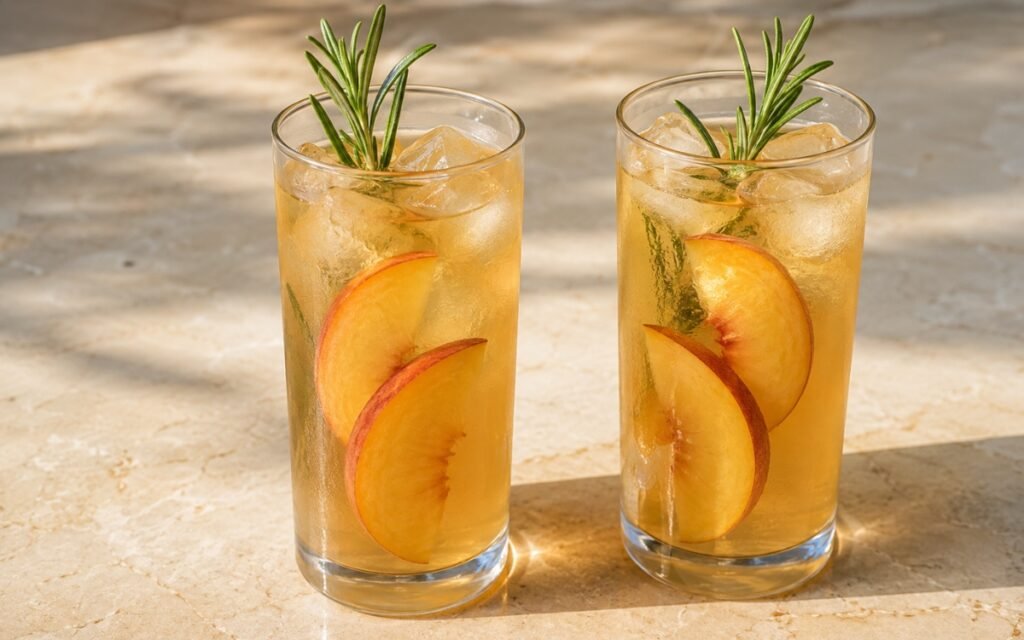
Rosemary Peach White Iced Tea
White tea at 75–80°C for 3–4 minutes, peach rosemary syrup made separately and strained — stirred in with restraint, chilled. Delicate, floral, and quietly fruity.
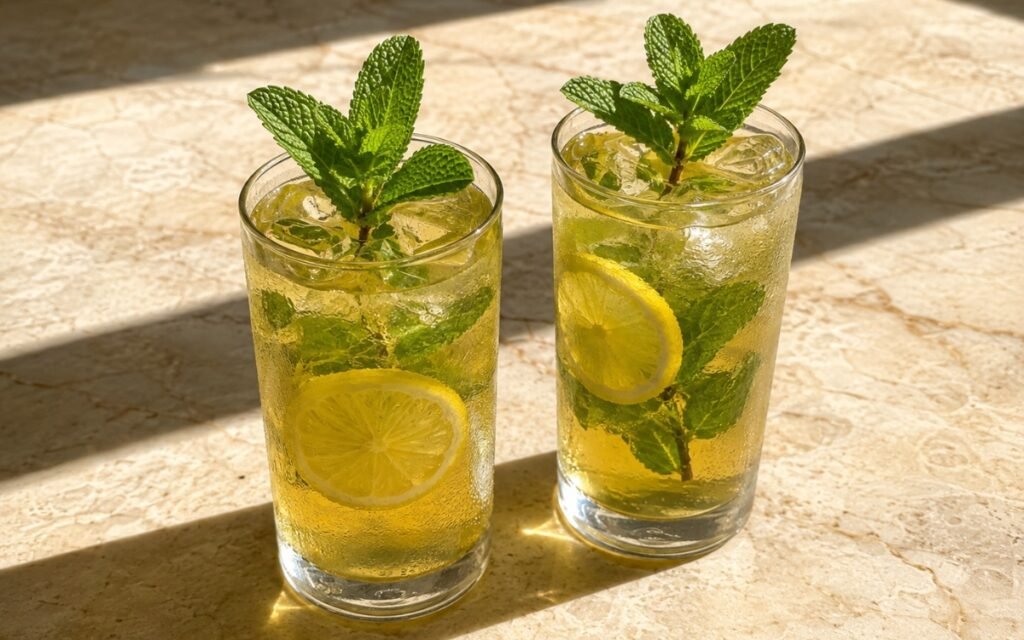
Jasmine Mint Iced Green Tea
Properly brewed jasmine green tea finished with a cold mint infusion and fresh lemon for a light, floral, clean-tasting iced tea.
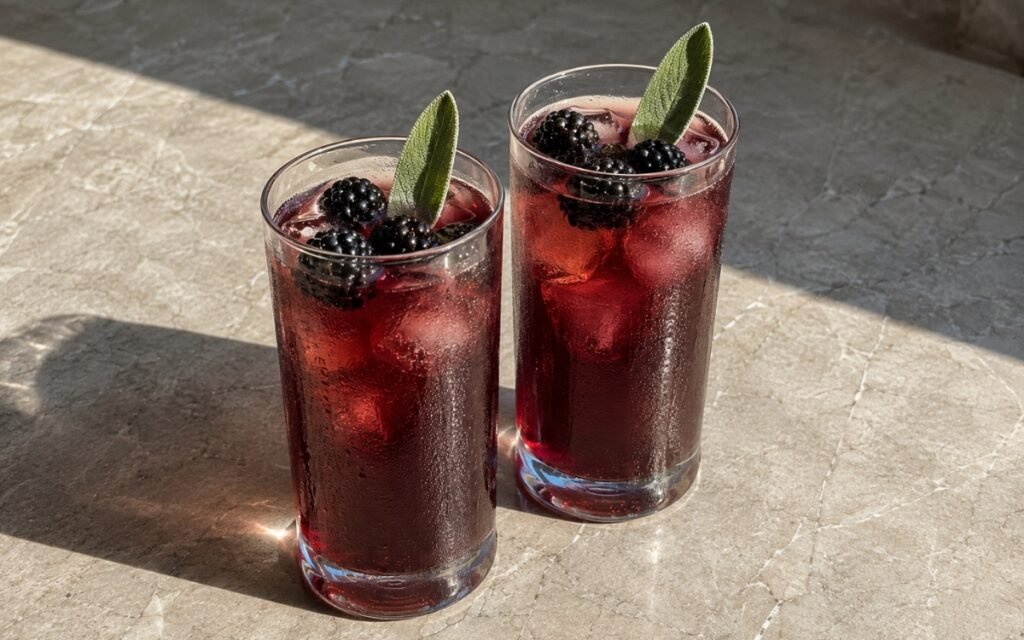
Blackberry Sage Iced Black Tea
Properly brewed black tea combined with cold-macerated fresh blackberries and a gentle cold sage infusion for a dark, berry-rich iced tea.
You might also like
You might also like
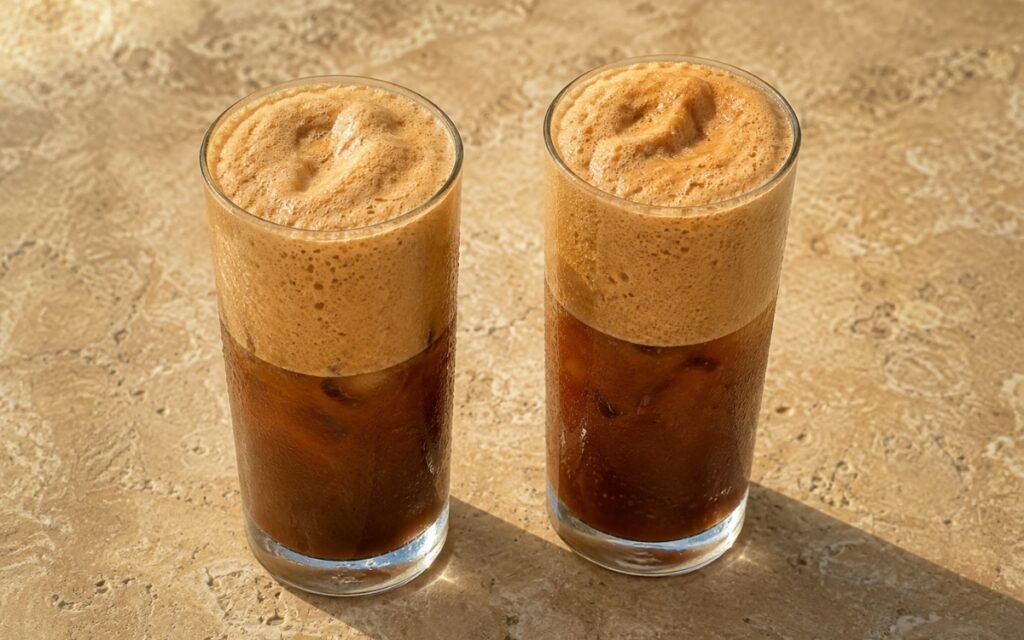
Greek Frappé
Instant coffee, sugar, and a small amount of water shaken hard into thick pale caramel foam, then topped with ice and cold water.
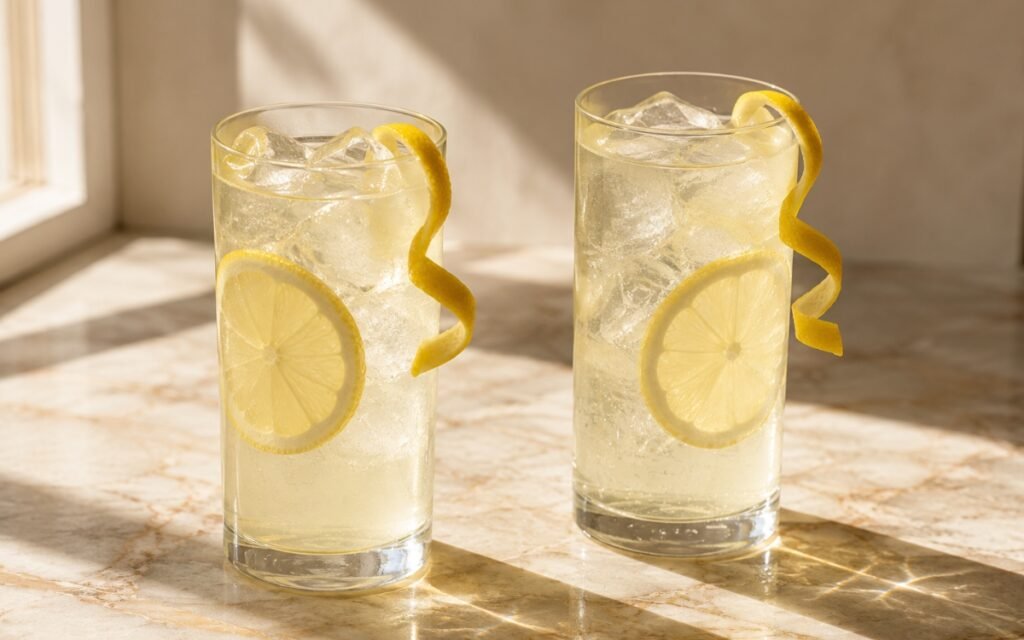
White Tea Lemonade
Silver Needle at 70–75°C for 3–4 minutes, bags not squeezed — honey-lemon syrup, 180ml lemon so tea’s whisper remains, chilled. Pale, floral, and delicate.
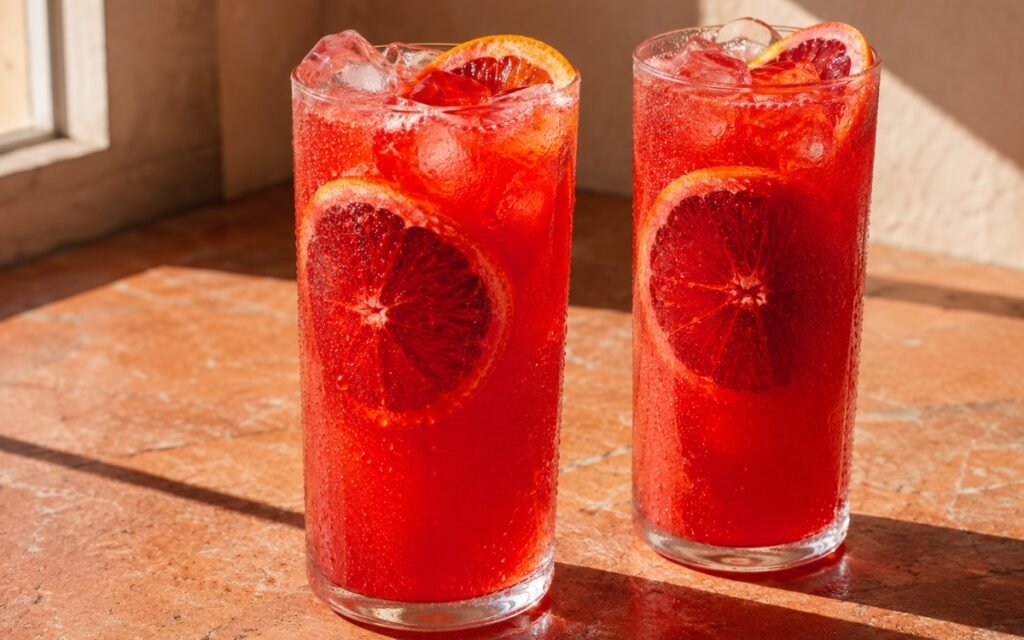
Blood Orange Lemonade
Orange and lemon peels steeped off heat exactly 10–12 minutes, pulp mashed in pitcher — blood orange juice, optional lemon, salt, cold water. Vivid ruby and citrusy.
Lemongrass Lime Green Tea Cooler
Ingredients
Method
- Trim off the dry tops and root ends of the lemongrass. Use the lower tender part of the stalks, about 12 to 15cm from each. Lightly bruise them with the back of a knife, then cut into 5cm pieces. This helps release the citrusy oils without needing a long aggressive boil. That light bruising physically ruptures the stalk’s outer fibres just enough to expose the aromatic oils held within, letting a subsequent gentle simmer draw them out far more efficiently than an unbruised stalk boiled hard ever would.
- Bring 700ml water just to a light simmer. Add the lemongrass, turn the heat to low, and keep it at a very gentle simmer for 3 to 4 minutes only. Remove from the heat, cover, and let steep for 10 minutes. Strain into a bowl or pitcher while still warm. Add the sugar and stir until dissolved. Keeping this simmer genuinely gentle and brief, rather than extended or hard-boiling, protects lemongrass’s own bright, citrusy character from turning toward the flatter, more muted flavour extended aggressive heat would produce.
- Add the lime zest strips to the warm lemongrass syrup and let them sit for 10 minutes, then remove and discard. This gives clean lime aroma without bitterness. Only use the green part of the peel — no white pith. Steeping the zest in the already-warm syrup, rather than adding it earlier during active heat, extracts its aromatic oils gently while avoiding any risk of scorching the peel against direct heat.
- Heat 800ml water to 75–80°C. Add the green tea and steep for 2 minutes if using loose tea, or 2 to 2½ minutes if using bags. Strain immediately. Do not oversteep. Let the tea cool for 10 to 15 minutes. Green tea’s tannins extract considerably faster and more harshly at higher temperatures, and continuing to steep even at the correct temperature draws out increasingly bitter compounds the longer it sits — the specific temperature and brief steep window together protect the tea’s own delicate character from both directions.
- In a large pitcher, combine the sweetened lemongrass-lime base, the brewed green tea, the fresh lime juice, and the optional pinch of salt. Add 350 to 450ml cold water, or enough to bring the total volume to about 2 liters. Stir and taste. Adjust if needed: more lime juice for a sharper cooler; more sugar if you want it softer; more cold water if you want it lighter. Adding the fresh lime juice at this stage, once the tea has already cooled and the lemongrass syrup has already cooled to only warm, is what protects that juice’s own sharp, vivid acidity from being dulled by any real residual heat still present earlier in the process.
- Refrigerate until fully cold, about 1 hour. Fill tall glasses with ice. Add a thin lime wheel inside each glass and a short lemongrass stalk standing in the drink. Pour over the chilled cooler and serve immediately. Standing a trimmed lemongrass stalk directly in the glass, rather than simply floating a slice, gives the drink a genuine visual and aromatic presence that reinforces its core identity right at serving.