
Homemade Chicken Shawarma
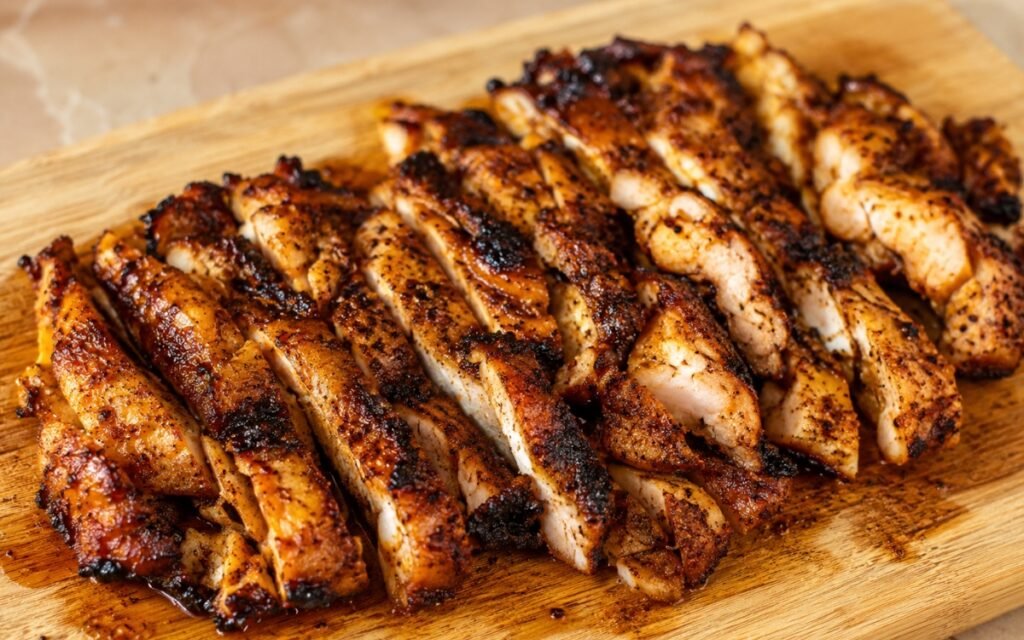
Homemade Chicken Shawarma delivers tender chicken thighs marinated in aromatic Middle Eastern spices and grilled to develop deep char and concentrated flavor. The yogurt-based marinade delivers juicy, intensely seasoned meat with layers of cumin, paprika, and warm spices balanced by bright lemon. This is how you replicate real shawarma flavor at home without a vertical spit. Yogurt is specifically the right base for this marinade rather than a purely oil- or acid-based one: its proteins and mild lactic acid work together to tenderize the meat gently over the marinating period, and its thick consistency is what keeps the layered spice blend clinging directly to the chicken rather than pooling uselessly at the bottom of the bowl. Boneless, skinless thighs are chosen specifically for their forgiving fat content and quick, even cooking under direct high heat — closer in character to the thin, layered slices that come off a traditional vertical spit than a leaner cut would produce. Letting excess marinade drip off before grilling, rather than wiping it clean, is a deliberate calibration: too much marinade burns before it caramelizes, while too little limits both flavor and char. The result is deeply charred, intensely seasoned chicken sliced against the grain into shawarma-style strips, ready for wrapping or serving over rice.
Prep Time : 20 min
Cook Time : 25 min
Servings : 4
20 min
25 min
4
Ingredients
For the Shawarma Marinade
• 80g Greek yogurt
• 30ml olive oil — this one on Amazon
• 30ml lemon juice
• 6 garlic cloves, minced
• 8g ground cumin — this one on Amazon
• 6g smoked paprika
• 4g ground turmeric
• 4g ground coriander — this one on Amazon
• 3g ground cinnamon
• 2g ground cardamom
• 1g cayenne pepper
• 10g fine sea salt — this one on Amazon
• 4g freshly ground black pepper
For the Chicken
• 800g boneless, skinless chicken thighs
This post may contain affiliate links. As an Amazon Associate I earn from qualifying purchases, at no additional cost to you.
Directions
- Prepare the Marinade
Combine Greek yogurt, olive oil, lemon juice, and minced garlic in a large bowl, then add all the spices and whisk until fully smooth. The marinade should be thick enough to cling to the chicken without sliding off. This consistency is important because it ensures the spices stay in direct contact with the meat instead of pooling at the bottom. - Marinate the Chicken
Add the chicken thighs and coat each piece thoroughly, pressing the marinade into every surface. Cover tightly and refrigerate for at least 2 hours, ideally longer if time allows. During this time, the yogurt and spices begin penetrating the outer layers of the meat, seasoning it beyond the surface and improving texture as it sits. - Bring to Room Temperature
Remove the chicken from the refrigerator 30 minutes before cooking. This step reduces the temperature gap between the cold interior and hot cooking surface, allowing the chicken to cook more evenly and preventing the exterior from overcooking before the inside is done. - Prepare for Cooking
Lift each piece of chicken from the marinade and let excess drip off naturally for about 20–30 seconds. Do not wipe it clean — you want a thin coating to remain. Too much marinade will burn before it caramelizes, but too little will reduce flavor and limit char formation. - Cook the Chicken
Place the chicken onto a preheated grill or grill pan over high heat and leave it undisturbed for 6–7 minutes per side. Movement at this stage will interrupt browning and prevent proper char from forming. The marinade will begin to caramelize on contact with heat, creating dark, flavorful edges while the interior cooks through. Continue cooking until the internal temperature reaches 74°C (165°F), ensuring both safety and proper doneness. - Rest and Slice
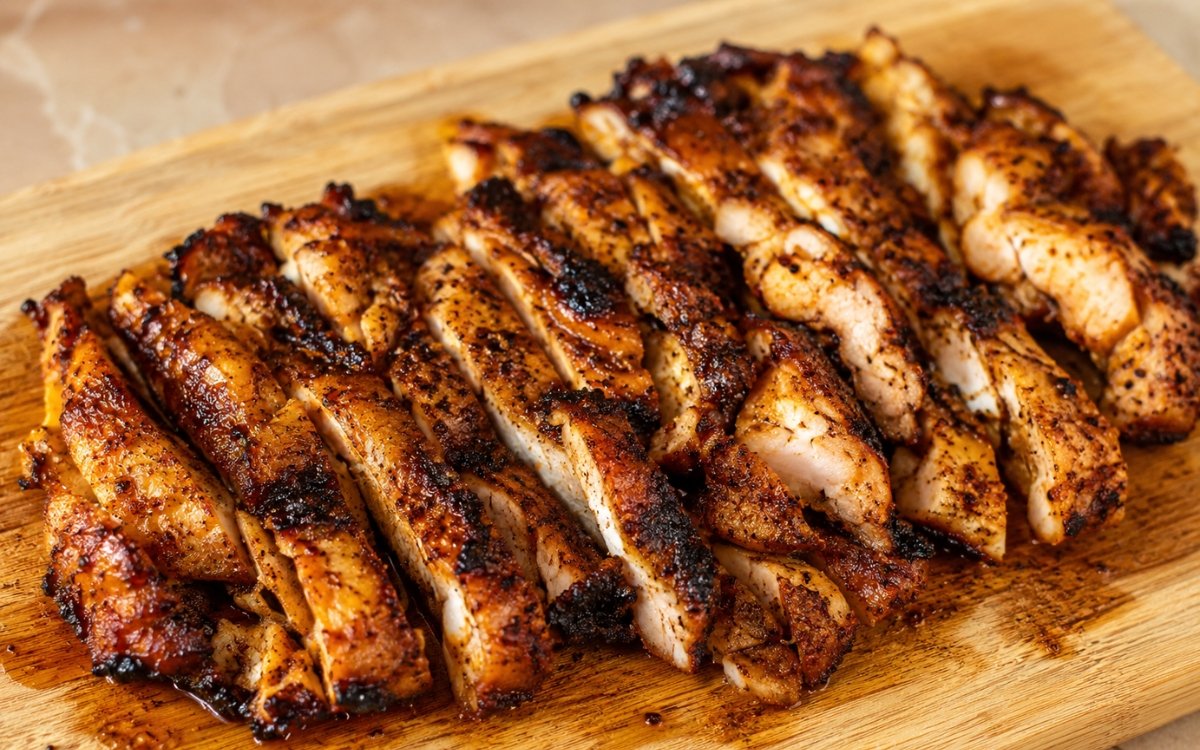
Transfer the cooked chicken to a cutting board and let it rest for 5 minutes. Slice against the grain into strips approximately 1cm wide. This cutting direction shortens muscle fibers, making the chicken feel more tender and closer to traditional shawarma texture.
*Notes :
- The marinade’s thickness is a deliberate structural choice, not just a texture preference. A thinner, more liquid marinade would drip off the chicken during both refrigeration and grilling, meaning less of the cumin, paprika, and warm spice blend would actually stay in contact with the meat long enough to season it deeply.
- Yogurt’s role here goes beyond flavor. Its mild acidity and enzymatic activity gently tenderize the chicken over the marinating period without the harsher, more aggressive breakdown a purely acidic marinade (like one built entirely on lemon or vinegar) would cause if left too long — this is part of why yogurt-based marinades tolerate longer marinating times without turning the meat mushy.
- The amount of marinade left clinging to the chicken before grilling is a genuine balancing act. Too thick a layer of residual marinade burns in the sugar- and dairy-rich coating before it has a chance to properly caramelize; too little leaves the chicken under-seasoned on the surface and produces less char. The 20–30 second drip time specified is calibrated to hit that middle point.
Why This Recipe Works
This recipe works because the yogurt-based marinade is thick enough to cling and deeply seasoning enough to penetrate over a genuine 2-hour minimum. Boneless thighs cook quickly and evenly under high heat while staying forgiving of small timing variations.
Letting the right amount of marinade remain on the chicken before grilling balances char development against burning. And slicing against the grain at the end is what gives the final result its characteristically tender, shawarma-style texture.
Ingredient Breakdown
Boneless, Skinless Chicken Thighs
The foundation — forgiving, quick-cooking, and suited to thin, layered slicing after grilling.
Greek Yogurt Base
The tenderizing and clinging medium — gentle acidity plus a thick consistency that keeps the spice blend in contact with the meat.
Olive Oil
Helps carry fat-soluble flavors and prevents the marinade from becoming too dense.
Layered Spice Blend (Cumin, Paprika, Turmeric, Coriander, Cinnamon, Cardamom, Cayenne)
The signature shawarma flavor — warm, complex, and built to develop further through caramelization on the grill.
Undisturbed High-Heat Grilling
The char-development technique — movement during this stage interrupts browning entirely.
Flavor Structure Explained
This Homemade Chicken Shawarma follows a layered balance model:
- Warm spiced core (cumin, paprika, turmeric, coriander, cinnamon, cardamom)
- Tangy tenderizing base (yogurt and lemon juice)
- Savory chicken structure (marinated chicken)
- Charred exterior finish (high-heat grilling)
- Caramelized edge contrast (undisturbed sear)
The spice blend defines the main flavor identity, bringing warmth, earthiness, color, and subtle sweetness through a layered combination of cumin, paprika, turmeric, coriander, cinnamon, and cardamom. Yogurt and lemon juice create the balancing register, adding tang while helping the chicken stay tender and well-seasoned. The marinade carries the spices into the meat, giving the dish depth rather than just surface flavor. High-heat grilling develops the essential charred exterior, creating concentrated, caramelized edges that echo the intensity of spit-roasted shawarma. Leaving the chicken undisturbed during searing allows those browned edges to form properly. The result is a chicken shawarma built around warm spice, tangy brightness, and char, where the marinade and cooking technique work together to create depth, tenderness, and concentrated savory flavor.
Common Mistakes to Avoid
- Making the Marinade Too Thin – Slides off the chicken rather than clinging and penetrating. Always whisk to a thick, cling-worthy consistency.
- Marinating for Less Than 2 Hours – Doesn’t give the yogurt and spices enough time to season beyond the surface. Always allow the full minimum.
- Wiping the Marinade Completely Clean Before Grilling – Reduces both flavor and char formation. Always let excess drip off naturally, leaving a thin coating.
- Moving the Chicken During Grilling – Interrupts browning and prevents proper char. Always leave undisturbed for the full 6–7 minutes per side.
- Slicing With the Grain Instead of Against It – Produces noticeably tougher, stringier pieces. Always slice against the grain.
Variations
With Chicken Breast
Substitute boneless, skinless chicken breast for a leaner result, reducing grill time slightly and watching internal temperature closely to avoid drying out.
Oven-Roasted Version
Roast the marinated chicken at 220°C for 20–25 minutes if grilling isn’t an option, finishing under the broiler briefly for char.
Spicy Harissa Version
Add harissa paste to the marinade for deeper heat and a more North African flavor profile.
Garlic-Lemon Boost
Increase garlic and lemon slightly for a sharper, more aggressive flavor profile that cuts through the richness.
Skewered Version
Thread the chicken onto skewers before grilling for easier handling and more even char coverage.
Storage & Make-Ahead
Marinated raw chicken can be refrigerated, covered, for up to 24 hours before cooking.
Cooked, sliced chicken can be refrigerated for up to 3 days. Reheat it gently to avoid drying it out.
Frequently Asked Questions
Why use yogurt as the marinade base instead of just oil and lemon juice?
Yogurt’s mild acidity and enzymatic activity tenderize the chicken gently over the marinating period without the harsher breakdown a purely acidic marinade would cause. Its thick consistency also keeps the spice blend clinging directly to the meat rather than sliding off, which a thinner oil-and-lemon marinade wouldn’t achieve as effectively.
Why not wipe the marinade completely off before grilling?
A small amount of residual marinade left on the chicken is what caramelizes into the dark, flavorful edges characteristic of real shawarma. Wiping it completely clean removes that opportunity for char and flavor concentration, while too much marinade left on would burn before caramelizing properly — the goal is a thin, deliberate coating.
Why slice against the grain rather than with it?
Chicken thigh muscle fibers run in a consistent direction, and cutting against that direction shortens those fibers in each individual slice. This makes the chicken feel noticeably more tender when eaten, closer to the texture of traditional spit-roasted shawarma than slicing with the grain would produce.
What should I serve this with?
Homemade Pita Flatbread or Homemade Lavash Flatbread are the classic wraps for shawarma, and a spread of Turkish Ezme or Authentic Labneh underneath the sliced chicken adds brightness and creaminess that balances the warm spice blend beautifully.
Nutrition Facts
( per serving )
Calories
~330 kcal
Protein
36 g
Fat
18 g
Carbs
4 g
Calories
~330 kcal
Protein
36 g
Fat
18 g
Carbs
4 g
Related Recipes
Related Recipes

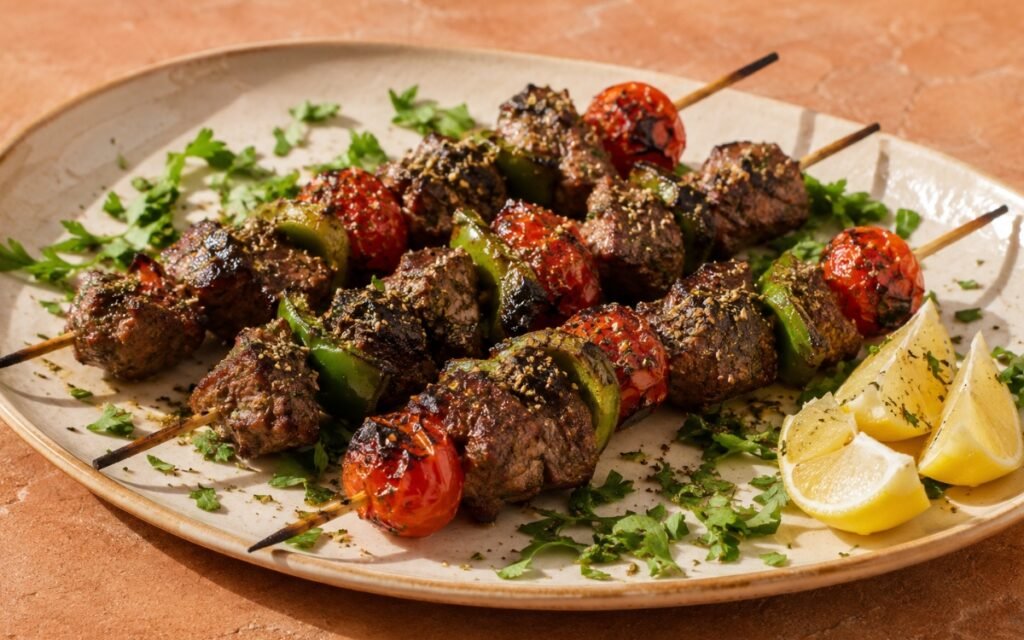
Grilled Lamb Kebabs with Charred Veggies
Charred lamb shoulder kebabs in a lemon, onion and za’atar marinade, grilled with green peppers and cherry tomatoes.
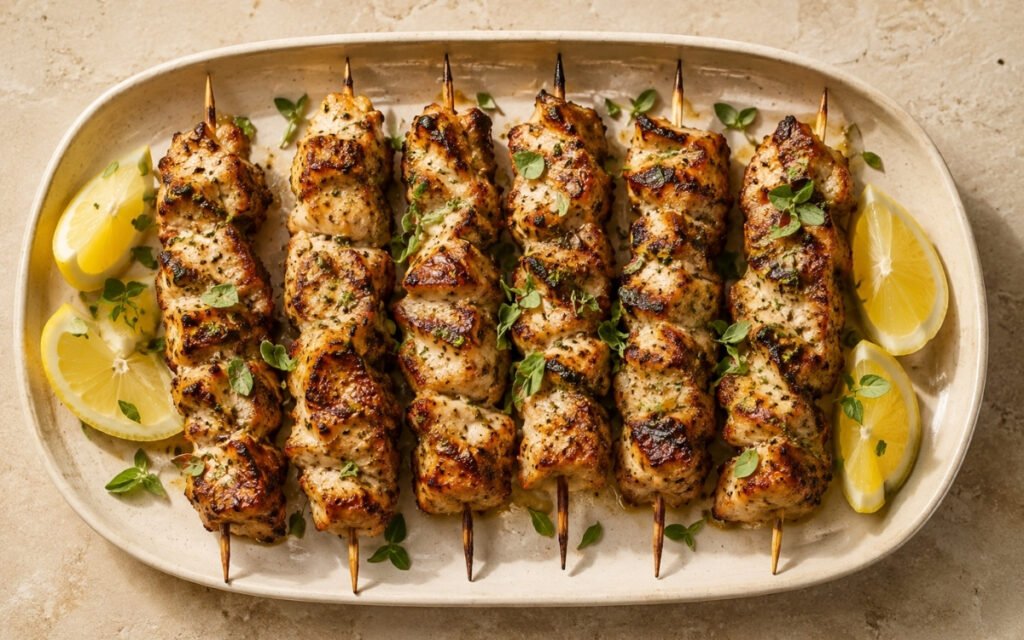
Greek Chicken Souvlaki
Yogurt-marinated chicken thighs with Za’atar, cumin, and fresh herbs — cooked hot for real char and served with pita and tzatziki or as a bowl protein.
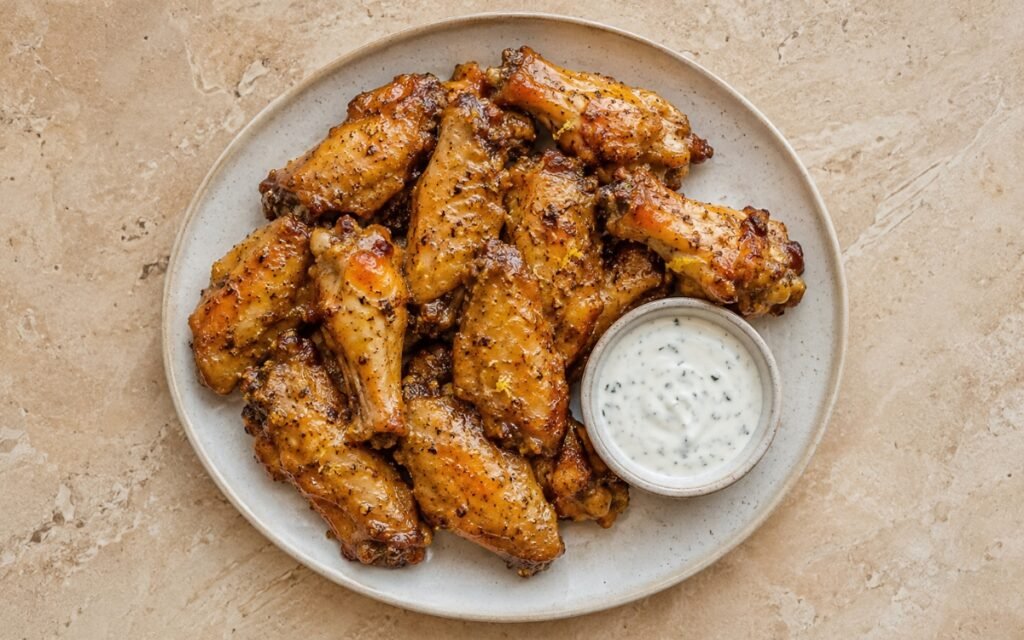
Honey Lemon Pepper Wings
Crispy wings coated in glossy honey-lemon pepper glaze deliver citrus bite, heat, and buttery richness.
You might also like
You might also like
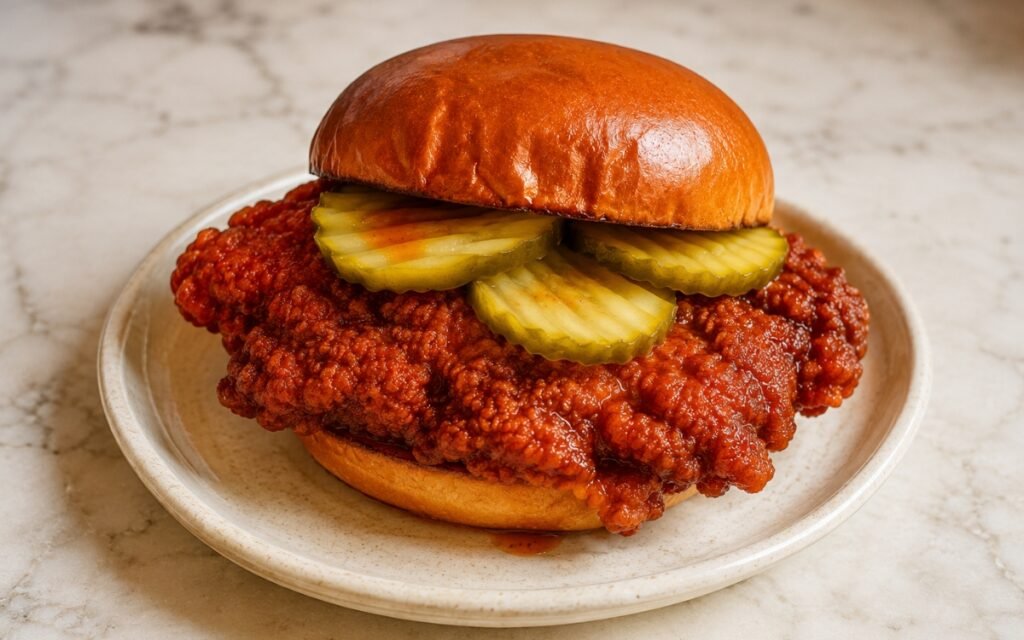
Nashville Hot Chicken Sandwich
Double-dredged, cold-water-rehydrated fried chicken coated in a fiery Nashville hot glaze, served on toasted brioche with mayonnaise and dill pickles.
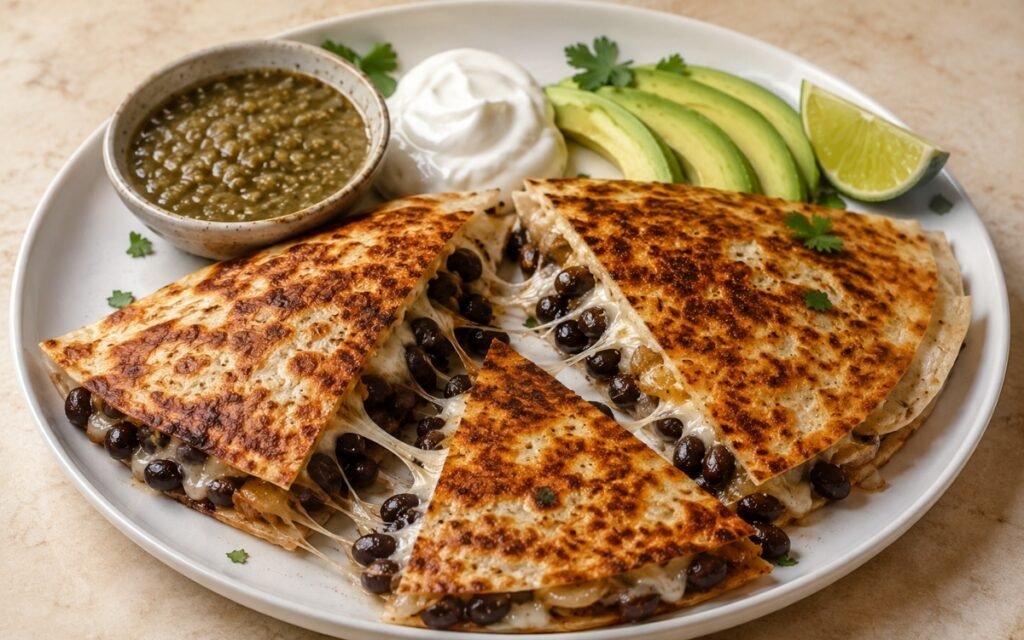
Mexican Black Bean Quesadilla
Seasoned black beans, slowly caramelised onion, and melted mozzarella-cotija crisped golden in flour tortillas, served with salsa verde and avocado.
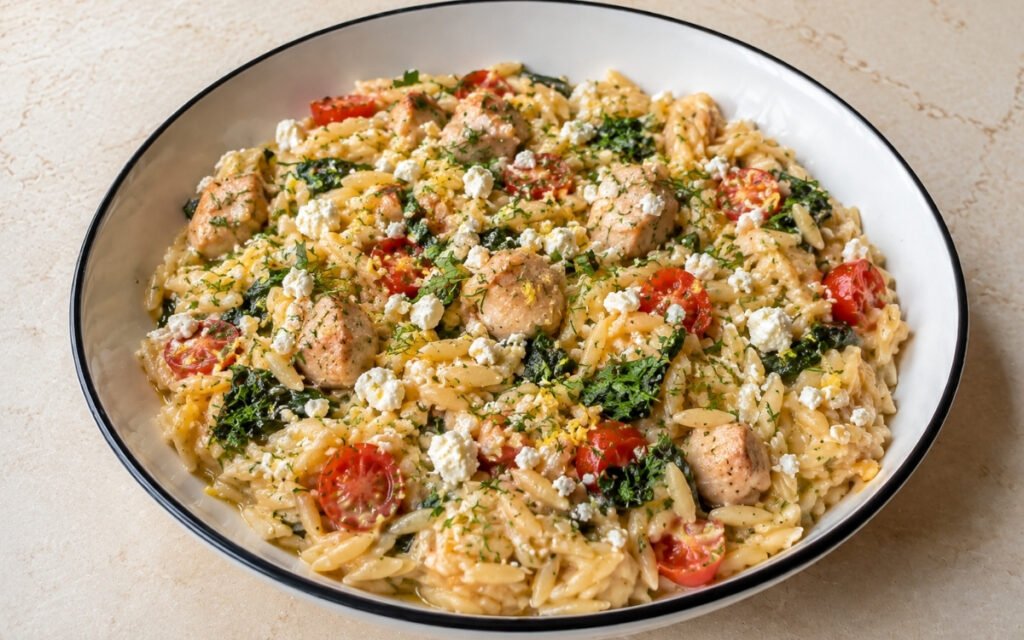
Fresh Lemon Chicken Orzo
Seared chicken thighs simmered in lemony stock with feta, spinach, and dill — one pan, 40 minutes.
Homemade Chicken Shawarma
Ingredients
Method
- Combine Greek yogurt, olive oil, lemon juice, and minced garlic in a large bowl, then add all the spices and whisk until fully smooth. The marinade should be thick enough to cling to the chicken without sliding off. This consistency is important because it ensures the spices stay in direct contact with the meat instead of pooling at the bottom.
- Add the chicken thighs and coat each piece thoroughly, pressing the marinade into every surface. Cover tightly and refrigerate for at least 2 hours, ideally longer if time allows. During this time, the yogurt and spices begin penetrating the outer layers of the meat, seasoning it beyond the surface and improving texture as it sits.
- Remove the chicken from the refrigerator 30 minutes before cooking. This step reduces the temperature gap between the cold interior and hot cooking surface, allowing the chicken to cook more evenly and preventing the exterior from overcooking before the inside is done.
- Lift each piece of chicken from the marinade and let excess drip off naturally for about 20–30 seconds. Do not wipe it clean — you want a thin coating to remain. Too much marinade will burn before it caramelizes, but too little will reduce flavor and limit char formation.
- Place the chicken onto a preheated grill or grill pan over high heat and leave it undisturbed for 6–7 minutes per side. Movement at this stage will interrupt browning and prevent proper char from forming. The marinade will begin to caramelize on contact with heat, creating dark, flavorful edges while the interior cooks through. Continue cooking until the internal temperature reaches 74°C (165°F), ensuring both safety and proper doneness.
- Transfer the cooked chicken to a cutting board and let it rest for 5 minutes. Slice against the grain into strips approximately 1cm wide. This cutting direction shortens muscle fibers, making the chicken feel more tender and closer to traditional shawarma texture.