Greek Beef Stifado
Greek beef stifado is a slow-braised stew of large chunks of beef chuck and plenty of whole pearl onions in a thick, glossy mahogany-red sauce of tomato and red wine, scented with cinnamon, cloves, allspice, bay, garlic, and a splash of red wine vinegar, the key being the contrast between fork-tender beef and soft, rounded, lightly caramelised onions. Adding the pearl onions only after the beef has braised for its first 1 hour 30 minutes or so, rather than putting everything into the pot together, is the technique this whole stifado depends on for whole, silky onions — onions added too early collapse into the sauce before the chuck is tender, the same stagger-the-delicate-ingredients principle used elsewhere in this collection whenever a braise holds ingredients with different cooking times. Searing the beef in batches is what builds the dark, savoury base. Reducing the wine before the vinegar goes in is what mellows its sharpness into a gently sweet-and-sour balance. The payoff is a stifado with real, layered depth — rich, tender beef, soft sweet onions, and a thick, aromatic sauce.

- Prep Time : 35 min
- Total Time : 3 hr 50 min
- Servings : 4
Ingredients
For the Beef
- 1200g beef chuck, trimmed of excess hard fat and cut into large 4–5cm cubes
- 2 tbsp extra virgin olive oil
- 1 tsp fine sea salt
- ½ tsp freshly ground black pepper
For the Pearl Onions and Aromatics
- 900g small pearl onions or small shallots, peeled and left whole
- 1 medium yellow onion (about 150g), finely diced
- 5 garlic cloves, finely chopped
- 2 tbsp extra virgin olive oil
For the Tomato and Red Wine Sauce
- 400g canned crushed tomatoes
- 30g tomato paste
- 250ml dry red wine
- 35ml red wine vinegar
- 150–250ml low-sodium beef stock or water, as needed
For the Stifado Spices
- 1 cinnamon stick, about 5–7cm
- 3 whole cloves
- 5 whole allspice berries
- 2 bay leaves
- ½ tsp dried oregano
- ½ tsp freshly ground black pepper
- 1 tsp fine sea salt, plus more to taste
- ½ tsp sugar, only if needed to balance acidity
For Finishing
- 10g fresh flat-leaf parsley, roughly chopped
- Freshly ground black pepper, optional
Directions
- Prepare the Beef and Pearl Onions
Cut the chuck into 4–5cm cubes, trimming any hard exterior fat or silver skin, pat them thoroughly dry with paper towels, and season with 1 tsp salt and ½ tsp pepper. Peel the pearl onions or shallots, keeping the root ends mostly intact; if fresh pearl onions are stubborn, blanch them for 1–2 minutes, chill in cold water, then slip off the skins and pat dry. Dice the yellow onion, chop the garlic, and measure the wine, vinegar, tomatoes, stock, and spices. Intact root ends are what hold the onions together during the long braise. - Deeply Brown the Beef
Heat 2 tbsp olive oil in a large, heavy Dutch oven over medium-high heat. Brown the beef in 2–3 batches, laying the cubes in a single layer with space between them, and sear the first side for about 3 minutes without moving until a deep brown crust forms. Turn and brown for another 4–6 minutes on several sides, then transfer to a plate, adjusting the heat to prevent scorching. The surfaces should be dark golden to mahogany while the centres stay raw. That deep crust is what gives the finished stifado its rich, savoury character. - Lightly Caramelise the Pearl Onions
Reduce the heat to medium, add about 1 tbsp olive oil to the same pot, and add the peeled pearl onions, working in batches if needed. Cook for 6–8 minutes, turning gently, until lightly golden on several sides, glossy, and slightly softened on the outside while still firm and whole. Transfer them to a bowl and set aside; they will not be added back until the beef has braised. That light browning is what builds sweetness on the onions while keeping them intact for later. - Build the Aromatic Base
Add the remaining 1 tbsp olive oil, then the diced yellow onion, and cook over medium heat for 5–7 minutes, stirring occasionally, until softened and lightly golden. Stir in the garlic for 30–45 seconds, then the tomato paste for 2 minutes until it darkens slightly and smells fragrant. Add the cinnamon stick, cloves, allspice berries, bay leaves, oregano, and remaining ½ tsp black pepper, and stir gently for 20–30 seconds until the aromas rise. That brief toasting is what releases the warm spices before liquid dilutes them. - Deglaze with Red Wine
Pour the red wine into the hot pot and scrape the base thoroughly with a wooden spoon to release all the browned beef and tomato residue. Bring it to a steady simmer and reduce for 5–7 minutes, until it has lost roughly one-third to one-half of its volume and the harsh raw smell has gone, then stir in the red wine vinegar. The liquid should smell deeply savoury and concentrated rather than sharp. That reduction is what rounds off the wine’s edge before the long braise begins. - Begin the Slow Braise
Return the browned beef and all its juices to the pot, add the crushed tomatoes, about 150ml of stock or water, and the remaining 1 tsp salt, and stir gently so the beef sits evenly in the sauce. Bring to a gentle simmer, reduce the heat to low, cover with a lid leaving a very small gap, and braise for 1 hour 30 minutes to 1 hour 45 minutes, checking occasionally. The beef should soften noticeably but still offer some resistance. That head start is what lets the chuck become tender before the onions are added. - Add the Whole Pearl Onions
Check the beef with a fork, then nestle the reserved browned pearl onions between the pieces using a spoon rather than stirring, and spoon some sauce over them. Cover again and continue cooking on low for 45–65 minutes, gently shaking the pot instead of stirring. The beef should become fork-tender with its fibres beginning to separate, and the onions should turn soft throughout, glossy, and slightly translucent while holding their rounded shape. That late addition is what keeps the onions whole. - Reduce the Sauce to a Mahogany Glaze
When the beef is completely tender and the onions are soft, remove the lid and simmer gently for 10–20 minutes, spooning the sauce over the beef and onions occasionally and avoiding vigorous stirring. Remove the cinnamon stick, cloves, allspice berries, and bay leaves, then taste and adjust the salt, pepper, and acidity, adding up to ½ tsp sugar only if the sauce is sharp. The sauce should be thick, glossy, and clinging to the meat. That gentle reduction is what concentrates the flavour without breaking up the onions. - Rest the Stifado
Turn off the heat, loosely cover the pot, and rest the stifado for 15 minutes. Give the pot one gentle shake to redistribute the sauce, then taste again and make a final seasoning adjustment if needed. The sauce will settle and cling a little more thickly to the beef as it cools slightly. That short rest is what lets the flavours settle and the sauce set to a spoonable glaze. - Assemble and Serve
Divide the beef and whole onions among 4 warm, deep ceramic bowls, arranging the beef pieces prominently and leaving several rounded onions visible between and around them. Spoon the thick reddish-brown sauce generously over the top, letting a little pool at the base of each bowl, and scatter over a little chopped parsley. Serve immediately, with no extra starch if you want the stew as the centrepiece. That fresh parsley is what lifts the deep, rich sauce.
*Notes :
- Browning the beef in small batches deserves genuine recognition as the technique most directly responsible for the stifado’s dark, savoury depth. A crowded pot steams the meat grey instead of searing it, and since the braise adds liquid rather than colour, any browning skipped at the start can never be recovered once the sauce is in.
- Staggering the pearl onions deserves the same attention this technique receives throughout this collection’s other slow braises. Onions added at the start cook for nearly three hours and dissolve into the sauce, whereas onions added after the beef has had its head start finish soft and glossy yet still keep their rounded shape in the bowl.
- Reducing the red wine before the vinegar goes in deserves genuine respect as the detail most directly responsible for the sauce’s balanced sweet-and-sour character. Unreduced wine tastes harsh and raw after a long braise, whereas wine boiled down by one-third to one-half becomes concentrated and rounded, letting the vinegar sharpen the sauce without making it sour.
- Keeping the warm spices restrained deserves attention as a genuine, checkable seasoning cue rather than a loose approximation. A single cinnamon stick, three cloves, and five allspice berries should give an aromatic depth that is felt rather than named, because heavier spicing tips the stew into a sweet, dessert-like flavour that completely overwhelms the beef.
Why This Recipe Works
This recipe works because each ingredient is cooked in the order that suits it best. Deeply browned chuck gives the sauce a savoury foundation, and wine reduced before the vinegar goes in keeps the acidity balanced and mellow. A long, covered braise tenderises the beef, while pearl onions added later stay whole, sweet, and glossy instead of dissolving. A final uncovered reduction then turns the cooking liquid into a thick mahogany glaze that clings to every chunk of meat and every onion in the bowl.
Ingredient Breakdown
Beef Chuck (4–5cm Cubes)
The structural foundation — large cubes withstand the long braise and turn fork-tender while still holding together in chunks.
Whole Pearl Onions (900g)
The defining flavour ingredient — a quantity close to the beef’s weight gives the stew its sweetness and character.
Red Wine Reduced Before the Vinegar
The core flavour-building stage — reducing the wine removes harshness and concentrates its fruitiness before the long braise.
Red Wine Vinegar
The critical ingredient choice — it gives the traditional gentle acidity that balances the sweetness of the onions and tomatoes.
Cinnamon, Cloves, and Allspice (Restrained)
The flavour foundation — a few whole spices add warm aromatic depth without a sweet, dessert-like note.
Parsley (To Finish)
The finishing touch — a scatter of fresh flat-leaf parsley adds a bright green contrast to the dark, rich sauce.
Flavor Structure Explained
This Greek beef stifado follows a layered balance model:
- Rich, savoury foundation (seared beef chuck and browned fond)
- Sweet, soft body (whole pearl onions and diced yellow onion)
- Warm, aromatic depth (cinnamon, cloves, allspice, bay, and oregano)
- Tangy, fruity backbone (reduced red wine, tomato, and red wine vinegar)
- Fresh, green finish (chopped flat-leaf parsley)
Seared beef chuck provides the rich, savoury foundation of the stew, while the whole pearl onions add a soft, caramelised sweetness. Cinnamon, cloves, allspice, and bay lend a warm aromatic depth, and reduced red wine, tomato, and vinegar give a tangy, fruity backbone that keeps the sauce from tasting heavy or one-dimensional. A scatter of fresh parsley then adds a bright green finish that cuts the richness and ties this Greek stifado together.
Common Mistakes to Avoid
- Adding the Pearl Onions Too Early – This lets them collapse into the sauce before the beef is tender. Always add the browned onions after the first 90 minutes of braising.
- Crowding the Pot While Searing – This steams the beef instead of browning it, leaving a pale, flat sauce. Always sear in 2–3 batches with space between the cubes.
- Using Unreduced Wine – This leaves a harsh, raw edge that the vinegar then amplifies. Always simmer the wine down by one-third to one-half first.
- Stirring Vigorously After the Onions Go In – This breaks the soft onions apart and clouds the sauce. Always nestle them in with a spoon and shake the pot gently instead.
- Overdoing the Cinnamon and Cloves – This tips the stifado into a sweet, dessert-like flavour. Always use a single cinnamon stick, three cloves, and five allspice berries.
Variations
Brisket Version
Use beef brisket or beef shin in place of chuck, adjusting the braising time as the cut requires, which gives a slightly different texture while the onions, spices, and sauce stay the same.
Shallot Version
Replace the pearl onions with small whole shallots, which are an excellent alternative when pearl onions are unavailable and give a similarly rounded, sweet, soft result in the finished bowl.
Potato Version
Serve the stifado alongside roasted or boiled potatoes, crusty bread, or pasta, which are traditional Greek accompaniments that soak up the thick sauce, although the stew is also complete in a bowl alone.
Sweeter Version
Add up to ½ tsp sugar at the end if the tomatoes and vinegar make the sauce unusually sharp, which rounds the acidity without making the sauce taste sweet.
Storage & Make-Ahead
Stifado often tastes even better the next day, so cook it up to two days ahead, cool it promptly, and refrigerate it in an airtight container so that the spices and sauce can settle together.
Refrigerate leftovers for up to 3–4 days in an airtight container, because the thick tomato-wine sauce keeps the beef moist and the stew stays richly flavoured and tender throughout that whole time.
Freeze the stifado without any parsley garnish for up to 3 months, then thaw it overnight in the refrigerator so the onions keep their rounded shape and the beef its tender texture.
Reheat the stew slowly over low heat, adding a small splash of water if the sauce has thickened too much, since fierce heat can break up the soft onions and scorch the glossy glaze.
Add the fresh parsley only after reheating, and serve the stifado in warm, deep bowls so the thick sauce stays hot, glossy, and spoonable through the whole meal at the table.
Frequently Asked Questions
Why are the pearl onions added after the beef has braised for 90 minutes?
Onions cooked for the full three hours collapse into the sauce, whereas adding them after the beef has a head start lets both finish together, with soft, sweet onions that still hold their rounded shape.
Why is the red wine reduced before the vinegar is added?
Boiling the wine down by one-third to one-half removes its raw, harsh edge and concentrates its fruity flavour, so the vinegar then adds a gentle, balanced acidity instead of sharpness.
Why must the beef be browned in batches before braising?
Overcrowding drops the pot temperature and steams the meat, whereas small batches keep the surface hot enough to give the dark, caramelised crust that supplies most of the stew’s savoury depth.
Why are the whole spices removed before serving?
Cinnamon, cloves, allspice, and bay leaves release their flavour during the braise, and leaving them in would make the stew bitter, perfumed, or unpleasant to bite into at the table.
Are there other classic stew, braise, or Greek side dishes worth trying?
Mole de Olla and Brazilian Moqueca (Bahian Fish Stew) both offer other classic stew directions worth exploring, while Massaman Beef Curry is a comparable slow-cooked beef dish. Greek Lemon Rice and Fluffy Butter Rice are also worth trying as rice sides that suit a thick, saucy stew.
Nutrition Facts
( Per Serving )
- Calories
- ~720 kcal
- Protein
- 56 g
- Fat
- 36 g
- Carbs
- 38 g
-

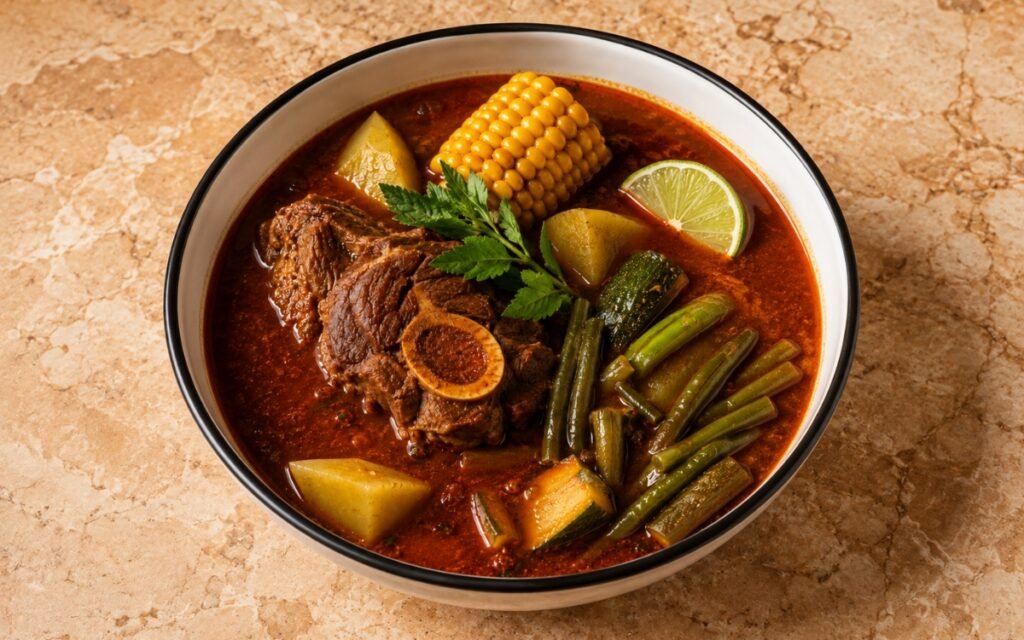
Mole de Olla
A vivid, brothy Mexican beef stew built on gently simmered beef shank, a blended guajillo-ancho chile base, and staged vegetables.
-
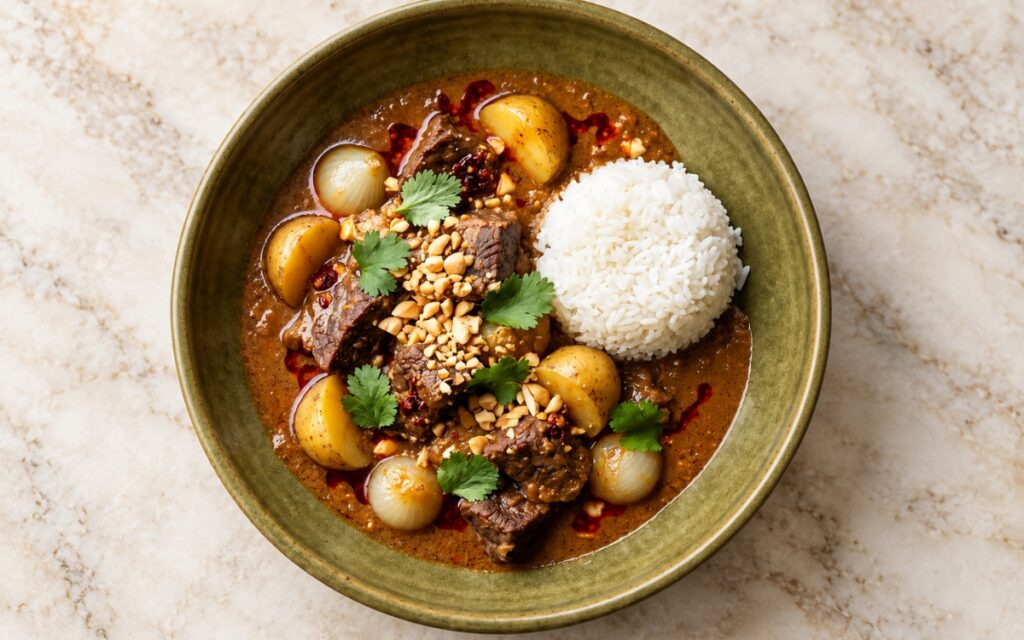
Massaman Beef Curry
Beef chuck braised in a rich, spiced coconut massaman sauce with baby potatoes, pearl onions and peanuts, served with jasmine rice.
-
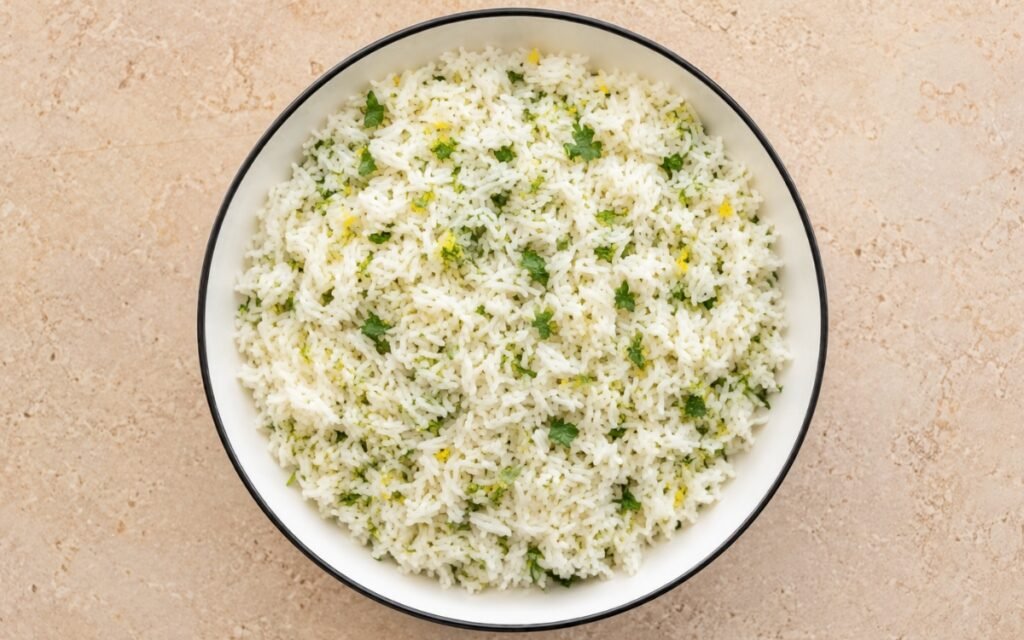
Greek Lemon Rice
Rice rinsed clear, cooked with garlic, broth, and lemon juice undisturbed until fluffy, finished with fresh herbs and zest. Bright and tangy.
-
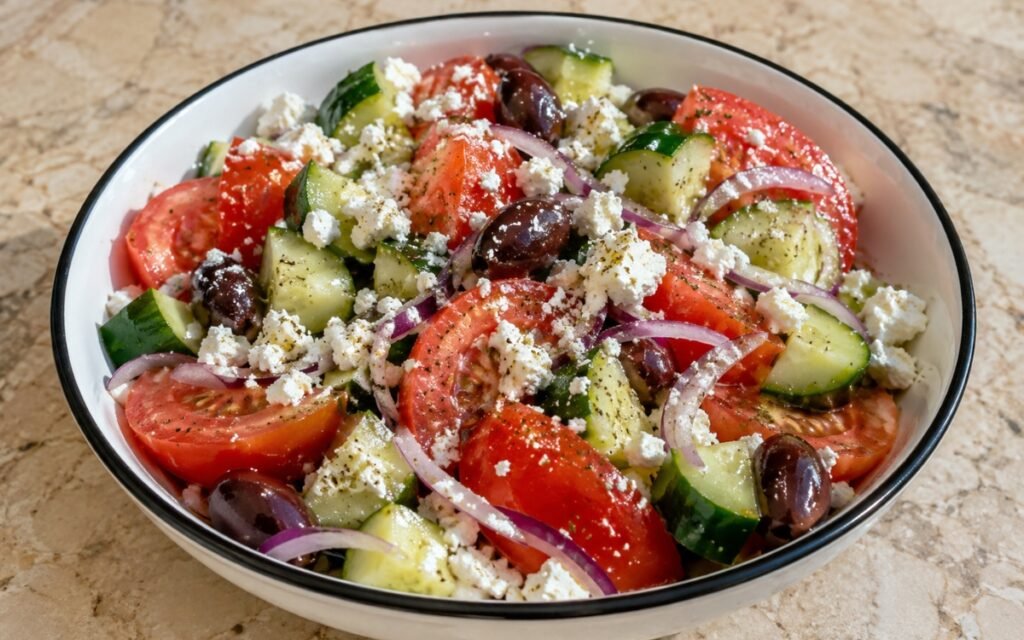
Authentic Greek Village Side Salad
Authentic Greek village salad with cucumbers, tomatoes, olives, and feta in lemon-oregano dressing.
-
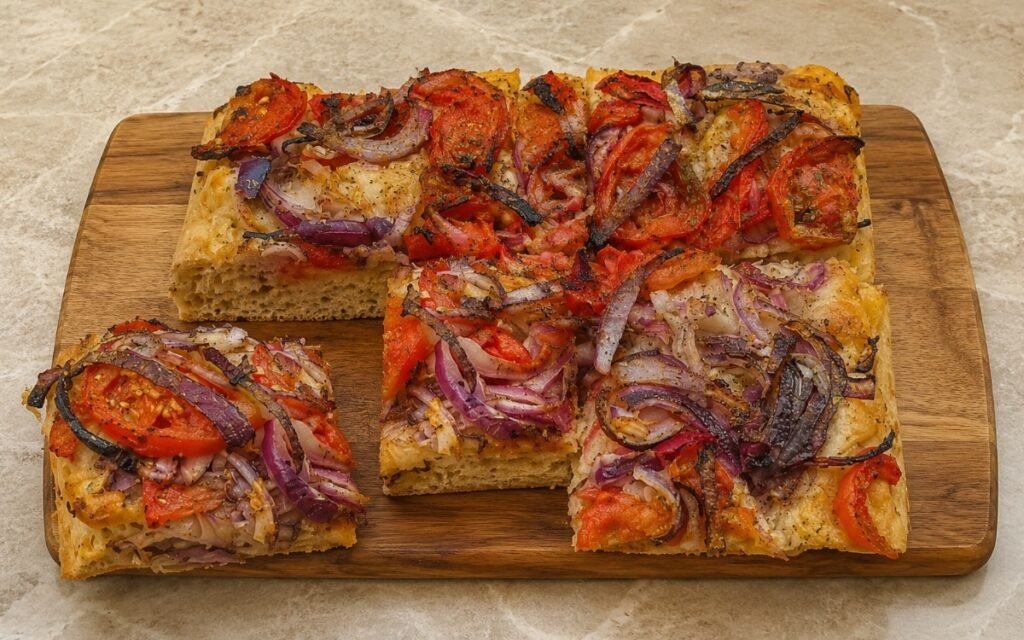
Greek Ladenia with Tomato and Red Onion
Long-fermented, focaccia-like dough baked crisp underneath and airy inside, topped generously with ripe tomato, red onion, and oregano.
-
Carnitas Tacos with Pickled Red Onion
Pork shoulder braised in citrus and lard until tender, then crisped hot and fast for caramelised edges. Topped with pickled red onion and cilantro.