Cuban Yuca con Mojo
A classic Cuban side dish of tender boiled yuca (cassava) dressed generously with warm mojo made from olive oil, sliced garlic, orange and lime juice, oregano, and cumin, then topped with silky softened onion rings and fresh flat-leaf parsley, the key being yuca that stays creamy and intact rather than chalky or mushy. Boiling the yuca until it is completely tender and dressing it while still warm, rather than letting it cool first, is the technique this whole dish depends on for chunks that drink up the mojo instead of sitting under it — cooled cassava turns firm and starchy and refuses to absorb oil and citrus, the same dress-while-warm principle used elsewhere in this collection whenever a starchy vegetable must take on a sauce. Peeling away the thick brown skin and the pink layer beneath completely is what keeps every bite tender instead of rubbery. Cooking the onion and garlic gently in olive oil without browning is what gives the mojo a sweet, aromatic base instead of a bitter one. The payoff is a side dish with real, comforting contrast — soft, creamy yuca, bright garlicky citrus, silky onions, and a fresh green finish of parsley.

- Prep Time : 15 min
- Total Time : 50 min
- Servings : 4
Ingredients
For the Yuca
- 1.2kg yuca (cassava), peeled and cut into large 7–9cm pieces, or 1.2kg frozen yuca, no thawing needed
- Water, for boiling
- 2 tsp salt, for the boiling water
For the Mojo
- 80ml olive oil
- 1 medium white onion, halved and thinly sliced
- 8 garlic cloves, thinly sliced or finely chopped
- 80ml fresh orange juice
- 40ml fresh lime juice
- 1–2 tbsp fresh lemon juice, as needed for brightness
- 1 tsp dried oregano
- ½ tsp ground cumin
- 1 tsp kosher salt, or to taste
- ¼ tsp black pepper
For the Finish
- 2 tbsp finely chopped flat-leaf parsley
- Extra salt, to taste
Directions
- Prep the Yuca
If using fresh yuca, cut away the thick brown skin and the pinkish layer beneath it completely, so only the pale cream flesh remains, then cut the roots into large 7–9cm chunks and rinse well under cold water. If a tough woody core is clearly visible at the ends, leave it in place for now and remove it after cooking, when it is far easier to pull out. Frozen yuca is usually already peeled and cut, so use it straight from the freezer without thawing. That thorough peeling is what prevents leftover skin or pink layer from staying tough and unpleasant in the finished pieces. - Boil the Yuca
Put the 1.2kg yuca in a large pot, cover it well with cold water, and add the 2 tsp salt. Bring to a boil, then reduce the heat to a steady simmer and cook for 25–35 minutes, depending on the size of the pieces and whether they are fresh or frozen. The yuca is ready when a knife pierces it easily, the edges have begun to split slightly, and the pieces still hold their shape. Drain carefully without stirring much. That patience until the centre is fully tender is what makes the yuca creamy rather than chalky. - Remove the Fibrous Core
Let the drained yuca stand for about 5 minutes, until cool enough to handle but still clearly warm. Split the pieces lengthwise where needed and pull out the tough, stringy woody core running through the centre of each chunk, which usually lifts out in one piece. Transfer the trimmed yuca to a wide serving bowl or platter in a loose layer so it does not steam into a pile. While you work, begin the mojo so it is ready as the yuca finishes. That removal is what leaves only soft, tender flesh in every serving. - Make the Mojo
Heat the 80ml olive oil in a skillet or small saucepan over medium-low heat, add the sliced onion, and cook for 5–7 minutes, stirring often, until softened and lightly translucent but not deeply browned. Add the 8 sliced garlic cloves and cook gently for 30–60 seconds, just until fragrant and lightly golden in spots. Pour in the 80ml orange juice and 40ml lime juice, then add the oregano, cumin, 1 tsp kosher salt, and black pepper. Simmer gently for 1–2 minutes so the flavours come together. That low heat is what keeps the garlic sweet and golden instead of dark and bitter. - Dress and Serve the Yuca
Pour the hot mojo, with all the onions and garlic, over the warm yuca and turn the pieces very gently with a spoon until they are coated without breaking apart. Leave the dish to sit for 5–10 minutes so the yuca absorbs some of the mojo. Scatter the 2 tbsp parsley over the top, then taste and adjust with a little extra salt or lemon juice, adding the 1–2 tbsp lemon juice a spoonful at a time until the flavour tastes bright and garlicky rather than greasy or flat. That gentle turning while the cassava is still warm is what lets it soak up the sauce without breaking.
*Notes :
- Boiling the yuca until it is completely tender deserves genuine recognition as the technique most directly responsible for whether this side dish turns out creamy or chalky. The recipe’s own explicit instruction that “Proper yuca con mojo should be creamy and tender, not chalky” reflects how the starch only softens fully once the centre is cooked, so a firm-centred piece stays dry and powdery however much mojo it receives.
- Removing the woody core deserves the same attention this trimming step receives throughout this collection’s other root vegetable dishes. The recipe’s own note that “The woody center is normal and should be removed before serving” is a practical reminder that the stringy core never softens in boiling water, so leaving it in guarantees an unpleasant, fibrous bite.
- Dressing the yuca while it is still warm deserves genuine respect as the detail most directly responsible for chunks that taste of mojo all the way through. The recipe’s own instruction to “Dress the yuca while it is still warm” matters because warm cassava absorbs oil and citrus readily, while cooled cassava tightens and leaves the sauce pooled underneath the pieces.
- Gently cooking the onion and garlic deserves attention as a genuine, checkable cue rather than a loose approximation. The onion should look soft and lightly translucent, not caramelised, and the garlic should turn fragrant and golden in only a few spots after 30–60 seconds, because a few extra moments of heat turn it dark brown and bitter.
Why This Recipe Works
This recipe works because boiling the yuca until the centre is fully soft turns dense cassava into creamy, tender chunks, and removing the woody core leaves only pleasant flesh. Cooking the onion and garlic slowly in olive oil builds a sweet, aromatic mojo without bitterness, while orange and lime juice add bright acidity that cuts through the oil. Pouring the hot mojo over still-warm yuca lets the starchy flesh absorb the sauce, and a short rest finishes the seasoning from the inside out. The result is a side dish that tastes garlicky and bright without ever turning greasy.
Ingredient Breakdown
Fully Tender Boiled Yuca (25–35 Minutes)
The critical technique — simmering until a knife slides in easily turns dense, starchy cassava creamy instead of chalky.
Thoroughly Peeled or Frozen Yuca
The critical ingredient choice — removing the thick skin and pink layer keeps pieces tender, and frozen yuca arrives already peeled.
Woody Core Removal
The critical finishing step — pulling out the stringy centre after boiling leaves only soft, creamy flesh, since the core never softens.
Gently Softened Garlic (Never Browned)
The flavour foundation — 30–60 seconds in warm oil gives sweet, golden aroma, while deeper browning turns the mojo bitter.
Orange and Lime Juice
The defining flavour ingredient — sweet orange and sharp lime approximate sour orange and brighten the garlicky oil.
Warm Dressing and 5–10 Minute Rest
The finishing technique — warm yuca absorbs hot mojo, so seasoning soaks in instead of pooling in the bowl.
Flavor Structure Explained
This Cuban yuca con mojo follows a layered balance model:
- Creamy, starchy foundation (boiled yuca, boiling salt)
- Aromatic, garlicky richness (olive oil, sliced garlic, softened onion)
- Bright citrus lift (orange juice, lime juice, lemon juice)
- Earthy, savoury background (dried oregano, ground cumin, black pepper)
- Fresh herbal finish (chopped flat-leaf parsley)
Tender yuca supplies the mild, creamy foundation that carries everything else, while the boiling salt seasons it from within. Olive oil, garlic, and silky onions add rich, aromatic depth, and orange, lime, and a little lemon cut through that richness with bright acidity. Oregano and cumin tuck in an earthy background note, and the parsley adds a clean green finish that lifts the warm, garlicky pieces and ties the whole dish together.
Common Mistakes to Avoid
- Draining the Yuca While It Is Still Firm – This leaves a chalky, dry centre that no mojo can fix. Always simmer until a knife pierces the thickest piece easily.
- Leaving the Pink Layer on Fresh Yuca – This stays tough in every chunk, however long it boils. Always peel off the brown skin and pink layer completely.
- Serving the Woody Core – This leaves a stringy strip that never softens and spoils a creamy bite. Always pull the core from each piece before dressing.
- Browning the Garlic in the Oil – This turns the mojo dark and bitter instead of sweet. Always cook the garlic only 30–60 seconds until fragrant and lightly golden.
- Dressing Cooled Yuca – This stops the cassava absorbing the sauce, leaving it dry inside and greasy outside. Always pour the hot mojo over the yuca while still warm.
Variations
Sour Orange Version
Replace the orange and lime juices with about 120ml fresh sour orange juice in total for the most classical mojo, with a sharper, more authentically tangy citrus flavour.
Frozen Yuca Version
Use 1.2kg frozen yuca straight from the freezer with no thawing, which arrives peeled and cut, cooks more consistently, and needs only the core removed after boiling.
Extra-Mojo Version
If the dressed yuca looks dry after tossing, stir in a little more warm olive oil and citrus juice to make it glossy, moist, and generously coated.
Platter Version
Serve the yuca warm beside roast pork, mojo chicken, black beans, or rice so its garlicky citrus dressing complements the main dish like a classic Cuban side.
Storage & Make-Ahead
Peel and cut fresh yuca up to 1 day ahead, covering the pieces with cold water in the refrigerator so they stay pale, or simply use frozen yuca straight from the freezer.
Boil, drain, and trim the yuca up to 1 day ahead, refrigerating it in an airtight container, then warm it briefly in a microwave or steamer so it is warm again before dressing.
Make the mojo up to 2 days ahead and refrigerate it in a jar, then reheat it in a small saucepan until hot and loose before pouring it over the yuca.
Serve the finished dish warm within about an hour of dressing, because yuca firms as it cools and the parsley loses its bright colour once it sits in the hot mojo.
Refrigerate leftovers in an airtight container for up to 3 days, and reheat them gently with a splash of water and a little extra mojo so the pieces stay moist.
Frequently Asked Questions
Why does fresh yuca need to be peeled so thoroughly before boiling?
The thick brown skin and the pinkish layer beneath it stay unpleasantly tough however long they cook, so removing both completely leaves only the creamy, tender flesh that the mojo is meant to coat.
Why must the yuca be tender all the way through before draining?
Cassava is dense and starchy, so a centre that is still firm eats chalky and dry, whereas fully cooked pieces are creamy, split slightly at the edges, and ready to absorb the sauce.
Why is the mojo poured over the yuca while it is still warm?
Warm cassava absorbs oil and citrus readily, so the garlicky sauce soaks into the flesh, while cooled yuca tightens and leaves the mojo sitting greasy on the surface.
Why should the garlic stay lightly golden rather than dark brown?
Garlic cooks in under a minute in warm oil, and once it passes golden it turns bitter, which would flatten the bright, sweet balance of the citrus-and-onion mojo.
Are there other classic Cuban, mojo, or Caribbean dishes worth trying?
Cuban Mojo Pork Rice Bowl and Cuban Mojo Chicken Rice Bowl both offer other classic mojo-style Cuban directions worth exploring. Ropa Vieja Cubana and Cuban Picadillo are also worth trying for other hearty Cuban main dishes, and Caribbean Sauce Chien offers another Caribbean sauce direction worth exploring.
Nutrition Facts
( Per Serving )
- Calories
- ~600 kcal
- Protein
- 5 g
- Fat
- 16 g
- Carbs
- 108 g
-

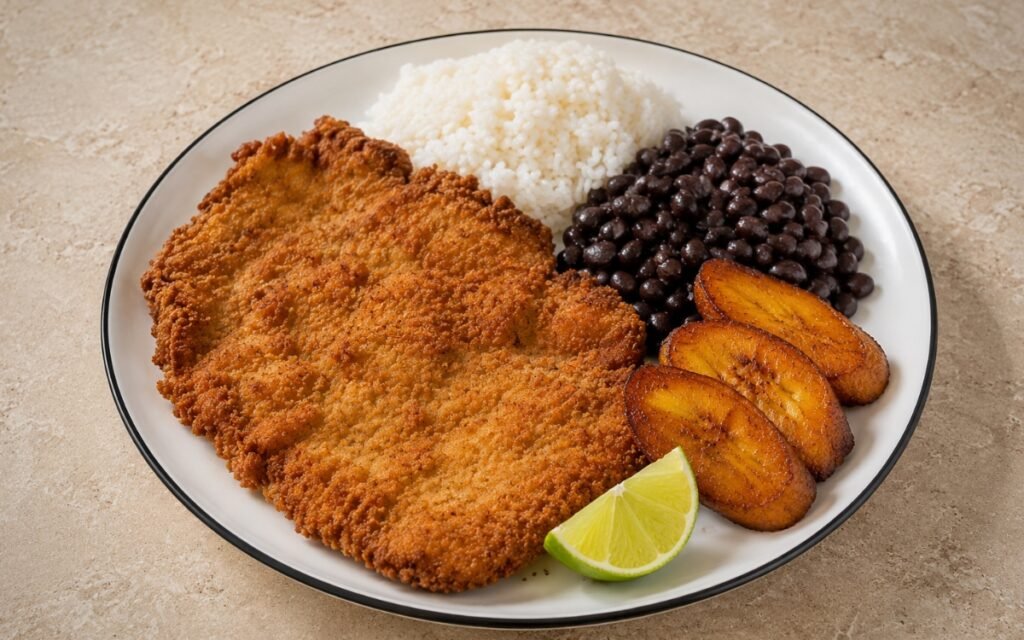
Cuban Bistec Empanizado
Thin, breaded, and fried beef cutlets marinated with garlic and citrus, served with fluffy white rice, black beans, and sweet fried plantains.
-
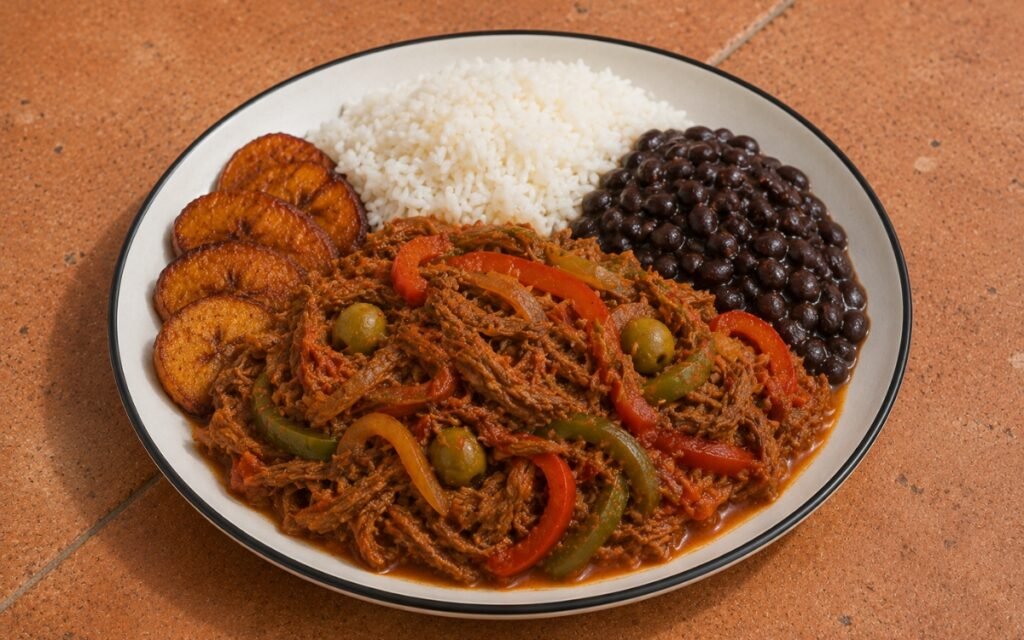
Ropa Vieja Cubana
Slow-braised, shredded beef simmered in a rich tomato sauce with peppers, onion, and green olives, served with white rice, black beans, and fried plantains.
-
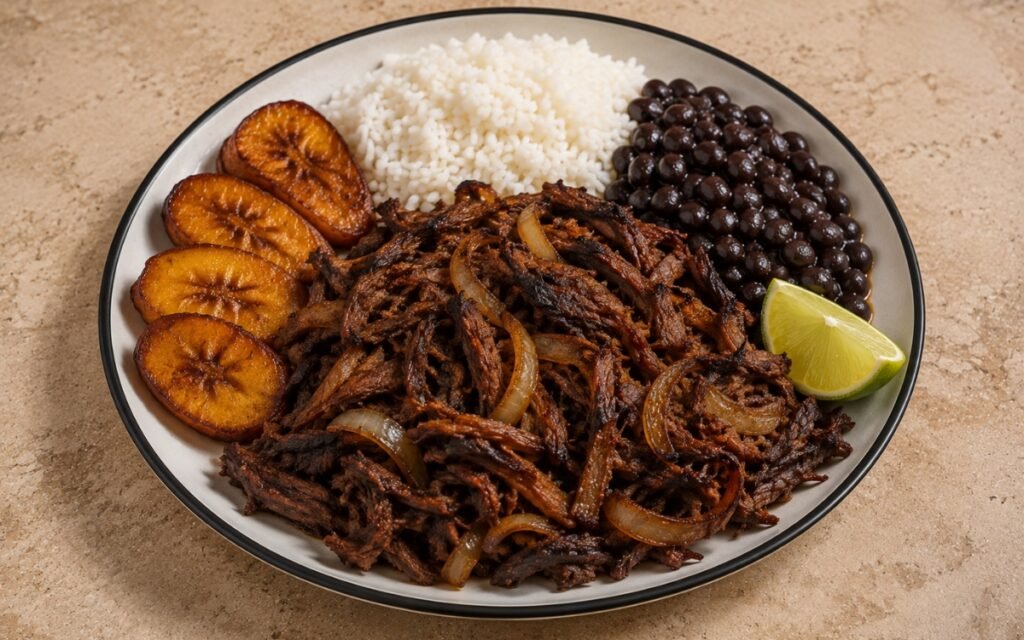
Vaca Frita
Slow-simmered, finely shredded beef marinated in lime and garlic, then pan-fried until crisp-edged, served with rice, beans, and plantains.
-
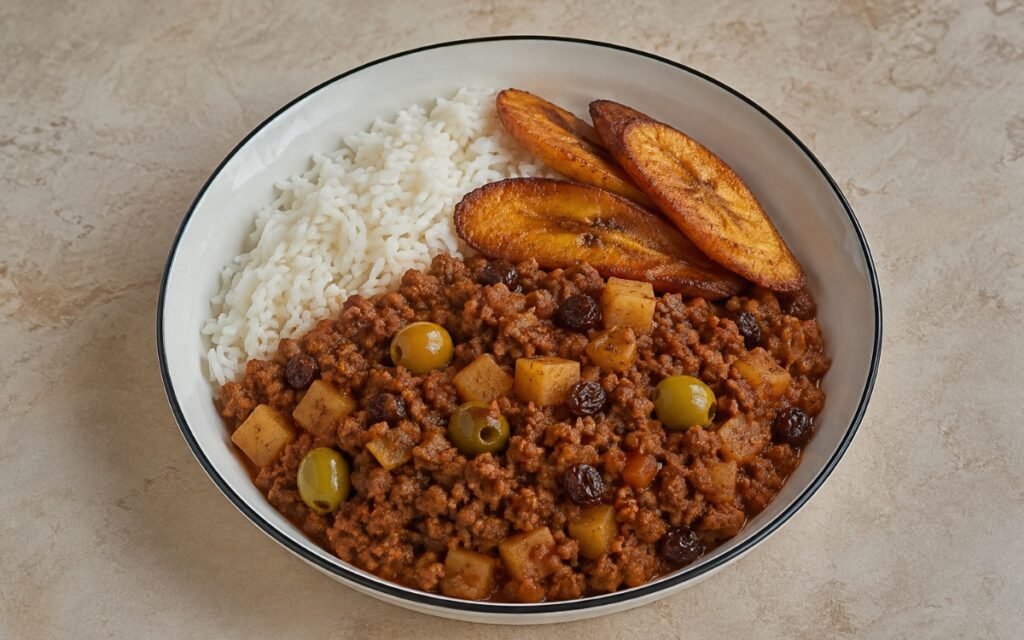
Cuban Picadillo
Seasoned ground beef simmered in a savory tomato sauce with green olives, raisins, and tender diced potatoes.
-
Creamy Buttery Polenta
Creamy, buttery polenta with Parmesan—a silky smooth Italian side dish that’s pure comfort.
-
Mashed Sweet Potatoes
Creamy mashed sweet potatoes with butter, milk, and cinnamon—ready in 30 minutes for any meal.