
Caribbean Sauce Chien
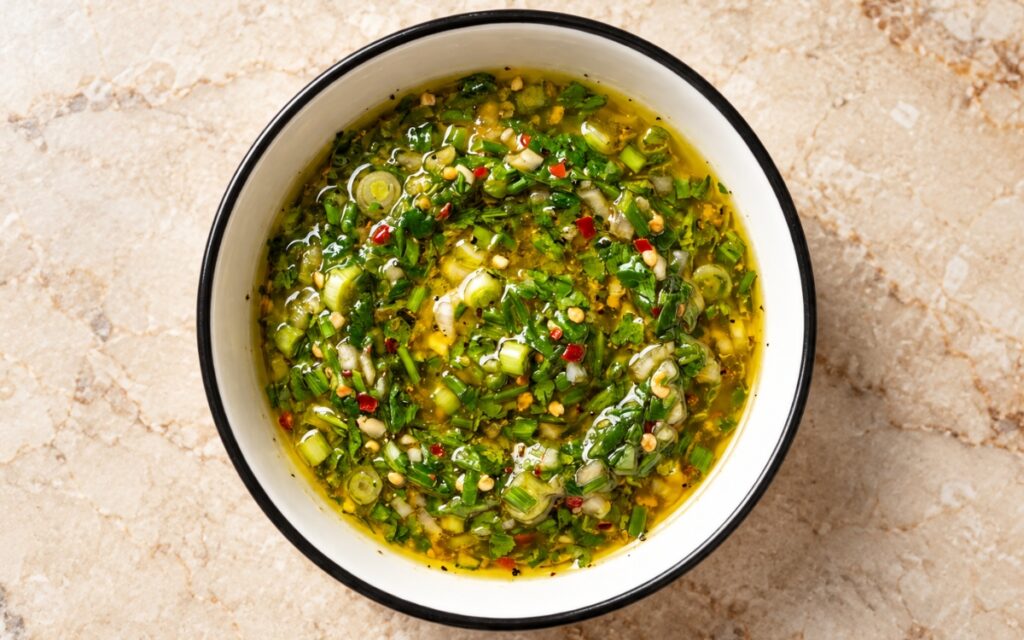
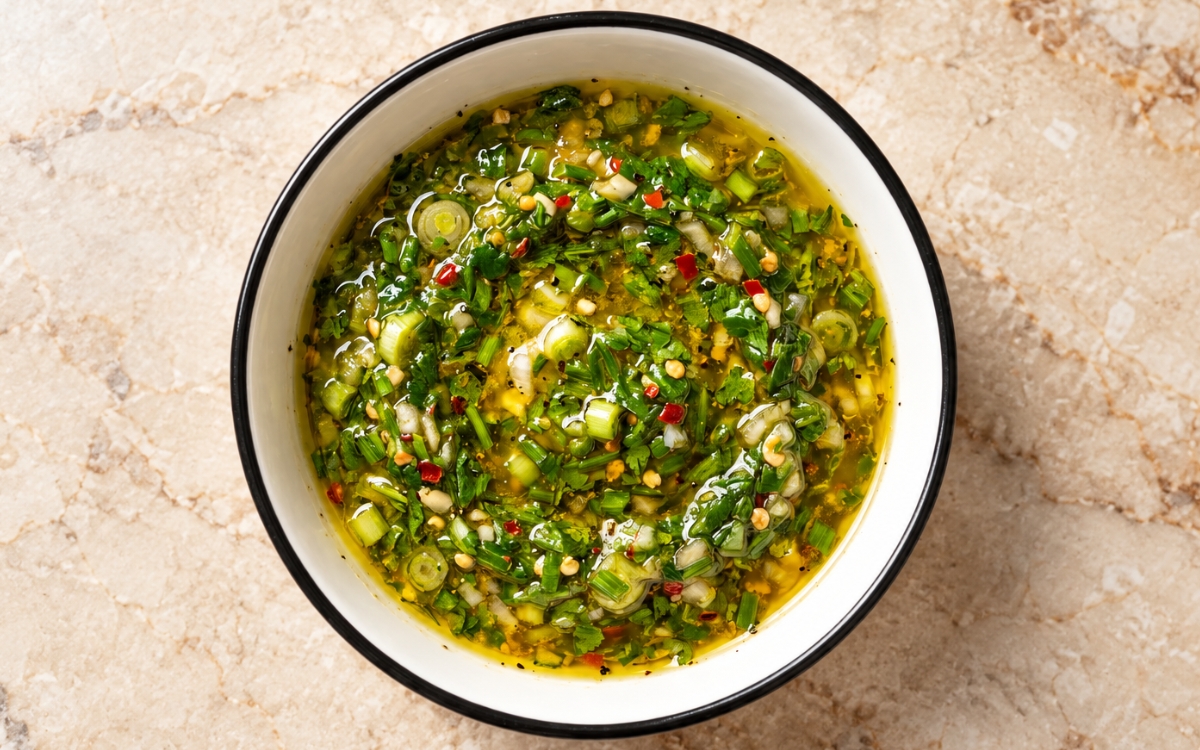
Caribbean Sauce Chien is a classic French Caribbean table sauce from the Antilles, a loose, bright condiment of finely chopped scallions, parsley, chives, white onion, garlic, and red chili, loosened with just-boiled water, lime, lemon, and oil and kept deliberately rustic rather than blended smooth. Chopping everything by hand, rather than blending it, is the technique this whole sauce depends on for its identity — a blade that pulverises the herbs turns the sauce into a murky green purée with a bruised, bitter edge, the same keep-it-rustic principle used elsewhere in this collection whenever a fresh herb sauce’s character depends on visibly distinct pieces. Pouring a small measure of just-boiled water over the chopped base is what lightly softens the onion, scallion, and garlic while waking up the herbs and chili, without leaving the sauce thin or diluted. Stirring in the citrus first and the oil last, only until combined, is what keeps the finished sauce loose and pourable, with a glossy sheen over bright liquid rather than a fully emulsified vinaigrette. The payoff is a sauce with real, fresh character — sharp citrus, clear herbal lift, a gentle garlic edge, and a mild chili kick, all suspended in a lightly translucent green-and-golden spoonful.
Prep Time : 15 min
Total Time : 25 min
Servings : 8
15 min
25 min
8
Ingredients
For the Chopped Aromatics & Herbs
• 4 scallions, very finely sliced
• 20g flat-leaf parsley, finely chopped (about ¼ cup)
• 2 tbsp finely chopped chives
• 40g white onion, very finely diced (about ¼ cup)
• 1 large garlic clove, very finely minced or grated
• 1 small red chili, very finely chopped, seeds removed if milder heat is preferred
• 1 tsp fresh thyme leaves, finely chopped
For the Seasoning & Liquids
• ½ tsp kosher salt, plus more to taste
• ¼ tsp freshly ground black pepper
• 60ml fresh lime juice, about 4 tbsp
• 15ml fresh lemon juice, about 1 tbsp
• 80ml neutral oil or mild olive oil (about ⅓ cup)
• 60ml just-boiled water (about ¼ cup)
Directions
- Chop the Base
Finely chop the scallions, parsley, chives, onion, garlic, chili, and thyme by hand, keeping the pieces small enough to suspend evenly in the liquid later. Dice the onion very fine and mince or grate the garlic almost to a paste so that neither tastes harsh. Combine everything in a medium heatproof bowl, then add the salt and black pepper and mix well. The mixture should look like densely packed green-and-white confetti, visibly chopped rather than mashed. That hand-chopped texture is exactly what sets sauce chien apart, since a blender would bruise the herbs and erase the distinct pieces the whole sauce is built on. - Bloom with Hot Water
Pour the 60ml of just-boiled water over the chopped mixture and stir immediately so every piece meets the heat. Let it sit for 2–3 minutes, until the onion and scallion look slightly softened and the herbs turn a deeper, glossier green and smell noticeably more fragrant. Do not add more water than this; the mixture should look moist and spoonable, not like soup. That brief hot-water bloom is what lightly softens the raw aromatics and wakes up the herbs and chili, which is why the amount stays small enough to keep the sauce concentrated. - Add Citrus and Oil
Stir in the 60ml of lime juice and the 15ml of lemon juice, then slowly pour in the 80ml of oil while stirring just until combined. Taste and adjust with extra salt, pepper, or a small squeeze of lime juice if needed. The sauce should be loose and pourable, not thick and not fully emulsified like a vinaigrette, with a glossy oil sheen on the surface and citrusy liquid visible underneath. If it tastes too sharp, stir in 1–2 tsp of extra hot water or a little more oil. That deliberately loose, only partly combined texture is what lets the sauce run over hot food instead of sitting on top of it like a paste. - Rest and Serve
Let the sauce rest at room temperature for 10 minutes so the flavours can meld, then taste once more and add a pinch of salt or a small squeeze of lime if it tastes flat. The chopped herbs will rise and settle naturally in the liquid, which is normal, so stir again just before each use. Spoon about 2 tbsp over each serving of grilled fish, shrimp, chicken, pork, yuca, or roasted vegetables. That short rest is what rounds out the raw onion and garlic, so the sauce tastes balanced and bright rather than aggressively sharp.
*Notes :
- Chopping everything by hand, rather than blending, deserves genuine recognition as the technique most directly responsible for whether this is a true sauce chien or a flat green purée. Blender blades bruise the herbs and break the onion and garlic into a uniform paste, which turns the colour murky and the flavour bitter, while a sharp knife leaves small, distinct pieces that suspend evenly and keep every spoonful visibly fresh.
- The small, measured pour of just-boiled water deserves the same attention this technique receives throughout this collection’s other fresh herb and raw-aromatic condiments. Too little leaves the onion and garlic harsh and the herbs dull, while too much floods the bowl and dilutes the concentrated citrus-and-herb flavour into something thin that runs straight off the food.
- Adding the oil last and slowly, stirring only until combined, deserves genuine respect as the detail most directly responsible for the sauce’s loose, glossy texture. Because the oil is meant to float as a sheen over the citrus rather than emulsify into a thick vinaigrette, vigorous whisking would turn the sauce cloudy and opaque, hiding the translucent green-and-golden look that defines it.
- The 10-minute rest deserves attention as a genuine, checkable readiness cue rather than an optional pause, since the sauce tastes visibly different before and after it. Straight after mixing, the raw onion and garlic taste sharp and separate, whereas after resting the flavours meld and round out, which is why a second taste at the end is worth the extra moment.
Why This Recipe Works
This recipe works because every component is chopped by hand into small, distinct pieces that stay visible and suspend evenly in the liquid. A small pour of just-boiled water lightly softens the onion, scallion, and garlic and wakes up the herbs and chili without thinning the sauce. Lime leads the acidity while a little lemon rounds it out, and the oil goes in last and slowly so it floats as a glossy sheen instead of emulsifying. A 10-minute rest then melds the flavours, leaving a loose, fresh, balanced sauce with bright citrus, clear herbs, and a gentle chili finish.
Ingredient Breakdown
Hand-Chopped Base (Never Blended)
The critical technique — keeps the herbs and aromatics in small, distinct pieces that suspend evenly instead of bruising into a murky purée.
Just-Boiled Water (Small Amount)
The critical technique — lightly softens the onion, scallion, and garlic and wakes the herbs and chili without diluting the sauce.
Very Finely Diced Onion and Garlic
The critical ingredient choice — keeps the sauce sharp and savoury without the harsh raw bite that larger pieces would carry.
Lime First, Lemon to Round
The defining flavour ingredient — lime provides the main bright acidity while a little lemon rounds out the citrus profile.
Neutral or Mild Olive Oil
The structural choice — gives the cleanest finish and a glossy sheen, while strongly peppery oils would overpower the fresh herbs.
Small Red Chili (Seeds Optional)
The finishing touch — adds a gentle background heat that is easily adjusted by removing the seeds, never aggressively spicy.
Flavor Structure Explained
This Caribbean sauce chien follows a layered balance model:
- Bright citrus foundation (fresh lime juice, lemon juice)
- Fresh herbal lift (flat-leaf parsley, chives, thyme)
- Sharp aromatic bite (scallions, white onion, garlic)
- Mild background heat (small red chili, black pepper)
- Glossy, rounded finish (neutral oil, just-boiled water)
Fresh lime and lemon juice provide the bright, acidic foundation that leads every spoonful. Parsley, chives, and thyme add clear herbal lift, while the scallions, onion, and garlic bring a sharp aromatic bite that softens slightly in the hot water. A small red chili and black pepper contribute a mild background heat. A little oil and the just-boiled water give the sauce its glossy, rounded finish that ties sauce chien together.
Common Mistakes to Avoid
- Blending the Sauce Smooth – This bruises the herbs and turns the sauce into a murky, uniform purée that loses its rustic character. Always chop everything by hand into small, distinct pieces.
- Adding Too Much Hot Water – This floods the bowl and dilutes the concentrated citrus and herb flavour into a thin, watery sauce. Always keep to the 60ml measure so the sauce stays spoonable.
- Leaving the Onion and Garlic Coarse – This makes the sauce taste harsh and raw rather than sharp but balanced. Always dice the onion very fine and mince or grate the garlic.
- Whisking the Oil Into a Full Emulsion – This produces a thick, cloudy vinaigrette instead of a loose sauce with a glossy sheen. Always pour the oil slowly and stir only until combined.
- Serving Straight After Mixing – This leaves the raw onion and garlic tasting sharp and unmelded with the citrus. Always rest the sauce for 10 minutes and stir again before spooning.
Variations
Milder Version
Remove the chili seeds before chopping, as the ingredient list allows, for a gentler background heat that suits spice-sensitive guests while keeping the herb and citrus balance fully intact.
Livelier Version
Leave the seeds in the finely chopped chili for a noticeably stronger kick, taking care that the heat stays a fresh background note rather than becoming aggressively spicy.
Olive Oil Version
Swap the neutral oil for a mild olive oil for a slightly rounder, fruitier finish, avoiding strongly peppery oils that would overpower the delicate parsley, chives, and thyme.
Extra-Bright Version
Finish with one more small squeeze of lime juice and a pinch of salt just before serving for a sharper, livelier edge that stands up well to rich grilled pork or chicken.
Storage & Make-Ahead
Sauce chien is at its best made and served the same day, when the herbs are at their greenest and the onion and garlic have only just mellowed through the 10-minute rest.
Refrigerate any leftovers in a clean, tightly covered jar for up to 2 days, accepting that the herbs will darken slightly and the citrus will gradually mute their fresh, bright edge.
Bring chilled sauce back toward room temperature before serving and stir it well, because the chopped herbs settle and the oil and citrus liquid separate as the sauce sits in the cold.
For a head start, chop the scallions, parsley, chives, onion, garlic, chili, and thyme a few hours ahead and keep them covered in the refrigerator, then add the water, citrus, and oil close to serving.
Freezing is not recommended, since thawed herbs turn dark and limp and the scallions and onion lose the fresh, lightly crisp texture that sauce chien relies on.
Frequently Asked Questions
Why does the sauce need to be chopped by hand rather than blended?
A blender bruises the herbs and reduces the onion and garlic to a uniform paste, turning the sauce murky and bitter. Hand chopping keeps small, distinct pieces that suspend evenly and give the sauce its rustic, fresh character.
Why is just-boiled water poured over the chopped base?
The hot water lightly softens the onion, scallion, and garlic while waking up the herbs and chili, taking the raw edge off them. Only a small measure is used so the sauce stays concentrated and spoonable.
Why does the oil go in last and only get stirred until combined?
Adding the oil at the end keeps it floating as a glossy sheen over the citrus. Stirring only until combined avoids a thick, cloudy emulsion like a vinaigrette, which would hide the loose, translucent texture this sauce needs.
Why does the sauce need to rest for 10 minutes before serving?
Resting lets the flavours meld and rounds out the raw onion and garlic, so the sauce tastes balanced rather than harshly sharp. The herbs also settle naturally during this time, which is why it needs a good stir before each use.
Are there other classic sauce, rice bowl, or shrimp dishes worth trying?
Classic Chimichurri Sauce offers another classic herb sauce direction worth exploring alongside this one. Caribbean Jerk Chicken Rice Bowl and Cuban Mojo Chicken Rice Bowl are also worth trying for other Caribbean-style rice bowl directions, and Garlic Shrimp Skewers and Caribbean Coconut Rice and Beans offer other dishes worth exploring.
Nutrition Facts
( Per Serving )
Calories
~90 kcal
Protein
0 g
Fat
9 g
Carbs
2 g
Calories
~90 kcal
Protein
0 g
Fat
9 g
Carbs
2 g
Related Recipes
Related Recipes
-

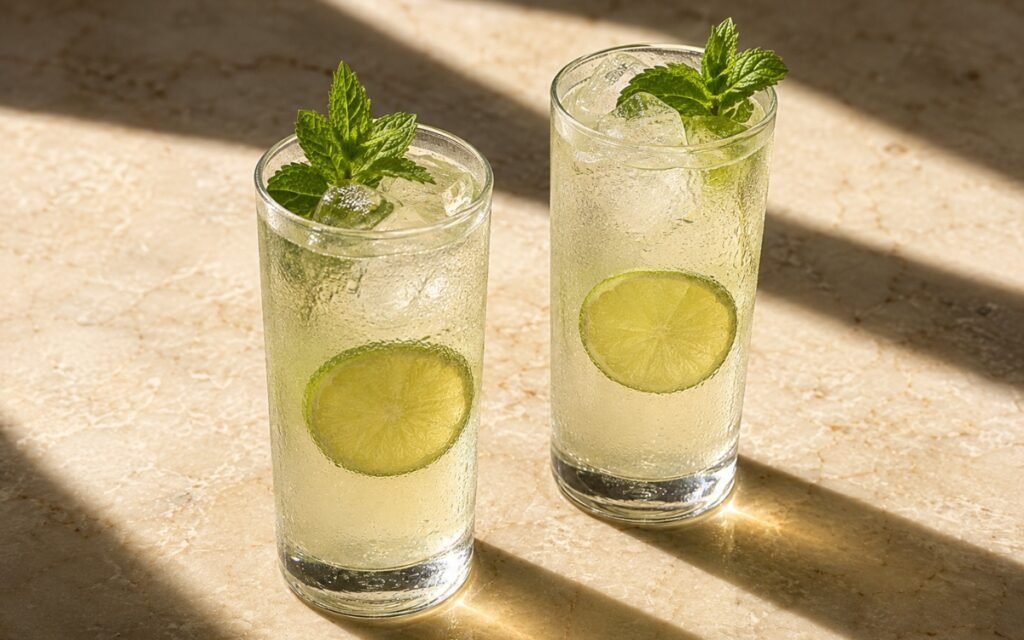
Mint Lime White Tea Cooler
Properly brewed white tea combined with a cold-style mint-lime infusion and fresh lime juice for a pale, clean, elegant iced tea cooler.
-
Mango Pineapple Pitcher Drink
Macerated, strained mango-lime base combined with pineapple and a second infusion of fresh mango, pineapple, and lime wheels.
-
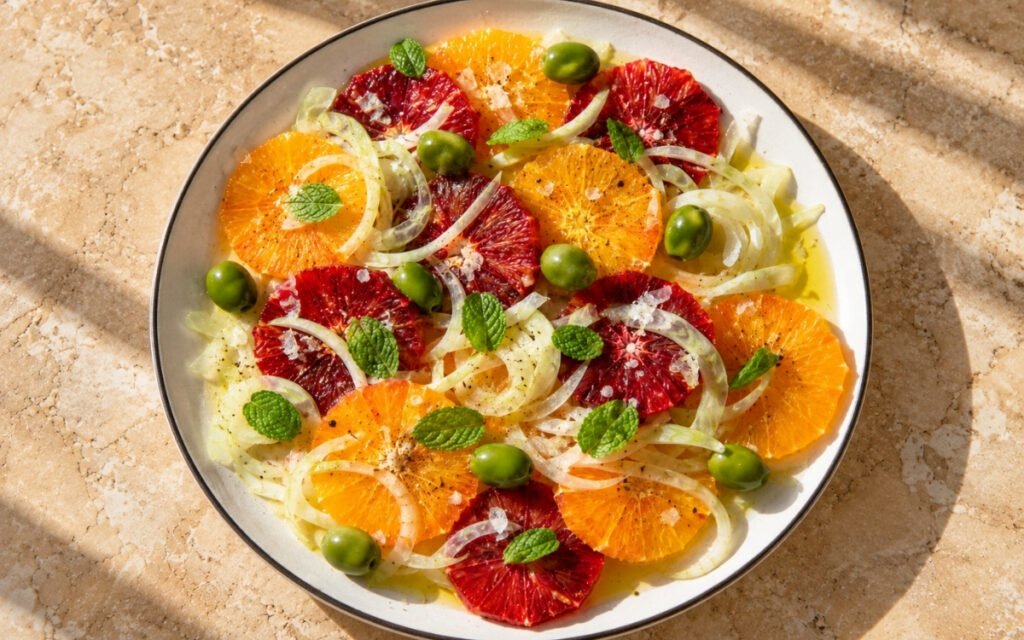
Sicilian Orange and Fennel Salad
Sweet navel and blood oranges with thinly shaved fennel, olives, mint, olive oil, flaky salt, and black pepper.

You might also like
You might also like
-
Hibiscus Raspberry Ginger Cooler
Off-heat steeped hibiscus and ginger combined with cold-macerated raspberries and fresh lime juice for a vivid ruby-red, tart cooler.
-
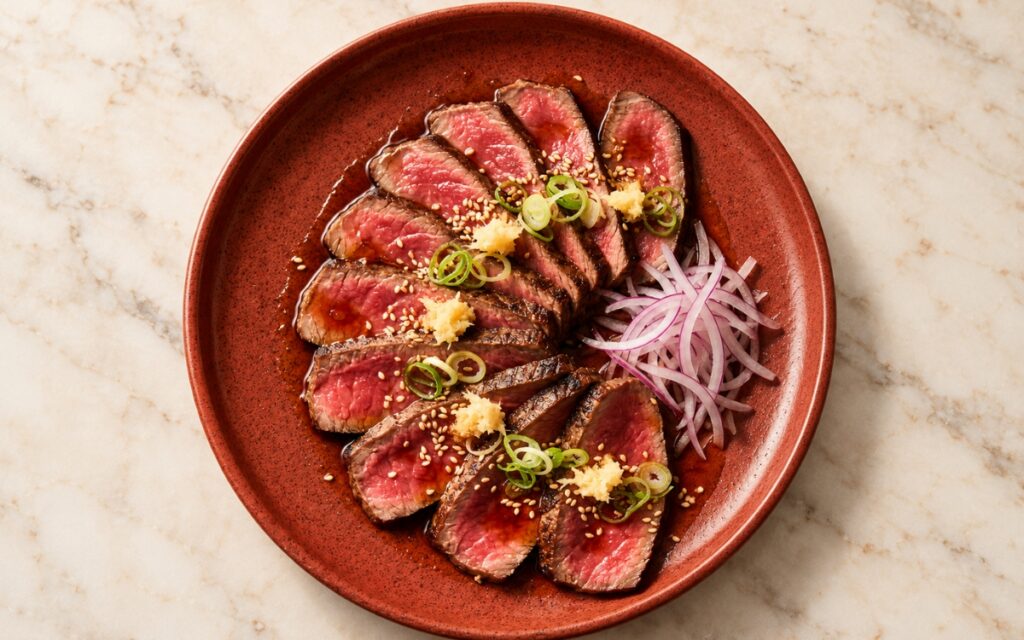
Beef Tataki
A classic Japanese-style appetizer of thick beef seared on the outside, kept rare inside, sliced thin, and served cold with citrus ponzu.
-
Mint Lime White Tea Cooler
Properly brewed white tea combined with a cold-style mint-lime infusion and fresh lime juice for a pale, clean, elegant iced tea cooler.

Caribbean Sauce Chien
Ingredients
Method
- Finely chop the scallions, parsley, chives, onion, garlic, chili, and thyme by hand, keeping the pieces small enough to suspend evenly in the liquid later. Dice the onion very fine and mince or grate the garlic almost to a paste so that neither tastes harsh. Combine everything in a medium heatproof bowl, then add the salt and black pepper and mix well. The mixture should look like densely packed green-and-white confetti, visibly chopped rather than mashed. That hand-chopped texture is exactly what sets sauce chien apart, since a blender would bruise the herbs and erase the distinct pieces the whole sauce is built on.
- Pour the 60ml of just-boiled water over the chopped mixture and stir immediately so every piece meets the heat. Let it sit for 2–3 minutes, until the onion and scallion look slightly softened and the herbs turn a deeper, glossier green and smell noticeably more fragrant. Do not add more water than this; the mixture should look moist and spoonable, not like soup. That brief hot-water bloom is what lightly softens the raw aromatics and wakes up the herbs and chili, which is why the amount stays small enough to keep the sauce concentrated.
- Stir in the 60ml of lime juice and the 15ml of lemon juice, then slowly pour in the 80ml of oil while stirring just until combined. Taste and adjust with extra salt, pepper, or a small squeeze of lime juice if needed. The sauce should be loose and pourable, not thick and not fully emulsified like a vinaigrette, with a glossy oil sheen on the surface and citrusy liquid visible underneath. If it tastes too sharp, stir in 1–2 tsp of extra hot water or a little more oil. That deliberately loose, only partly combined texture is what lets the sauce run over hot food instead of sitting on top of it like a paste.
- Let the sauce rest at room temperature for 10 minutes so the flavours can meld, then taste once more and add a pinch of salt or a small squeeze of lime if it tastes flat. The chopped herbs will rise and settle naturally in the liquid, which is normal, so stir again just before each use. Spoon about 2 tbsp over each serving of grilled fish, shrimp, chicken, pork, yuca, or roasted vegetables. That short rest is what rounds out the raw onion and garlic, so the sauce tastes balanced and bright rather than aggressively sharp.