
Blood Orange Lemonade
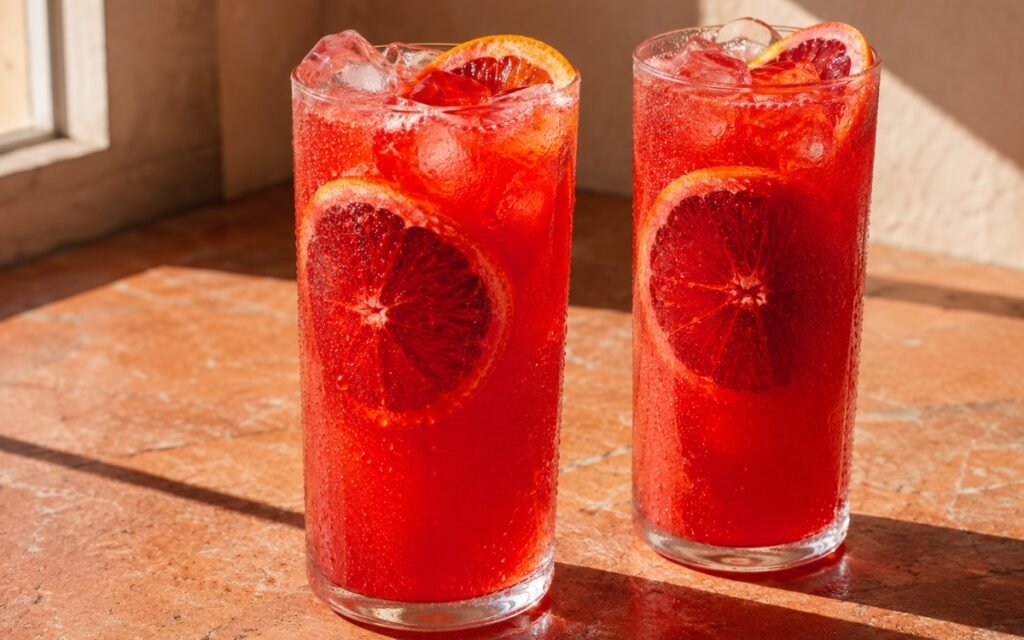
Blood orange is the most specifically beautiful of all the citrus fruits used in this collection — its flesh ranging from a deep, vivid crimson to a sunset-streaked ruby-orange depending on variety and growing conditions, its flavour a combination of conventional orange’s sweetness with a distinctive raspberry-adjacent floral quality from the anthocyanin pigments responsible for the colour. The peel-infused simple syrup using orange and lemon peels specifically — not blood orange peel, which is typically thinner and less aromatic in its outer layer than navel or Valencia orange — produces the deep, specifically citrus-oil aromatic depth that is the preparation’s most important single technique decision, as in the pink grapefruit lemonade. The 10–12 minute off-heat peel steep is specifically shorter than the grapefruit version’s 15-minute maximum because orange peel’s bitter limonoids extract at a faster rate than grapefruit’s nootkatone-dominant profile — longer steeping at this temperature begins developing a specifically harsh bitterness from orange’s phlorin and naringin content that would compete with the blood orange juice’s characteristic sweetness. The citrus pulp from both blood orange and lemon gently mashed in the pitcher for textural presence and light bitterness without turning the drink into citrus purée. Mediterranean attitude in a glass.
Prep Time : 15 min
Cook Time : 5 min
Servings : 8
15 min
5 min
8
Ingredients
For the Citrus Pulp Structure
• Clean pulp or segments from 1 blood orange — seeds and tough membranes removed
• Clean pulp or segments from 1 lemon — seeds and tough membranes removed
• 3 Tbsp mild honey — this one on Amazon
For the Peel-Infused Simple Syrup
• 180ml water
• 150g white granulated sugar — this one on Amazon
• Peel of 1 orange — coloured layer only, no white pith; added off heat
• Peel of 1 lemon — coloured layer only, no white pith; added off heat
For the Lemonade Base
• 500ml fresh blood orange juice — from approximately 6–8 blood oranges depending on size
• 120–150ml peel-infused simple syrup — start with 120ml, adjust after tasting
• 750ml–1 litre ice-cold water — start with 750ml, adjust after tasting
• 40–80ml fresh lemon juice — optional; for sharper acidity if blood oranges are particularly sweet
• Pinch of fine sea salt
For Serving
• Ice cubes
• Blood orange slices
• Lemon peel twists
This post may contain affiliate links. As an Amazon Associate I earn from qualifying purchases, at no additional cost to you.
Directions
- Make the Peel-Infused Simple Syrup
Combine the 180ml of water and 150g of white sugar in a small saucepan over medium heat. Stir until the sugar is completely dissolved and the liquid is clear. Remove from the heat immediately. Add the orange peel and lemon peel strips — both cut with a vegetable peeler to include only the coloured outer layer with minimal white pith. Cover the saucepan and steep for 10–12 minutes. The covered infusion is essential — both orange and lemon peels’ primary aromatic volatile compounds, particularly limonene and various terpene esters, escape readily as steam from an uncovered vessel. The 10–12 minute maximum for orange and lemon peel is specifically shorter than the 15-minute maximum used for grapefruit peel in the pink grapefruit lemonade. Orange peel’s bitter compounds — particularly phlorin, naringin, and various flavanones — extract at a faster rate than grapefruit’s nootkatone-dominant profile. At 10–12 minutes in the warm off-heat syrup, the aromatic oils are meaningfully present without a significant bitter contribution. Beyond 12 minutes the bitter flavanones develop to a concentration where they specifically compete with the blood orange juice’s characteristic sweetness rather than complementing its natural slight bitterness. Always strain within the 12-minute window. Strain the peels completely and allow to cool. - Prepare and Gently Mash the Citrus Pulp
Prepare the pulp from 1 blood orange and 1 lemon — removing the seeds and all tough membrane pieces while retaining the juice-containing segments as cleanly as possible. The pulp’s function is the textural counterpoint that distinguishes this from a purely juice-based preparation: the intact citrus membrane contributes a light, pleasant bitterness and a fruity, slightly chewy citrus presence in the glass that makes each sip more specifically interesting. The emphasis on removing seeds and tough membranes is specifically because these contribute specifically unpleasant rather than pleasantly bitter flavour. Add the prepared pulp to a large pitcher. Using a muddler or the back of a large spoon, press and mash gently — specific enough pressure to release juice from each piece and partially break down the segment structure without completely puréeing the pulp into a uniform paste. The goal is a lightly textured, juice-releasing mixture that provides both liquid contribution and visible segment fragments. Blood orange’s flesh is softer than lemon’s and will break down more readily; the lemon segments provide a more specific textural component alongside. - Build the Lemonade Base
Add the 500ml of fresh blood orange juice, 120ml of the cooled peel-infused syrup, 750ml of ice-cold water, and the pinch of fine sea salt to the pitcher with the mashed pulp. Stir thoroughly. Taste carefully. Blood orange’s flavour profile is significantly different from grapefruit’s — it is specifically sweeter, less bitter, more specifically fruity and jammy-adjacent, with the distinctive floral-raspberry undertone from its anthocyanin content. The optional lemon juice is present specifically because blood oranges vary widely in their natural acidity between varieties and seasons: Moro blood oranges — the most vivid, most deeply coloured variety — are more acidic and may not require any lemon juice addition; Tarocco blood oranges — the sweetest, most aromatic Italian variety — have lower natural acidity and often benefit from 40–80ml of fresh lemon juice to produce the lively, refreshing, citrus-forward result this preparation requires. If the blood orange’s natural acidity is sufficient for a bright, refreshing result without lemon juice, proceed without adding it. If the base tastes specifically sweet and round without sufficient acid brightness, add lemon juice in 20ml increments up to 80ml total. Adjust the water quantity for concentration and the syrup for sweetness. The correct balance is citrus-forward, lightly bitter from the peel infusion, bright from the blood orange’s acidity, and refreshing rather than syrupy. - Chill and Serve
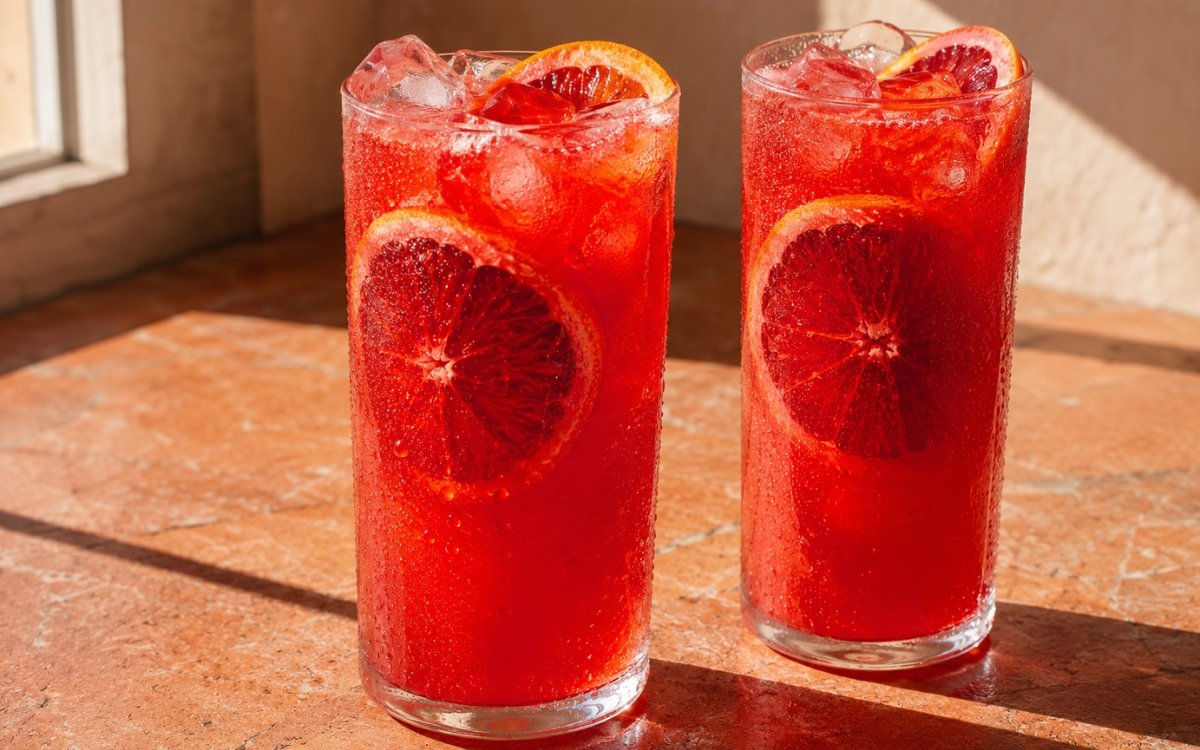
Refrigerate for 1–2 hours. The blood orange’s anthocyanin pigments are pH-sensitive in the same way as blueberry’s — the lemon juice’s acidity shifts the colour slightly from the deep ruby-red of pure blood orange juice toward a more specifically red-orange in the combined acidic medium. Both colours are natural and vivid; the finished lemonade’s colour is one of the most visually striking of any preparation in this collection regardless of the shade. Fill glasses with ice. Pour the chilled blood orange lemonade over the ice, including some of the mashed pulp in each glass for textural interest. Garnish with a blood orange slice and a lemon peel twist. Serve immediately while cold, vivid, and citrusy.
*Notes :
- Blood orange varieties produce meaningfully different lemonade results. Moro — the deepest, most ruby-red, most intensely pigmented variety — produces the most vivid colour and the most assertive, most specifically blood-orange-distinctive flavour with the characteristic raspberry-adjacent floral note at its most vivid. Tarocco — an Italian variety considered among the most aromatic and flavourful — produces a warmer, more amber-orange-tinted colour but the most specifically complex and aromatic flavour. Sanguinello — the Spanish variety common in supermarkets through winter — produces a result between the two: good colour, pleasant flavour. All three work well; the preparation should be adjusted for each variety’s natural acidity.
- Blood orange season in the Northern Hemisphere is typically December through March — the cold exposure during the growing period that develops the anthocyanin pigments requires consistent cold nights. Outside of this window, blood oranges may be available from the Southern Hemisphere in reverse season; the flavour is comparable.
Why This Recipe Works
This recipe works because the peel-infused syrup captures the deep aromatic oils of orange and lemon peel at the specific 10–12 minute window before the orange peel’s bitter flavanones develop to a competing concentration. The citrus pulp provides textural presence and light natural bitterness.
The optional lemon juice addresses blood orange’s natural acidity variation between varieties. And the salt amplifies the blood orange’s characteristic floral-fruity character at sub-threshold concentration.
Ingredient Breakdown
Orange and Lemon Peel Infused Off Heat (10–12 Minutes Maximum)
The aromatic depth technique — limonene and terpene esters extracted before bitter flavanones develop; shorter window than grapefruit for orange peel’s faster bitter-compound extraction.
Blood Orange and Lemon Pulp (Gently Mashed)
The textural citrus presence — segment structure providing pleasant bitterness and visible fruity texture without purée consistency.
500ml Blood Orange Juice (Primary Flavour)
The vivid, sweet-tart, anthocyanin-rich base — blood orange’s characteristic raspberry-floral quality present throughout.
Optional Lemon Juice (Variety-Dependent Acidity Adjustment)
The brightness calibration — added only for lower-acid varieties to achieve the refreshing, citrus-forward balance.
Pinch of Salt
The floral-fruity amplifier — specifically sharpening the blood orange’s distinctive aromatic character into greater vividness.
Flavor Structure Explained
This Blood orange lemonade follows a layered balance model:
- Sweet floral citrus core (blood orange)
- Deep aromatic citrus oils (peel-infused syrup)
- Bright acidic lift (lemon and blood orange acids)
- Gentle sophisticated bitterness (peel and pulp compounds)
- Mediterranean-style refreshing finish (sweet-bitter-citrus balance)
Blood orange defines the foundation with warm citrus sweetness, floral berry-like depth, and a complexity far richer than standard orange juice. Peel-infused syrup adds concentrated citrus oils and dry aromatic intensity, giving the drink a layered fragrance that extends beyond simple fruit sweetness. Lemon and the blood orange’s own acidity provide brightness that keeps the sweeter citrus profile lively and refreshing. A restrained bitter edge from peel compounds and pulp membranes introduces sophistication and prevents the drink from feeling overly soft or sugary. The result is a citrus drink built around balance between sweetness, brightness, aroma, and subtle bitterness.
Common Mistakes to Avoid
- Steeping the Peel Beyond 12 Minutes – Orange peel’s bitter flavanones extract faster than grapefruit’s primary aromatics. Always strain within the 12-minute window.
- Puréeing Rather Than Mashing the Pulp – Complete purée produces a thick, uniform texture without the pleasant citrus segment presence. Always mash gently for partial breakdown.
- Using Only Blood Orange Juice Without Tasting for Acidity – Blood orange varieties vary significantly in natural acidity. Always taste and add lemon juice if needed rather than assuming sufficient acidity.
- Not Adding Salt – Blood orange’s specifically floral, sweet aromatic character is specifically amplified by the sub-threshold salt. Always include it.
- SuSkipping the Chill Period – Room-temperature blood orange lemonade loses the crisp, refreshing quality that is the preparation’s defining appeal. Always chill fully.
Variations
With Rosemary
Add 1 small rosemary sprig to the saucepan alongside the citrus peels during the off-heat steep — removed with the peels. The rosemary’s dry, botanical depth alongside blood orange is a specifically beautiful Italian direction.
With Cardamom
Add 3 lightly crushed cardamom pods to the syrup during the off-heat steep — the cardamom’s warm, sweet-floral depth is specifically harmonious with blood orange’s own floral character.
Sparkling Version
Build the blood orange-lemon base without water, chill separately, and add chilled sparkling water right before serving. The carbonation amplifies the blood orange’s aromatic compounds dramatically.
With Campari-Style Bitterness
Add 15ml of a non-alcoholic aperitif or bitter orange essence to the combined pitcher — the bitter-orange complexity moving the preparation toward the Negroni-adjacent direction.
Storage & Make-Ahead
Peel-infused syrup can be refrigerated in a sealed jar for up to 2 weeks.
Once assembled, blood orange lemonade can be refrigerated for up to 3 days. During storage, the vivid color gradually shifts slightly as the anthocyanin pigments continue reacting to the acidity level, although the flavor remains bright and vibrant for about 48 hours.
Assembled glasses are not suitable for storage and should be served immediately.
Frequently Asked Questions
Why is the peel infusion only 10–12 minutes?
Orange peel’s bitter flavanone compounds — particularly naringin and phlorin — extract at a faster rate than grapefruit’s primary aromatic compounds in warm water. At 10–12 minutes the aromatic oils are present at full pleasant concentration without the bitter flavanones having extracted to a competing level. Beyond 12 minutes the bitterness develops faster and more aggressively than in the grapefruit preparation.
Why is the lemon juice optional?
Blood orange varieties vary significantly in their natural citric acid content — Moro blood oranges have higher acidity and may require no lemon juice; Tarocco and Sanguinello have lower natural acidity and often need the lemon juice addition to achieve the bright, refreshing, citrus-forward balance. The correct approach is to taste first and add only if needed.
What gives blood orange its characteristic raspberry-adjacent flavour?
Blood orange’s distinctive flavour comes from its anthocyanin pigments — the same class of compounds responsible for the vivid crimson colour. These pigments have their own aromatic compounds that contribute the specifically raspberry-floral, slightly exotic quality absent in conventional oranges. The cold temperature during growing that develops the pigments also develops these aromatic compounds; they are linked and inseparable.
What other blood orange preparations share this character?
The Blood Orange Spritzer shares the blood orange as primary flavour in a sparkling format — a lighter, more effervescent preparation built on the same vivid flavour foundation. The Blood Orange Margarita Mocktail shares the blood orange’s vivid character in a specifically cocktail-inspired format with salt rim and citrus balance — a more dramatically adult presentation. The Blood Orange Citrus Pitcher shares the multi-citrus approach in a larger-format pitcher preparation.
Nutrition Facts
( per serving )
Calories
~85 kcal
Protein
0 g
Fat
0 g
Carbs
22 g
Calories
~85 kcal
Protein
0 g
Fat
0 g
Carbs
22 g
Related Recipes
Related Recipes

Passion Fruit Lime Lemonade
Fresh lemon and lime juice combined with entirely uncooked passion fruit pulp for a bright, tart, vivid tropical lemonade.
Dragon Fruit Lemonade
Cold-extracted lemon zest and juice combined with blended red dragon fruit for a vivid magenta-pink, clean-tasting lemonade.
Raspberry Lemonade
Honey-raspberry syrup cooked with lemon zest off heat, fresh raspberries cold-strained for bright aromatic juice — combined with lemon, salt, cold water. Layered and vivid.
You might also like
You might also like
Hibiscus Ginger Orange White Tea Cooler
White tea at 75–80°C for 3–4 minutes, hibiscus and ginger infused together 6–8 minutes — orange juice as the structural bridge, honey, chilled. Vivid, tart, balanced.
Light Strawberry Rosemary Iced White Tea
White tea at 75–80°C, strawberries blended with tea and strained — rosemary syrup added gradually to taste, chilled 2–4 hours. Pale pink and botanical.
Peach Rosemary Sparkling Mocktail
Sweet golden peach, rosemary depth, and lemon zest over sparkling water — warm and refreshing.
Blood Orange Lemonade
Ingredients
Method
- Combine the 180ml of water and 150g of white sugar in a small saucepan over medium heat. Stir until the sugar is completely dissolved and the liquid is clear. Remove from the heat immediately. Add the orange peel and lemon peel strips — both cut with a vegetable peeler to include only the coloured outer layer with minimal white pith. Cover the saucepan and steep for 10–12 minutes. The covered infusion is essential — both orange and lemon peels’ primary aromatic volatile compounds, particularly limonene and various terpene esters, escape readily as steam from an uncovered vessel. The 10–12 minute maximum for orange and lemon peel is specifically shorter than the 15-minute maximum used for grapefruit peel in the pink grapefruit lemonade. Orange peel’s bitter compounds — particularly phlorin, naringin, and various flavanones — extract at a faster rate than grapefruit’s nootkatone-dominant profile. At 10–12 minutes in the warm off-heat syrup, the aromatic oils are meaningfully present without a significant bitter contribution. Beyond 12 minutes the bitter flavanones develop to a concentration where they specifically compete with the blood orange juice’s characteristic sweetness rather than complementing its natural slight bitterness. Always strain within the 12-minute window. Strain the peels completely and allow to cool.
- Prepare the pulp from 1 blood orange and 1 lemon — removing the seeds and all tough membrane pieces while retaining the juice-containing segments as cleanly as possible. The pulp’s function is the textural counterpoint that distinguishes this from a purely juice-based preparation: the intact citrus membrane contributes a light, pleasant bitterness and a fruity, slightly chewy citrus presence in the glass that makes each sip more specifically interesting. The emphasis on removing seeds and tough membranes is specifically because these contribute specifically unpleasant rather than pleasantly bitter flavour. Add the prepared pulp to a large pitcher. Using a muddler or the back of a large spoon, press and mash gently — specific enough pressure to release juice from each piece and partially break down the segment structure without completely puréeing the pulp into a uniform paste. The goal is a lightly textured, juice-releasing mixture that provides both liquid contribution and visible segment fragments. Blood orange’s flesh is softer than lemon’s and will break down more readily; the lemon segments provide a more specific textural component alongside.
- Add the 500ml of fresh blood orange juice, 120ml of the cooled peel-infused syrup, 750ml of ice-cold water, and the pinch of fine sea salt to the pitcher with the mashed pulp. Stir thoroughly. Taste carefully. Blood orange’s flavour profile is significantly different from grapefruit’s — it is specifically sweeter, less bitter, more specifically fruity and jammy-adjacent, with the distinctive floral-raspberry undertone from its anthocyanin content. The optional lemon juice is present specifically because blood oranges vary widely in their natural acidity between varieties and seasons: Moro blood oranges — the most vivid, most deeply coloured variety — are more acidic and may not require any lemon juice addition; Tarocco blood oranges — the sweetest, most aromatic Italian variety — have lower natural acidity and often benefit from 40–80ml of fresh lemon juice to produce the lively, refreshing, citrus-forward result this preparation requires. If the blood orange’s natural acidity is sufficient for a bright, refreshing result without lemon juice, proceed without adding it. If the base tastes specifically sweet and round without sufficient acid brightness, add lemon juice in 20ml increments up to 80ml total. Adjust the water quantity for concentration and the syrup for sweetness. The correct balance is citrus-forward, lightly bitter from the peel infusion, bright from the blood orange’s acidity, and refreshing rather than syrupy.
- Refrigerate for 1–2 hours. The blood orange’s anthocyanin pigments are pH-sensitive in the same way as blueberry’s — the lemon juice’s acidity shifts the colour slightly from the deep ruby-red of pure blood orange juice toward a more specifically red-orange in the combined acidic medium. Both colours are natural and vivid; the finished lemonade’s colour is one of the most visually striking of any preparation in this collection regardless of the shade. Fill glasses with ice. Pour the chilled blood orange lemonade over the ice, including some of the mashed pulp in each glass for textural interest. Garnish with a blood orange slice and a lemon peel twist. Serve immediately while cold, vivid, and citrusy.