Traditional French Arlettes (Caramelized Puff Pastry Cookies)
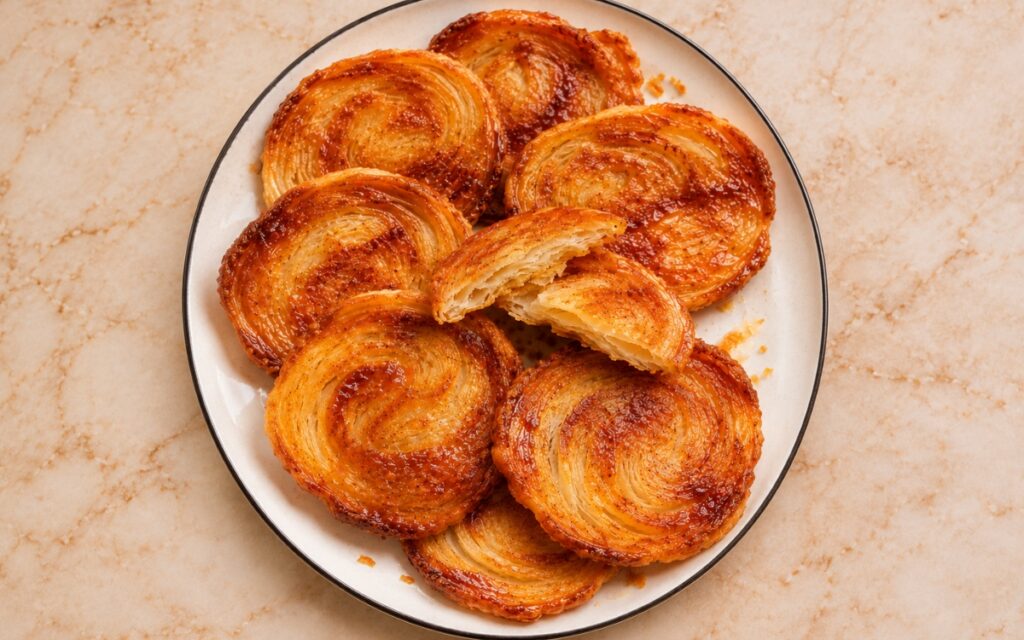
Traditional French arlettes are thin, glossy cookies made from all-butter puff pastry rolled with cinnamon sugar, sliced into spirals, flattened, and baked until the sugar turns amber, the key being the contrast between a glassy caramelized surface and fragile, buttery laminated layers. Rolling the pastry in powdered sugar, rather than flour, and flattening each slice to 1.5–2mm is the technique this whole cookie depends on for its crisp, even caramelization — flour would leave a pale, dusty surface and a thick slice would puff into a fat palmier-like pastry, the same keep-it-cold-and-thin principle used elsewhere in this collection whenever laminated dough must stay flat. Chilling the tight roll before slicing is what keeps the spirals crisp and distinct instead of smearing into a blurred, greasy pastry centre. Baking between two trays is what holds every disc flat while the sugar slowly melts into a glossy amber lacquer, so the finished cookie never puffs or curls. The payoff is an arlette with real, patisserie-level character — a shattering amber surface, visible concentric swirls, and a tender, buttery centre under crisp edges.
- Prep Time : 25 min
- Total Time : 1 hr 25 min
- Servings : 12
Ingredients
For the Arlettes
- 320g all-butter puff pastry (pâte feuilletée), preferably a rectangular sheet
- 40g powdered sugar, for filling the pastry
- 2g ground cinnamon, about 1 tsp
- 1 small pinch fine sea salt
For Rolling and Caramelizing
- 70g powdered sugar, for dusting the work surface and rolling each slice
Directions
- Prepare the Cinnamon Sugar Pastry
Keep the puff pastry refrigerated until the moment you use it, and dust the work surface lightly with about 10g of the powdered sugar for rolling rather than flour. Roll the pastry into a rectangle of about 30 × 25cm and an even 3–4mm thickness. Mix the 40g powdered sugar with the cinnamon and salt, scatter it evenly over the pastry, and press it in gently with the rolling pin. The pastry should stay cold, flexible, and visibly layered, because softened butter would merge the layers and ruin the lamination. - Roll the Log
Starting from one 30cm edge, roll the pastry tightly into a compact cylinder about 30cm long, keeping the roll even with no large gaps between the turns. Position the seam underneath and wrap the log snugly in parchment paper. Refrigerate it for 30 minutes, until it feels firm enough to slice cleanly and both ends show tight concentric spirals. That chill is what stops the spiral layers from deforming under the knife and again under the rolling pin. - Slice the Rounds
Preheat the oven to 180°C conventional or 165°C fan while the log chills. Unwrap the firm log and, with a sharp knife, cut it into 12 equal rounds about 2.5cm thick, using a clean downward cut rather than a sawing motion. Return any rounds you are not yet working to the refrigerator. That quick separation is what keeps the butter cold in each slice, so every round rolls out flat and keeps its swirl. - Flatten in Powdered Sugar
Dust the work surface and one round generously with some of the remaining 60g powdered sugar, set it cut-side up, and roll it into a very thin circular or slightly oval disc about 1.5–2mm thick and 10–12cm across. Turn and re-dust as needed so it never sticks, repeating with the remaining rounds and moving each to a parchment-lined tray, 2–3cm apart. Work quickly and avoid tearing the spiral. That sugar coating, in place of flour, is what promotes an even, glossy caramelization. - Bake Between Two Trays
Cover the discs with a second sheet of nonstick parchment and set a flat metal tray directly on top to weigh them down. Bake for 15–20 minutes, checking after 12 minutes, until the arlettes are deeply golden. Lift the top tray and parchment carefully; if the surfaces need more colour, return them uncovered for 1–3 minutes, watching closely, until glossy amber with darker chestnut patches. That weight is what keeps the arlettes paper-thin, and the final watch prevents the sugar from tipping into bitterness. - Cool Until Crisp
Remove the top tray and parchment and let the arlettes cool on their baking sheet for about 2 minutes, until they can be moved without bending. While still slightly warm, lift each one from the parchment with a thin spatula and transfer it to a wire rack for another 8–10 minutes. Do not stack them while warm. That cooling is what hardens the caramel into a glassy shell, whereas stacking would glue the surfaces together and trap steam. - Arrange and Serve
Arrange the 12 cooled arlettes on a parchment-lined tray or a warm white ceramic plate in a loose, slightly overlapping pile. Gently snap one in two to expose the laminated interior and leave a few caramelized flakes beside it. Serve at room temperature with no additional toppings. That broken edge is what proves the layers are fully baked and shows the fine, compressed butter strata.
*Notes :
- Rolling each slice in powdered sugar instead of flour deserves genuine recognition as the technique most directly responsible for the even, glossy caramel surface. Fine sugar melts into a smooth, even lacquer and draws the whole pastry toward amber, whereas flour browns unevenly and leaves a dull, dusty surface that never turns properly glassy.
- Chilling the tight roll before slicing deserves the same attention this technique receives throughout this collection’s other laminated and rolled doughs. Firm, cold butter lets the knife cut through the layers instead of dragging and smearing them, so each round keeps its visible concentric spirals rather than collapsing into a blurred, greasy centre that bakes up dense and flat.
- Rolling every slice to about 1.5–2mm deserves genuine respect as the detail most directly responsible for the flat, crisp profile. Thicker discs trap far more steam between the layers and puff into rounded, bready pastries, losing the fragile, shattering texture and the thin, glassy profile that define a true arlette.
- Baking between two trays and watching the last minutes deserves attention as a genuine, checkable control rather than a loose approximation. The weight forces the layers flat while the sugar melts, and because caramelization advances very quickly at the end, a pale cookie lacks real caramel flavour while one left even a minute too long turns bitter.
Why This Recipe Works
This recipe works because cold butter, thin rolling, and sugar all work together on one laminated dough. The chilled roll slices cleanly, so each round keeps its spiral, and rolling in powdered sugar coats every layer for even caramelization. Pressing the discs between two trays holds them flat while the butter steams the layers apart and the sugar melts into a thin, even glaze. Watching the final minutes stops that caramel from turning bitter. Cooling on a rack then hardens it, so the finished cookie is glassy and crisp outside with a delicate, buttery flake in the centre.
Ingredient Breakdown
Rolling in Powdered Sugar
The critical technique — fine sugar, not flour, melts into an even, glossy amber caramel without a dusty, pale surface.
Chilled Tight Roll
The critical technique — firm butter and compact layers let the knife slice clean spirals that survive rolling and baking.
1.5–2mm Thickness
The critical technique — thin discs bake flat and crisp, while thicker ones puff up and lose the traditional arlette shape.
All-Butter Puff Pastry
The structural foundation — real butter gives the laminated layers their rich flavour and the crisp, shattering bite.
Baking Between Two Trays
The critical safeguard — weight keeps the discs flat while the sugar caramelizes against the parchment.
Cinnamon and Salt
The finishing touch — a subtle hint of spice and a pinch of salt sharpen the caramel without overpowering butter.
Flavor Structure Explained
This traditional French arlette follows a layered balance model:
- Buttery, flaky foundation (all-butter puff pastry layers)
- Glassy, sweet caramel (powdered sugar melted at the surface)
- Warm, subtle spice (a touch of cinnamon)
- Savoury edge (a pinch of fine sea salt)
- Toasty, nutty depth (deeply caramelized sugar and browned butter notes)
The puff pastry provides the buttery, flaky foundation, while melted powdered sugar forms the glassy caramel that shatters on the first bite. Cinnamon adds a quiet warmth and the pinch of salt keeps the sweetness from flattening into something merely sugary. The deep amber colour brings toasty, nutty notes from the browned butter and sugar that tie this arlette together.
Common Mistakes to Avoid
- Letting the Pastry Warm Up – This melts the butter and merges the layers, so the cookies bake dense. Always return the pastry to the refrigerator whenever it turns soft.
- Rolling the Slices Too Thick – This traps steam between the layers and puffs the arlettes into rounded pastries. Always roll each round to about 1.5–2mm before baking.
- Using Flour Instead of Sugar – This leaves a pale, dusty surface that never caramelizes evenly. Always dust the surface and each slice with powdered sugar.
- Baking Without the Second Tray – This lets the discs puff and curl, so they lose their thin, crisp shape. Always weigh them down with a flat tray over parchment.
- Stacking the Warm Arlettes – This glues the soft caramel together and traps moisture. Always cool them in a single layer on a wire rack.
Variations
Cinnamon-Free Version
Leave out the cinnamon and keep only the sugar and salt, which gives a purer caramel and butter flavour that tastes closer to a classic, unspiced pâtisserie arlette.
Extra Caramel Version
Dust the slices with a little more powdered sugar before the second tray goes on, which gives a darker, glassier surface but needs extra attention in the final minutes of baking.
Homemade Puff Pastry Version
Use a classic homemade all-butter puff pastry instead of a ready-made sheet, which gives more pronounced layers and a richer butter flavour in each thin disc.
Smaller Arlettes Version
Cut the log into thinner rounds, about 1.5cm, and roll them to the same thickness, which gives smaller, more delicate cookies that bake a minute or two faster.
Storage & Make-Ahead
Store completely cooled arlettes in an airtight container at room temperature for up to 3 days, because humidity quickly softens the caramelized surface and turns the crisp shell soft and chewy within a day or so.
If they soften, bake them on a tray in a 150°C oven for 3–5 minutes, then cool them completely on a wire rack, because the gentle heat drives the absorbed moisture out and re-crisps the sugar into a brittle, glassy shell.
Keep the wrapped, chilled log in the refrigerator for up to 1 day before slicing, because the firm roll holds its spirals and lets you slice and bake the arlettes fresh whenever you need them.
Cool the cookies to room temperature before packing, because even slight warmth releases steam inside the container and softens the surface within the hour.
Serve the arlettes at room temperature without toppings, because the pure caramel and butter flavour is the whole point and any cream or glaze would soften them.
Frequently Asked Questions
Why is powdered sugar used for rolling instead of flour?
Powdered sugar melts evenly into a glossy caramel on the surface, whereas flour would stay dry on the pastry and leave a pale, dusty finish with patchy, uneven browning.
Why must the rolled log be chilled before it is sliced?
Thirty minutes in the refrigerator firms the butter and compacts the spiral, so the knife cuts clean rounds and the layers stay distinct instead of smearing together under the blade.
Why are the arlettes baked between two baking trays?
The weight of the second tray keeps the puff pastry from rising, so the discs bake flat and the sugar caramelizes against the parchment into a thin, crisp, glassy shell.
Why should the arlettes not be stacked while warm?
Warm caramel is still soft and sticky, so stacked cookies fuse together and trap steam, whereas cooling them on a wire rack lets the sugar harden into a brittle shell.
Are there other classic French pastry, custard tart, or cookie dishes worth trying?
Portuguese Custard Tarts (Pastéis de Nata) is also worth trying for another classic flaky pastry shell, and Classic Madeleines offers another delicate French bake worth exploring. Cinnamon Roll Cookies is also worth trying for another cinnamon-sugar spiral cookie, while Classic French Crème Brûlée and Crêpes Suzette offer other French desserts with a caramelized sugar finish worth exploring.
Nutrition Facts
( Per Serving — 1 arlette )
- Calories
- ~185 kcal
- Protein
- 2 g
- Fat
- 8 g
- Carbs
- 26 g
-

Classic French Crème Brûlée
Silky vanilla custard baked in a water bath, chilled cold, and topped with a thin, crackling amber crust of caramelized sugar.
-
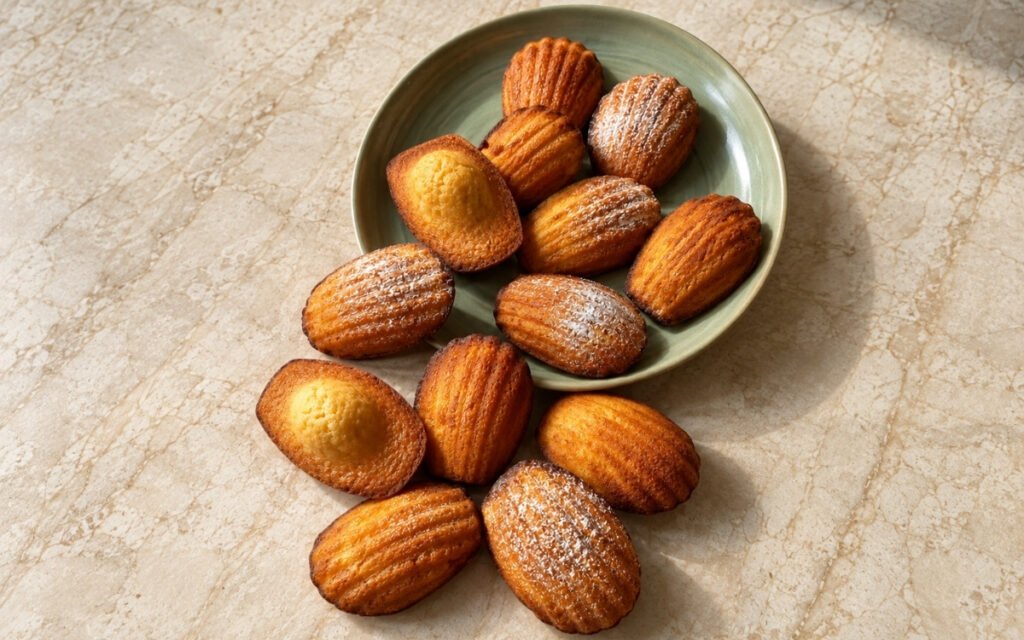
Classic Madeleines
Classic French shell-shaped madeleines with crisp golden-brown ridges, tender buttery crumb, and the signature raised hump.
-
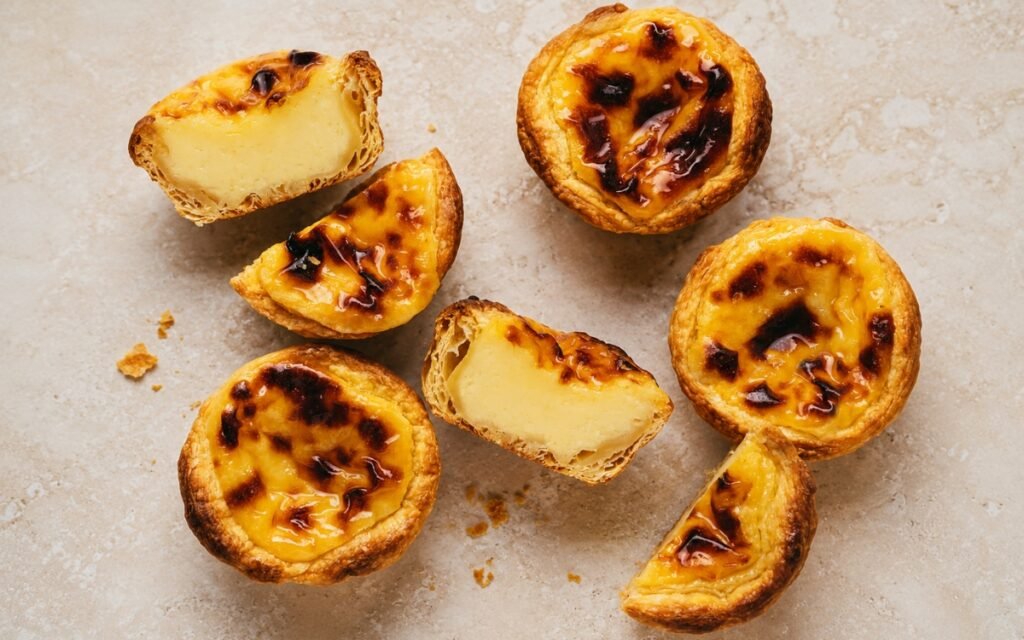
Portuguese Custard Tarts (Pastéis de Nata)
Rolled, laminated puff pastry shells filled with a silky cinnamon-lemon custard, baked at extreme heat for signature dark caramelised spots.

-
Crêpes Suzette
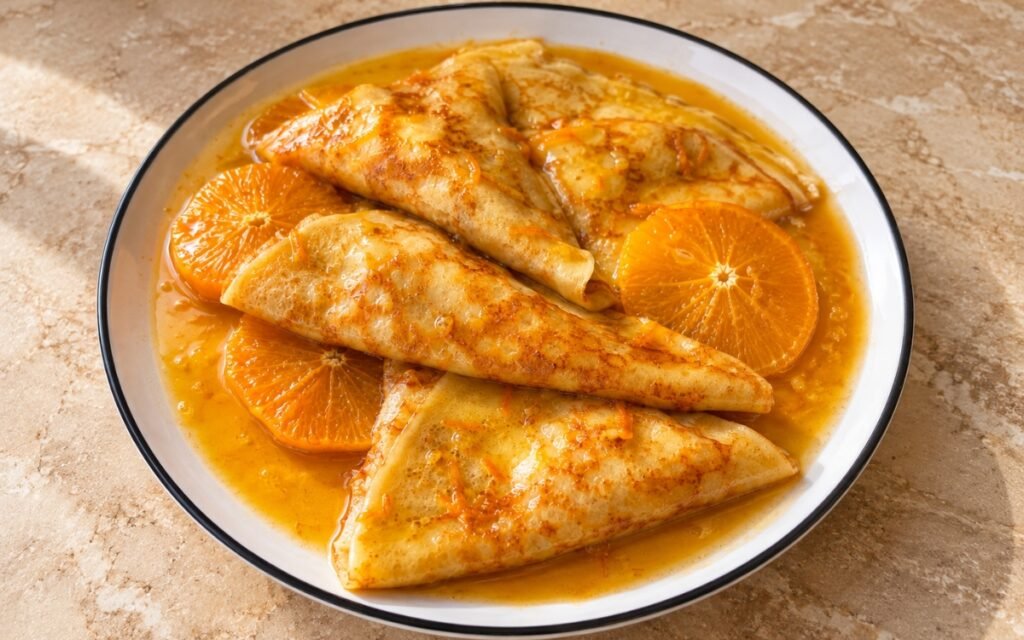
Delicate French crêpes folded into triangles and coated in a glossy orange-butter Suzette sauce with fresh orange juice and zest.
-
Homemade Churros with Chocolate Sauce
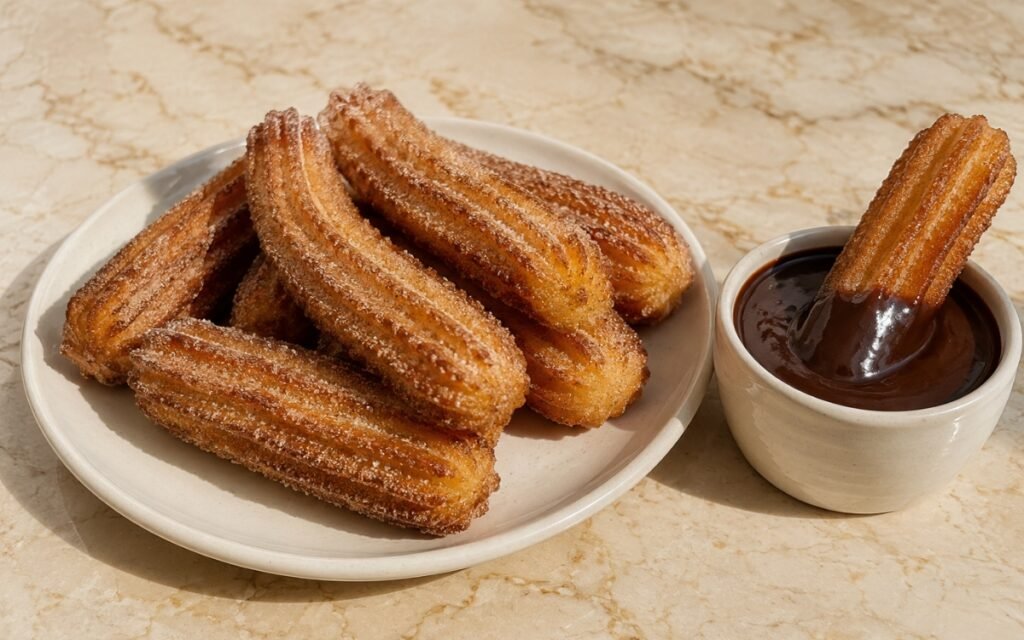
Piped churro dough cooked for real structure, fried until deeply golden and ridged, tossed in cinnamon sugar, and served with rich chocolate sauce.
-
Cannoli
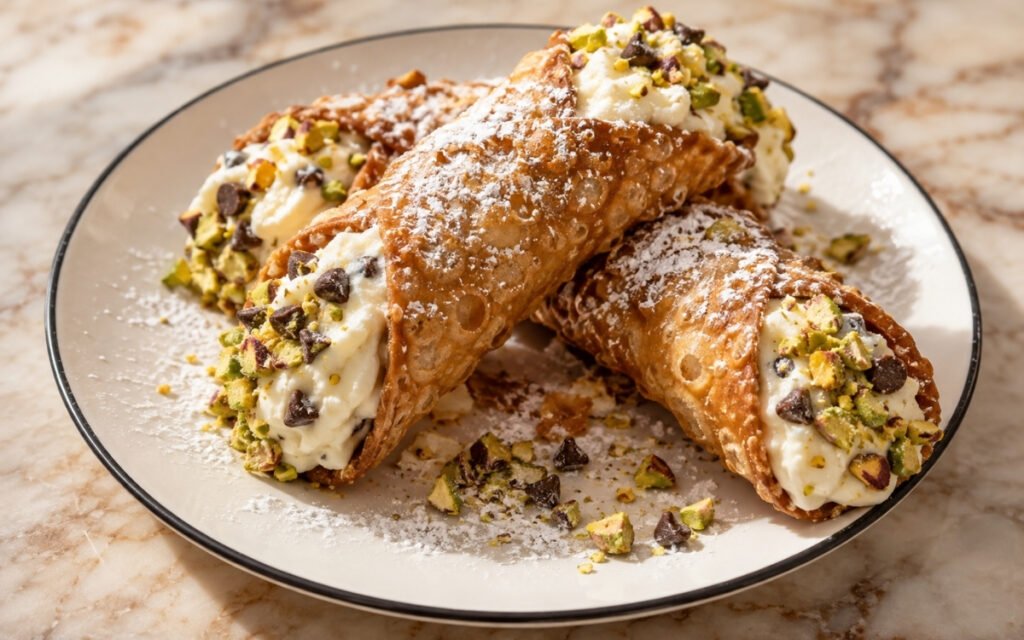
Crisp blistered fried pastry shells filled with sweetened ricotta cream, finished with chopped pistachios, chocolate chips, and powdered sugar.