Classic French Crème Brûlée
Classic French crème brûlée is an elegant dessert of rich, silky vanilla custard baked gently in a water bath until just set, chilled thoroughly, and topped with a thin, glass-like shell of caramelized sugar that shatters under the spoon, the key being the contrast between the cold, dense custard and the warm, brittle caramel above it. Baking the custard slowly in a water bath, rather than in direct oven heat, is the technique this whole dessert depends on for its smooth, creamy set — the water moderates the temperature around the ramekins so the yolks thicken evenly instead of curdling at the edges, the same gentle-heat-for-egg-proteins principle used elsewhere in this collection whenever a custard must stay silky. Infusing the cream with a whole vanilla bean is what gives the custard its deep, floral fragrance without a trace of harshness. Chilling the custard completely before it is torched is what lets the sugar melt and harden without warming the cream beneath it. The payoff is a crème brûlée with real, luxurious contrast — a cold, velvety vanilla custard under a thin, amber, crackling crust.

- Prep Time : 20 min
- Total Time : 5 hr 30 min
- Servings : 6
Ingredients
For the Vanilla Custard
- 750ml heavy cream (35% fat)
- 7 large egg yolks (about 125–135g)
- 90g granulated sugar
- 1 whole vanilla bean, split lengthwise and seeds scraped
- 1g fine sea salt
For the Water Bath
- Hot water, as needed to reach halfway up the ramekins
For the Caramelized Sugar Crust
- 72g superfine granulated sugar (12g per ramekin)
Directions
- Infuse the Vanilla Cream
Preheat the oven to 150°C conventional / 135°C fan. Place the heavy cream, vanilla seeds, and scraped vanilla pod in a heavy-bottomed saucepan and heat gently over medium-low heat until the cream is steaming, about 75–80°C, without letting it boil. Remove the pan from the heat, cover it, and let the vanilla infuse for 10–15 minutes, then lift out the pod. The cream should smell deeply floral and carry tiny dark seeds throughout. That gentle infusion off the heat is what draws out the vanilla’s fragrance without cooking the cream or inviting a skin and curdling later. - Prepare the Custard
Combine the egg yolks, sugar, and salt in a mixing bowl and whisk gently until smooth and evenly combined, taking care not to whip in air. Pour about one-third of the warm cream onto the yolks in a thin stream while whisking continuously, then add the rest in a steady stream. Pass the mixture through a fine-mesh sieve into a pouring jug, let it stand for 2–3 minutes, and skim away any foam. The custard should be smooth, fluid, and pale ivory-yellow. That gradual tempering and straining is what keeps the yolks from scrambling and gives the finished custard its silky, bubble-free texture. - Prepare the Ramekins and Water Bath
Arrange six shallow ceramic ramekins, each holding about 170–200ml, inside a large, deep roasting pan. Divide the custard evenly among them, filling each to about 5–8mm below the rim, and set the roasting pan on the middle oven rack. Carefully pour hot water into the pan until it reaches halfway up the sides of the ramekins, taking care not to splash any into the custard. Each custard should sit in an even, fairly shallow layer inside a stable bath. That surrounding water is what moderates the heat so the edges cannot overcook before the centres have set. - Bake Until Silky and Just Set
Bake at 150°C conventional / 135°C fan for 35–45 minutes, depending on the depth of your ramekins, and begin checking after 30 minutes. Shake one ramekin gently: the edges should look set while the centre keeps a small, even wobble, and a thermometer in the centre should read about 79–82°C. Lift the ramekins out of the water bath with care and set them on a wire rack. Do not let the custard brown or bubble. That slight wobble is the sign of a custard that will finish setting as it cools, which is what keeps it smooth rather than grainy or rubbery. - Cool and Chill the Custard
Let the ramekins cool on the rack until they are no longer hot, about 30 minutes, then cover each one individually so the covering does not touch the surface. Refrigerate for at least 4 hours, and preferably overnight, until the custard is cold, thick, and softly set with no free liquid on top. Do not try to caramelize a warm custard. That thorough chilling is what allows the sugar to melt and harden under the flame without heating the cream underneath, which would turn the custard loose and warm. - Caramelize the Sugar Crust
Take the chilled ramekins from the refrigerator just before serving and blot any condensation from the surface with a paper towel. Sprinkle 12g of superfine sugar evenly over each custard, then tilt and rotate the ramekin so the sugar forms a thin, continuous layer. Using a kitchen blowtorch, keep the flame moving across the surface until the sugar turns glossy and a rich golden-amber, with a few deeper mahogany patches. Let the caramel stand for 1–2 minutes to harden. That thin, even layer is what sets into a crisp shell that cracks cleanly rather than a thick, tooth-testing slab. - Serve
Set each ramekin on a small dessert plate and leave the caramelized tops to harden completely, serving without any extra garnish. To show the contrast, crack a small section of one crust with a spoon and lift a few irregular amber shards to reveal the smooth, pale custard beneath, keeping most of the caramel surface intact. Serve straight away while the crust is crisp and the custard is cold. That immediate service is what protects the shell from the moisture of the custard, which softens it within the hour.
*Notes :
- Baking the custard in a water bath deserves genuine recognition as the technique most directly responsible for this dessert’s smooth, creamy set. The water caps the temperature around each ramekin, so the yolk proteins thicken together gradually instead of tightening into a grainy, rubbery layer at the edges while the centre is still liquid.
- Straining and resting the custard before it is poured deserves the same attention this technique receives throughout this collection’s other baked custards and creams. Removing any cooked egg particles and skimming the foam is what guarantees a surface free of bubbles and a texture that stays uniformly silky and dense from the edge of the ramekin to the very centre.
- Chilling the custard completely deserves genuine respect as the detail most directly responsible for a crisp, intact caramel shell. A thoroughly cold, firm base lets the sugar melt and harden quickly under the flame, while a warm custard would soften the crust, heat the cream beneath it, and turn the whole surface loose and wet.
- A thin, even layer of superfine sugar deserves attention as a genuine, checkable readiness cue rather than a loose approximation. About 12g per ramekin is enough to form a brittle amber glass in under a minute, whereas a heavier layer melts unevenly, burns in patches, and cools into a thick, hard crust that overwhelms the custard.
Why This Recipe Works
This recipe works because every stage protects the delicate egg proteins and the contrast of textures. Infusing the cream off the heat captures the vanilla without overheating the dairy, and tempering and straining the yolks keeps the custard smooth and free of bubbles. The water bath then bakes it slowly and evenly to a soft, wobbling set that finishes firming as it cools. Chilling it completely firms the custard so it holds its shape under the torch. A thin layer of superfine sugar then melts into a crisp amber shell that shatters over a cold, velvety custard.
Ingredient Breakdown
Heavy Cream (35% Fat)
The critical ingredient choice — its high fat content creates the rich, dense, silky body that lower-fat dairy cannot match.
Egg Yolks
The structural foundation — they thicken the custard and give it a rich, smooth set without any need for flour or starch.
Whole Vanilla Bean
The defining flavour ingredient — the seeds and pod infuse the cream with the deep, floral fragrance that defines the classic.
Water Bath Baking
The critical technique — the surrounding water moderates the heat so the custard sets evenly and gently rather than curdling.
Thorough Chilling (4 Hours)
The critical timing technique — a cold, firm custard supports the caramel and stays cool beneath the hot sugar.
Superfine Sugar (12g Per Ramekin)
The finishing touch — its fine crystals melt quickly and evenly into a thin, brittle, glass-like crust.
Flavor Structure Explained
This classic French crème brûlée follows a layered balance model:
- Rich, creamy foundation (heavy cream and egg yolks)
- Floral, aromatic depth (whole vanilla bean seeds and pod)
- Gentle sweetness (granulated sugar in the custard)
- Bittersweet, toasty finish (torched superfine sugar crust)
- Cool, velvety contrast (thoroughly chilled custard)
Heavy cream and egg yolks provide the rich, creamy foundation that gives the custard its dense, silky body. Whole vanilla bean seeds and pod add a floral, aromatic depth that lifts the dairy without overpowering it. A measured amount of sugar adds gentle sweetness inside the custard. The torched superfine sugar contributes a bittersweet, toasty finish, and the cold, velvety custard beneath it sets the contrast that ties this classic dessert together.
Common Mistakes to Avoid
- Boiling the Cream – This creates a cooked-milk flavour and risks curdling the yolks on contact. Always heat it only until it steams, about 75–80°C.
- Whisking the Custard Vigorously – This works air into the mixture and bakes up as an uneven, bubbled texture. Always whisk gently and skim away any foam before baking.
- Skipping the Water Bath – This lets the edges overheat before the centre sets, leaving a grainy custard. Always bake with hot water halfway up the ramekins.
- Overbaking the Custard – This produces a firm, curdled texture instead of a soft, silky one. Always remove the ramekins while the centre still holds a small, even wobble.
- Torching a Warm Custard – This melts the caramel into a soft layer and warms the cream underneath. Always chill the custards for at least 4 hours before caramelizing the sugar.
Variations
Vanilla Extract Version
Replace the whole vanilla bean with 10ml of pure vanilla extract stirred in after the cream has been heated, which keeps the flavour clean and sweet though a little less deeply floral.
Individual Torch Timing Version
Caramelize each ramekin just before it is served instead of all at once, which keeps every crust at its crispest and avoids any softening while guests wait.
Overnight Chilled Version
Refrigerate the baked custards overnight before caramelizing, which makes them firmer and colder and gives the cleanest contrast between the cold cream and the warm, brittle sugar crust.
Shallow Ramekin Version
Bake the custard in wider, shallower dishes for a larger caramel surface and a more generous crust, shortening the baking time a few minutes to match the thinner layer.
Storage & Make-Ahead
Prepare and chill the custards up to 2 days in advance, covering each ramekin so the plastic does not touch the surface, since a cold, undisturbed custard is the best base for a crisp caramel top.
Keep the uncaramelized custards covered in the refrigerator at 4°C or below for up to 3 days, and take them out only when you are ready to blot, sugar, and torch them for serving.
Add the sugar and caramelize the tops only immediately before serving, because refrigeration after torching lets the crust draw moisture from the custard and soften within an hour.
If condensation has formed on the chilled surface, blot it gently with a paper towel before adding the sugar so the crystals melt evenly instead of dissolving into a wet, patchy layer.
Once caramelized, serve the crème brûlée promptly and do not store the finished desserts, since the shell is at its crispest within the first hour and cannot be restored by refrigeration.
Frequently Asked Questions
Why does the custard bake in a water bath rather than directly in the oven?
The water caps the temperature around each ramekin, so the yolks thicken gently and evenly instead of tightening and curdling at the edges. That gentle heat is what produces a silky, uniform set.
Why does the cream need to stay below boiling when it is infused?
Boiling can develop a cooked-milk flavour and makes the hot cream more likely to curdle the yolks on contact. Heating it only until it steams keeps the custard smooth and the vanilla clean.
Why must the custard be fully chilled before it is caramelized?
A cold, firm custard lets the sugar melt and harden under the flame without warming the cream underneath. A warm custard would soften the crust and turn loose beneath the heat of the torch.
Why is only a thin layer of superfine sugar used for the crust?
A thin, even layer melts quickly into a brittle, glass-like shell that cracks cleanly under a spoon. A thicker layer melts unevenly and cools into a hard, heavy slab that overwhelms the custard.
Are there other classic custard, dessert, or French dishes worth trying?
Flan Round Cake and Sticky Toffee Pudding are other baked puddings with the same soft, spoonable set. Japanese Sweet Potato Crème Brûlée and Lemon Posset Brûlée in Lemon Shells carry the same caramelized sugar crust over a different base, and Classic Madeleines is a buttery French bake that suits the same vanilla-led table.
Nutrition Facts
( Per Serving — 1 ramekin )
- Calories
- ~470 kcal
- Protein
- 6 g
- Fat
- 42 g
- Carbs
- 19 g
-

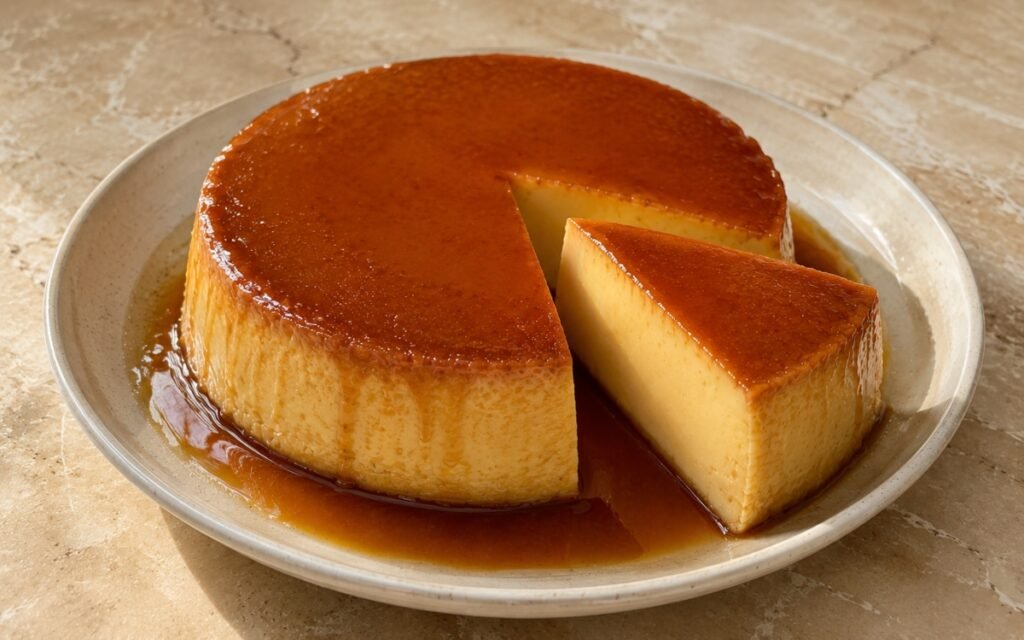
Flan Round Cake
A silky three-milk custard baked gently in a water bath over deep amber caramel, chilled overnight, and unmoulded glossy and smooth.
-
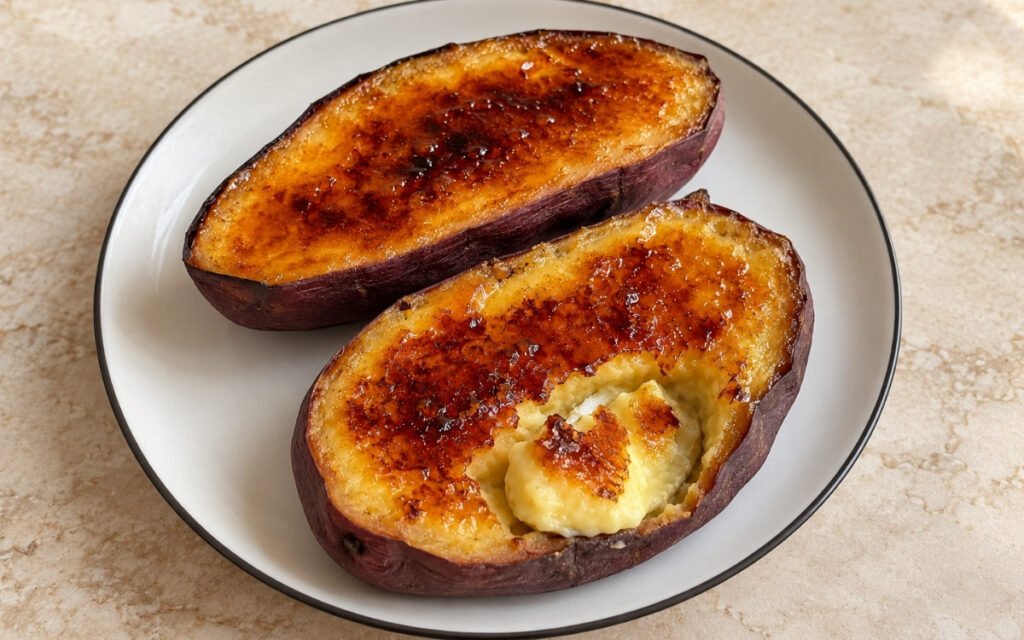
Japanese Sweet Potato Crème Brûlée
Roasted Japanese sweet potatoes filled with smooth sweet potato custard, chilled and finished with a thin crackly caramel top.
-
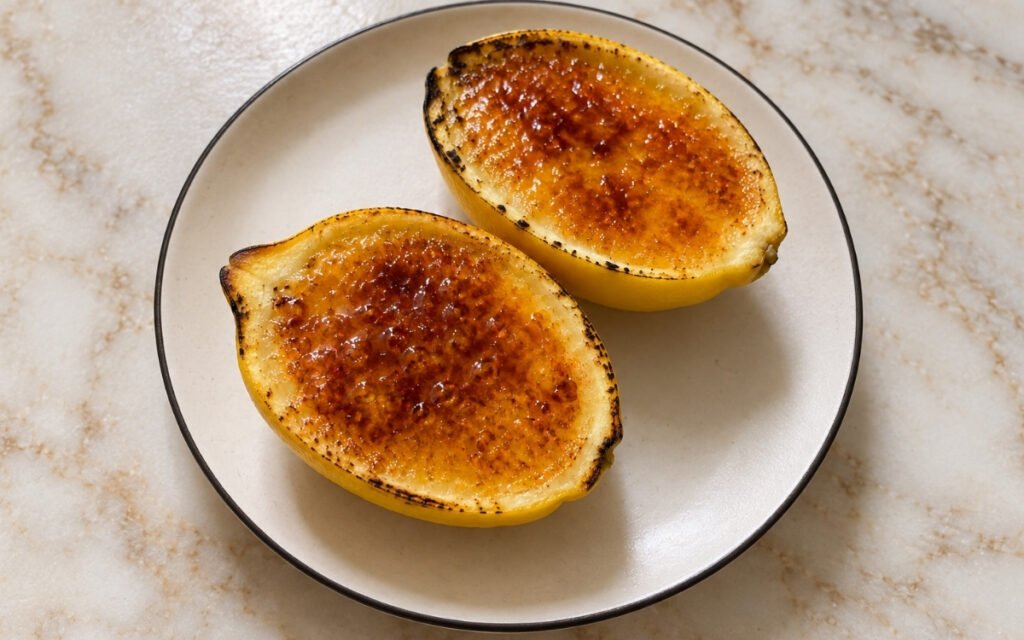
Lemon Posset Brûlée in Lemon Shells
Creamy lemon posset set inside hollowed lemon shells, finished with a thin brûléed sugar crust for crackly caramelized contrast.
-
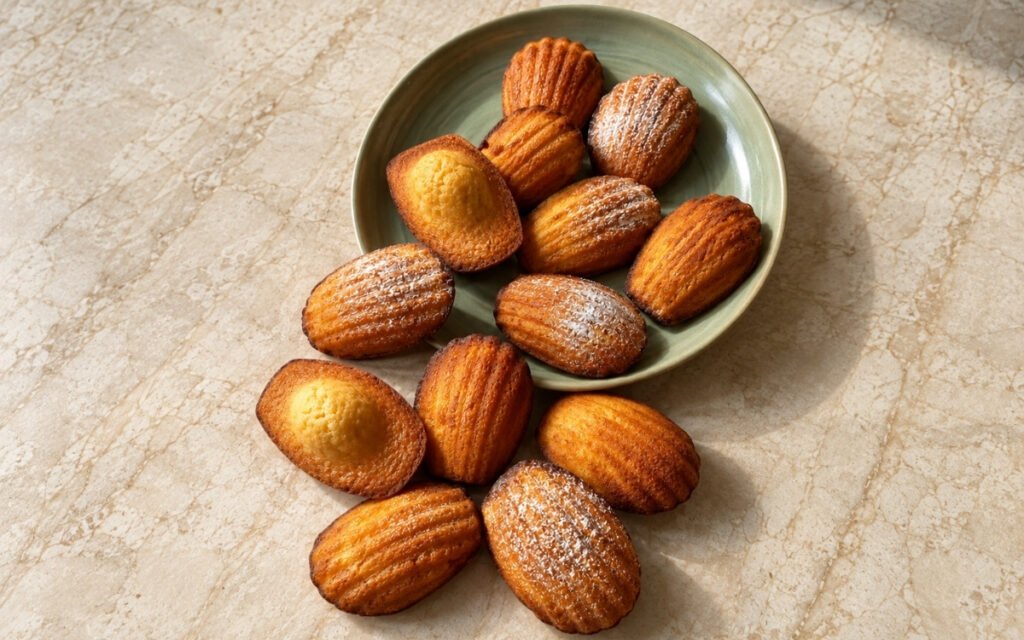
Classic Madeleines
Classic French shell-shaped madeleines with crisp golden-brown ridges, tender buttery crumb, and the signature raised hump.
-
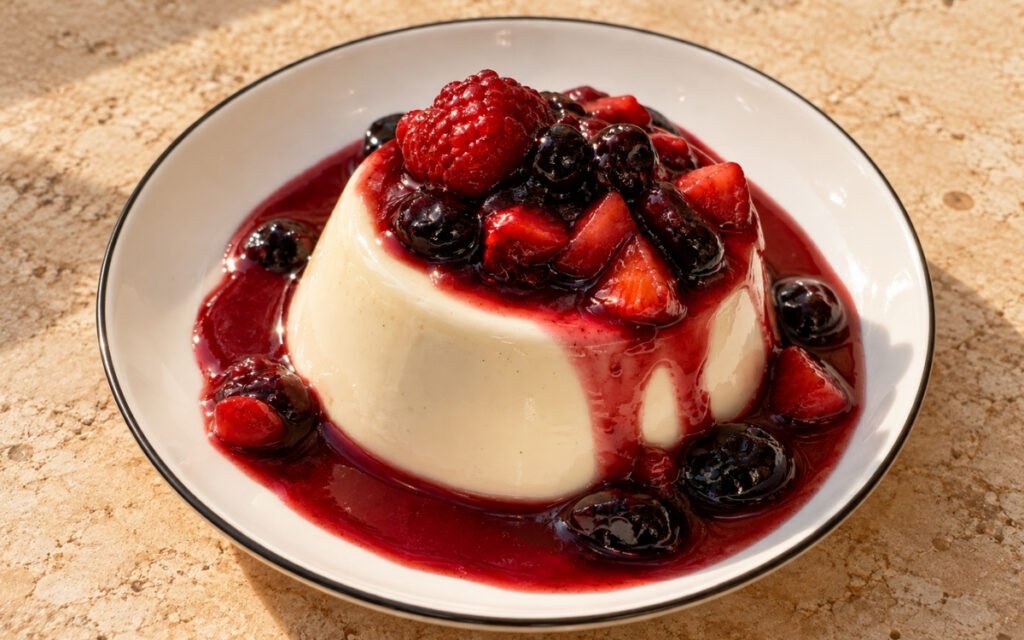
Panna Cotta
Delicately set cream, milk, sugar, vanilla and gelatin panna cotta, unmolded and topped with glossy berry sauce and macerated berries.
-
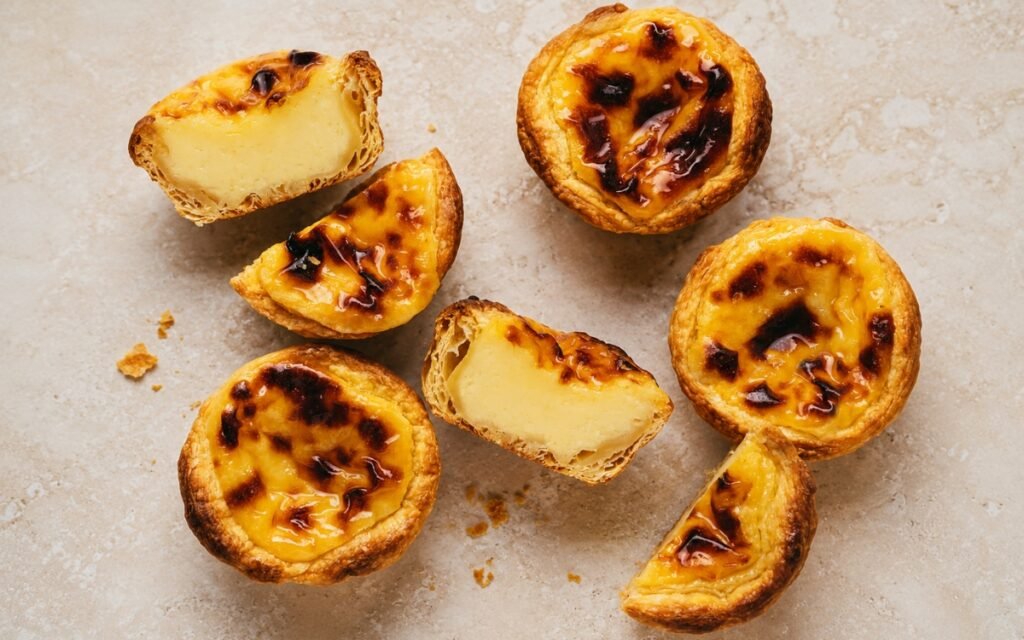
Portuguese Custard Tarts (Pastéis de Nata)
Rolled, laminated puff pastry shells filled with a silky cinnamon-lemon custard, baked at extreme heat for signature dark caramelised spots.