
Sticky Toffee Pudding
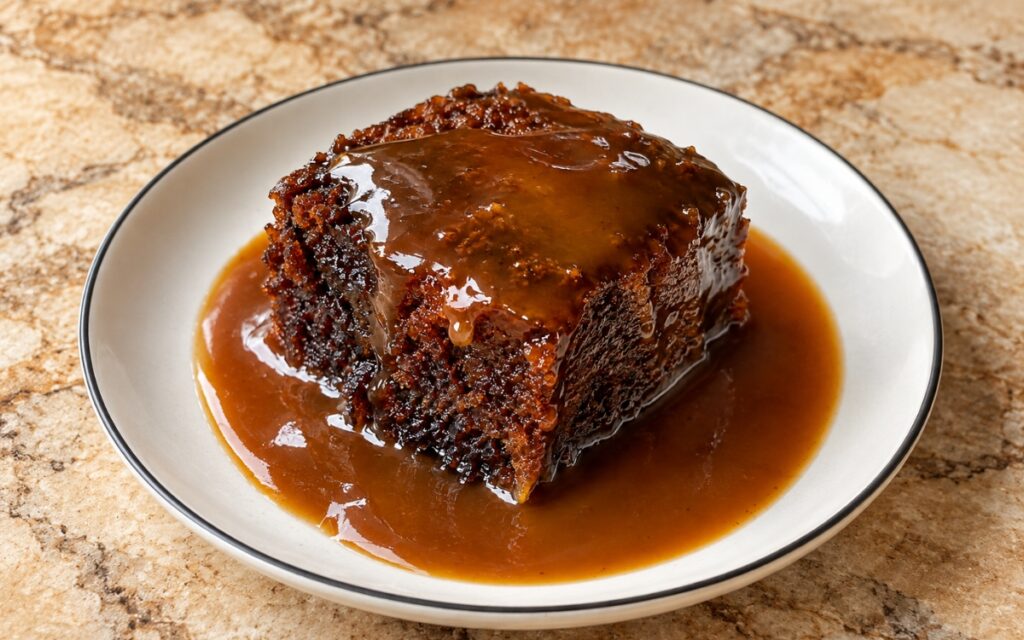
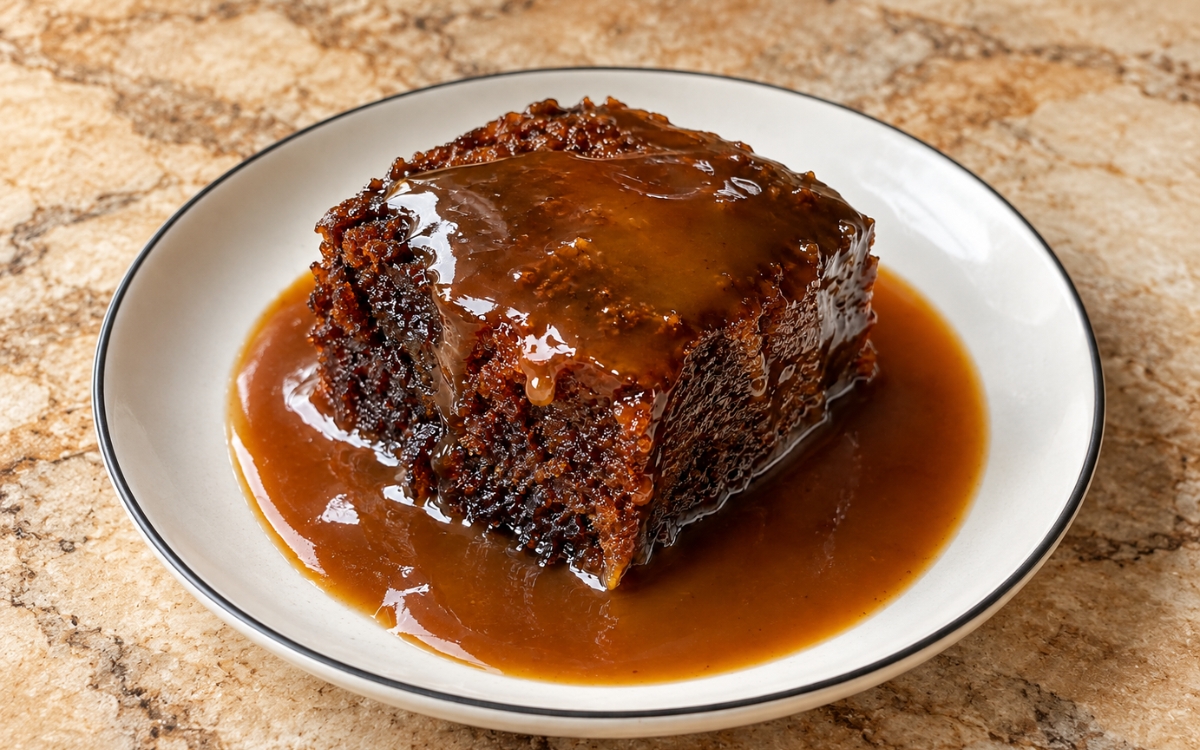
A classic British sticky toffee pudding with an exceptionally moist, dark date sponge and a rich buttery toffee sauce, soaked with warm sauce straight out of the oven, then finished with another generous ladle so the sauce pools around the sponge. Softening the dates with boiling water and bicarbonate of soda before blending them into the batter is the step the sponge’s entire texture depends on — the same soften-before-folding-in approach used elsewhere in this collection whenever a dense ingredient needs to break down fully rather than leave tough fragments in the finished crumb. Dark muscovado sugar and a small amount of black treacle carry the deep, almost bitter caramel color and flavor that light brown sugar simply can’t replicate, and soaking the hot sponge gradually, rather than all at once, is what lets the sauce actually penetrate the crumb instead of just pooling around the edges.
Prep Time : 25 min
Total Time : 1 hr 15 min
Servings : 8
25 min
1 hr 15 min
8
Ingredients
Date Sponge
• 250 g pitted Medjool or soft dried dates, roughly chopped
• 250 ml boiling water
• 1 tsp bicarbonate of soda / baking soda
• 85 g unsalted butter, softened
• 150 g dark muscovado sugar
• 30 g black treacle
• 2 large eggs, room temperature
• 1 tsp vanilla extract
• 180 g self-raising flour
• ½ tsp fine sea salt
Toffee Sauce
• 100 g unsalted butter
• 180 g dark muscovado sugar
• 300 ml double cream / heavy cream
• 30 g golden syrup
• 20 g black treacle
• ½ tsp fine sea salt
• 1 tsp vanilla extract
For the Pan
• Softened butter, for greasing
Directions
- Prepare the Pan and Oven
Heat the oven to 180°C / 350°F conventional or 160°C / 320°F fan. Butter a 20 cm / 8-inch square baking tin and line the bottom with parchment, or for individual puddings, butter 8 x 150–180 ml ramekins or pudding moulds. The sponge is extremely moist and delicate while hot, so properly greasing and lining the pan is what prevents tearing once it’s time to portion. - Soften the Dates
Place the chopped dates in a heatproof bowl, pour over the boiling water, then stir in the bicarbonate of soda and leave for 15 minutes. The dates should turn extremely soft and the liquid should darken. Mash thoroughly with a fork or pulse briefly with an immersion blender, keeping some fine date texture rather than turning it completely smooth, until the mixture resembles a thick, loose puree with no large tough pieces. Let it cool until warm rather than piping hot before it goes into the batter, since adding it too hot can partially cook the eggs. - Cream the Butter and Sugar
Beat the softened butter and dark muscovado sugar for 2 to 3 minutes until well combined and slightly lighter, then add the black treacle and beat until evenly distributed. Muscovado naturally stays heavier and less fluffy than white sugar, so there’s no need to keep beating in an attempt to make the mixture pale. - Add the Eggs
Add the eggs one at a time, beating well after each addition, then mix in the vanilla. If the mixture starts to look slightly split, add 1 tablespoon of the flour and continue mixing. Room-temperature eggs incorporate far more cleanly into the butter mixture than cold ones, which is worth planning for ahead of time. - Finish the Batter
Fold in the self-raising flour and salt until only a few streaks remain, then add the entire date mixture, including all of the soaking liquid, and fold gently until evenly combined. The batter should be soft, loose, and distinctly darker than a standard cake batter. Once the flour goes in, mix only until combined — overmixing develops gluten and produces a tougher sponge instead of the soft, sticky crumb this pudding depends on. - Bake
Transfer the batter to the prepared tin and smooth the top, then bake the square pudding for 30 to 35 minutes, or individual puddings for approximately 20 to 25 minutes. The pudding is ready when the surface is risen and dark brown, the centre springs back gently, and a skewer inserted into the centre comes out with moist crumbs but no raw batter. Don’t bake until the skewer comes out completely dry — this pudding is meant to retain significant moisture. - Make the Toffee Sauce
While the sponge bakes, place the butter, muscovado sugar, cream, golden syrup, black treacle, and salt in a saucepan, then heat gently until the butter melts and the sugar dissolves. Bring to a gentle simmer and cook for 4 to 6 minutes, stirring occasionally, then remove from the heat and stir in the vanilla. The sauce should coat the back of a spoon but stay easily pourable — don’t let it boil aggressively, since excessive reduction makes it overly thick and potentially grainy as it cools. - Soak the Hot Pudding
When the pudding comes out of the oven, leave it in the pan for 5 minutes, then use a skewer to make small holes across the surface. Pour about 200 ml of the hot toffee sauce gradually over the pudding, letting each addition absorb before adding more, then leave for 5 to 10 minutes. For an especially sticky surface, return the soaked pudding to the oven for 5 minutes. This gradual soaking is what produces the glossy, syrup-rich interior rather than sauce that simply runs around the edges — pouring it all on at once skips that absorption entirely. - Portion and Serve
Cut the pudding into 8 generous squares and place each one onto a warm plate, then spoon additional warm toffee sauce generously over the top, letting plenty run down the sides and pool around the pudding. Serve immediately.
*Notes :
- Dates are doing more structural work in this sponge than they might appear to at first glance. Soft, sticky dates — Medjool especially — break down into a near-puree that folds seamlessly into the batter, while standard dried dates need a thorough soak to reach the same point; skipping that soak leaves tough fragments scattered through the finished crumb.
- Dark muscovado sugar and black treacle together are what give this pudding its signature dark color and deep caramel flavor. Light brown sugar in place of muscovado produces a noticeably paler, flatter-tasting result, and while the amount of treacle is small, it’s enough to carry real bitterness and depth without pushing the dessert toward tasting like straight molasses.
- The gradual soaking step after baking deserves real attention rather than being treated as a garnish step. Pouring all the toffee sauce on at once overwhelms the surface and lets most of it run off around the edges, while adding it in stages, letting each pour absorb before the next, is what actually gets the sauce into the crumb rather than just around it.
- Overmixing the batter once the flour is added works against everything the earlier steps built. The soft, sticky crumb this pudding is known for depends on minimal gluten development, so folding just until the streaks disappear protects the texture the rest of the recipe is aiming for.
Why This Recipe Works
This recipe works because softening the dates fully before blending them into the batter gives the sponge its characteristic moist, almost sticky crumb, and dark muscovado sugar paired with black treacle delivers a depth of color and caramel flavor that lighter sugars can’t match. Mixing the batter only until combined once the flour is added protects that soft texture from turning tough, and baking just until the skewer shows moist crumbs — rather than coming out fully dry — keeps the sponge from drying out before the sauce ever touches it. Soaking the hot pudding gradually lets the toffee sauce penetrate the crumb instead of pooling uselessly around the edges, and a generous final ladle of sauce finishes the dessert exactly as the reference presentation calls for.
Ingredient Breakdown
Soft Dates
The structural foundation — softened and blended into the batter for the sponge’s signature moist, dense crumb.
Bicarbonate of Soda
The softening agent — breaks down the dates further and contributes to the dark, tender texture.
Dark Muscovado Sugar
The critical flavor choice — delivers a depth of color and caramel flavor light brown sugar can’t replicate.
Black Treacle
The color-and-depth ingredient — a small amount adds dark color and bitter caramel notes without tasting of straight molasses.
Golden Syrup
The sauce’s gloss — keeps the toffee sauce smooth and shiny rather than grainy.
Double Cream
The sauce’s richness — builds the toffee sauce into something pourable yet substantial.
Flavor Structure Explained
This sticky toffee pudding follows a layered balance model:
- Moist, dark foundation (date sponge)
- Deep caramel undertone (muscovado sugar, black treacle)
- Rich buttery sauce (toffee sauce)
- Glossy soaked finish (gradual sauce absorption)
- Final generous pour (warm sauce pooling at serving)
The date sponge forms the moist, dark foundation of the dessert, while muscovado sugar and black treacle layer in the deep caramel undertone that defines its flavor. The toffee sauce adds richness from butter, cream, and golden syrup, the gradual soaking step lets that sauce actually penetrate the crumb for a glossy finish, and a final generous pour at serving pools around the pudding exactly as the reference presentation calls for.
Common Mistakes to Avoid
- Using Light Brown Sugar Instead of Muscovado – This produces a noticeably paler, less complex pudding. Always use dark muscovado sugar for the characteristic depth of flavor.
- Overmixing the Batter After Adding Flour – This develops gluten and produces a tougher sponge instead of a soft, sticky crumb. Always fold just until the streaks disappear.
- Baking Until the Skewer Comes Out Completely Dry – This overbakes the sponge and loses its signature moisture. Always stop once the skewer shows moist crumbs but no raw batter.
- Pouring All the Toffee Sauce On at Once – This lets the sauce run off around the edges instead of soaking in. Always add it gradually, letting each pour absorb first.
- Boiling the Toffee Sauce Aggressively – This over-reduces the sauce and can make it grainy as it cools. Always keep it at a gentle simmer.
Variations
Individual Pudding Version
Divide the batter evenly among 8 well-buttered ramekins or pudding moulds, filling each about two-thirds full, per the recipe’s own guidance, and begin checking for doneness around 20 minutes rather than the full 30 to 35 minutes for the square pan version.
Extra-Sticky Version
Return the soaked pudding to the oven for the full 5 minutes suggested in the method, and spoon on an extra ladle of sauce before serving for a noticeably stickier, more saturated finish throughout the sponge.
Spiced Version
Add ½ teaspoon of ground ginger or mixed spice to the dry ingredients alongside the flour and salt for a warmer, more autumnal flavor that still lets the date and treacle flavors come through clearly underneath.
Make-Ahead Reheated Version
Bake and cool the sponge and sauce separately, refrigerate both, then warm the pudding covered at 160°C / 320°F and gently reheat the sauce before serving, per the recipe’s own make-ahead guidance, for a dessert that tastes nearly identical to freshly baked.
Storage & Make-Ahead
This pudding is genuinely one of the better make-ahead desserts in this collection, reheating well enough that the finished result barely differs from a freshly baked batch. Store the baked sponge and the toffee sauce in separate airtight containers in the refrigerator, since storing them together lets the sponge absorb too much sauce unevenly before you’re ready to serve it.
To reheat, warm the covered sponge at 160°C / 320°F until heated through, which usually takes about 15 to 20 minutes depending on whether it’s a whole pudding or individual portions, and gently reheat the sauce in a small saucepan over low heat, stirring occasionally so it doesn’t catch or separate.
The sauce thickens noticeably as it cools, which is expected rather than a sign of a mistake. A small splash of cream stirred in while reheating brings it back to its original pourable consistency without needing to add more sugar or butter.
Serving everything warm matters more for this dessert than for most others in this collection. A cool plate, a cool sponge, or a thickened sauce that hasn’t been reheated all work against the glossy, sticky presentation this pudding is meant to have, so warming the plates alongside the pudding and sauce is worth the extra few minutes.
Frequently Asked Questions
Can I use light brown sugar instead of dark muscovado?
You can, but the pudding will turn out noticeably paler and less complex in flavor, since muscovado carries a molasses depth that light brown sugar lacks. If muscovado isn’t available, dark brown sugar is the closer substitute, though the result still won’t be quite as deep.
Why did my sponge turn out dry instead of moist and sticky?
This almost always comes down to overbaking, since this pudding is meant to come out of the oven with a skewer showing moist crumbs rather than coming out completely clean. Check a few minutes before the suggested time and look for a centre that springs back gently rather than one that feels firm.
Can I make this ahead of time?
Yes, and it reheats exceptionally well. Store the sponge and sauce separately in the refrigerator, then warm the covered sponge at 160°C / 320°F and gently reheat the sauce, adding a small splash of cream if it’s thickened too much to pour easily.
Why does my toffee sauce taste grainy?
This usually happens when the sauce is boiled too aggressively or reduced for too long, which can cause the sugar to crystallize as it cools. Keep the sauce at a gentle simmer for the full cooking time rather than a hard boil, and avoid cooking it longer than the recipe suggests.
What other desserts pair well with this one?
Portokalopita Greek Orange Cake, Brown Butter Blondies, Brown Butter Date Banana Oatmeal Cookies, Chai White Chocolate Toffee Cookies, and Classic Pumpkin Pie all share similar warm, spiced, or caramel-forward dessert techniques and make good options to try next.
Nutrition Facts
( Per Serving — 1 square with sauce )
Calories
~520 kcal
Protein
5 g
Fat
26 g
Carbs
70 g
Calories
~520 kcal
Protein
5 g
Fat
26 g
Carbs
70 g
Related Recipes
Related Recipes
-

Pork Soup Dumplings / Xiao Long Bao
Pale, pleated pork soup dumplings with silky wrappers, smooth seasoned pork filling and golden broth, served with black vinegar and ginger.
-
Pepperoni Pizza
Golden blistered crust, seasoned tomato sauce, bubbling low-moisture mozzarella, and crisp curled pepperoni cups with rendered fat.
-
Espresso Brownie Chocolate Chip Cookies
Dark, rich espresso brownie cookies with crinkled tops, soft fudgy centers, and plenty of melted chocolate throughout.



You might also like
You might also like
-
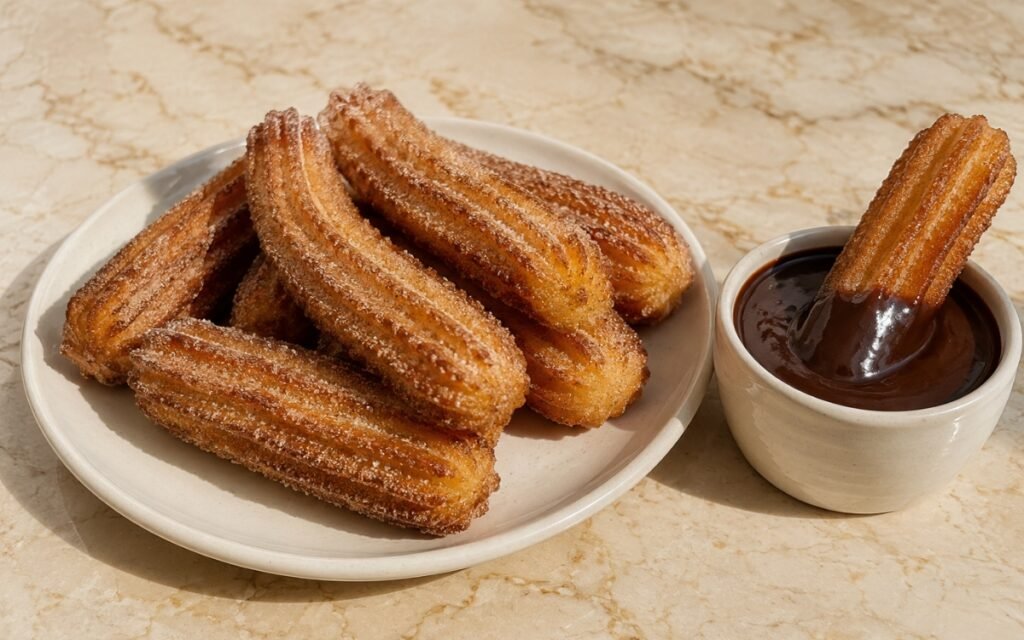
Homemade Churros with Chocolate Sauce
Piped churro dough cooked for real structure, fried until deeply golden and ridged, tossed in cinnamon sugar, and served with rich chocolate sauce.
-
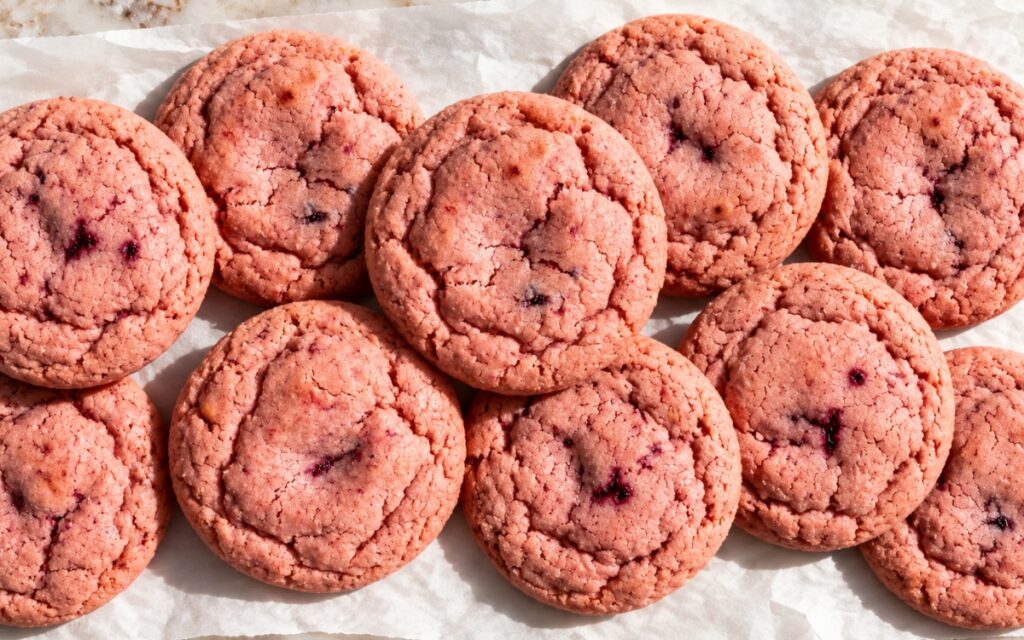
Strawberry Hibiscus Sugar Cookies
Soft, chewy strawberry hibiscus sugar cookies with a naturally rosy-pink color and lightly crackled tops.
-
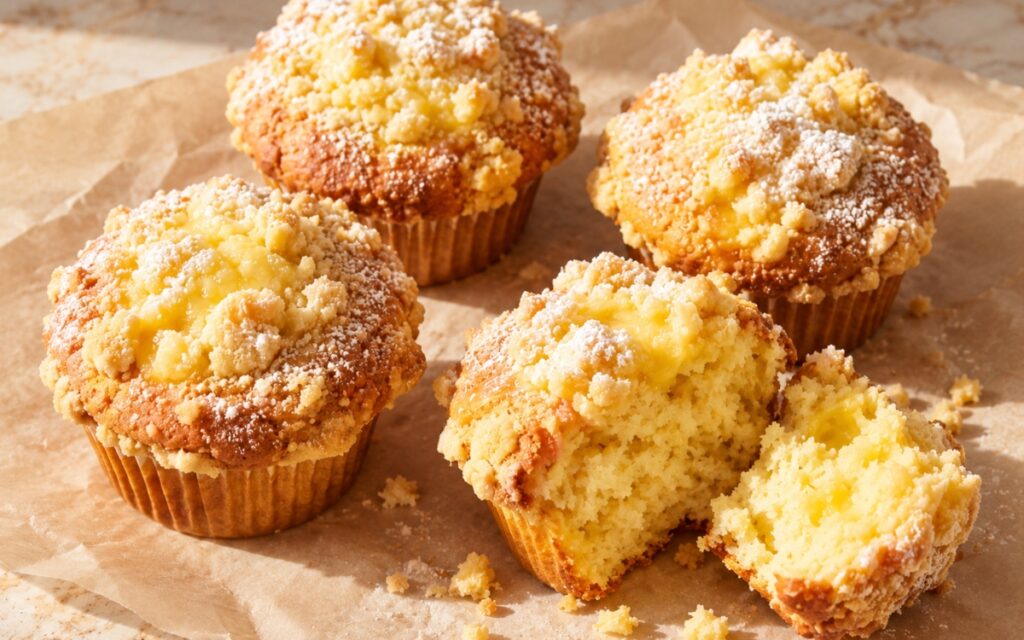
Lemon Crumble Muffins
Soft lemon muffins with a buttery crumble topping and a tart lemon curd center.
Sticky Toffee Pudding
Ingredients
Method
- Heat the oven to 180°C / 350°F conventional or 160°C / 320°F fan. Butter a 20 cm / 8-inch square baking tin and line the bottom with parchment, or for individual puddings, butter 8 x 150–180 ml ramekins or pudding moulds. The sponge is extremely moist and delicate while hot, so properly greasing and lining the pan is what prevents tearing once it’s time to portion.
- Place the chopped dates in a heatproof bowl, pour over the boiling water, then stir in the bicarbonate of soda and leave for 15 minutes. The dates should turn extremely soft and the liquid should darken. Mash thoroughly with a fork or pulse briefly with an immersion blender, keeping some fine date texture rather than turning it completely smooth, until the mixture resembles a thick, loose puree with no large tough pieces. Let it cool until warm rather than piping hot before it goes into the batter, since adding it too hot can partially cook the eggs.
- Beat the softened butter and dark muscovado sugar for 2 to 3 minutes until well combined and slightly lighter, then add the black treacle and beat until evenly distributed. Muscovado naturally stays heavier and less fluffy than white sugar, so there’s no need to keep beating in an attempt to make the mixture pale.
- Add the eggs one at a time, beating well after each addition, then mix in the vanilla. If the mixture starts to look slightly split, add 1 tablespoon of the flour and continue mixing. Room-temperature eggs incorporate far more cleanly into the butter mixture than cold ones, which is worth planning for ahead of time.
- Fold in the self-raising flour and salt until only a few streaks remain, then add the entire date mixture, including all of the soaking liquid, and fold gently until evenly combined. The batter should be soft, loose, and distinctly darker than a standard cake batter. Once the flour goes in, mix only until combined — overmixing develops gluten and produces a tougher sponge instead of the soft, sticky crumb this pudding depends on.
- Transfer the batter to the prepared tin and smooth the top, then bake the square pudding for 30 to 35 minutes, or individual puddings for approximately 20 to 25 minutes. The pudding is ready when the surface is risen and dark brown, the centre springs back gently, and a skewer inserted into the centre comes out with moist crumbs but no raw batter. Don’t bake until the skewer comes out completely dry — this pudding is meant to retain significant moisture.
- While the sponge bakes, place the butter, muscovado sugar, cream, golden syrup, black treacle, and salt in a saucepan, then heat gently until the butter melts and the sugar dissolves. Bring to a gentle simmer and cook for 4 to 6 minutes, stirring occasionally, then remove from the heat and stir in the vanilla. The sauce should coat the back of a spoon but stay easily pourable — don’t let it boil aggressively, since excessive reduction makes it overly thick and potentially grainy as it cools.
- When the pudding comes out of the oven, leave it in the pan for 5 minutes, then use a skewer to make small holes across the surface. Pour about 200 ml of the hot toffee sauce gradually over the pudding, letting each addition absorb before adding more, then leave for 5 to 10 minutes. For an especially sticky surface, return the soaked pudding to the oven for 5 minutes. This gradual soaking is what produces the glossy, syrup-rich interior rather than sauce that simply runs around the edges — pouring it all on at once skips that absorption entirely.
- Cut the pudding into 8 generous squares and place each one onto a warm plate, then spoon additional warm toffee sauce generously over the top, letting plenty run down the sides and pool around the pudding. Serve immediately.