
Tomato Basil Virgin Mary Mocktail
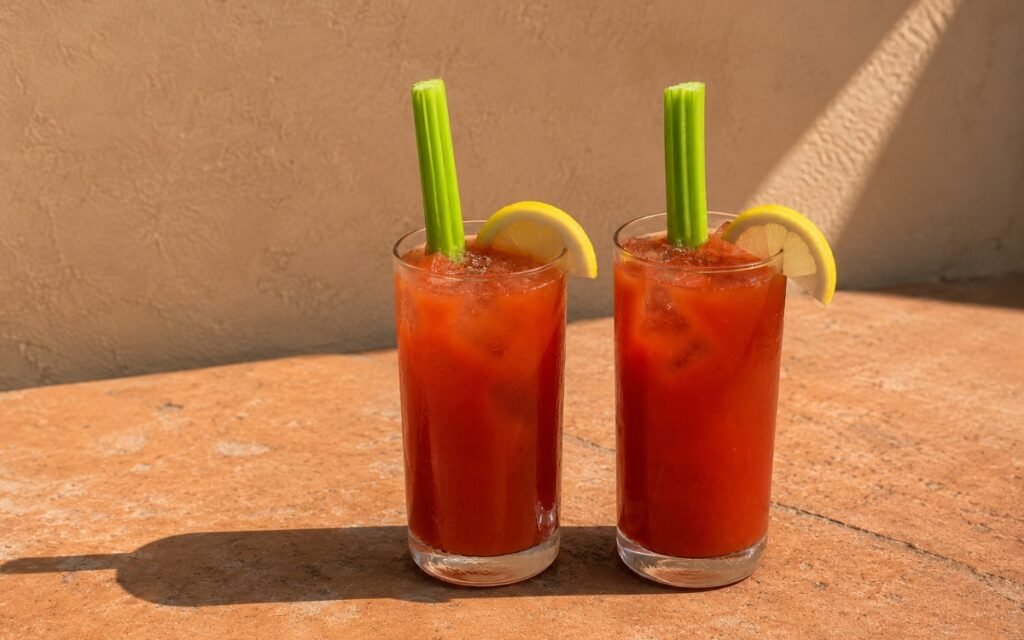
The Virgin Mary is the Bloody Mary without the vodka and specifically better for it — when the spirit is removed, every decision about the tomato quality, the seasoning balance, and the construction sequence matters more directly because there is nothing masking a flat base or an under-seasoned glass. Very ripe, very juicy tomatoes with the watery seed pockets removed — not because the seeds ruin the drink, but because the seed pulp’s water dilutes the flavour concentration without contributing anything. Celery providing its specific grassy, mineral freshness alongside the tomato. Fresh basil rather than the dried herb of some Virgin Mary recipes — specifically contributing a sweet, aromatic freshness that is present as a top note rather than a dried-spice background character. The seasoning sequence applied carefully: Worcestershire, celery salt, and fine sea salt each contributing sodium from different flavour directions, meaning aggressive early seasoning produces an over-salted base that straining and chilling cannot correct. The mocktail that belongs at every brunch table and every aperitivo hour — sharp, savoury, cold, and specifically more interesting than anything sweet on the same table.
Prep Time : 15 min
Cook Time : 0 min
Servings : 4
15 min
0 min
4
Ingredients
For the Tomato Basil Base
• 900g very ripe, juicy tomatoes — deseeded and roughly chopped
• 1 celery stalk, cleaned and roughly chopped
• 20–30ml fresh lemon juice — start with 20ml, adjust after tasting
• 6–8 fresh basil leaves
• ½ tsp fine sea salt — start here, adjust after chilling
• 1 tsp freshly cracked black pepper
• ¼ tsp celery salt — optional — this one on Amazon
• 1 tsp Worcestershire sauce — optional but recommended — this one on Amazon
• ½ tsp prepared horseradish — optional
• 2–4 dashes hot sauce — optional
For Serving
• Ice cubes
• 4 celery sticks
• 4 lemon wedges or wheels
• Extra freshly cracked black pepper
• Pinch of celery salt or flaky salt — optional
This post may contain affiliate links. As an Amazon Associate I earn from qualifying purchases, at no additional cost to you.
Directions
- Prepare the Tomatoes
Core the tomatoes and cut each in half horizontally. Using your fingers or a small spoon, scoop out and discard the central seed chambers and the watery gel surrounding them — the translucent, water-heavy inner pulp that surrounds the seeds. This is not a step to perform with surgical precision — removing the worst of the watery pulp rather than achieving every seed is the correct approach. The reason for this preparation is specific to the Virgin Mary format: tomato seed gel is primarily water with a relatively low concentration of the flavour compounds present in the outer flesh. Its inclusion in the blended base dilutes the finished drink toward a thinner, more watery flavour without adding meaningful tomato character. The outer flesh and the attached concentrated juice are what provide the deep, specifically ripe tomato flavour the mocktail requires. Roughly chop the prepared tomato flesh into pieces small enough to process evenly. The tomato quality is the single most consequential variable in this recipe. Very ripe, deeply red, fragrant tomatoes — where the flesh has high natural sugar, high acid, and concentrated lycopene content — produce a deeply flavoured, vivid, specifically tomato-forward base. Pale, underripe, or watery supermarket tomatoes out of season produce a bland, flat base that no amount of seasoning can correct. When very ripe fresh tomatoes are unavailable, high-quality canned San Marzano tomatoes — drained of their canning liquid and used at the same weight — are a genuinely acceptable alternative and sometimes produce a more consistently good result than out-of-season fresh tomatoes. - Blend Carefully
Add the prepared tomatoes, chopped celery stalk, 20ml of lemon juice, 6–8 fresh basil leaves, ½ tsp of fine sea salt, and the 1 tsp of cracked black pepper to a food processor or blender. If using, add the optional Worcestershire sauce, horseradish, hot sauce, and celery salt at this stage. Hold back on the additional salt for now — Worcestershire sauce, celery salt, and fine sea salt are three separate sources of sodium, and the cumulative effect after blending, straining, and chilling is often more than expected from what appears measured when added individually. Blend until smooth — 20–30 seconds at medium speed. Do not blend at maximum speed for an extended time. Aggressive blending at high speed incorporates air into the tomato mixture, producing a pale, foamy, slightly muted result rather than the vivid, deep red colour that shorter blending at moderate speed produces. The goal is a completely smooth mixture — no visible vegetable chunks — that retains the saturated red colour of the raw tomatoes rather than the pale salmon of over-aerated tomato. - Strain to the Correct Consistency
Pour the blended mixture into a fine-mesh sieve set over a large jug. Using the back of a large spoon, press gently on the tomato mixture to extract the liquid. The pressing should be deliberate — enough pressure to extract the clear, vivid tomato juice and the fine tomato solids that pass through the mesh — but not so aggressive that the fibrous tomato skin pieces and celery fibres are forced through, which produces a thicker, more opaque, slightly rougher-textured result. The finished strained base should have body — it should coat the back of the spoon lightly — but should flow readily rather than sitting in the glass like a purée. The difference between a correctly strained Virgin Mary base and tomato passata is specifically the straining pressure: gentle extraction for body with flow rather than forced extraction for maximum yield. - Taste, Adjust, and Chill
This tasting step is where the Virgin Mary either succeeds or remains flat. Taste the base carefully and assess each dimension separately. Brightness: if the tomato tastes flat and one-dimensional, add lemon juice in small increments — the acid lifts and vivifies the tomato’s own natural acidity, making it taste more specifically of ripe tomato rather than processed tomato. Salinity: if the flavour is present but muted, add fine sea salt in small pinches. Remember that chilling will mellow the flavour slightly — the base should taste assertively seasoned at room temperature. Depth: if the base tastes bright but shallow, a small addition of Worcestershire sauce (if not already included) adds the fermented, umami-rich depth that makes the Virgin Mary taste specifically more complex than seasoned tomato juice. Heat: adjust hot sauce quantity to preference — 2 dashes is noticeable warmth; 4 is clearly spiced. Transfer the adjusted base to the refrigerator and chill for a minimum of 30 minutes. This rest period is not optional — warm tomato juice tastes specifically of cooked, flat, slightly oxidised tomato rather than the fresh, cold, vivid character that is the Virgin Mary’s defining quality. The chill simultaneously improves the texture (cold tomato juice has a better body than warm) and the flavour (cold temperatures specifically suppress the flat oxidised notes that appear at room temperature in processed tomato). - Assemble and Serve
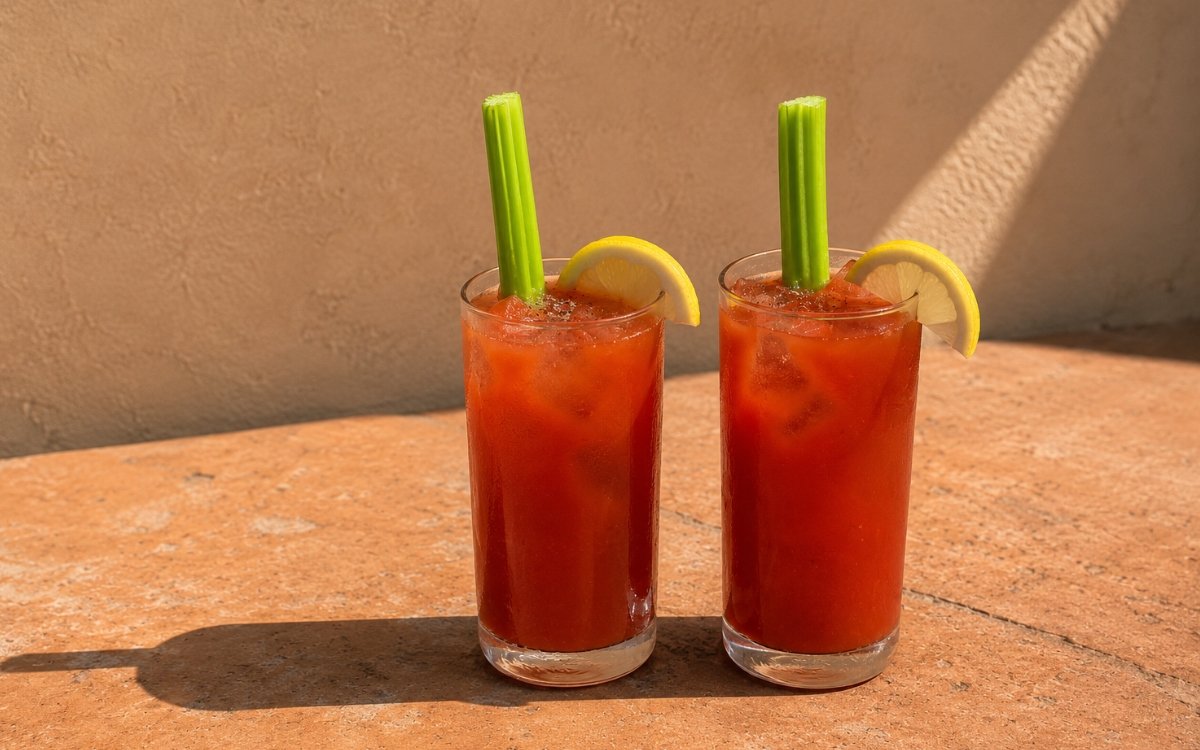
Fill four tall glasses generously with ice cubes. Divide the chilled tomato basil base evenly among the glasses — approximately 200–220ml per serving. The base is served without carbonation — unlike most preparations in this collection, the Virgin Mary is a still drink. Its specific appeal is the cold, dense, flavourful tomato base encountered clean rather than diluted by carbonation. Crack fresh black pepper generously over each glass — more than feels instinctively necessary, as black pepper’s volatile aromatic compounds bloom rapidly at cold temperature and are the specific aromatic element that defines the Virgin Mary format. Tuck a celery stick into each glass as both garnish and stirring tool. Add a lemon wedge or wheel and a pinch of celery salt or flaky salt across the rim if desired. Serve immediately.
*Notes :
- The Virgin Mary’s history is specifically that of the Bloody Mary’s non-alcoholic version — the Bloody Mary itself was developed at Harry’s New York Bar in Paris in the early 1920s by bartender Fernand Petiot, originally a simple combination of tomato juice and vodka. The spiced, seasoned, garnished preparation that is now standard developed gradually through American cocktail culture across the 1930s–1950s. The Virgin Mary is the non-alcoholic variation — technically more challenging than the alcoholic version because the vodka’s neutral spirit provides no flavour but does provide the specific mouthfeel and heat that masks flat seasoning. Without it, the tomato quality and seasoning precision become the entire drink.
- Worcestershire sauce in a mocktail is the ingredient that most specifically contributes what alcohol usually provides in a cocktail: depth, complexity, and a fermented umami note that makes the overall flavour more specifically sophisticated. In the Worcestershire-free version, the drink is good; with it, the drink is specifically more interesting.
Why This Mocktail Works
This recipe works because the seed pockets are removed to concentrate the tomato’s flavour rather than diluting it with watery gel. The blending is brief and at moderate speed to preserve the vivid red colour.
The straining pressure is gentle for body-with-flow rather than forced for maximum yield. The seasoning is assessed after blending and chilling rather than being set at the beginning. And the 30-minute chill is treated as essential rather than optional.
Ingredient Breakdown
Ripe Tomatoes, Seed Pockets Removed
The flavour concentration decision — outer flesh’s higher tomato-compound concentration without the diluting watery seed gel.
Fresh Basil (Rather Than Dried)
The aromatic freshness choice — sweet, vivid basil top note in the finished base rather than dried herb’s more muted background character.
Moderate-Speed, Brief Blending
The colour preservation technique — avoiding the air incorporation that produces pale, foamy, flavour-muted tomato.
Gentle Straining Pressure
The body-calibration technique — body-with-flow rather than purée consistency.
Seasoning After Blending and Before Chilling
The salt control approach — accounting for the cumulative sodium of multiple seasoning ingredients before adding more.
30-Minute Chill (Non-Optional)
The fundamental quality requirement — cold tomato base tastes fresh and vivid; warm tomato base tastes flat and cooked.
Flavor Structure Explained
This Tomato basil Virgin Mary follows a layered balance model:
- Savory umami core (ripe tomato)
- Bright acidic lift (lemon, tomato acidity)
- Fresh herbal-mineral layer (basil, celery)
- Warm spiced depth (black pepper, hot sauce)
- Fermented savory finish (Worcestershire sauce)
Tomato defines the foundation with deep savory richness, natural acidity, and subtle fruitiness that make the drink feel more culinary than fruity. Lemon sharpens that richness with clean acidity, creating the appetite-stimulating brightness associated with aperitif-style drinks. Basil and celery provide freshness and minerality that lift the dense tomato base and keep the profile lively. Black pepper and hot sauce add aromatic warmth and gradual heat, giving the drink energy and complexity. Worcestershire contributes fermented umami depth that ties everything together and gives the Virgin Mary its distinctly layered, savory character.
Common Mistakes to Avoid
- Using Under-Ripe, Watery Tomatoes – Pale, underripe tomatoes produce a flat, muted base. Always the ripest, most flavourful tomatoes available.
- Over-Blending at High Speed – Extended high-speed blending incorporates air, producing a pale, foamy, flat-tasting result. Always brief blending at moderate speed.
- Pressing the Strainer Too Hard – Aggressive straining produces a thick, slightly rough-textured purée rather than a body-with-flow base. Always gentle, deliberate pressure.
- Seasoning Too Aggressively Before Tasting – Multiple seasoning ingredients each contribute sodium — always taste after blending and adjust carefully.
- Serving Warm – Warm tomato juice tastes flat and cooked. Always chill for the full 30 minutes minimum.
Variations
Spicier Version
Increase the hot sauce to 6–8 dashes and add ½ tsp of grated fresh horseradish alongside the prepared horseradish — the combined heat of both is the more aggressively spiced, classic Bloody Mary-adjacent version.
With Cucumber
Add ½ peeled cucumber to the blender with the tomato — the cucumber’s cool, mineral freshness produces a lighter, more refreshing, slightly less intensely savoury base.
With Smoked Paprika
Add ¼ tsp of smoked paprika to the blender — the smoky depth is specifically complementary to the tomato’s natural umami and provides a specifically Spanish-inflected direction.
Gazpacho-Style
Increase the ingredients proportionally, add ½ red pepper and ¼ cucumber to the blend, and serve in bowls rather than glasses with a drizzle of olive oil — the same preparation technique produces a Virgin Mary base that functions simultaneously as a drinkable gazpacho.
Storage & Make-Ahead
Tomato basil base can be refrigerated in a sealed container for up to 2 days. During storage, the color may shift slightly from a vivid red to a more orange-red tone as the lycopene gradually oxidizes, although the flavor remains good. Natural separation may occur, so stir the mixture well before serving. For the freshest flavor and brightest appearance, it is best used within 24 hours.
Once assembled, the drinks are not suitable for storage and should be served immediately to preserve their cold, sharp character.
Frequently Asked Questions
Why remove the seed pockets?
Tomato seed gel is primarily water with a lower concentration of flavour compounds than the outer flesh. Including large amounts of seed gel dilutes the finished base without adding meaningful tomato character. Removing the worst of the watery inner pulp concentrates the tomato’s flavour in the strained juice.
Why moderate speed and brief blending?
High-speed extended blending incorporates air into the tomato mixture — the same process as making a foam — producing a pale, aerated, slightly muted result rather than the vivid, saturated red of the raw tomatoes. Moderate speed for 20–30 seconds produces a completely smooth mixture while retaining the dense colour.
Why is the 30-minute chill mandatory?
At room temperature, blended and strained tomato juice shows flat, slightly oxidised, processed-tomato notes that are specifically unappealing. At cold temperature, the same juice tastes fresh, vivid, and specifically of ripe tomato — the cold specifically suppresses the flat oxidised notes and enhances the fresh flavour compounds. A warm Virgin Mary tastes like punishment; a cold one tastes like summer.
Why are there so many optional ingredients?
The core Virgin Mary — tomato, celery, lemon, basil, salt, pepper — is complete without the optional additions. The Worcestershire, horseradish, hot sauce, and celery salt each add a specific dimension: Worcestershire adds fermented umami depth; horseradish adds sharp, nasal heat; hot sauce adds building spice; celery salt adds herbal salinity. Each is optional because the core drink is valid without them; each makes it specifically more interesting when included.
What other complex, non-sweet mocktails share this flavour direction?
The Raspberry Lemon Shrub Fizz shares the specifically non-sweet, acid-forward character — the drinking vinegar’s layered tartness producing a similarly bracing, appetite-stimulating flavour profile in a completely different direction. The Pomegranate Ginger Sparkler shares the complex, multi-register depth — both are among the most specifically adult-tasting preparations in this collection, requiring the same commitment to bold flavour and careful balancing.
Nutrition Facts
( per serving )
Calories
~55 kcal
Protein
2 g
Fat
0 g
Carbs
12 g
Calories
~55 kcal
Protein
2 g
Fat
0 g
Carbs
12 g
Related Recipes
Related Recipes

Fuji Apple Ginger Fizz Mocktail
Crisp Fuji apple and fresh ginger fizz with lively bubbles, clean aromatics, sharp bite, and restrained sweetness.
Virgin Mojito Mocktail
Fresh mint, bright lime, and lively bubbles deliver crisp structure with a subtle tart finish, unmistakably adult.
Rose Hibiscus Mocktail
Refined floral fizz with subtle orange peel, light tartness, crisp bubbles, elegant structure without sugary weight.
You might also like
You might also like
Yuzu Green Iced Tea (with Honey)
Green tea at 75–80°C for 2–3 minutes, yuzu peel infused cold 4–5 minutes — honey dissolved warm, yuzu juice for lift, chilled. Crisp, complex, citrus-forward.
Pear Lemonade
Ripe pears at low heat with honey, lemon zest off heat — 150ml lemon only so pear leads, salt, cold water, chilled. Pale, delicate, and pear-forward.
Sage Citrus Iced Black Tea
Black tea at 90–95°C for 2½–3 minutes, sage clapped and infused cold, tasted periodically — lemon peel and juice, honey, chilled. Structured and herbal.


Tomato Basil Virgin Mary Mocktail
Ingredients
Method
- Core the tomatoes and cut each in half horizontally. Using your fingers or a small spoon, scoop out and discard the central seed chambers and the watery gel surrounding them — the translucent, water-heavy inner pulp that surrounds the seeds. This is not a step to perform with surgical precision — removing the worst of the watery pulp rather than achieving every seed is the correct approach. The reason for this preparation is specific to the Virgin Mary format: tomato seed gel is primarily water with a relatively low concentration of the flavour compounds present in the outer flesh. Its inclusion in the blended base dilutes the finished drink toward a thinner, more watery flavour without adding meaningful tomato character. The outer flesh and the attached concentrated juice are what provide the deep, specifically ripe tomato flavour the mocktail requires. Roughly chop the prepared tomato flesh into pieces small enough to process evenly. The tomato quality is the single most consequential variable in this recipe. Very ripe, deeply red, fragrant tomatoes — where the flesh has high natural sugar, high acid, and concentrated lycopene content — produce a deeply flavoured, vivid, specifically tomato-forward base. Pale, underripe, or watery supermarket tomatoes out of season produce a bland, flat base that no amount of seasoning can correct. When very ripe fresh tomatoes are unavailable, high-quality canned San Marzano tomatoes — drained of their canning liquid and used at the same weight — are a genuinely acceptable alternative and sometimes produce a more consistently good result than out-of-season fresh tomatoes.
- Add the prepared tomatoes, chopped celery stalk, 20ml of lemon juice, 6–8 fresh basil leaves, ½ tsp of fine sea salt, and the 1 tsp of cracked black pepper to a food processor or blender. If using, add the optional Worcestershire sauce, horseradish, hot sauce, and celery salt at this stage. Hold back on the additional salt for now — Worcestershire sauce, celery salt, and fine sea salt are three separate sources of sodium, and the cumulative effect after blending, straining, and chilling is often more than expected from what appears measured when added individually. Blend until smooth — 20–30 seconds at medium speed. Do not blend at maximum speed for an extended time. Aggressive blending at high speed incorporates air into the tomato mixture, producing a pale, foamy, slightly muted result rather than the vivid, deep red colour that shorter blending at moderate speed produces. The goal is a completely smooth mixture — no visible vegetable chunks — that retains the saturated red colour of the raw tomatoes rather than the pale salmon of over-aerated tomato.
- Pour the blended mixture into a fine-mesh sieve set over a large jug. Using the back of a large spoon, press gently on the tomato mixture to extract the liquid. The pressing should be deliberate — enough pressure to extract the clear, vivid tomato juice and the fine tomato solids that pass through the mesh — but not so aggressive that the fibrous tomato skin pieces and celery fibres are forced through, which produces a thicker, more opaque, slightly rougher-textured result. The finished strained base should have body — it should coat the back of the spoon lightly — but should flow readily rather than sitting in the glass like a purée. The difference between a correctly strained Virgin Mary base and tomato passata is specifically the straining pressure: gentle extraction for body with flow rather than forced extraction for maximum yield.
- This tasting step is where the Virgin Mary either succeeds or remains flat. Taste the base carefully and assess each dimension separately. Brightness: if the tomato tastes flat and one-dimensional, add lemon juice in small increments — the acid lifts and vivifies the tomato’s own natural acidity, making it taste more specifically of ripe tomato rather than processed tomato. Salinity: if the flavour is present but muted, add fine sea salt in small pinches. Remember that chilling will mellow the flavour slightly — the base should taste assertively seasoned at room temperature. Depth: if the base tastes bright but shallow, a small addition of Worcestershire sauce (if not already included) adds the fermented, umami-rich depth that makes the Virgin Mary taste specifically more complex than seasoned tomato juice. Heat: adjust hot sauce quantity to preference — 2 dashes is noticeable warmth; 4 is clearly spiced. Transfer the adjusted base to the refrigerator and chill for a minimum of 30 minutes. This rest period is not optional — warm tomato juice tastes specifically of cooked, flat, slightly oxidised tomato rather than the fresh, cold, vivid character that is the Virgin Mary’s defining quality. The chill simultaneously improves the texture (cold tomato juice has a better body than warm) and the flavour (cold temperatures specifically suppress the flat oxidised notes that appear at room temperature in processed tomato).
- Fill four tall glasses generously with ice cubes. Divide the chilled tomato basil base evenly among the glasses — approximately 200–220ml per serving. The base is served without carbonation — unlike most preparations in this collection, the Virgin Mary is a still drink. Its specific appeal is the cold, dense, flavourful tomato base encountered clean rather than diluted by carbonation. Crack fresh black pepper generously over each glass — more than feels instinctively necessary, as black pepper’s volatile aromatic compounds bloom rapidly at cold temperature and are the specific aromatic element that defines the Virgin Mary format. Tuck a celery stick into each glass as both garnish and stirring tool. Add a lemon wedge or wheel and a pinch of celery salt or flaky salt across the rim if desired. Serve immediately.