
Strawberry Rosemary Iced White Tea
White tea, strawberry, and rosemary — three ingredients whose combination produces something specifically more refined than any two alone. The white tea’s soft, faintly floral, lightly tannic character provides the specific clean base that allows both the strawberry’s warm fruitiness and the rosemary’s botanical character to be present distinctly without either overwhelming. The strawberries blended with a portion of the cooled white tea — the same technique from the mango green tea lemonade, using the tea as the blending medium rather than plain water to begin the integration of fruit and tea before they enter the full pitcher. The rosemary syrup built separately: sugar dissolved gently without boiling, rosemary added off heat for exactly 8–10 minutes — the same carefully timed herb infusion applied to rosemary throughout this collection, where the piney, slightly resinous character can dominate rapidly beyond the correct window. Added to the pitcher slowly while tasting, specifically because the rosemary should sit as a botanical background note rather than as a detectable herb flavour. A refined summer drink with gentle fruit, soft tannins, and a botanical edge.

Prep Time : 15 min
Steep Time : 3–5 min
Servings : 8
15 min
3–5 min
8
Ingredients
For the Strawberry White Tea
• 1.55 litres water
• 7 white tea bags — this one on Amazon
• 150–200g fresh strawberries, hulled and roughly chopped
• 30ml fresh lemon juice
• 1–2 tbsp honey — start with 1 tbsp — this one on Amazon
For the Rosemary Syrup
• 120ml water
• 2 tbsp granulated sugar — approximately 30g
• 3 fresh rosemary sprigs, lightly crushed
For Serving
• Ice cubes
• Fresh strawberry slices
• Small fresh rosemary sprigs
This post may contain affiliate links. As an Amazon Associate I earn from qualifying purchases, at no additional cost to you.
Directions
- Brew the White Tea Base
Heat the 1.55 litres of water to 75–80°C. Add the 7 white tea bags and steep for 3–5 minutes. Remove without squeezing. Allow to cool completely to room temperature. The 75–80°C temperature and 3–5 minute window applies to white tea throughout this collection for the same consistent reason: white tea’s pleasant floral, soft, slightly honeyed aromatic character extracts at this protected temperature before the harsher tannic compounds develop. Seven tea bags for 1.55 litres produces a base that is stronger than the Peach White Tea Spritzer or the Peach Thyme Iced Tea — the additional tea bags compensating for the two diluting additions (strawberry purée and rosemary syrup) while keeping the white tea’s structural presence meaningful against the strawberry’s natural sweetness. - Blend the Strawberries with White Tea
Add the 150–200g of roughly chopped strawberries, 30ml of lemon juice, 1 tbsp of honey, and approximately 120ml of the cooled white tea to a blender. The white tea as the blending medium — rather than plain water — begins the strawberry’s integration with the tea during blending in the same way it did in the mango tea preparation. Blend at high speed for 30–40 seconds until completely smooth. Strain through a fine-mesh sieve, pressing gently on the strawberry solids to extract the maximum juice while keeping the texture specifically clean and light rather than pulpy. The decision between gentle and firm pressing is a texture choice: gentle pressing produces a more refined, clearer result; firmer pressing produces a more intensely coloured, slightly more textured result. For the specifically elegant, delicate character this preparation targets, gentle pressing is the correct approach. Discard the strained solids. - Make the Rosemary Syrup
Combine the 120ml of water and 2 tbsp of granulated sugar in a small saucepan over low heat. Stir continuously until the sugar has completely dissolved — bring just to the point of dissolution without simmering. Remove from the heat. Lightly crush the 3 rosemary sprigs between your palms — pressing firmly enough to bruise the leaves and begin releasing their aromatic oils without stripping the leaves from the stems. Add the crushed sprigs to the warm syrup immediately. Allow to infuse off heat for 8–10 minutes. The 8–10 minute window is specifically important for rosemary in syrup — more so than for thyme in the peach preparations, because rosemary’s dominant aromatic compounds (primarily α-pinene and camphor) produce the specifically piney, resinous, medicinal character that makes rosemary overwhelming rather than complementary in beverages if over-extracted. At 8 minutes in a warm off-heat syrup, the amount that has extracted is specifically at the background-note concentration — present as a dry, botanical depth rather than a detectable rosemary flavour. Beyond 10 minutes the extraction continues toward the medicinal. Strain the syrup and allow to cool completely. - Combine, Add Syrup Gradually, and Taste
In a large pitcher, combine the remaining cooled white tea with the strained strawberry mixture. Stir gently to combine. Begin adding the cooled rosemary syrup slowly — pouring in approximately 30ml at a time and stirring before tasting. The rosemary syrup should be added to taste rather than all at once, because the desirable concentration — specifically background botanical depth rather than noticeable rosemary — varies between individual palates and between batches of syrup. Add until the rosemary is just perceptible as a dry, herbal background note rather than as a prominent flavour. For most batches this is approximately 60–80ml of the total 150ml syrup; the remaining syrup can be used for another preparation or stored separately. After adding the rosemary syrup, taste the complete mixture and adjust if needed: more honey if the strawberry’s natural sweetness is insufficient; more lemon juice if additional brightness is wanted; more rosemary syrup if the botanical depth needs amplification. - Chill and Serve
Transfer the finished tea to a sealed glass pitcher and refrigerate for 2–4 hours. The extended chill allows the white tea, strawberry, lemon, and rosemary to fully integrate — the combined flavour at 2 hours is notably more cohesive than immediately combined. Overnight chilling after the rosemary syrup has been strained is fine and produces the most fully integrated result. Fill glasses with ice. Pour the chilled tea over the ice. Garnish with fresh strawberry slices pressed against the glass wall and a small rosemary sprig resting across the top. Serve immediately while the aromatic compounds are at their most vivid.
*Notes :
- The rosemary-and-strawberry combination is a specifically contemporary pairing that has appeared across European pastry and drinks culture in the past decade — the rosemary’s dry, botanical depth providing a specifically more adult and more interesting counterpoint to strawberry’s natural sweetness than the more expected mint or basil. The key to the combination working in a delicate white tea context is restraint: rosemary at the background concentration where it contributes complexity without announcing itself as the flavour produces specifically more sophisticated results than rosemary used at a detectable level.
- White tea is the specifically correct base for this preparation rather than black or green tea. Black tea’s robust tannins would overwhelm the strawberry’s delicacy and compete with the rosemary’s botanical character; green tea’s grassy freshness would provide a different, less specifically refined direction. White tea’s soft, slightly honeyed, lightly floral character — present as a background structure rather than a prominent flavour — allows both the strawberry and the rosemary to be experienced clearly.
Why This Recipe Works
This recipe works because the white tea is brewed at the protected temperature and time that produces soft floral structure without harsh tannins. The strawberries are blended with white tea rather than water for progressive flavour integration.
The rosemary syrup is built separately and added to taste — specifically preventing over-rosemaryed results by allowing individual calibration rather than fixed quantities. And the 2–4 hour chill integrates the three components into a cohesive, specifically refined result.
Ingredient Breakdown
White Tea at 75–80°C (3–5 Minutes, 7 Bags for 1.55L)
The delicate structural base — seven bags for sufficient tea character against the two diluting additions; temperature-controlled for soft floral quality.
Strawberries Blended with White Tea (Not Water)
The flavour integration technique — tea as blending medium beginning the fruit-and-tea cohesion before the full pitcher combination.
Rosemary Syrup Added Gradually to Taste
The controlled botanical addition — incremental addition to achieve background-note concentration rather than prominent rosemary flavour.
8–10 Minute Rosemary Infusion Off Heat
The botanical precision — the specific window extracting dry herbal depth without the piney, medicinal character of over-infusion.
Gentle Straining of the Strawberry Purée
The texture and elegance choice — clean, light result rather than pulpy and opaque.
Flavor Structure Explained
This Strawberry rosemary iced white tea follows a layered balance model:
- Sweet fruit core (strawberry)
- Delicate tea backbone (white tea)
- Dry botanical complexity (rosemary)
- Floral rounded sweetness (white tea and honey)
- Bright citrus lift (lemon juice)
Strawberry defines the foundation with soft sweetness, ripe berry warmth, and vivid summer fruit character carried throughout the tea. White tea provides structure with gentle tannins and faint floral notes, ensuring the drink retains the identity of tea rather than becoming simple fruit juice. Rosemary adds a restrained botanical dryness that introduces sophistication and balances the sweetness with subtle herbal depth. Honey reinforces the floral warmth already present in the tea while smoothing the overall profile. Lemon sharpens the fruit and tea simultaneously, giving the drink brightness and clarity that keep the softer flavors feeling lively and refreshing.
Common Mistakes to Avoid
- Steeping White Tea Beyond 5 Minutes – Beyond this the tannins develop toward astringency. Always 3–5 minutes at 75–80°C.
- Adding All the Rosemary Syrup at Once – Over-rosemaryed tea is piney and medicinal. Always add gradually to taste.
- Infusing Rosemary Beyond 10 Minutes – Extended infusion produces the medicinal rather than botanical character. Always remove at 8–10 minutes.
- Aggressively Pressing the Strawberry Purée – Forceful pressing produces a cloudier, more textured result. Always press gently for the clean, elegant character.
- Not Chilling Long Enough – The immediately combined tea’s components are detectable separately. Always allow the full 2-hour minimum chill for integration.
Variations
With Basil Instead of Rosemary
Replace the rosemary syrup with a basil cold infusion — add 10g of clapped basil leaves to the combined pitcher and steep cold for 15 minutes before straining. The basil’s sweet anise-adjacent character produces a less botanical, more specifically summery direction.
With Vanilla
Add ¼ tsp of pure vanilla extract to the finished combined pitcher before chilling — vanilla’s aromatic warmth specifically amplifies strawberry’s own warm fruitiness.
With Sparkling Water
Serve 120ml of the chilled tea over ice and top with 80ml of chilled sparkling water per glass — the light carbonation makes the botanical and fruity characters more vivid at each sip.
With More Strawberry
Increase the strawberry to 250g for a more fruit-forward, more intensely coloured result — the white tea’s structure becoming a background element rather than a clearly present component.
Storage & Make-Ahead
Strawberry rosemary white tea can be refrigerated in a sealed pitcher for up to 3 days. The strawberry color stays especially vibrant during the first 48 hours, while the delicate aromatic notes of the white tea gradually become less pronounced over extended storage.
Rosemary syrup can be refrigerated in a sealed jar for up to 2 weeks and works well in many other drinks and preparations.
Once assembled, the drinks are not suitable for storage and should be served immediately.
Frequently Asked Questions
Why use white tea rather than black or green?
White tea’s soft, slightly honeyed, lightly floral character specifically allows both the strawberry’s gentle fruitiness and the rosemary’s botanical depth to be experienced clearly without competing for the same flavour register. Black tea’s robust tannins would overwhelm the strawberry’s delicacy; green tea’s grassy freshness would create a different, less specifically refined direction.
Why blend the strawberries with white tea rather than water?
Using the cooled white tea as the blending medium begins the flavour integration of the strawberry and tea before they enter the full pitcher combination — the shared liquid medium starting the cohesion that makes the finished drink taste unified rather than layered.
Why add the rosemary syrup gradually rather than all at once?
Rosemary at background-note concentration produces dry, botanical depth; at above-threshold concentration it produces a specifically piney, medicinal, dominating result. The threshold varies between individual batches of syrup and between individual palates — adding gradually and tasting allows the correct calibration for the specific preparation and the specific people who will be drinking it.
What other strawberry-based preparations share this approach?
The Strawberry Basil Smash Mocktail shares the strawberry-and-herb combination with basil rather than rosemary in a completely different format — the smash’s raw, no-cook, immediately fresh approach compared to this tea’s more developed, herb-botanical depth. The Hibiscus Strawberry Lemonade shares the strawberry-blended-with-flavoured-liquid technique — hibiscus tea rather than white tea providing a more assertively tart, more vivid flavour direction alongside the strawberry. The Fresh Strawberry Lemonade shares the strawberry-and-citrus structure in the most direct, most immediately accessible format — the strawberry and lemon without the tea structure or herbal botanical element.
Nutrition Facts
( per serving )
Calories
~50 kcal
Protein
0 g
Fat
0 g
Carbs
13 g
Calories
~50 kcal
Protein
0 g
Fat
0 g
Carbs
13 g
Related Recipes
Related Recipes

Blueberry Lavender Lemonade
Lavender steeped off heat for exactly 15–25 minutes — blueberries blended with lemon juice for vivid purple, club soda added right before serving. Deep purple and floral.
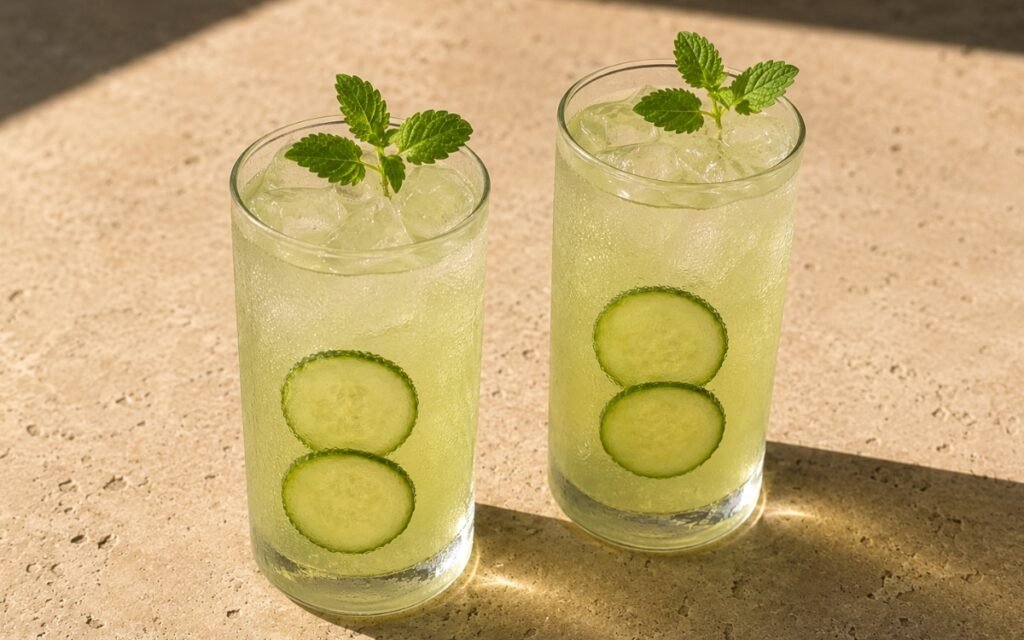
Cucumber Lemon Balm Green Iced Tea
Properly brewed green tea combined with strained cucumber juice and a gentle cold lemon balm infusion for a very pale, delicate, garden-fresh iced tea.
Lavender Blueberry Iced Tea
Light black tea at 90–95°C for 2½–3 minutes, lavender checked from 4 minutes, blueberry syrup made separately — chilled. Deep purple and elegant.


You might also like
You might also like
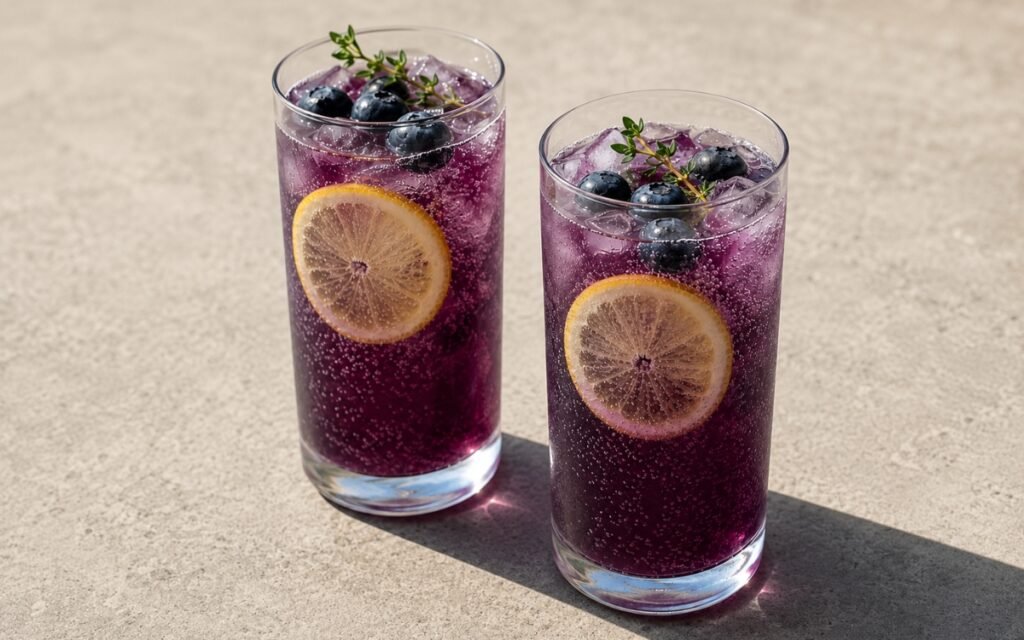
Blueberry Lemon Thyme Spritzer Mocktail
Thyme-infused blueberries with honey and lemon over club soda — deep purple and herbal-warm.
Fresh Strawberry Lemonade
Strawberries simmered exactly 5–8 minutes, lemon zest infused off heat — strained, fresh lemon juice and salt added cold. Vivid ruby-red and purely fruity.
Cold Brew White Tea
White tea cold brewed 8–12 hours in cold filtered water — lemon peel infused 8–10 minutes, a touch of culinary rose water, honey loosened in warm water. Ultra-smooth and delicate.



Strawberry Rosemary Iced White Tea
Ingredients
Method
- Heat the 1.55 litres of water to 75–80°C. Add the 7 white tea bags and steep for 3–5 minutes. Remove without squeezing. Allow to cool completely to room temperature. The 75–80°C temperature and 3–5 minute window applies to white tea throughout this collection for the same consistent reason: white tea’s pleasant floral, soft, slightly honeyed aromatic character extracts at this protected temperature before the harsher tannic compounds develop. Seven tea bags for 1.55 litres produces a base that is stronger than the Peach White Tea Spritzer or the Peach Thyme Iced Tea — the additional tea bags compensating for the two diluting additions (strawberry purée and rosemary syrup) while keeping the white tea’s structural presence meaningful against the strawberry’s natural sweetness.
- Add the 150–200g of roughly chopped strawberries, 30ml of lemon juice, 1 tbsp of honey, and approximately 120ml of the cooled white tea to a blender. The white tea as the blending medium — rather than plain water — begins the strawberry’s integration with the tea during blending in the same way it did in the mango tea preparation. Blend at high speed for 30–40 seconds until completely smooth. Strain through a fine-mesh sieve, pressing gently on the strawberry solids to extract the maximum juice while keeping the texture specifically clean and light rather than pulpy. The decision between gentle and firm pressing is a texture choice: gentle pressing produces a more refined, clearer result; firmer pressing produces a more intensely coloured, slightly more textured result. For the specifically elegant, delicate character this preparation targets, gentle pressing is the correct approach. Discard the strained solids.
- Combine the 120ml of water and 2 tbsp of granulated sugar in a small saucepan over low heat. Stir continuously until the sugar has completely dissolved — bring just to the point of dissolution without simmering. Remove from the heat. Lightly crush the 3 rosemary sprigs between your palms — pressing firmly enough to bruise the leaves and begin releasing their aromatic oils without stripping the leaves from the stems. Add the crushed sprigs to the warm syrup immediately. Allow to infuse off heat for 8–10 minutes. The 8–10 minute window is specifically important for rosemary in syrup — more so than for thyme in the peach preparations, because rosemary's dominant aromatic compounds (primarily α-pinene and camphor) produce the specifically piney, resinous, medicinal character that makes rosemary overwhelming rather than complementary in beverages if over-extracted. At 8 minutes in a warm off-heat syrup, the amount that has extracted is specifically at the background-note concentration — present as a dry, botanical depth rather than a detectable rosemary flavour. Beyond 10 minutes the extraction continues toward the medicinal. Strain the syrup and allow to cool completely.
- In a large pitcher, combine the remaining cooled white tea with the strained strawberry mixture. Stir gently to combine. Begin adding the cooled rosemary syrup slowly — pouring in approximately 30ml at a time and stirring before tasting. The rosemary syrup should be added to taste rather than all at once, because the desirable concentration — specifically background botanical depth rather than noticeable rosemary — varies between individual palates and between batches of syrup. Add until the rosemary is just perceptible as a dry, herbal background note rather than as a prominent flavour. For most batches this is approximately 60–80ml of the total 150ml syrup; the remaining syrup can be used for another preparation or stored separately. After adding the rosemary syrup, taste the complete mixture and adjust if needed: more honey if the strawberry’s natural sweetness is insufficient; more lemon juice if additional brightness is wanted; more rosemary syrup if the botanical depth needs amplification.
- Transfer the finished tea to a sealed glass pitcher and refrigerate for 2–4 hours. The extended chill allows the white tea, strawberry, lemon, and rosemary to fully integrate — the combined flavour at 2 hours is notably more cohesive than immediately combined. Overnight chilling after the rosemary syrup has been strained is fine and produces the most fully integrated result. Fill glasses with ice. Pour the chilled tea over the ice. Garnish with fresh strawberry slices pressed against the glass wall and a small rosemary sprig resting across the top. Serve immediately while the aromatic compounds are at their most vivid.